Latitude and longitude form the backbone of how we locate anything on Earth, and understanding these two coordinate systems opens up a whole new way to read maps. For fourth grade students learning alphabet skills alongside geography, grasping these concepts early makes map reading feel less mysterious and more like solving a puzzle.
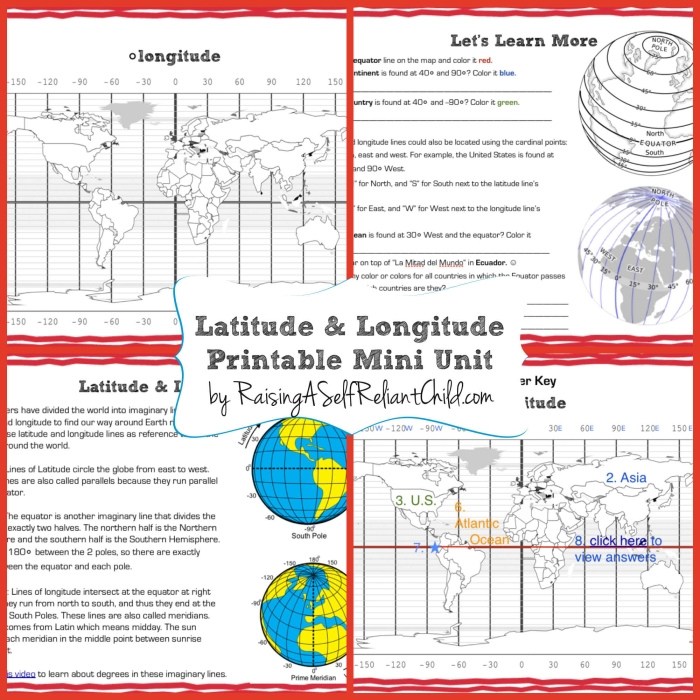
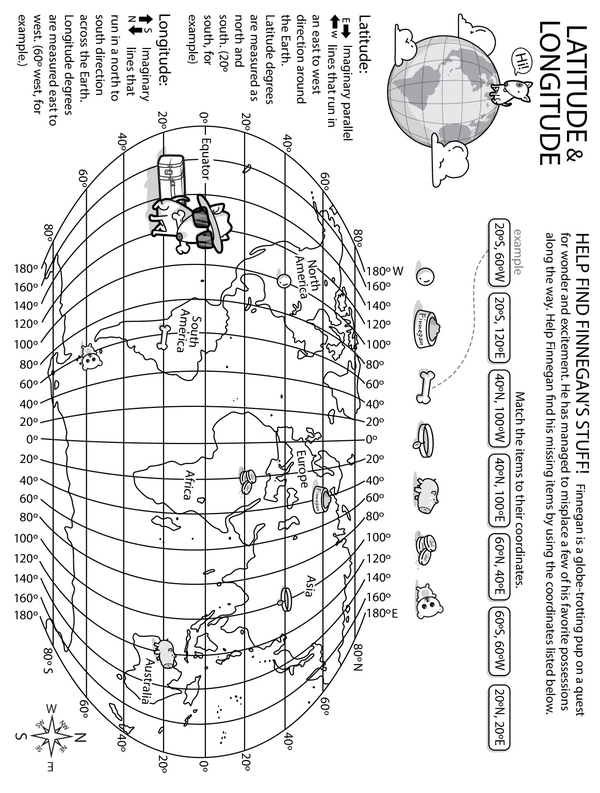
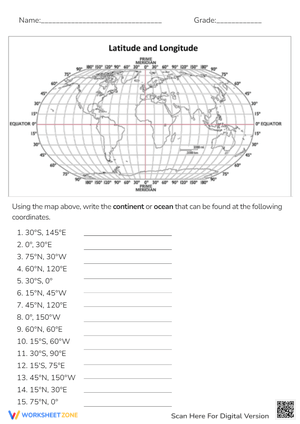
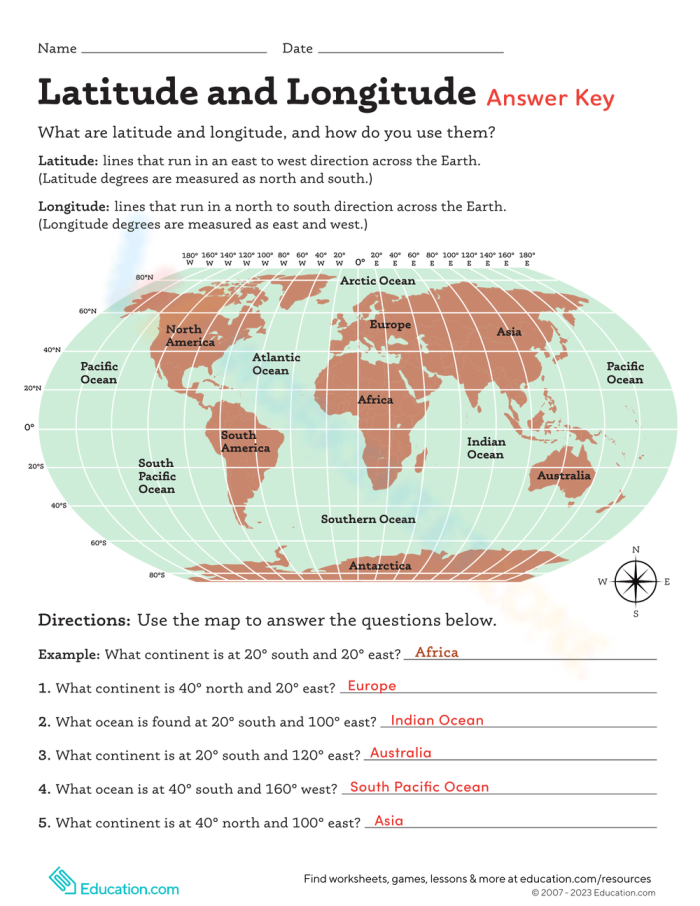
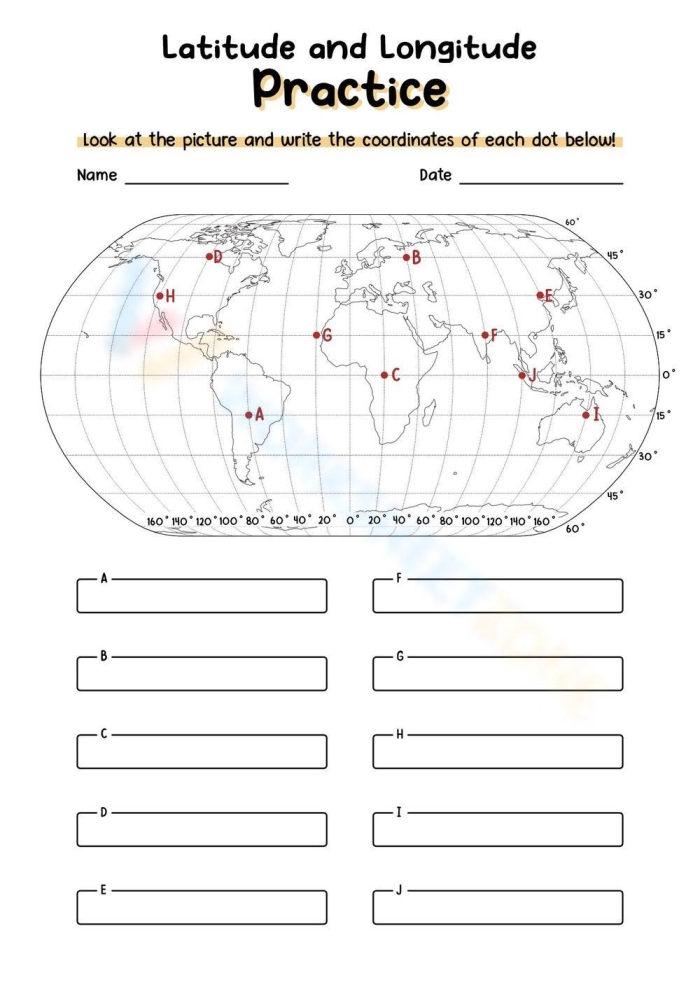
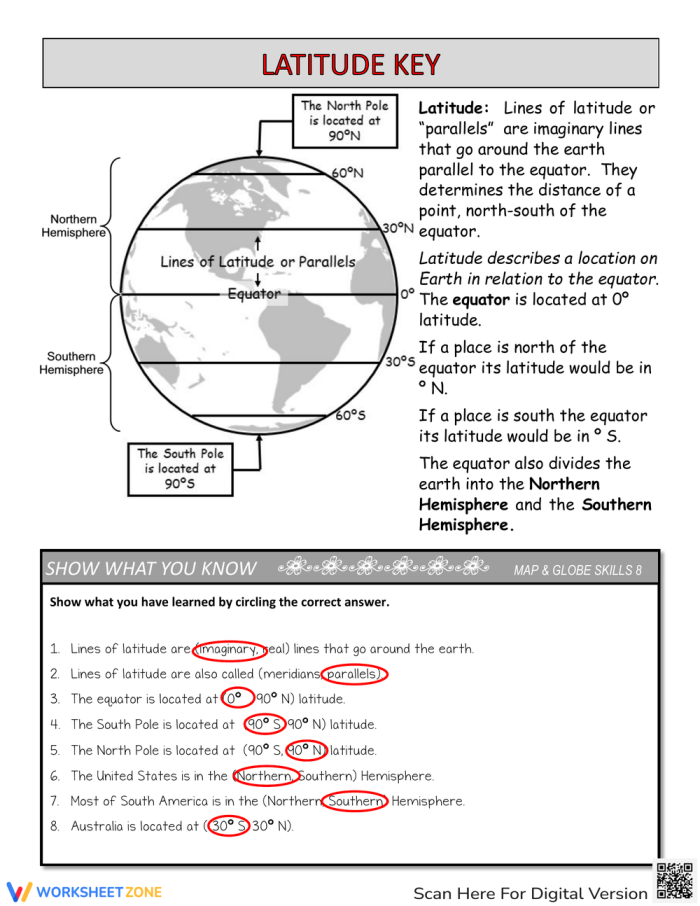
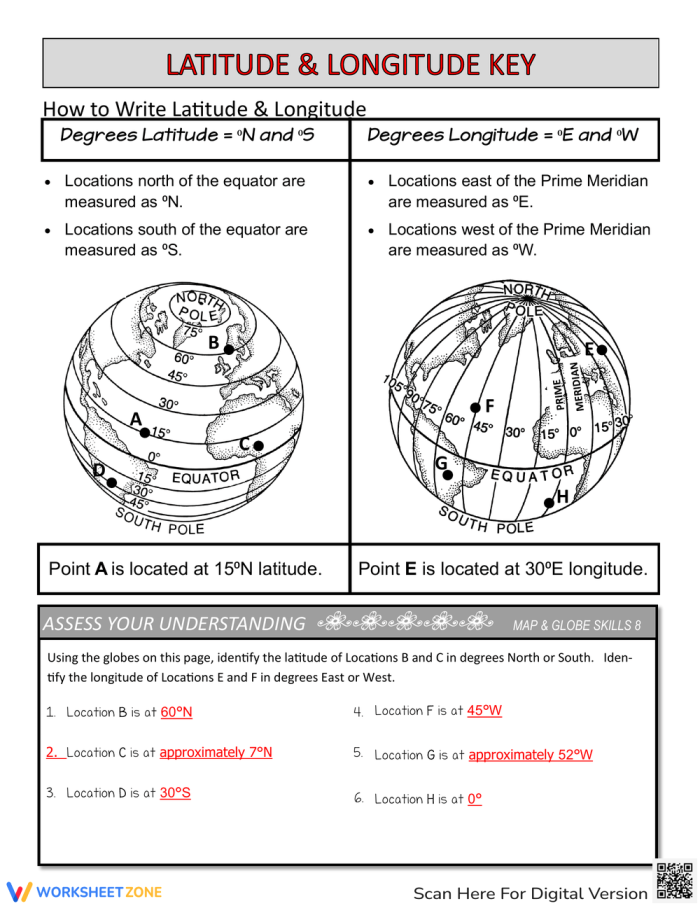
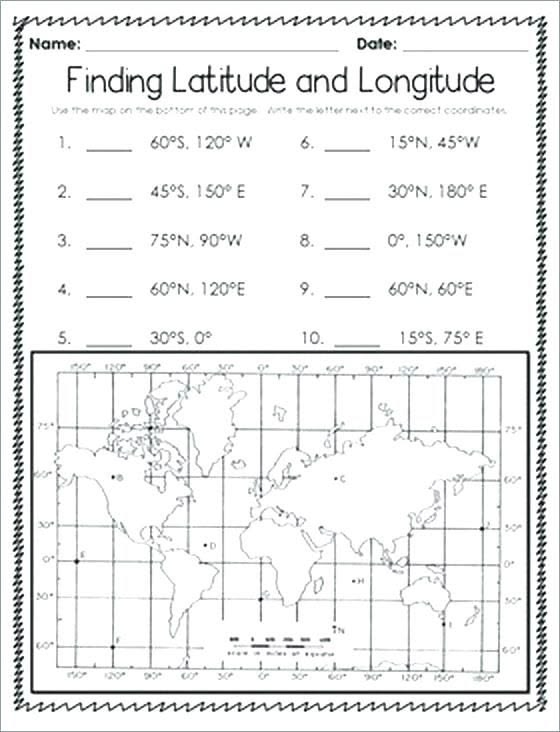
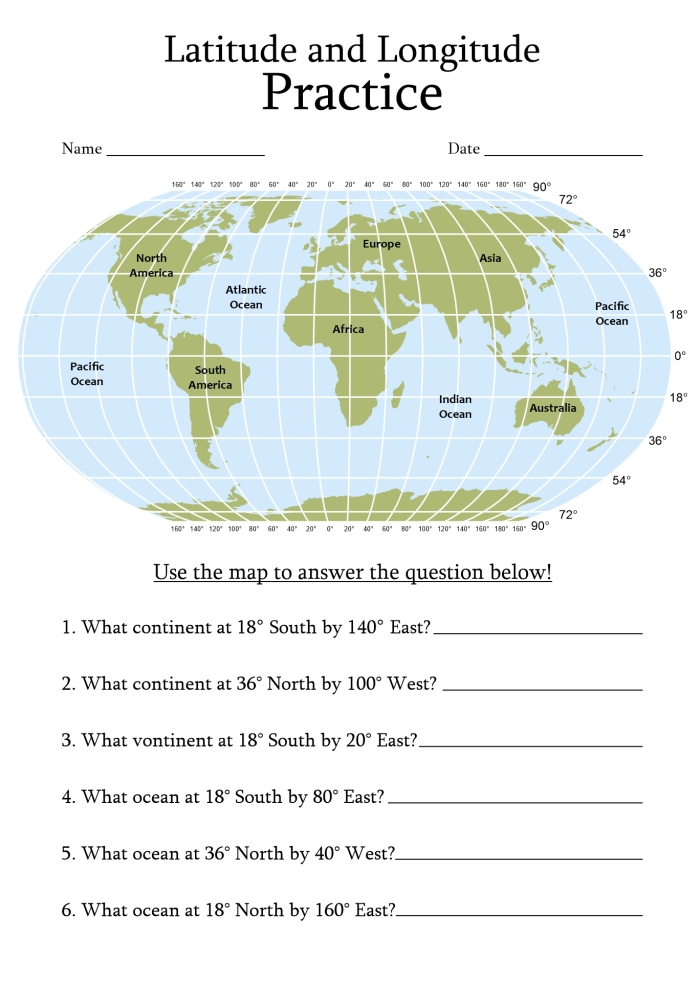
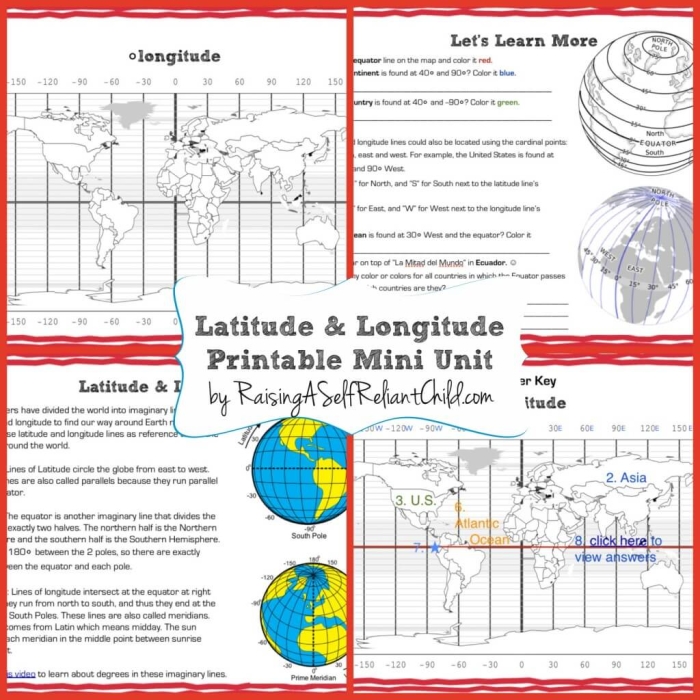
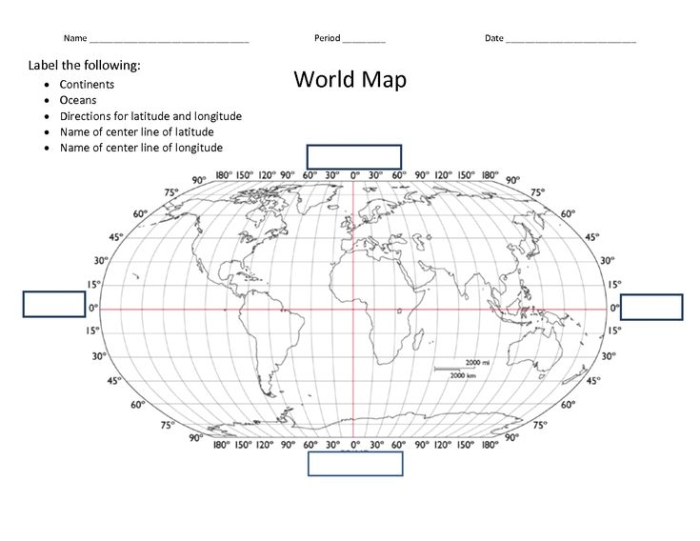
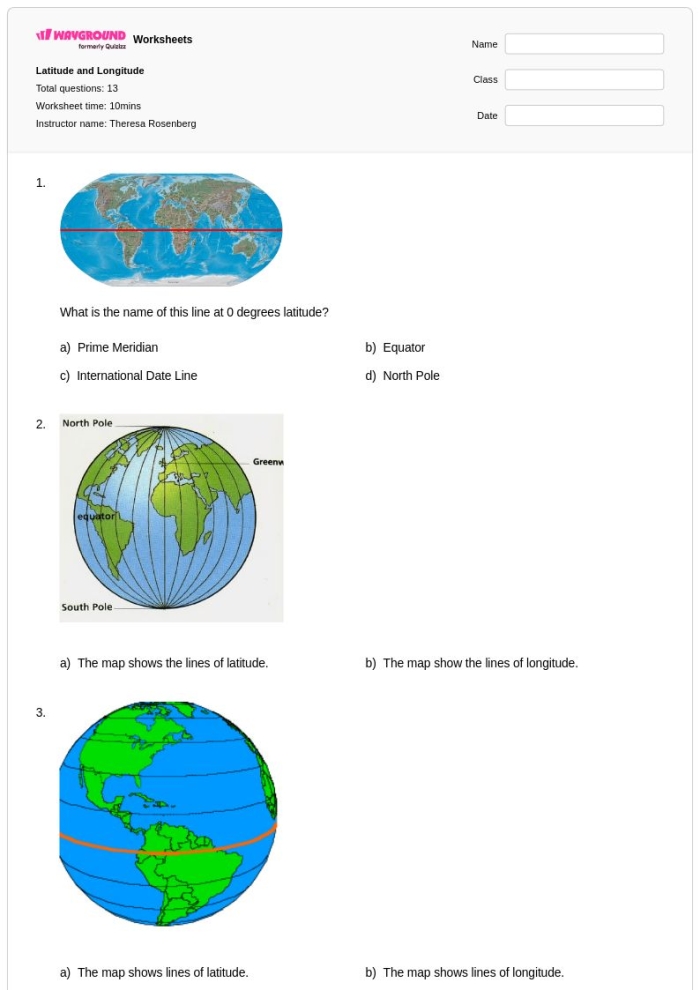
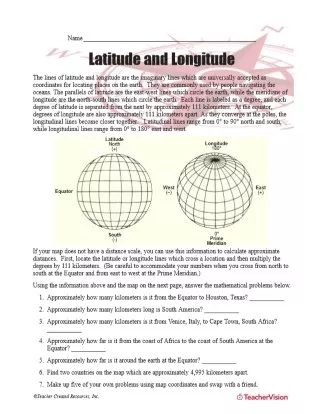
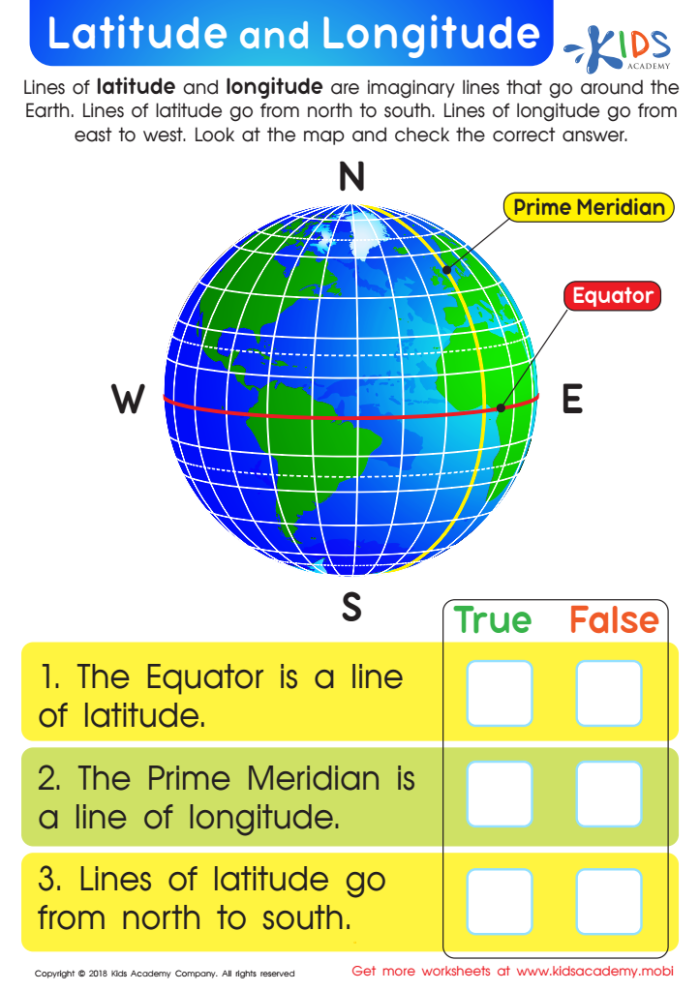
Latitude lines run horizontally across the globe, measuring how far north or south a location sits from the equator. Think of them as invisible rungs on a ladder that wraps around the Earth. These lines are numbered from 0 degrees at the equator to 90 degrees at the North and South Poles. Longitude lines, by contrast, run vertically from pole to pole, measuring how far east or west a location is from the Prime Meridian, which passes through Greenwich, England. Together, these two systems create a grid that lets you pinpoint any spot on the planet using just two numbers.
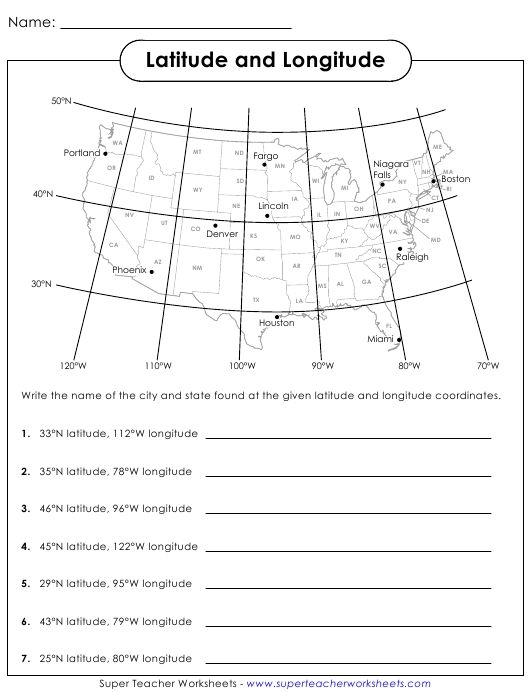
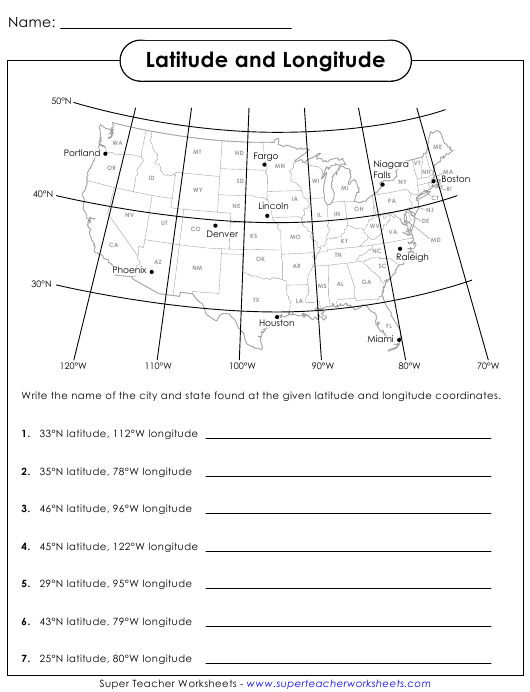
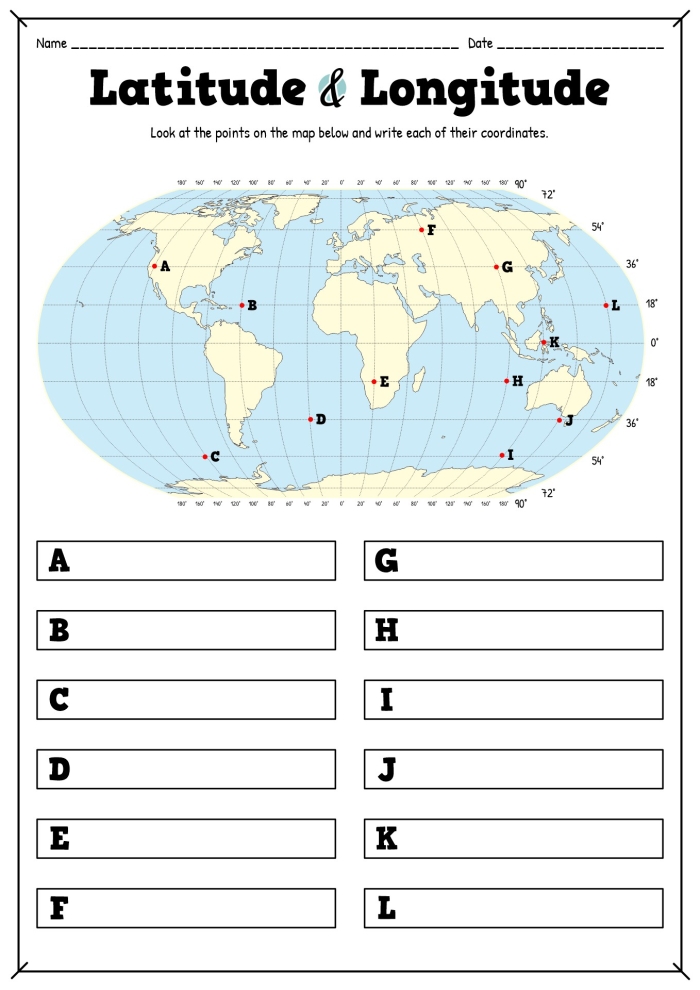
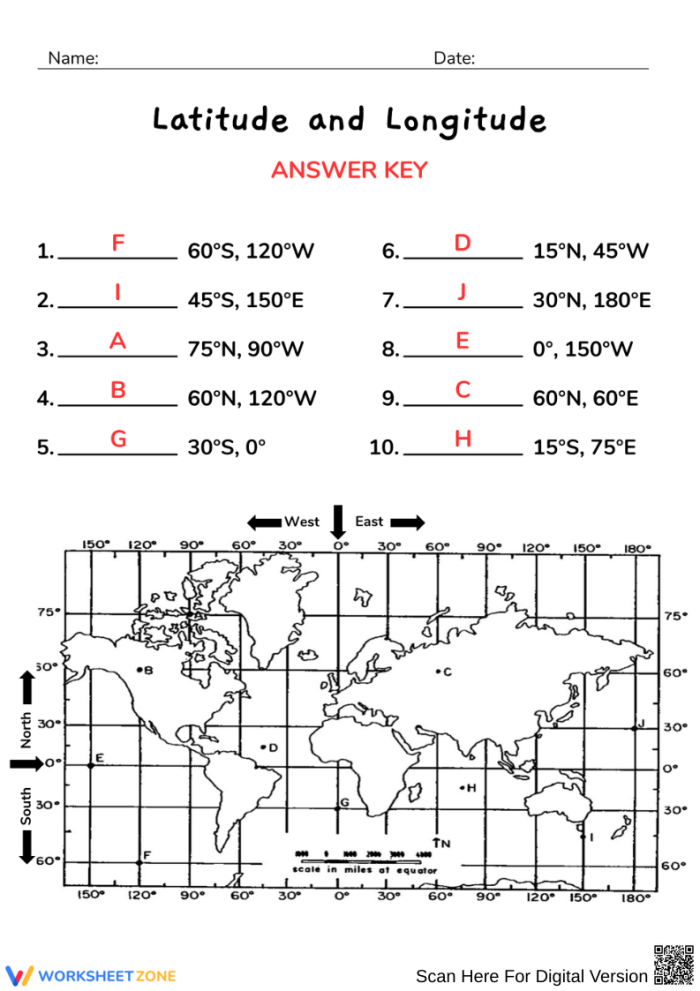
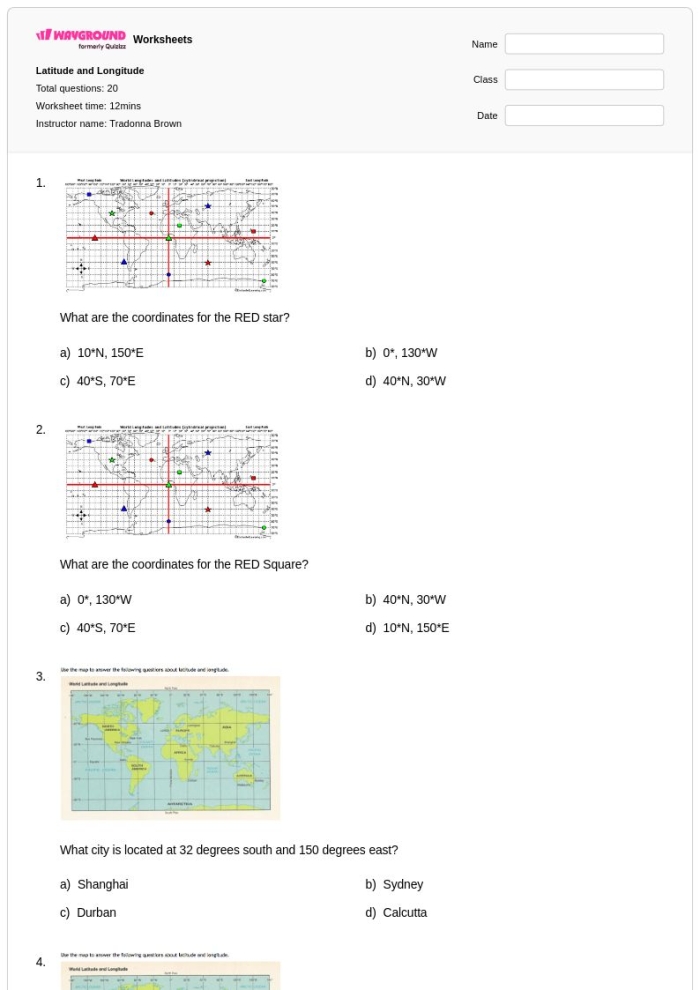
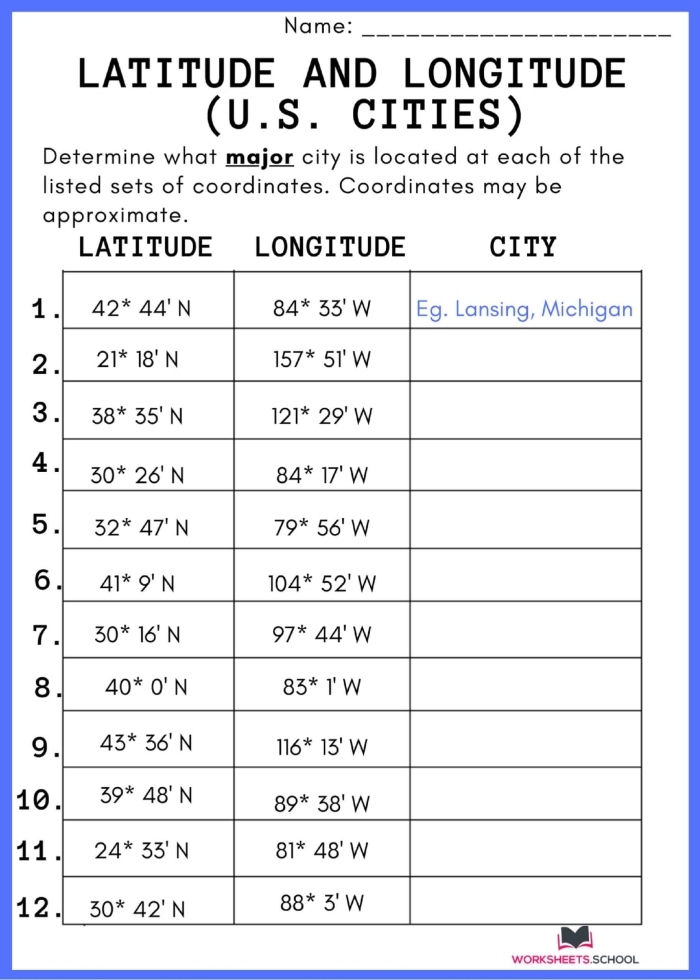
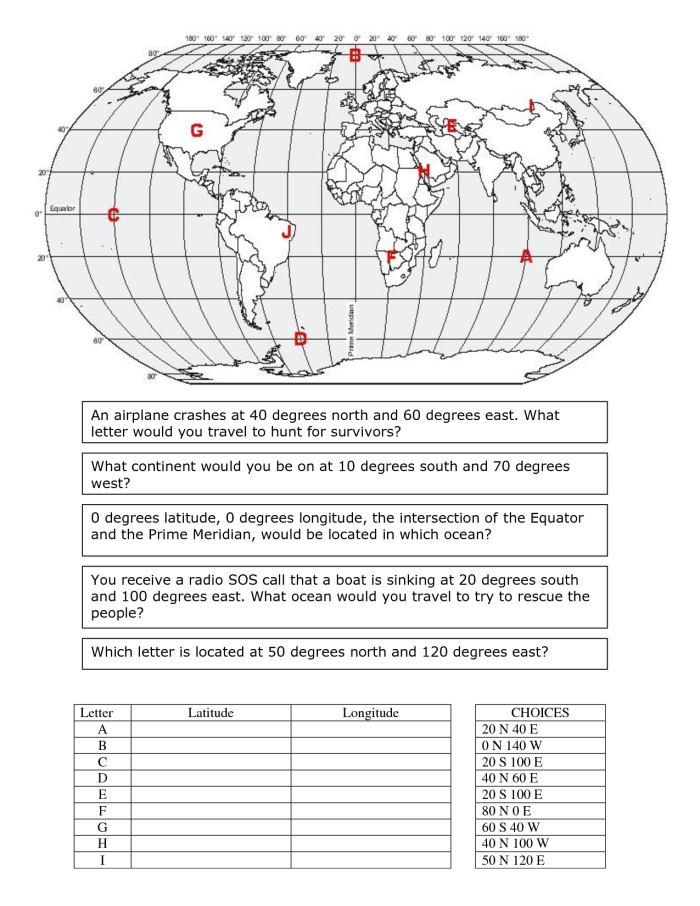
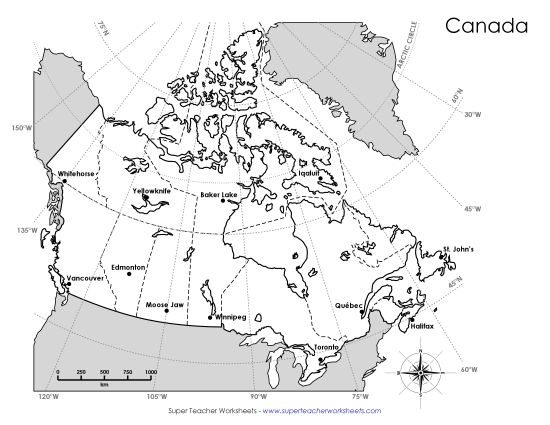
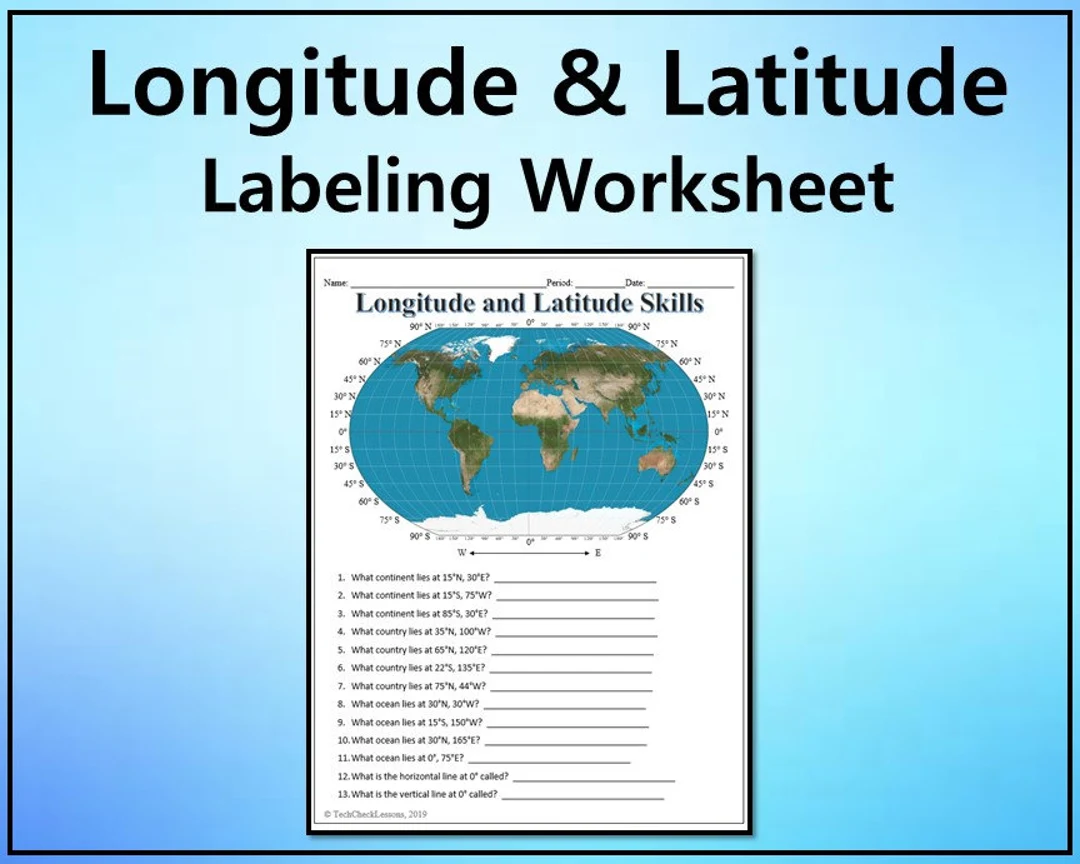
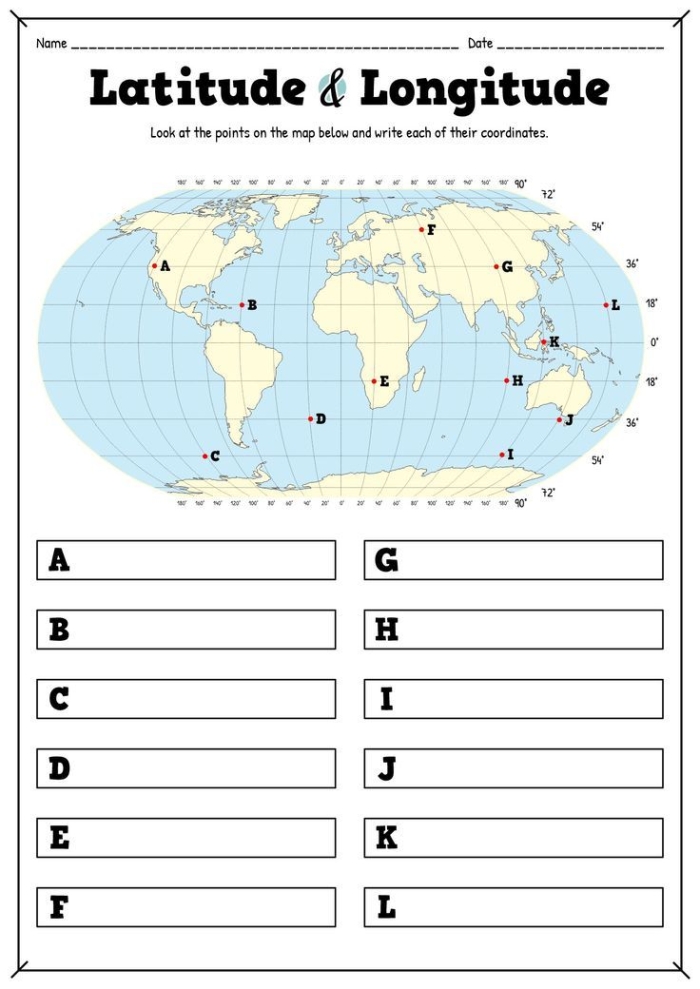
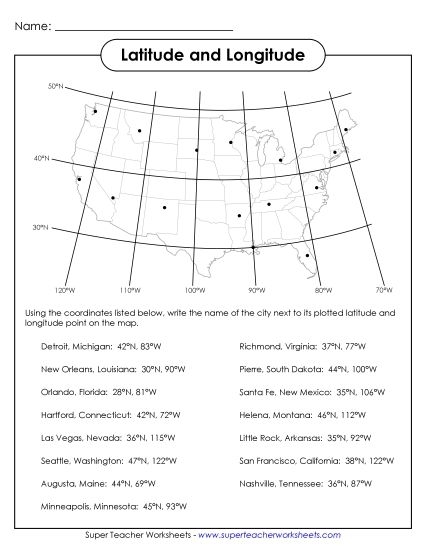
When you work with a map skills sheet, you’re learning to read these coordinates the same way explorers and sailors have for centuries. The format typically shows latitude first, then longitude, written as degrees. For instance, a location might be marked as 40°N, 74°W. The letters N, S, E, and W tell you the direction from the reference lines.
Fourth graders benefit from practice worksheets that combine coordinate learning with other subjects. You might find activities pairing map work with coordinate points at the air show scenarios, or exploring different landforms across various latitudes. These connections help cement the concept while keeping learning engaging and relevant to a young student’s world.
Use These Worksheets Today