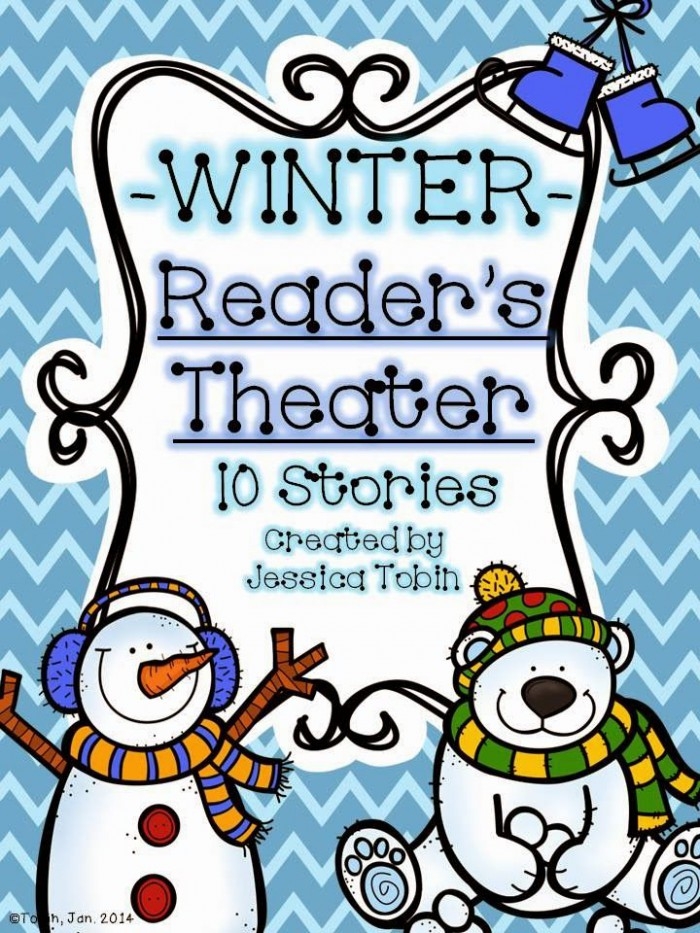
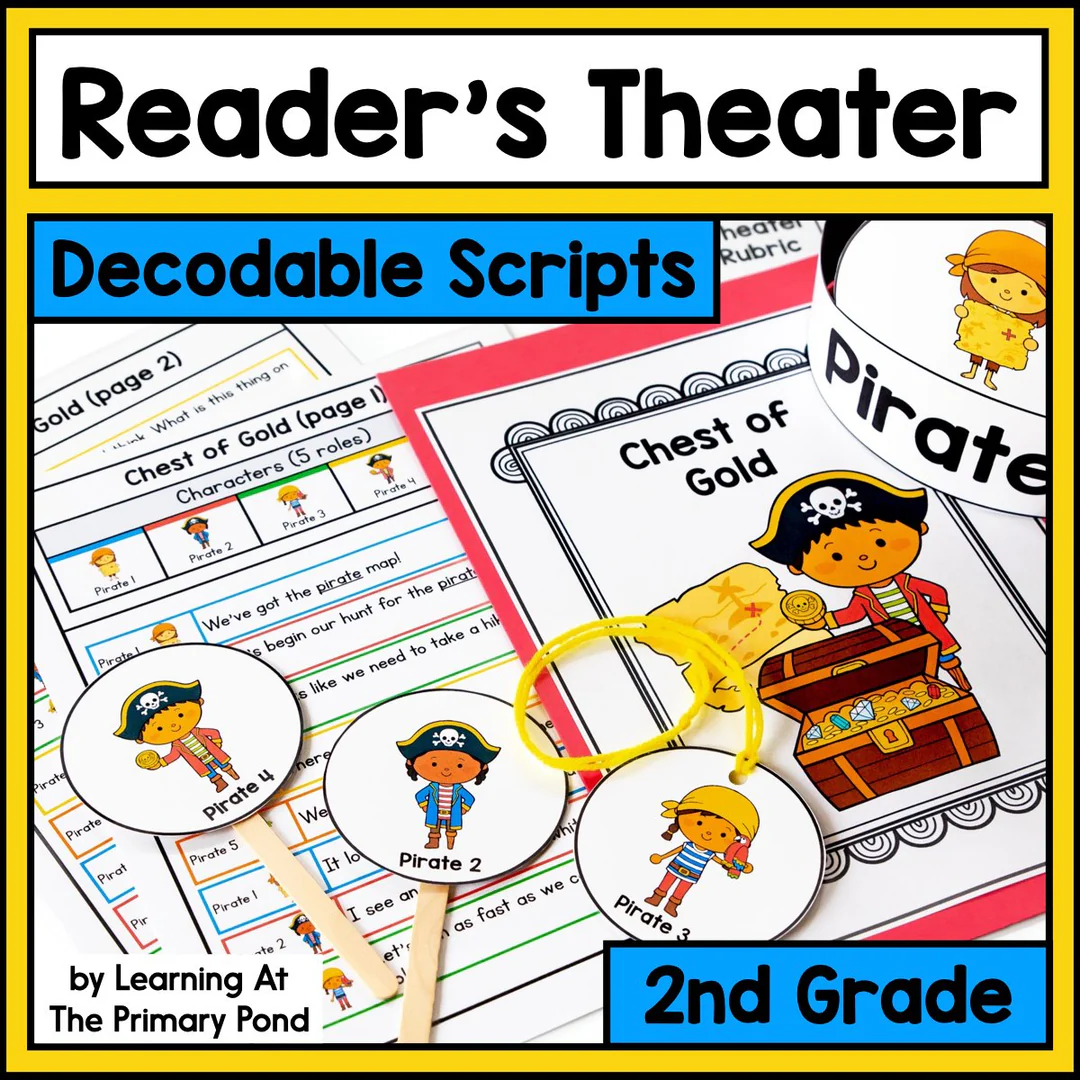
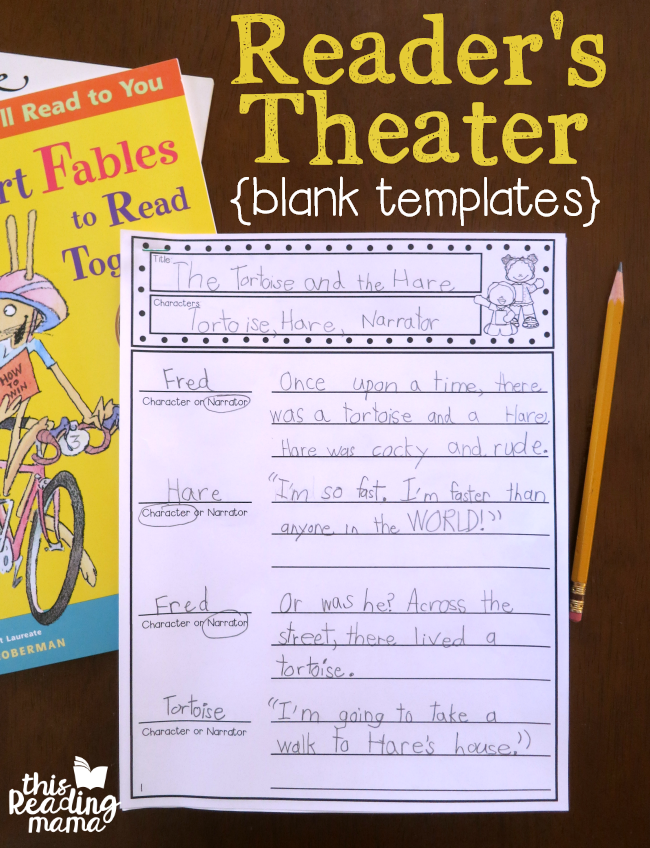
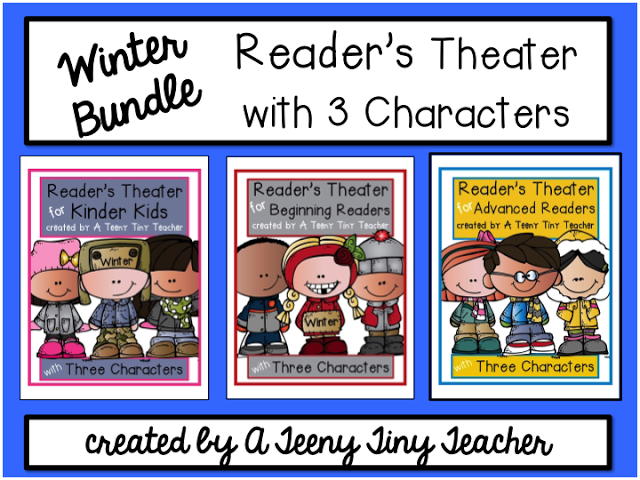
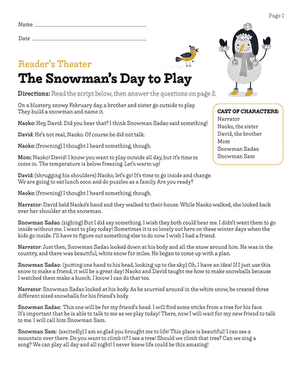
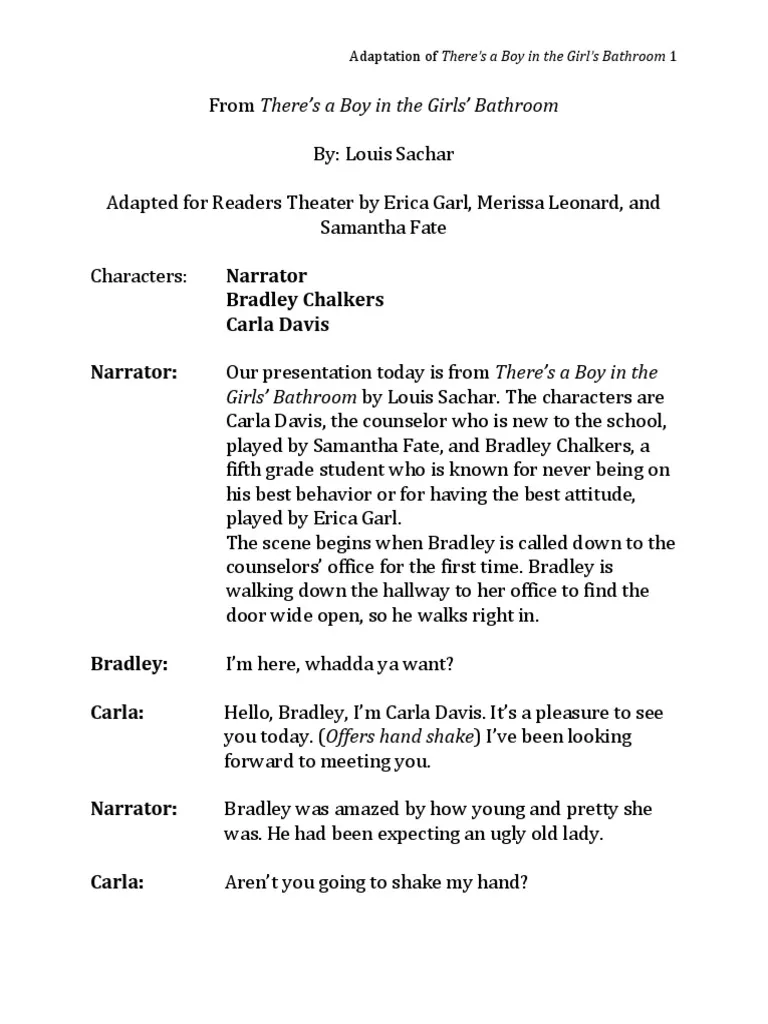
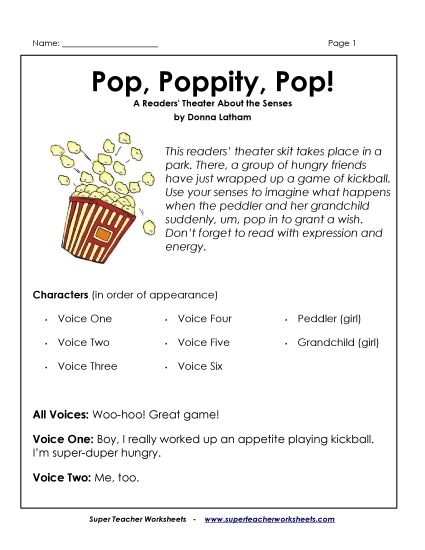
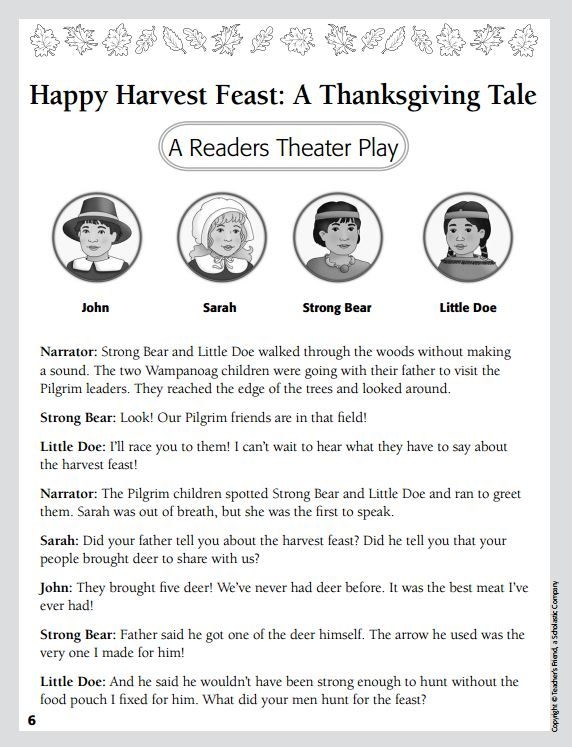
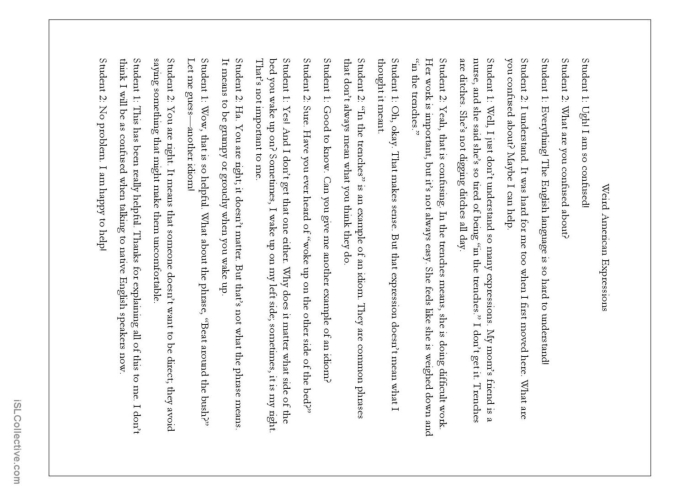
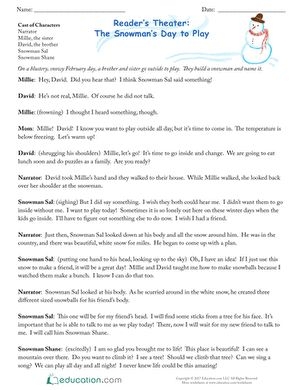
Script analysis builds reading skills that second grade learners often find both challenging and rewarding. When students work through a winter-themed script like The Snowman’s Day, they engage with dialogue, character motivation, and narrative structure in ways that traditional stories sometimes miss. This hands-on approach to reading comprehension helps children understand how characters communicate and interact.
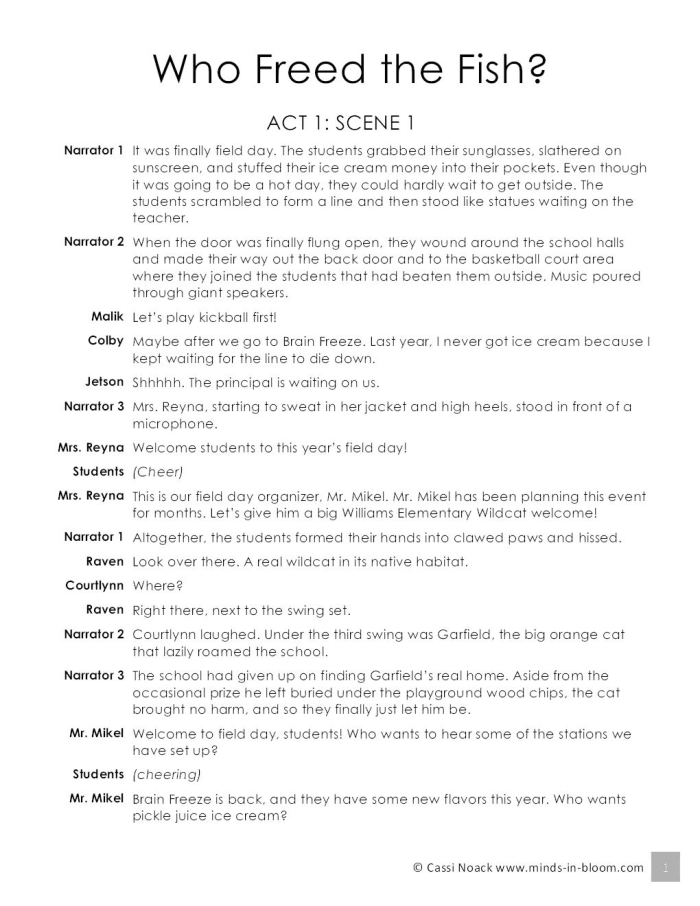
A reader’s theater format makes script analysis accessible for young learners. Unlike silent reading, scripts invite students to speak their parts aloud, which reinforces comprehension and builds confidence. Second grade students benefit from hearing how punctuation affects pacing and emotion. When a character says, “The snowman melted!” versus “The snowman melted,” the difference becomes clear through spoken delivery rather than abstract explanation.
The winter setting serves a practical purpose beyond seasonal appeal. Familiar scenarios like building snowmen or watching snow fall help second graders connect abstract reading skills to their own experiences. This context makes vocabulary stick better and gives students something concrete to visualize while reading.
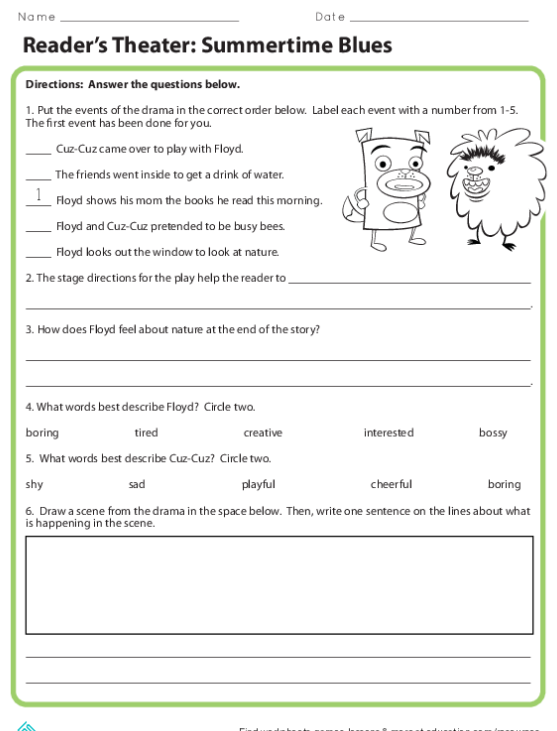
Script-based worksheets often include comprehension questions that require students to think about character feelings, sequence of events, and cause-and-effect relationships. These elements naturally introduce subtraction concepts when stories involve characters losing items or snow melting away. A character who starts with five snowballs and throws three involves the same mathematical thinking as a subtraction problem, bridging literacy and numeracy in meaningful ways.
Pairing this activity with other skill-building resources strengthens learning outcomes. Students who work on noun review exercises develop stronger vocabulary recognition, which directly improves their ability to identify characters and settings in scripts. Similarly, practicing homophones helps with reading accuracy when scripts contain similar-sounding words.
Reader’s theater worksheets make script analysis feel like play rather than work, which keeps second grade learners engaged throughout the activity.
Hands-On Worksheet Activities