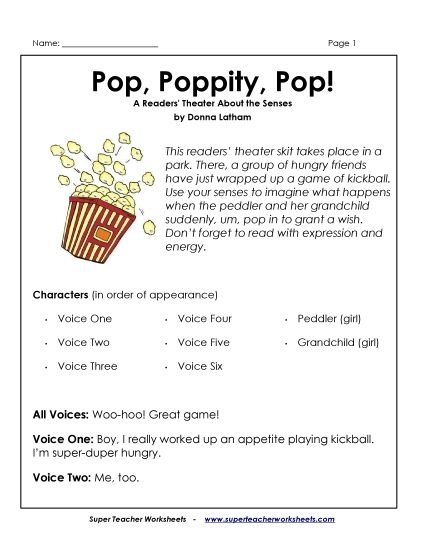
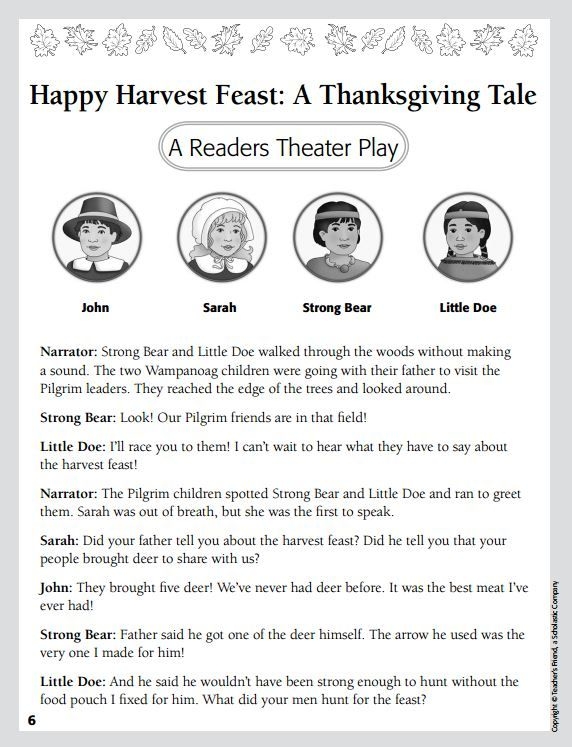
Engaging students in reading can sometimes feel like a challenge, but incorporating a Reader’s Theater script can transform the classroom experience. This approach allows third graders to practice reading fluently while having fun with their peers. By acting out scenes, students not only enhance their reading skills but also develop confidence and expressiveness in their voice.
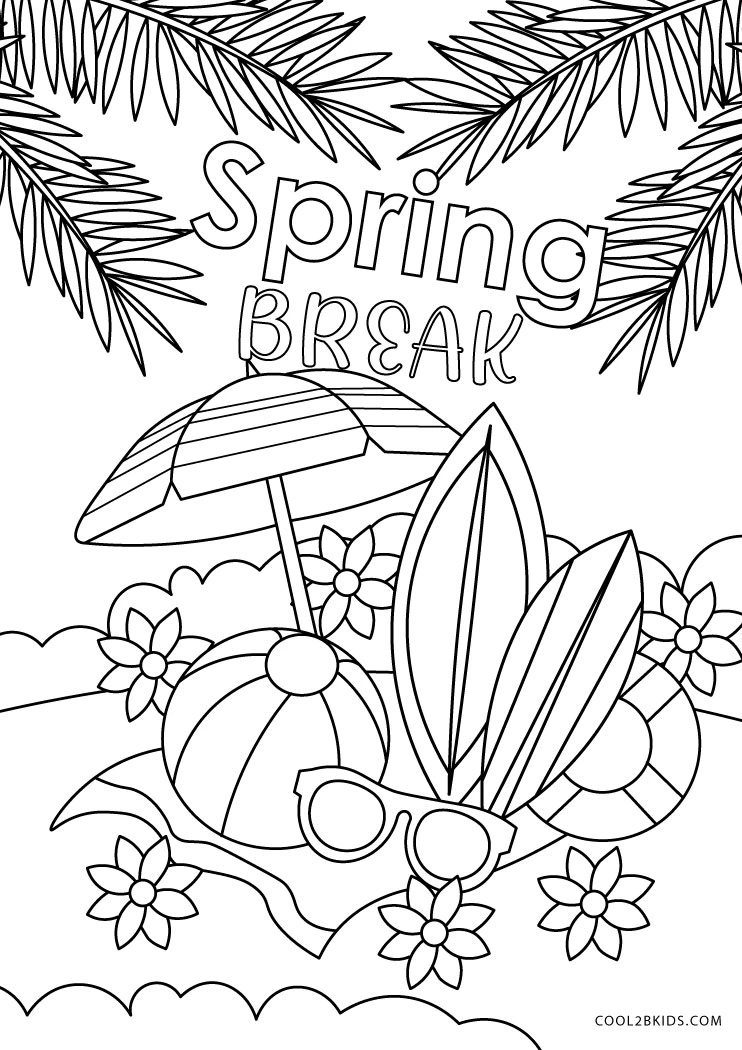
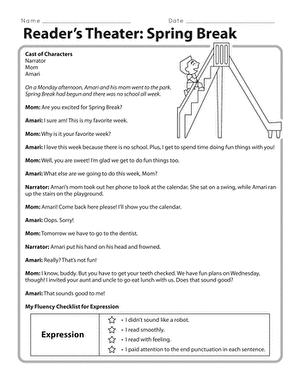
Using the Reader’s Theater: Spring Break script, teachers can create an interactive environment that encourages participation. As students read their parts, they learn to articulate their words clearly and understand the flow of dialogue. This practice is crucial for developing reading fluency, an essential skill in their overall literacy journey.
Reader’s Theater doesn’t just focus on reading; it also fosters teamwork and collaboration. As students prepare for their performance, they must listen to one another and work together to bring the story to life. This collaborative spirit enhances their social skills and makes reading a shared adventure. The use of scripts related to familiar themes, like spring break, captivates students’ interests, making them more eager to engage with the material.
Additionally, for teachers looking to integrate math with literacy, consider using resources like the algebra worksheets available. These worksheets can complement the Reader’s Theater script, allowing students to explore mathematical concepts through reading. For example, they could solve problems related to the characters or events in the script, reinforcing both reading and algebra skills.
Incorporating a Reader’s Theater script into your classroom can make reading a dynamic and enjoyable activity. By providing students with opportunities to practice aloud and interact with their peers, you help them build the fluency they need to succeed in their academic journey. So grab a script, gather your students, and watch their reading skills flourish.
Download These Worksheets for Practice