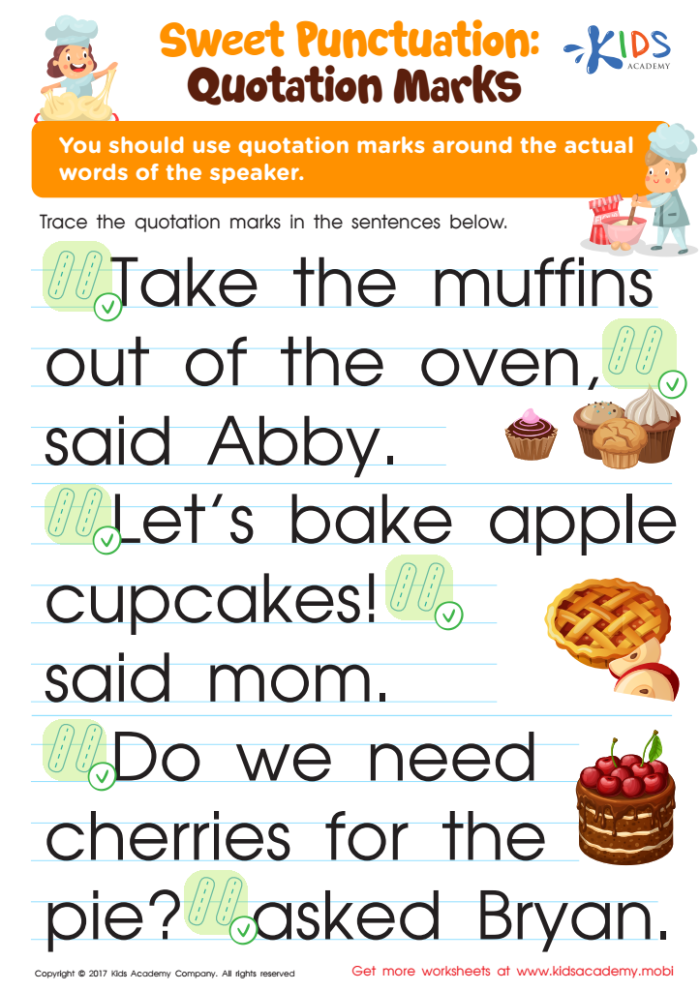
Most third graders struggle with quotation marks because the rules feel arbitrary and disconnected from how they actually read and write. The real challenge emerges when students encounter nested quotations, where one quote appears inside another. This is where a solid worksheet focused on quotation mark usage becomes invaluable.
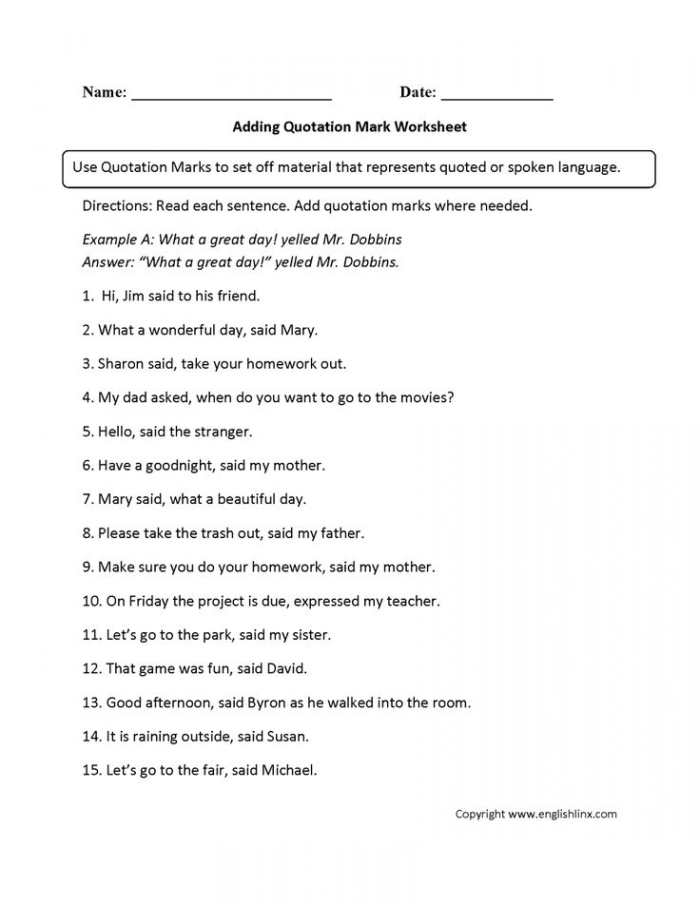
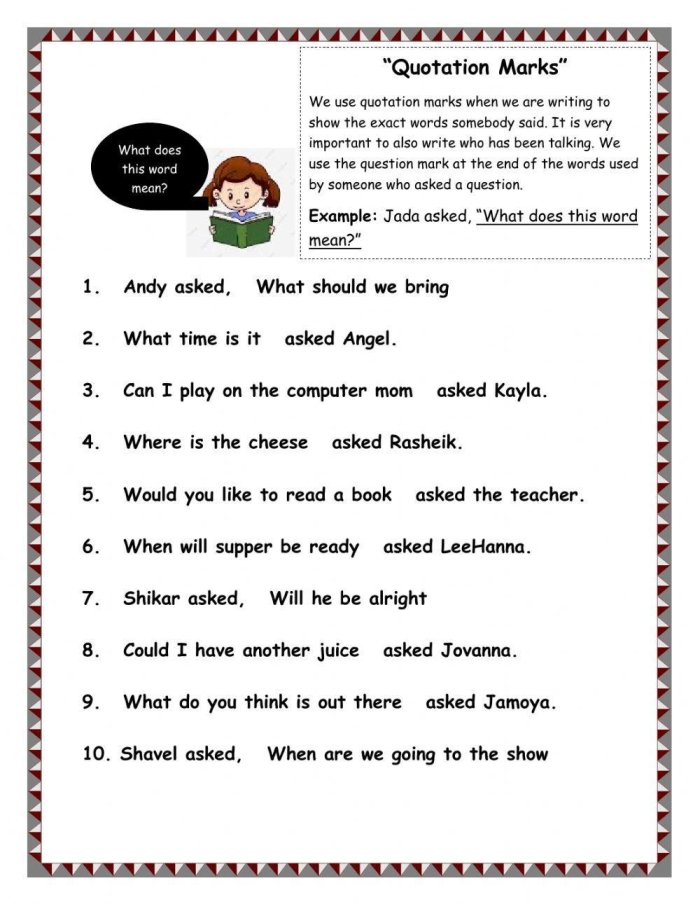
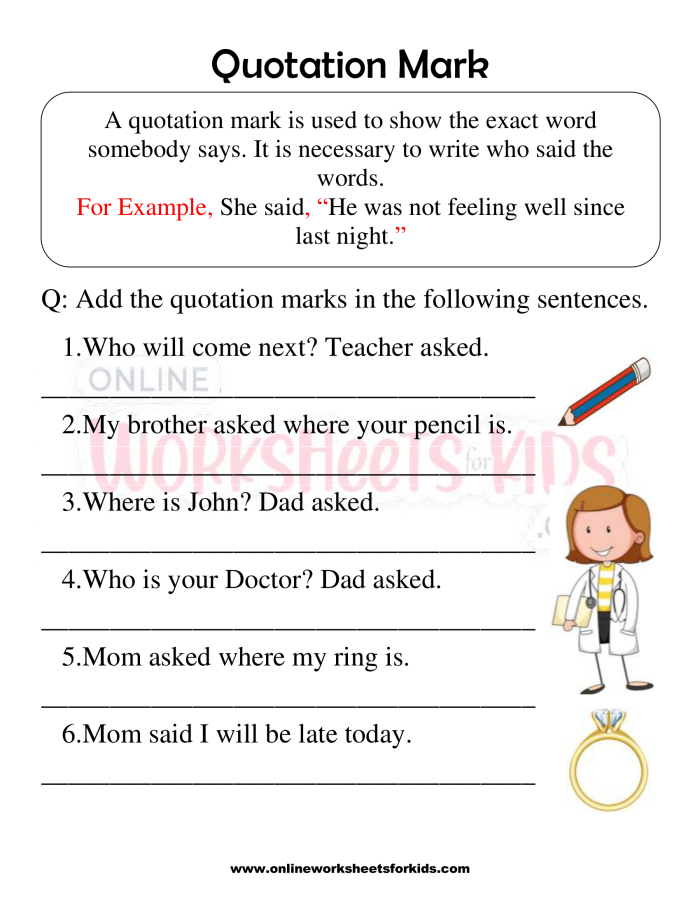
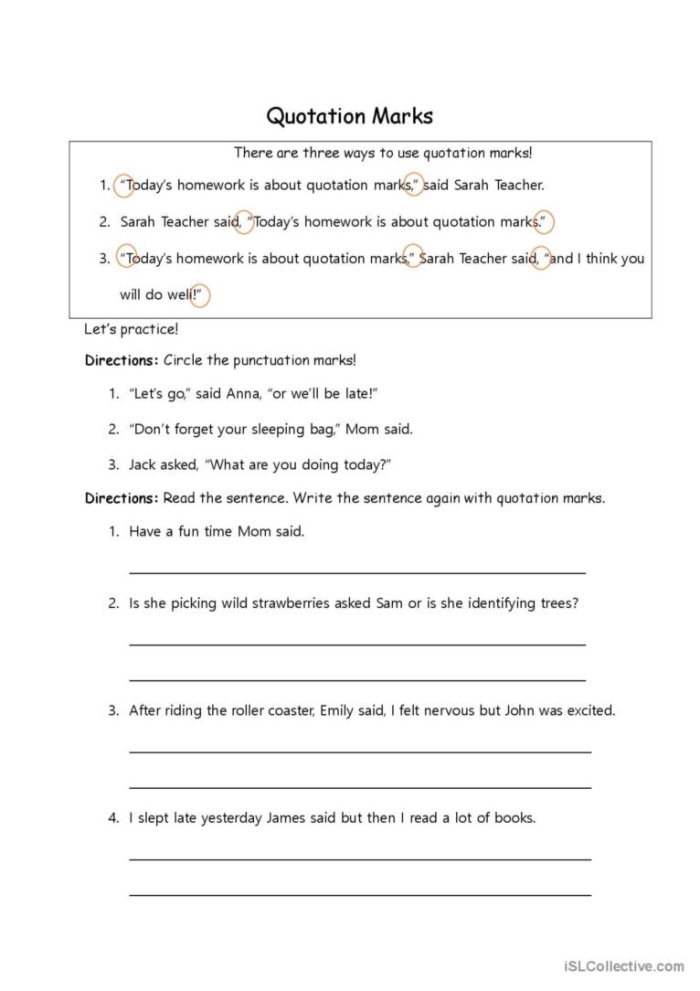
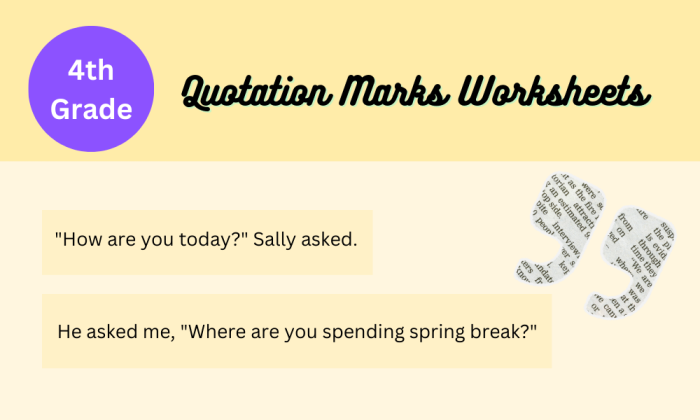
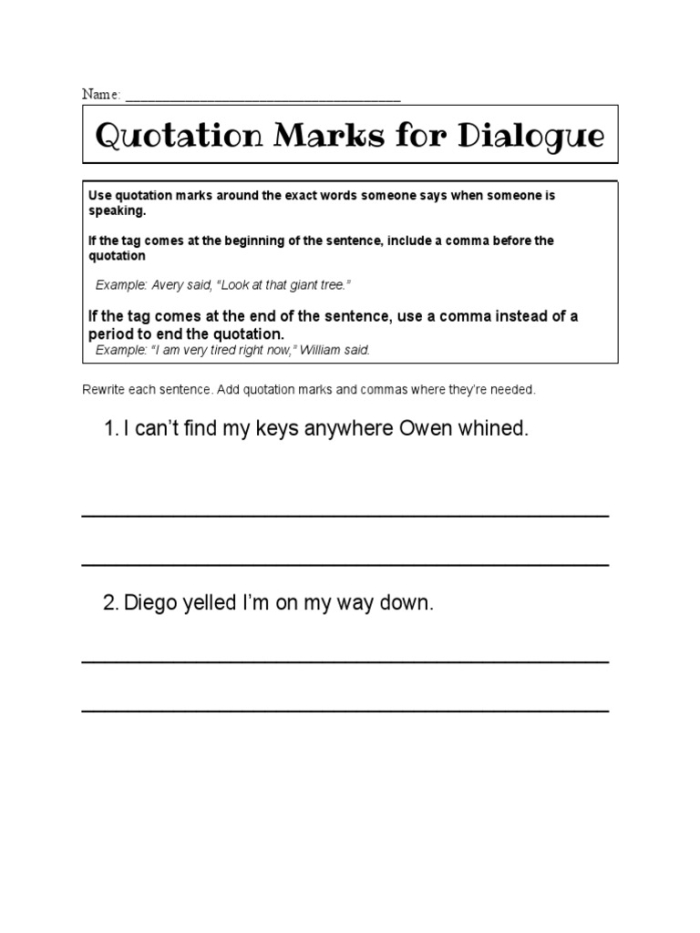
Quotation marks serve a specific purpose: they show readers exactly which words belong to a speaker or source. In third grade civics and government lessons, students often encounter quotes from historical figures or community leaders. When a student writes about what someone said, they need to know where the quotation marks go. A well-designed worksheet teaches this through repetition and clear examples, moving from simple dialogue to more complex scenarios.
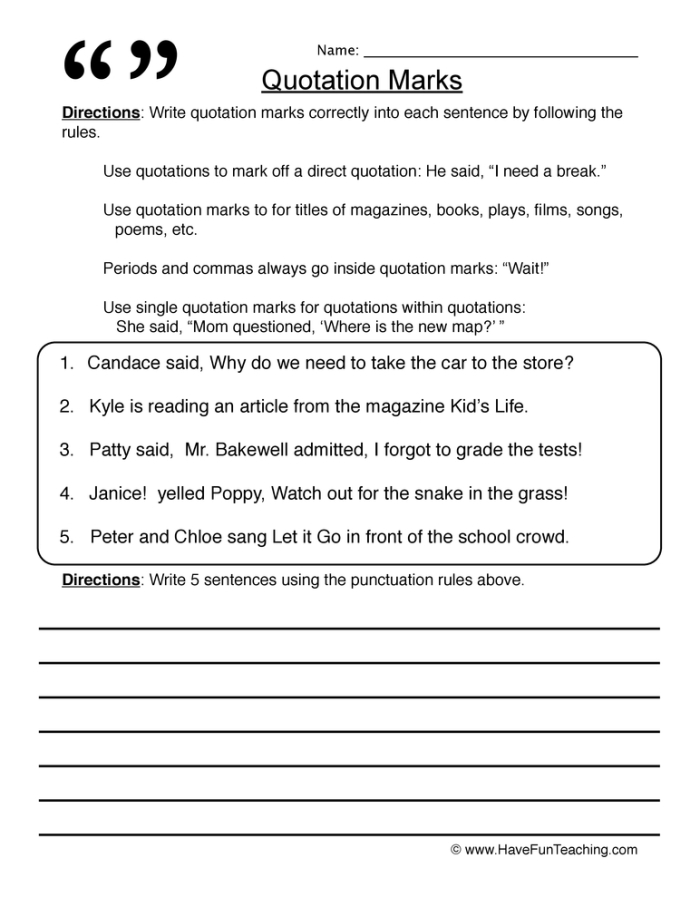
The trickiest part of quotation mark usage involves quotes within quotes. For instance, if a student writes that their teacher said, “Remember to always say ‘please’ and ‘thank you,'” the inner quotation marks need single quotes while the outer ones remain double quotes. This layering confuses many young writers because it requires understanding punctuation hierarchy, not just memorization.
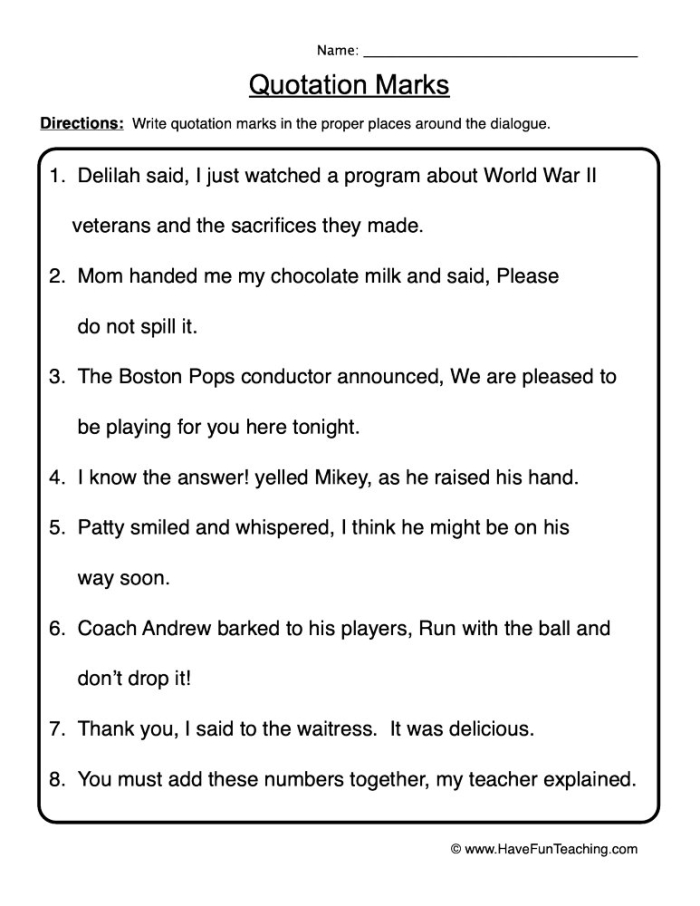
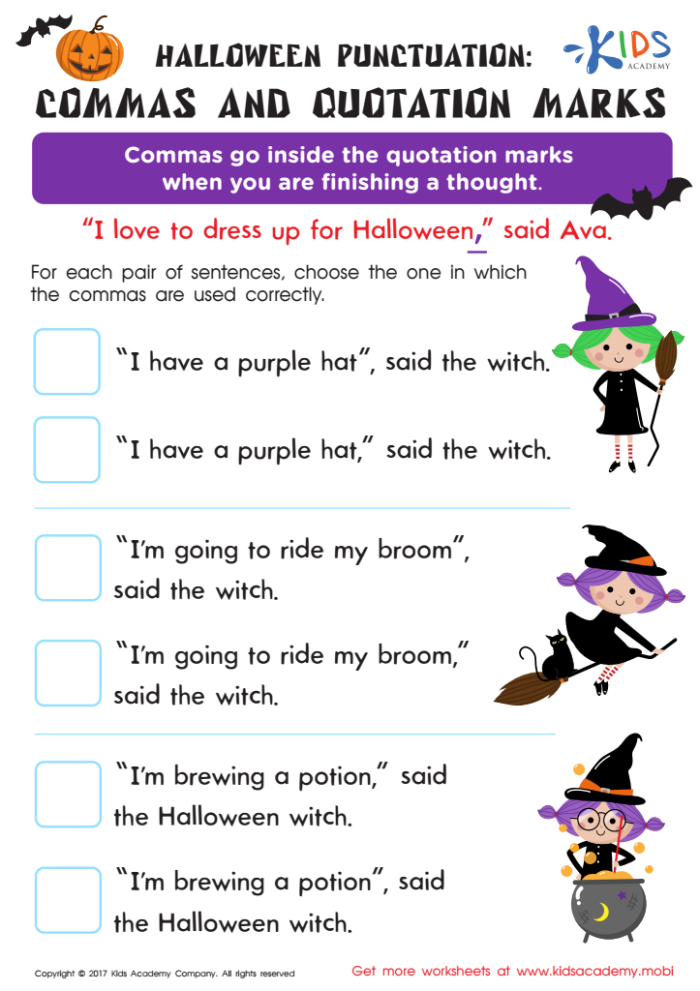
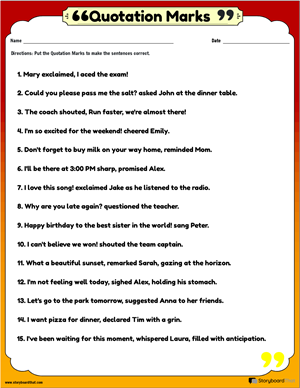
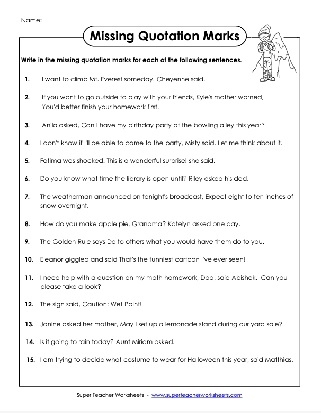
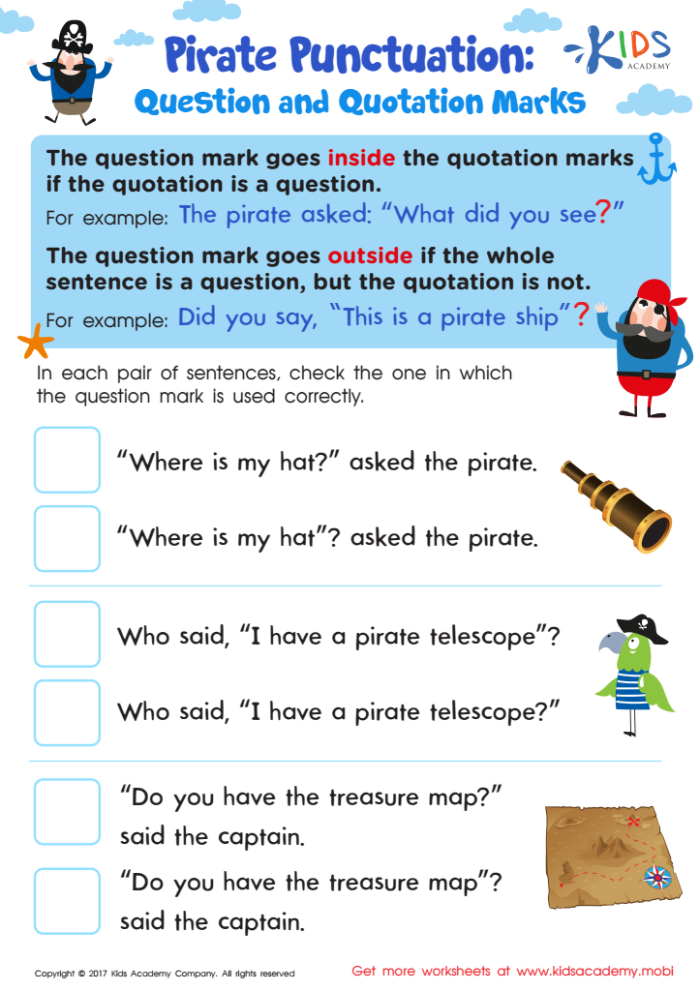
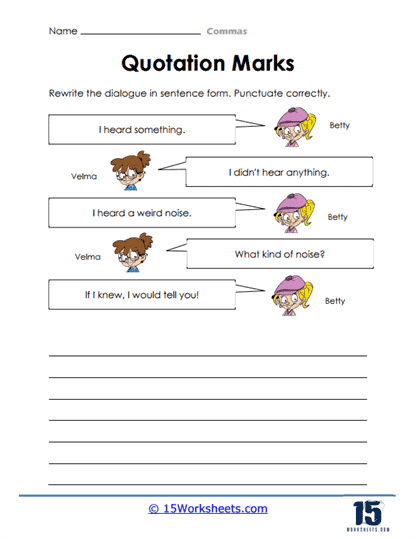
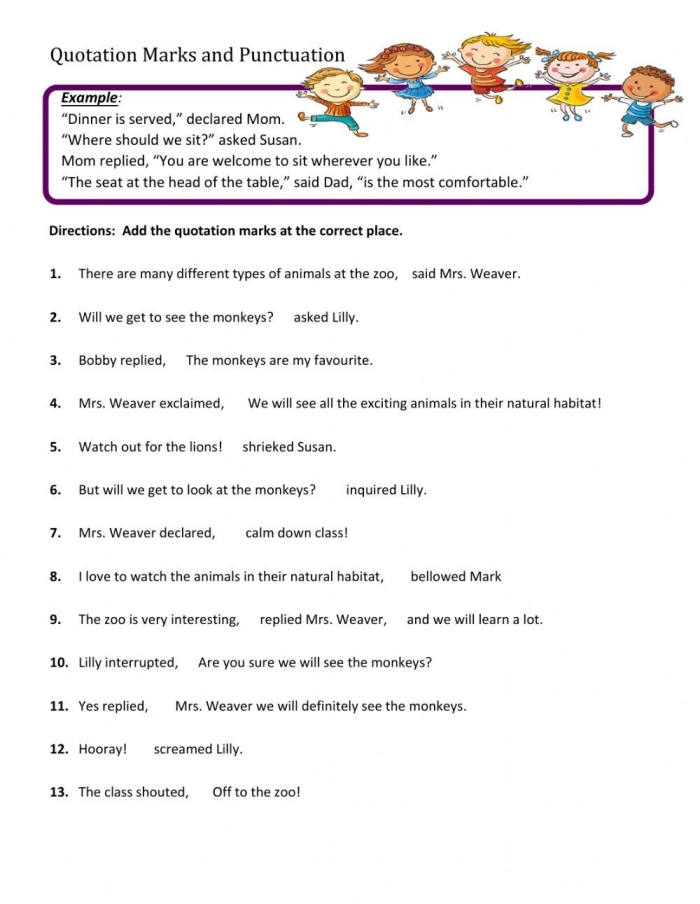
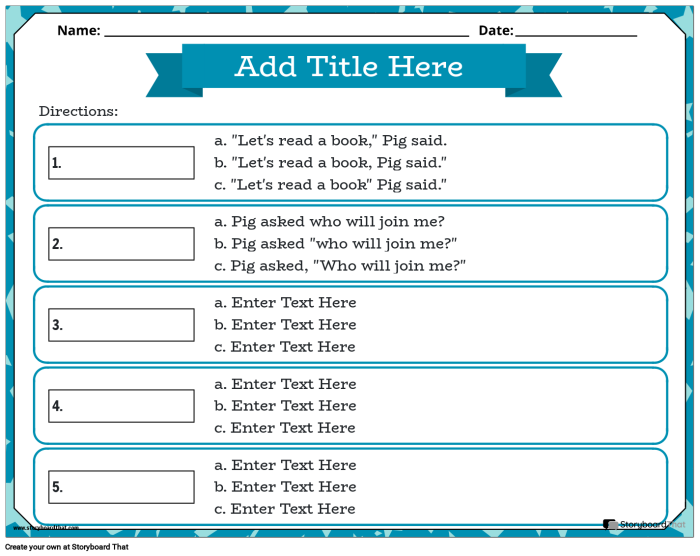
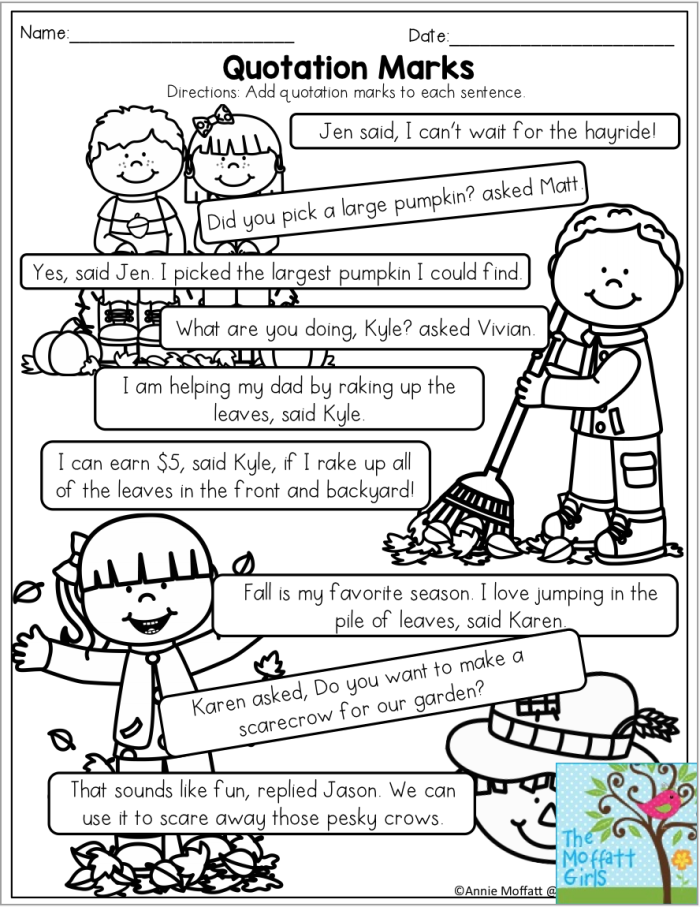
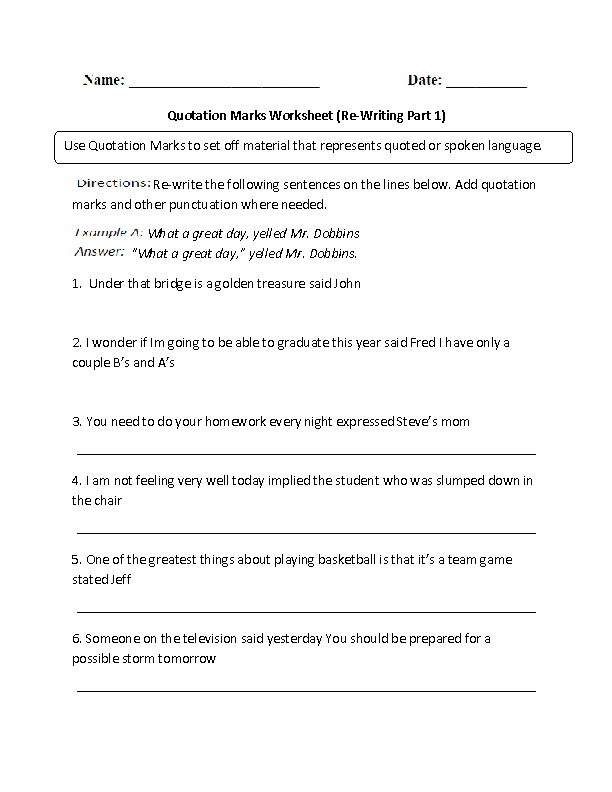
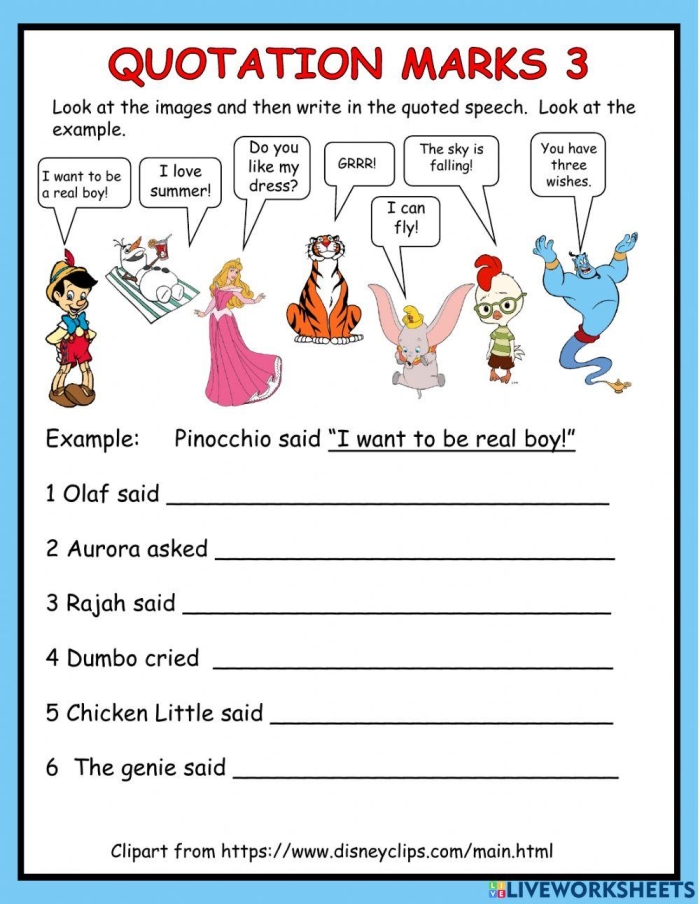
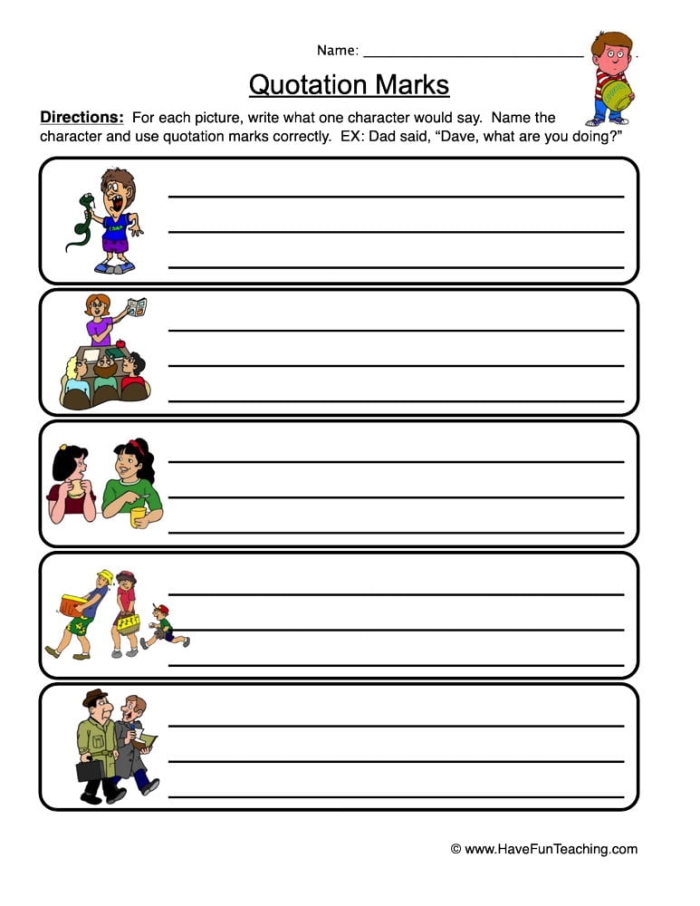
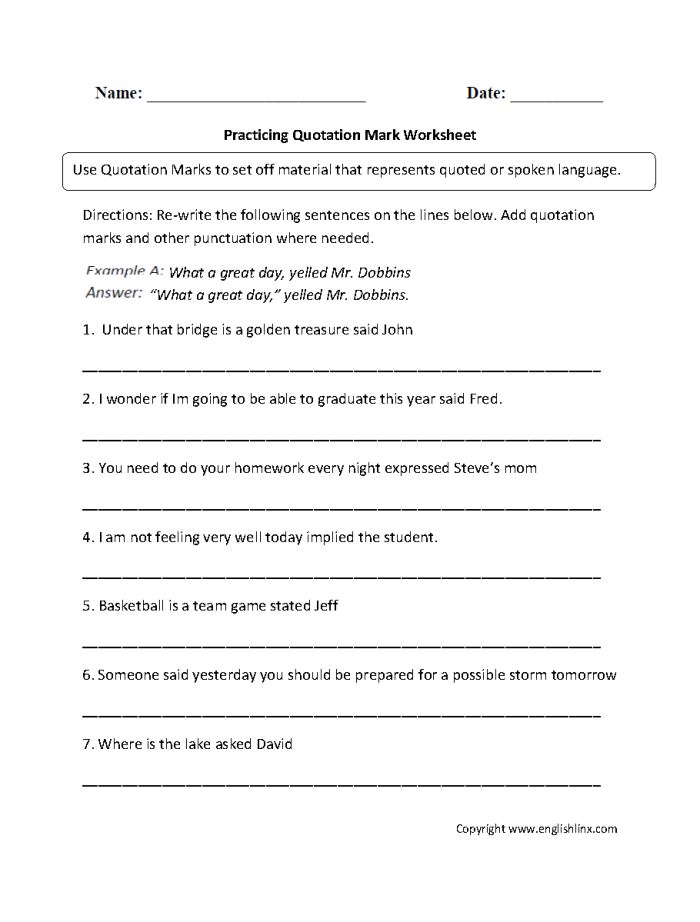
Effective worksheets break this down into manageable steps. They start with basic dialogue, then progress to questions and exclamations within quotation marks, and finally tackle those nested quotations. Pairing this practice with related skills helps reinforce learning. For example, working through pronoun exercises alongside quotation mark practice strengthens overall writing mechanics.
The goal isn’t perfection on the first try. Students need multiple exposures to these patterns before the rules stick. A dedicated quotation marks worksheet gives them that repetition in a focused, structured way. When combined with classroom instruction and teacher feedback, it transforms a confusing concept into something third graders can actually apply to their own writing.
Start Practicing with These Worksheets