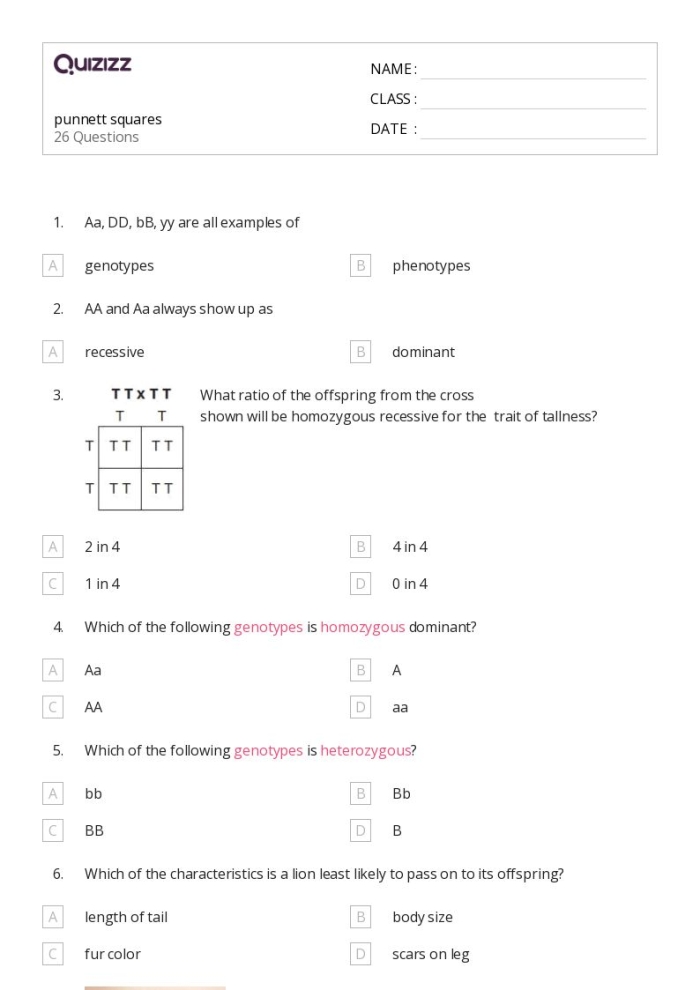
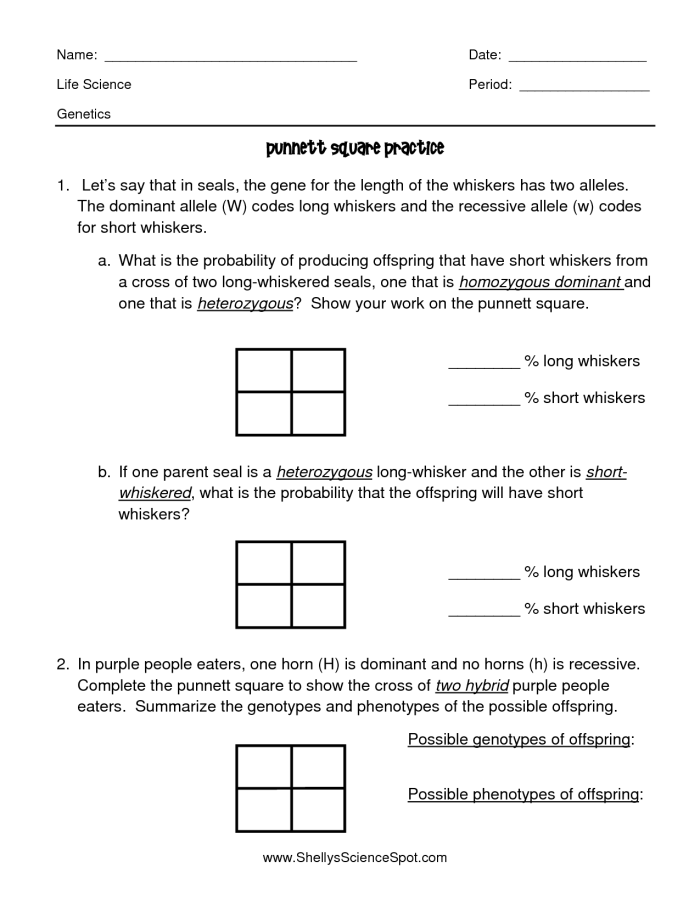
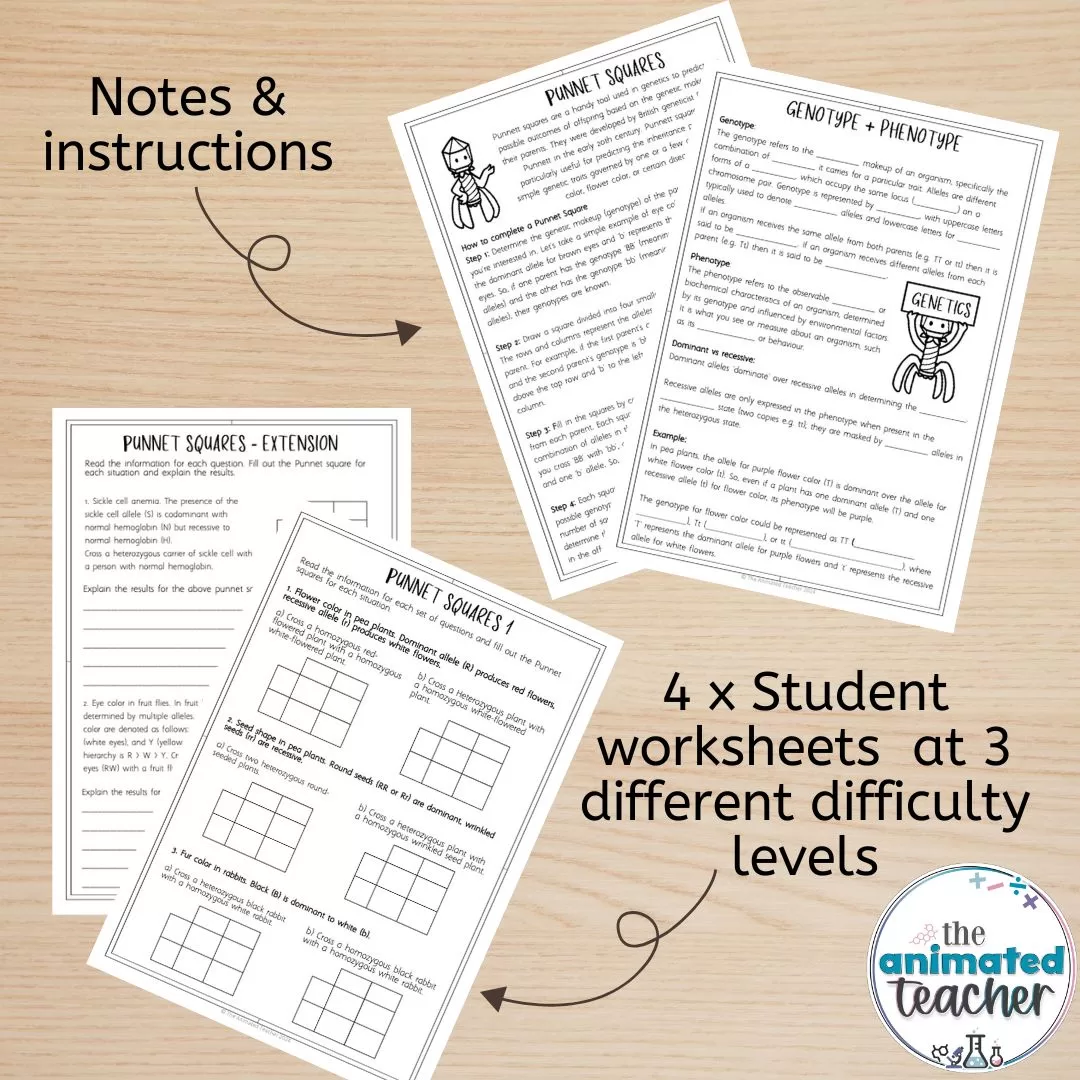
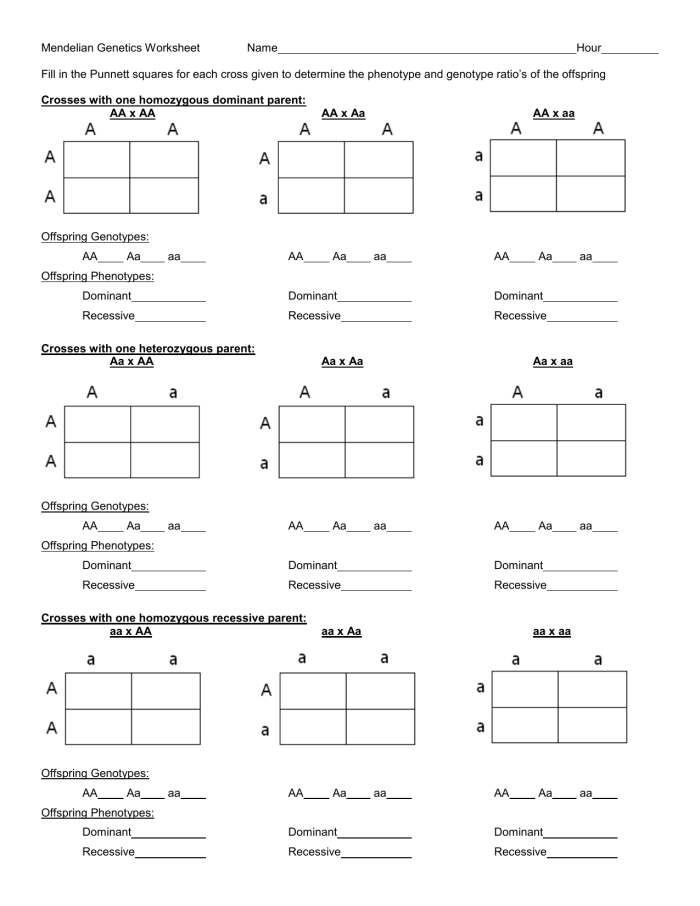
Punnett squares offer one of the clearest ways to help sixth grade students understand how traits pass from parents to offspring. When students work through these visual grids themselves, something clicks: they see genetics not as abstract theory but as a predictable pattern they can map out on paper.
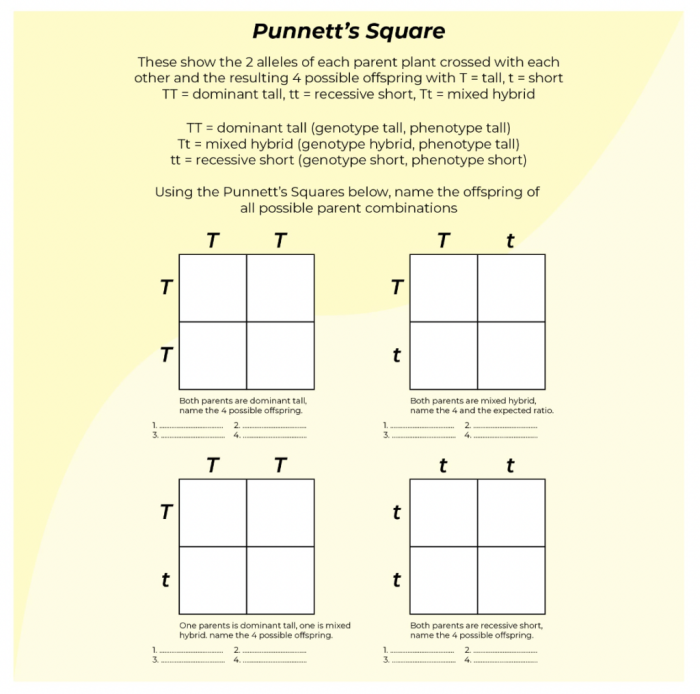
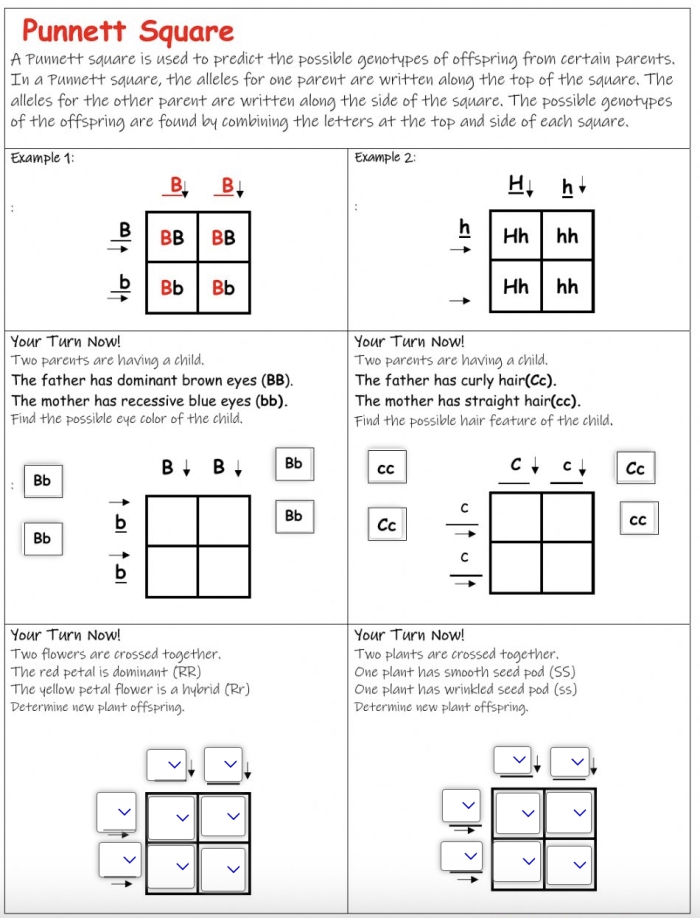
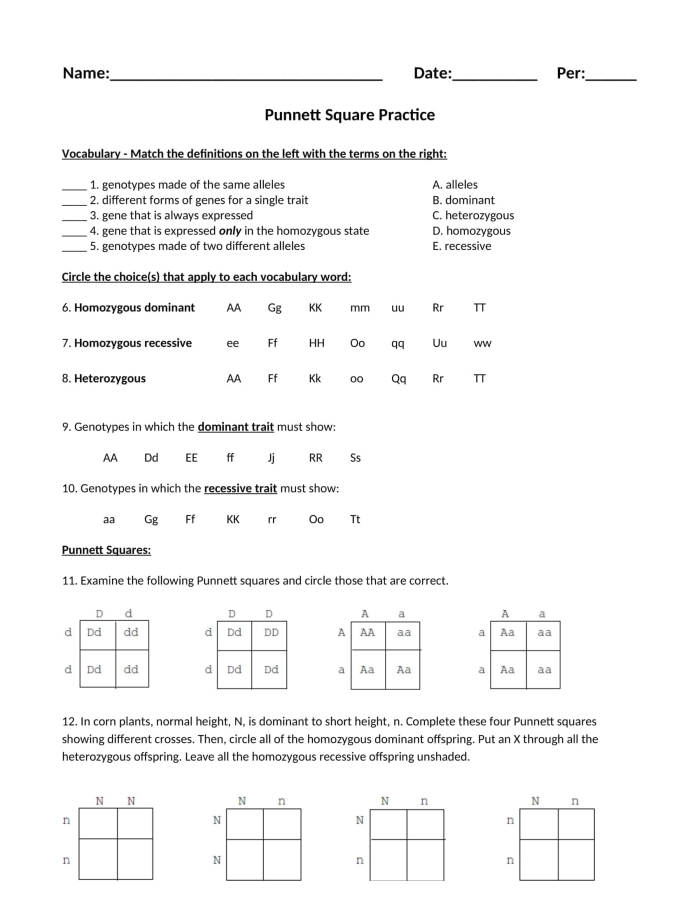
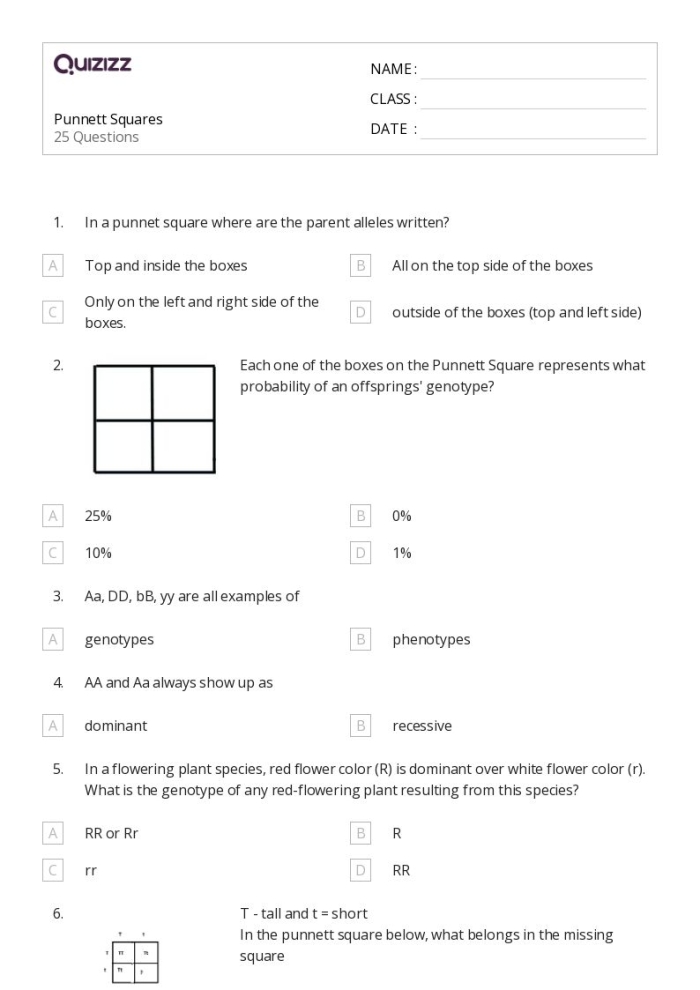
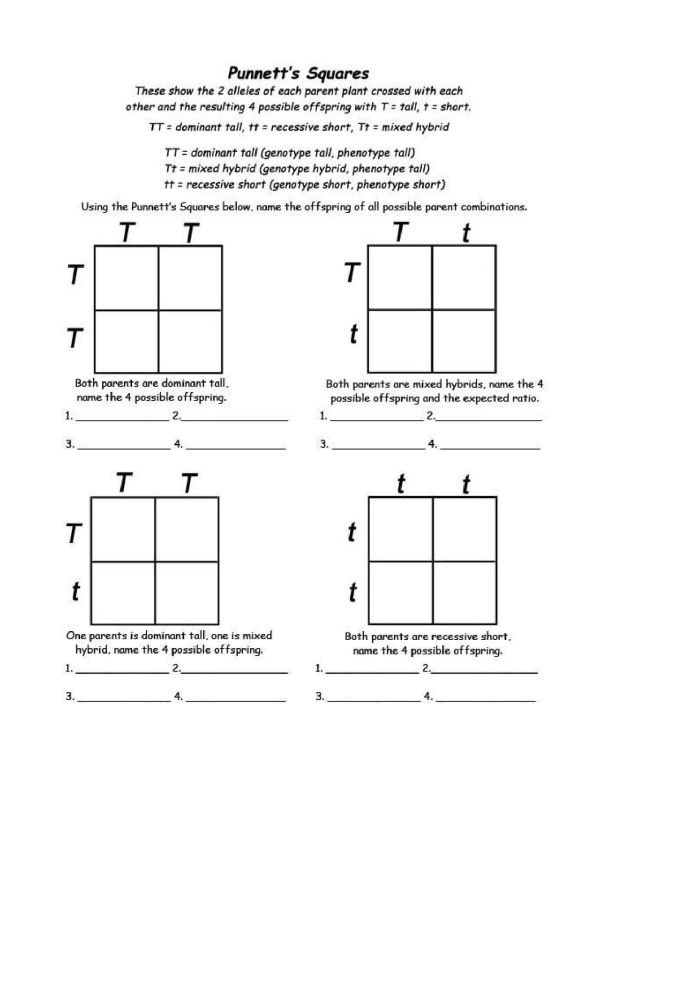
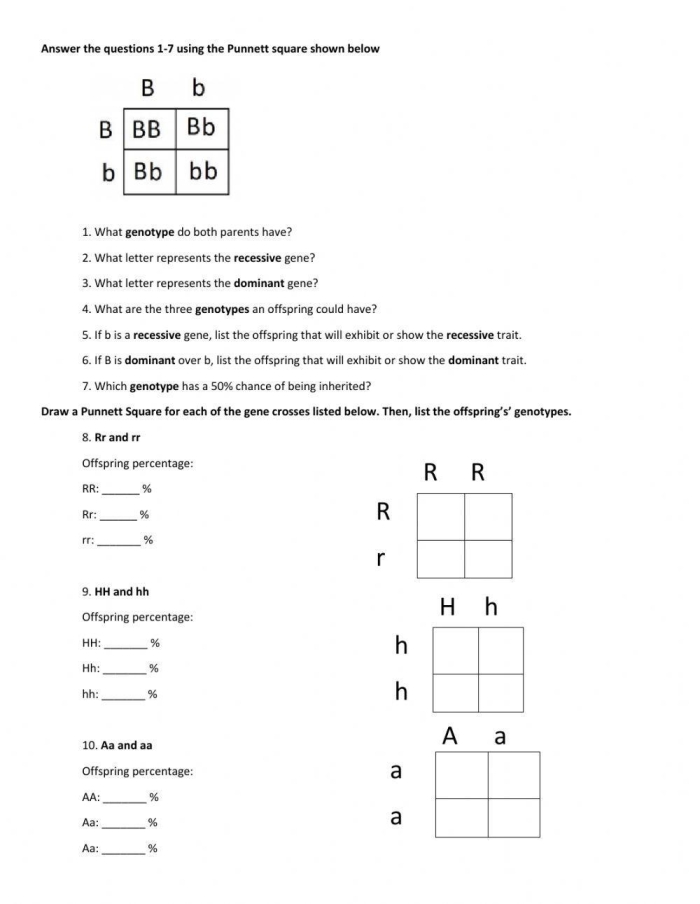
A Punnett square works by placing parent alleles along the top and side of a grid, then filling in the boxes to show all possible offspring combinations. For a basic cross, you might use letters like A and a to represent dominant and recessive alleles. Students quickly discover that certain trait combinations appear more frequently than others, which explains why some characteristics run through families while others skip generations.
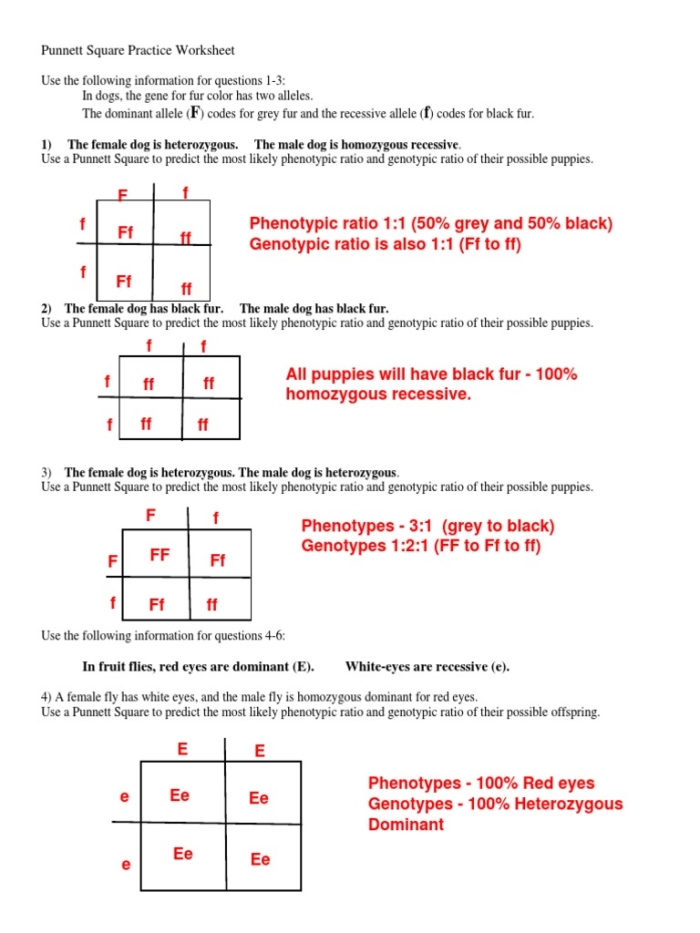
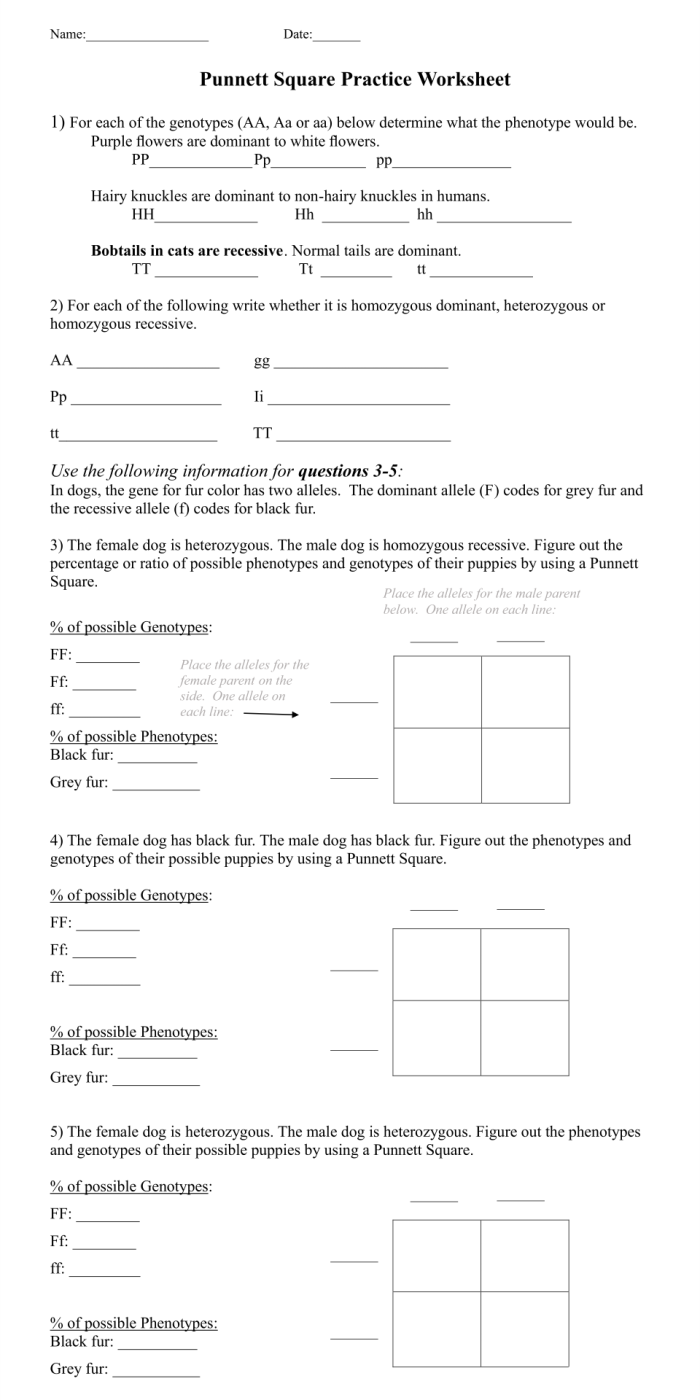
The hands-on nature of completing these worksheets makes the concept stick. Rather than reading about probability in a textbook, students are actually calculating it. They see that a cross between two heterozygous parents produces a 3:1 ratio of dominant to recessive traits. This connects directly to the kind of proportional reasoning that sixth graders encounter across math curriculum, including work with graphing inequalities and understanding ratios.
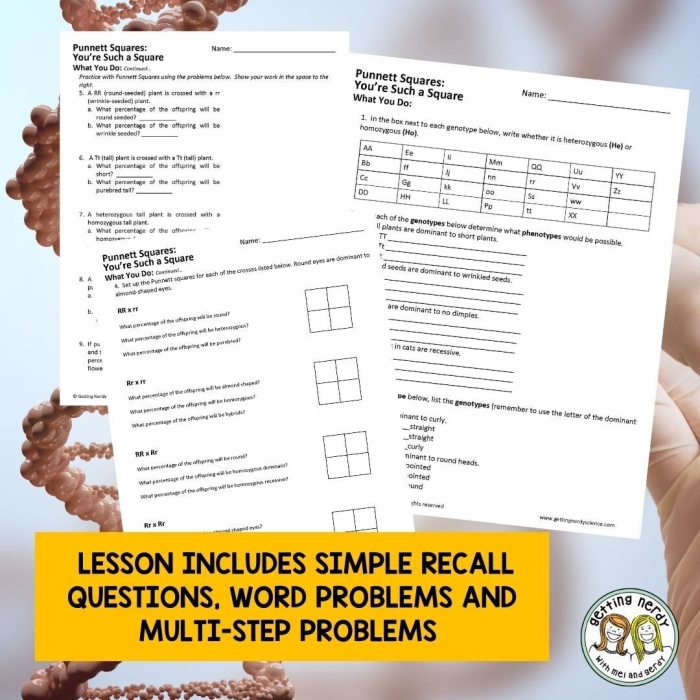
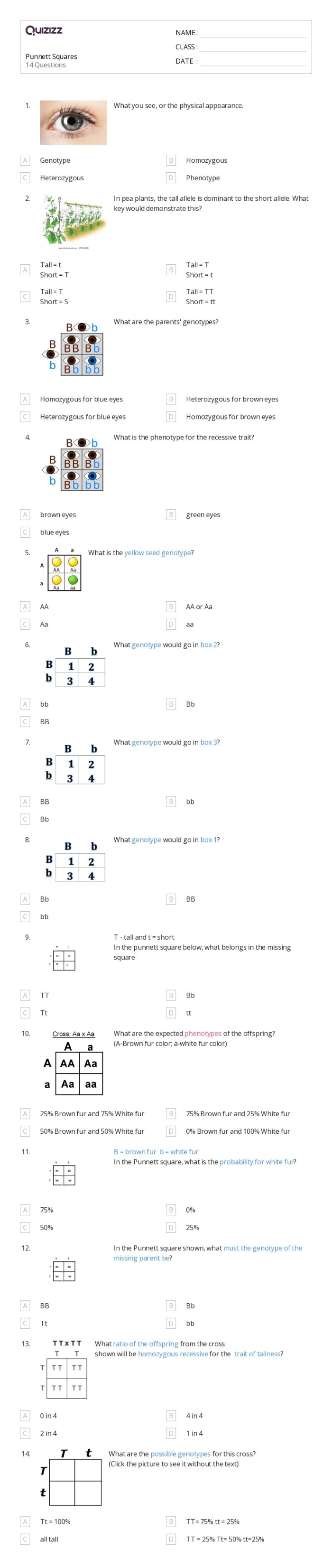
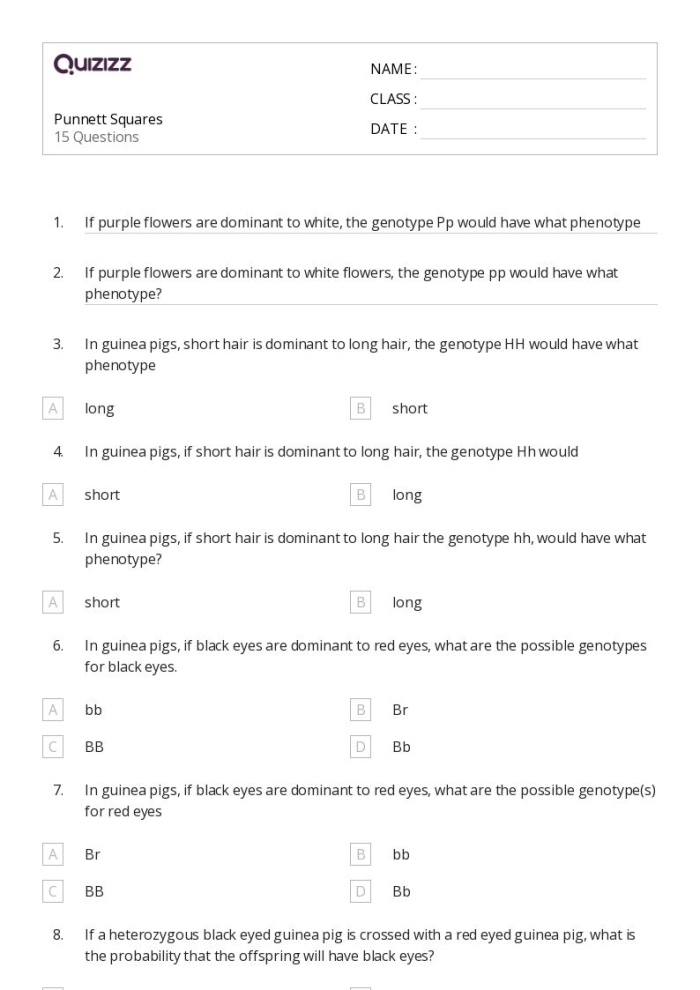
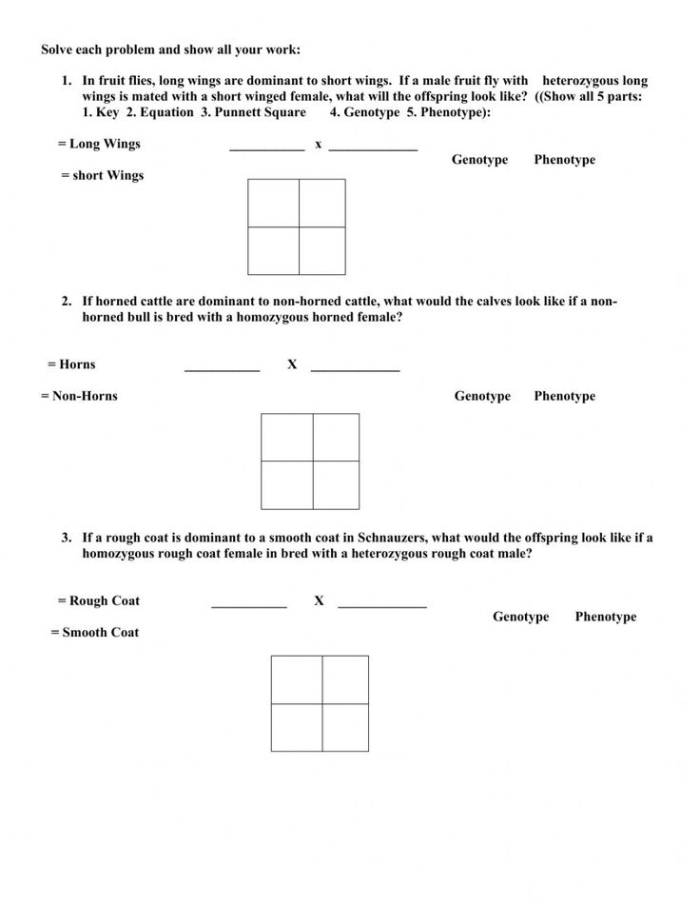
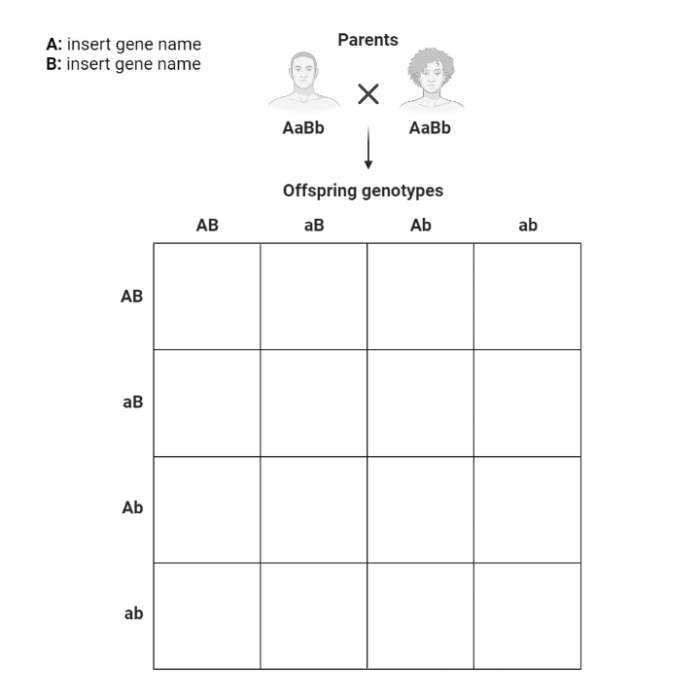
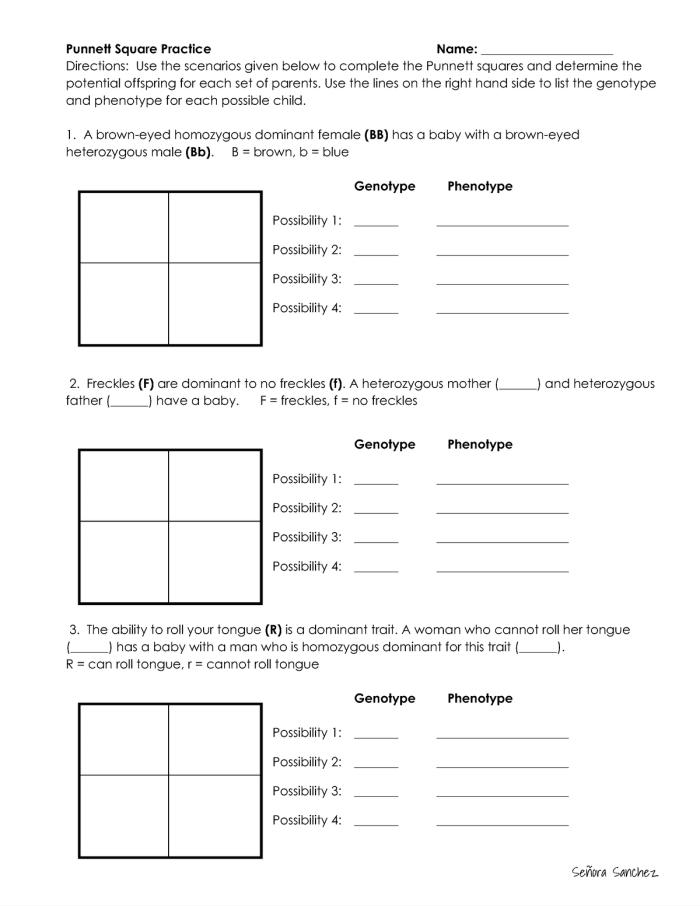
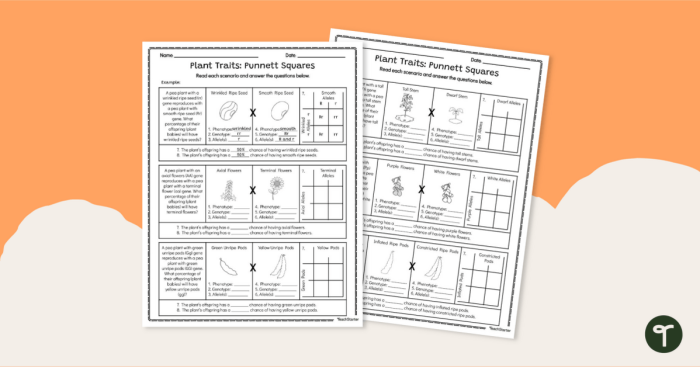
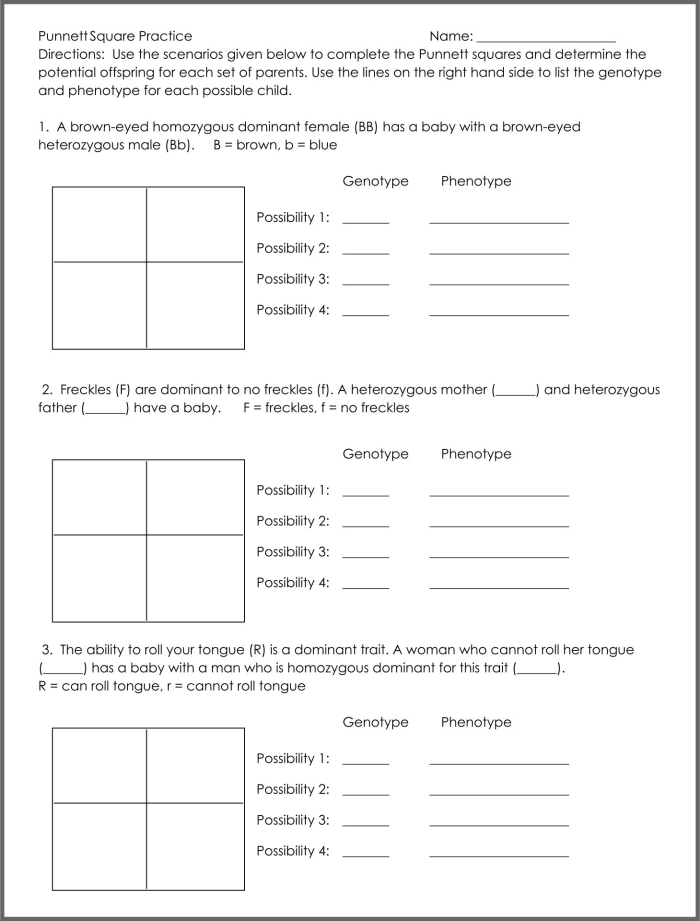
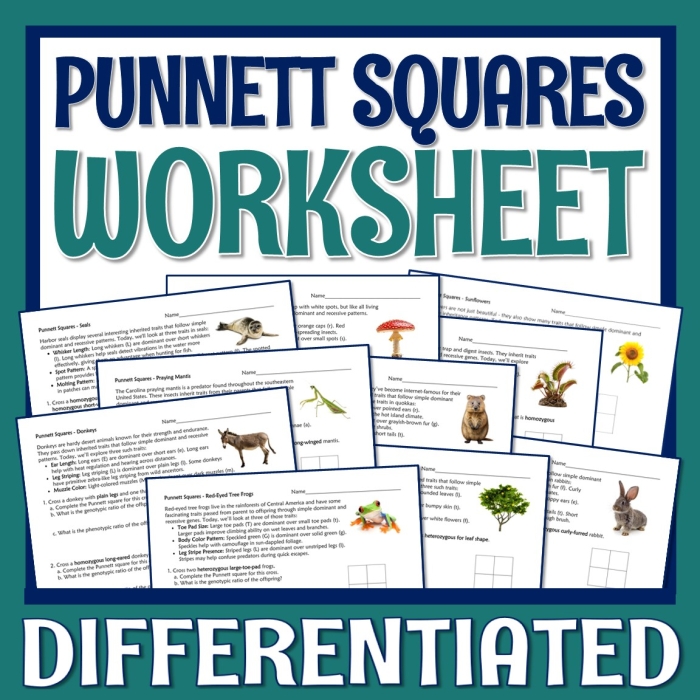
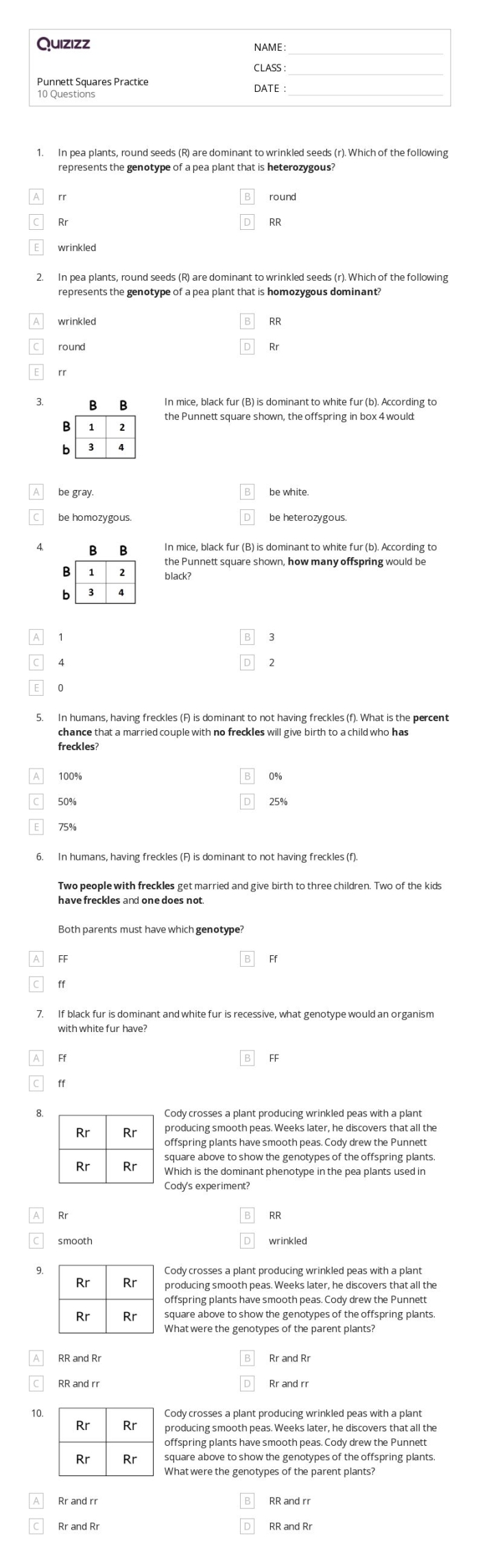
Printable Punnett squares worksheets work best when they progress from simple monohybrid crosses to more complex scenarios. Start with single traits, then move to two traits crossing simultaneously. Some worksheets include real examples: eye color, seed texture in plants, or flower color. These concrete examples help students connect the grid work to living things they can observe.
Completing these worksheets also builds critical thinking about probability and inheritance patterns. Students begin asking their own questions: Why do I have my mother’s eyes but my father’s hair? What are the chances my future children will inherit a particular trait? These questions drive deeper engagement with the material and show that genetics directly affects their own lives.
Grab These Worksheets Now