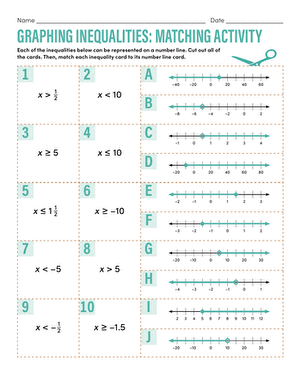
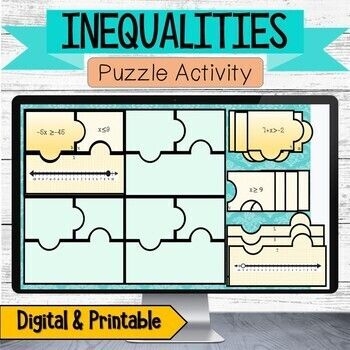
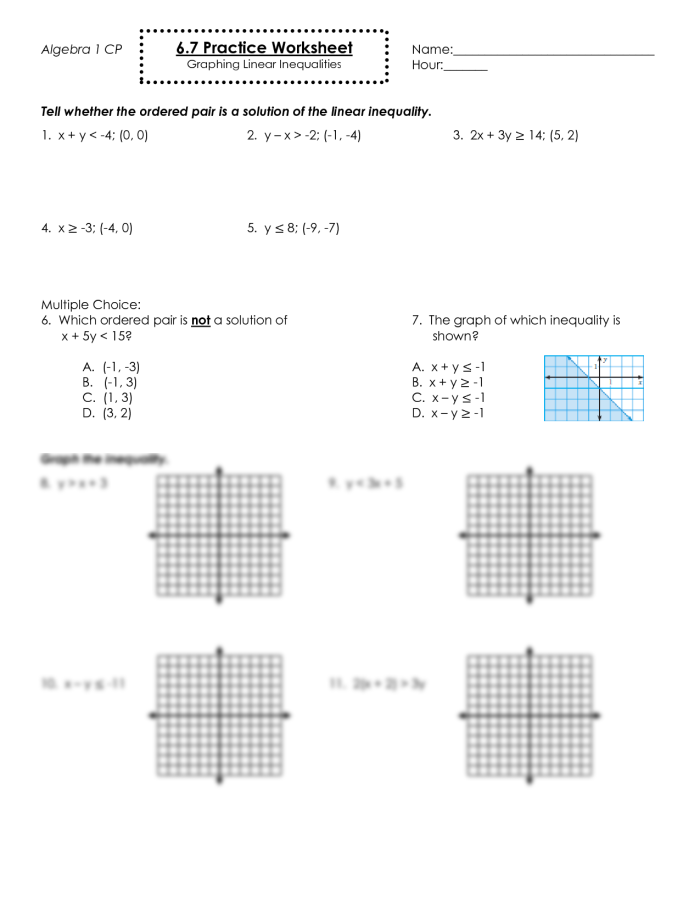
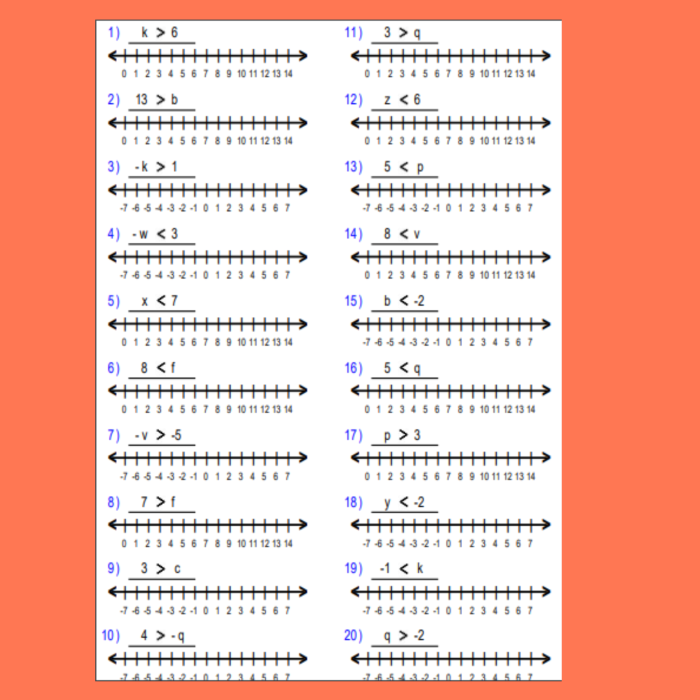
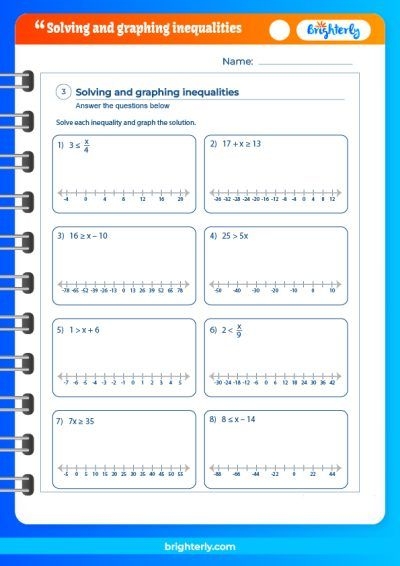
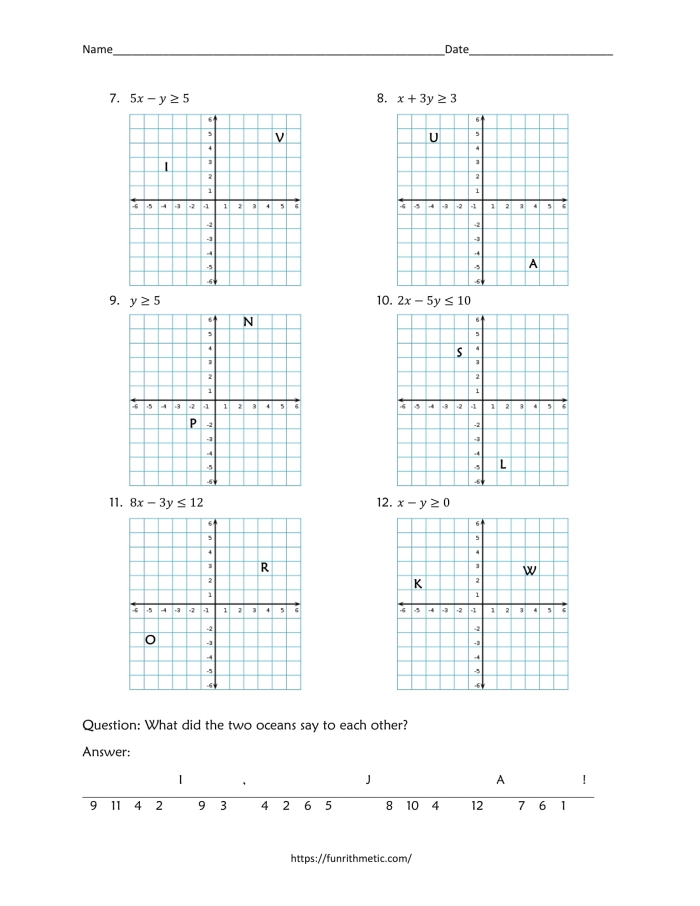
Getting sixth grade students to understand inequalities and number lines often feels like pulling teeth, but a card matching activity changes everything. When students physically move cards around and match inequality statements to their visual representations, the abstract concept suddenly clicks into place.
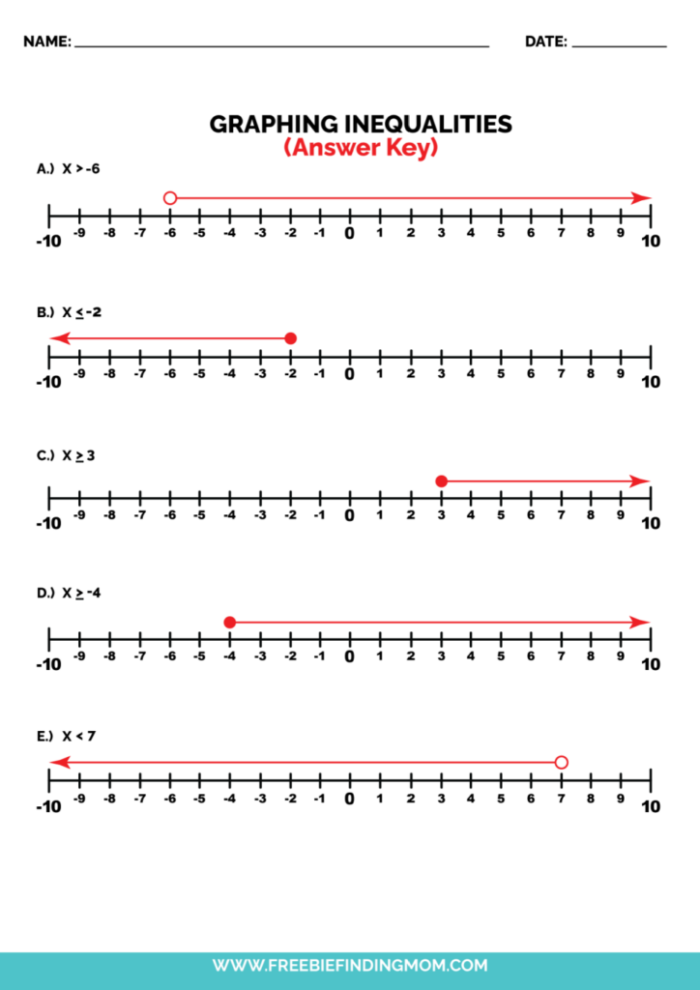
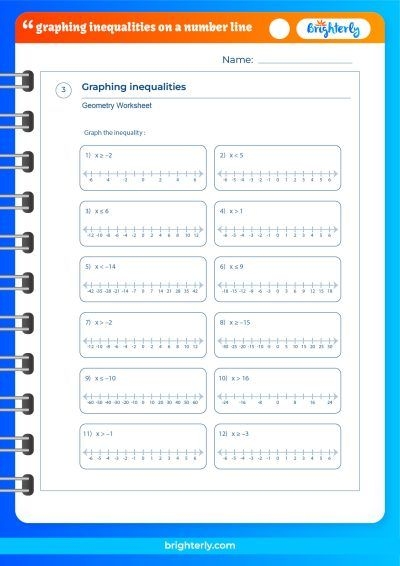
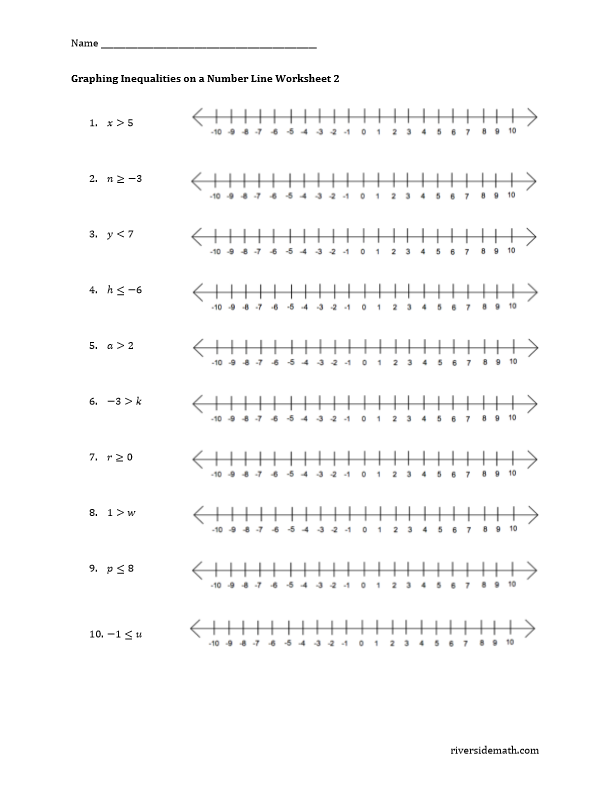
The beauty of this hands-on approach lies in its simplicity. Students receive a set of cards displaying various inequality expressions (like x > 5 or x ≤ 3) alongside another set showing corresponding number lines. Their job is straightforward: find the matching pairs. This tactile engagement forces students to think critically about what each symbol means and how it translates to a visual representation on a number line.
What makes this activity particularly effective for sixth graders is that it removes the pressure of traditional worksheets. Instead of staring at a page of problems, students work collaboratively, discuss their reasoning, and self-correct when their matches don’t align with a partner’s logic. This peer interaction builds confidence and deepens understanding far more than silent independent work.
The activity works especially well when paired with other mathematical concepts. For instance, students working on absolute value word problems benefit from understanding how inequalities represent real-world constraints. Similarly, students developing research and note-taking skills can document their matching process and reasoning.
To extend the activity further, challenge students to create their own inequality cards and have classmates match them. This shifts them from consumers of the task to creators, deepening their grasp of the relationship between symbolic and visual representations. The investment of time in this interactive approach pays dividends when students later encounter more complex inequality problems.
Hands-On Worksheet Activities