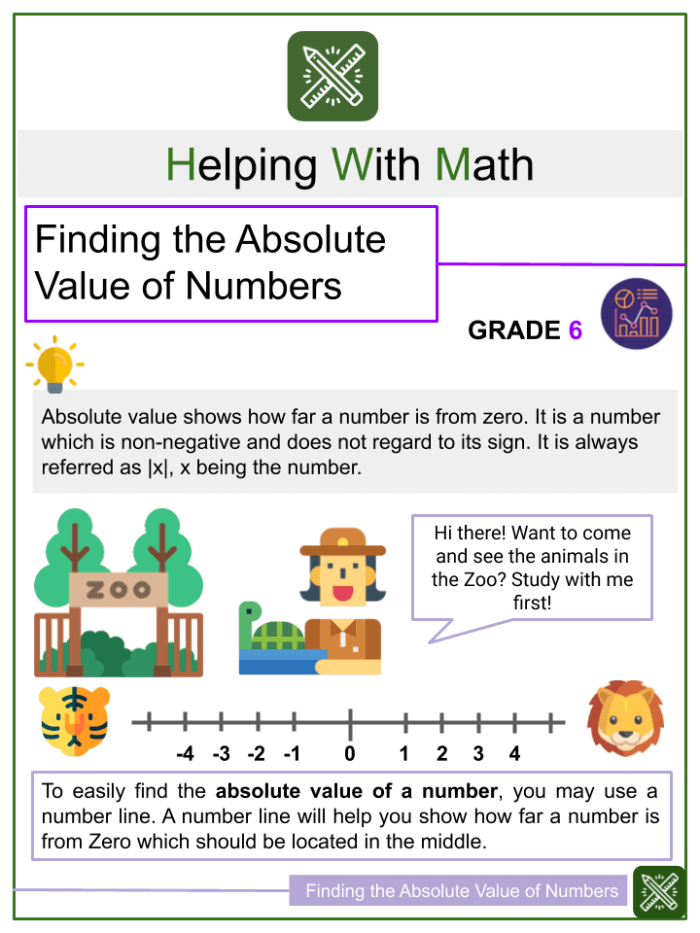
Absolute value is a powerful tool in mathematics, especially when applied to real-world situations. It helps us understand distances and differences, regardless of direction. For sixth graders, exploring absolute value through engaging problems can spark interest in both math and the world around them.
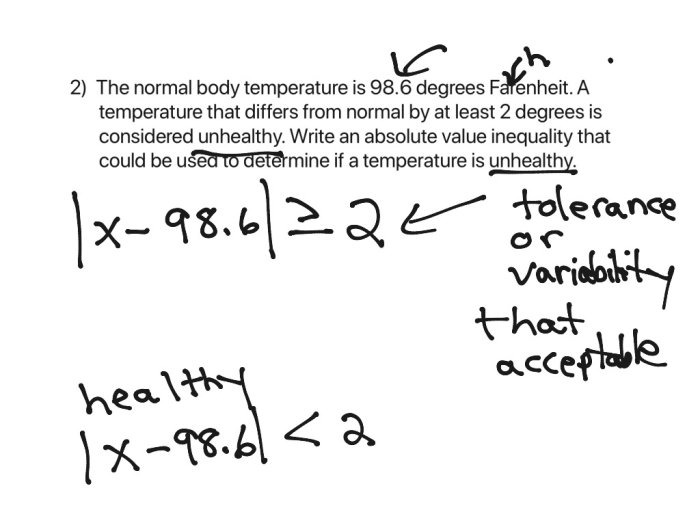
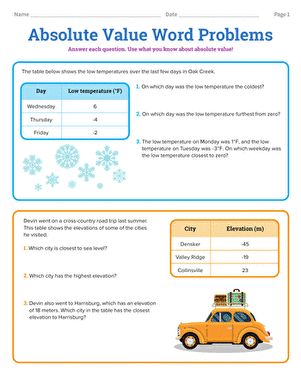
Consider temperature, for example. On a chilly winter day, the temperature might drop to -10 degrees Fahrenheit. If you want to know how far this is from freezing point (32 degrees), you can use absolute value. The equation would look like this: | -10 – 32 | = | -42 | = 42. This tells us that the temperature is 42 degrees away from freezing. By practicing these types of problems, students can solidify their understanding of absolute value while relating math to everyday experiences.
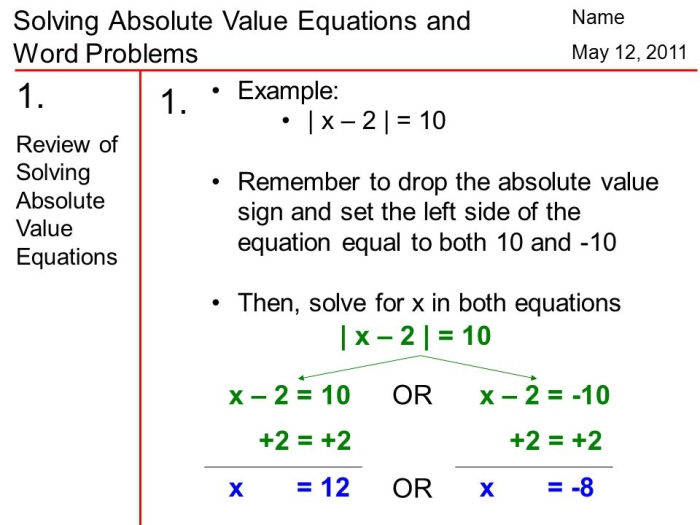
Elevation is another context where absolute value shines. Imagine a mountain that rises to 5,000 feet above sea level, while a valley might dip to -1,500 feet. To find the difference in elevation, you would calculate | 5,000 – (-1,500) | = | 5,000 + 1,500 | = | 6,500 |. This means the elevation difference between the mountain and the valley is 6,500 feet. Such examples not only reinforce absolute value concepts but also connect students with nature and geography.
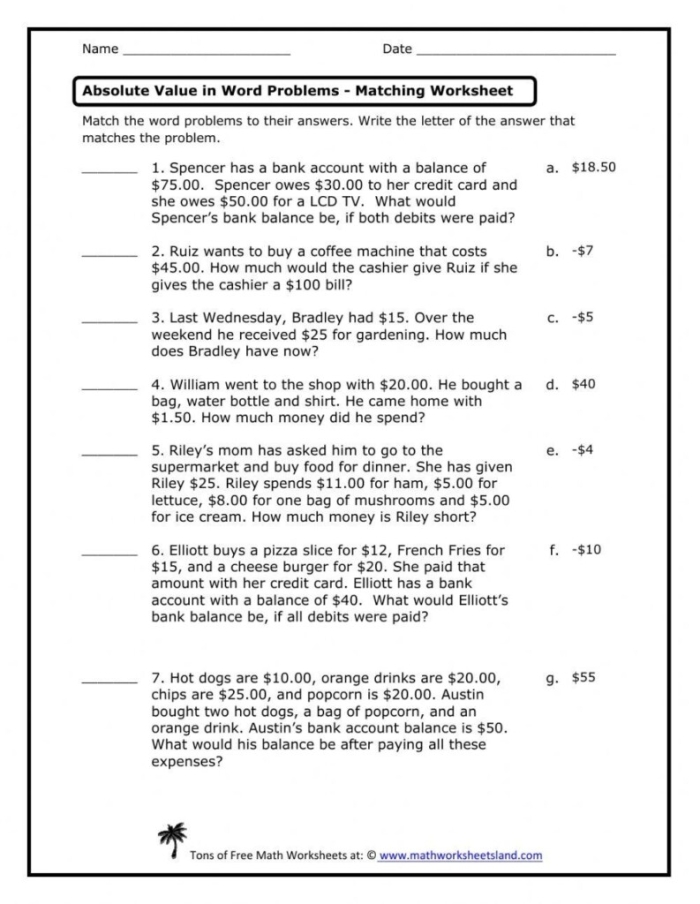
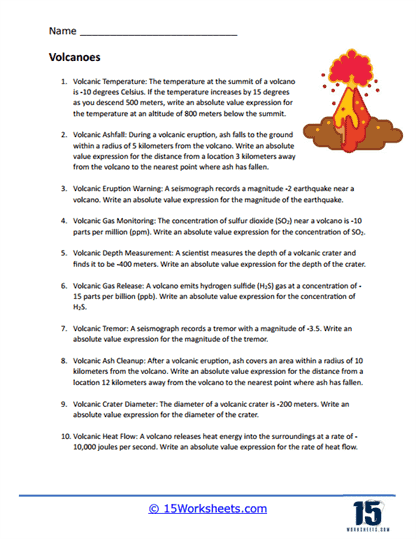
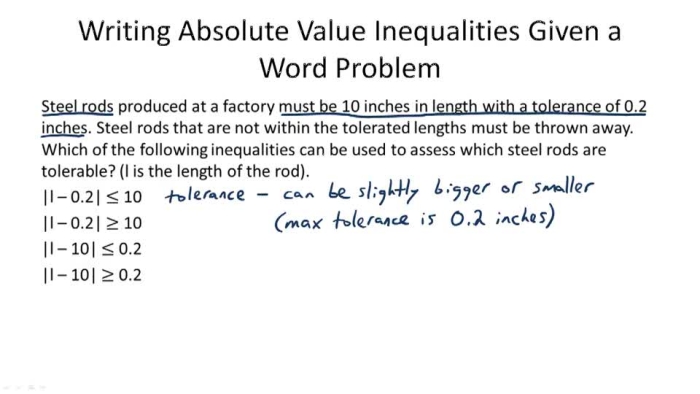
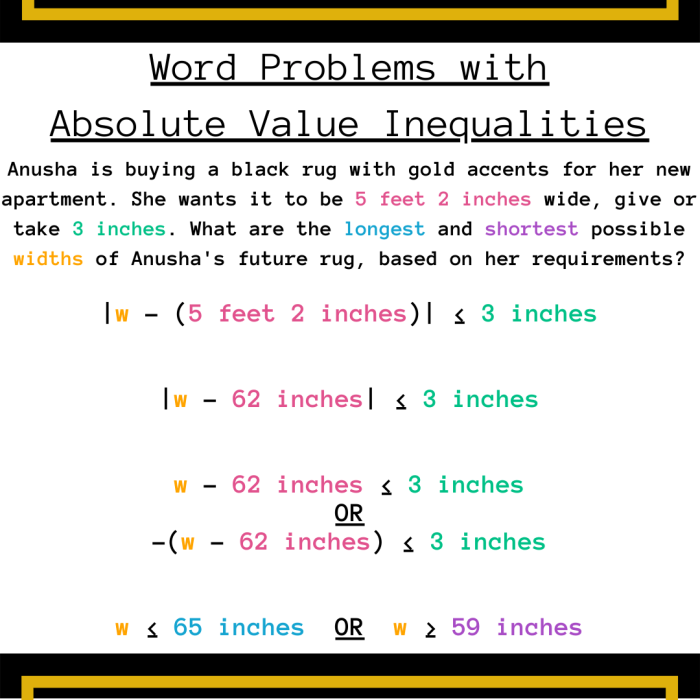
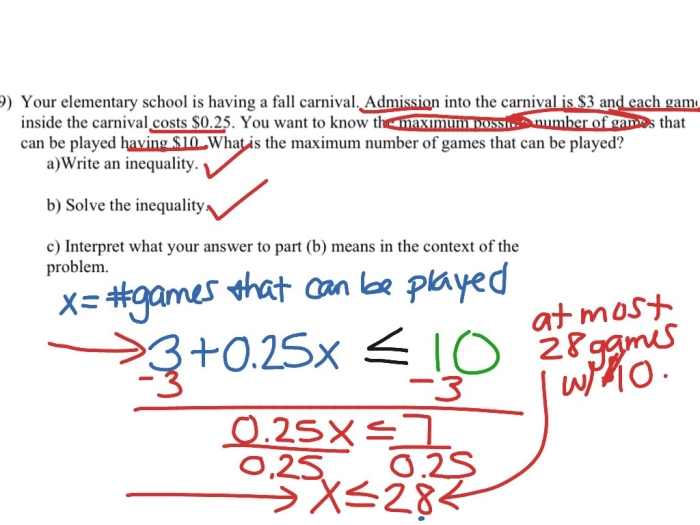
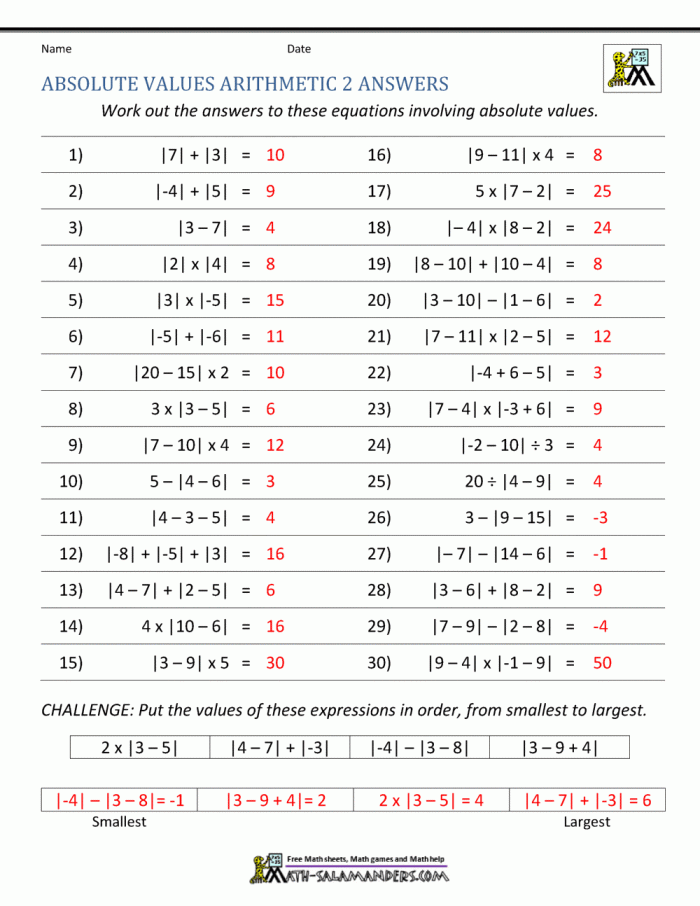
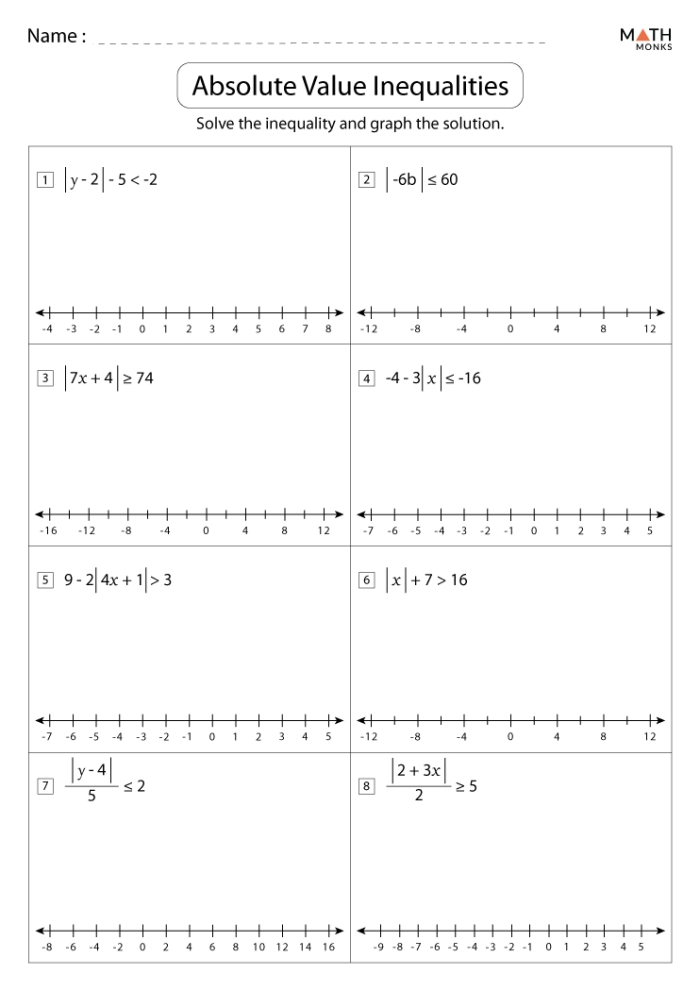
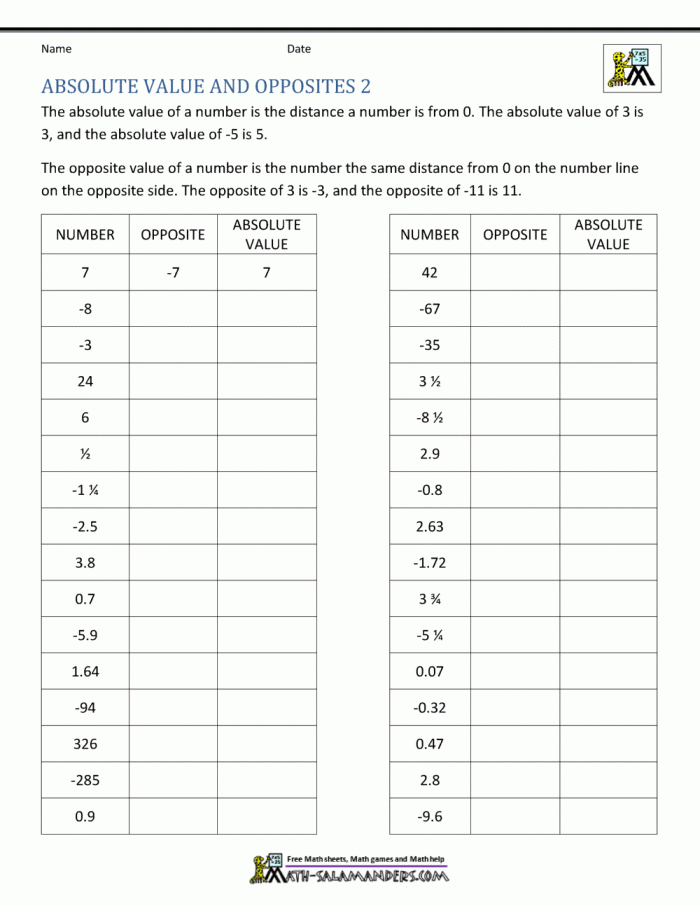
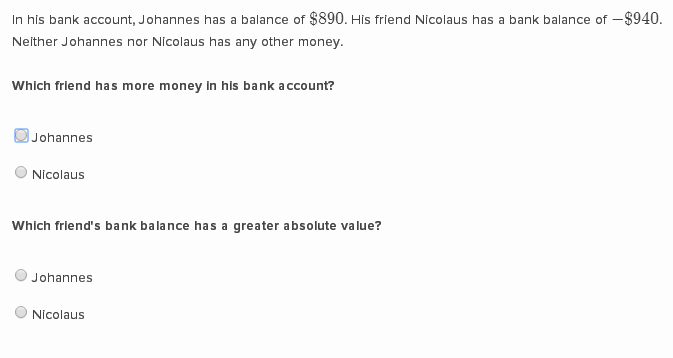
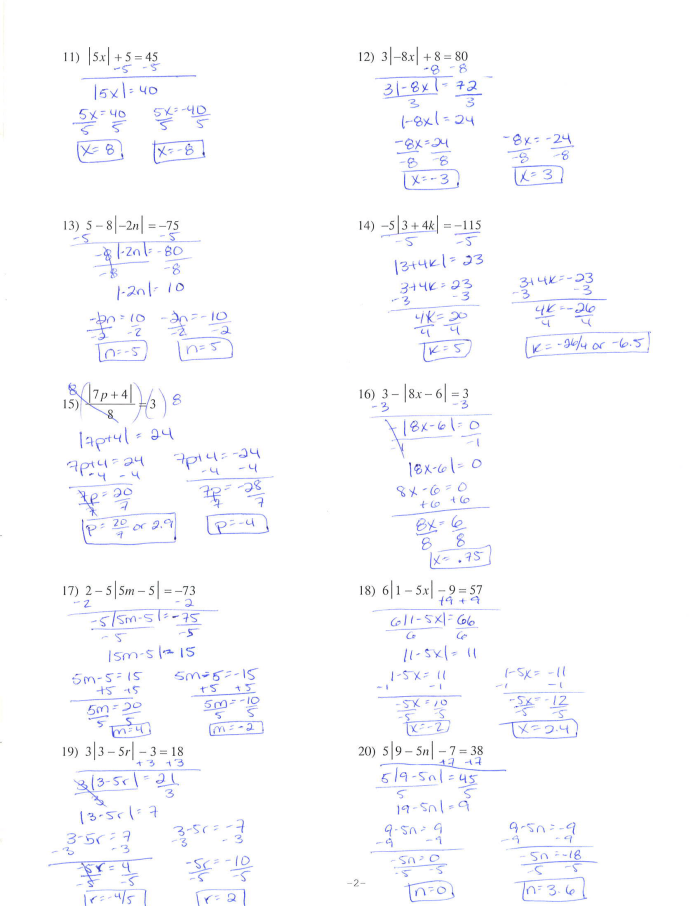
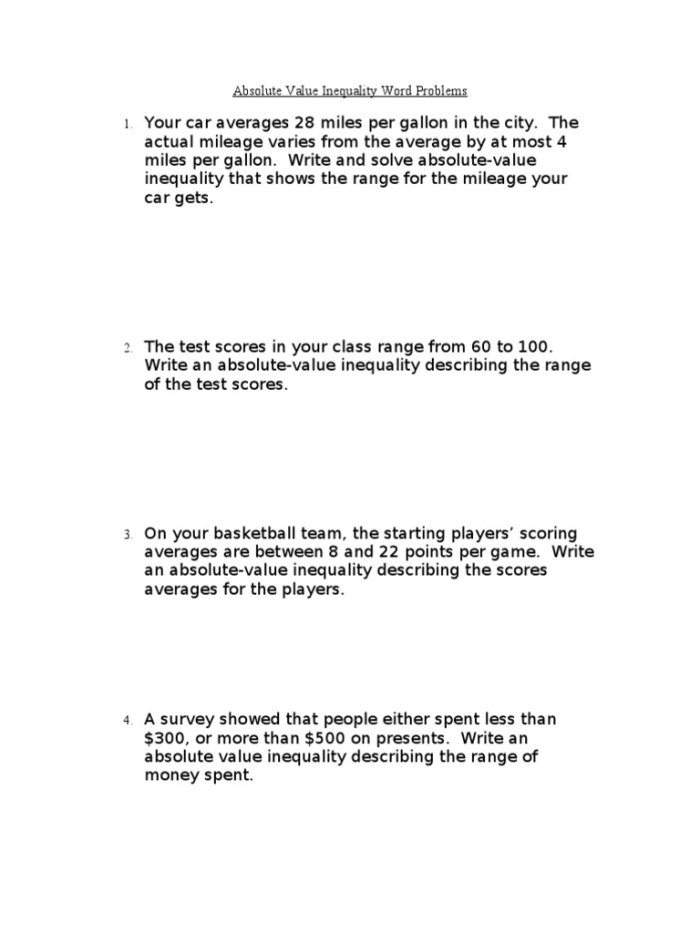
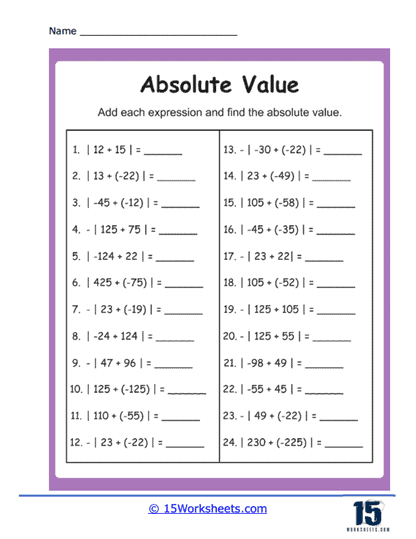
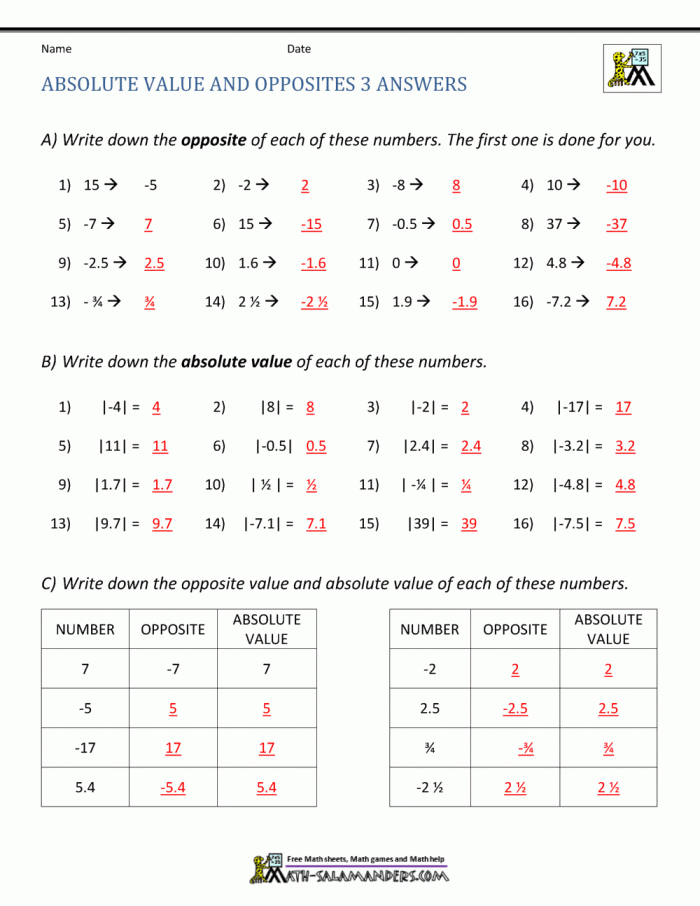
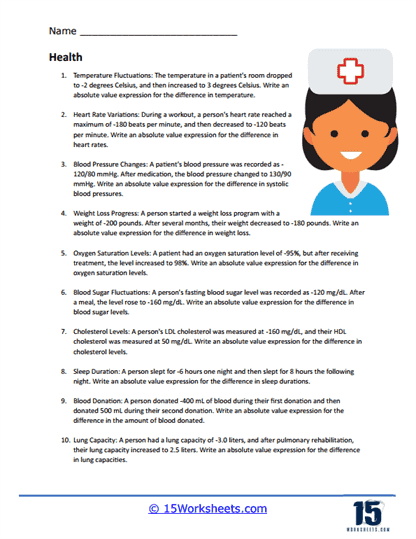
For those looking to practice more, there are plenty of resources available. For instance, printable worksheets focusing on absolute value word problems can be highly beneficial. They offer a variety of scenarios, from temperature and elevation to financial literacy situations like understanding gains and losses. Check out some engaging worksheets that challenge sixth graders: Printable Absolute Value Word Problems Worksheets.
By integrating absolute value into fun, real-world problems, educators can make math relatable and enjoyable. It’s an effective way to enhance problem-solving skills while keeping the learning process dynamic.
Grab These Worksheets Now