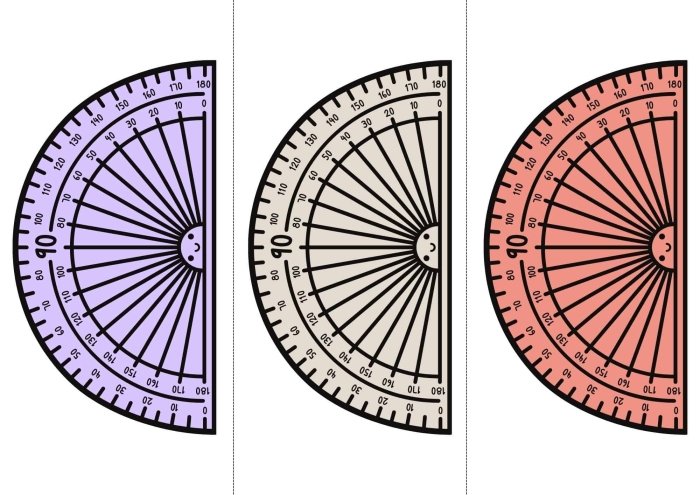
A protractor sits in front of most fourth grade students like a mysterious half-circle puzzle. The tool itself looks simple enough, but many kids freeze when asked to measure an angle. Teaching students how to use a protractor correctly transforms this confusion into confidence, and the process is more straightforward than it first appears.
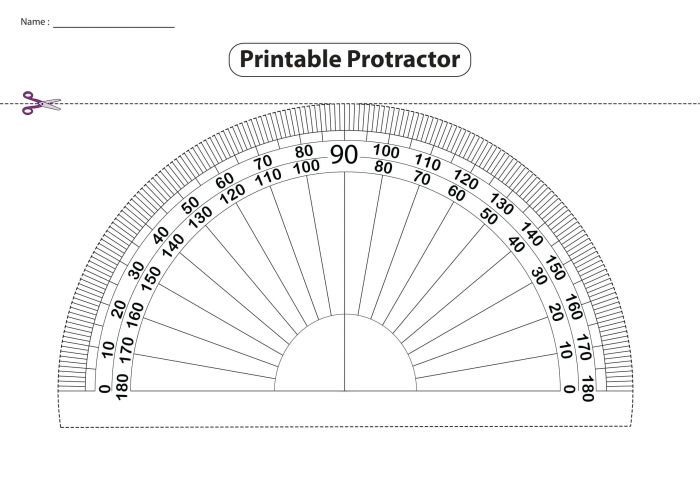
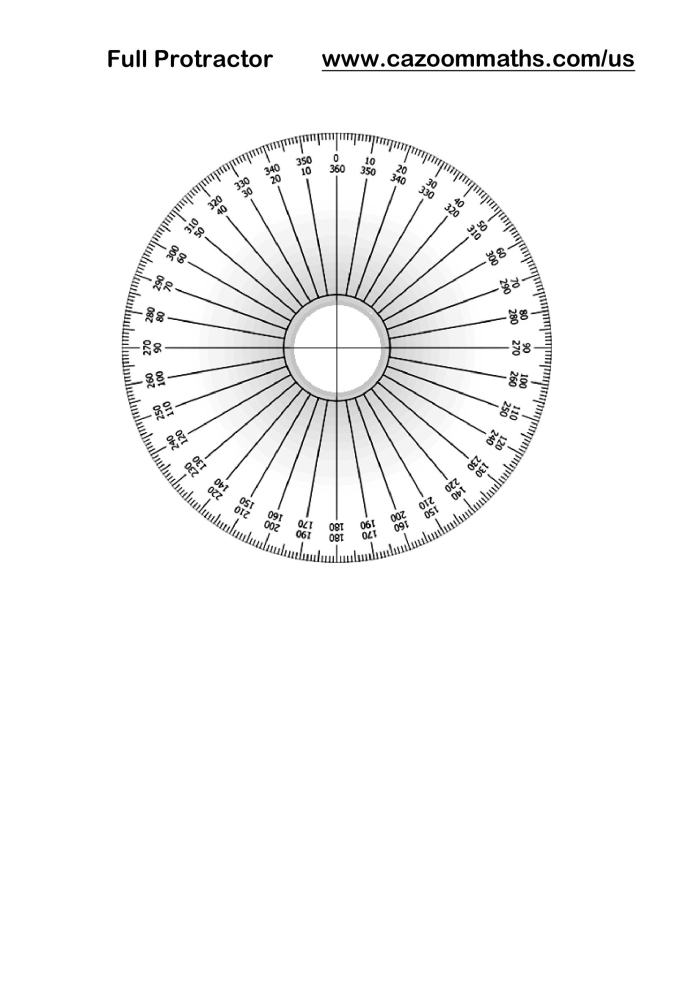
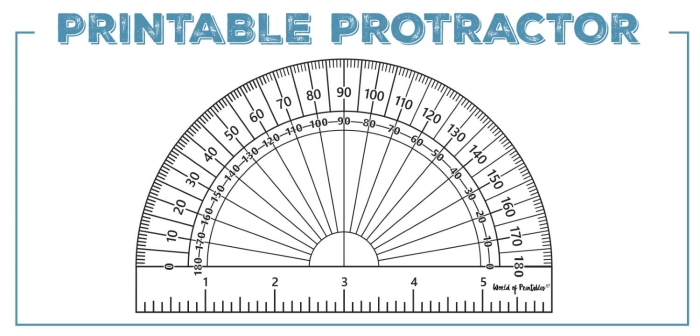
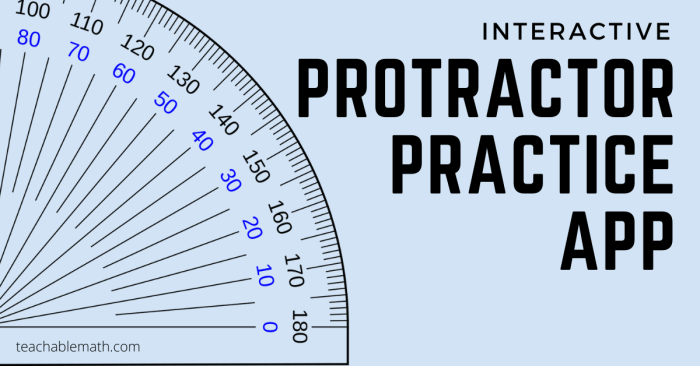
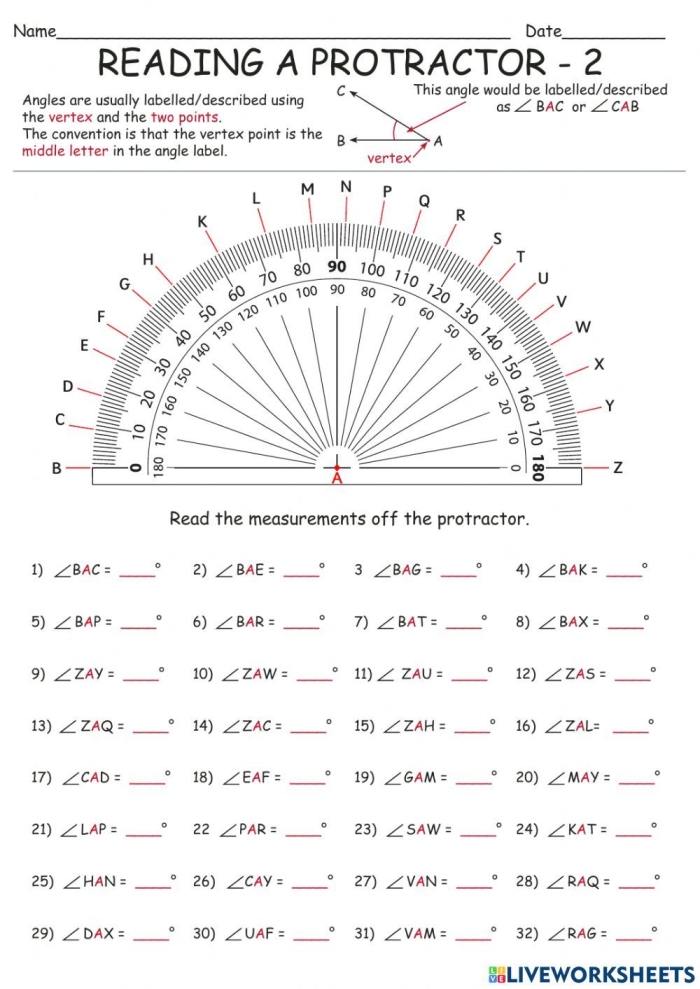
The key to protractor mastery starts with understanding its basic anatomy. A standard protractor has two sets of numbers running in opposite directions along its curved edge. The inner scale counts from 0 to 180 degrees going one way, while the outer scale does the same in reverse. This dual numbering system confuses many students, but once they grasp why it exists, the confusion dissolves. The straight edge at the bottom serves as the baseline, and the small hole or dot at the center is the vertex point where angles meet.
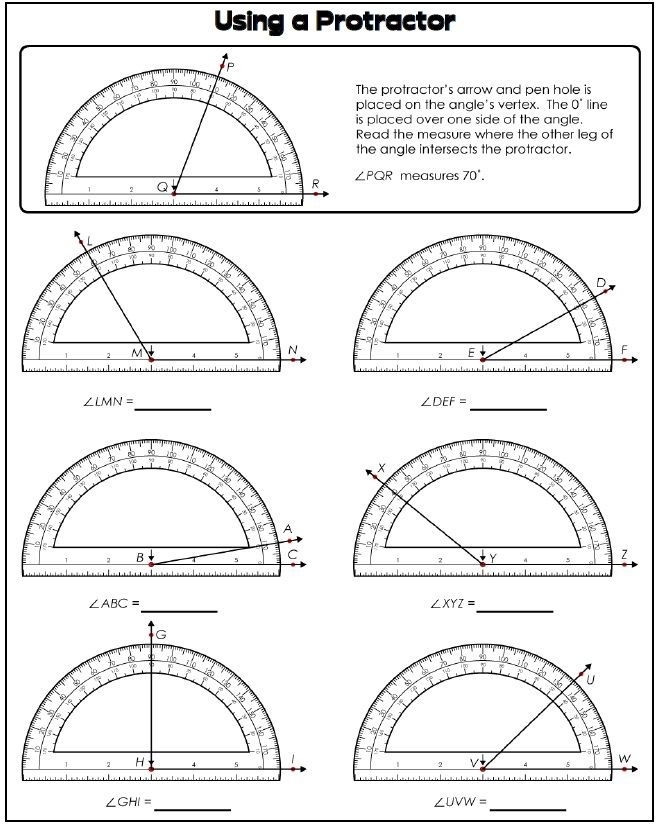
When teaching measurement concepts at the fourth grade level, the hands-on approach works best. Start by having students place the protractor’s center point directly on the angle’s vertex. The baseline of the protractor should align perfectly with one ray of the angle. Then students simply read where the second ray intersects the protractor’s scale. The critical step is choosing the correct number set, which depends on whether the angle opens upward or downward.
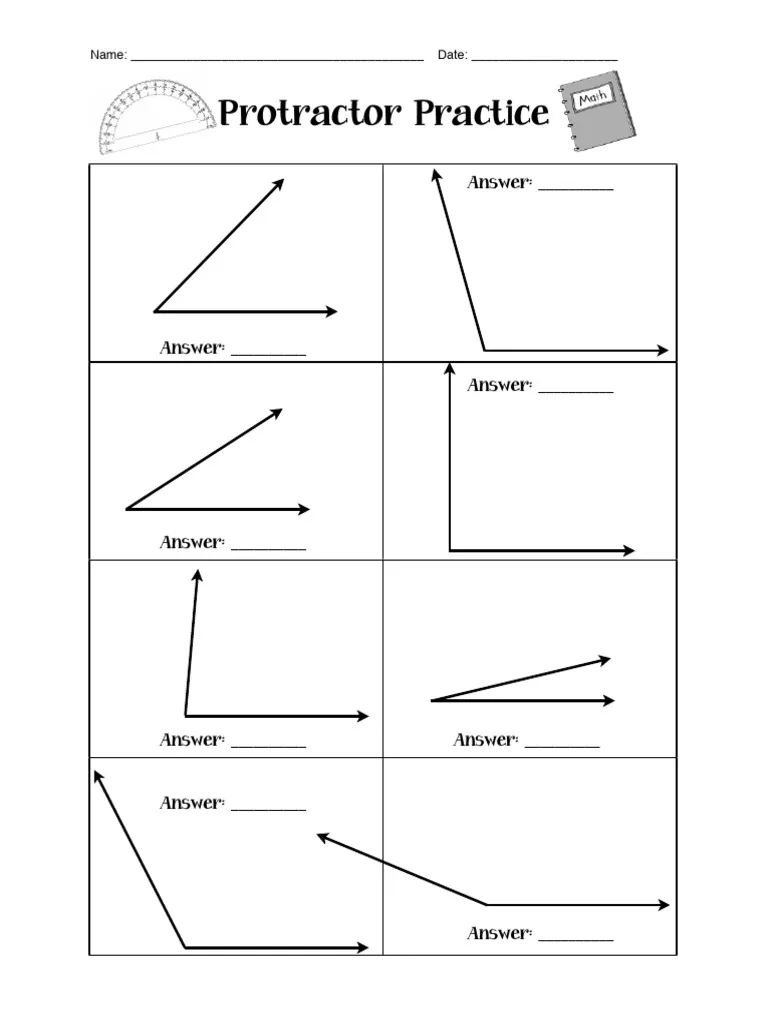
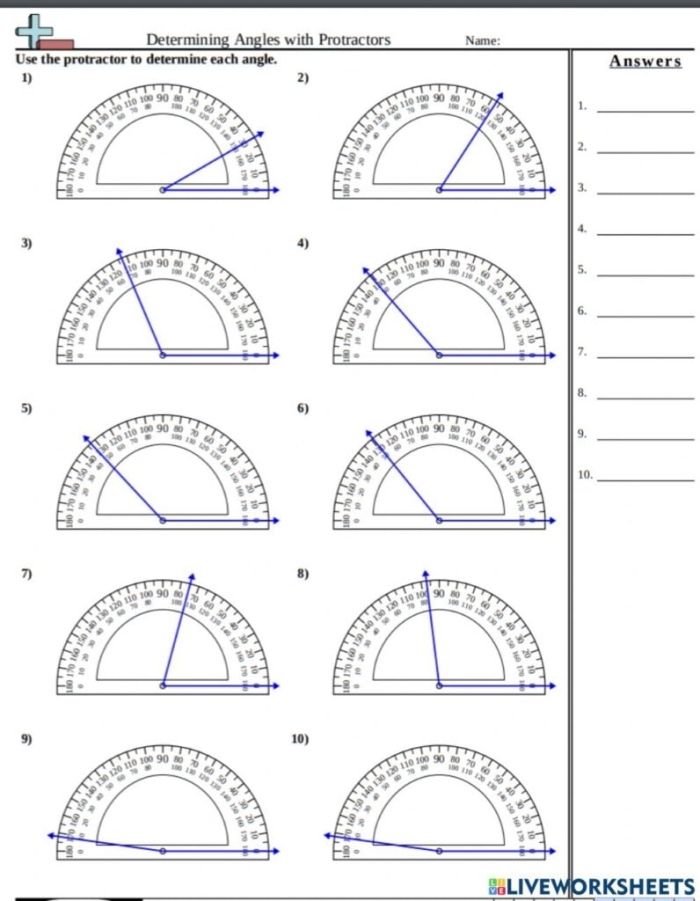
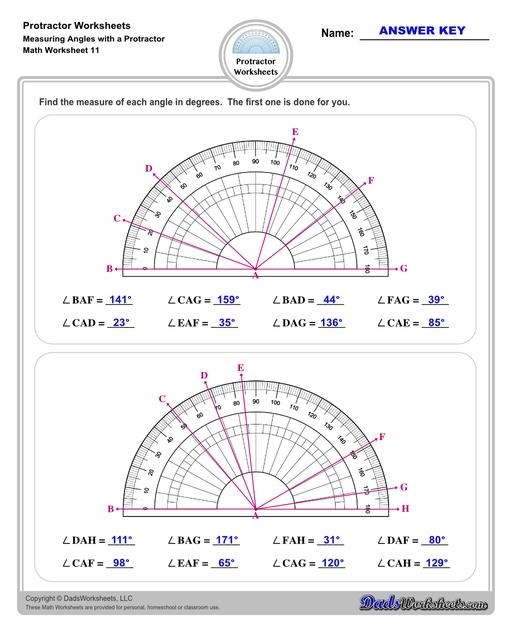
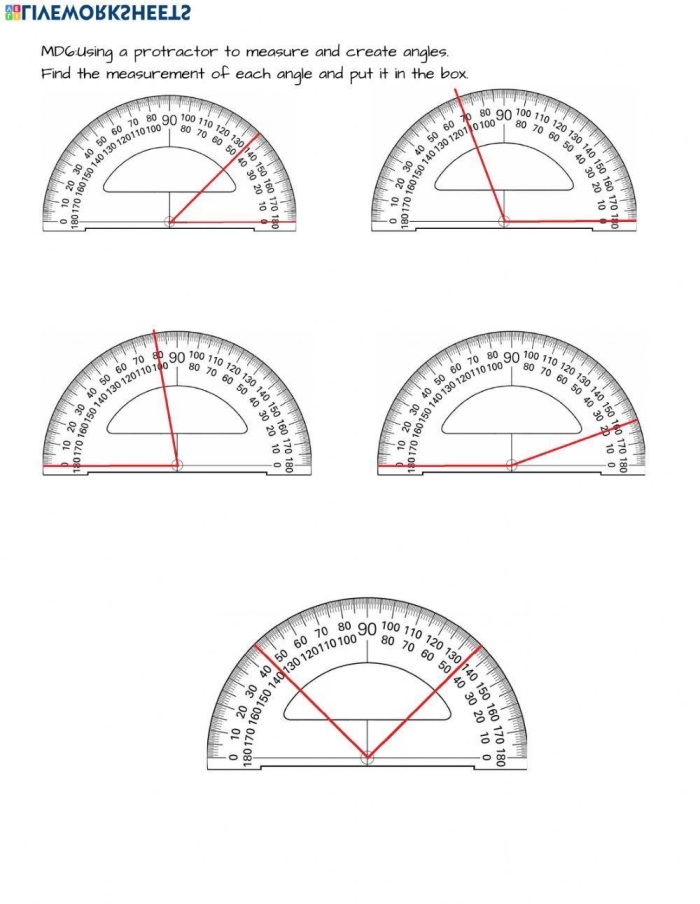
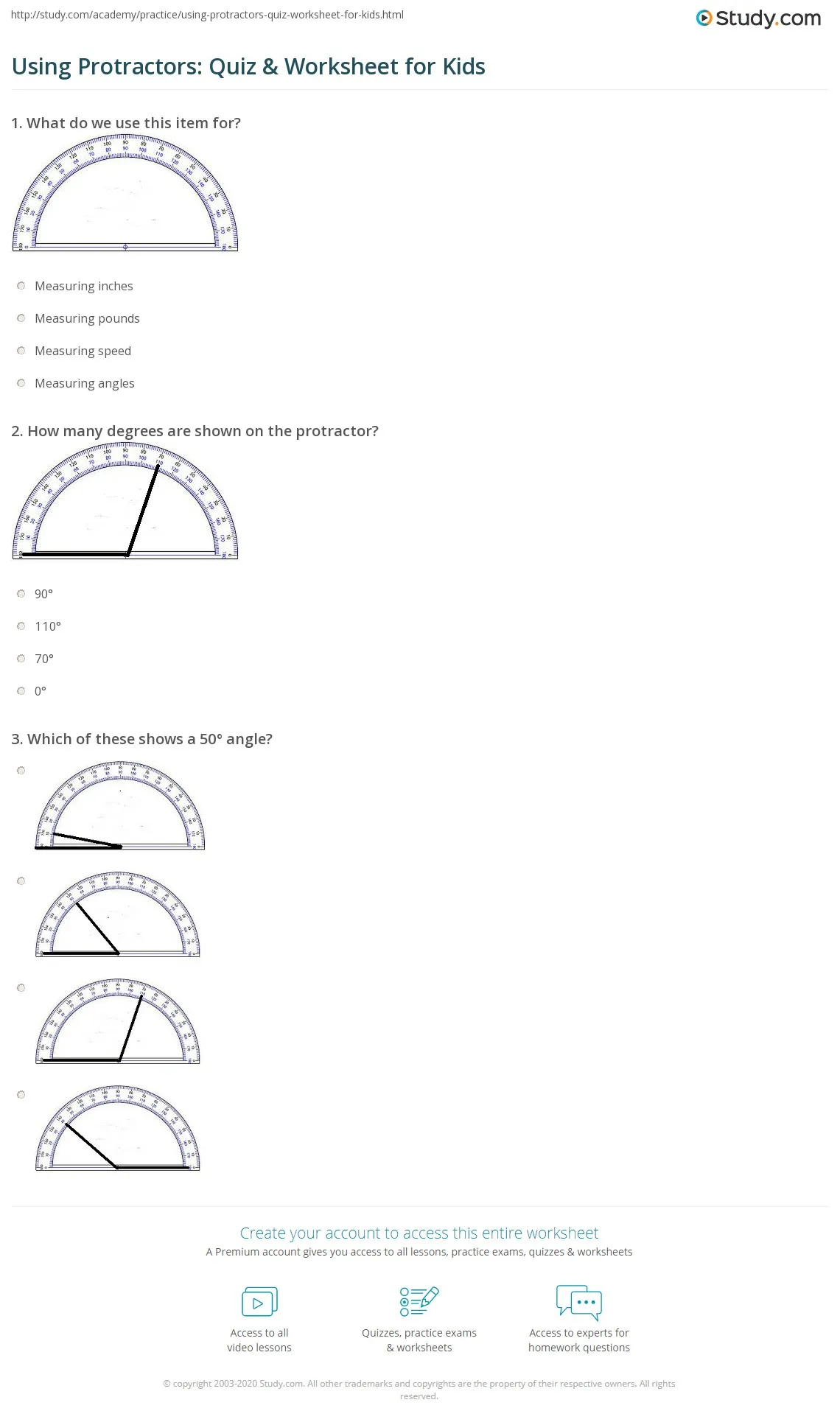
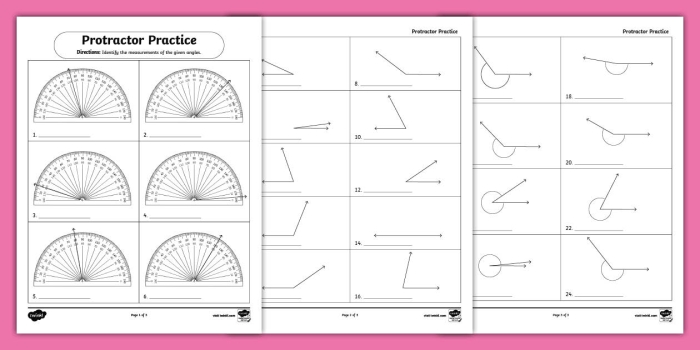
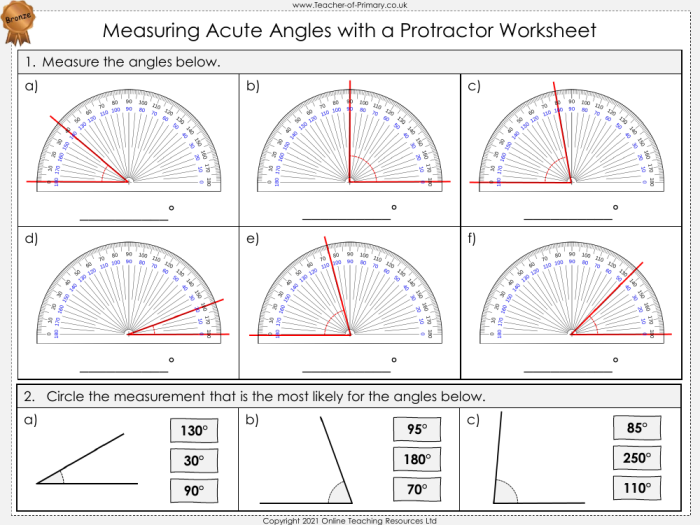
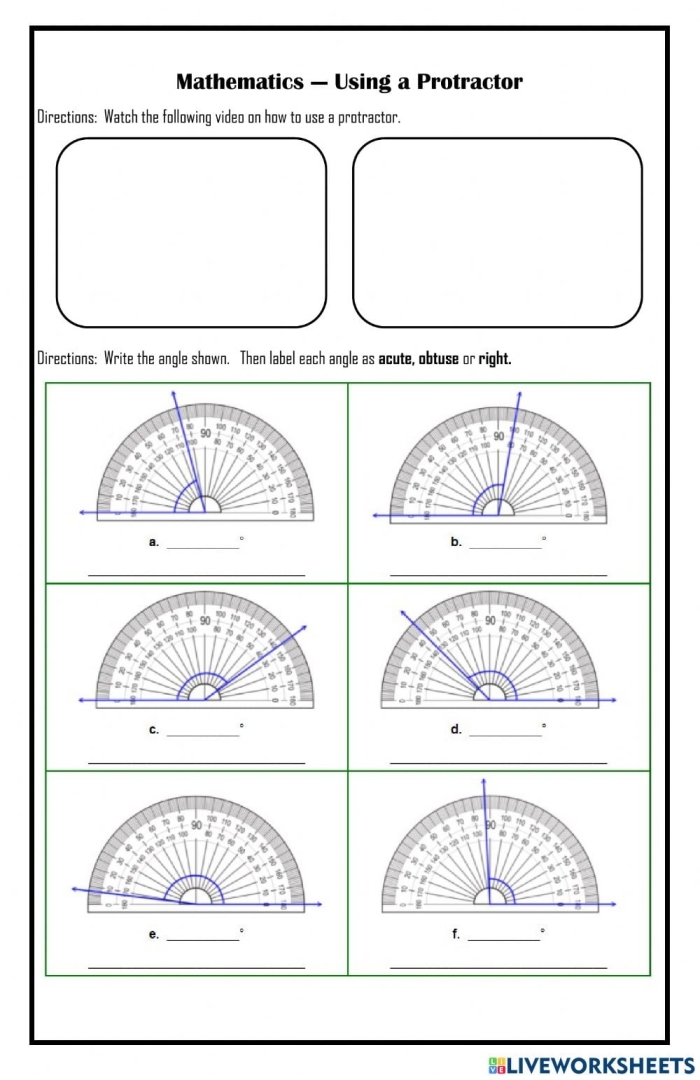
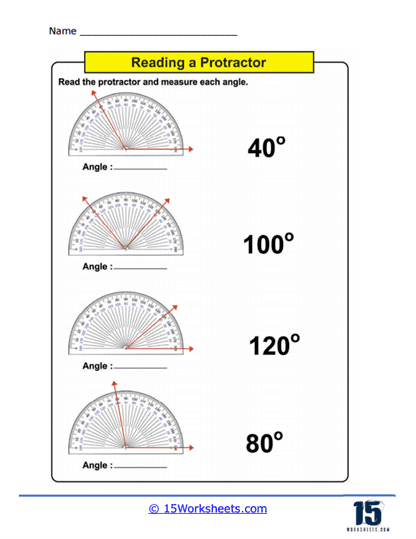
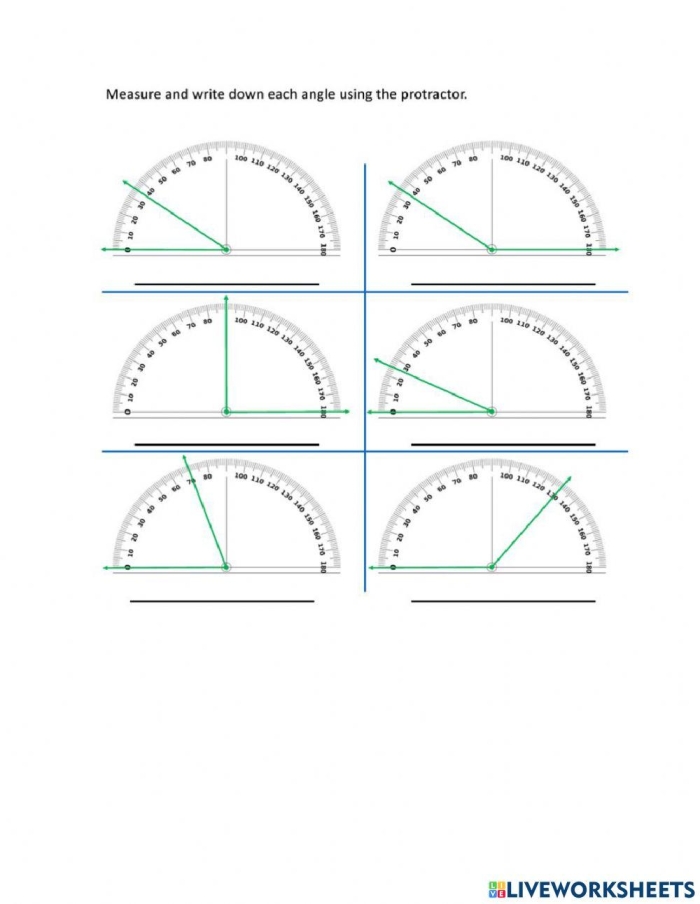
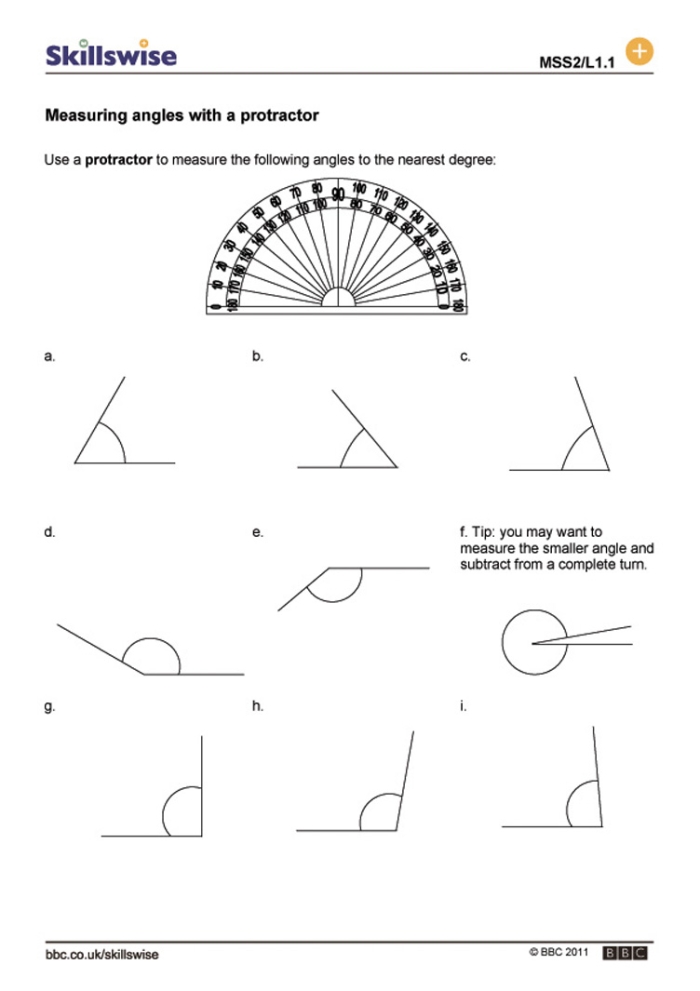
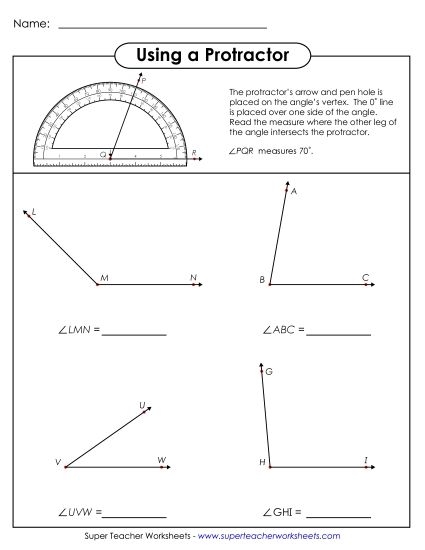
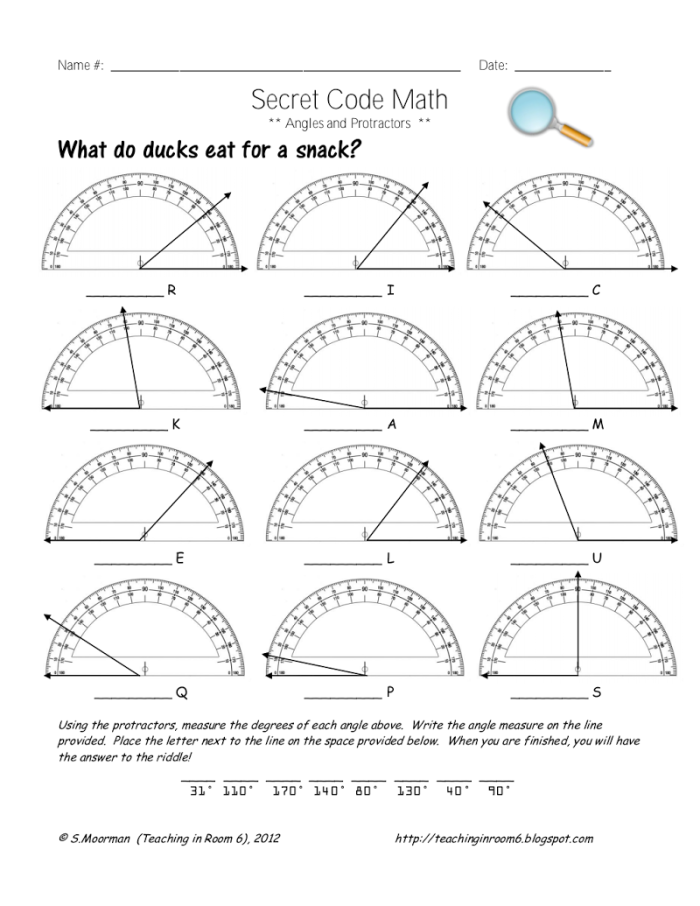
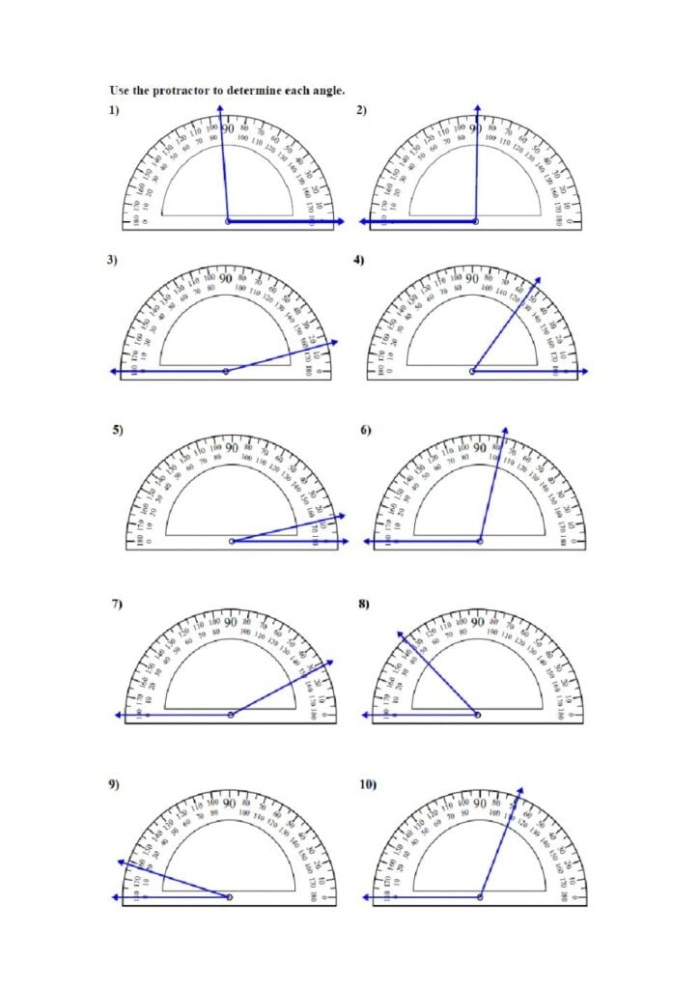
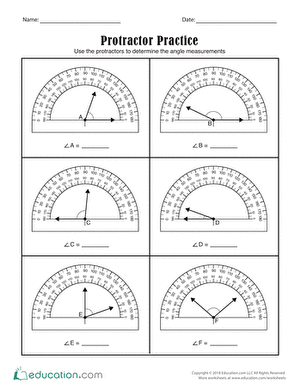
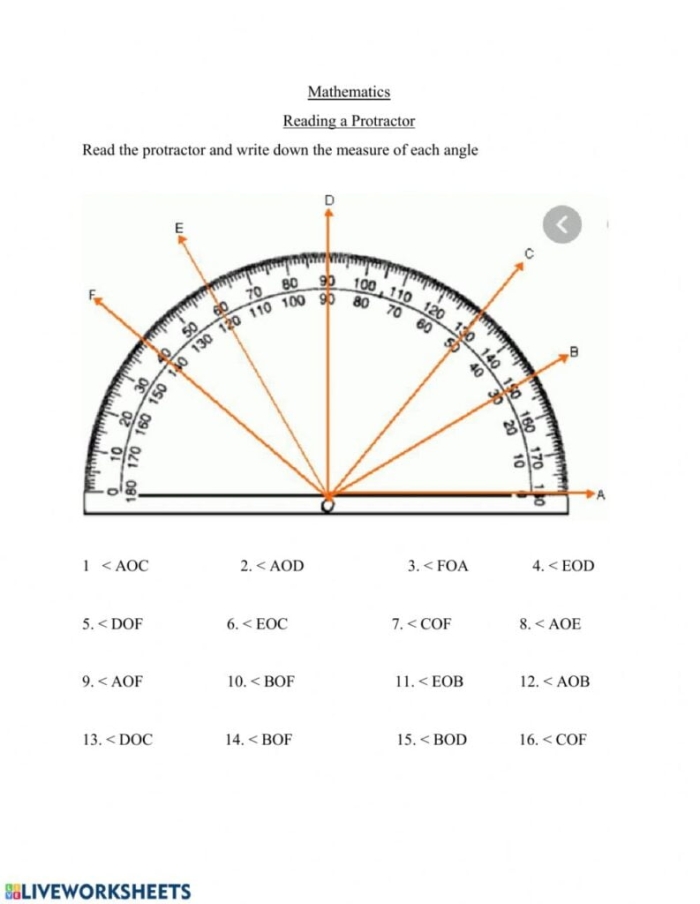
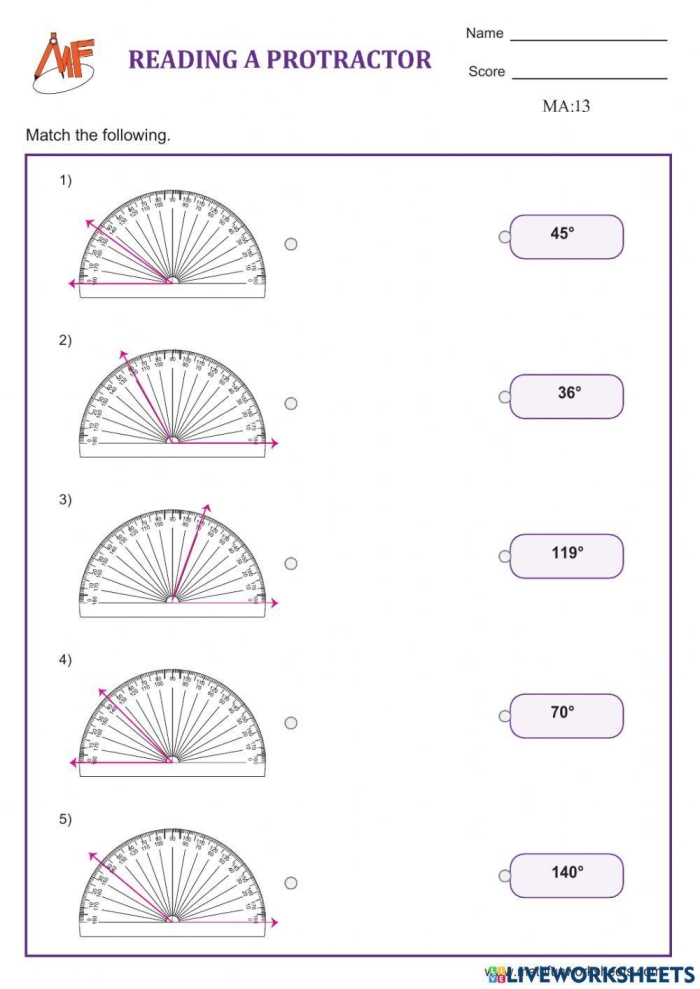
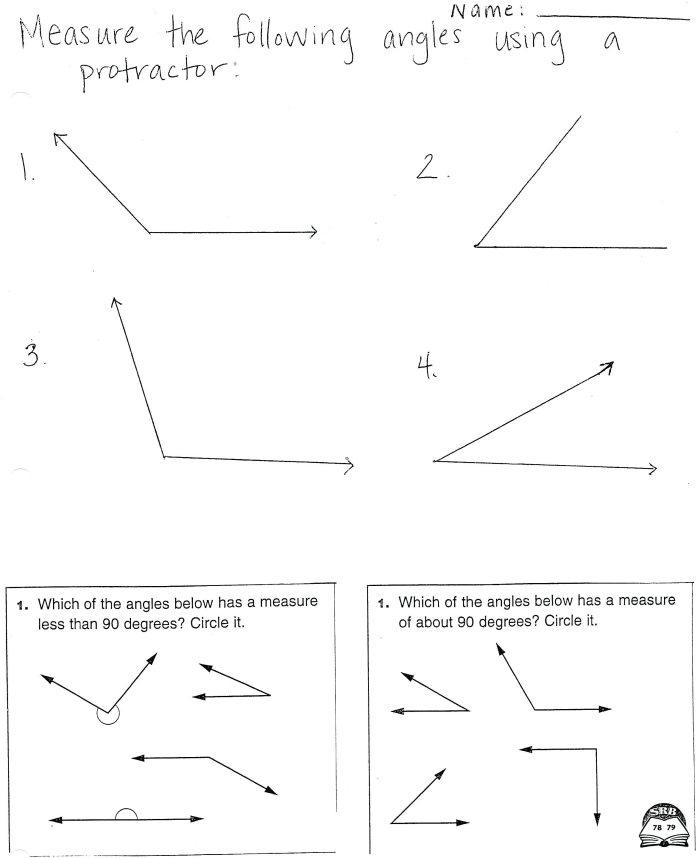
Practice makes the difference. Using printable protractor practice worksheets gives students repeated opportunities to build muscle memory. These worksheets provide angles already drawn with clear rays, allowing students to focus purely on measurement rather than angle construction. Starting with larger, more obvious angles before moving to smaller, trickier ones helps students develop accuracy gradually.
The real breakthrough happens when students measure angles in their environment. Finding angles in classroom corners, playground equipment, or open books makes the skill feel relevant and real rather than abstract.
Worksheet Practice Section