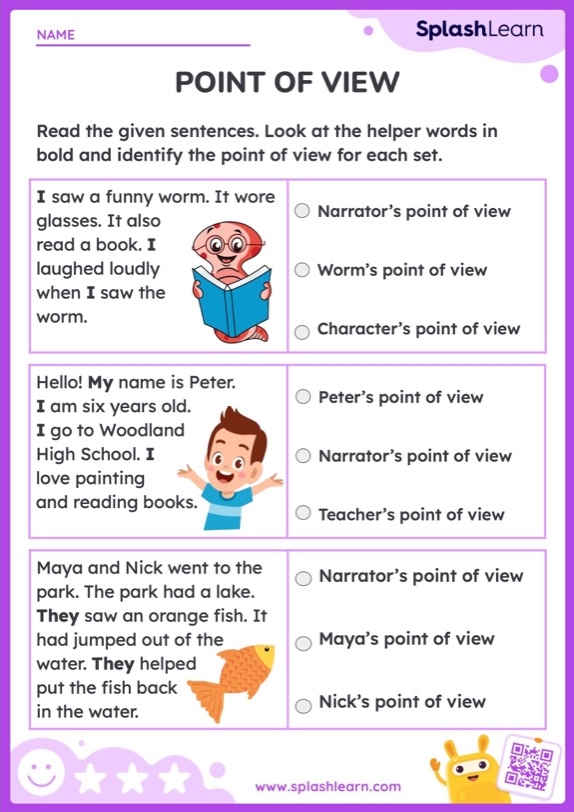
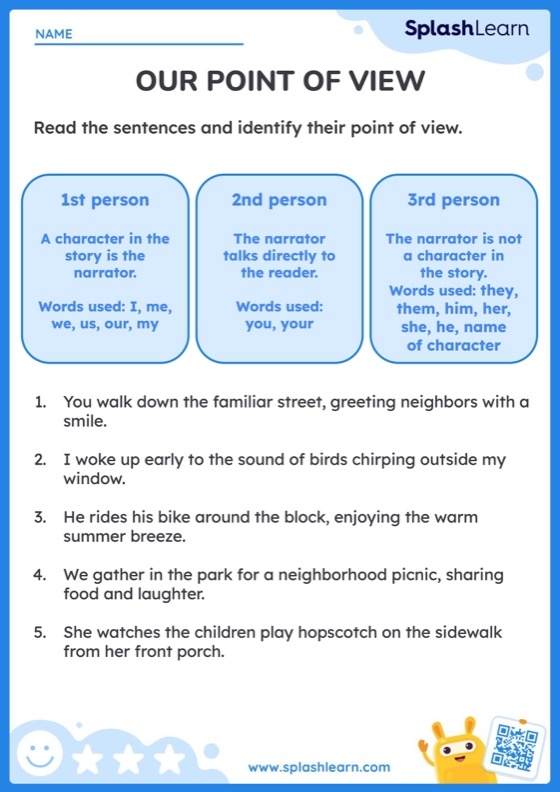
Teaching third graders to recognize an author’s point of view requires more than just asking them what they think a passage means. It means helping them see that every writer brings their own perspective, experiences, and beliefs to the story they tell. The 2004 Indian Ocean tsunami offers a powerful historical event for this lesson because different writers described it in distinctly different ways depending on where they were, who they were, and what they valued.
When students read a passage about the tsunami, they encounter choices the author made about which details to include, which people to interview, and which emotions to highlight. One writer might focus on the scientific explanation of tectonic plates and wave heights. Another might center on the personal stories of survivors. A third might emphasize the international aid response. None of these perspectives is wrong, but they’re all different, and recognizing this difference is what point of view practice teaches.
For third grade learners, this skill builds the foundation for critical reading that will serve them through middle school and beyond. When students work through passages about historical events, they learn to ask themselves: Who wrote this? What did they choose to tell me? What did they leave out? These questions transform reading from passive consumption into active thinking.
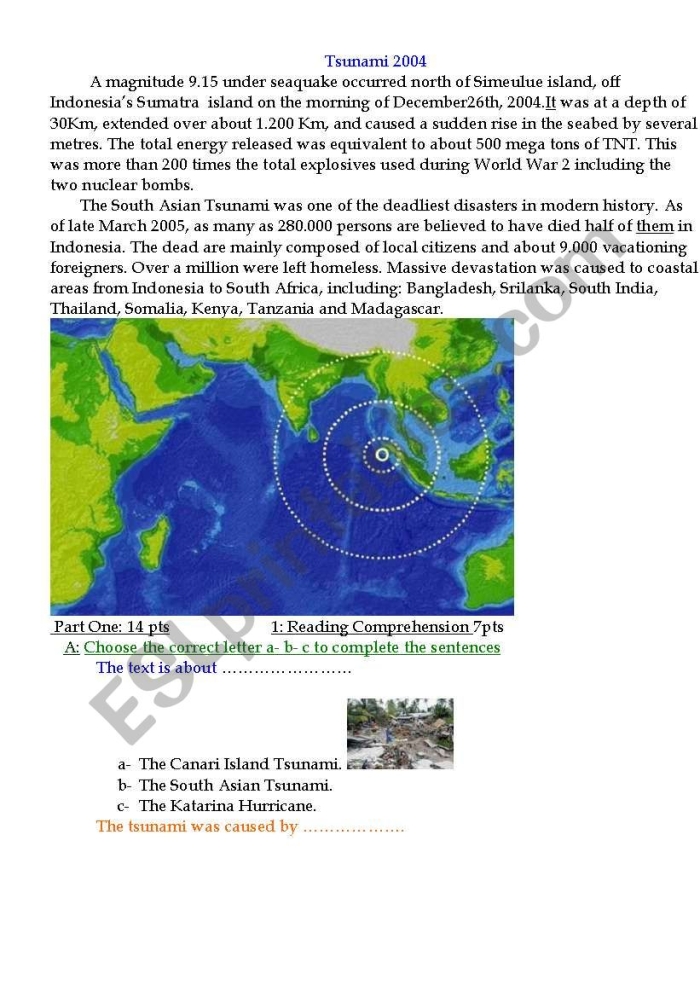
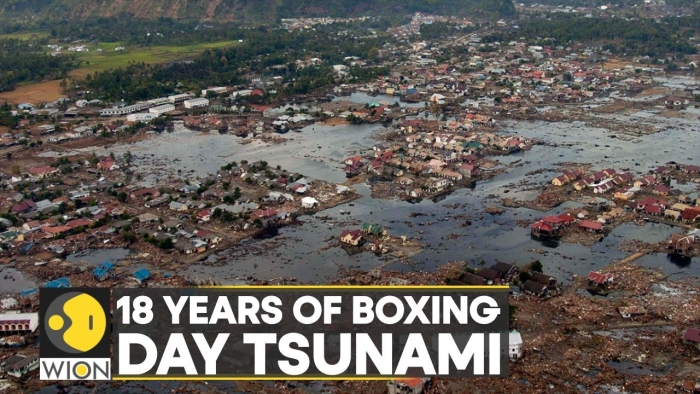
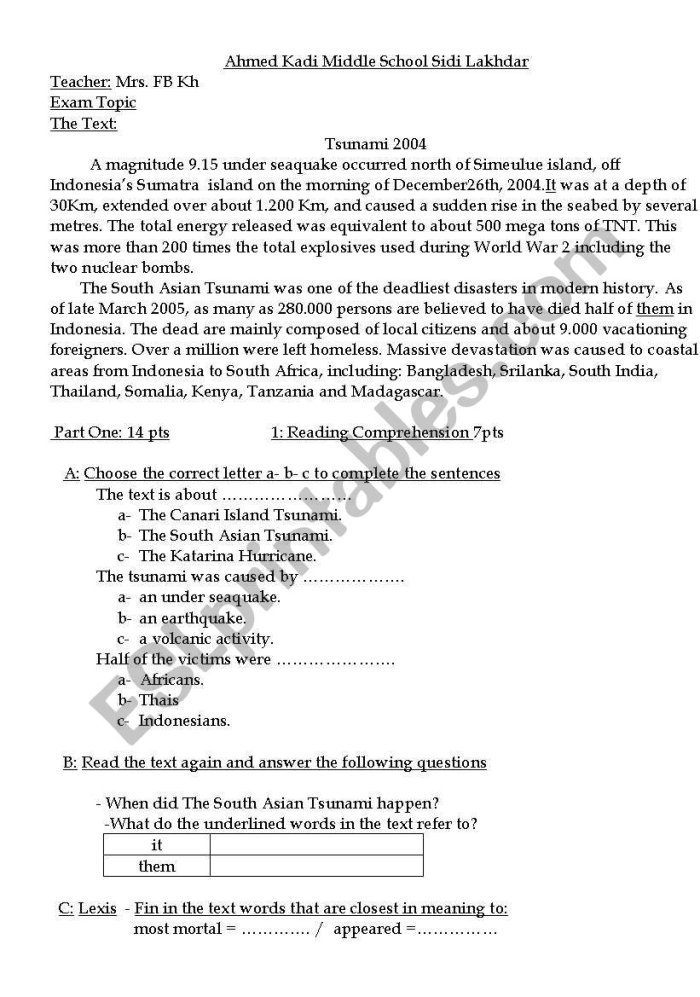
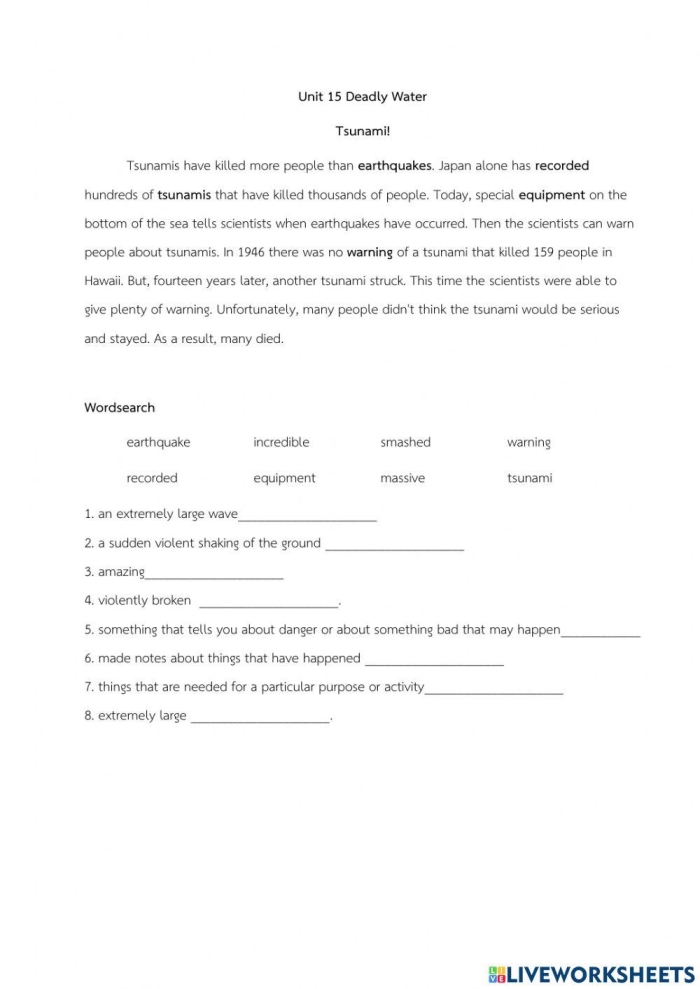
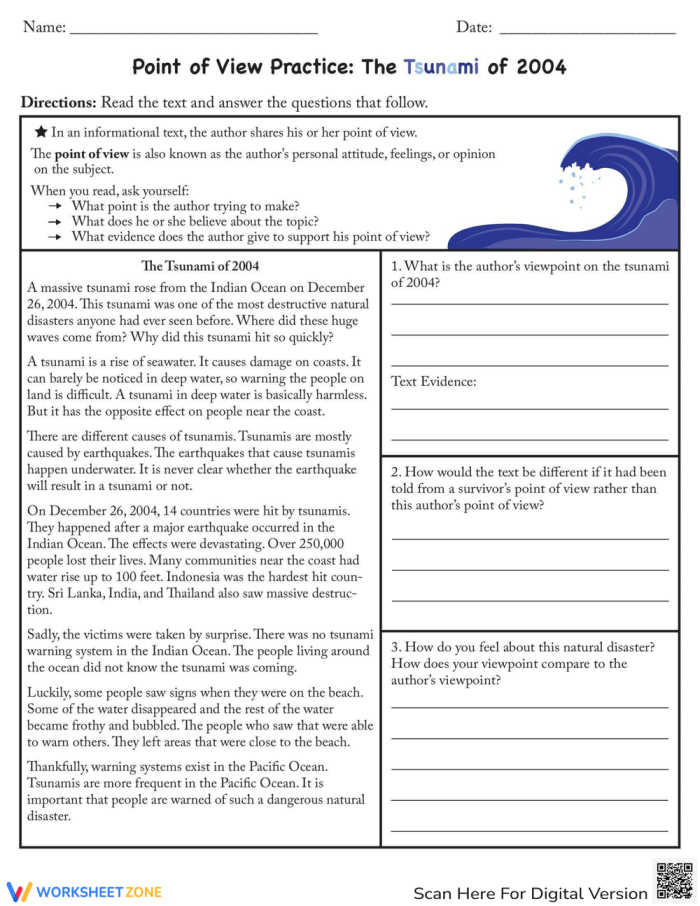
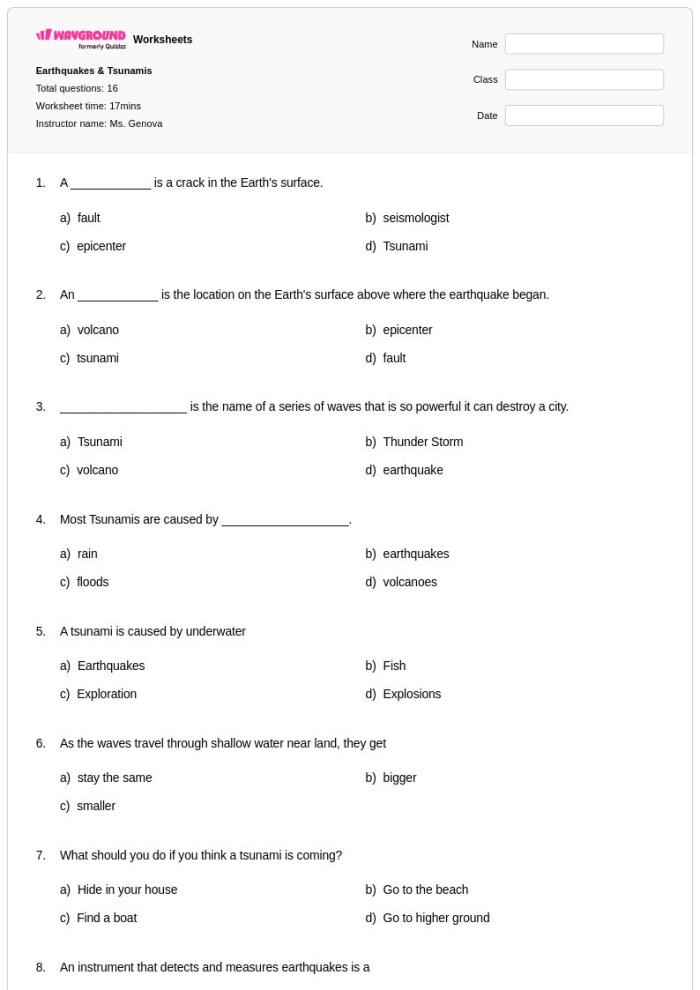
The tsunami of 2004 killed approximately 230,000 people across fourteen countries, making it one of the deadliest natural disasters in recorded history. This scale means there are countless perspectives to examine, from eyewitness accounts to journalistic reports to scientific analyses. Each version reveals something true while also revealing the author’s angle.
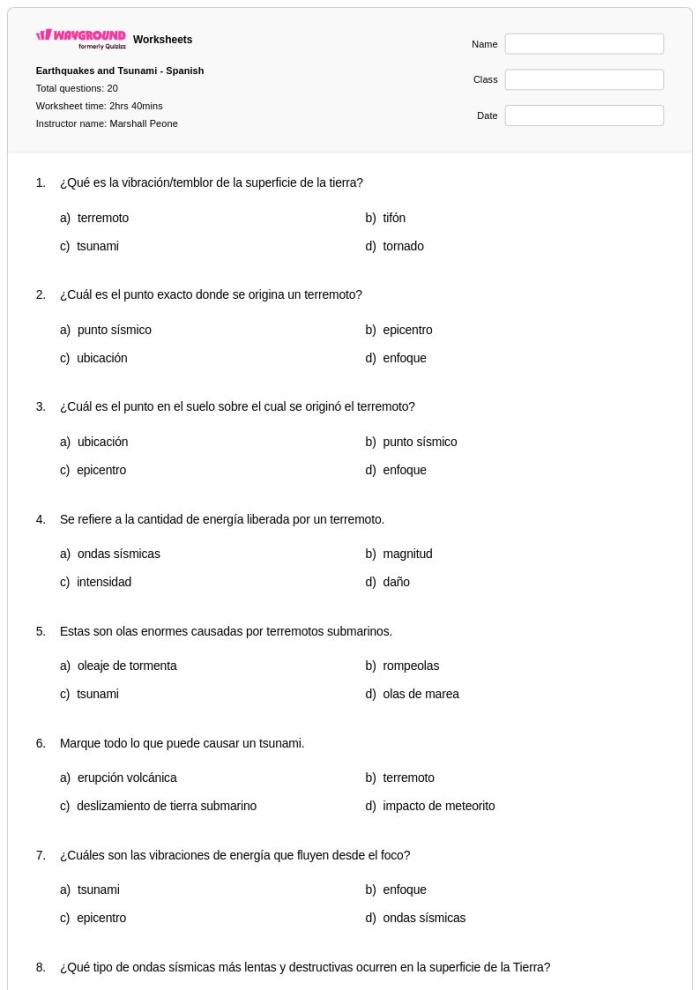
Spanish-language learners benefit especially from this type of practice because vocabulary becomes anchored to meaningful content rather than isolated words. As students develop skills like identifying key details in complex texts, they’re simultaneously building language proficiency and critical thinking abilities.
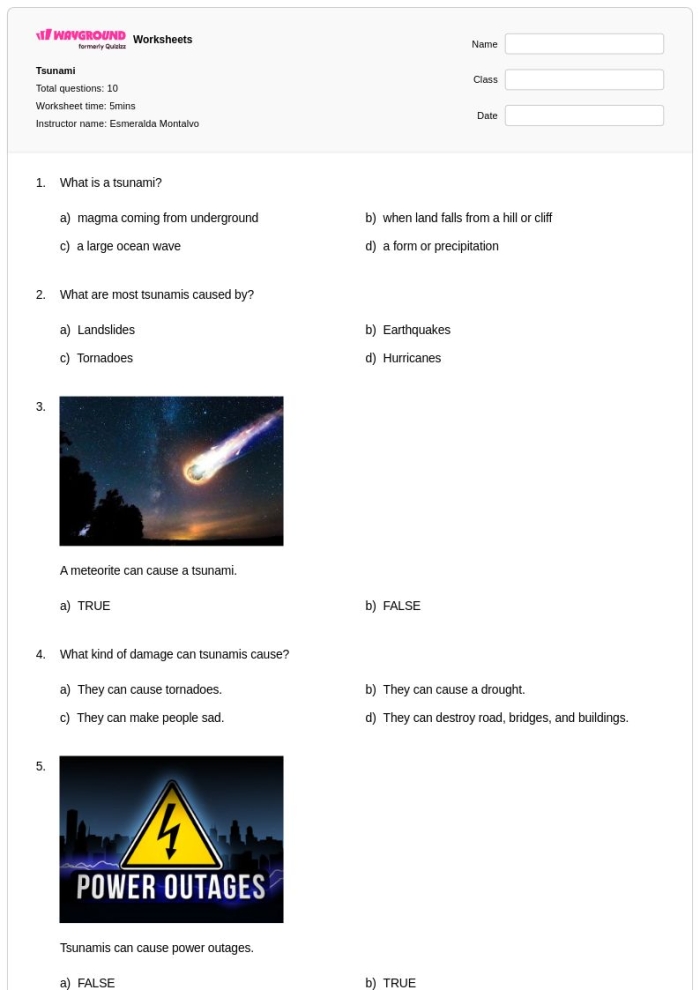
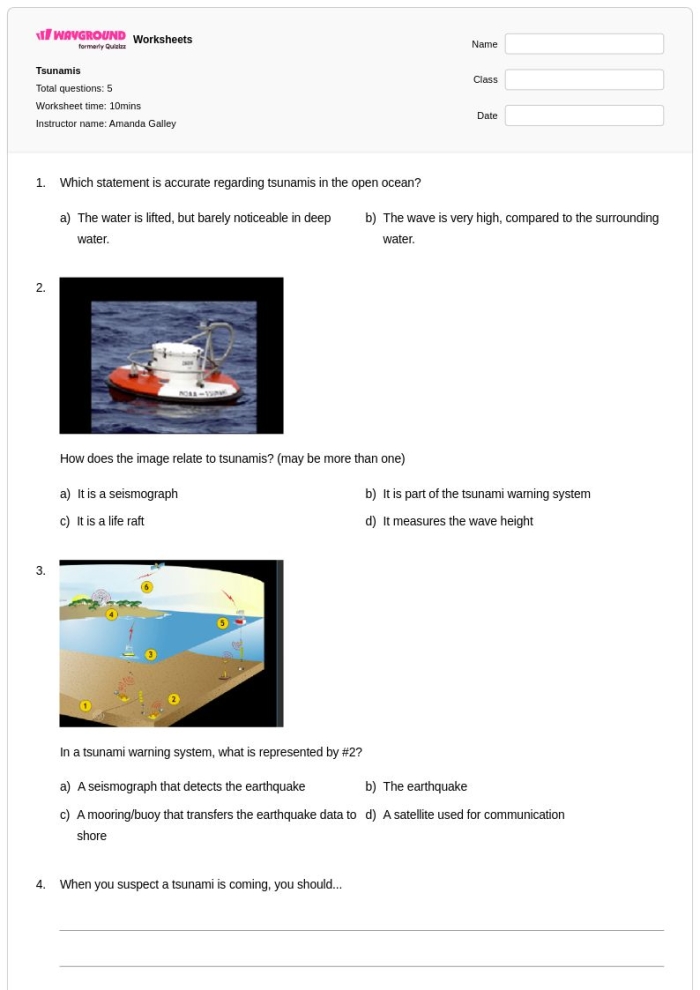
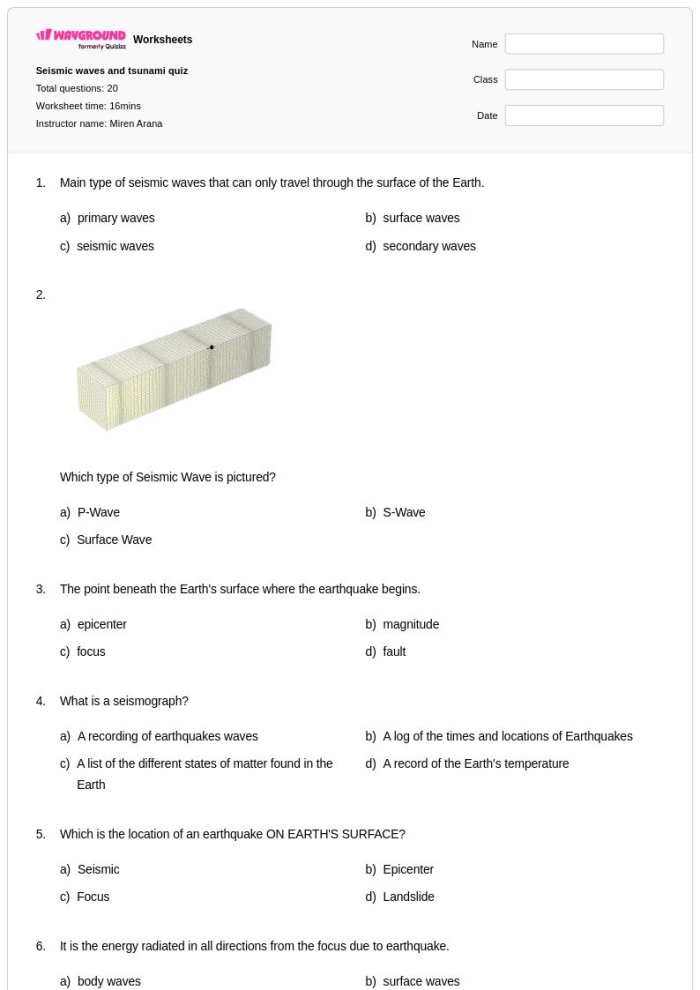
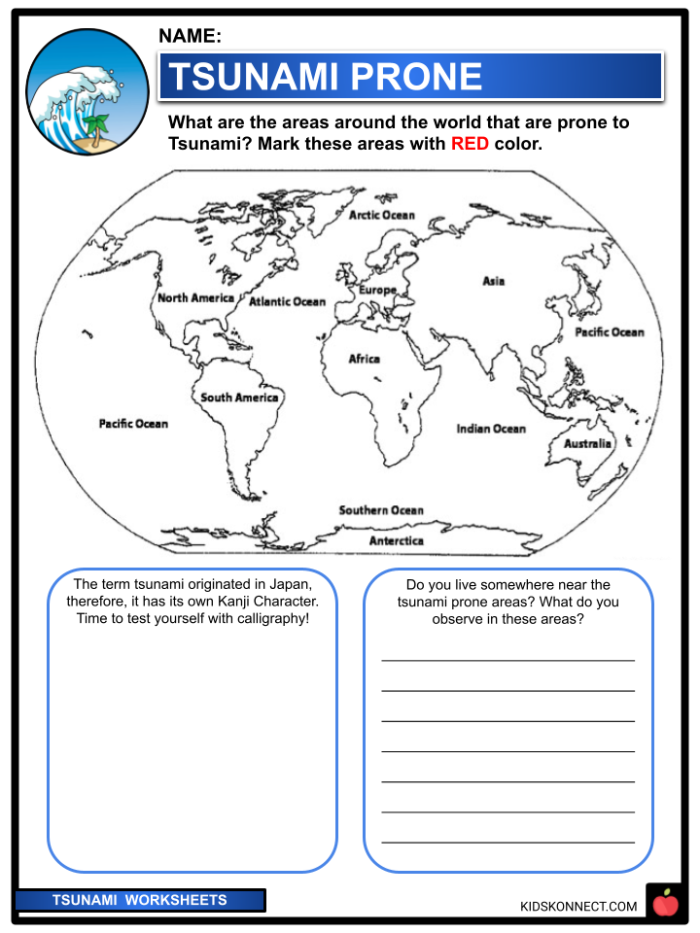
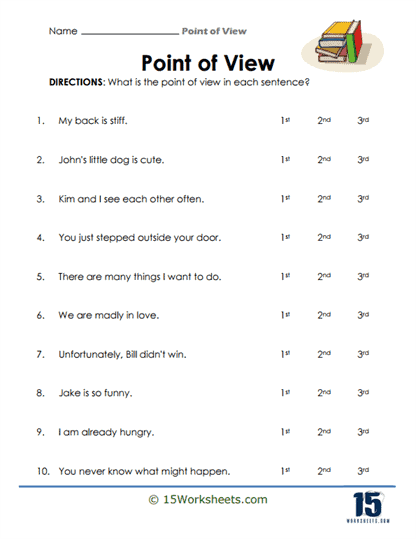
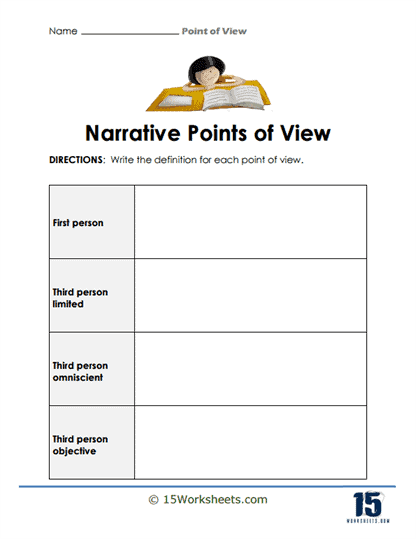
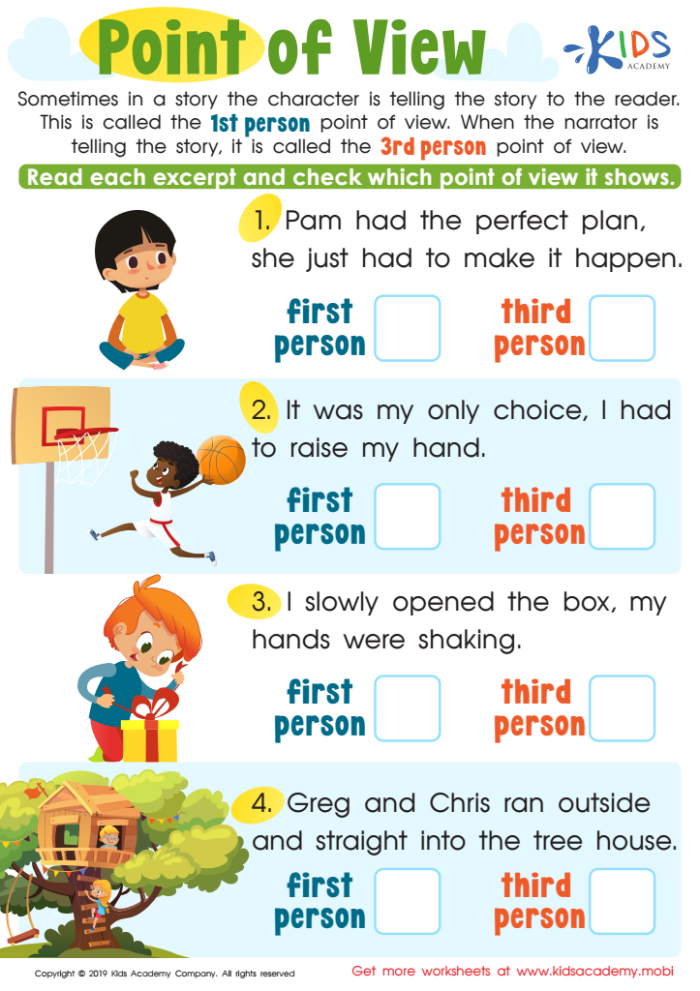
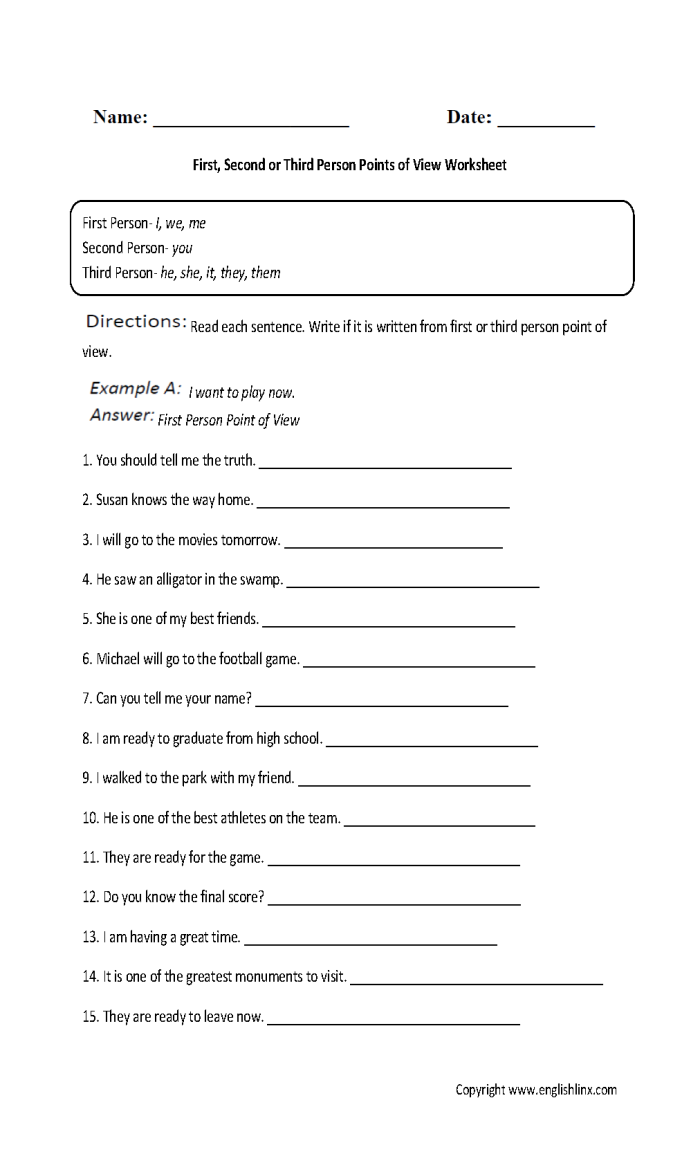
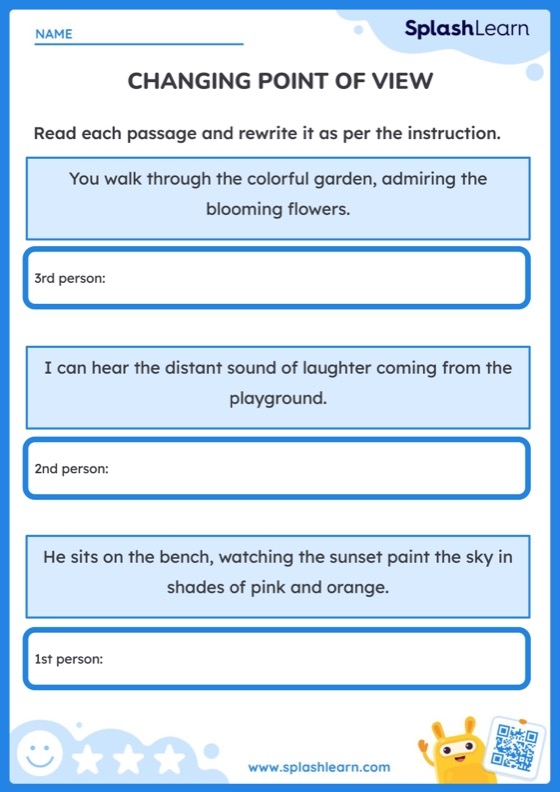
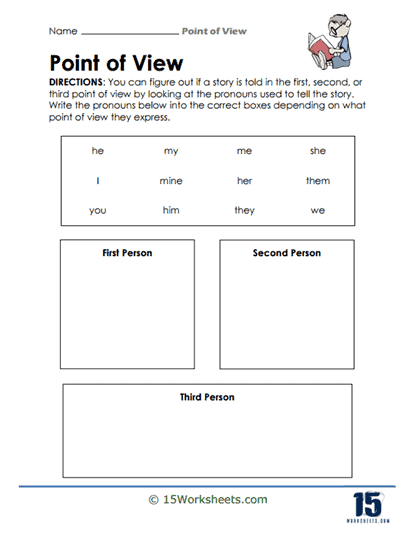
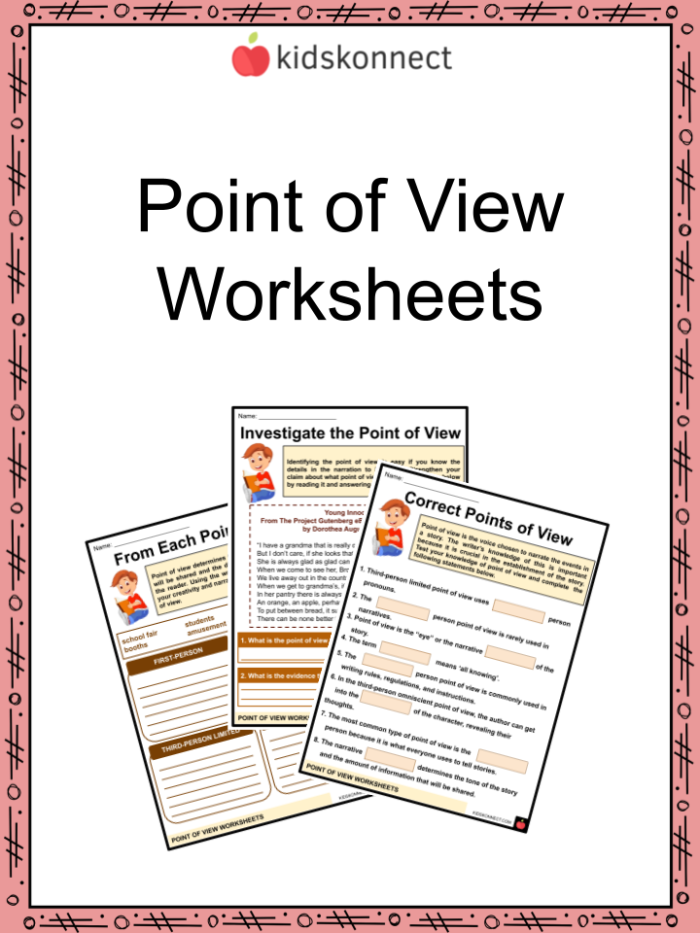
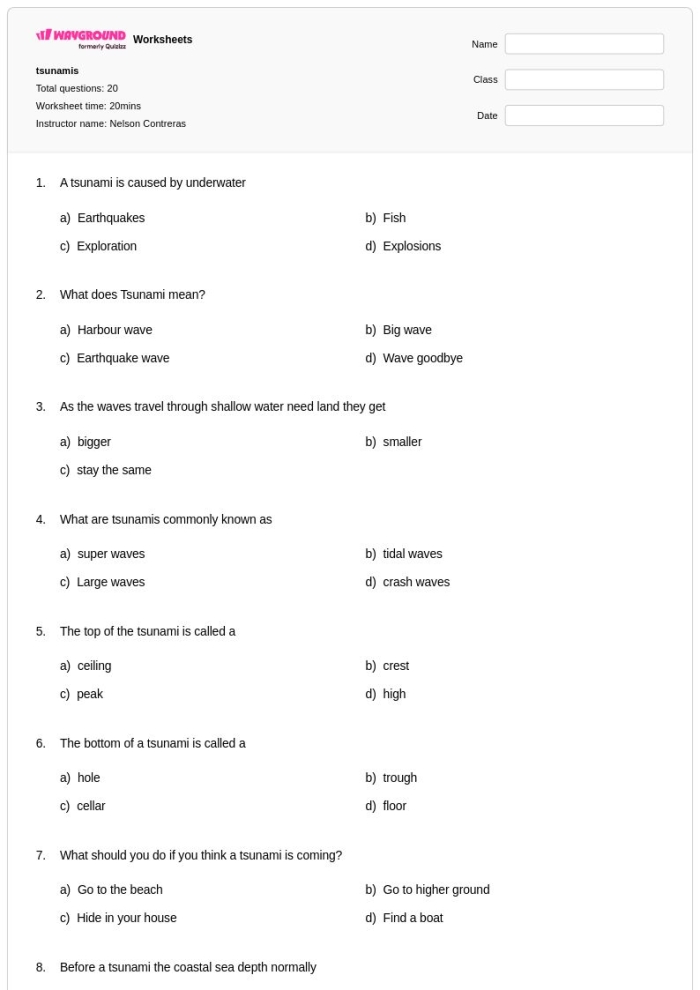
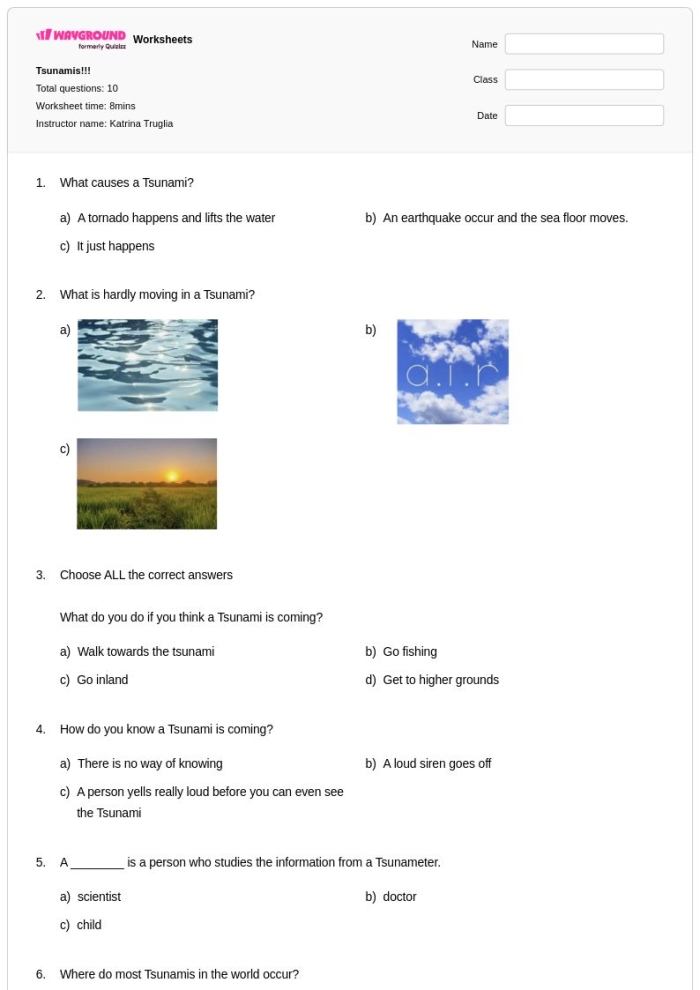
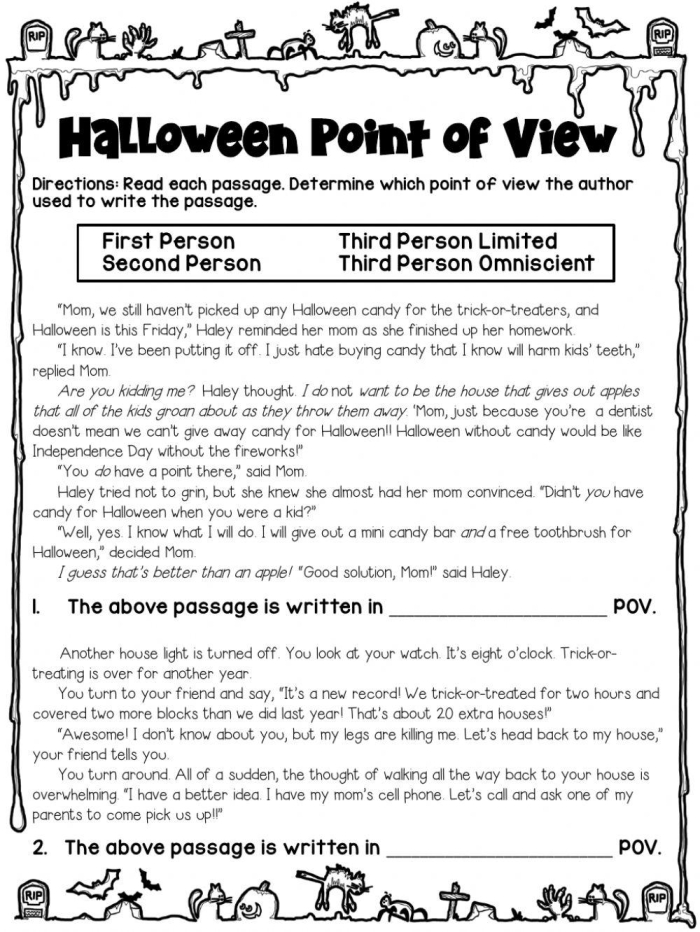
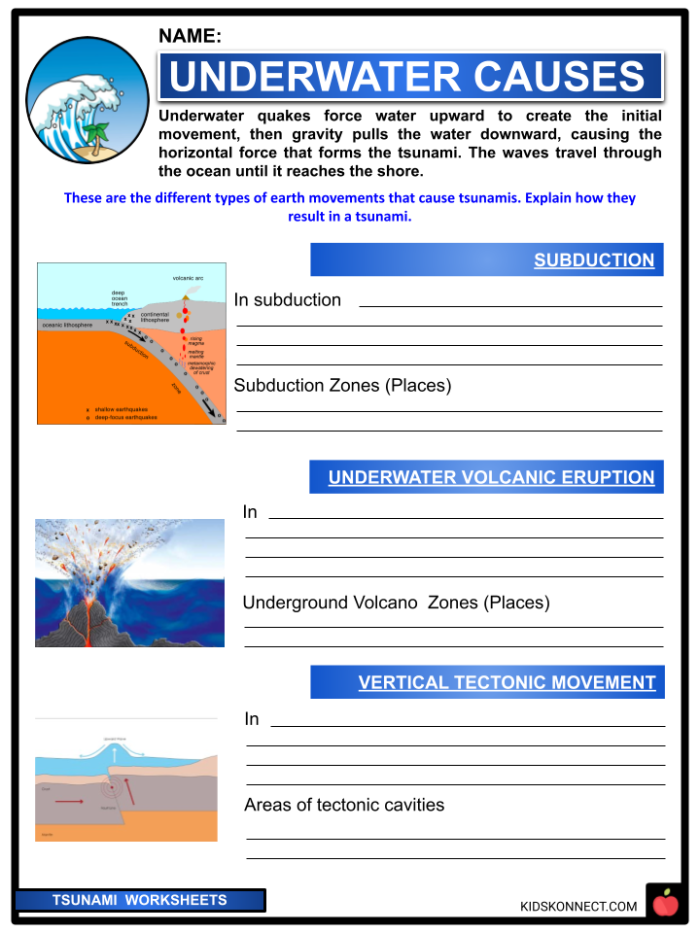
Using printable point of view practice worksheets with the tsunami of 2004 gives students concrete material to work with. They can mark passages, annotate the text, and discuss what the author revealed through their word choices and story structure. This hands-on approach makes abstract concepts like perspective tangible and manageable for young readers.
Start Practicing with These Worksheets