Teaching a kindergartner to observe and think critically about how plants survive doesn’t require complicated science equipment or lengthy explanations. This worksheet approach works because it meets young learners where they are: through pictures, simple choices, and hands-on thinking about the natural world around them.
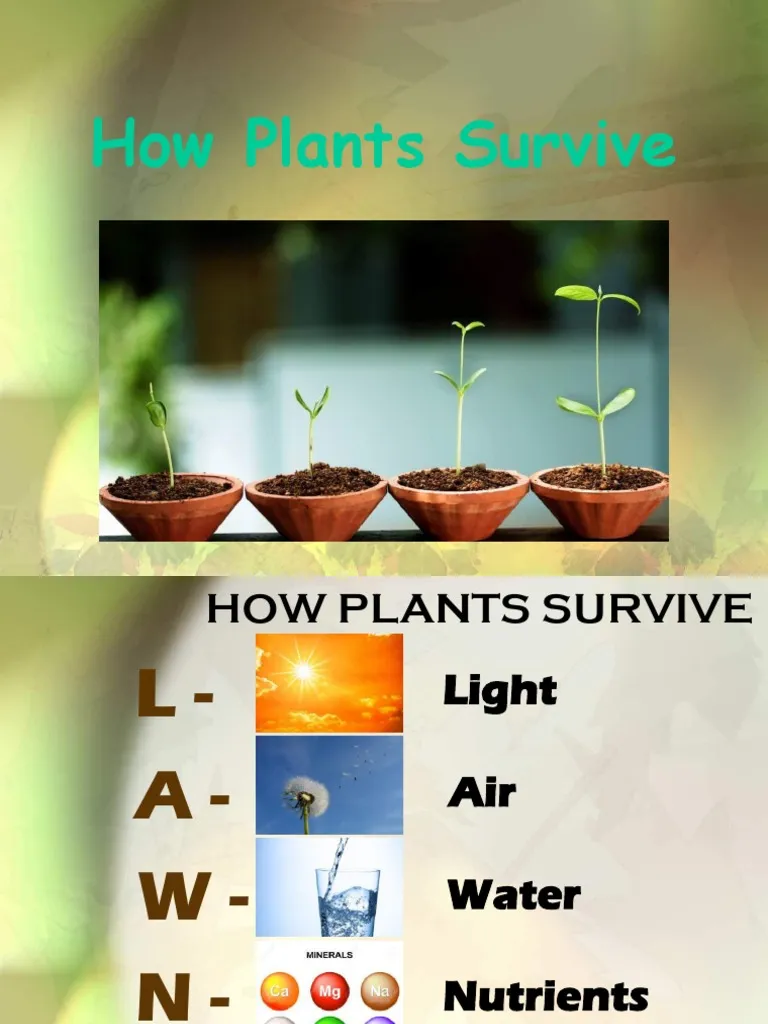
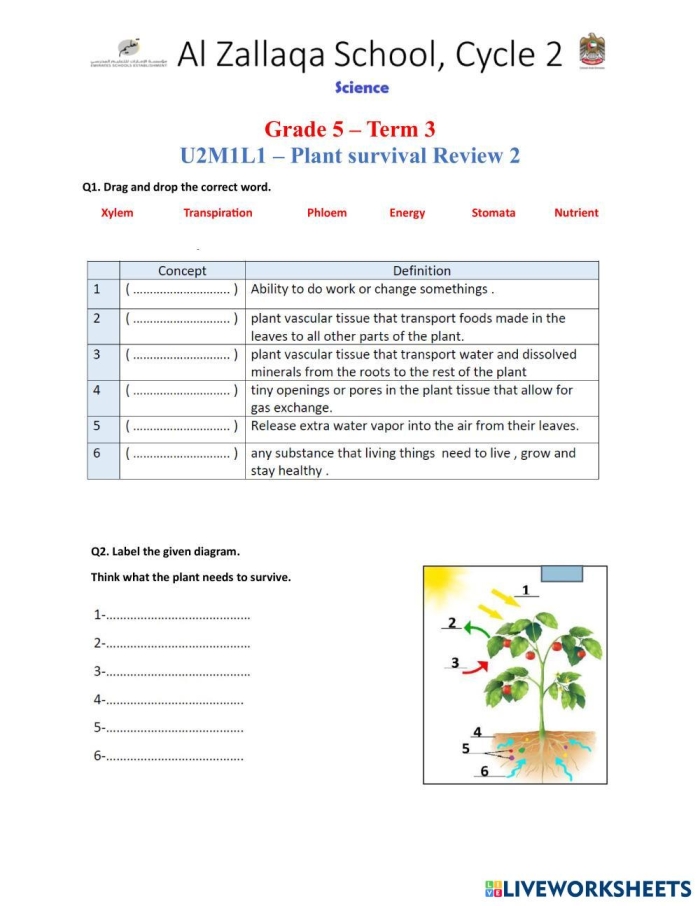
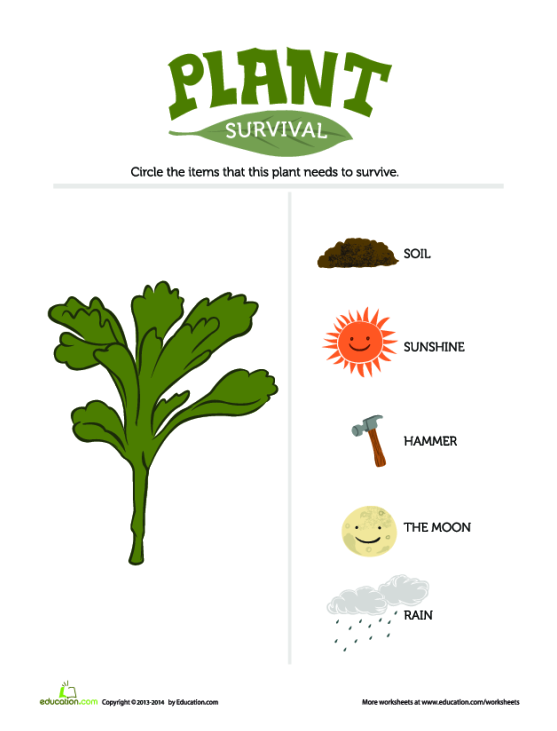
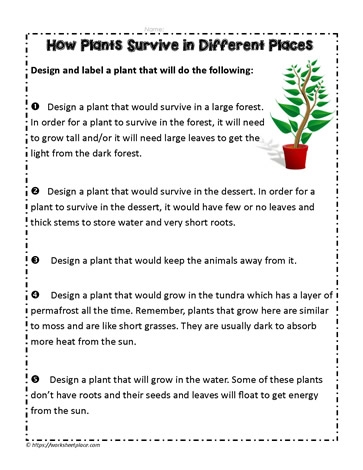
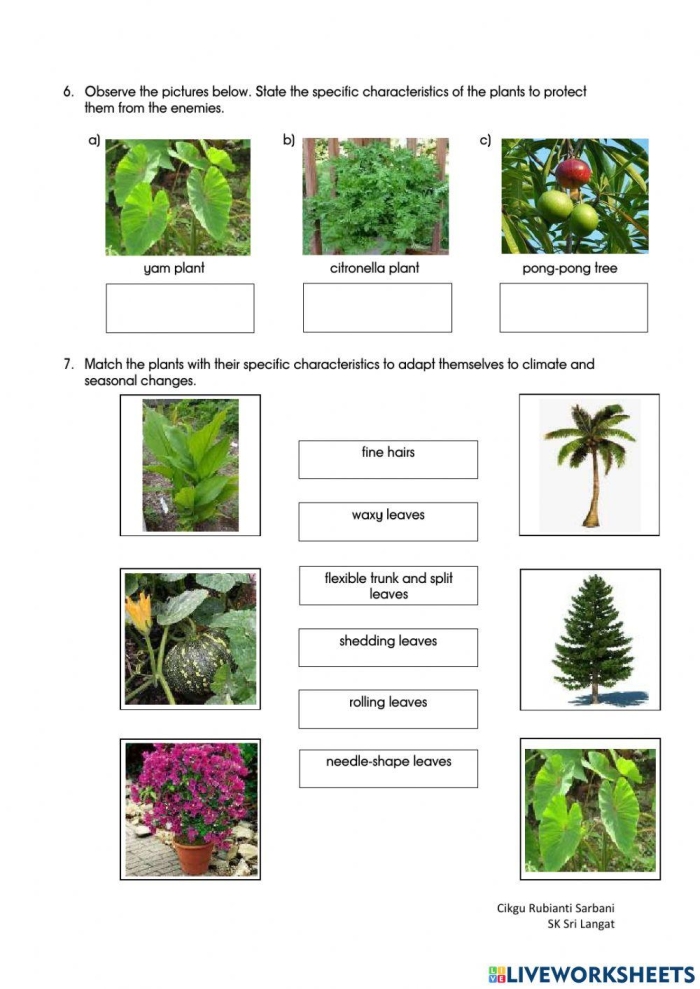
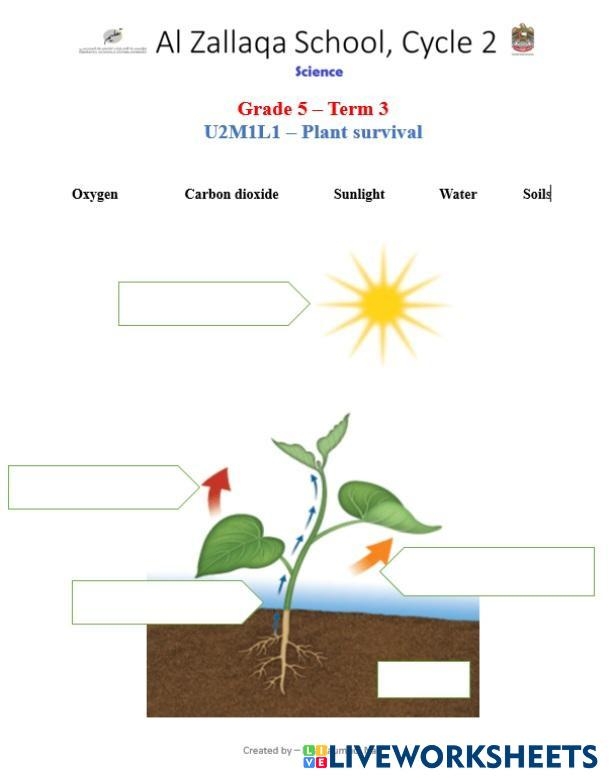
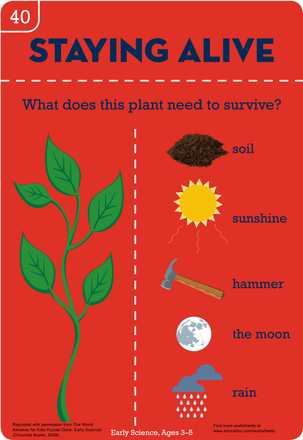
The core idea behind this activity is straightforward. Children look at illustrated scenarios and identify what plants actually need to grow tall and healthy. They might see images showing sunlight, water, soil, and air, then decide which elements matter most. This visual learning method helps kindergarteners begin to understand cause and effect, a foundational concept in early science education.
What makes this exercise valuable goes beyond just naming plant parts. When children examine pictures and make decisions about plant survival, they’re practicing observation skills and beginning to understand ratios and proportions in a natural way. For instance, recognizing that a plant needs more water during hot seasons than cold ones introduces the idea of relationships between quantities, even if they don’t use that language yet.
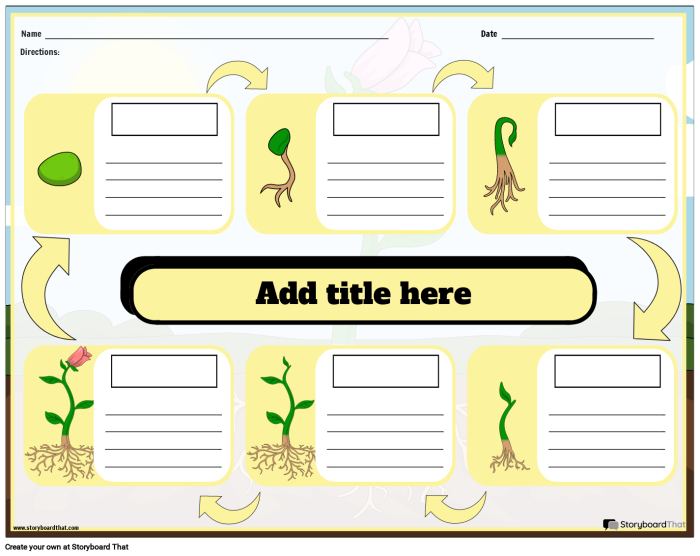
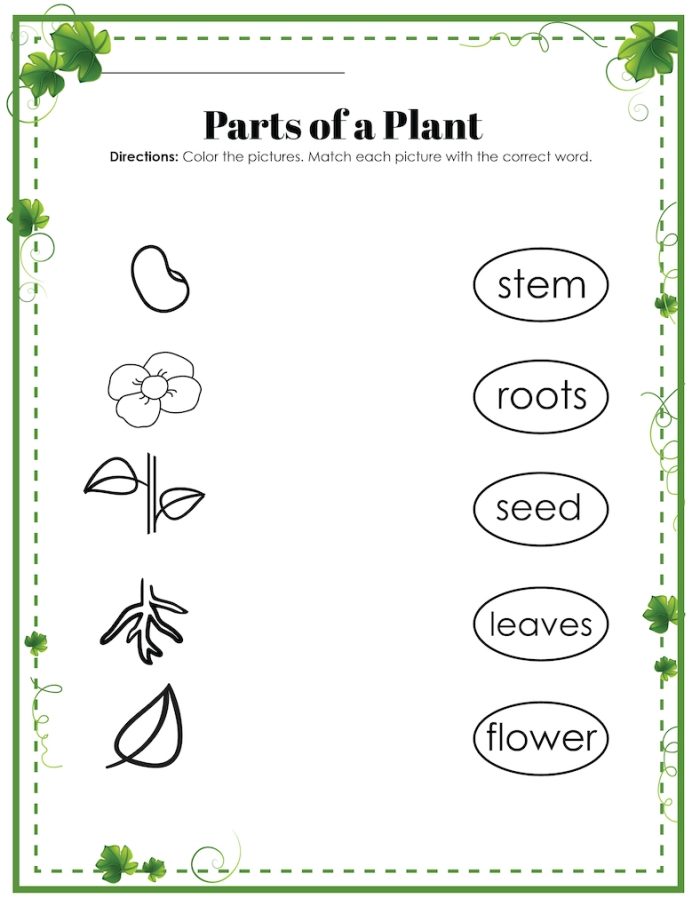
This type of activity connects naturally with other learning areas. Once your child grasps basic plant needs, you might explore naming the parts of a plant in more detail, or move toward understanding the parts of a seed as they advance.
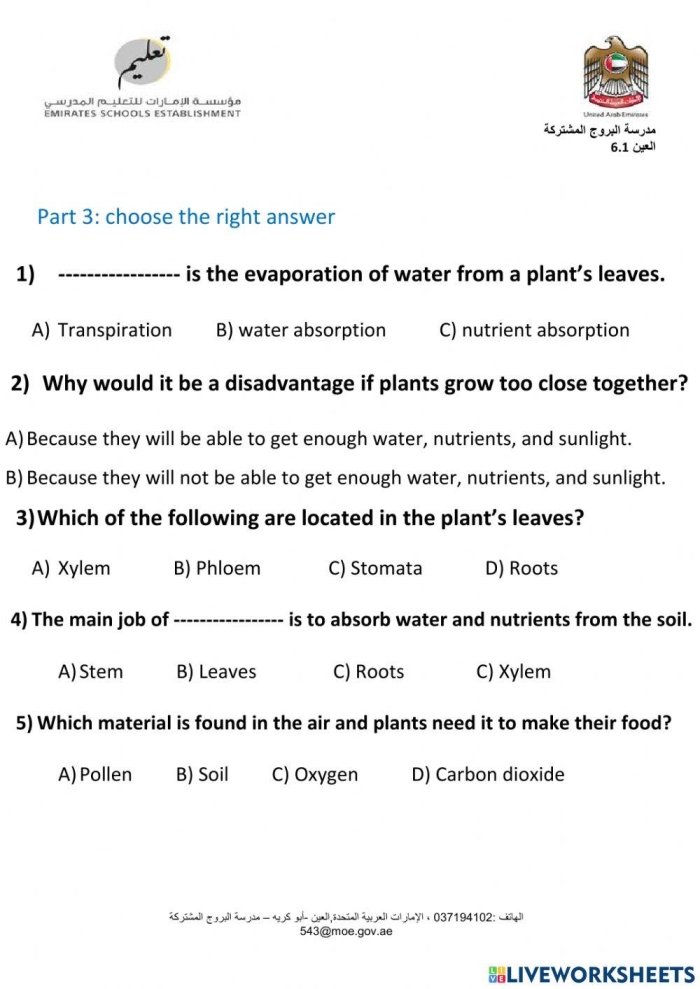
The beauty of picture-based worksheets for kindergarten learners is that they eliminate reading barriers. Children focus purely on visual comprehension and decision-making. They develop confidence in their ability to think scientifically, even at this young age, by making real observations about the living world.
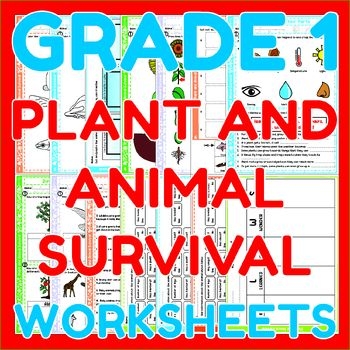
Try These Printable Worksheets