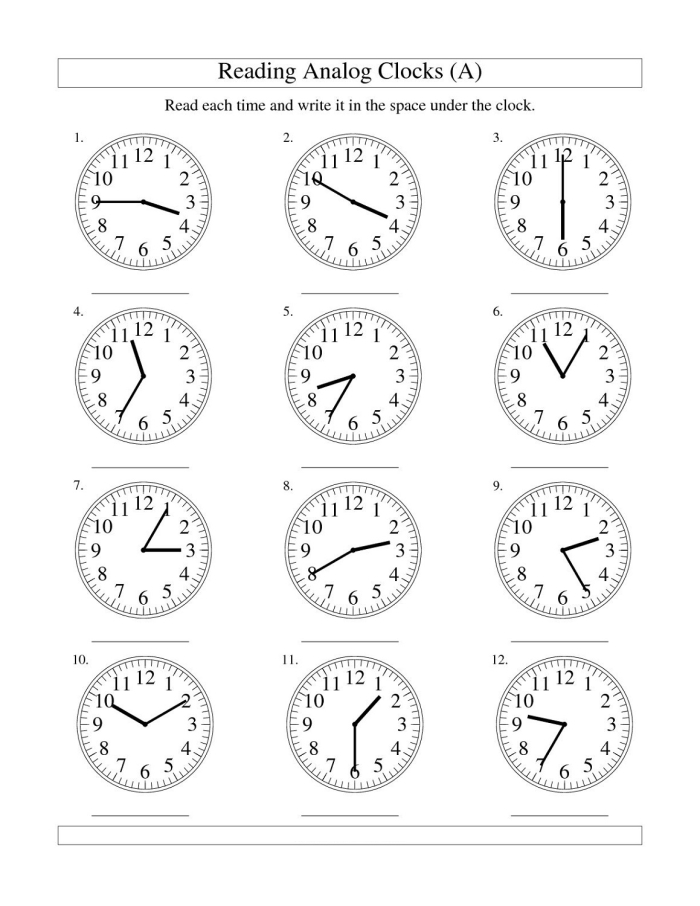
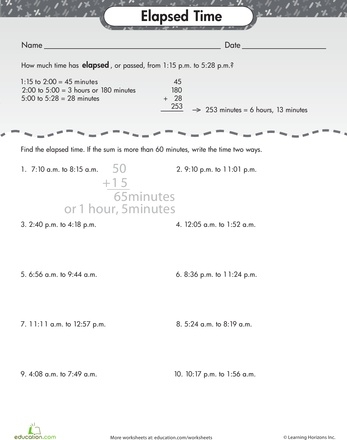
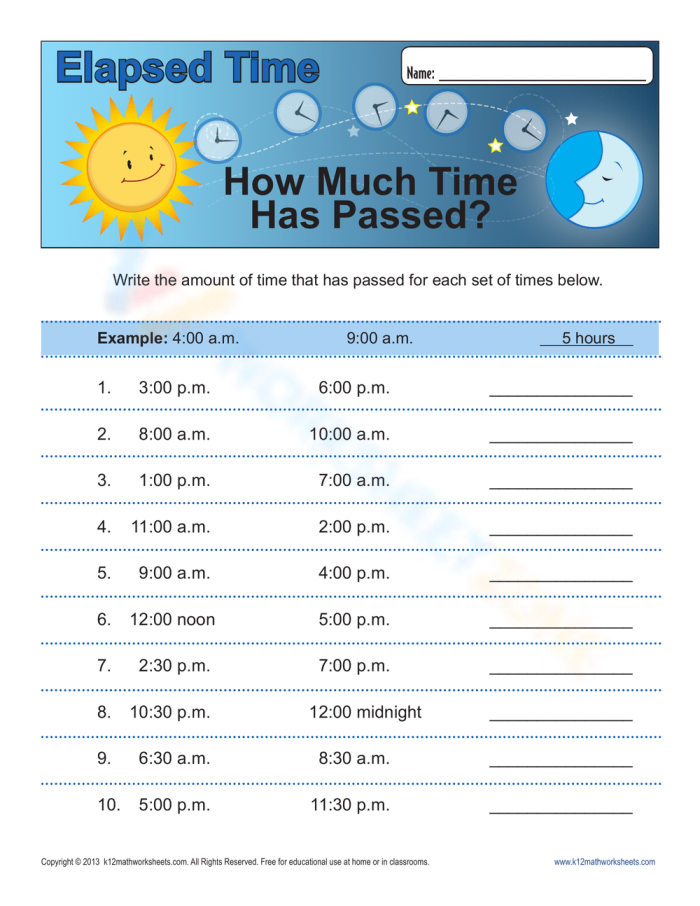
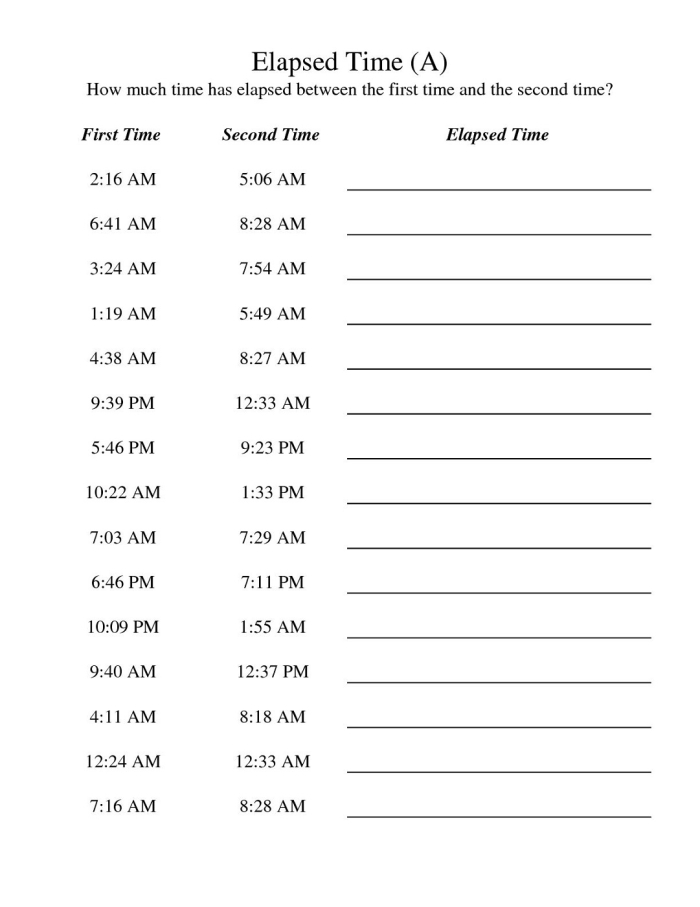
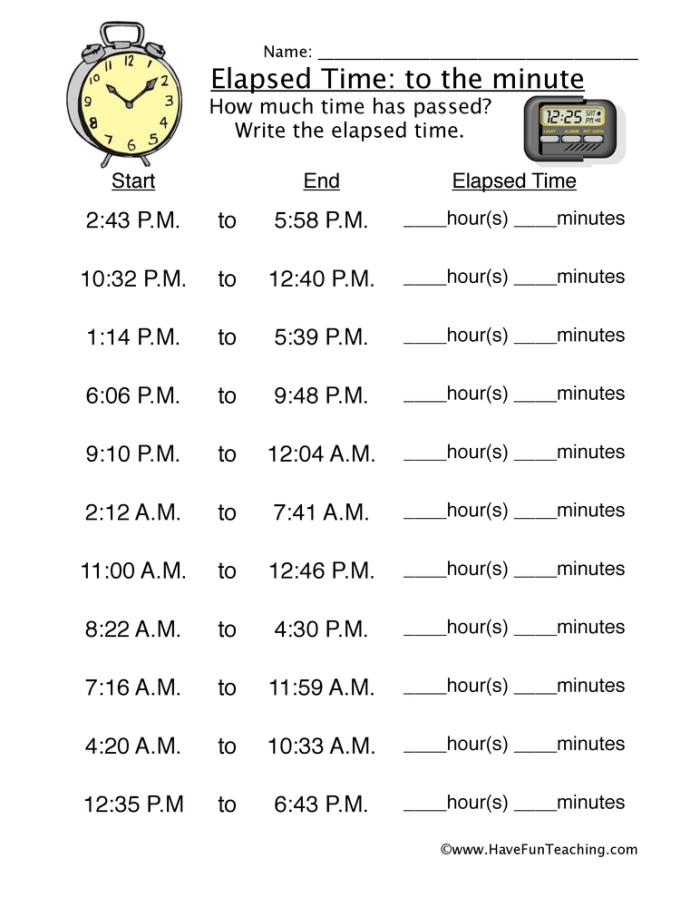
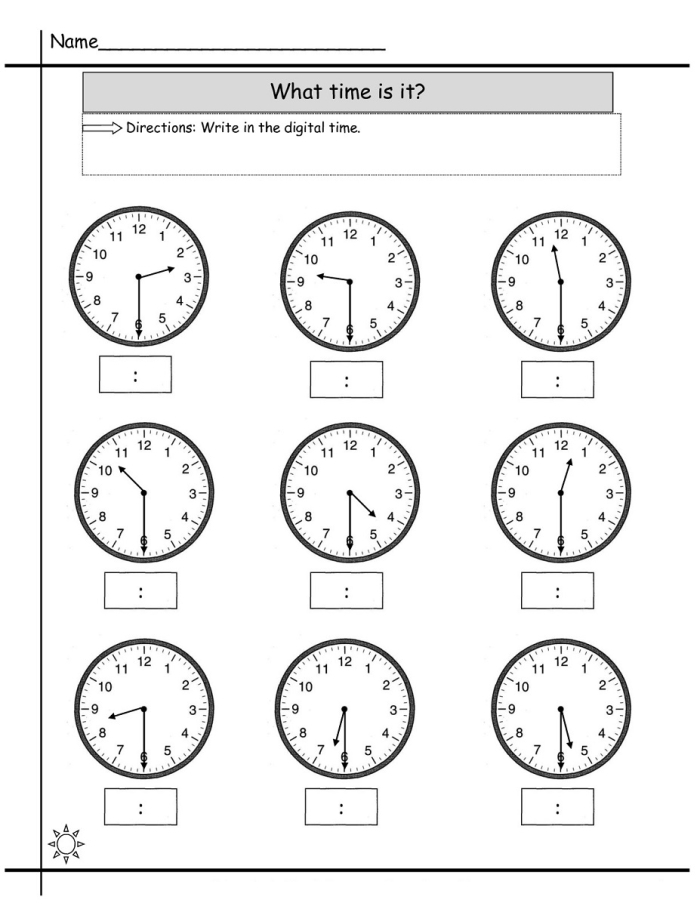
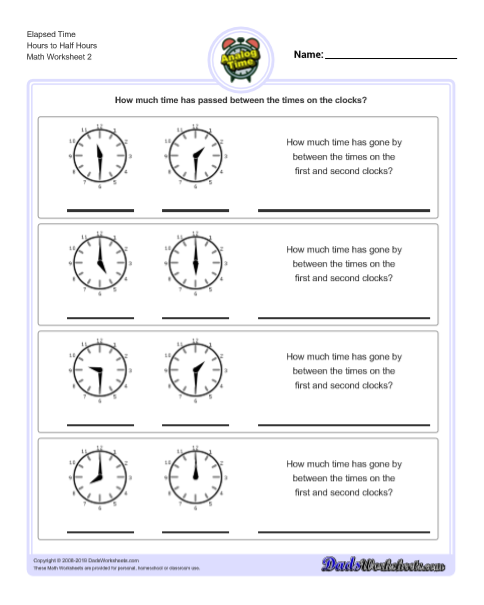
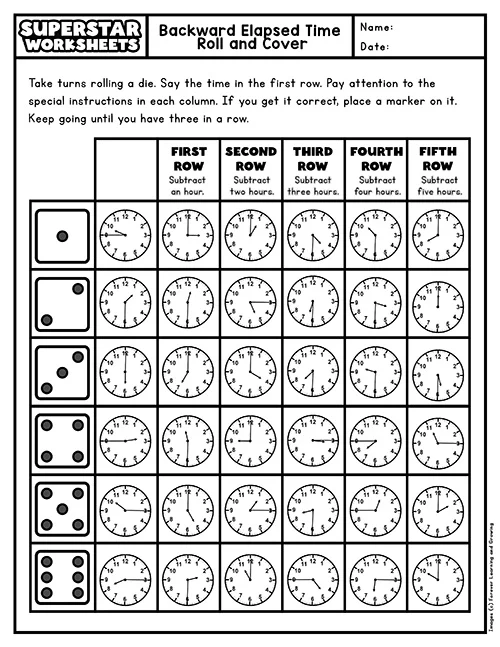
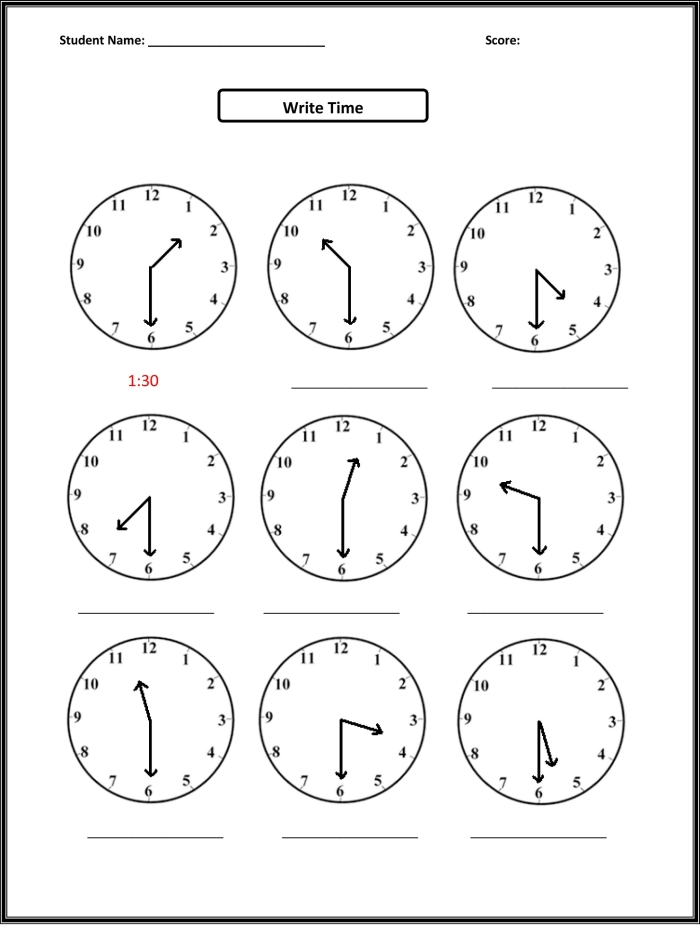
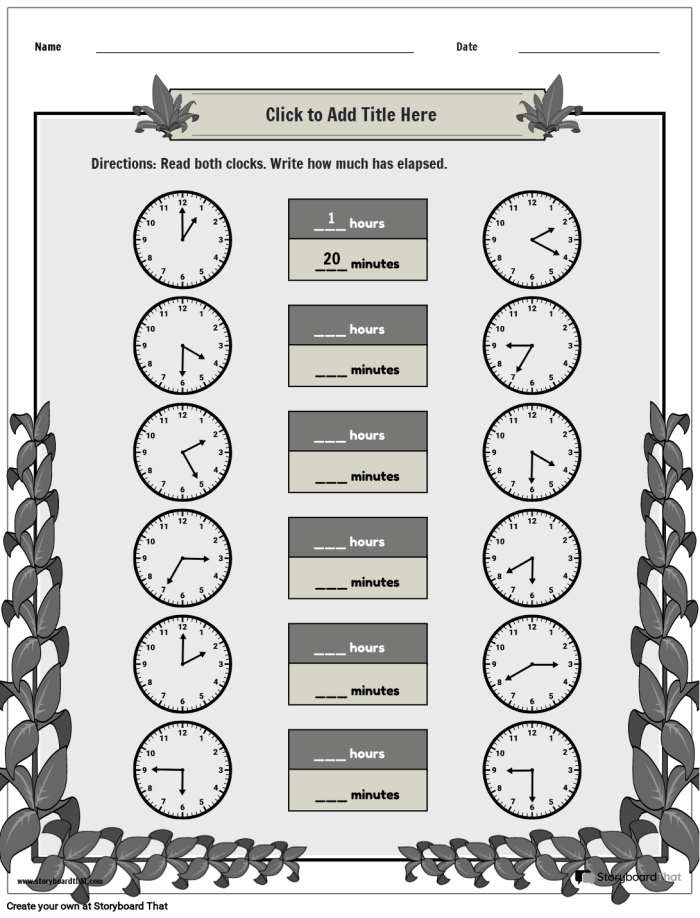
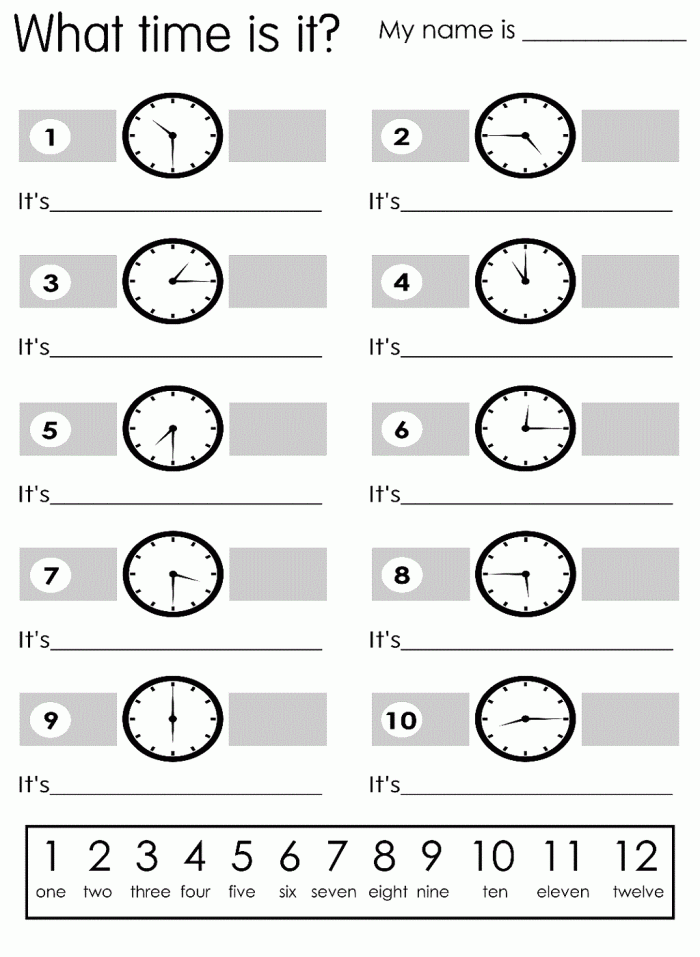
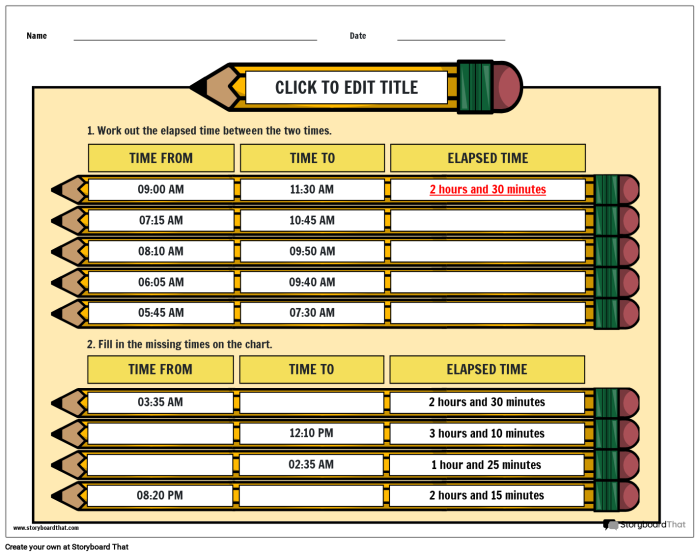
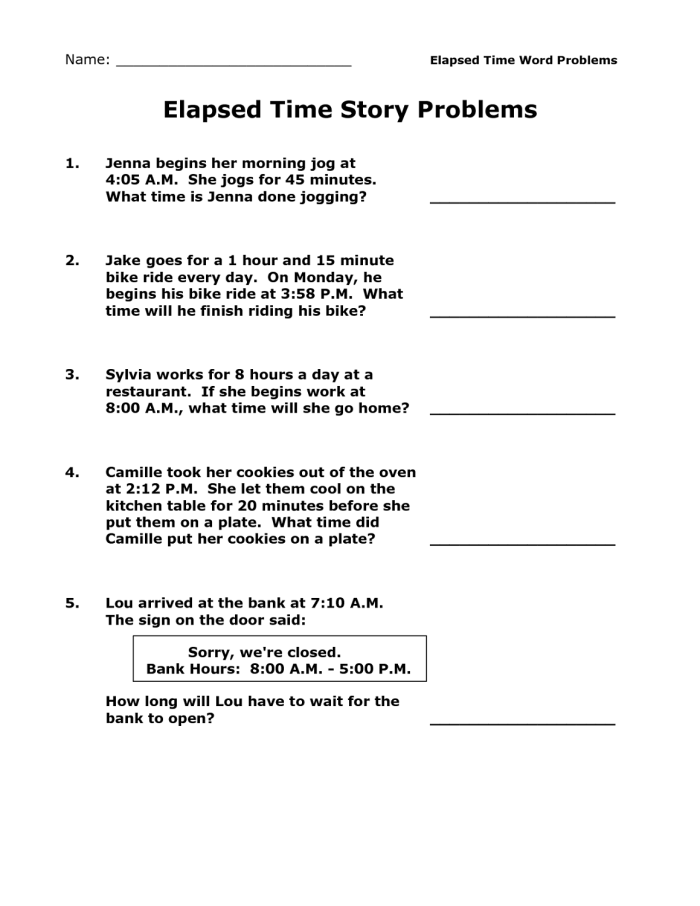
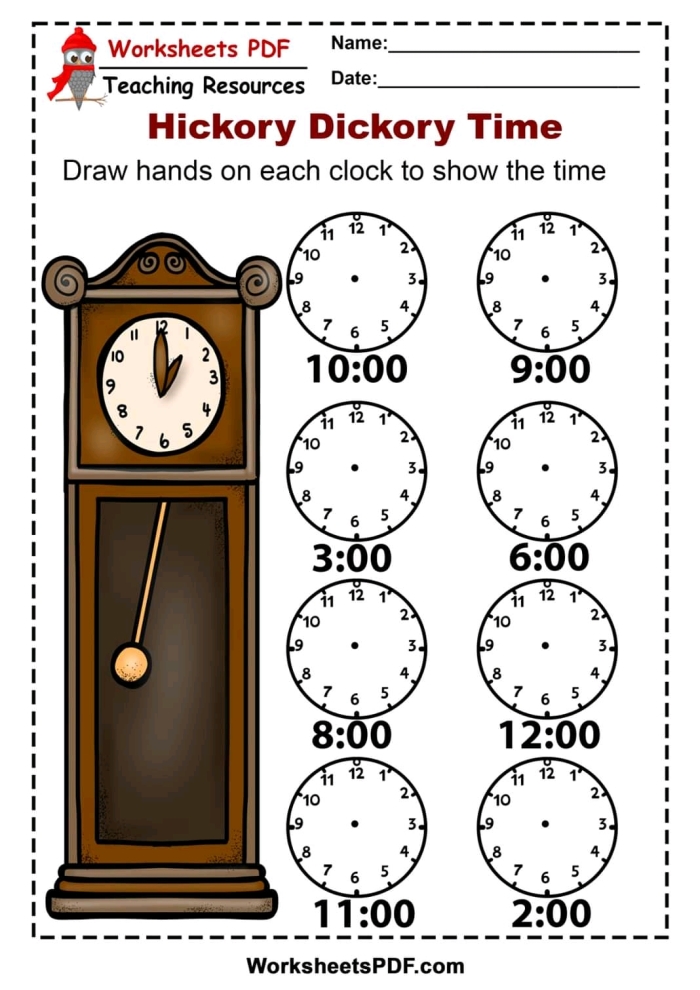
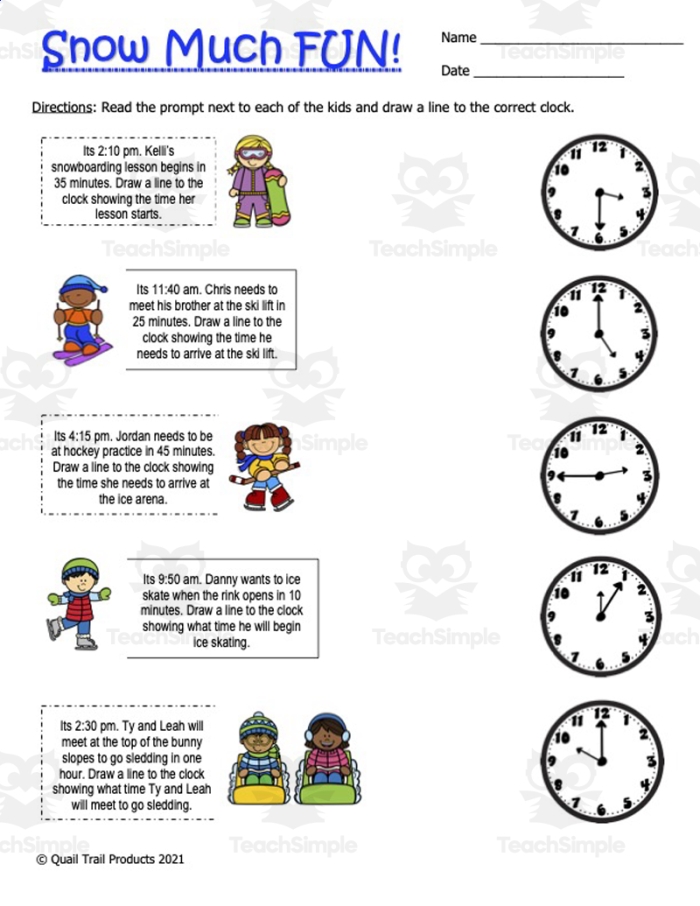
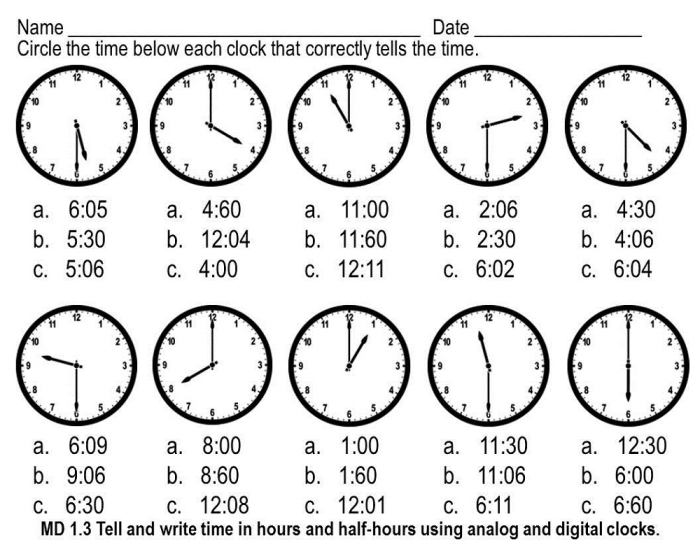
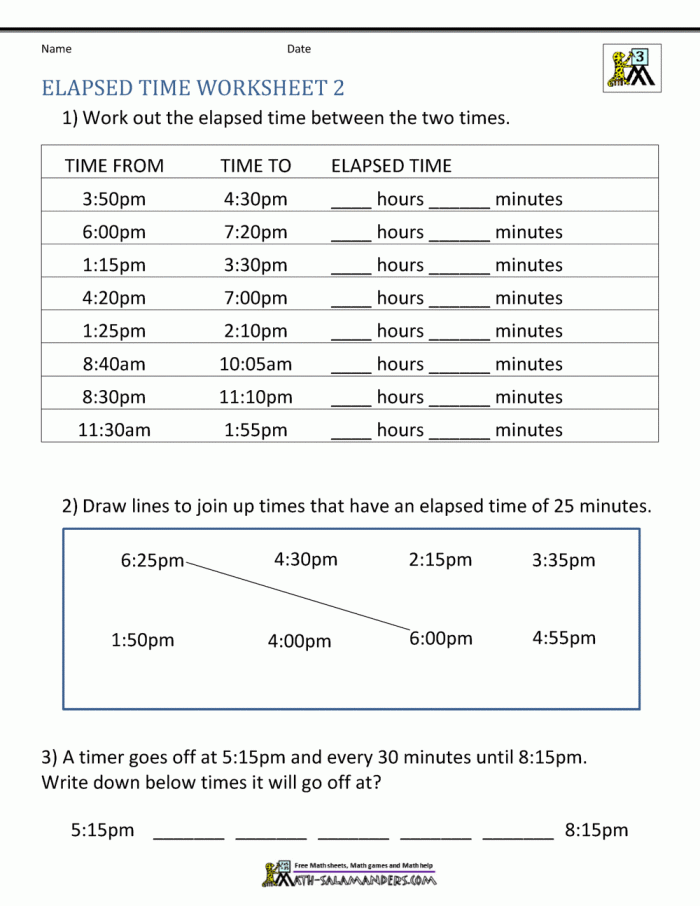
Once your third grader can glance at a clock and announce the time without hesitation, you’ve cleared an important hurdle. But reading the numbers on a clock face is just the beginning. The real math challenge arrives when you ask: “If we started at 2:15 and finished at 3:45, how much time passed?” That’s elapsed time, and it trips up plenty of kids who breeze through basic time-telling.
Elapsed time requires your child to think about time as a continuous flow rather than isolated moments. They need to count forward, understand intervals, and sometimes work with the awkward transitions between hours. A child might know that 3:00 comes after 2:00, but calculating that 45 minutes have elapsed between 2:15 and 3:00 involves a different kind of thinking altogether.
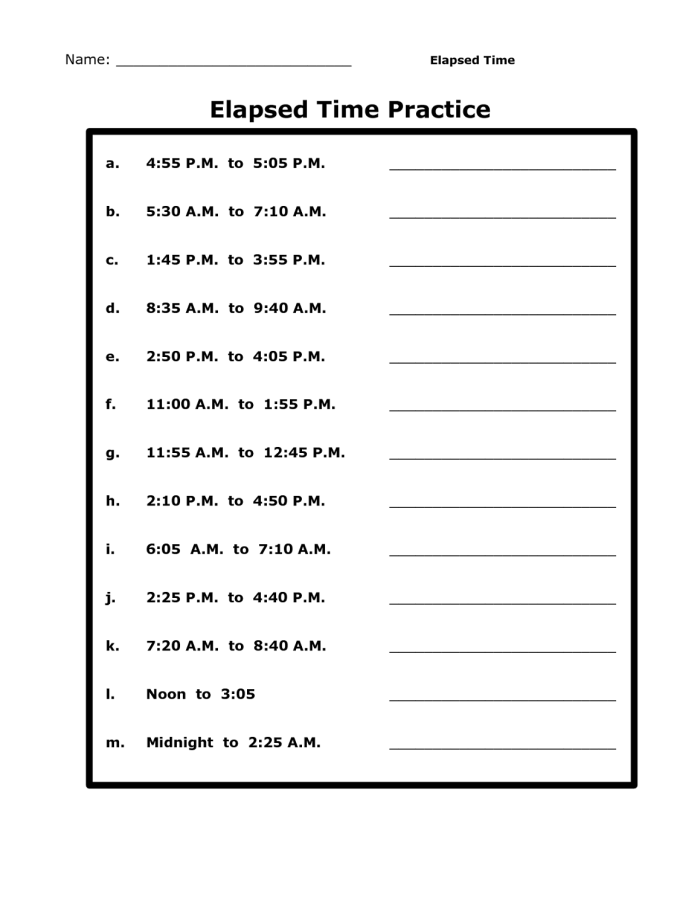
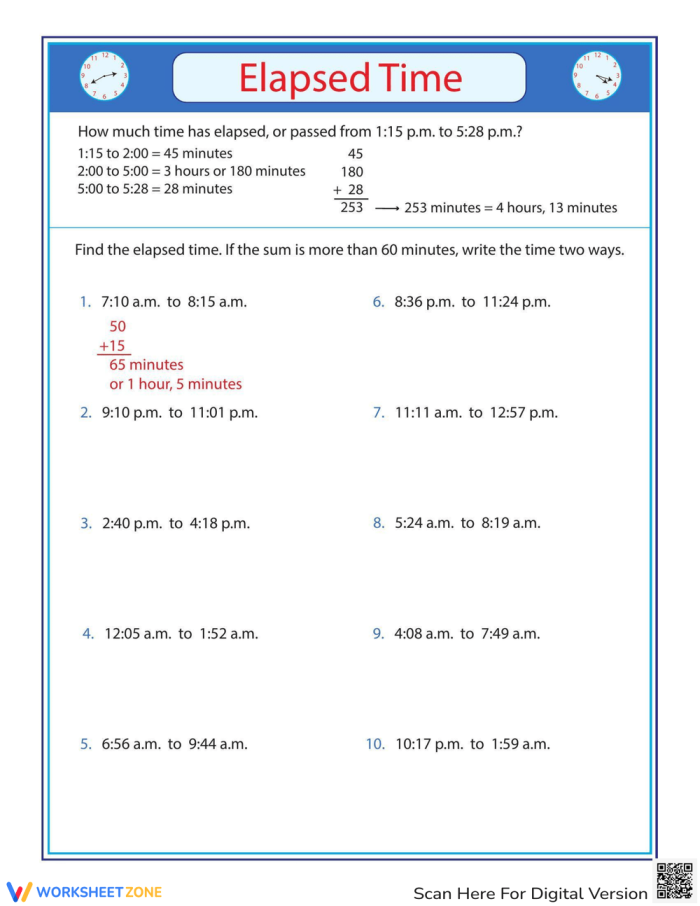
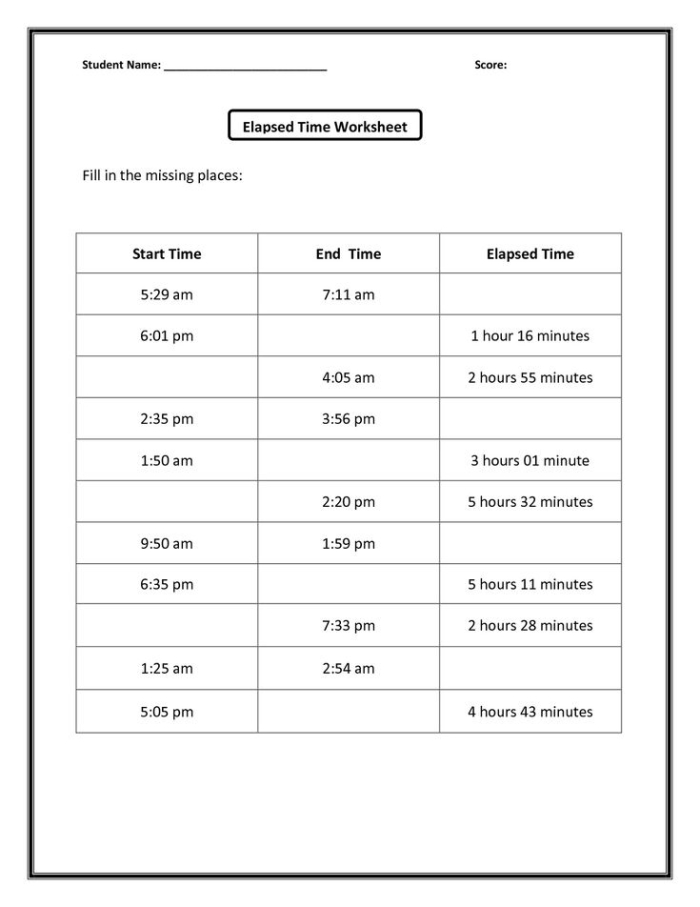
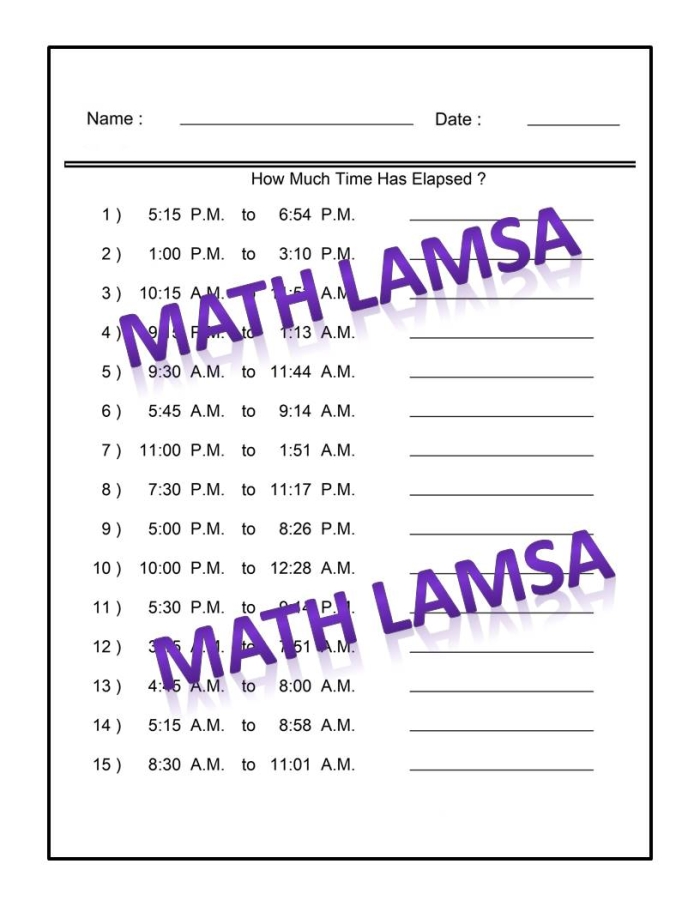
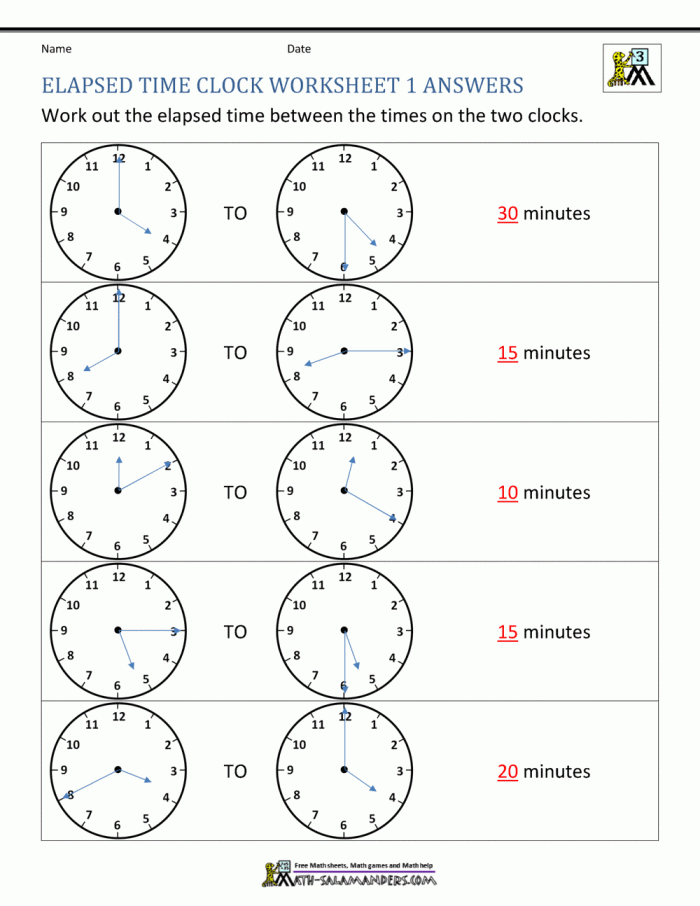
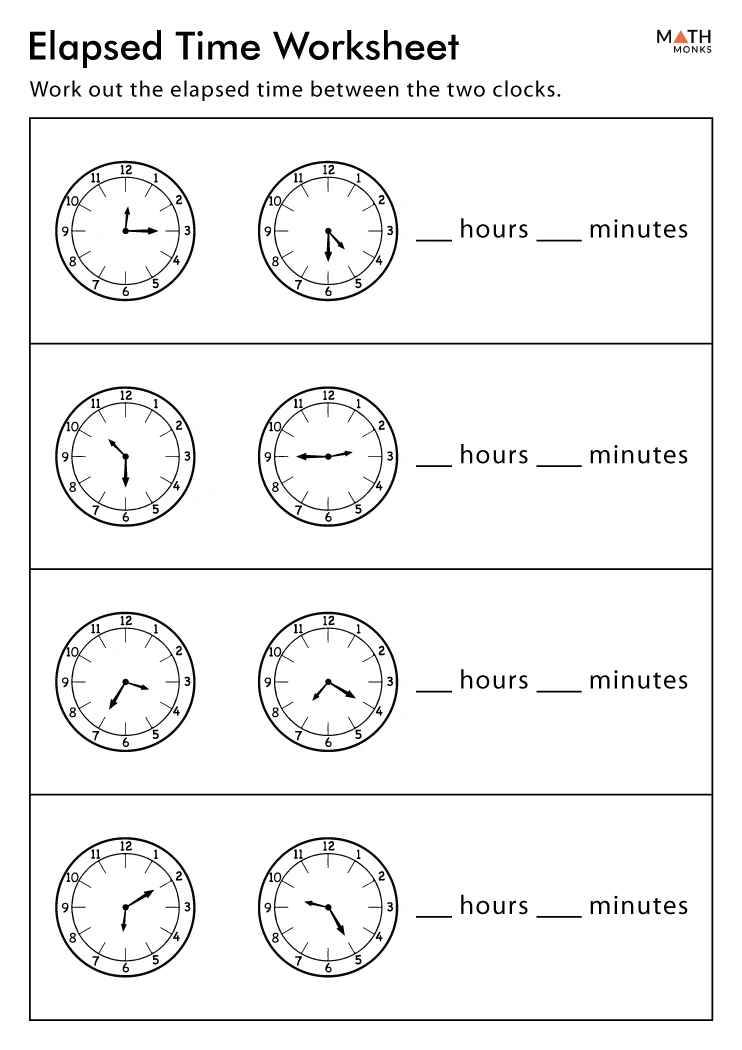
The best way to introduce this concept is through real scenarios. Ask your third grader how long their favorite TV show lasts, or how much time passes between lunch and dismissal. Concrete examples stick better than abstract problems. Once they grasp the idea with familiar activities, move toward practicing with worksheets that walk through the steps systematically.
Pairing elapsed time practice with other third-grade math skills strengthens overall numeracy. If your child is working on addition with regrouping and division, elapsed time problems offer a practical application for those same mental math strategies. The counting and interval work also connects naturally to intermediate directions and number concepts.
Many third-grade curricula bundle elapsed time with money problems, since both involve counting in intervals. Worksheets focusing on time and money together help reinforce this connection. With consistent practice, your child will move from confusion to confidence, ready to tackle more complex scheduling and planning tasks as they progress through school.
Practice with These Worksheets