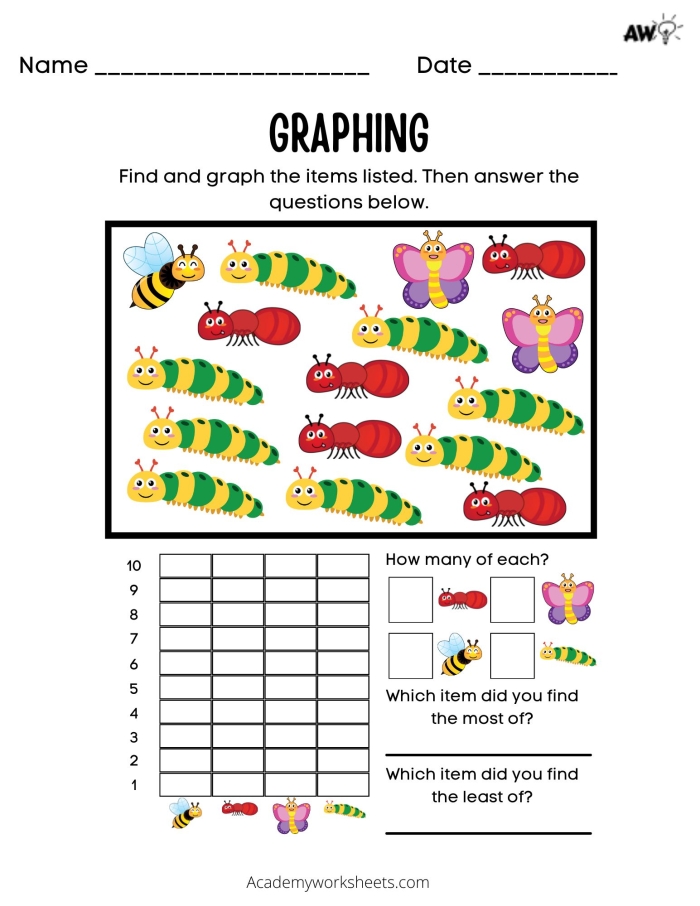
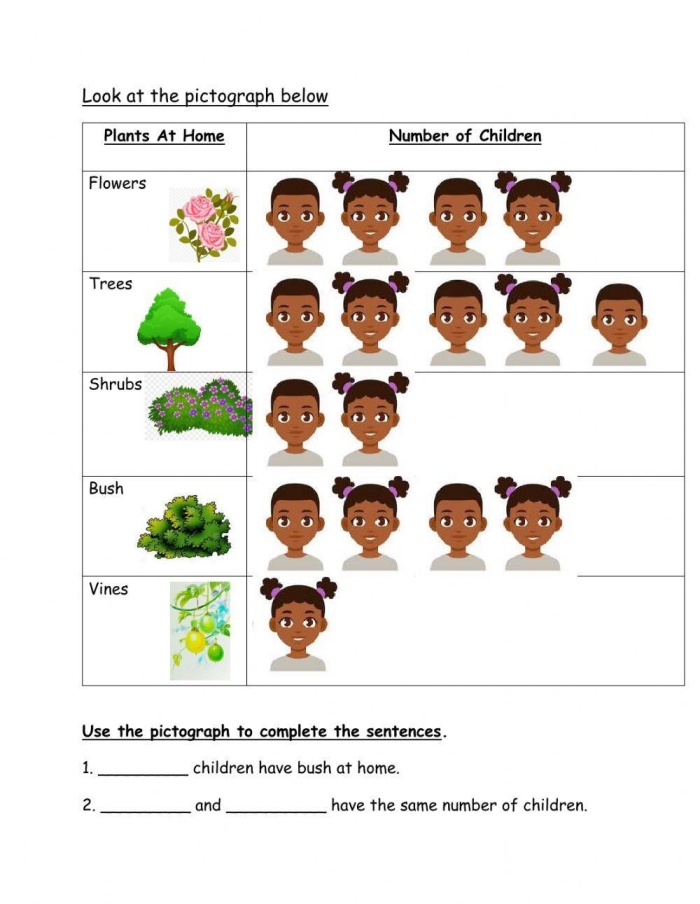
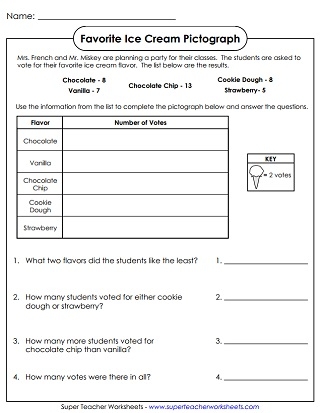
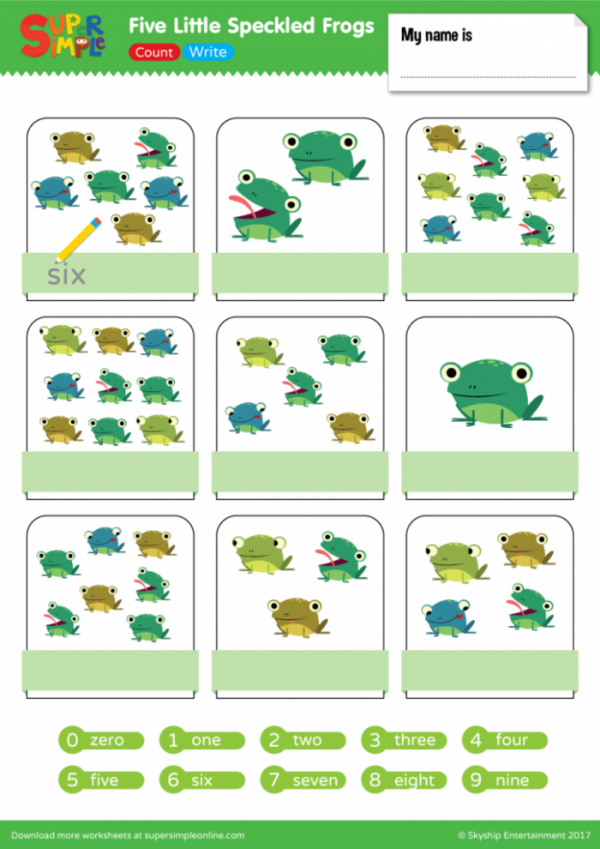
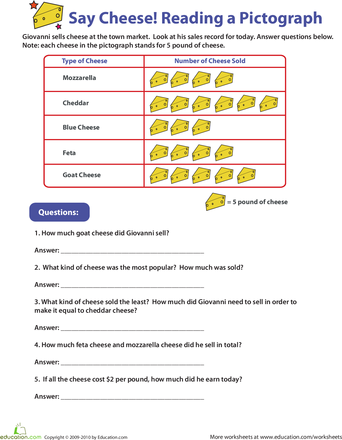
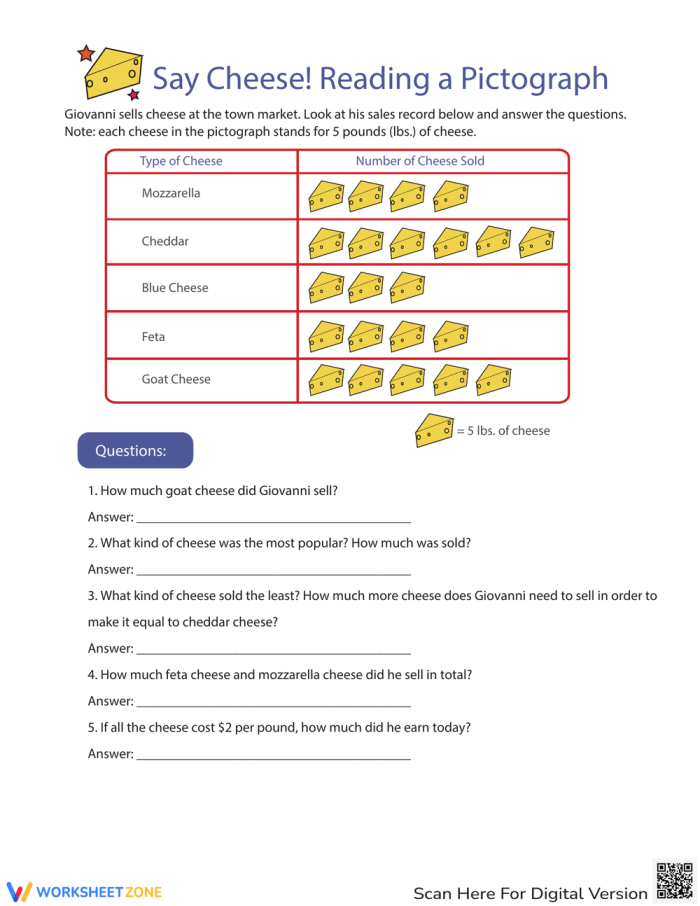
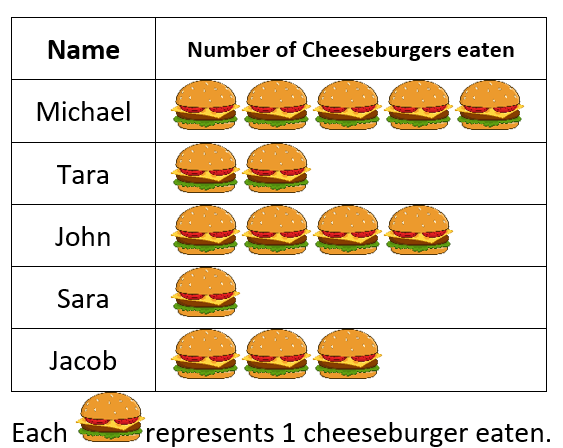
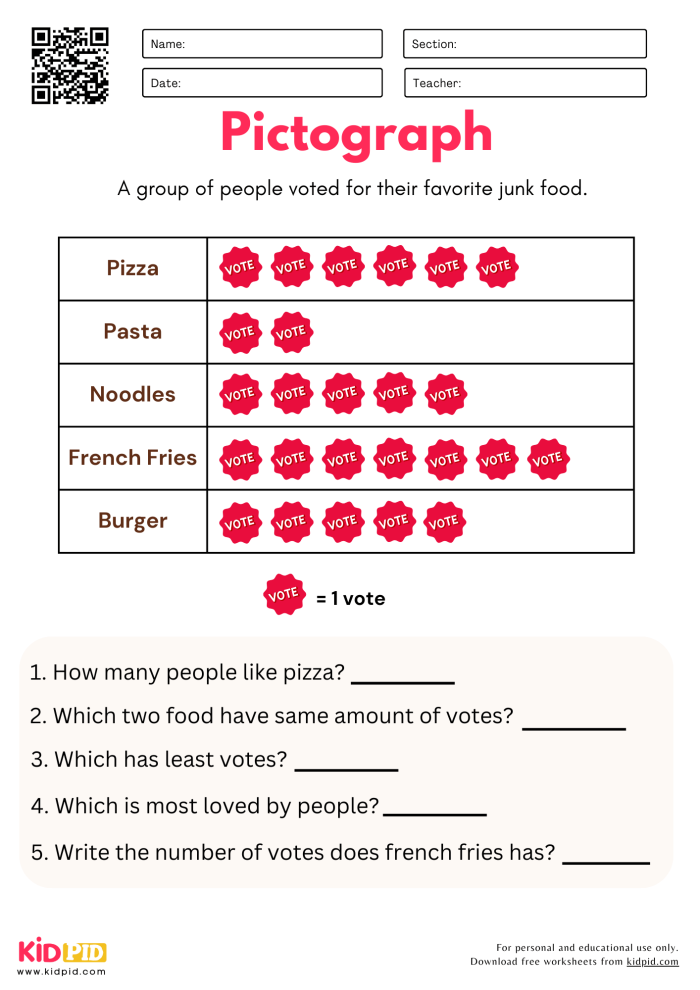
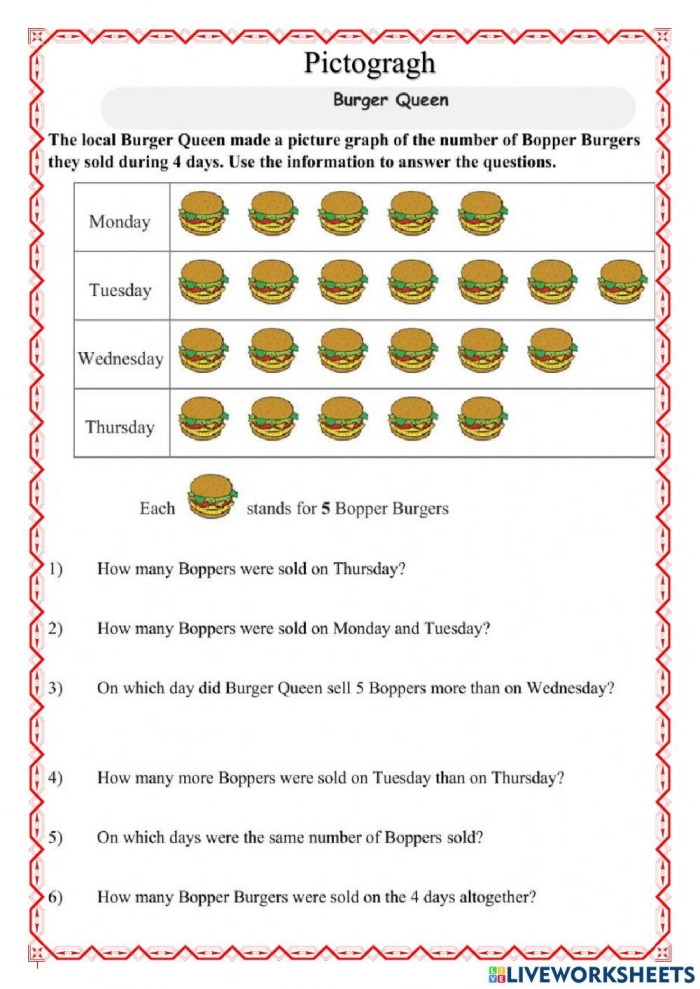
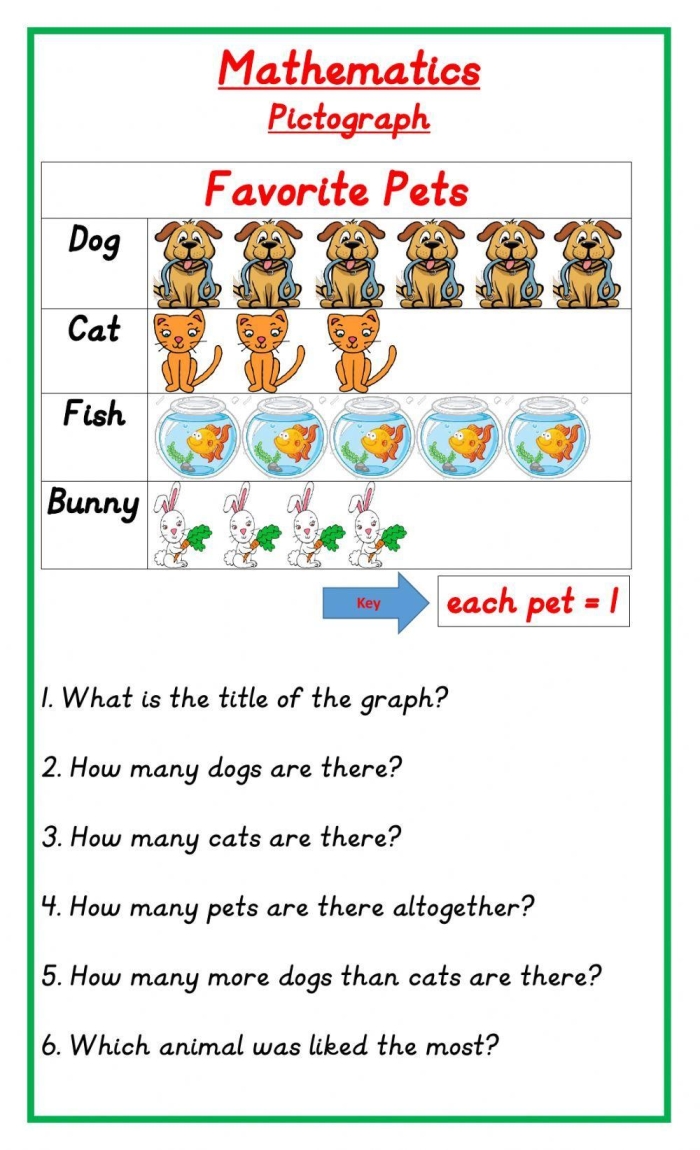
Giovanni has a simple yet effective way to monitor his cheese sales: he uses a pictograph. This visual tool allows him to represent the amount of cheese he sells in a clear and engaging manner. For kids, especially those in third grade, understanding how Giovanni’s cheese business is performing becomes an enjoyable challenge as they analyze the data presented in the graph.
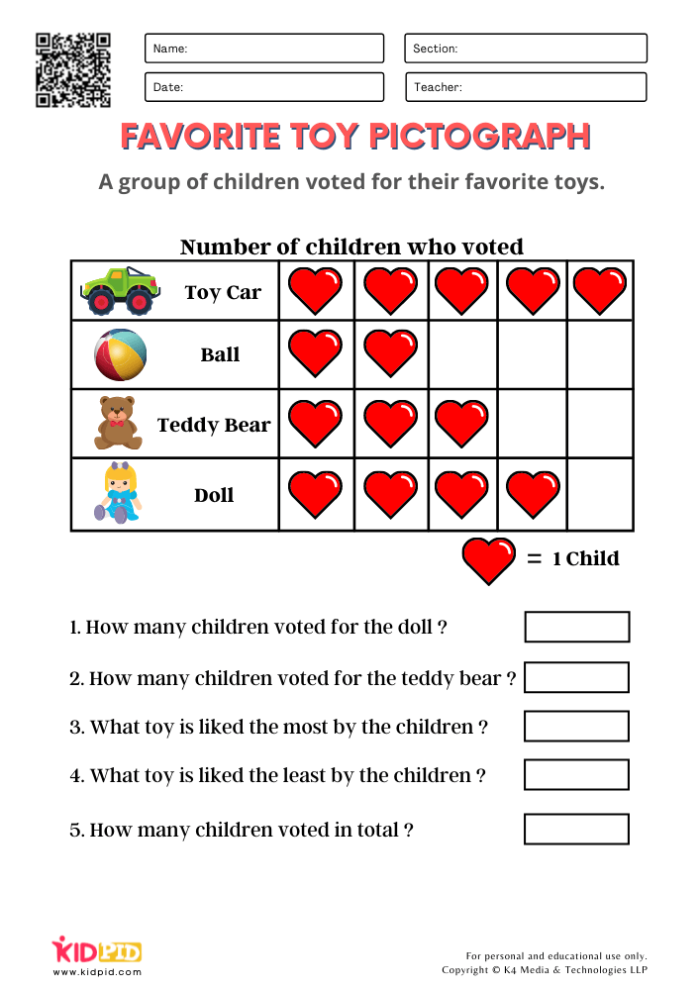
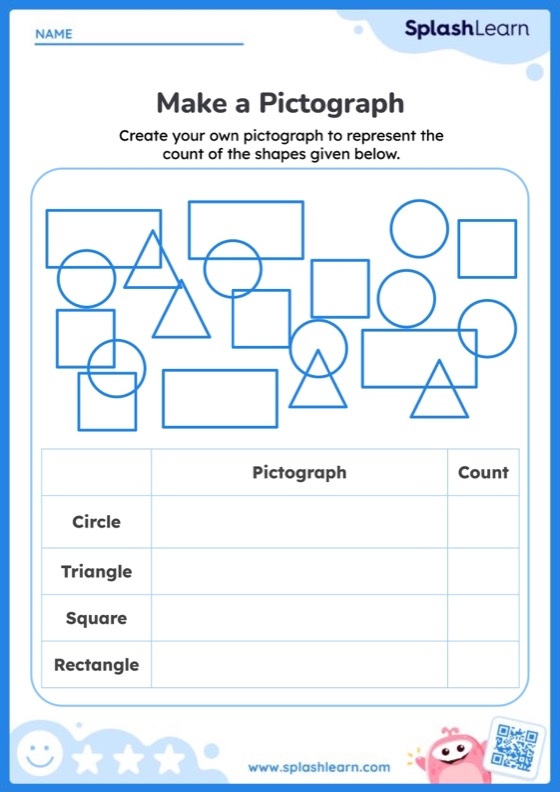
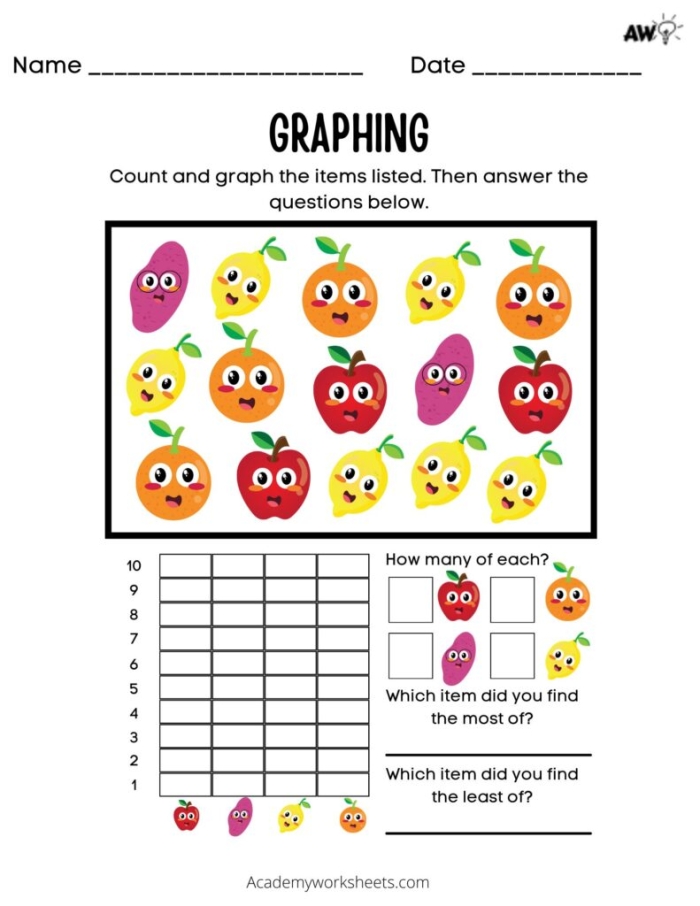
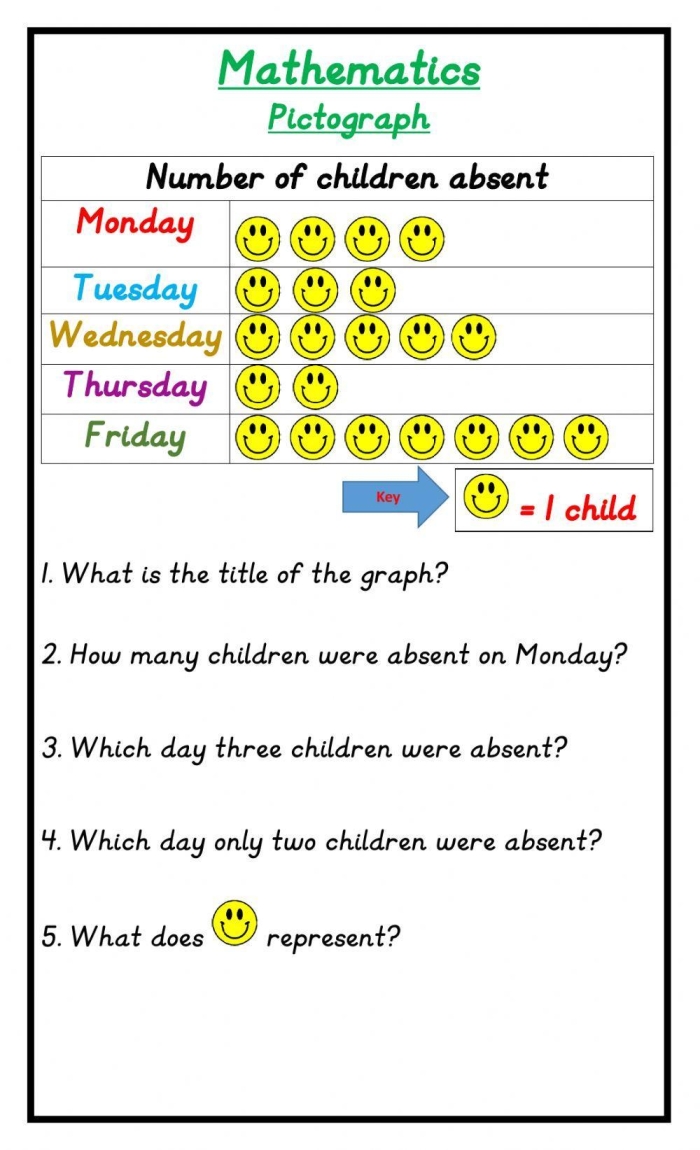
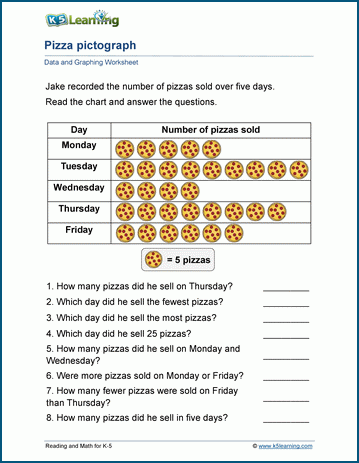
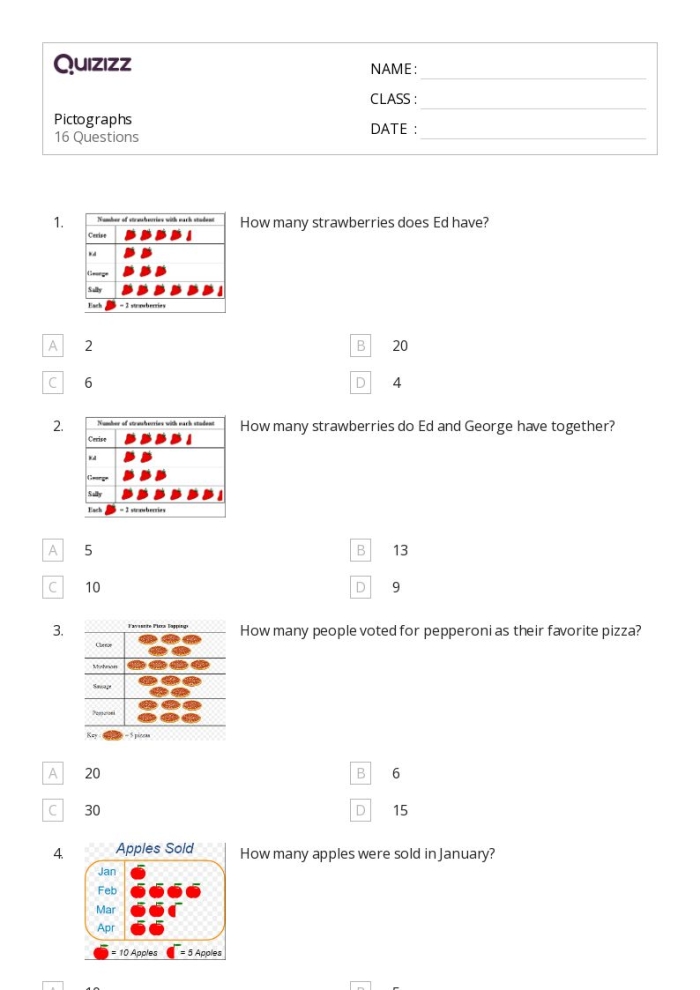
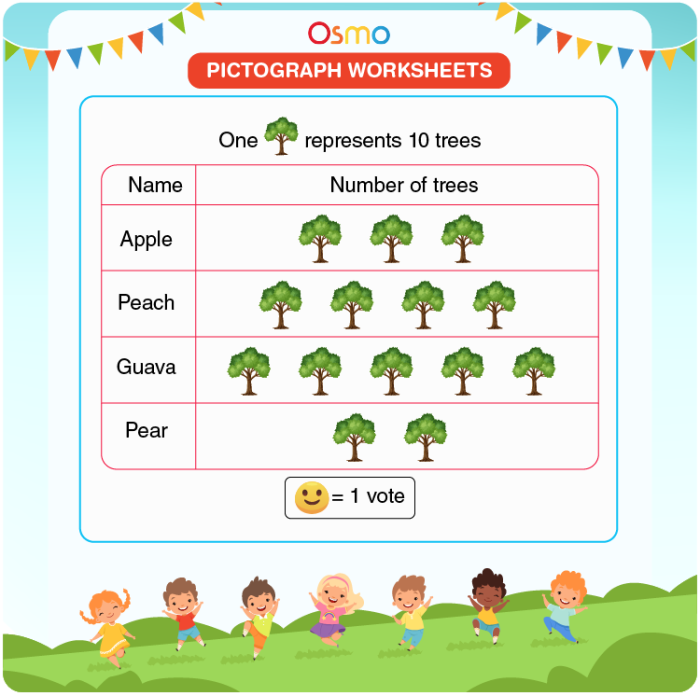
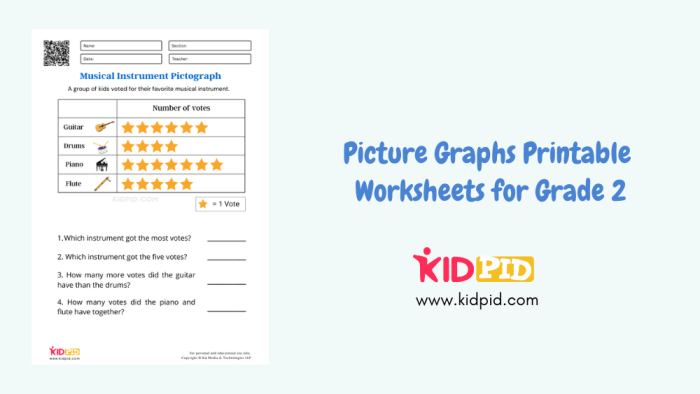
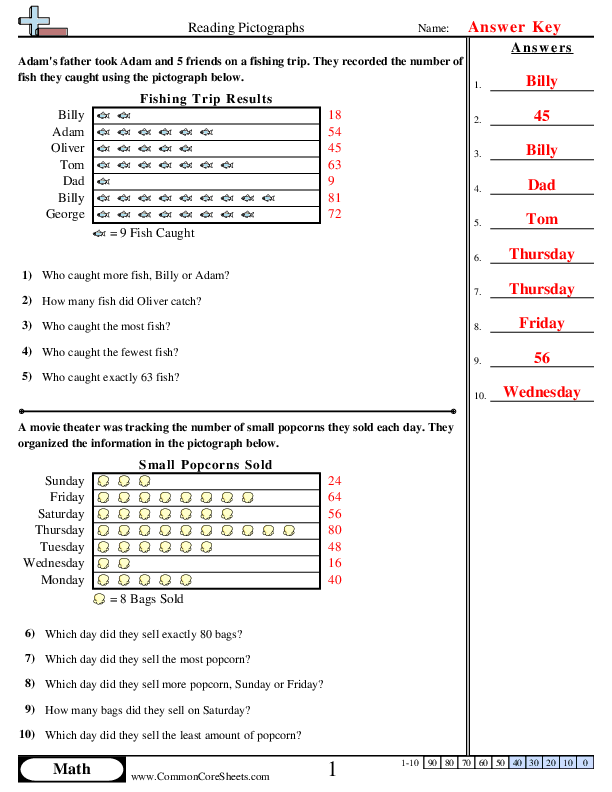
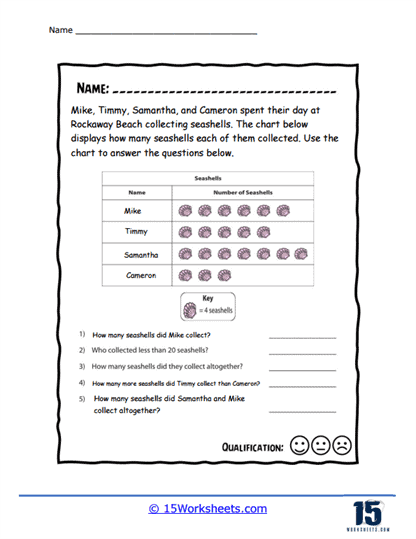
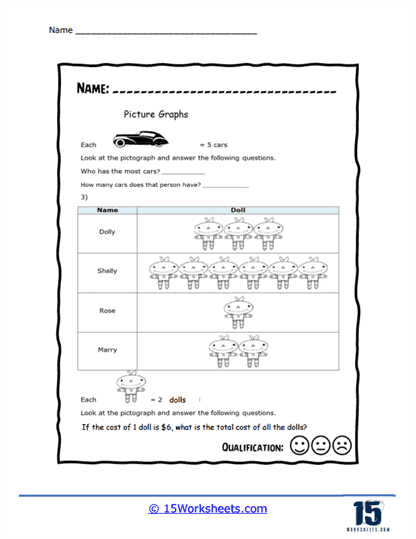
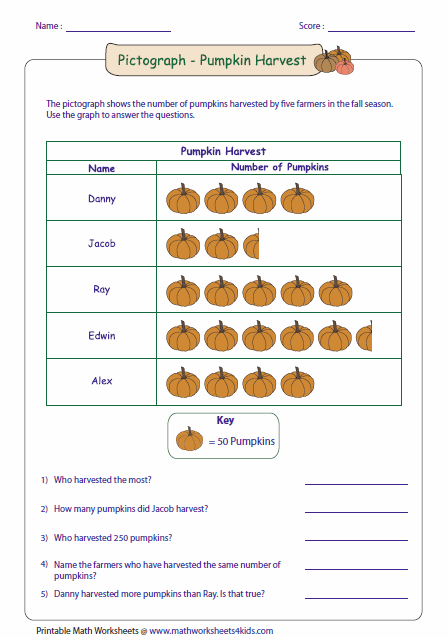
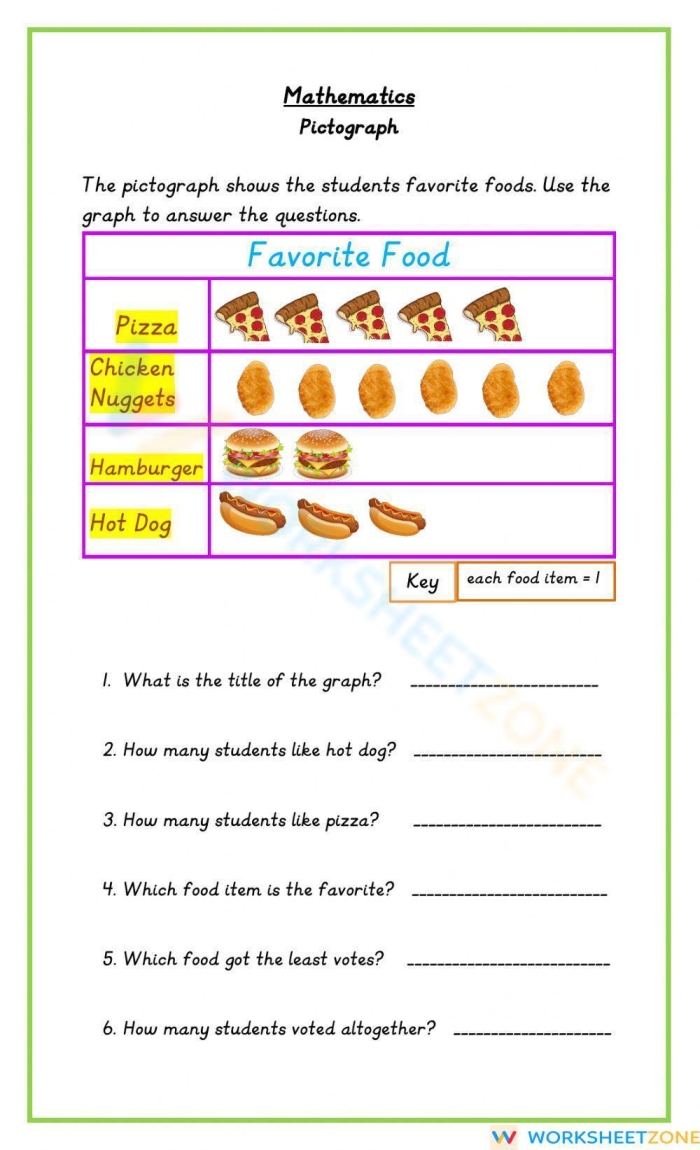
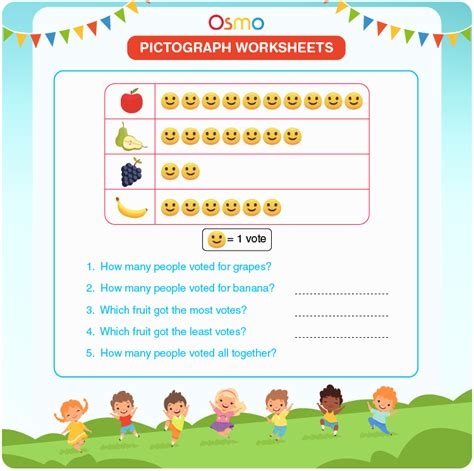
Pictographs use pictures to represent data. In Giovanni’s case, each picture might symbolize a specific amount of cheese sold, such as one cheese wheel or a block of cheddar. When students look at the pictograph, they can quickly see trends and sales patterns. For instance, if Giovanni sells more mozzarella than gouda, the pictograph will clearly show that difference, making it easier for kids to understand the concept of data representation.
This method of visual learning is particularly beneficial for third graders, as it allows them to engage with numbers and sales figures creatively. Instead of just reading about statistics, they can interpret visual information, which enhances their critical thinking skills. For those interested in expanding their reading and comprehension abilities, worksheets on topics like decoding sounds and author’s purpose can complement their understanding of data in real-world contexts.
Moreover, pictographs can foster discussions around sales, marketing, and even basic math skills. Kids can debate why certain types of cheese might sell better and how this data might influence Giovanni’s future business decisions. By connecting these lessons to real-life scenarios, children can better grasp the importance of data in everyday situations. As they analyze Giovanni’s sales through pictographs, they are not just learning about cheese; they are developing skills that will serve them well throughout their education and beyond.
Start Practicing with These Worksheets