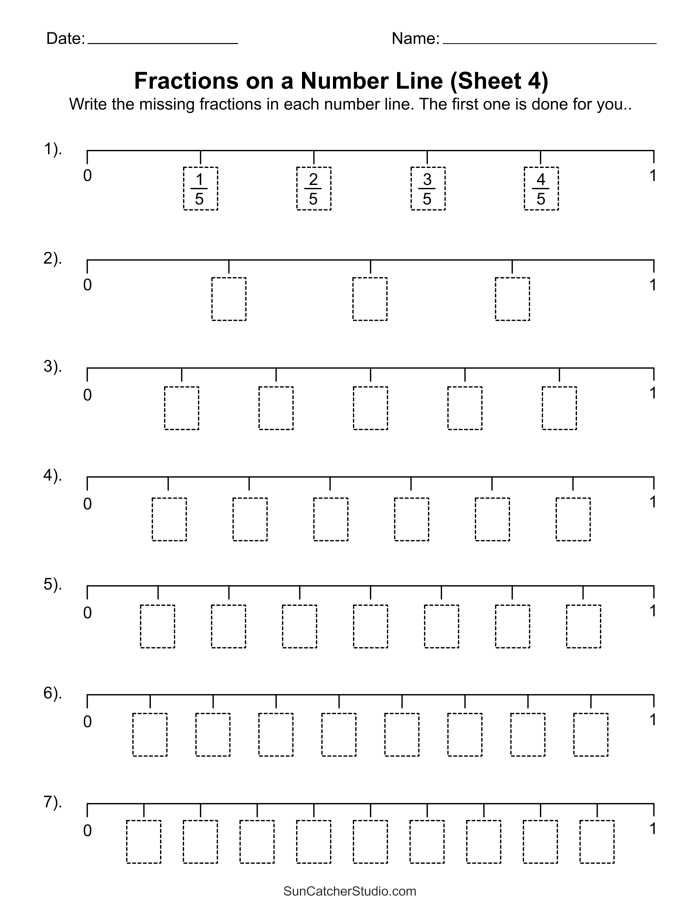
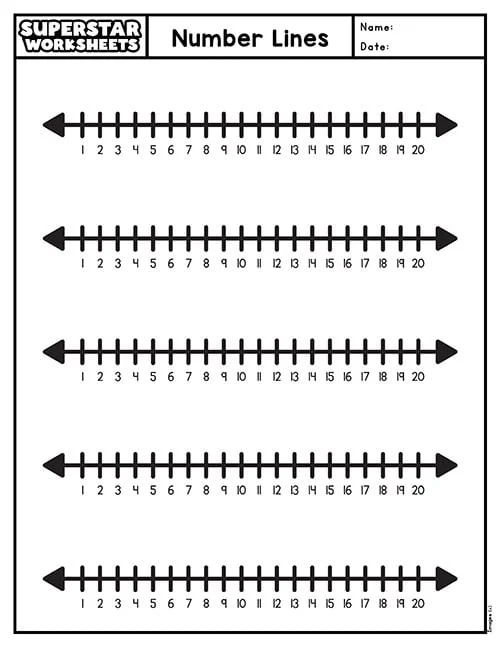
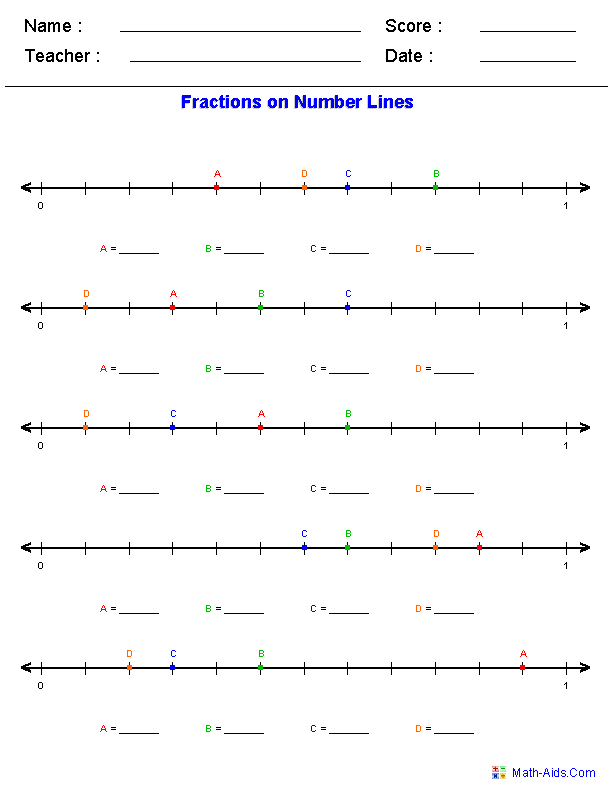
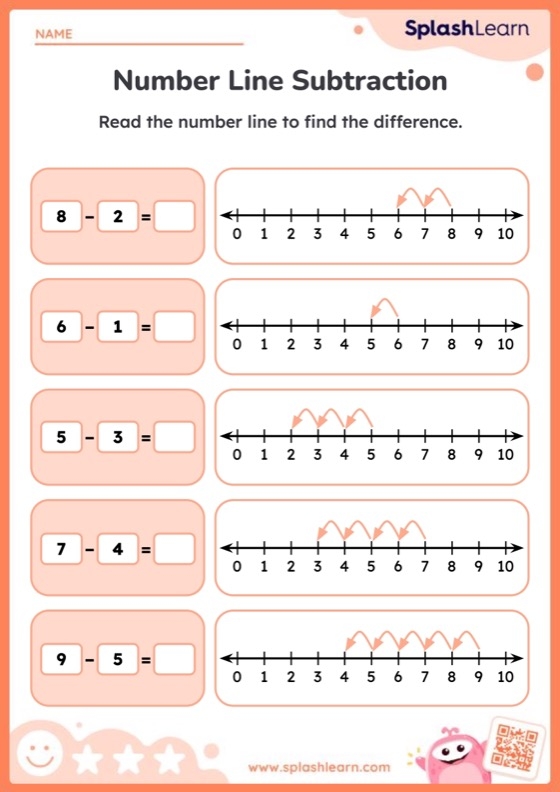
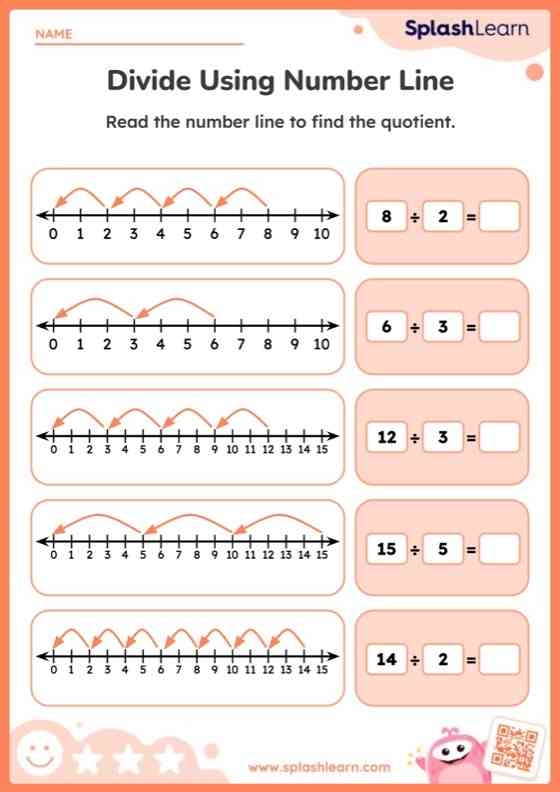
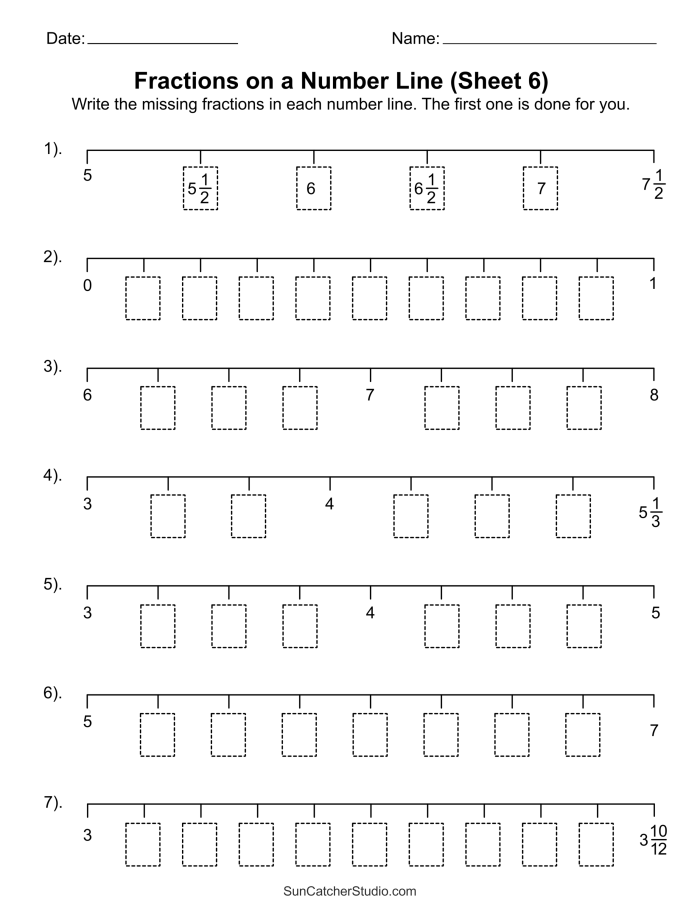
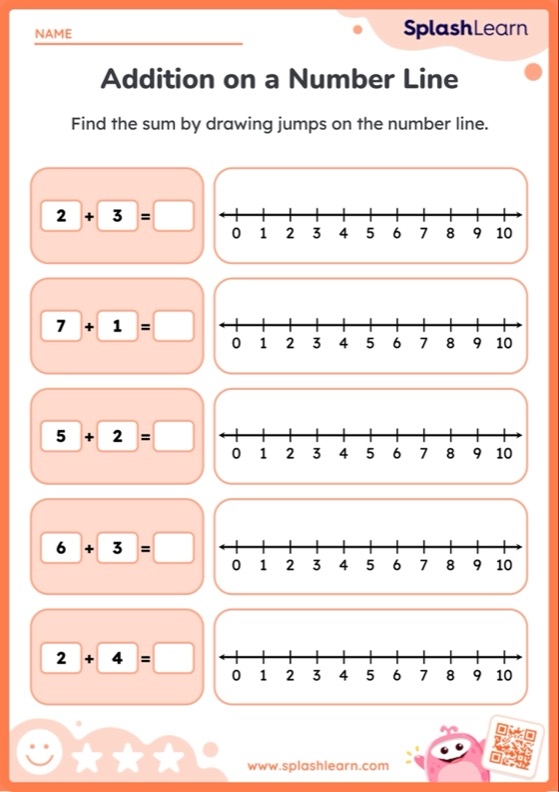
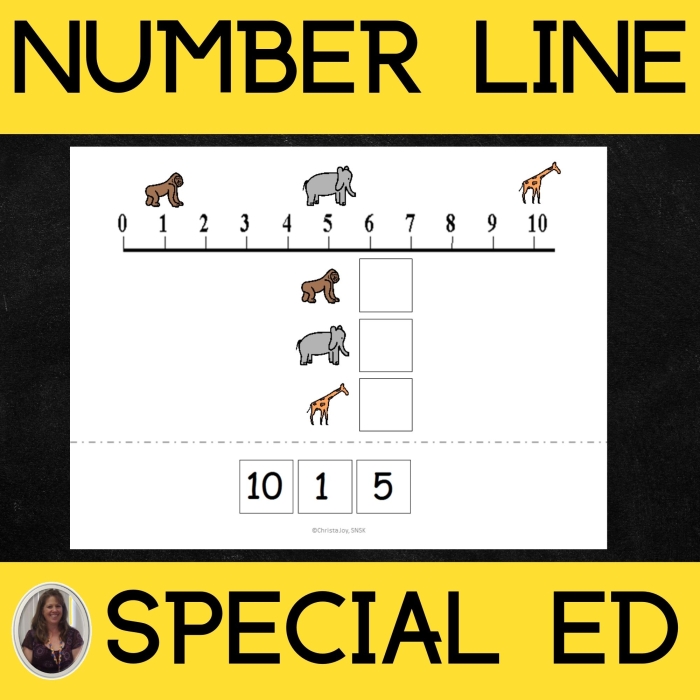
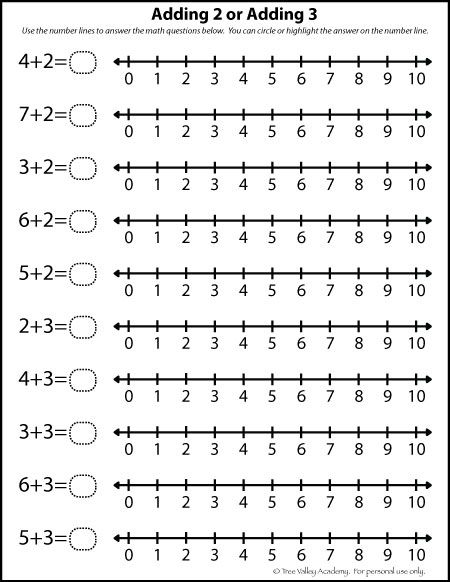
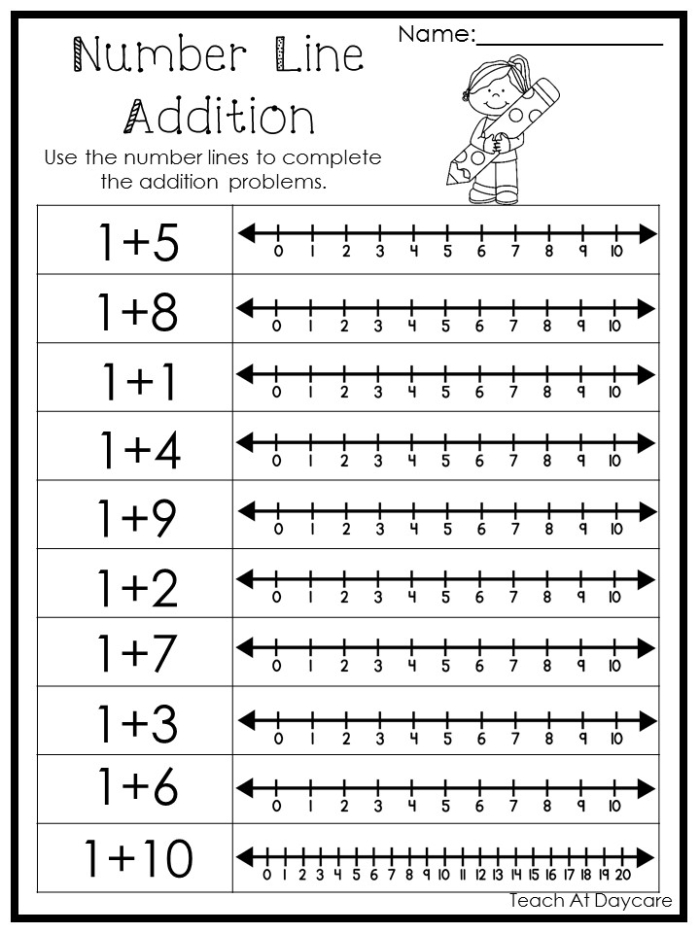
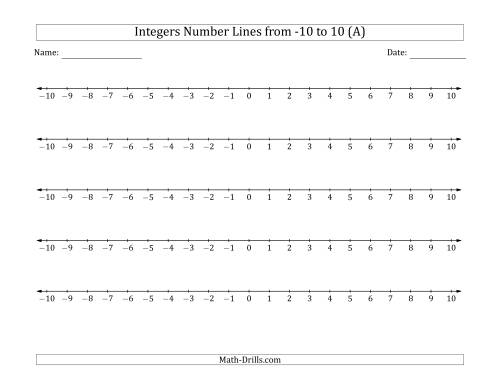
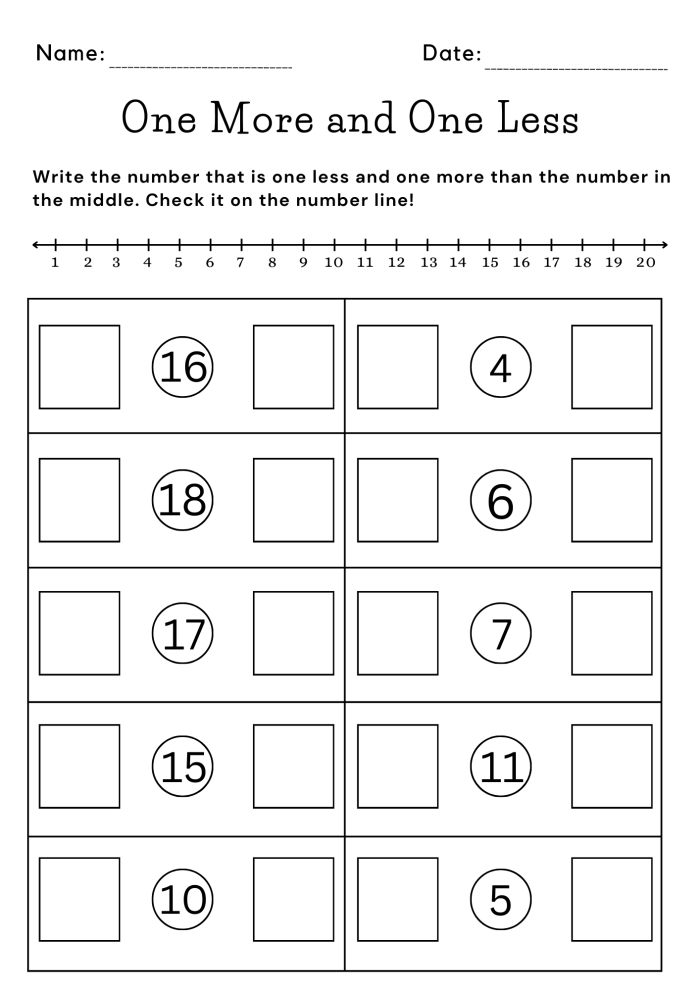
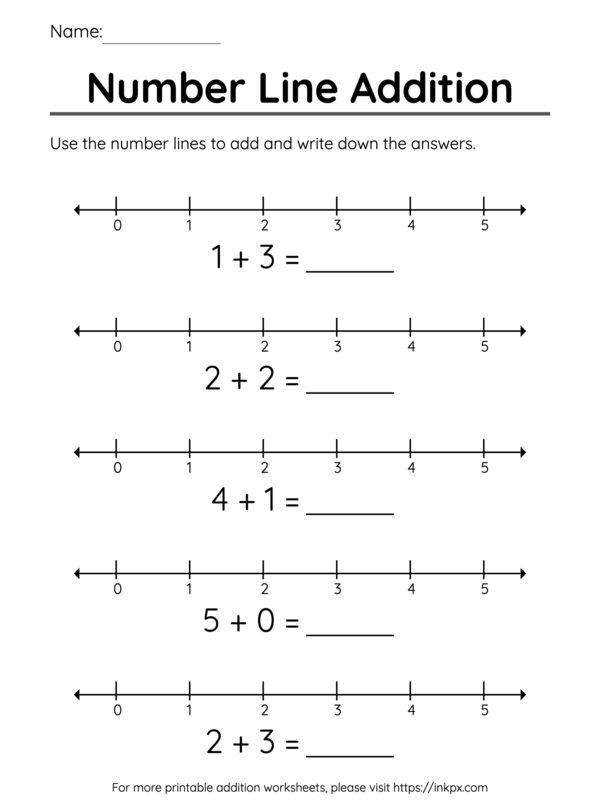
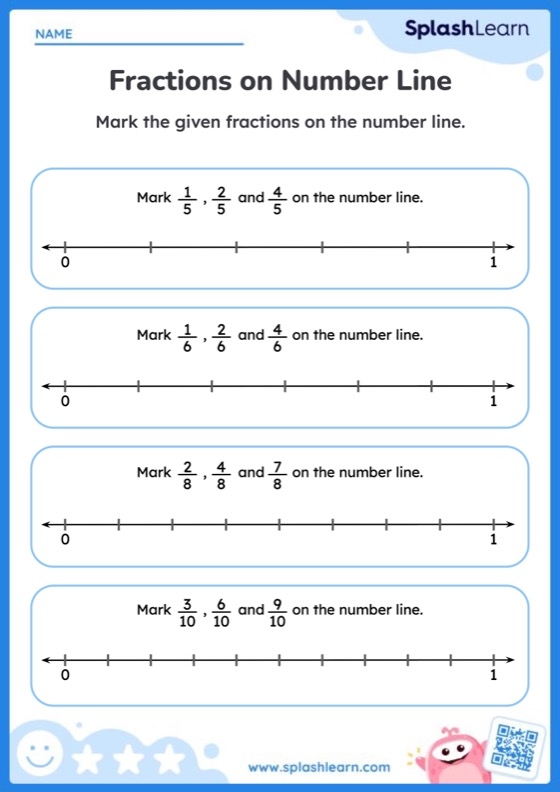
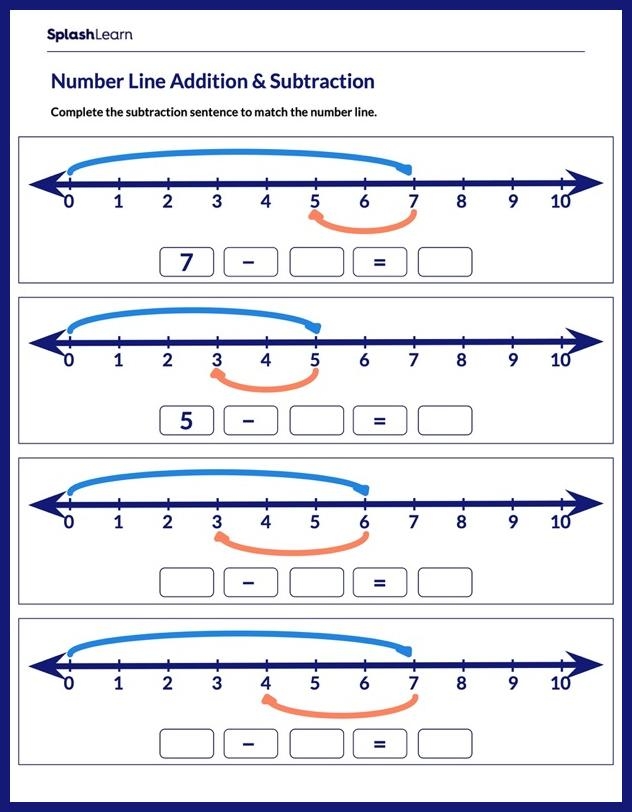
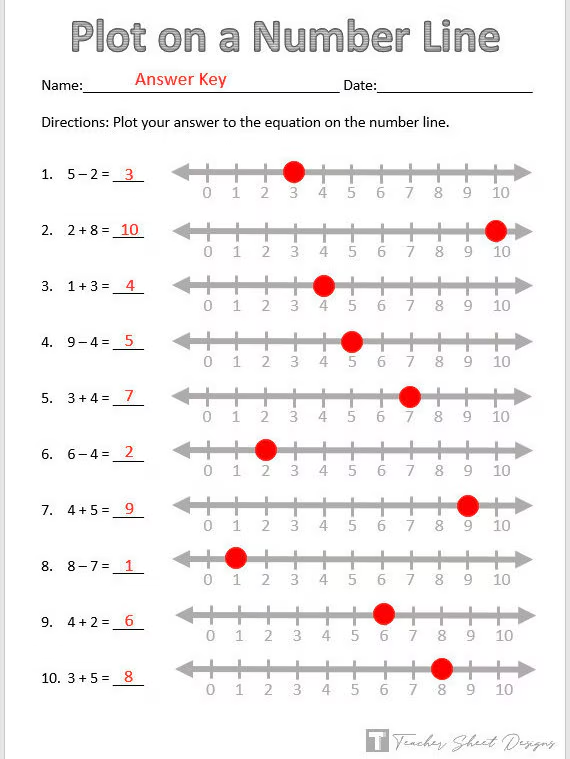
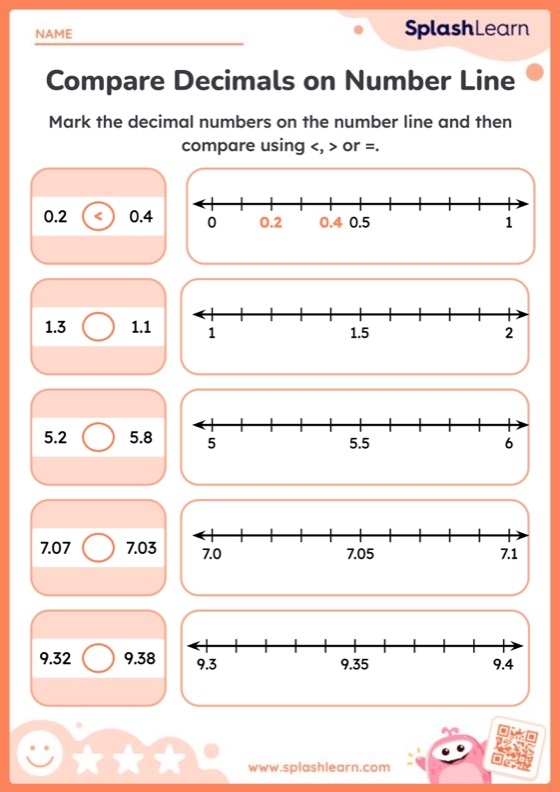
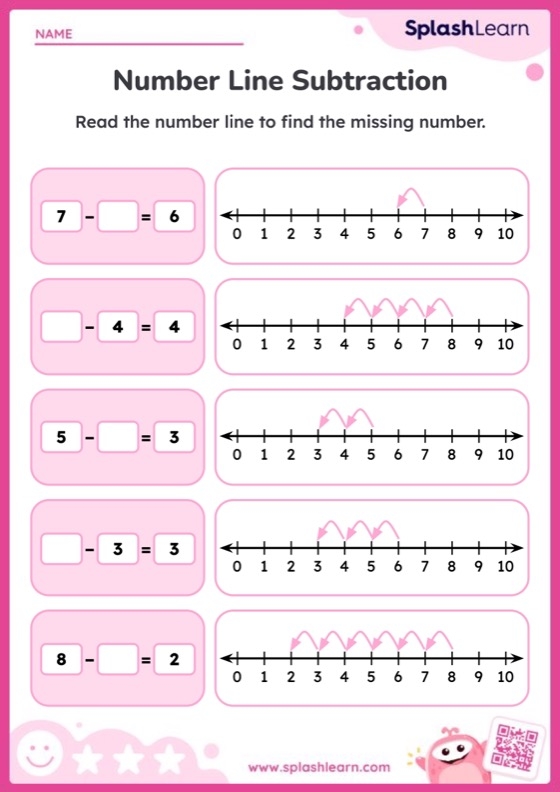
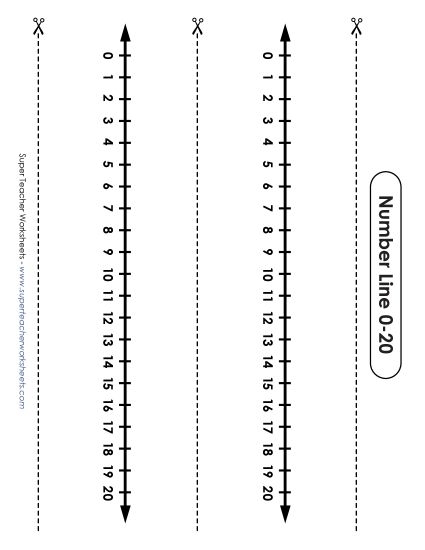
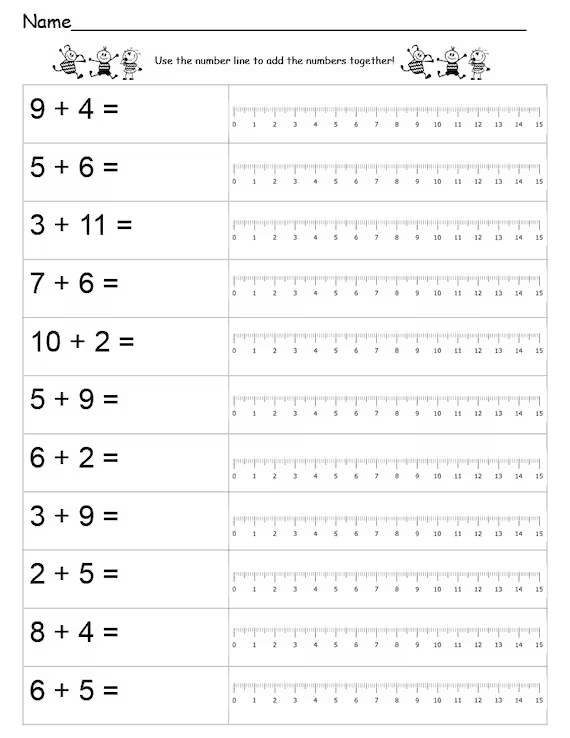
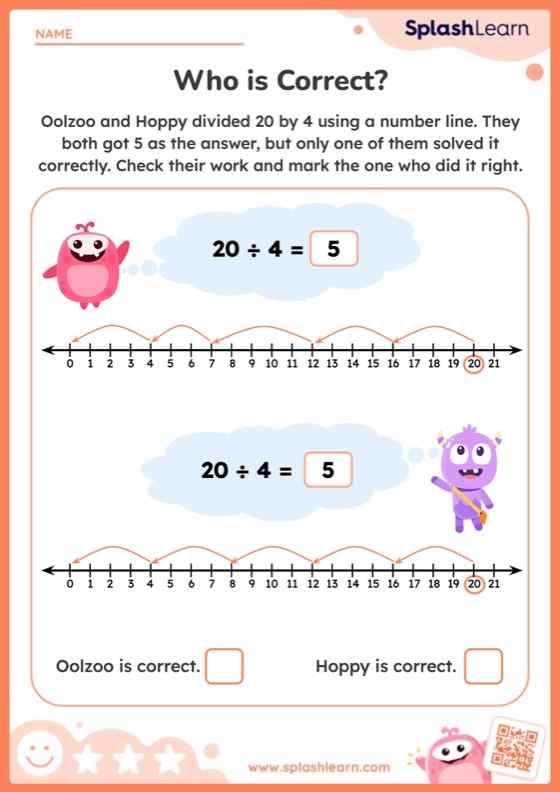
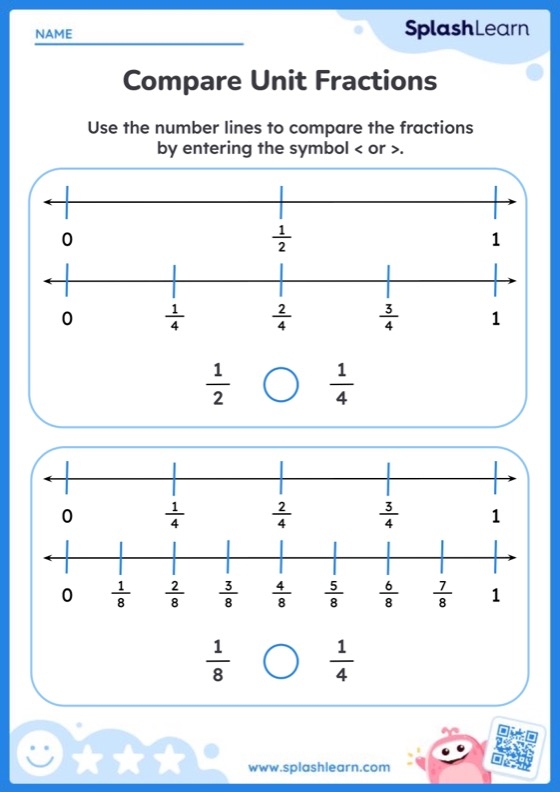
Filling in missing numbers on a line is one of the most direct ways to build counting fluency in kindergarten. When children work through sequences with gaps, they’re forced to think actively about number order rather than passively reciting familiar patterns.
The mechanics are simple but effective. A child sees a line with some numbers already filled in, like 2, 3, _, 5, 6. They have to identify what goes in that blank space. This requires understanding that numbers follow a predictable sequence and that each number has a specific place in that order. Over time, this repetition builds automatic number recognition, which is essential before moving into early math concepts.
What makes this activity valuable for life science contexts is that it teaches observation and pattern completion, skills that apply directly to understanding natural sequences. Children notice patterns in nature—how animals grow, how seasons change, how plants develop—and number sequencing mirrors that logical progression.
When designing practice materials, varying the difficulty keeps engagement steady. Starting with small ranges like 1 to 5, then moving to 1 to 10, allows children to build confidence gradually. Some worksheets include visual supports like pictures or objects to count alongside the numbers, which helps children connect abstract numerals to concrete quantities.
Pairing number line practice with other kindergarten activities strengthens learning across domains. Working on animal habitats activities alongside number recognition helps children see math in their environment. Similarly, exploring shape activities reinforces spatial reasoning while number practice develops quantitative thinking.
The key is consistency. Short, regular practice sessions work better than occasional longer ones. Even five minutes daily with printable number line worksheets builds the neural pathways children need for confident counting and number identification.
Download These Worksheets for Practice