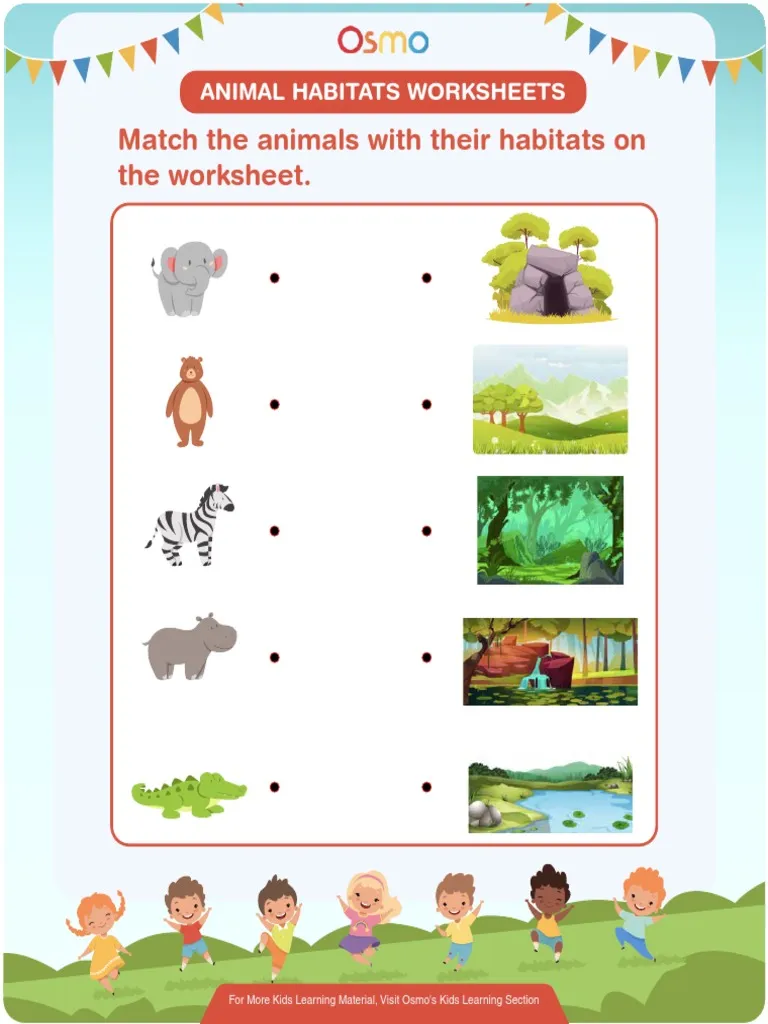
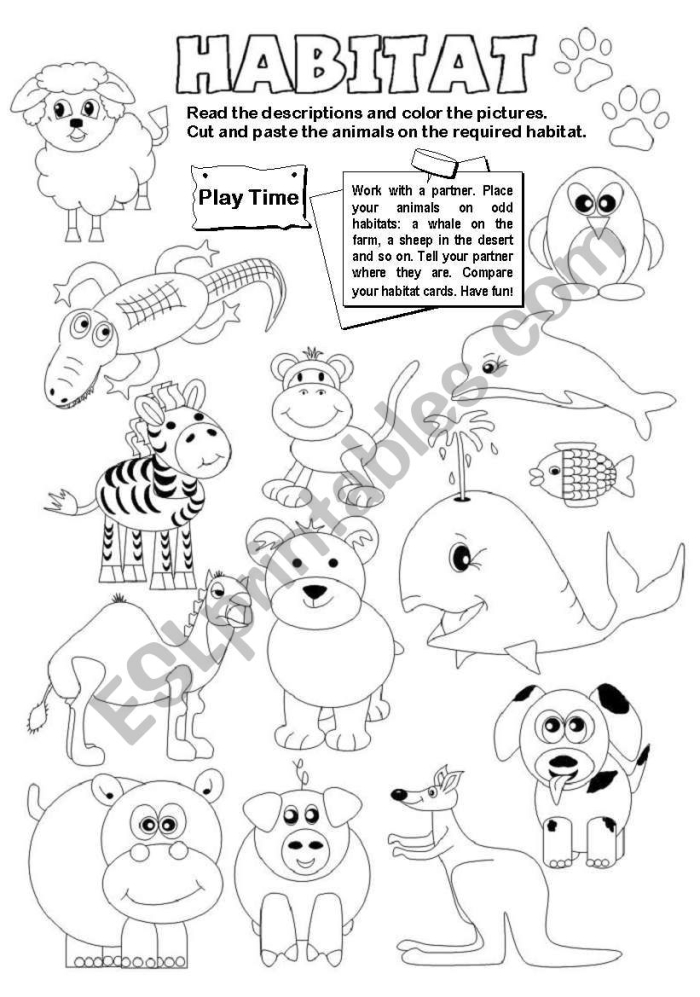
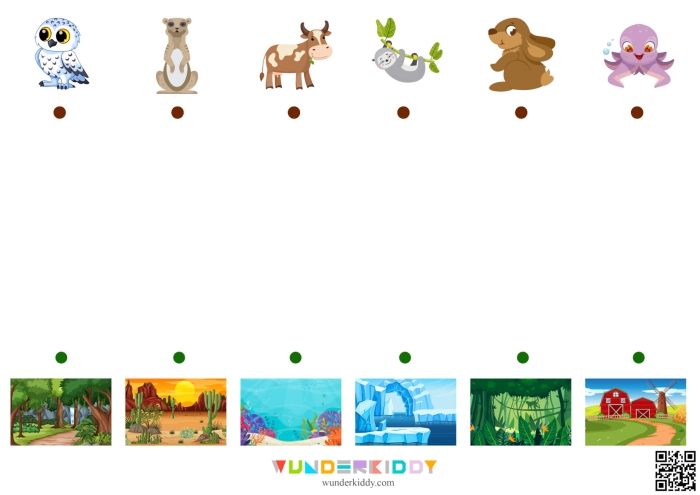
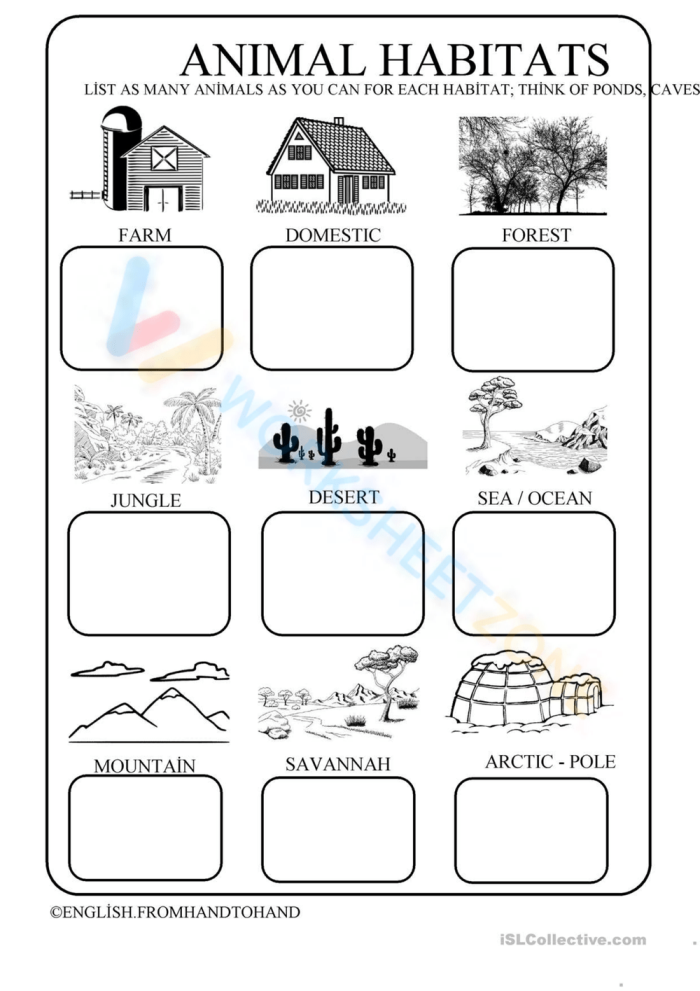
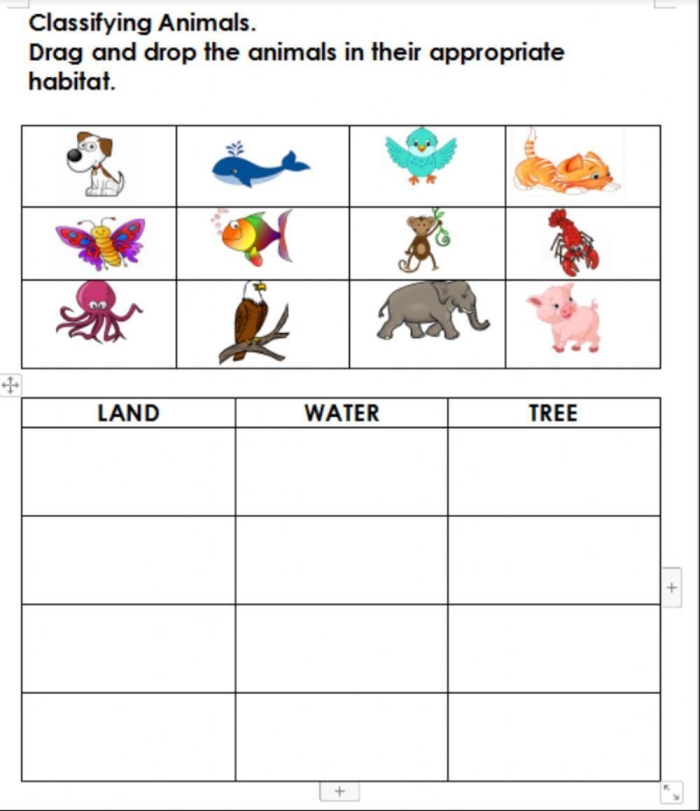
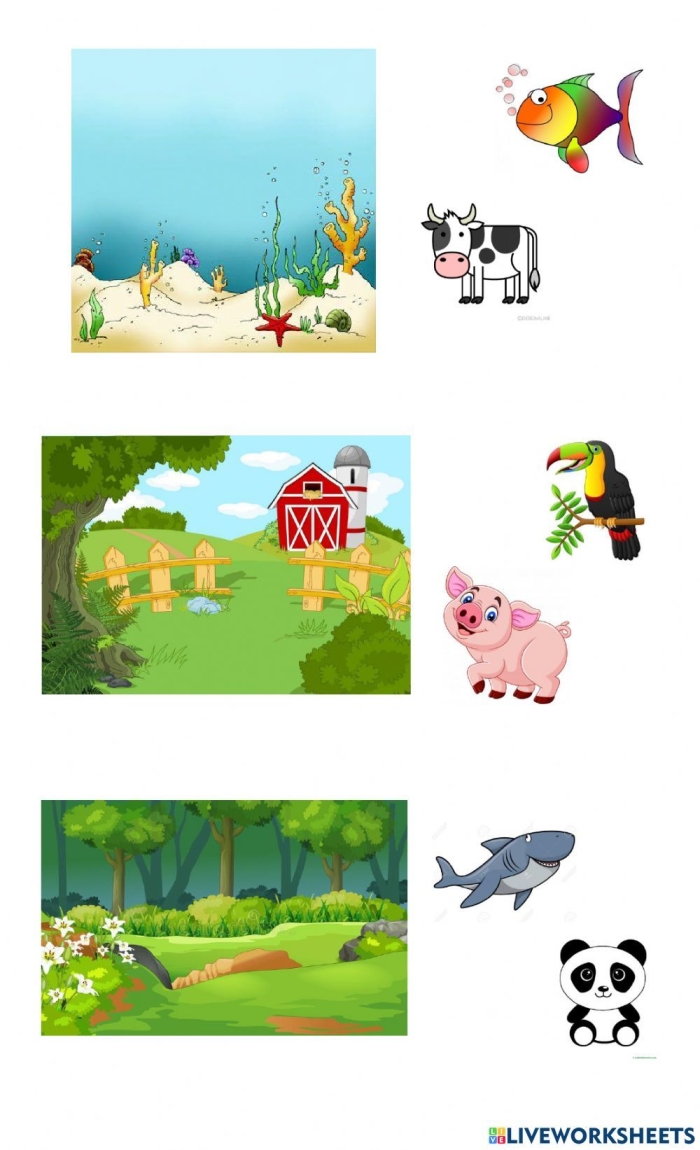
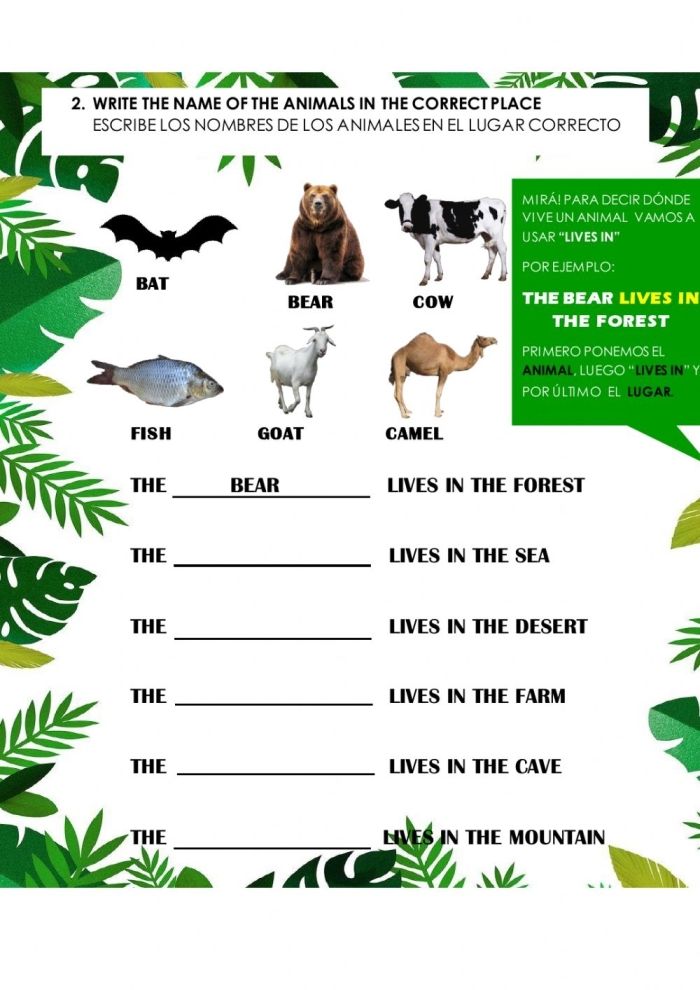
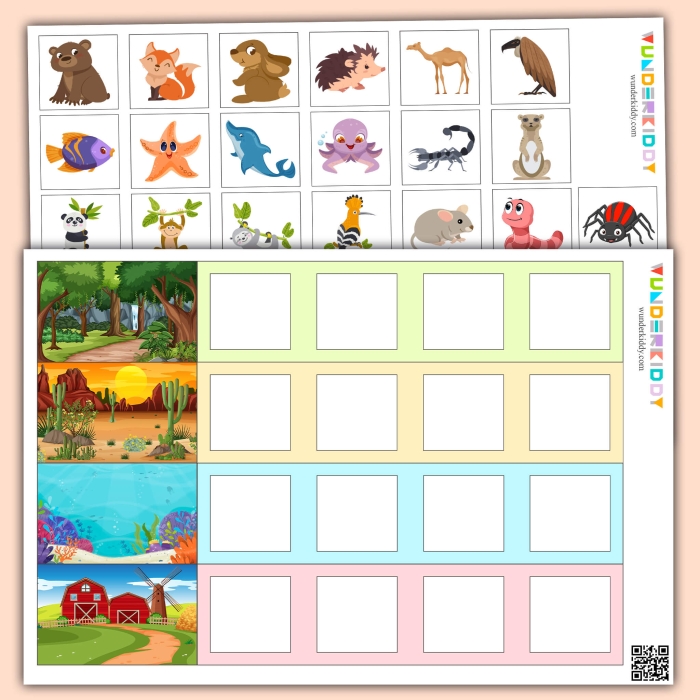
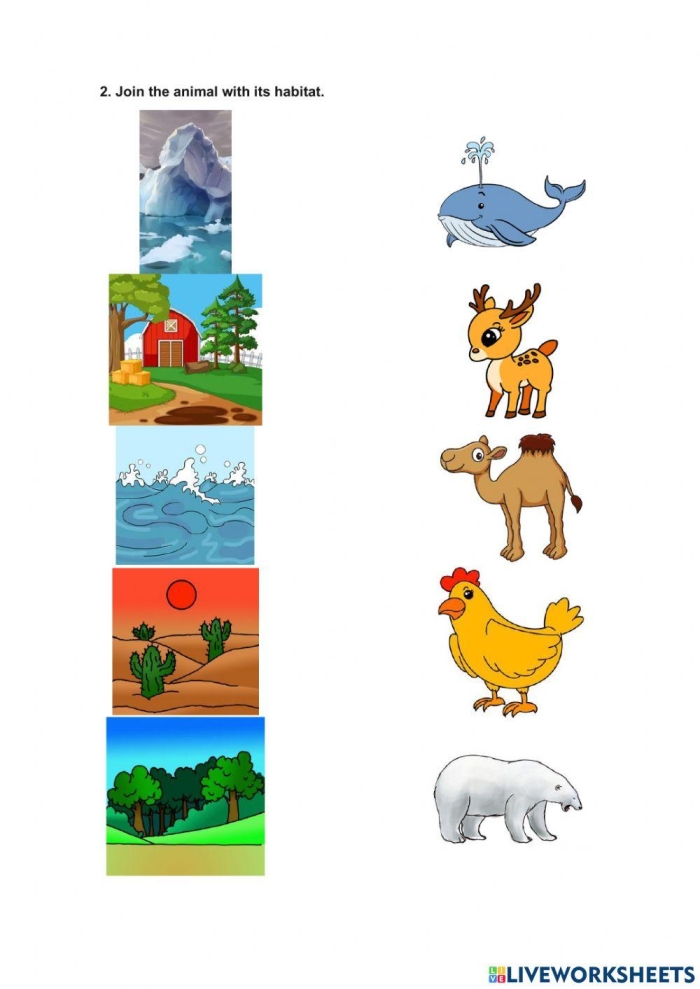
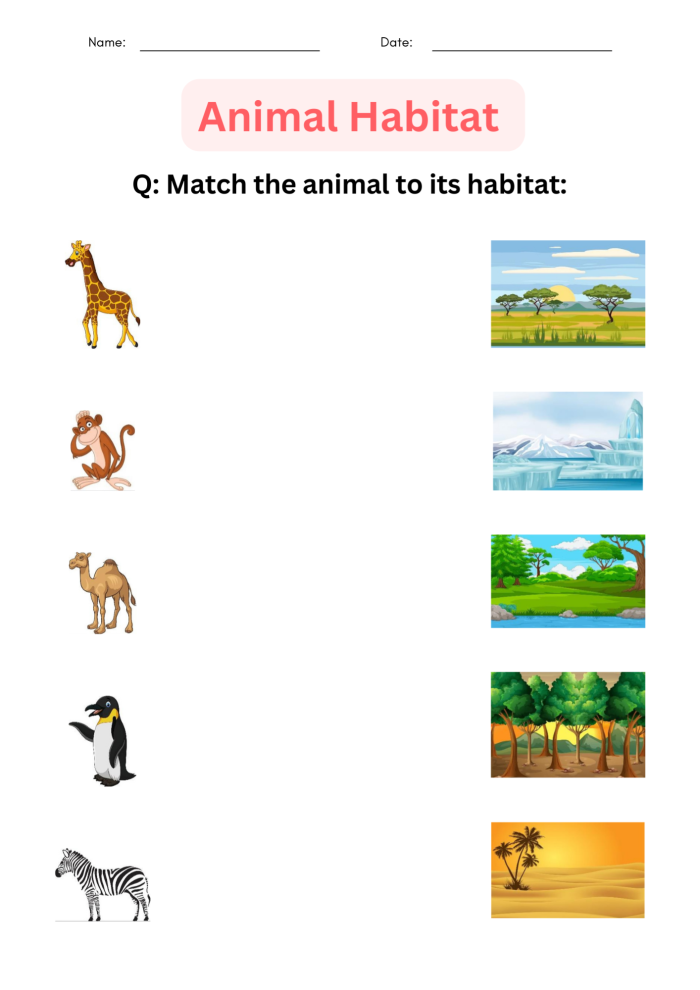
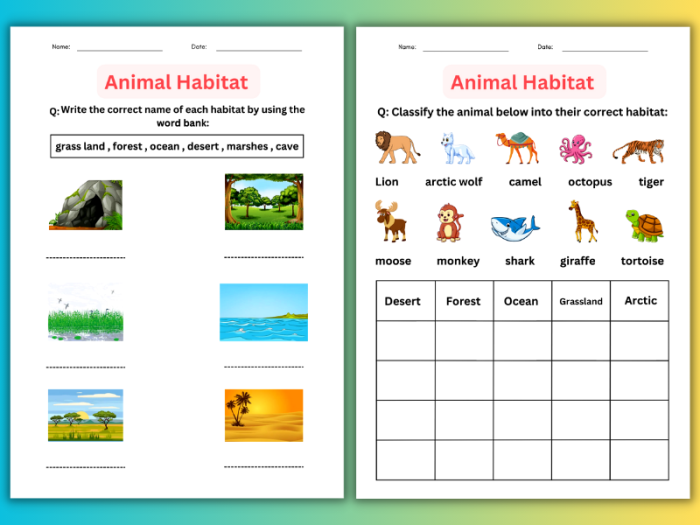
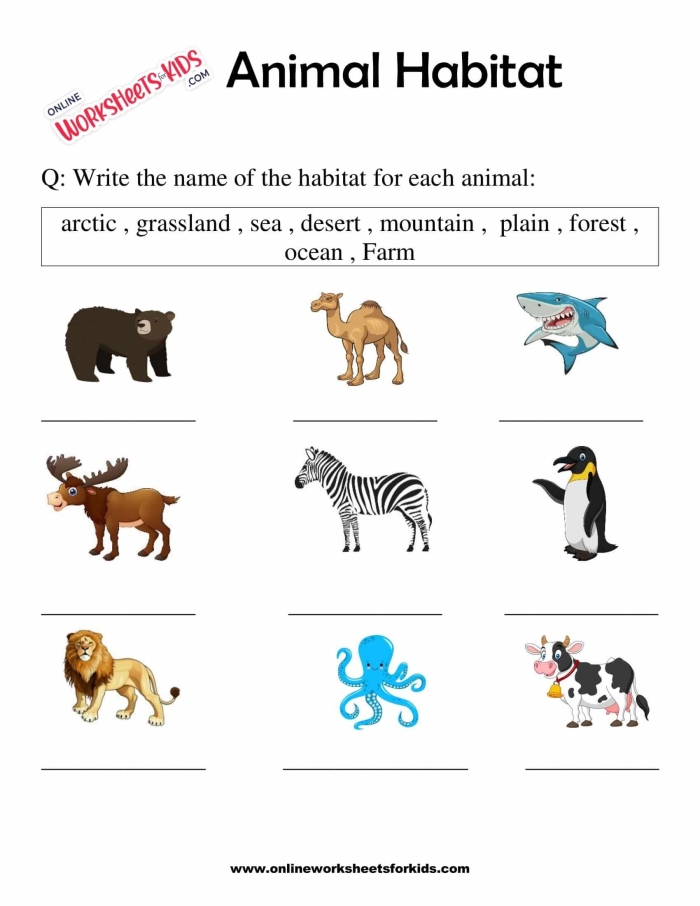
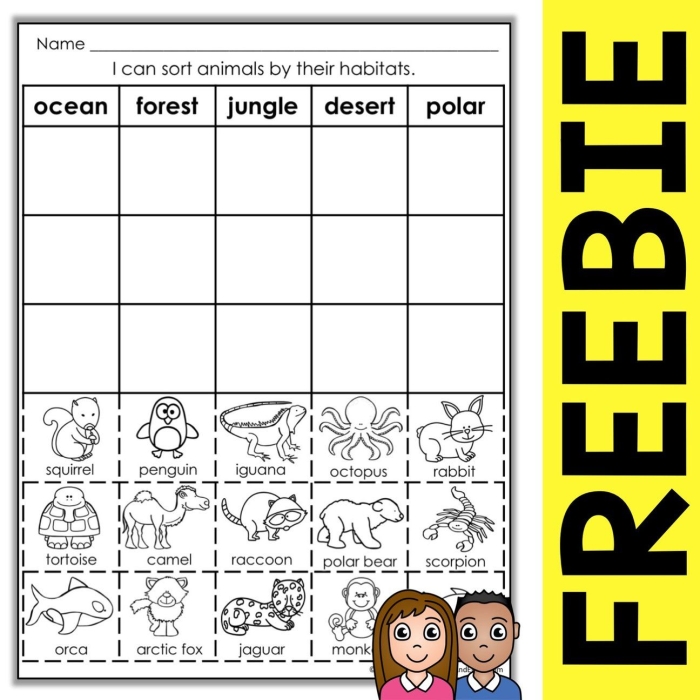
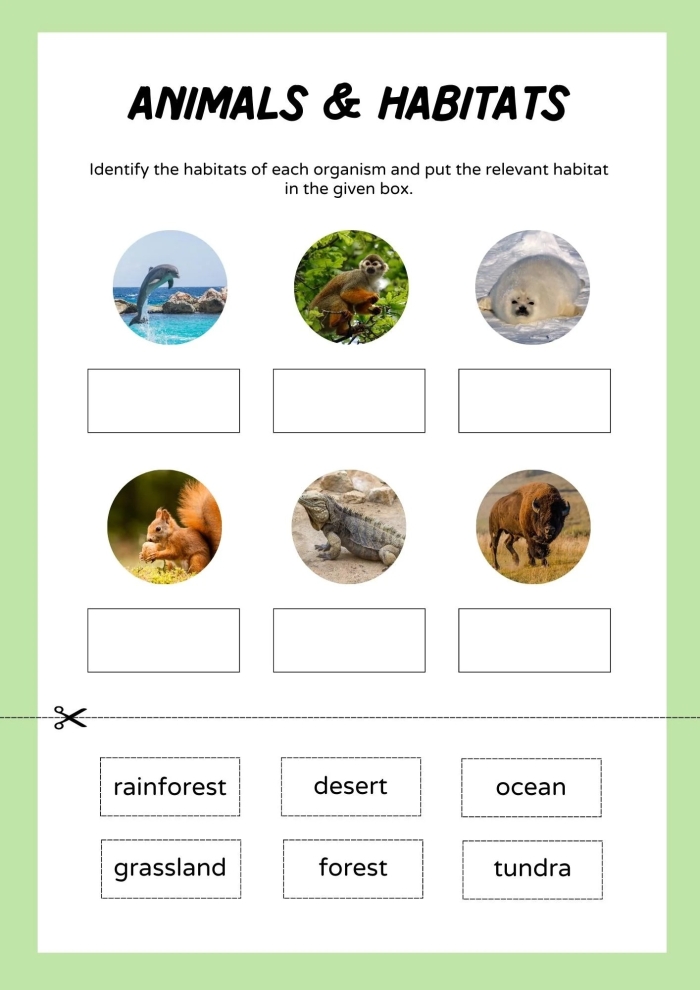
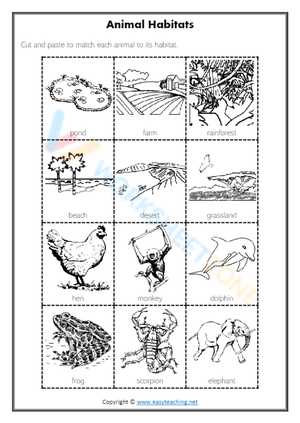
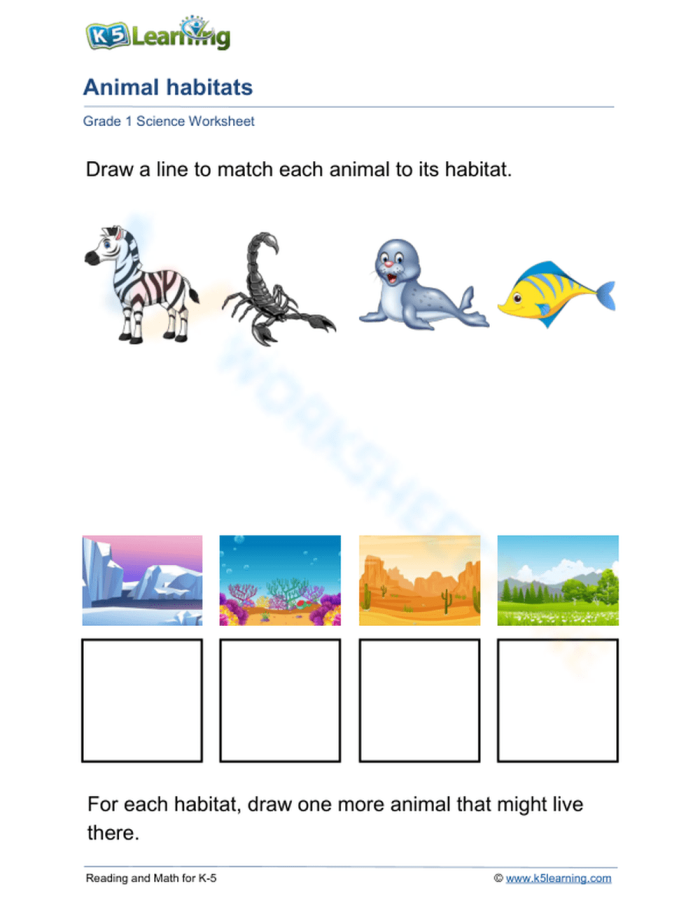
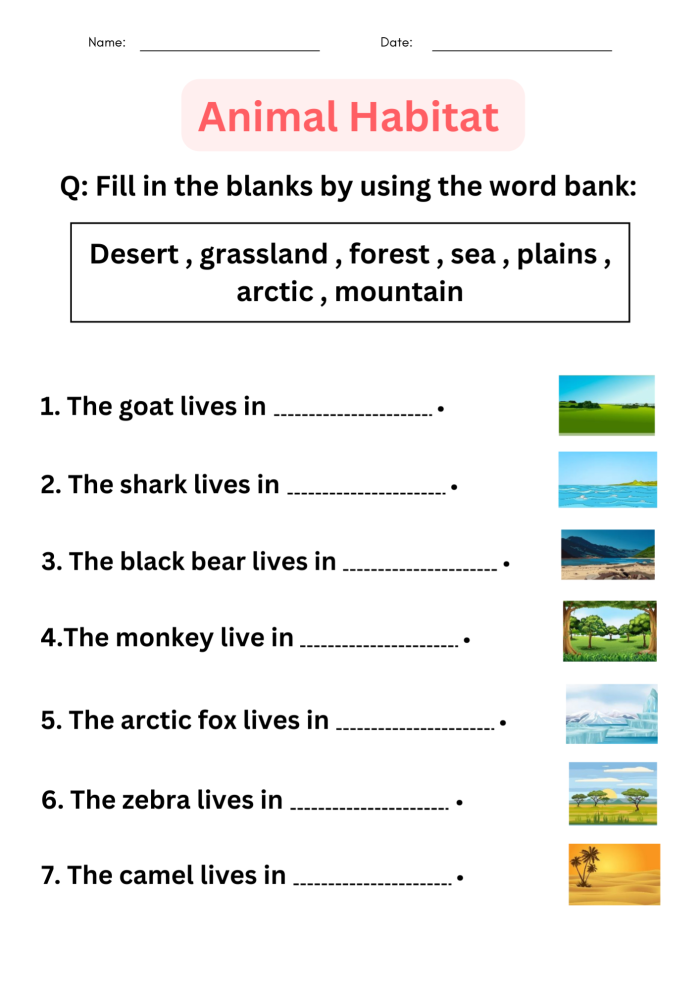
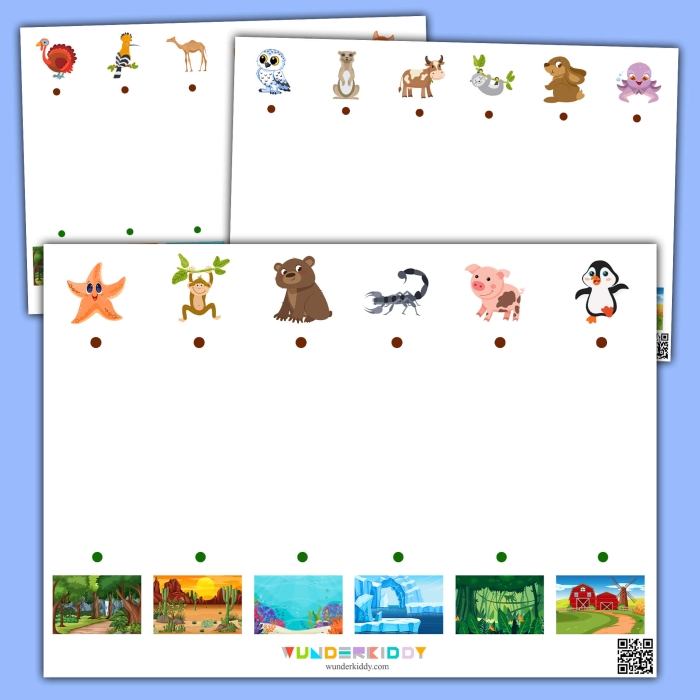
Building a strong vocabulary around animal habitats is essential for young learners. A habitat-matching worksheet serves as a fun and engaging tool that helps kindergarten students connect words with their meanings. By associating animals with their specific environments, children not only expand their vocabulary but also develop a deeper understanding of the natural world.
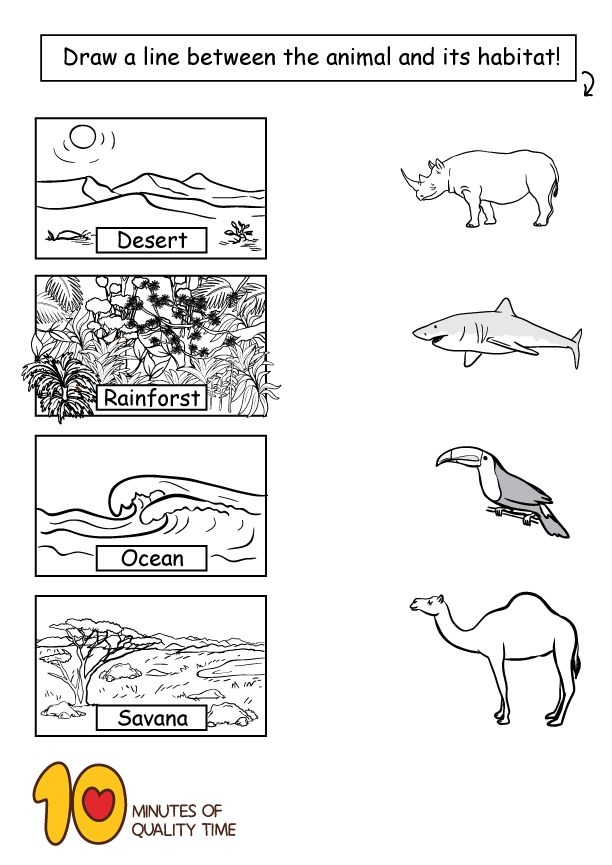
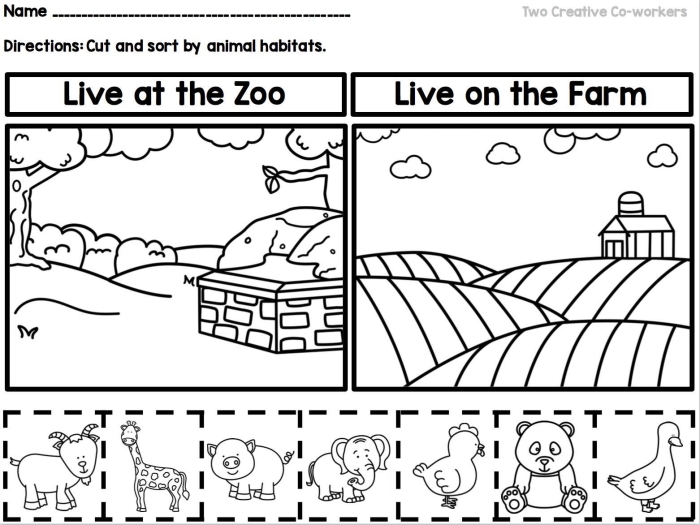
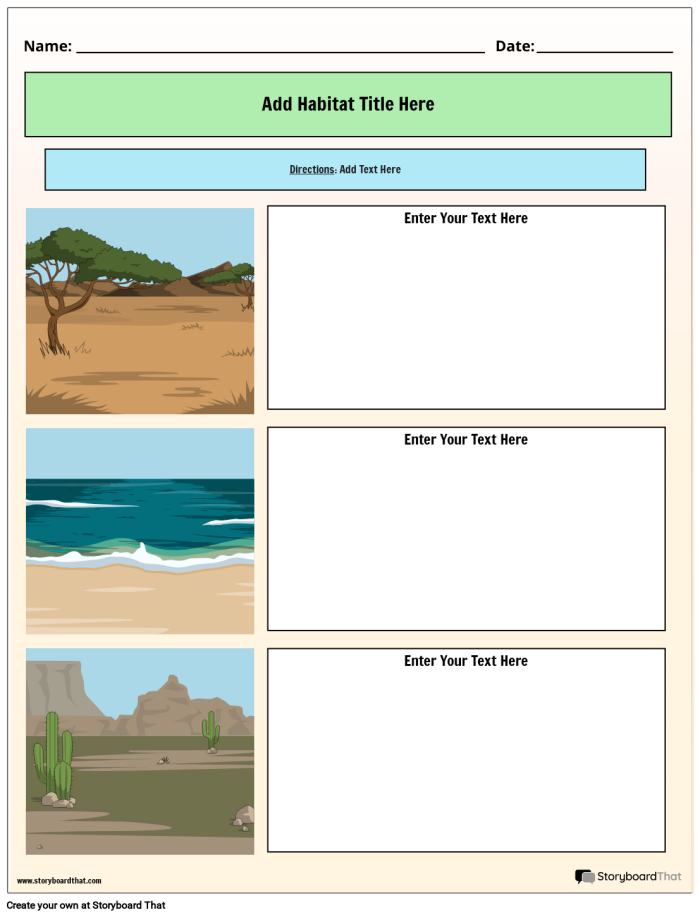
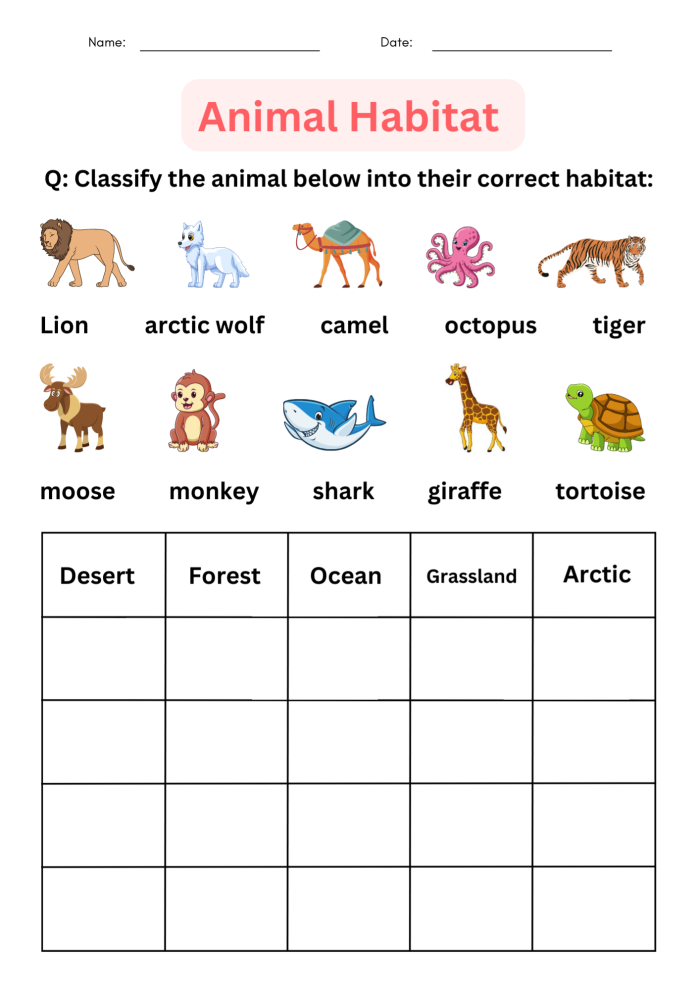
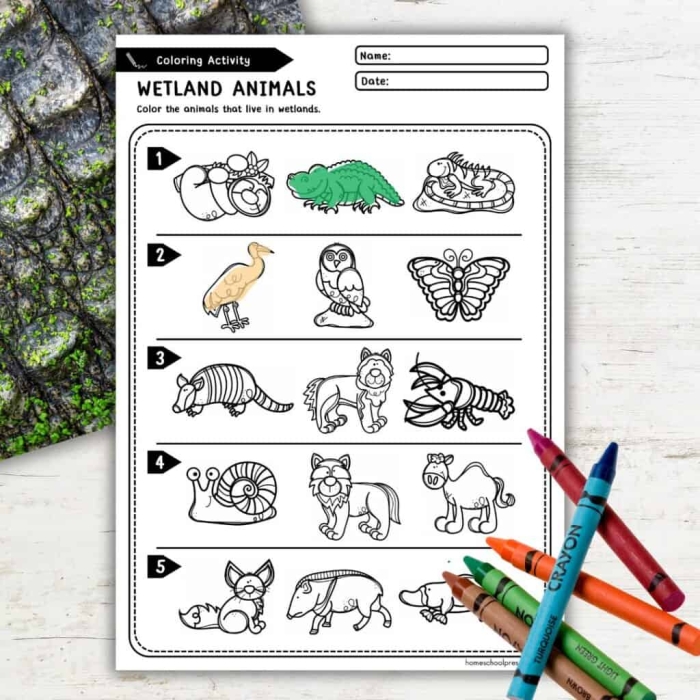
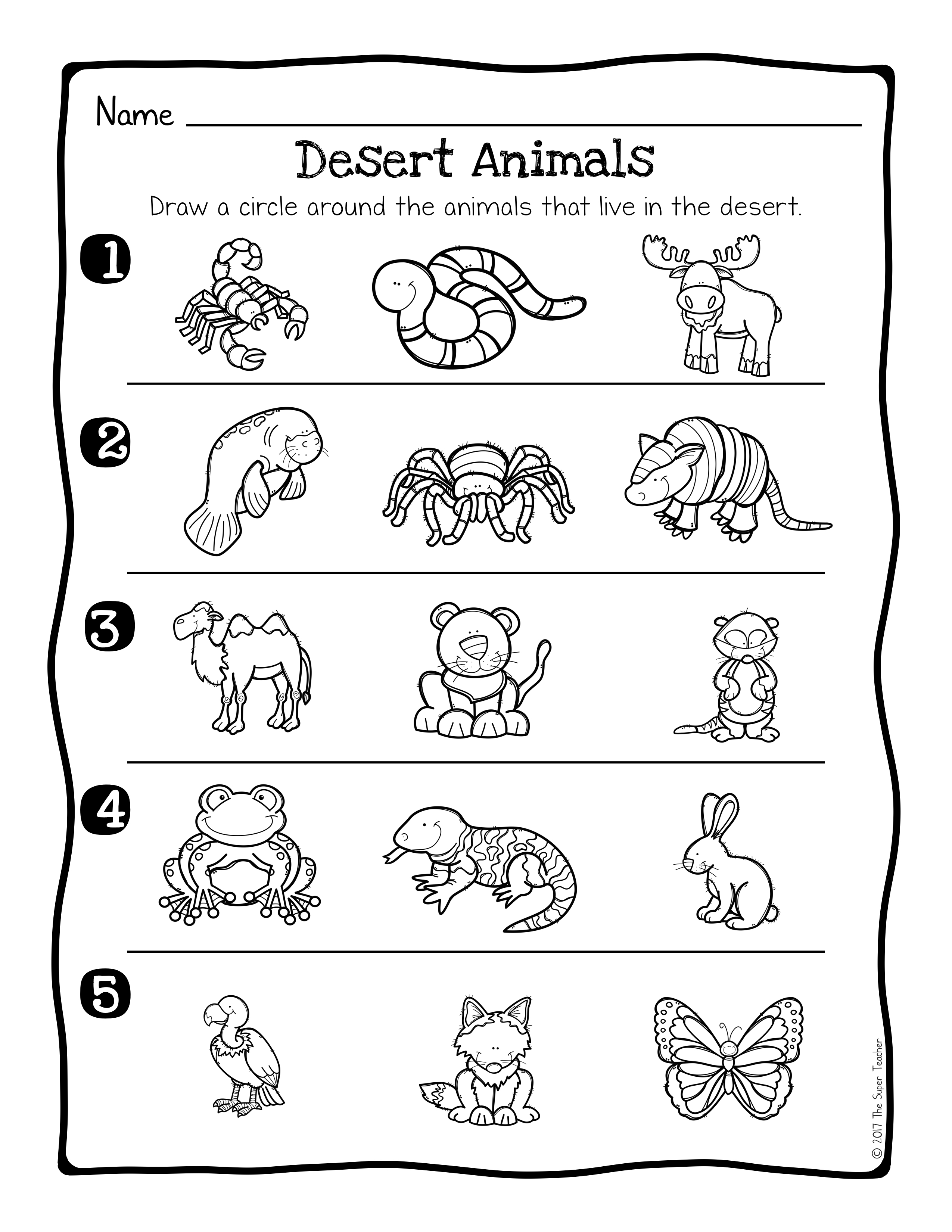
This type of worksheet typically features images of various animals alongside different habitats such as forests, oceans, deserts, and wetlands. As children work through the activity, they match each animal to its correct habitat, reinforcing their learning through visual cues. For example, recognizing that a polar bear belongs in the Arctic habitat can spark curiosity about climate and geography. Such connections enrich their learning experience, catering to different learning styles.
Interactive worksheets like these are particularly beneficial in a kindergarten setting, where play and exploration are key components of learning. They can be used in various ways: as part of a lesson on ecosystems, during group activities, or even at home as a supplementary resource. Teachers can enhance the lesson by discussing the unique characteristics of each habitat, encouraging children to share what they know or are curious about.
Moreover, these worksheets can be a stepping stone to other educational activities. For instance, after completing a habitat-matching exercise, students could explore more about specific animals through stories or videos. They might even enjoy creating their own illustrations of animals in their habitats. This holistic approach not only aids in vocabulary building but also nurtures creativity and critical thinking.
For those looking to explore more resources, consider additional worksheets that focus on related topics. You might find useful activities like furry bear life science worksheets or phonics worksheets that can complement your lessons on habitats and animals. Such resources provide a comprehensive approach to learning, ensuring that children develop a well-rounded understanding of the world around them.
Worksheet Practice Section