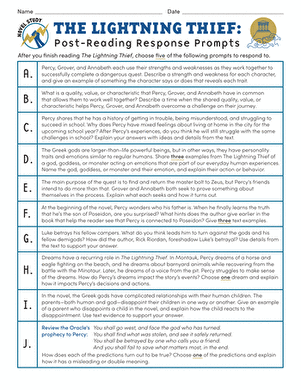
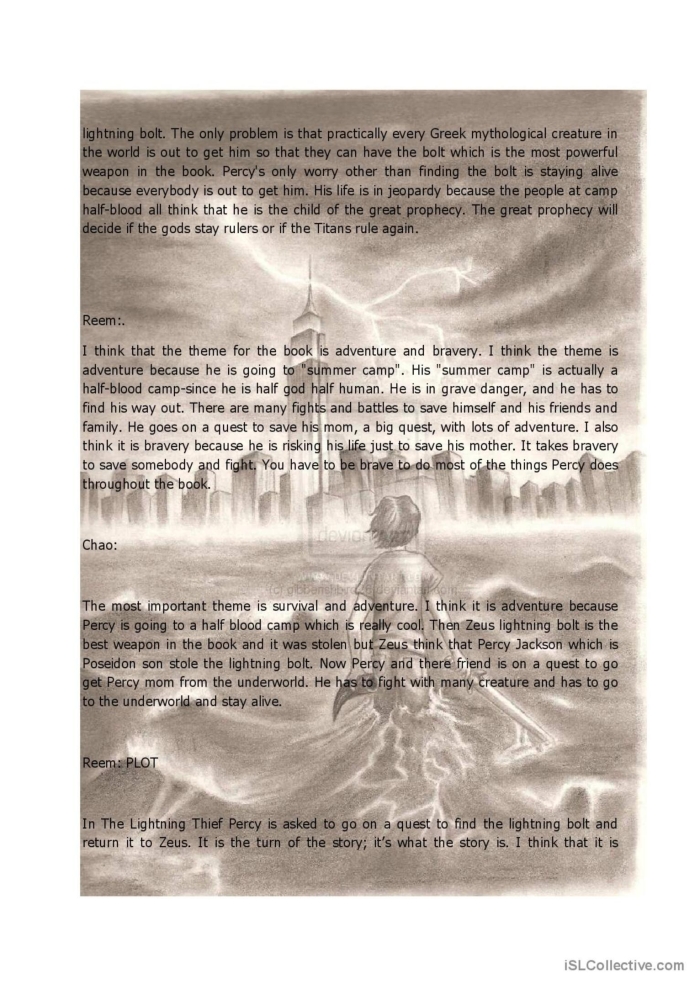
When sixth grade students finish Rick Riordan’s The Lightning Thief, they often notice something that sets the book apart from other adventure novels: the characters actually talk like real people. Riordan uses dialogue not just to move the plot forward, but to reveal who these characters are, what they want, and how they clash with each other. This approach makes the book feel alive rather than mechanical.
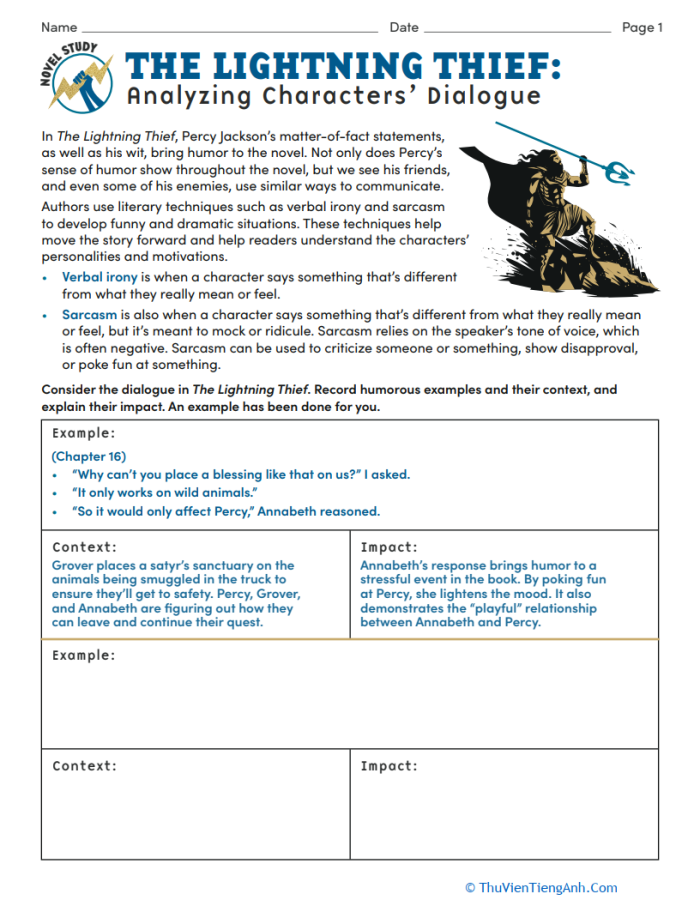
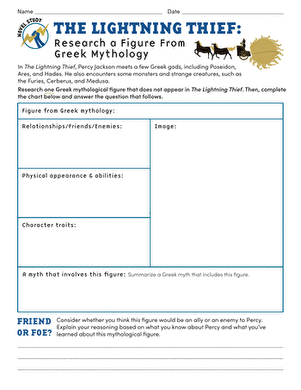
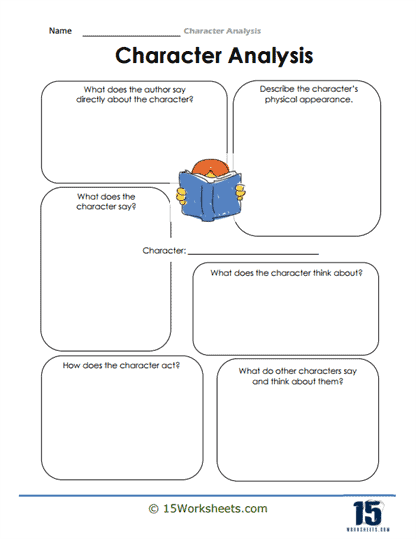
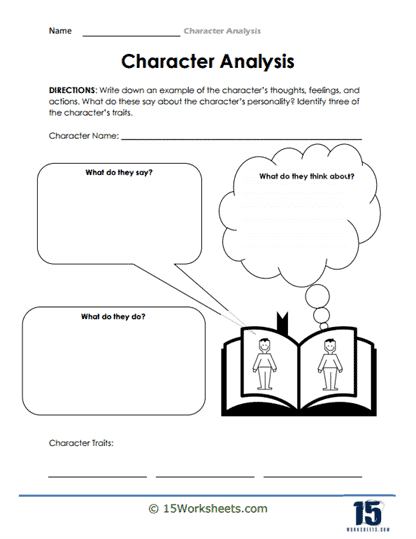
The conversations between Percy, Annabeth, and Grover demonstrate how much character development happens through what characters say to each other. Percy’s sarcastic quips show his defensive humor in the face of danger. Annabeth’s rapid-fire strategy talk reveals her need to control situations. Grover’s nervous rambling exposes his anxiety beneath his loyalty. Students analyzing these exchanges discover that dialogue serves as a window into motivation, not just a way to deliver information.
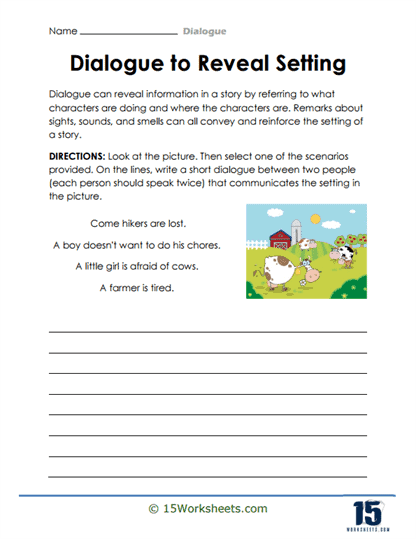
Beyond character voice, Riordan employs specific literary techniques that make his dialogue work harder than simple conversation. He uses interruptions, overlapping speech, and incomplete thoughts to create realistic tension. When characters argue, they don’t speak in perfect sentences. They stumble, correct themselves, and talk over each other, which makes conflicts feel genuine rather than staged.
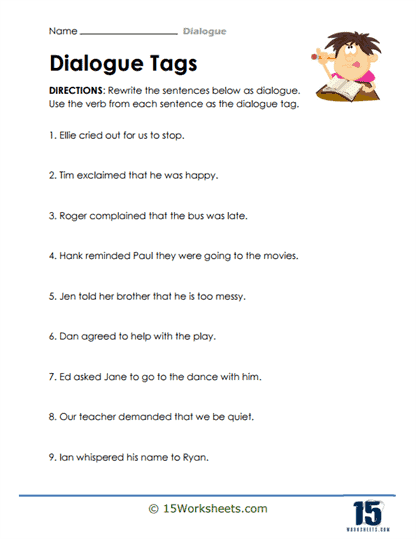
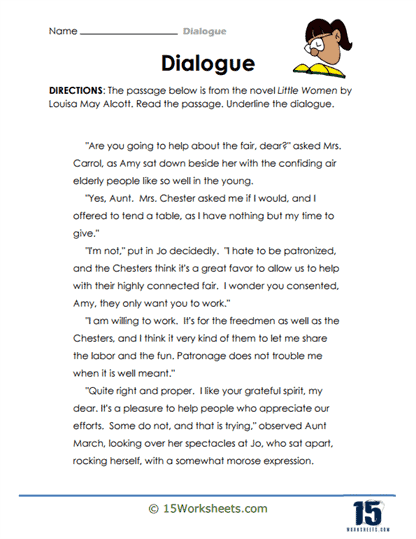
For sixth grade readers studying grammar and mechanics, examining dialogue punctuation becomes practical rather than abstract. Students see how em dashes, commas, and line breaks control pacing and rhythm. A quick interruption uses a dash. A trailing thought uses ellipses. Understanding these choices helps students recognize that grammar rules serve storytelling purposes.
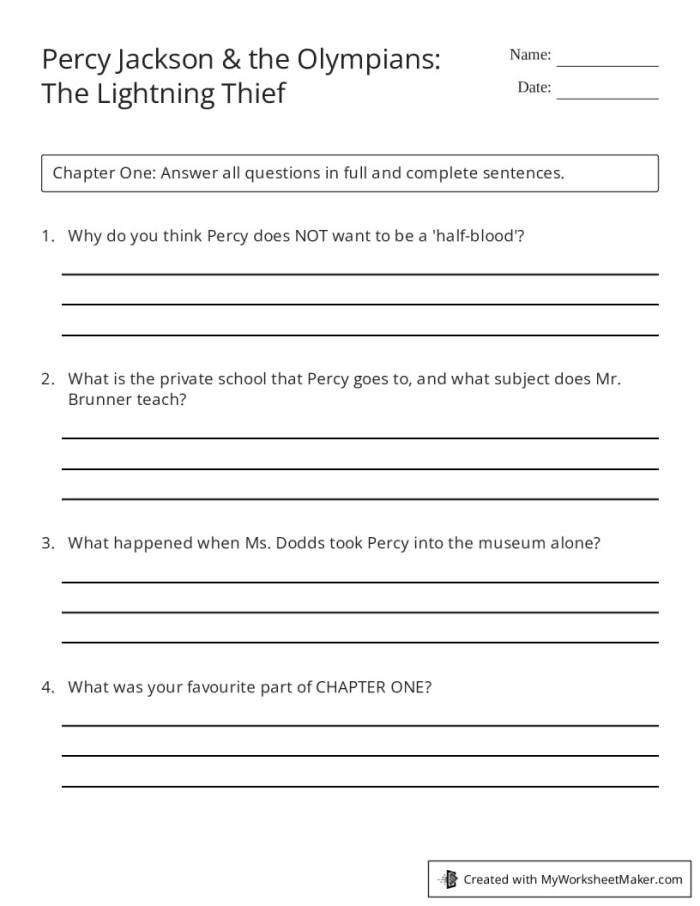
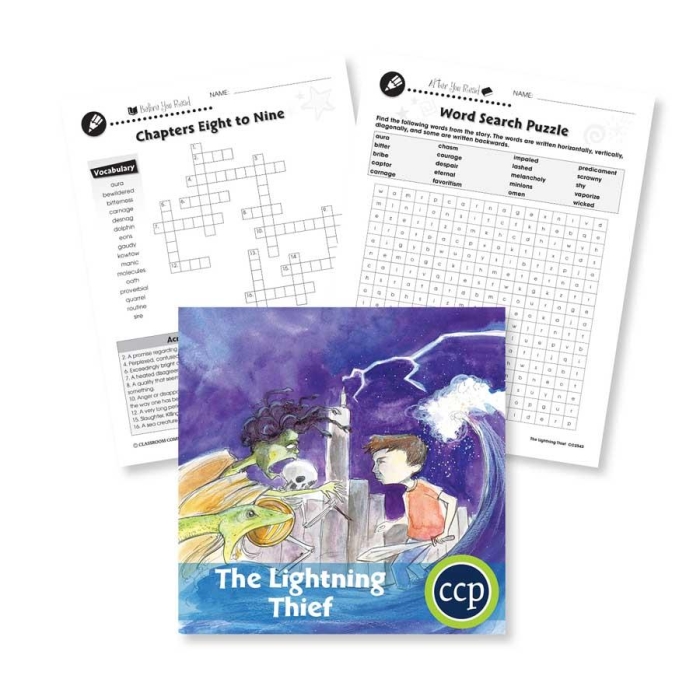
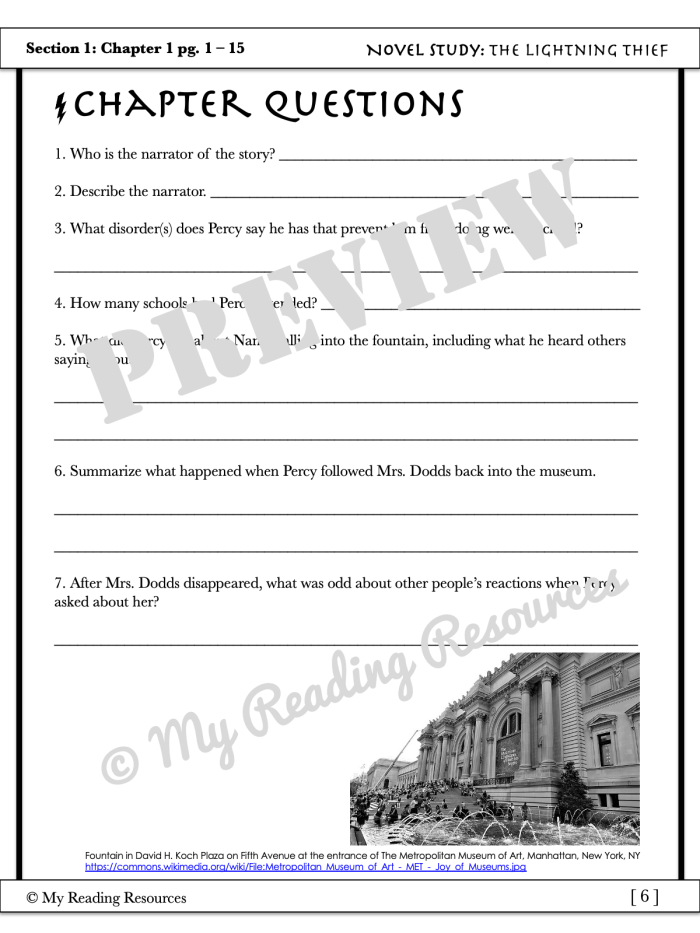
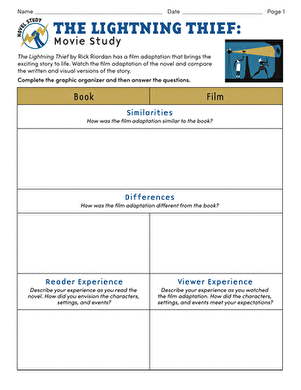
Teachers often pair novel study activities with focused grammar worksheets to reinforce these concepts. Exercises like algebra expressions grammar and mechanics worksheets complement literary analysis by keeping grammar skills sharp alongside reading comprehension. Similarly, coordinate challenge treasure hunt grammar and mechanics worksheets can connect mathematical thinking with sentence structure.
The real takeaway for students is that Riordan’s dialogue choices aren’t accidental. Every conversation builds character, advances plot, and maintains the book’s energetic pace. Once students recognize these patterns in The Lightning Thief, they start noticing them in everything they read.
Practice with These Worksheets