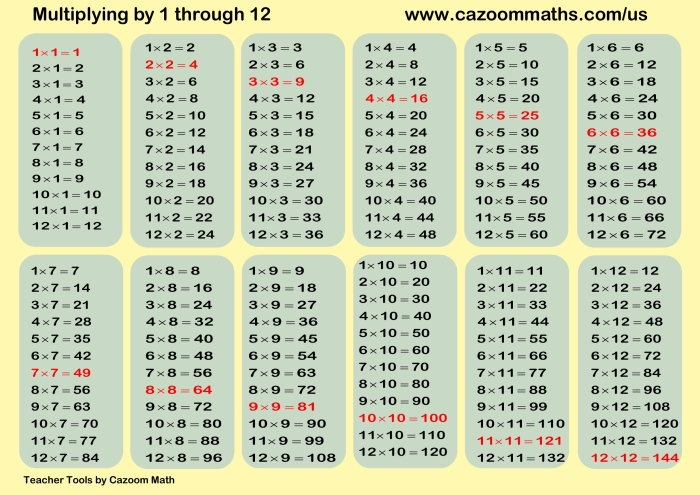
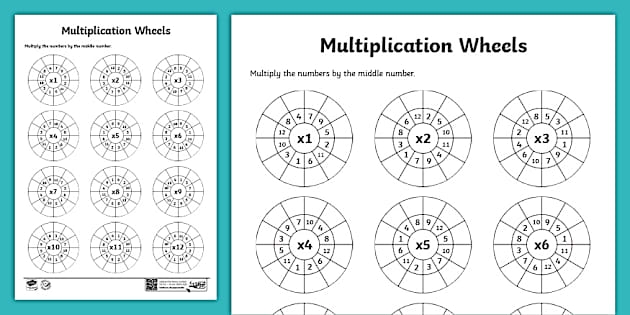
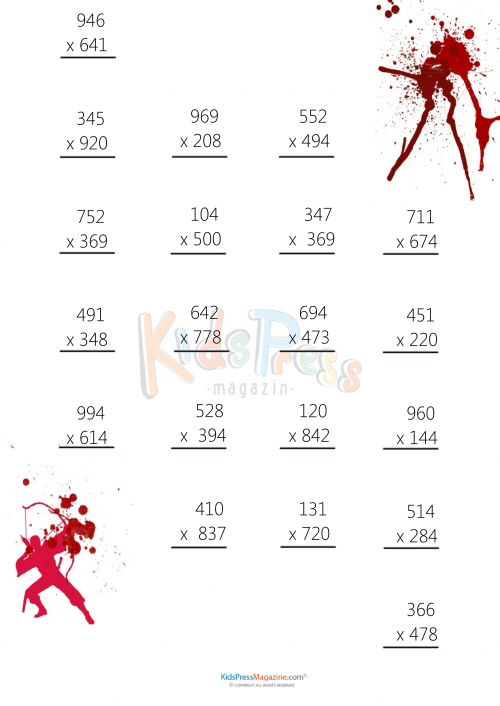
Teaching multiplication to third graders often feels like climbing a mountain, but it doesn’t have to be that way. The key is showing your child that multiplication isn’t random, it’s a system with patterns you can actually see and use. Once they grasp a few core strategies, filling in a multiplication chart becomes less intimidating and more like solving a puzzle.
Start with what your child already knows: skip counting. If they can count by twos, fives, and tens, they’ve already unlocked several rows of the multiplication chart. This is where the real shortcuts live. Multiplying by five always ends in either a five or a zero, a pattern that becomes obvious once they see it written out. Multiplying by ten is even easier, since you just add a zero to the number you’re multiplying. These aren’t tricks to memorize, they’re observations to discover.
The commutative property (the fact that 3 × 4 equals 4 × 3) cuts your work roughly in half. Once your child fills in one direction, they can immediately fill in the mirror image. This reduces frustration and shows that multiplication has an elegant logic beneath the surface.
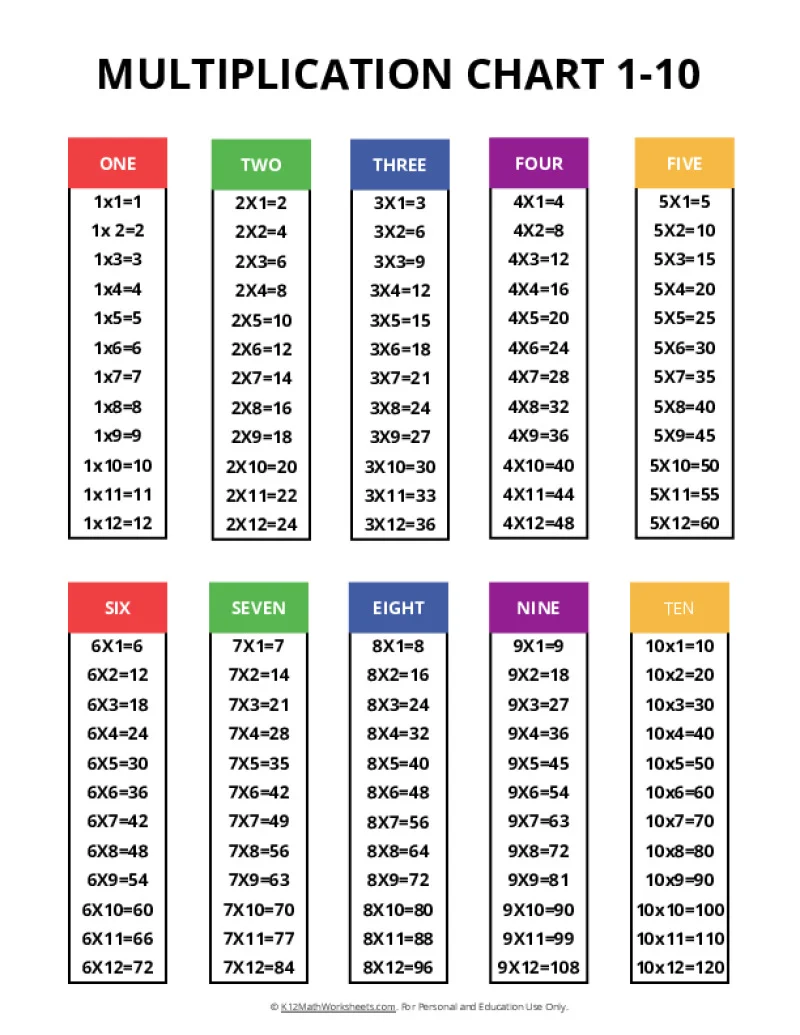
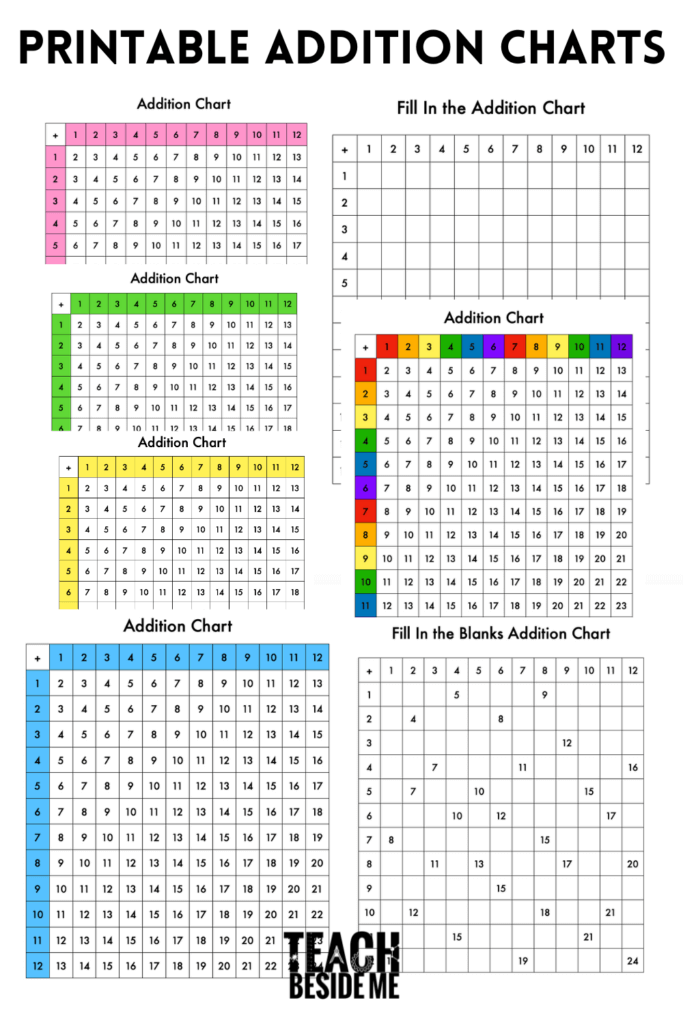
Use a printed multiplication chart as a reference tool while your child practices. They shouldn’t feel guilty looking at it, since mathematicians use reference materials all the time. Pair this with multiplication color by number worksheets to keep the practice engaging and visual.
As your child works through the chart, they’ll naturally start recognizing facts without needing the reference sheet. That’s when real confidence kicks in. The chart becomes a tool they’ve internalized rather than something they’re dependent on.
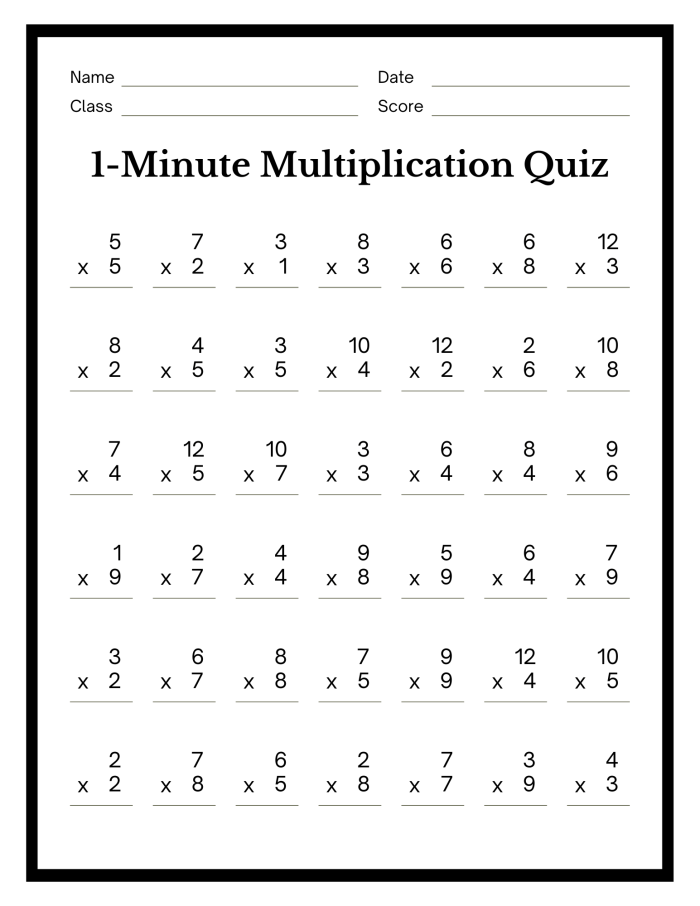
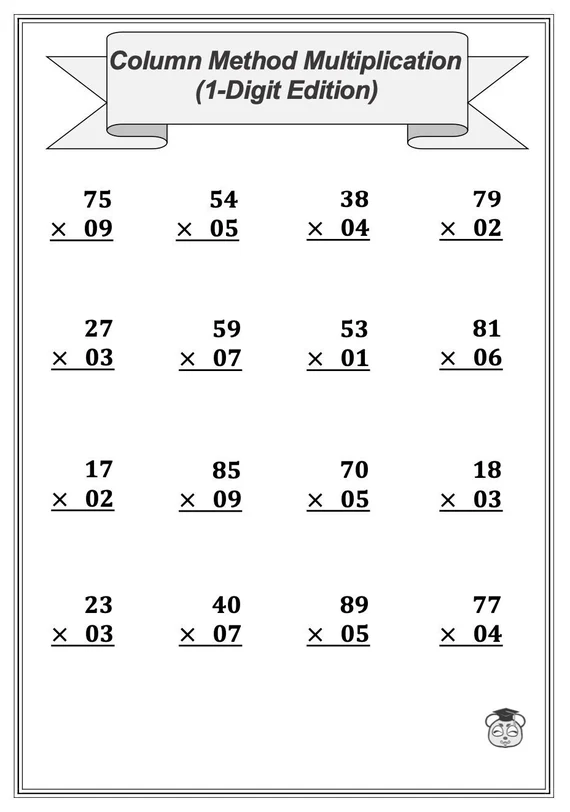
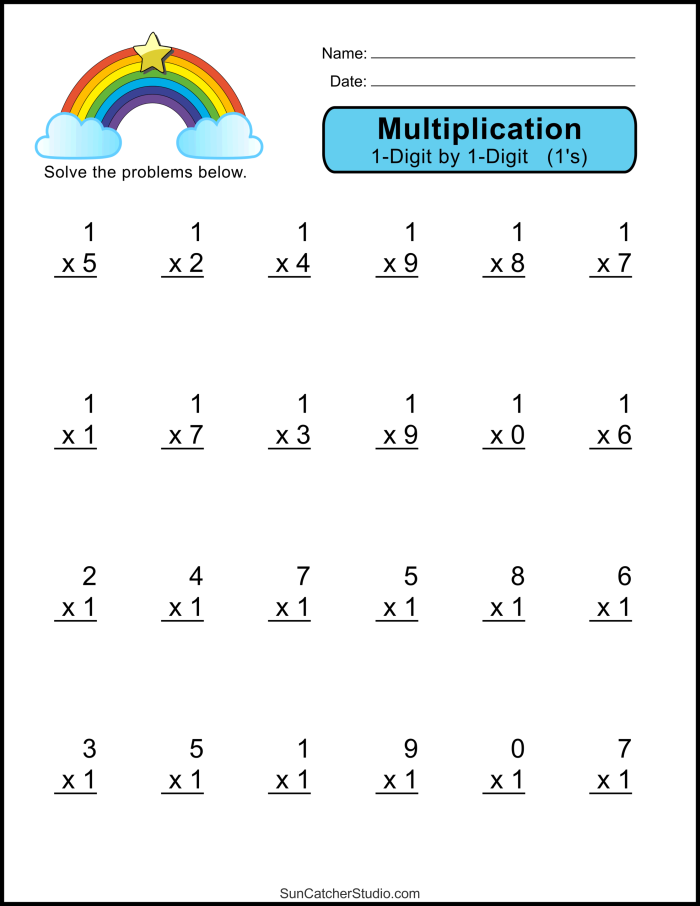
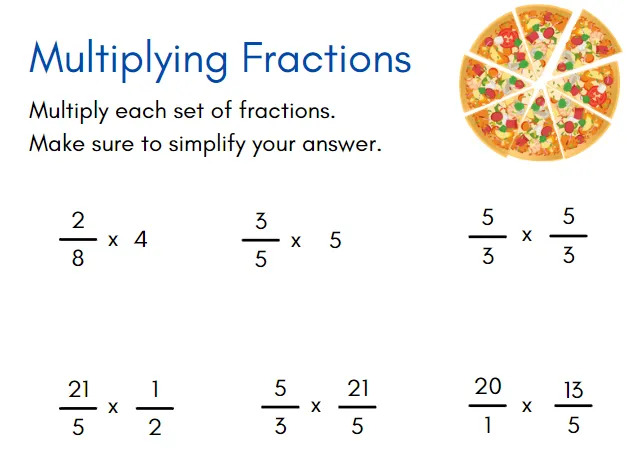
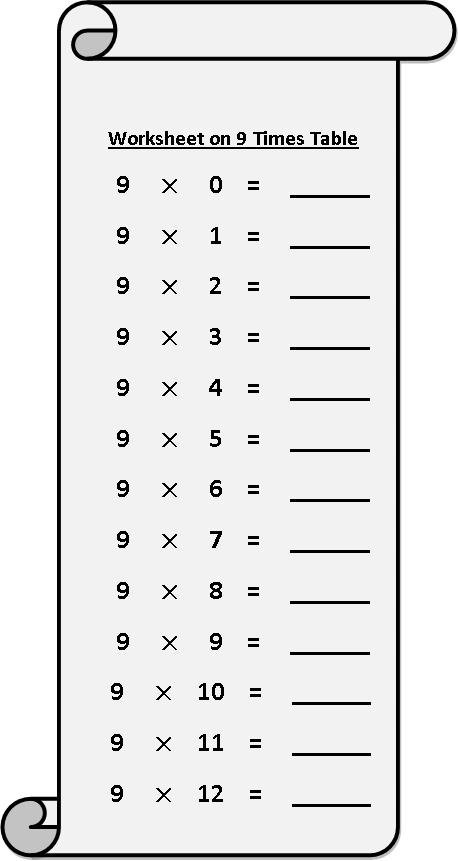
Try These Printable Worksheets