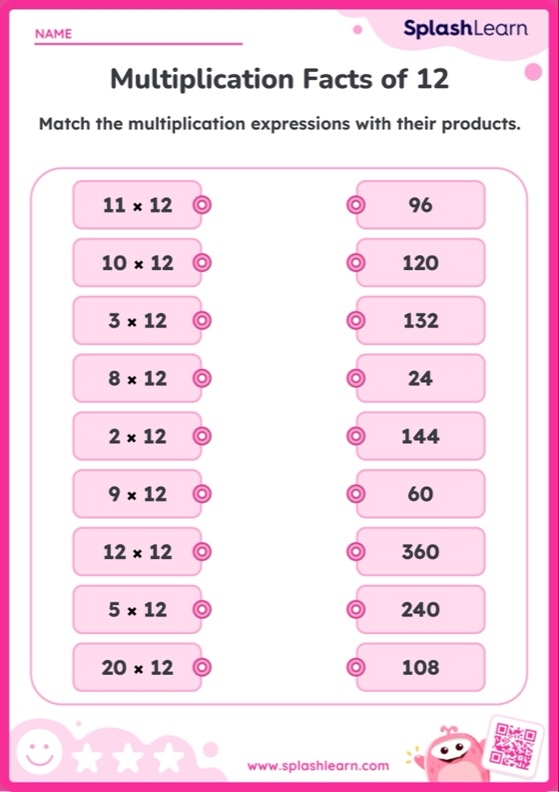
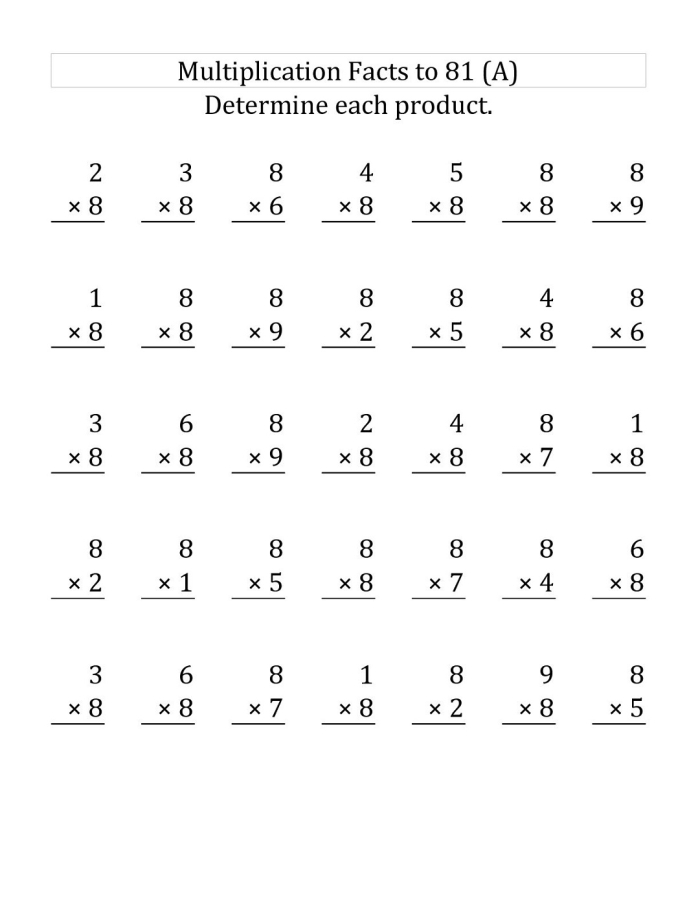
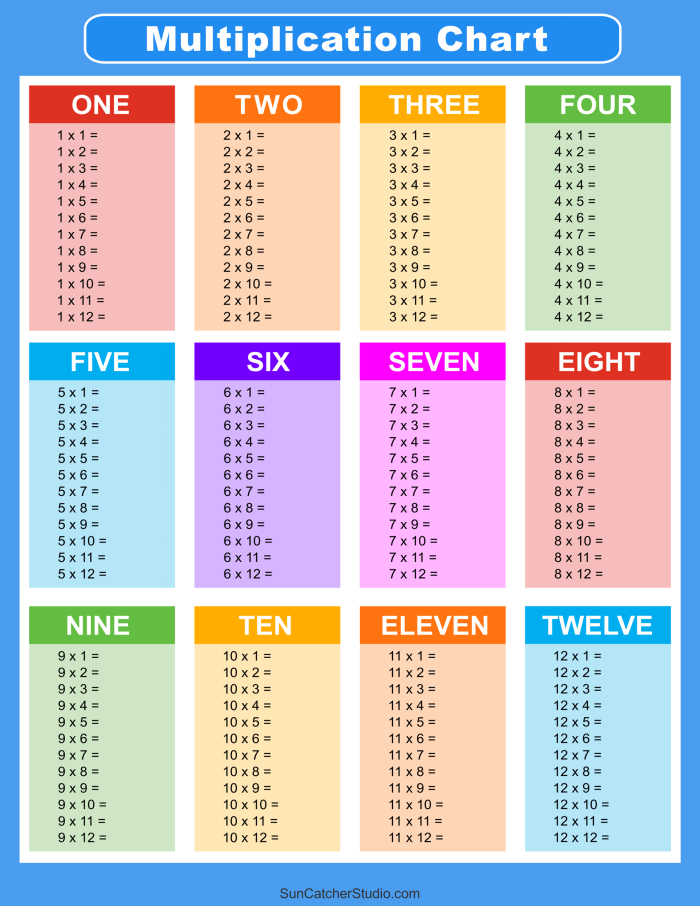
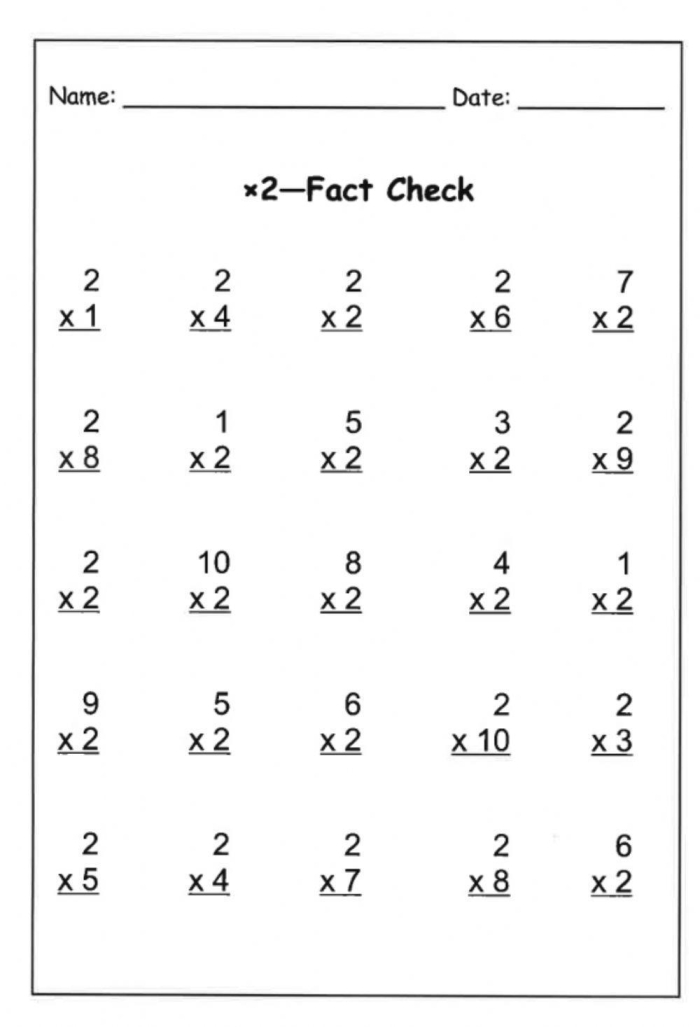
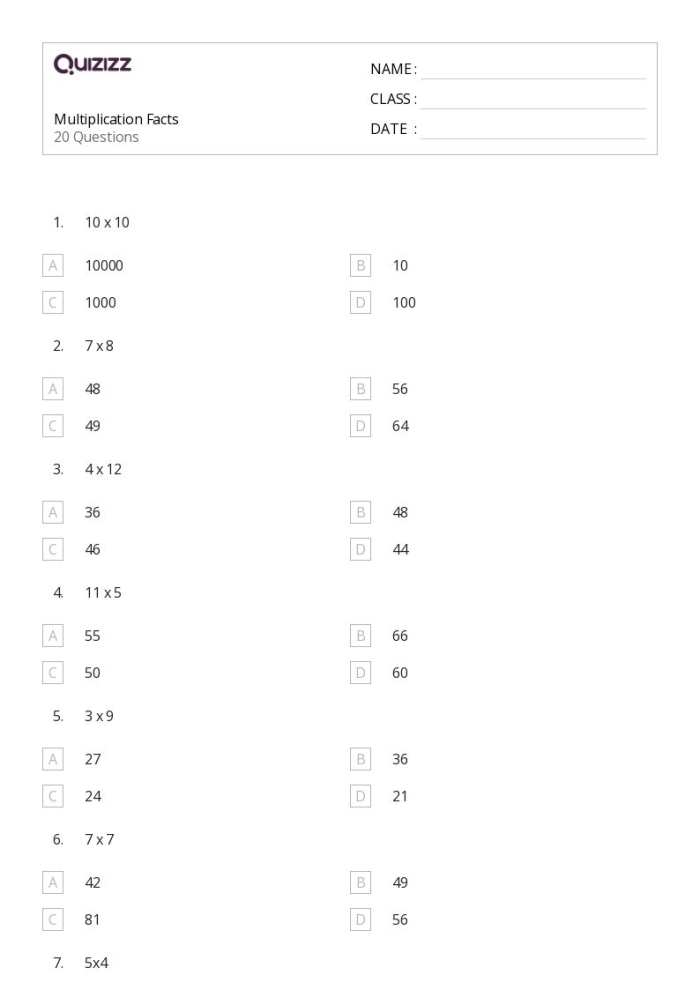
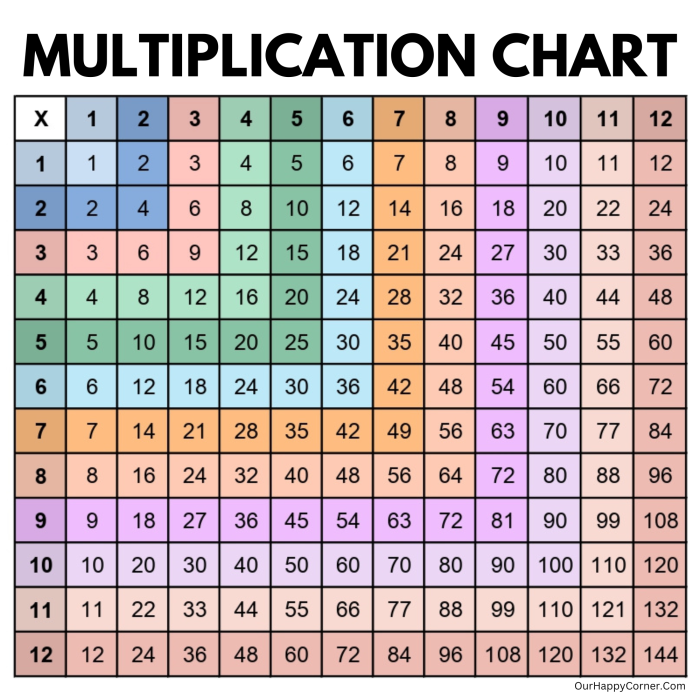
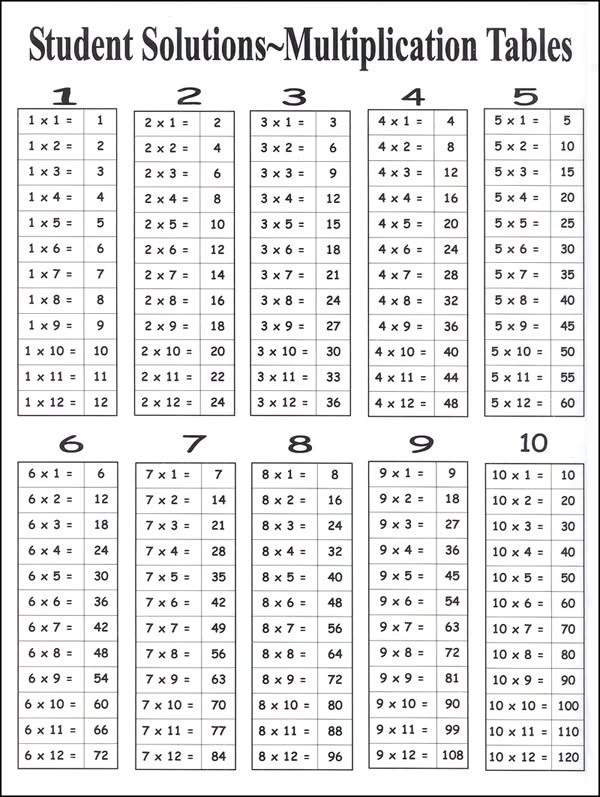
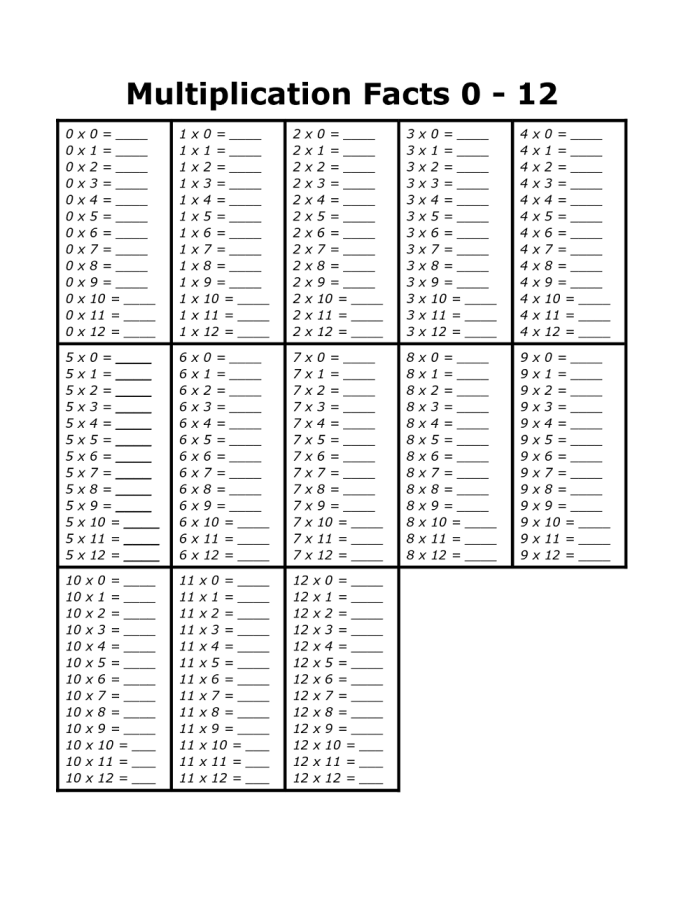
The 12 times table is where multiplication starts to feel real for most third grade students. By the time kids reach this point, they’ve already tackled the basics, and now they’re ready to push toward fluency with larger numbers. Mastering the 12s opens up a gateway to more complex math, from calculating area to solving word problems that appear throughout their curriculum.
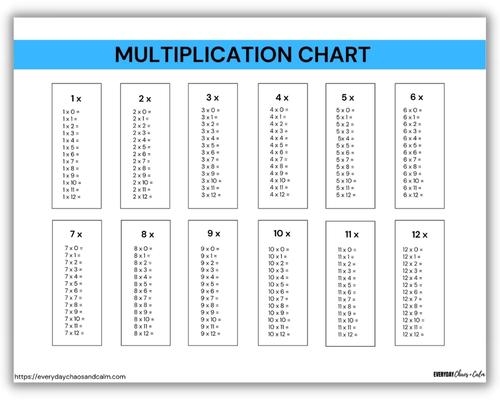
What makes the 12 times table particularly useful is its everyday relevance. Twelve appears constantly in real life: twelve months in a year, twelve inches in a foot, twelve items in a dozen. When students understand that 12 × 3 equals 36, they’re not just memorizing a fact. They’re building mental math skills that help them think about time, measurement, and quantities in practical ways.
The most effective approach to practicing these facts involves repetition paired with variety. Simply writing the same problems over and over tends to bore third graders and doesn’t stick as well as mixing up the format and context. Pairing your multiplication practice with other math skills makes learning more cohesive. For instance, exploring metric conversion and ratios alongside multiplication helps students see how numbers connect across different concepts.
Regular, short practice sessions work better than cramming. Spending ten minutes daily on the 12 times table, perhaps with other times table practice mixed in, builds automaticity without overwhelming young learners. When students can recall 12 × 7 instantly rather than counting on their fingers, they free up mental energy for more advanced problem-solving.
Incorporating multiplication into reading and writing activities also strengthens retention. Word problems that require third graders to apply the 12 times table in context, or even creating their own multiplication stories, make the practice feel purposeful rather than mechanical.
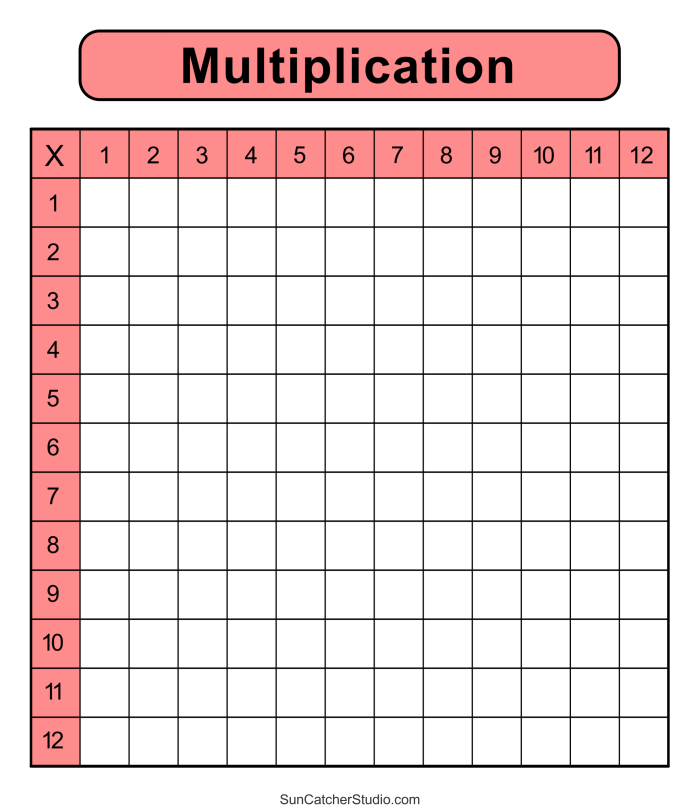
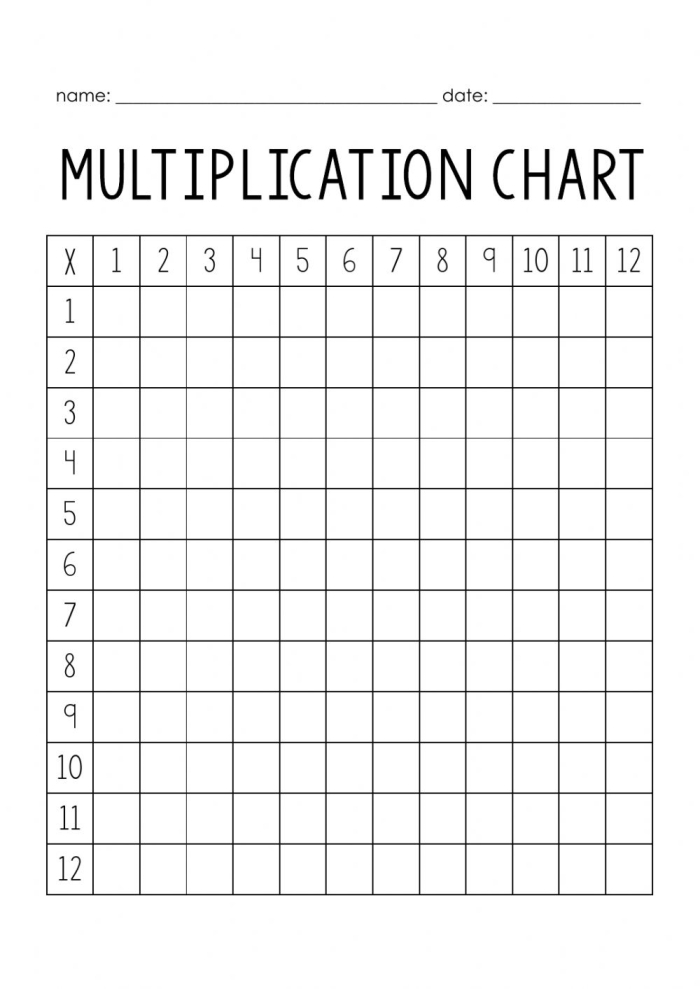
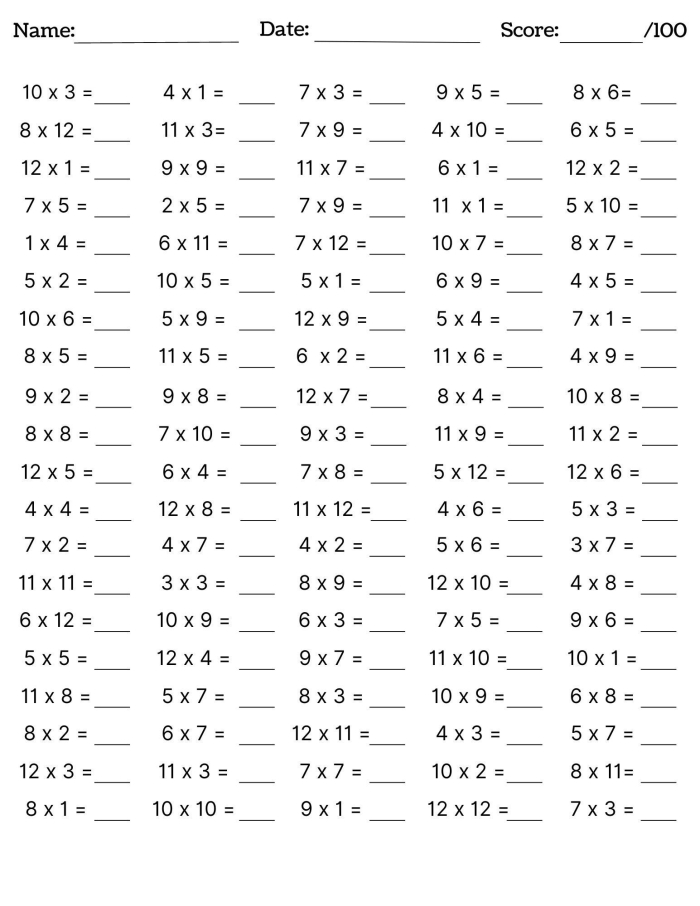
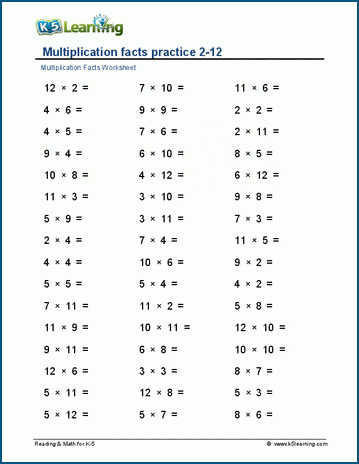
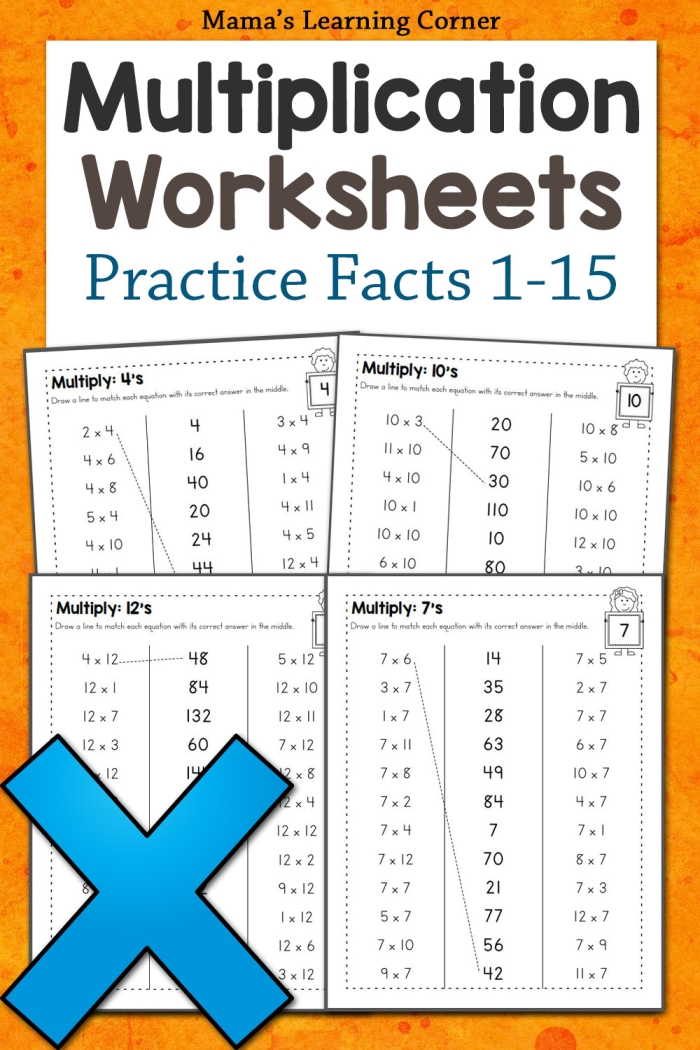
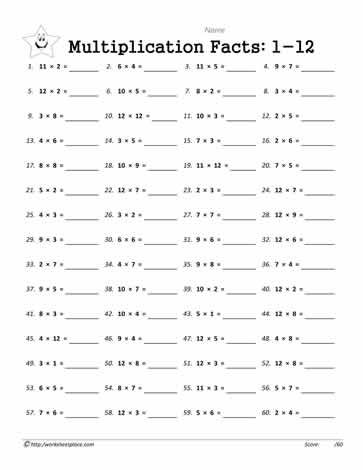
Boost Skills with These Worksheets