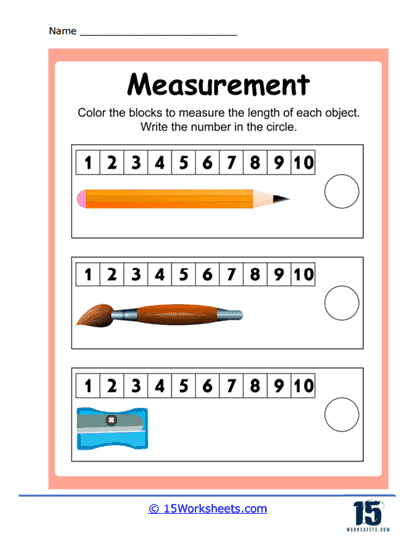
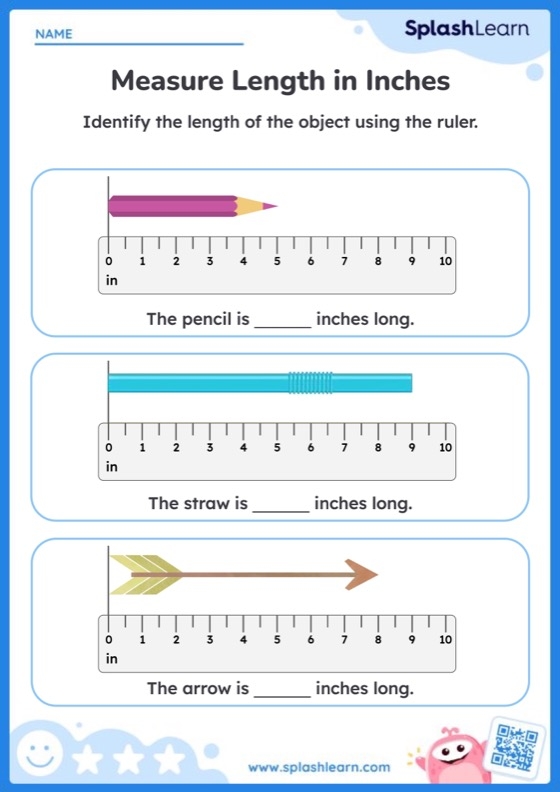
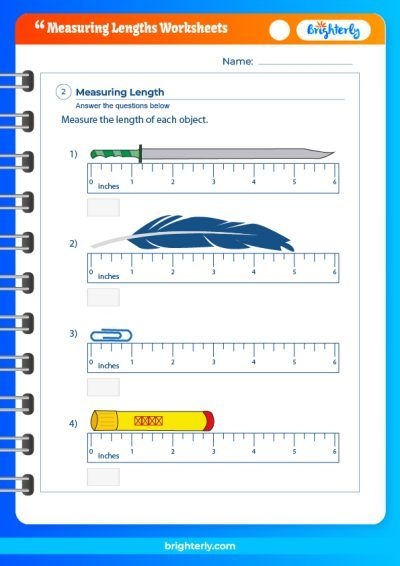
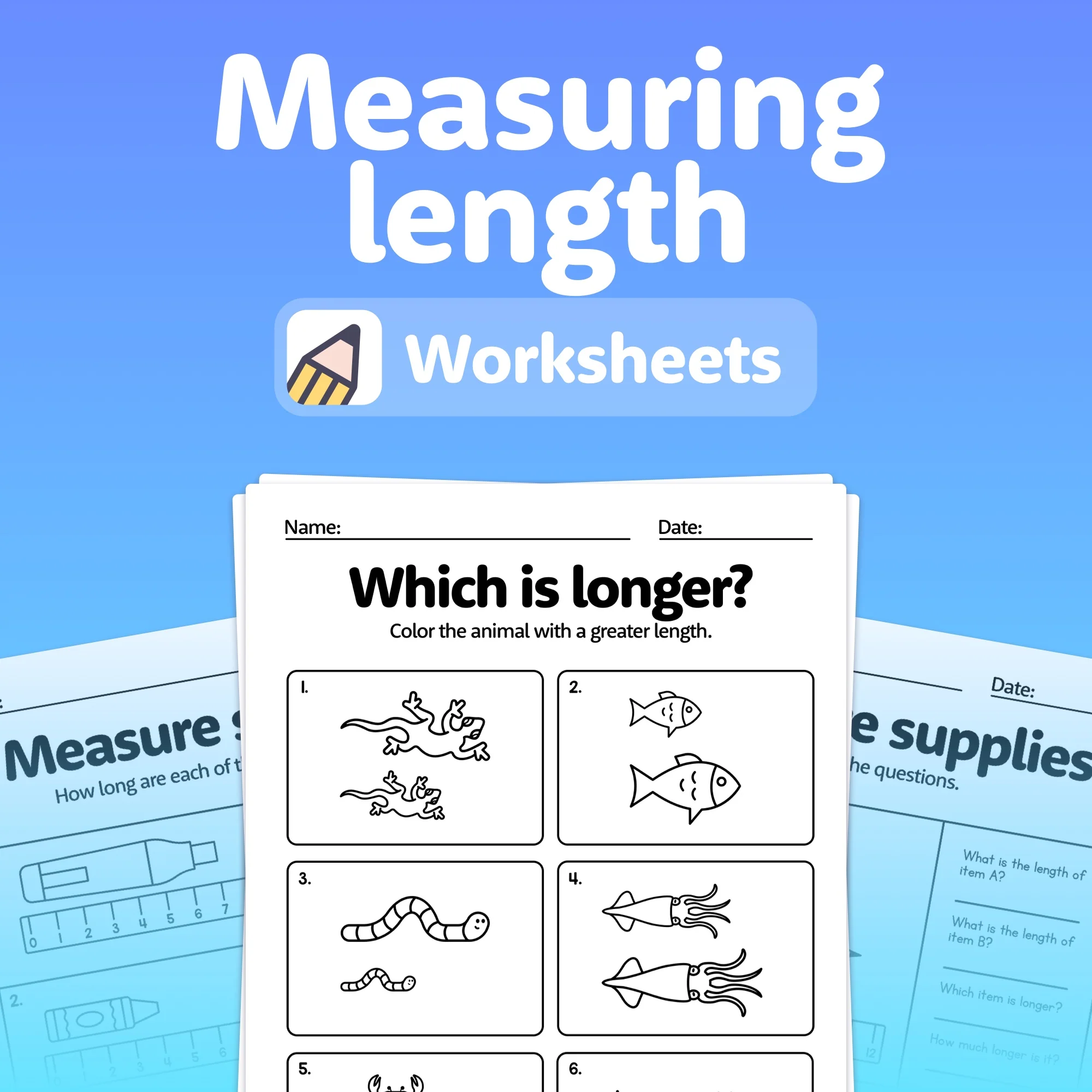
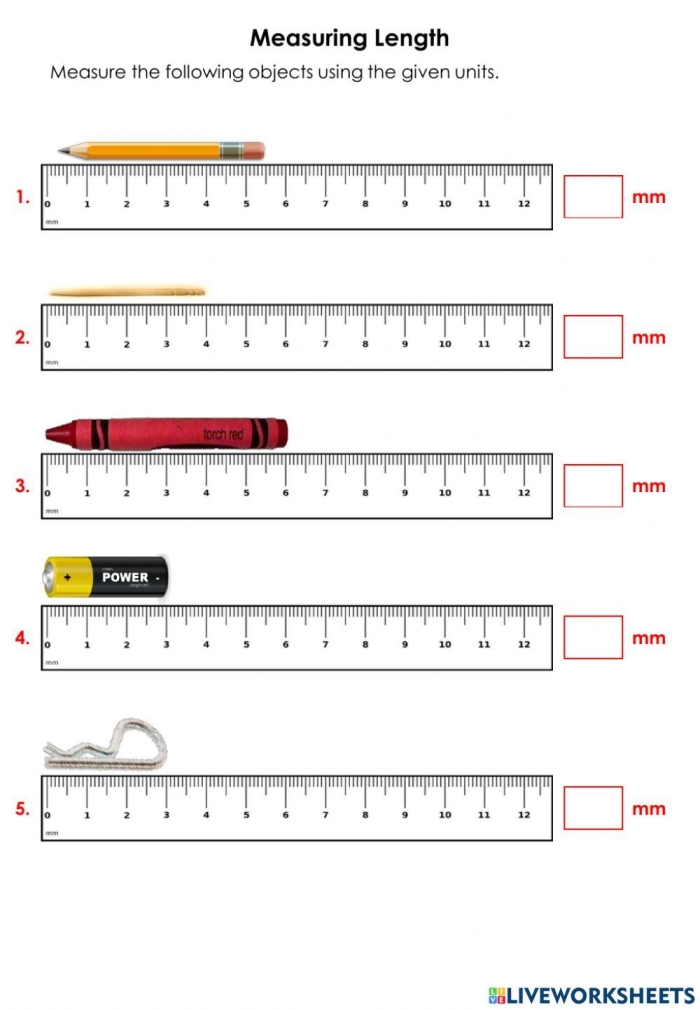
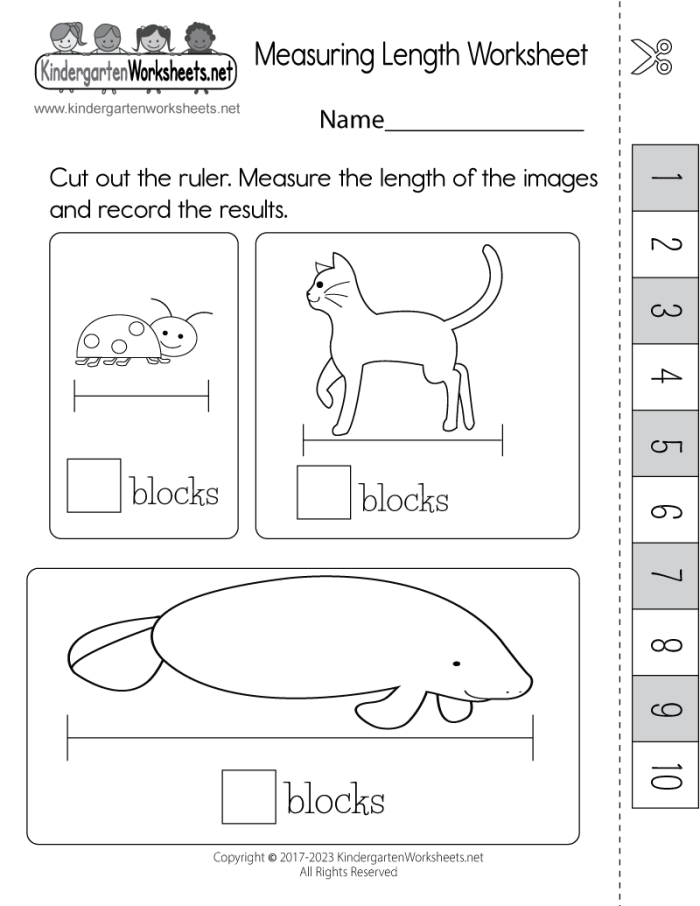
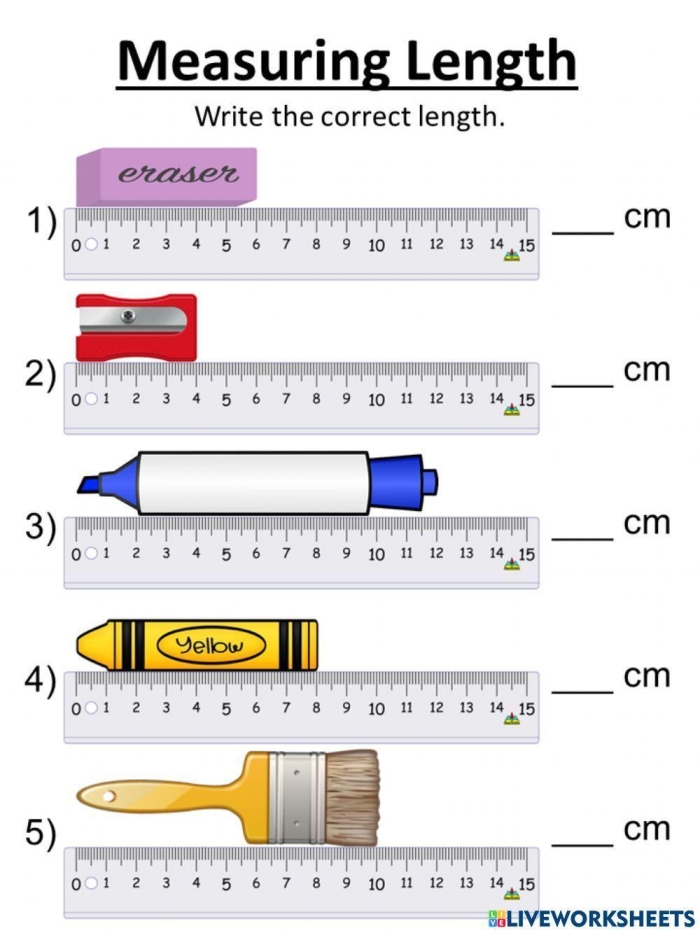
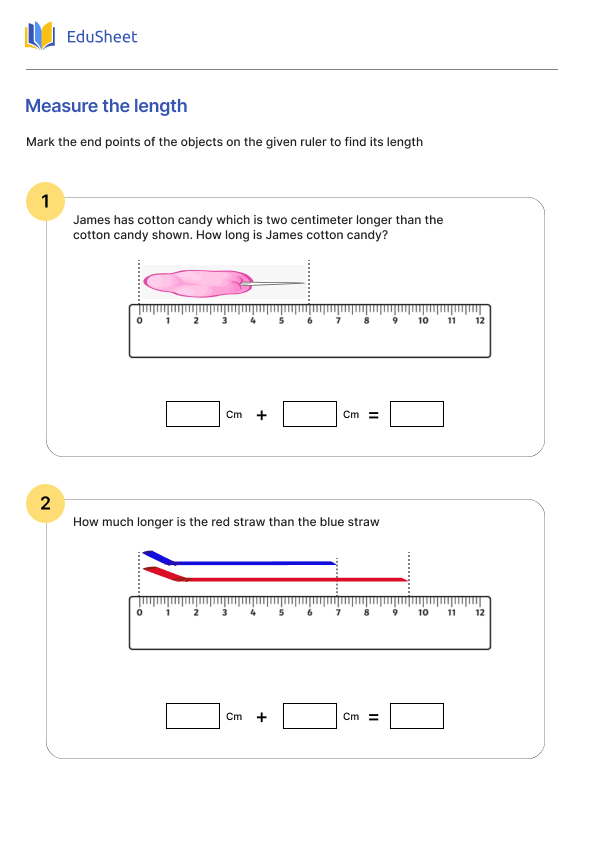
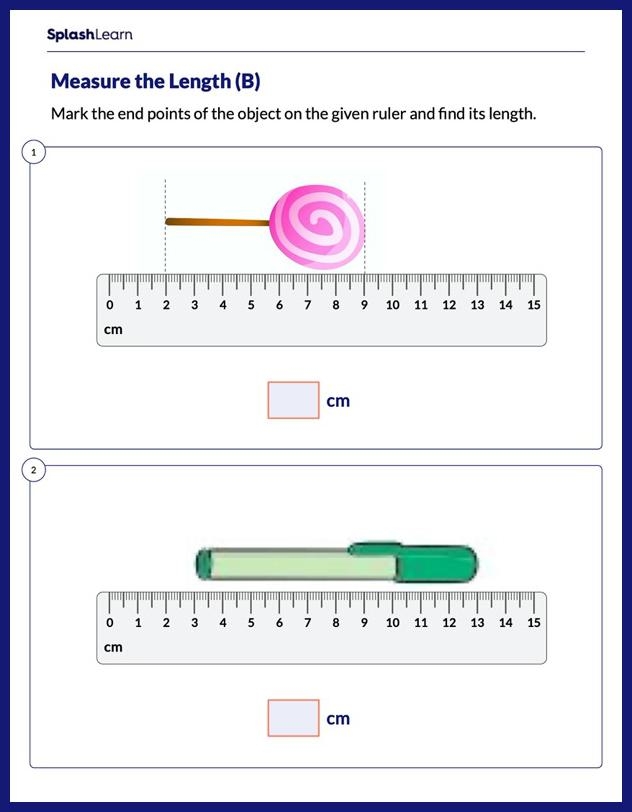
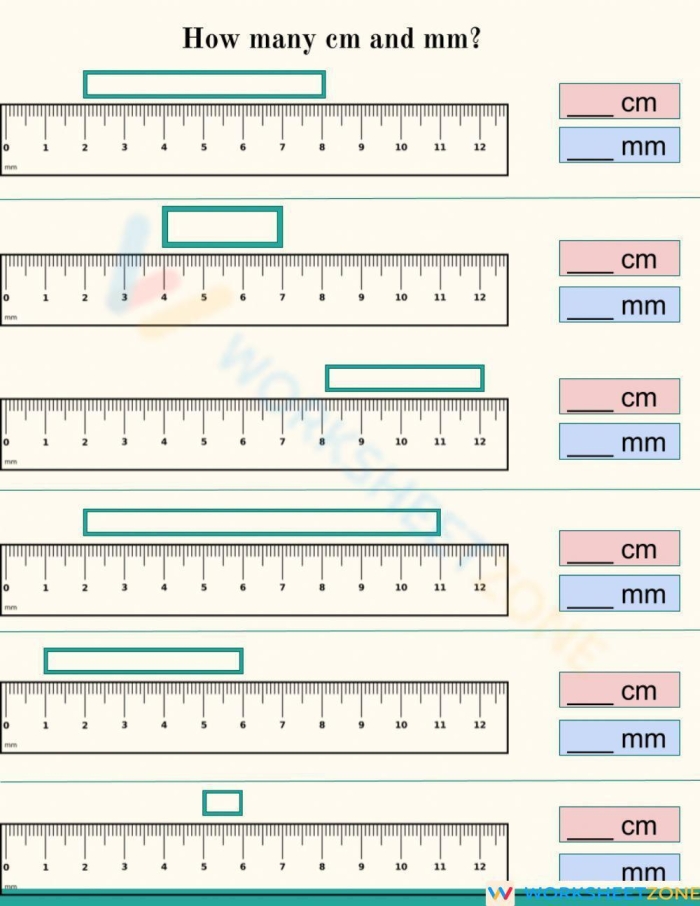
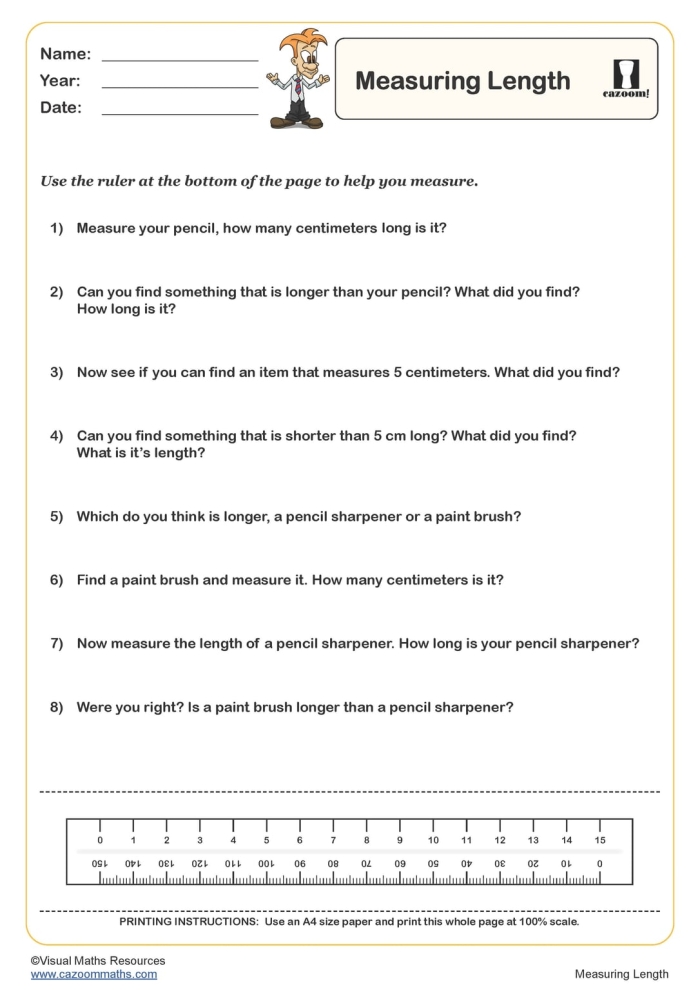
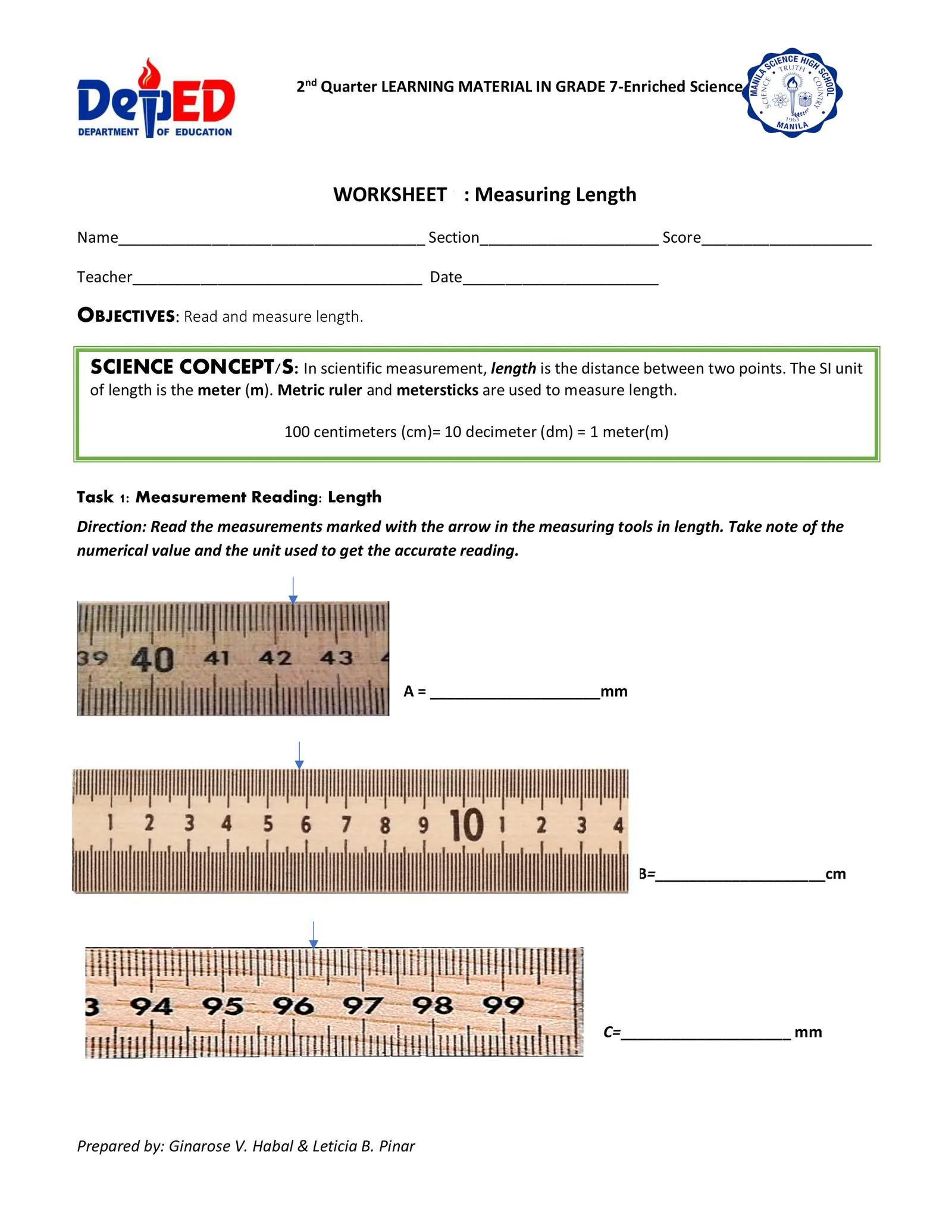
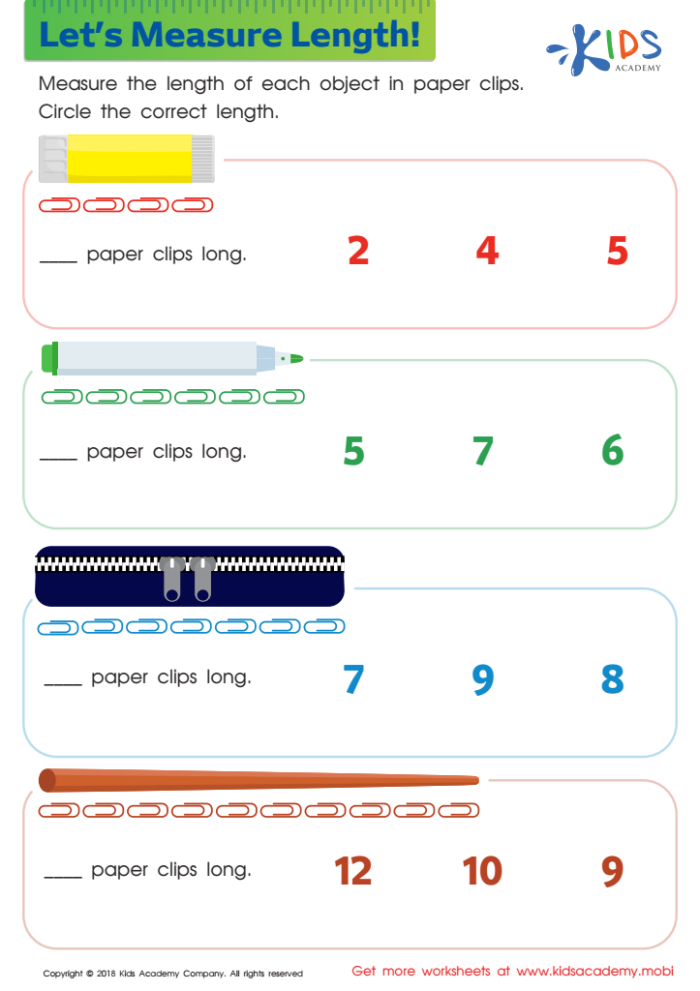
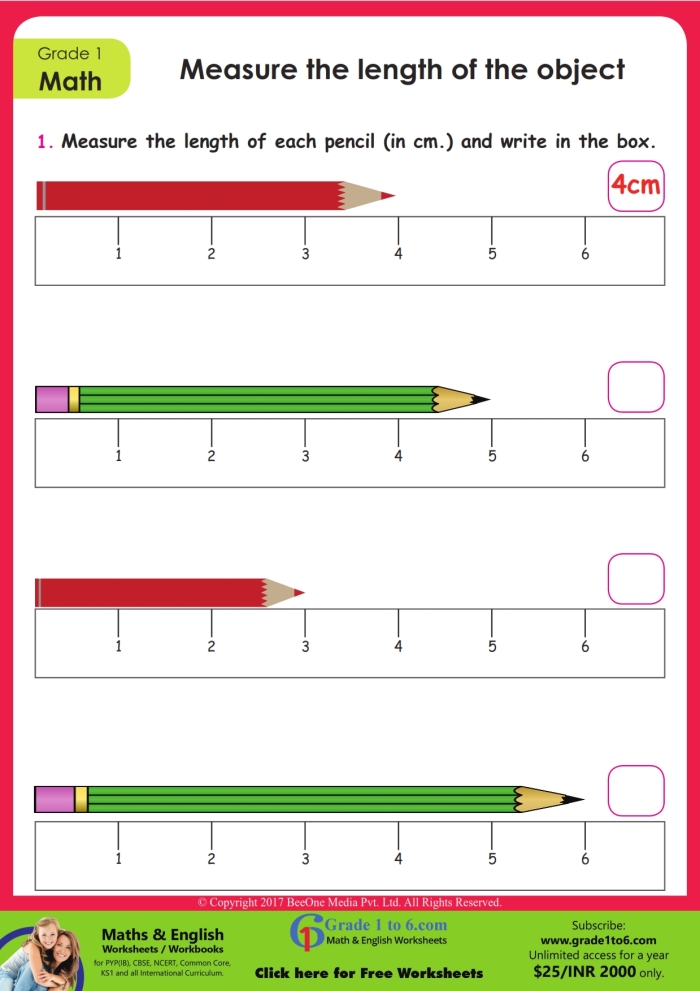
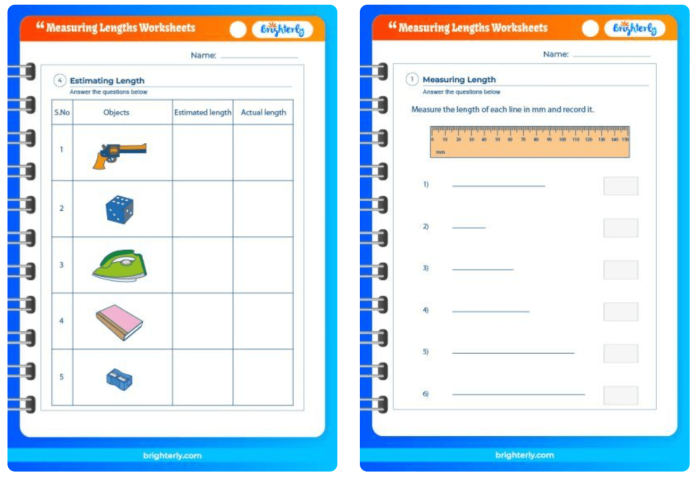
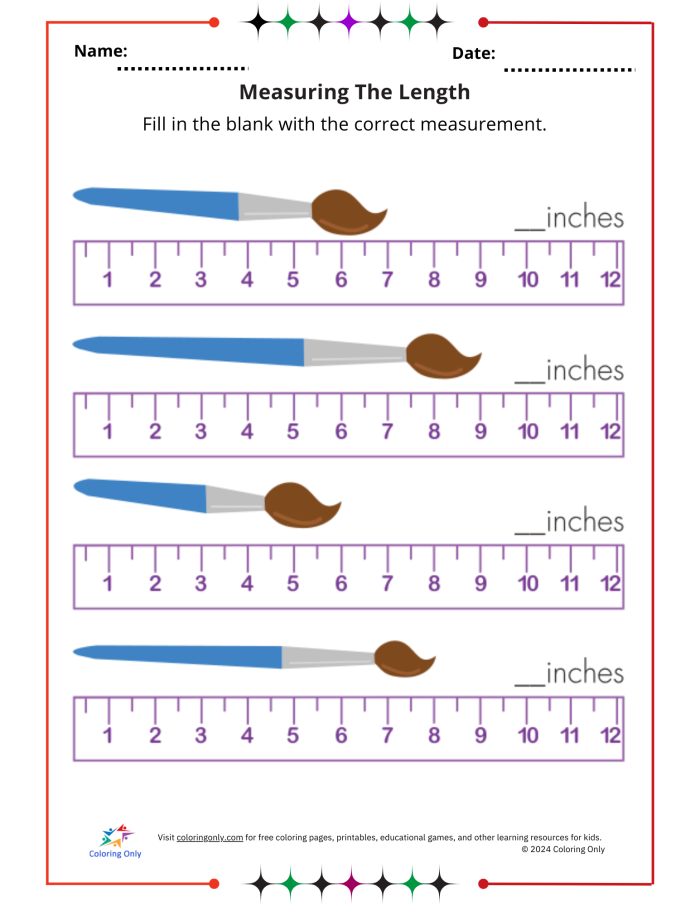
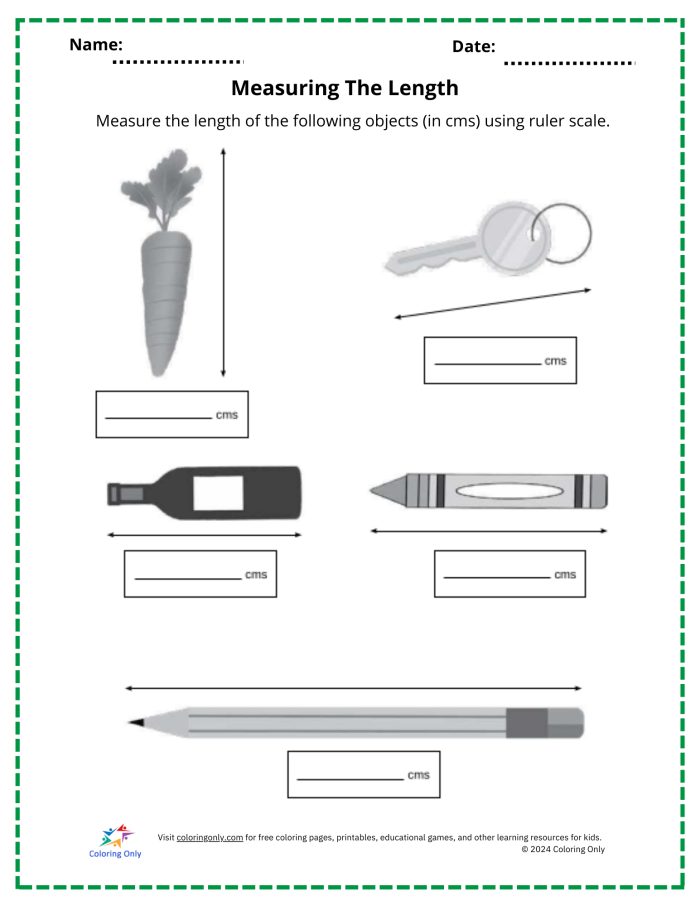
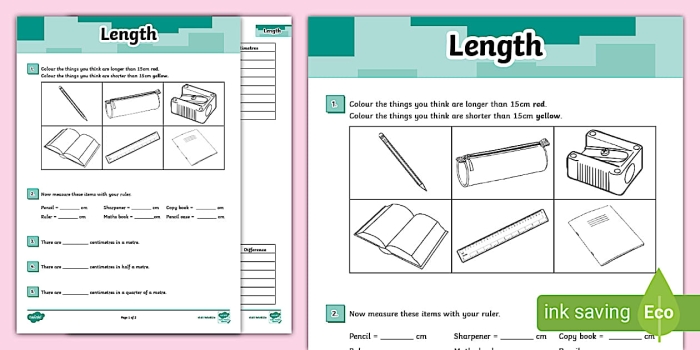
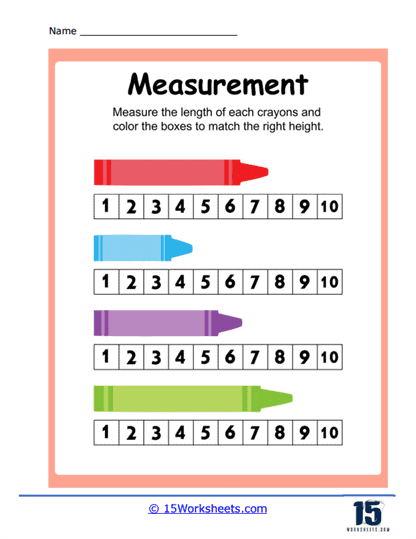
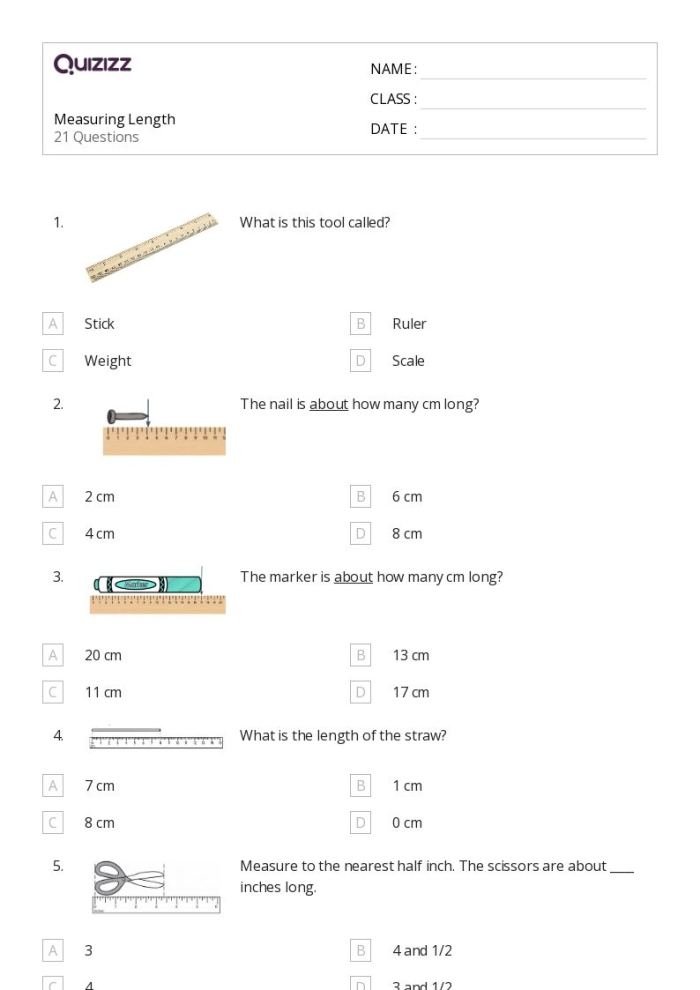
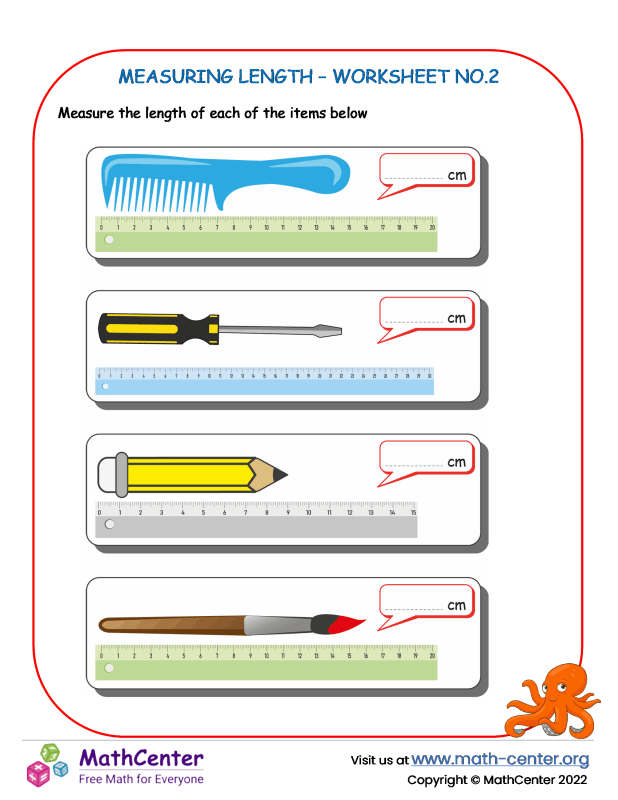
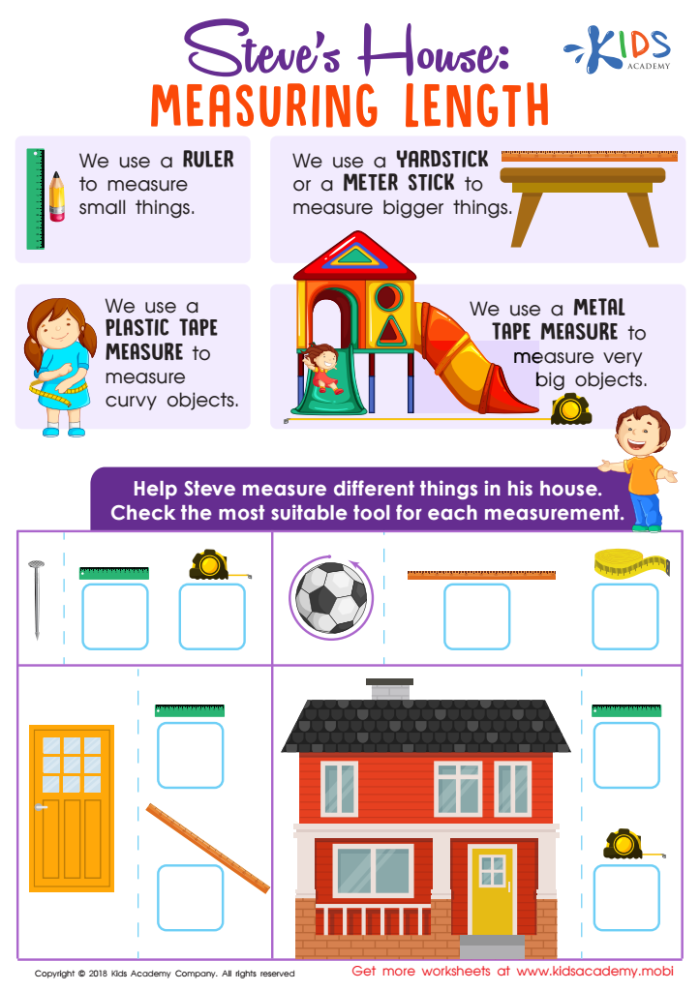
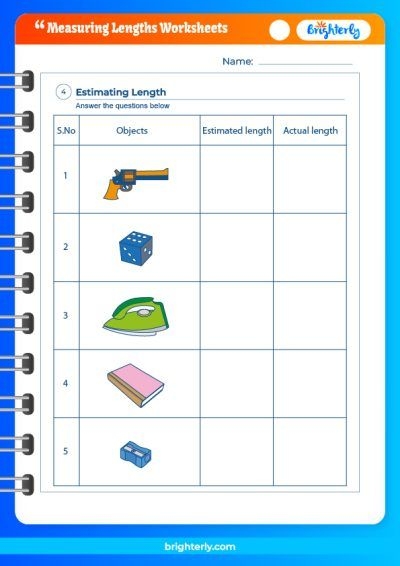
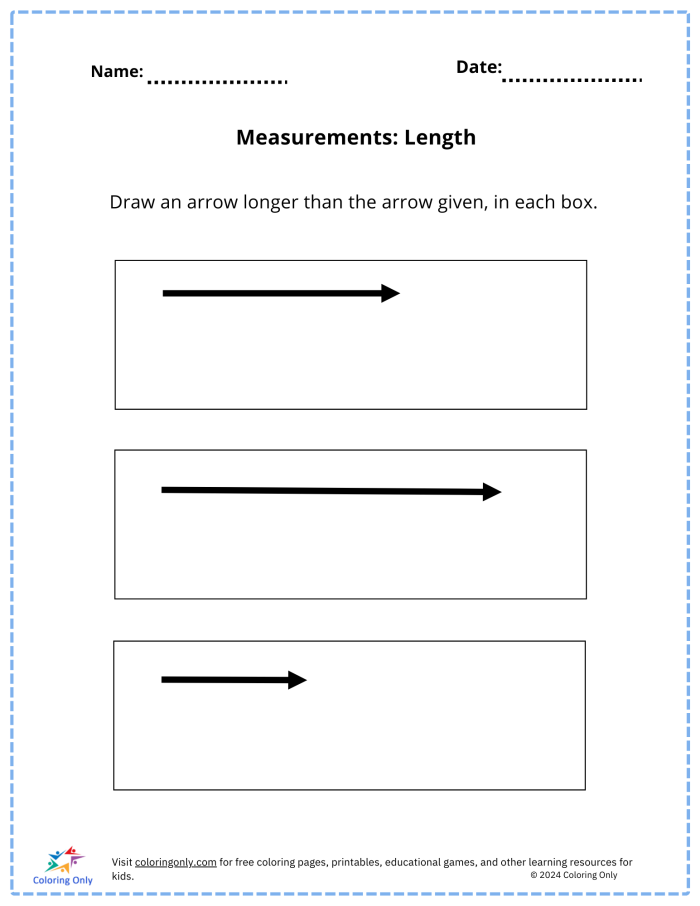
Helping a first grader get comfortable with measuring length can be both fun and educational, especially when you use everyday items found around the house. Printable measure the length worksheets designed for young learners often include activities where children measure the size of common objects, such as pencils, spoons, or books. This hands-on approach makes the concept of length more concrete and easier to grasp.
When your child measures a household object, they’re not just practicing how to use a ruler or measuring tape—they’re also developing important observational skills and learning to compare sizes. For example, by measuring a toy car and then a shoe, your child can start to understand which objects are longer or shorter. This comparison is a key part of early life science education, where understanding the physical attributes of objects helps build foundational knowledge.
Printable measure the length worksheets often provide clear instructions and simple illustrations that guide first graders through the process. These worksheets typically ask kids to measure objects using standard units like inches or centimeters, which helps them become familiar with these units early on. Practical activities like these align well with the first-grade curriculum, supporting both math and science learning objectives.
Using household items as measuring subjects also encourages curiosity and exploration beyond the worksheet. After completing the assigned tasks, children might enjoy measuring other objects around the home, reinforcing their skills in a natural way. Additionally, worksheets that focus on measurement can connect with other topics in life science, such as understanding animal sizes or plant growth, which you can explore through resources like animal body coverings or Tasmanian devil life science worksheets.
For parents and educators looking to support early measurement skills, incorporating printable worksheets that involve measuring real objects makes the learning experience more engaging and meaningful. This method encourages accuracy, attention to detail, and hands-on learning—all essential skills for young students beginning their journey in both math and life science.
Try These Printable Worksheets