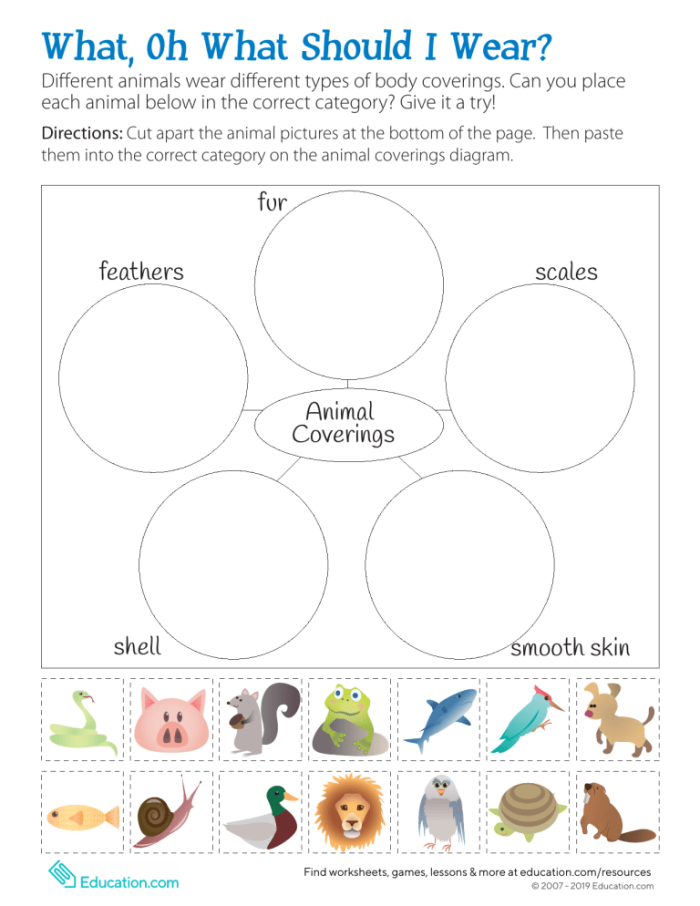
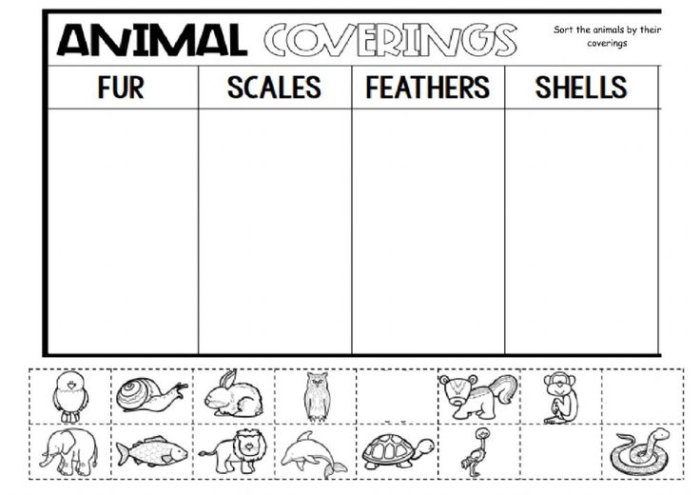
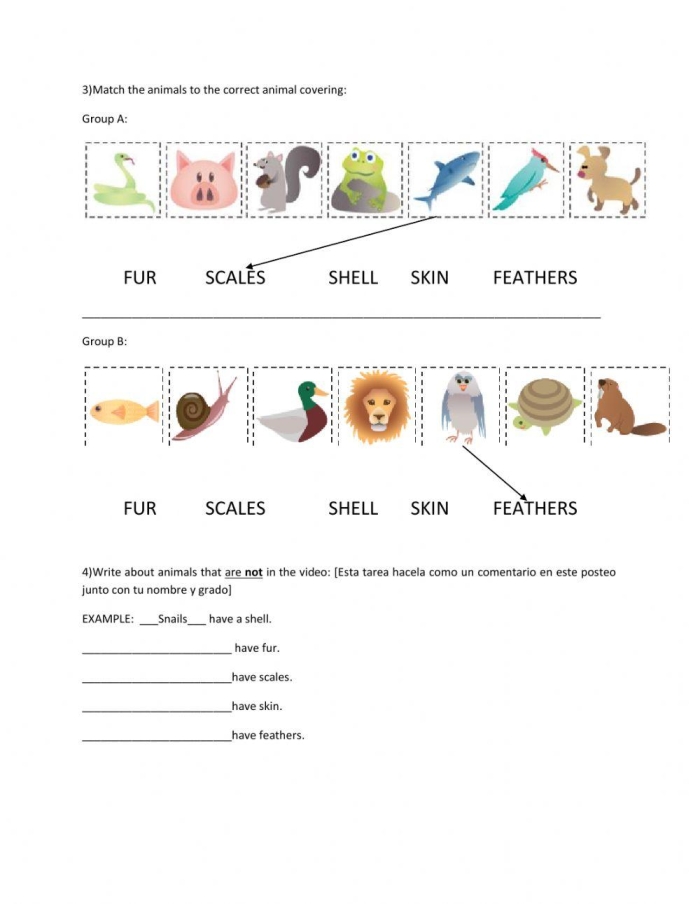
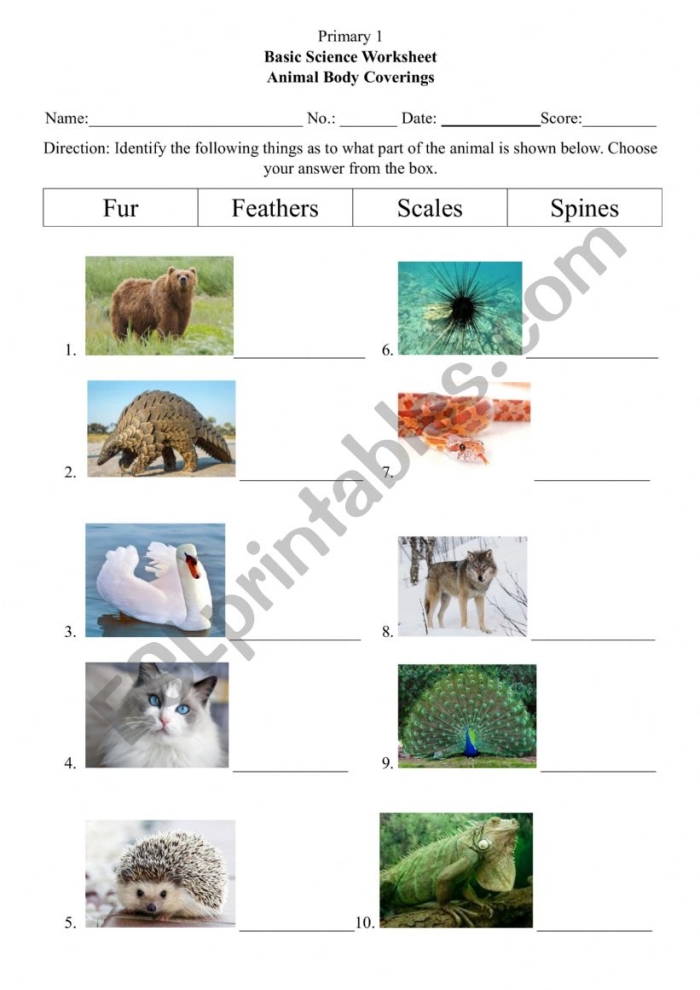
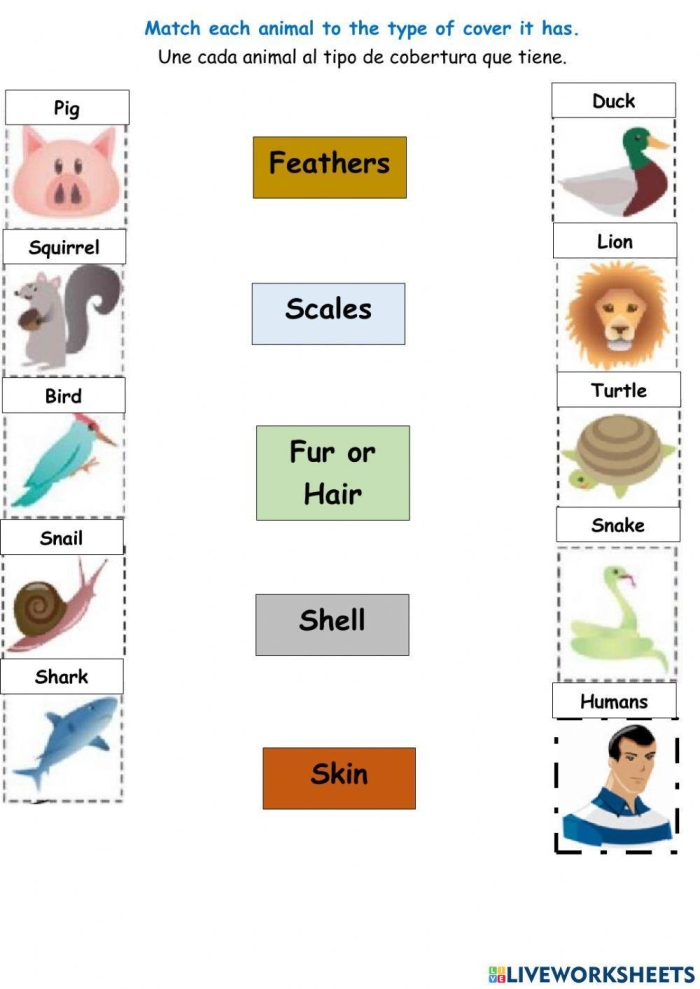
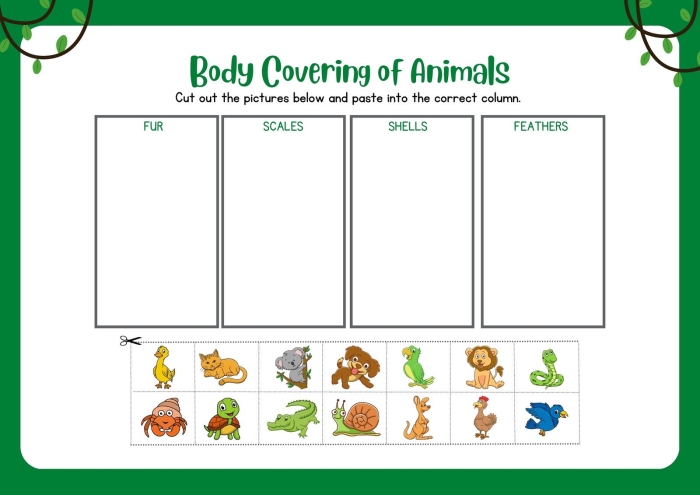
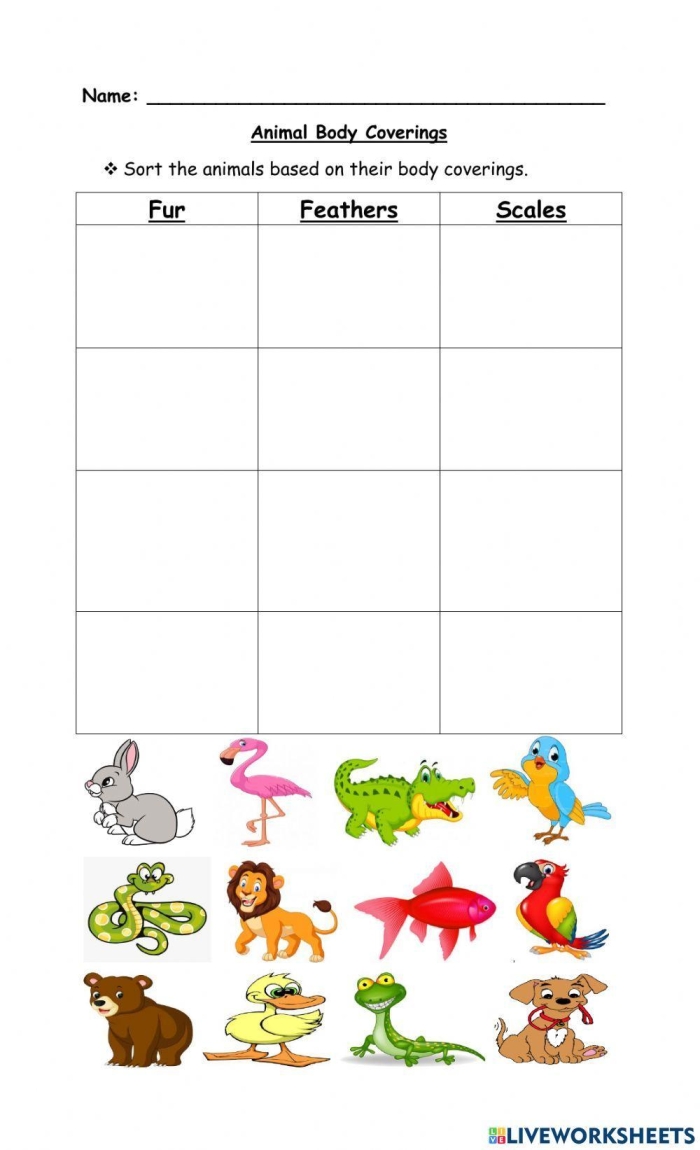
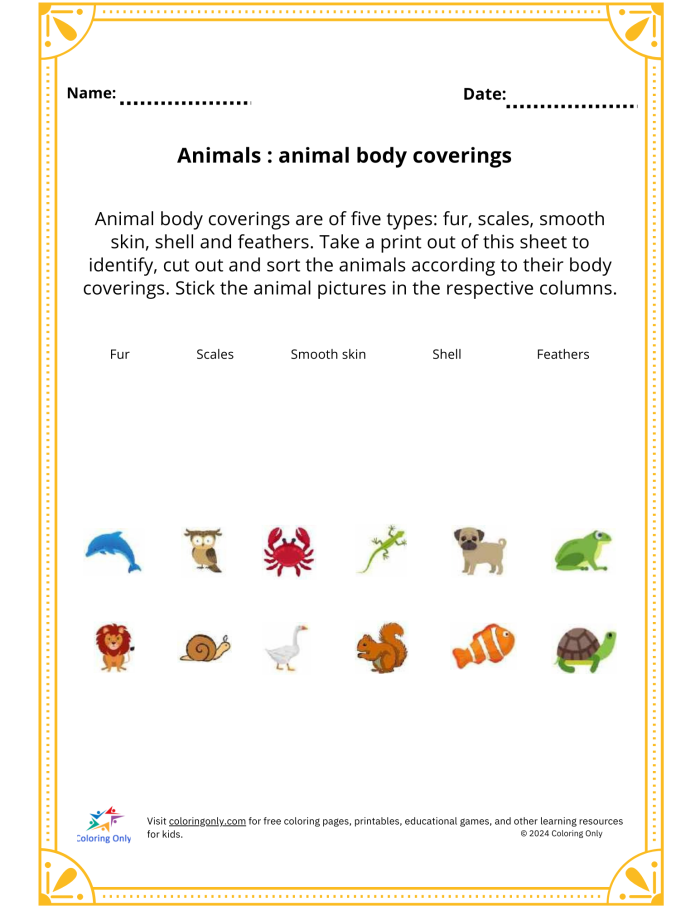
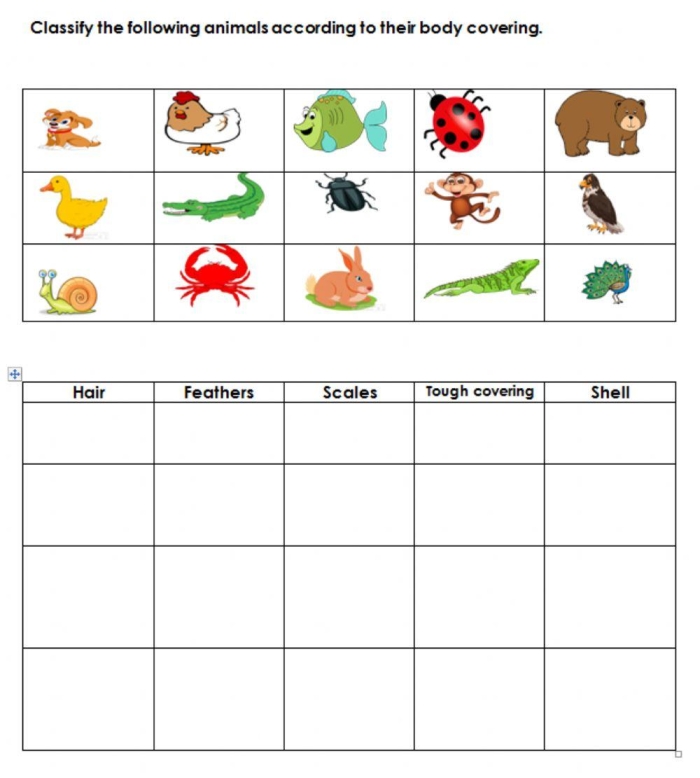
Animals come in all shapes and sizes, and one of the most fascinating aspects of their diversity is the way they are covered. Understanding the different types of animal body coverings not only helps kids learn about biology but also encourages them to explore the natural world around them. From fur to scales, each type of covering serves a specific purpose and makes the animal suited to its environment.
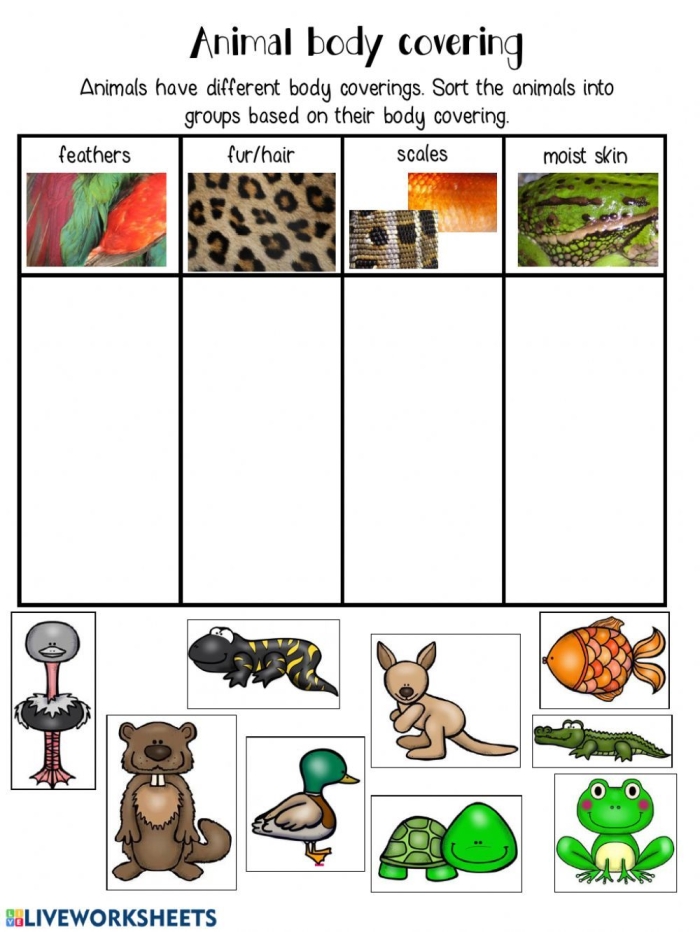
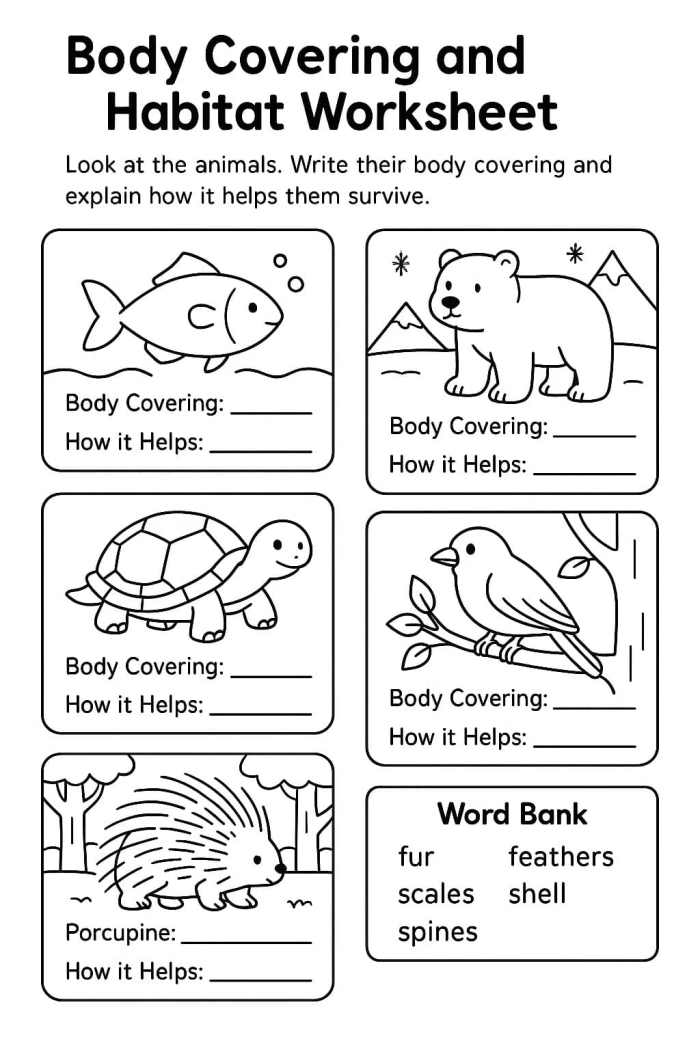
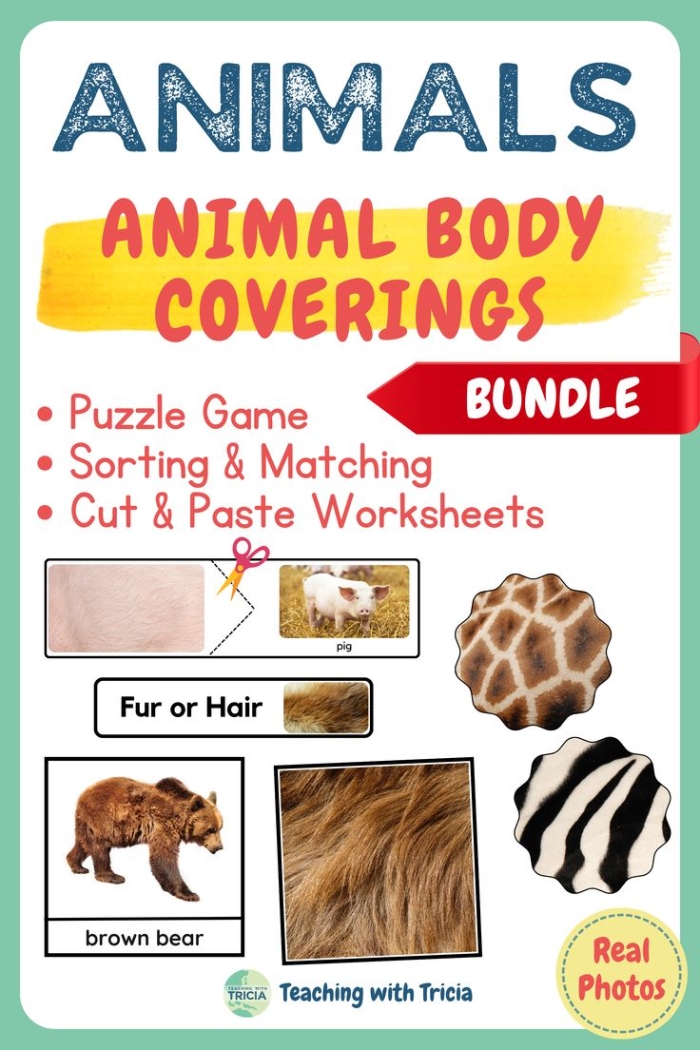
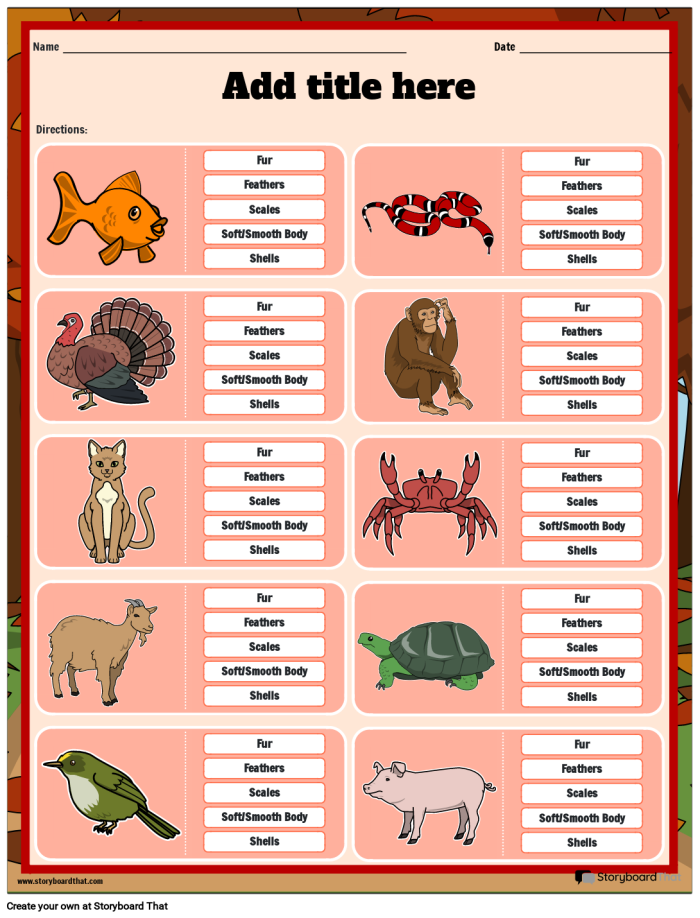
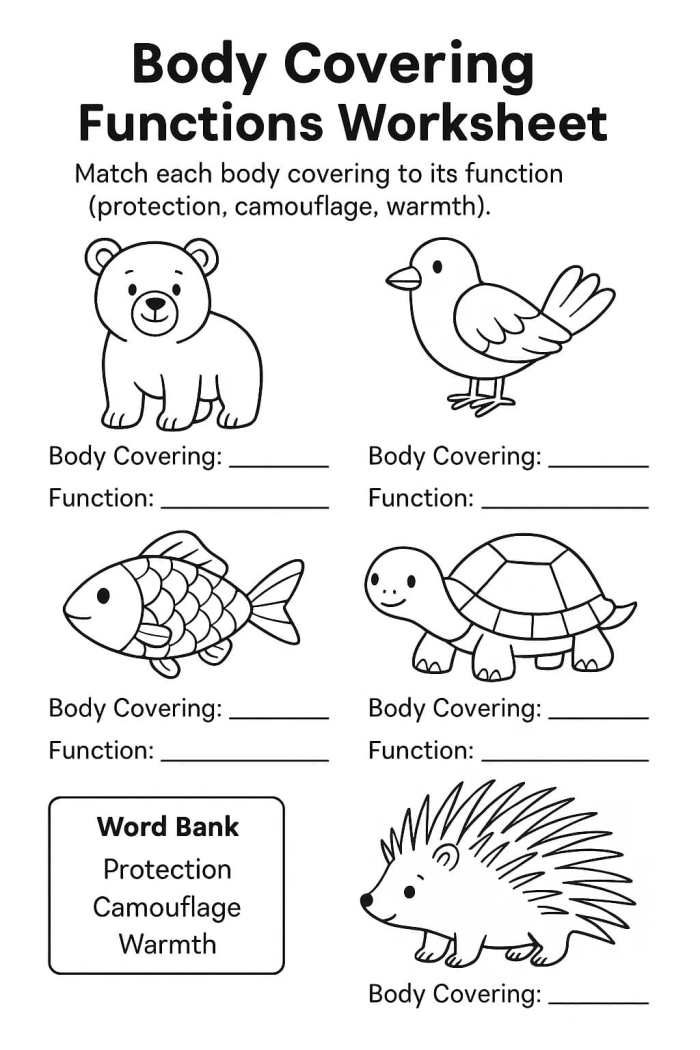
The first type of body covering is fur, which is commonly found on mammals. Fur provides warmth and protection against the elements. For example, the thick fur of a polar bear keeps it warm in icy habitats. Kids can easily recognize furry animals like dogs, cats, and bears, making them great examples for sorting activities.
Next, we have feathers, which are unique to birds. Feathers serve multiple functions, including insulation, waterproofing, and enabling flight. The bright feathers of a parrot not only help it camouflage among tropical foliage but also attract mates. Children can learn about different birds and their feathers, such as the vibrant peacock or the sleek penguin.
Scales are another important type of body covering, found on reptiles and fish. Scales protect these animals from predators and help them retain moisture. For instance, the tough scales of a crocodile shield it from attacks while allowing it to glide through water effortlessly. Discussing animals like snakes and lizards can provide engaging sorting opportunities for kids.
Finally, some animals, like amphibians, have moist skin that aids in moisture absorption and respiration. Frogs are perfect examples. Their skin not only helps them breathe but also allows them to absorb water easily, which is crucial for their survival in wet environments.
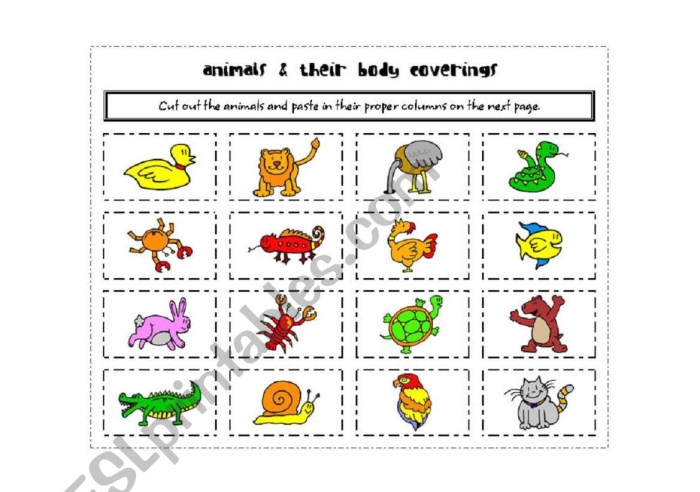
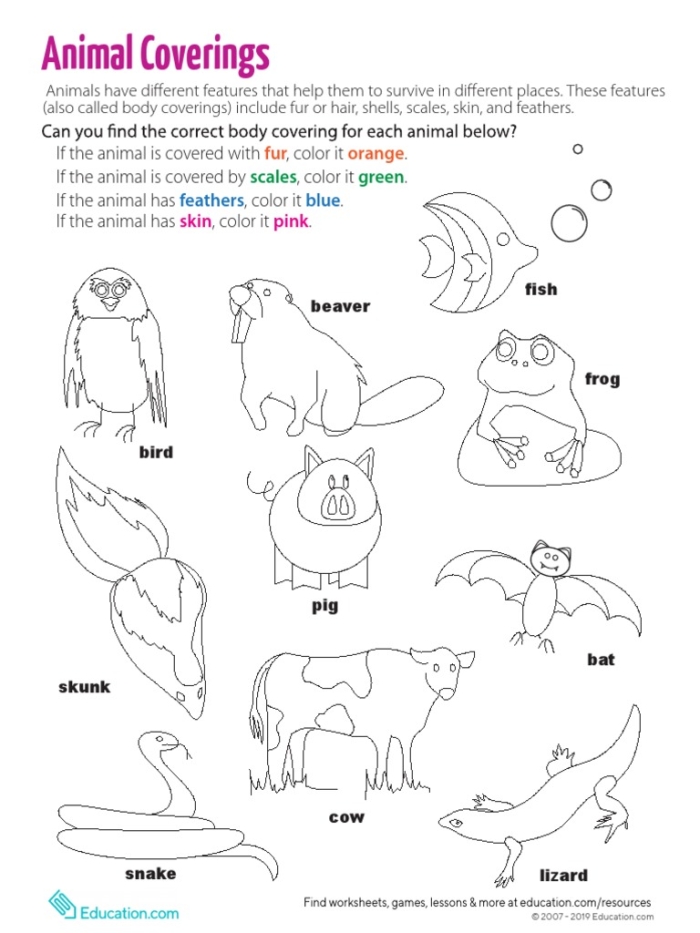
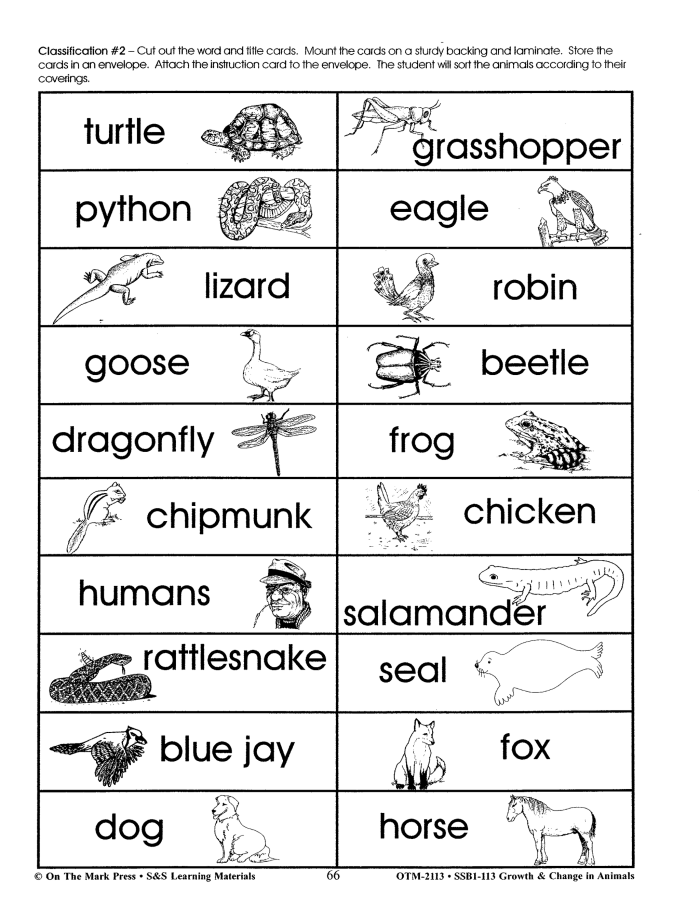
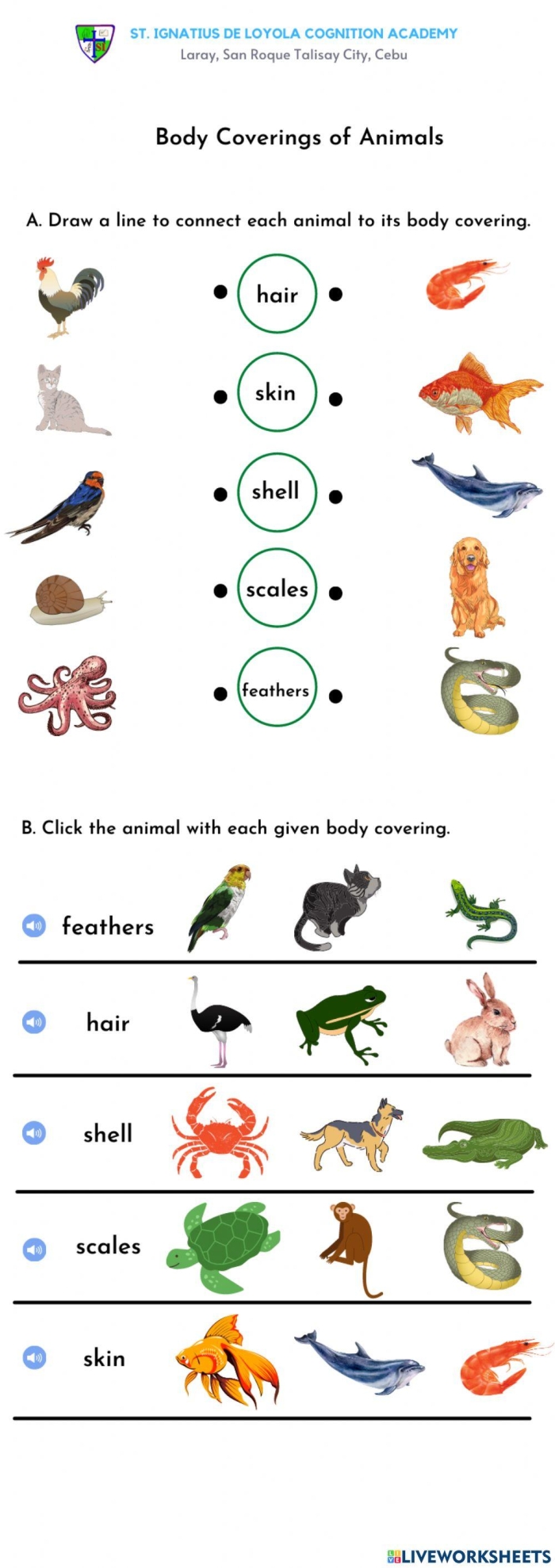
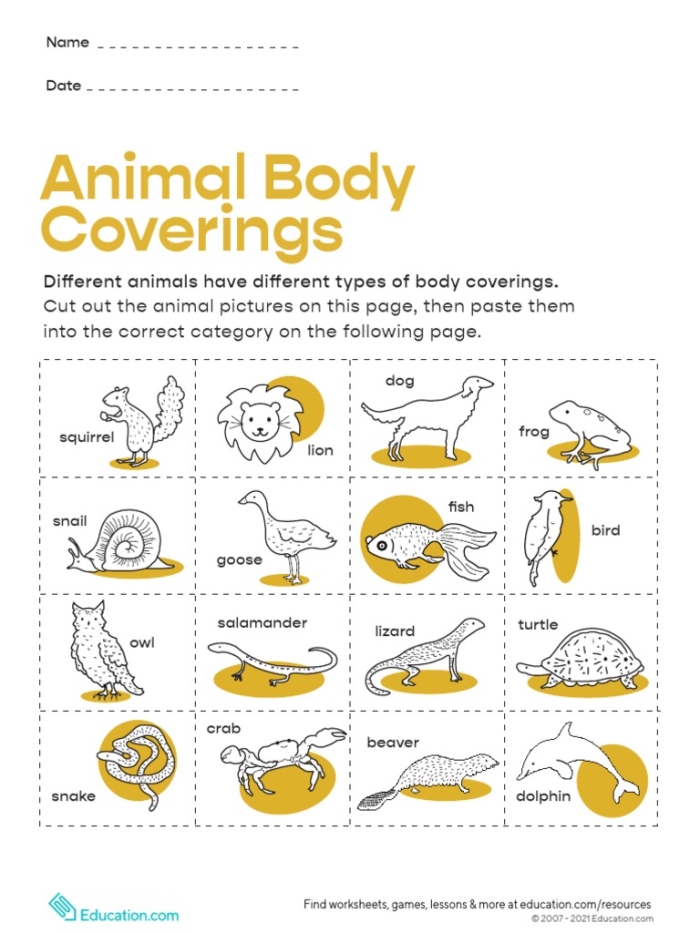
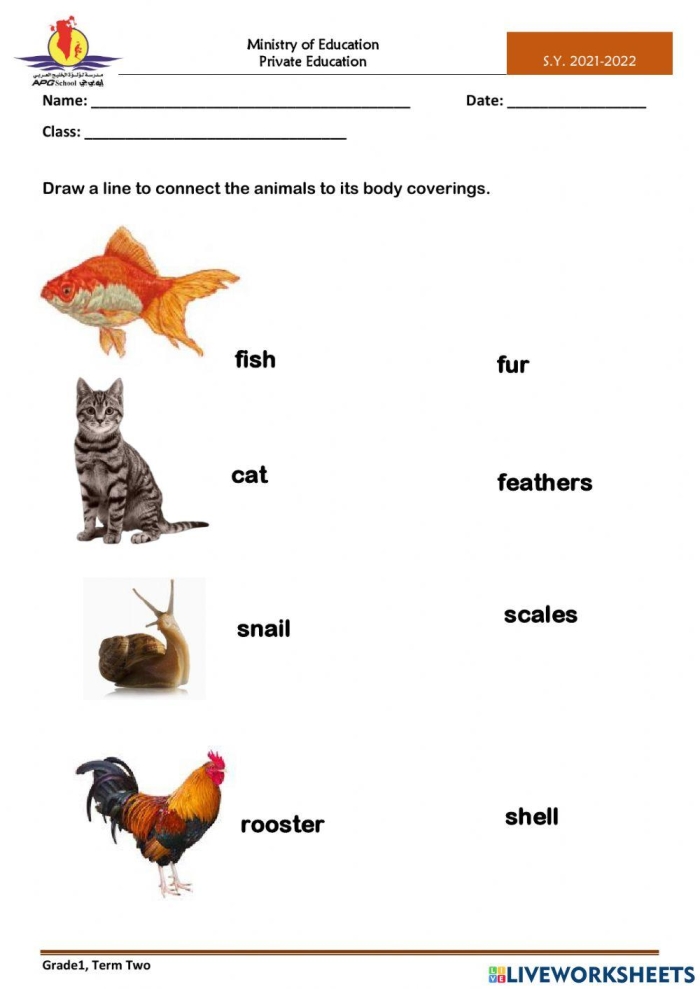
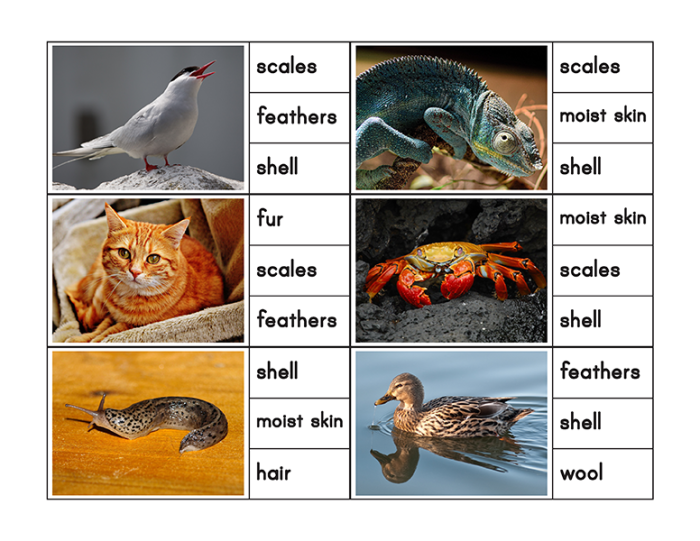
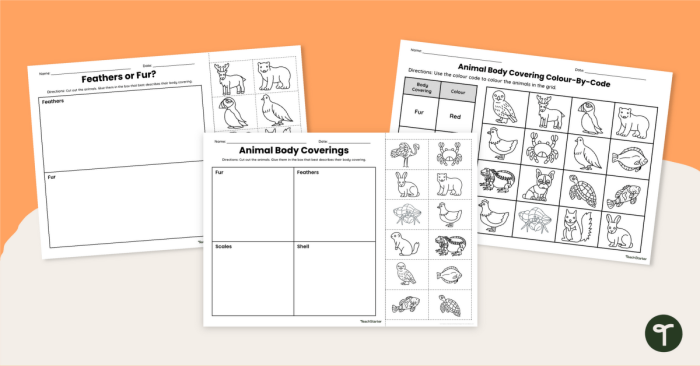
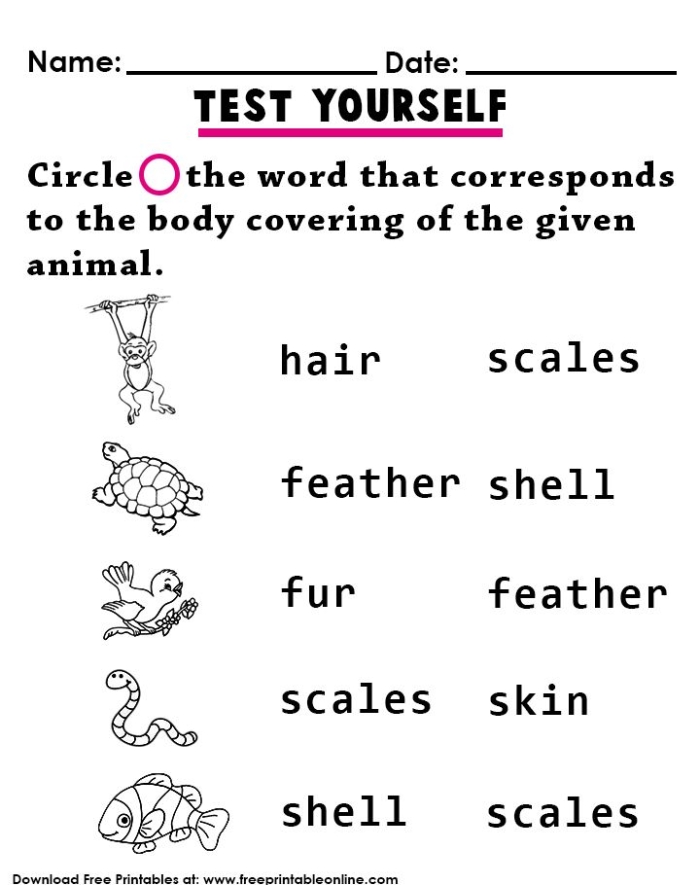
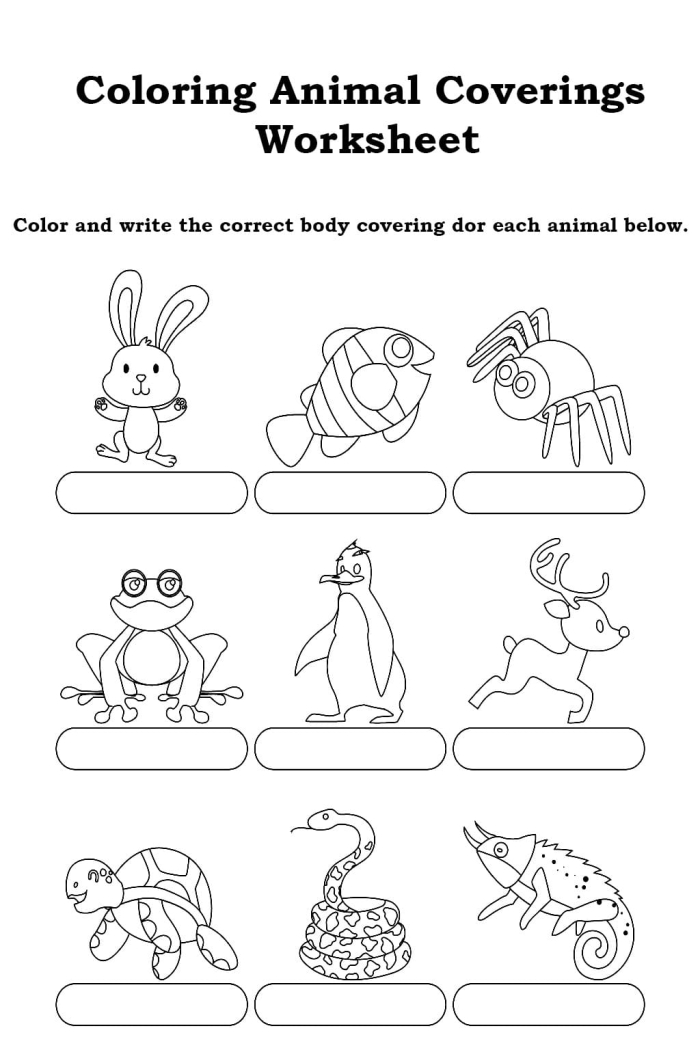
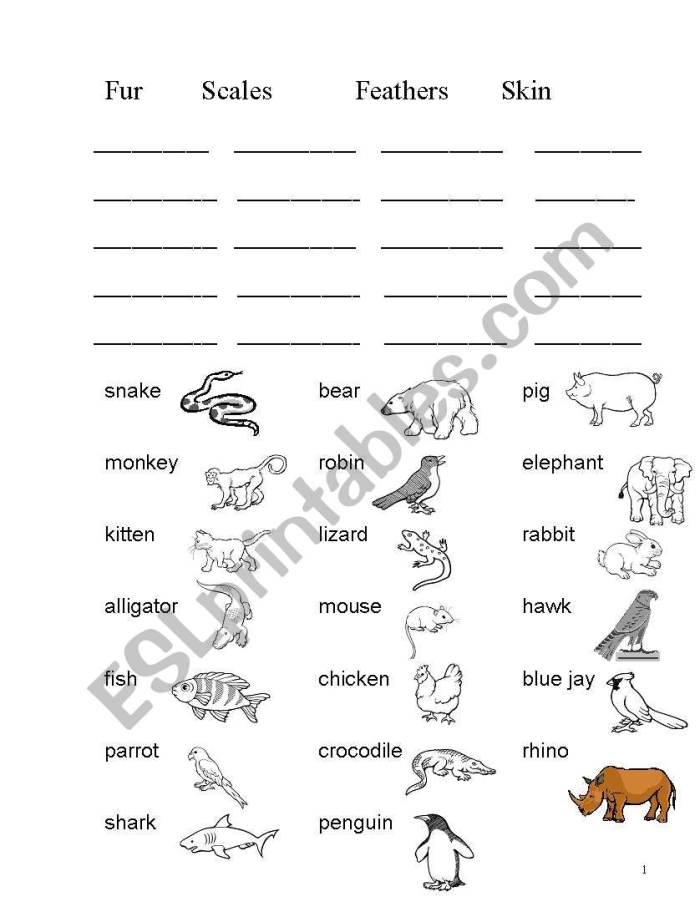
By using printable worksheets or activities, teachers can help first graders categorize animals based on these body coverings. This hands-on learning approach deepens their understanding of life science while making it fun and interactive.
Try These Printable Worksheets