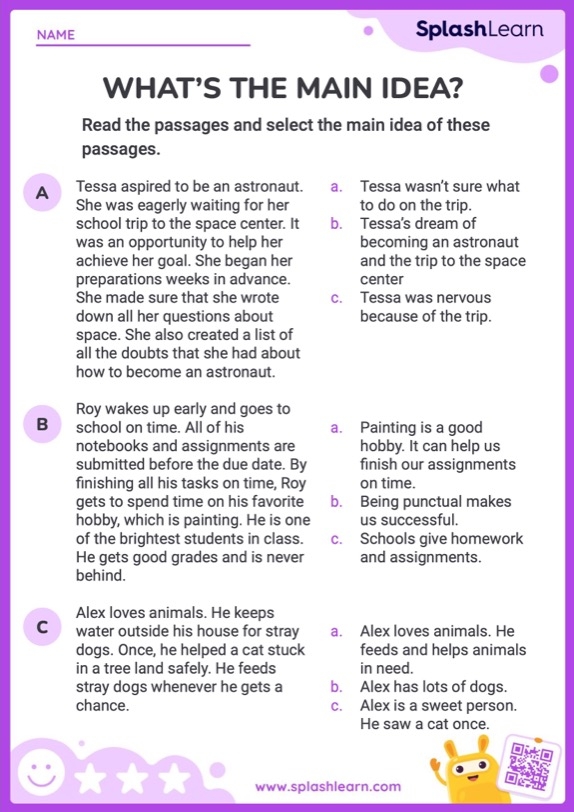
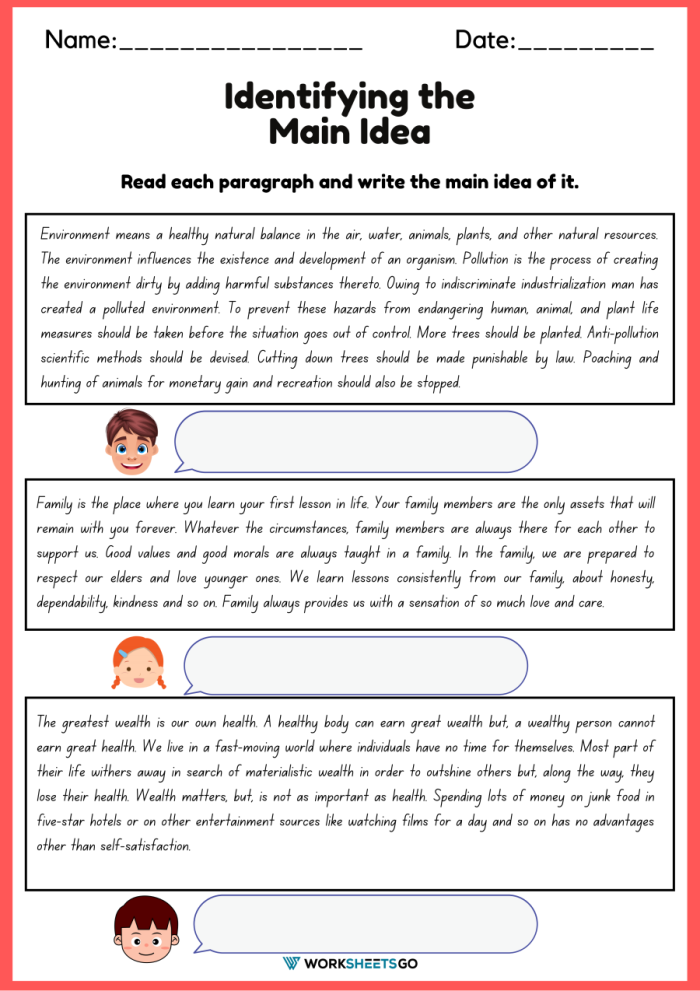
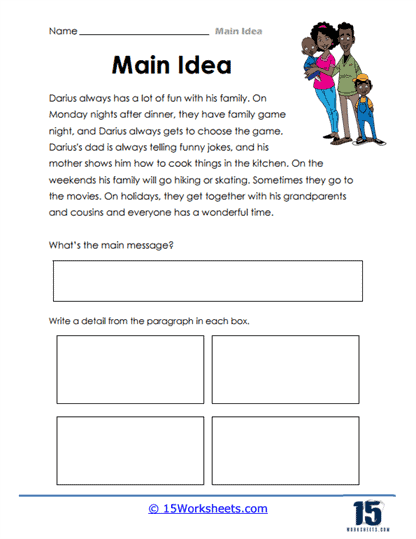
Teaching third graders to spot the main idea in a text is like giving them a pair of glasses to see what really matters. When students learn to separate the central message from the details that support it, they unlock a crucial reading skill that carries them through every subject they’ll encounter.
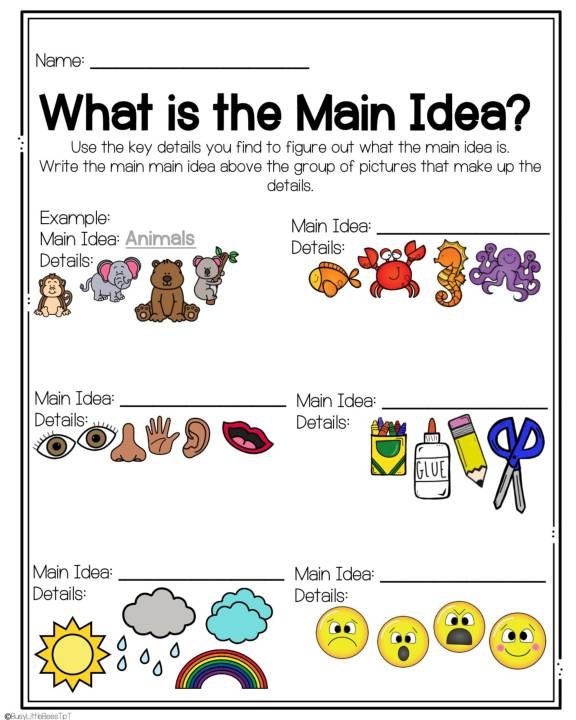
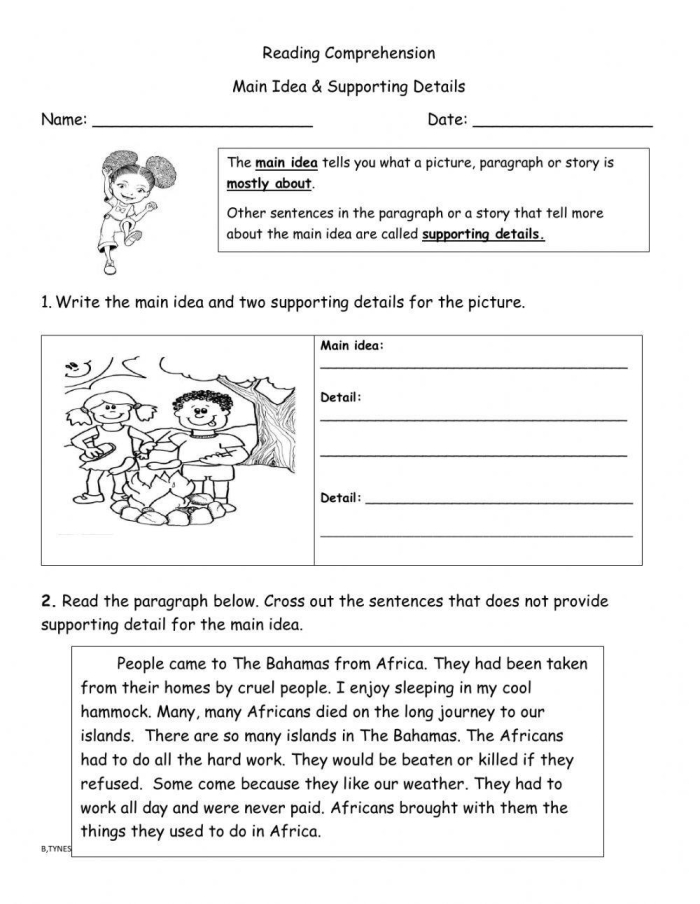
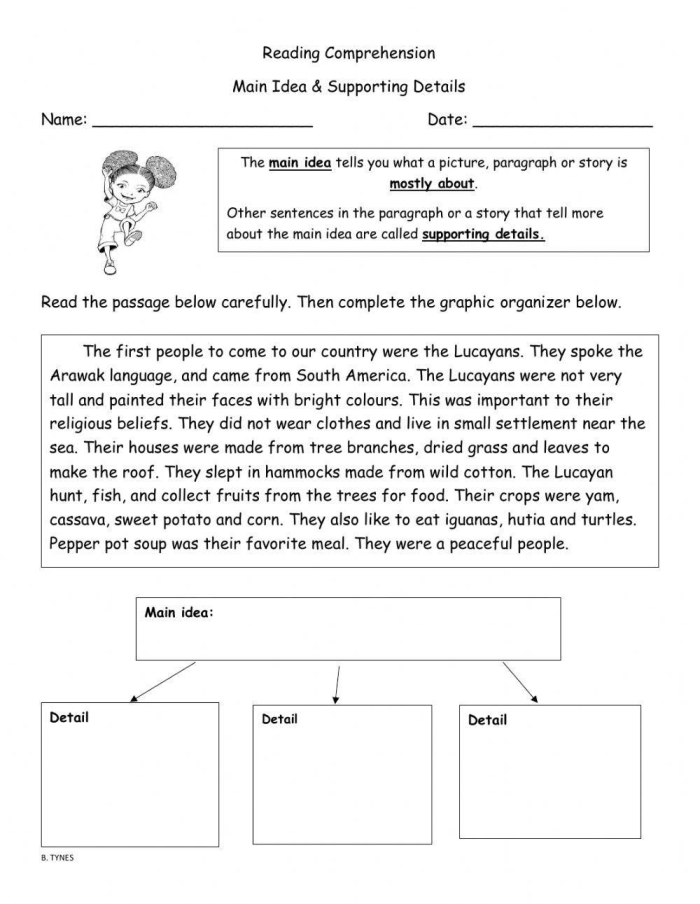
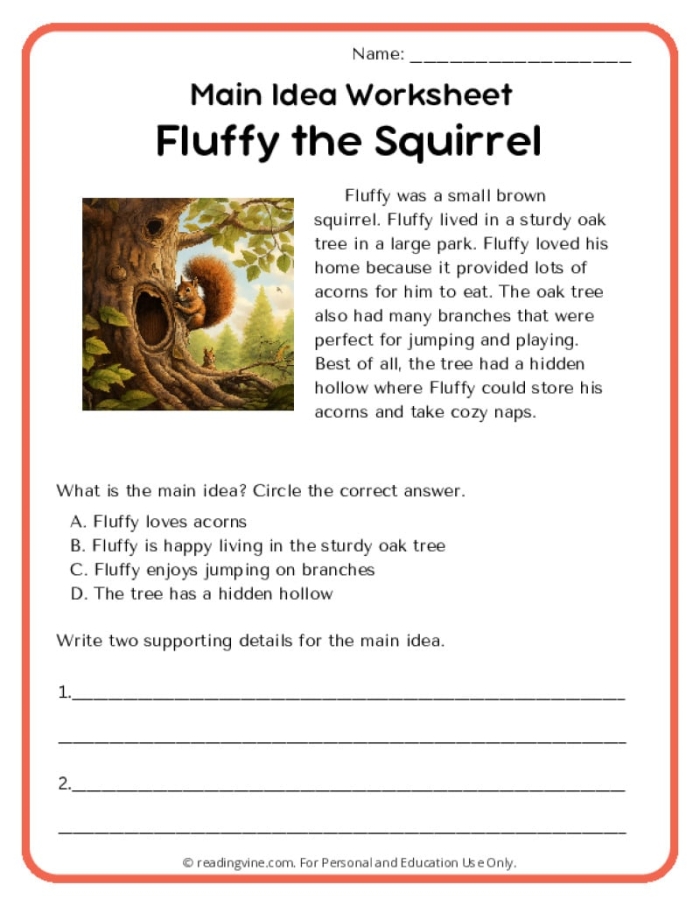
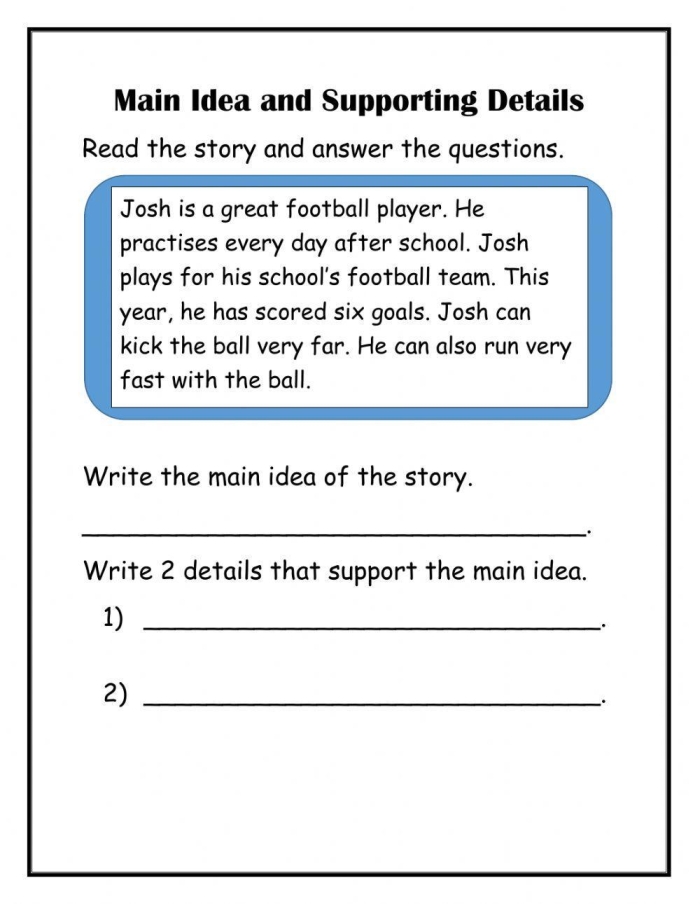
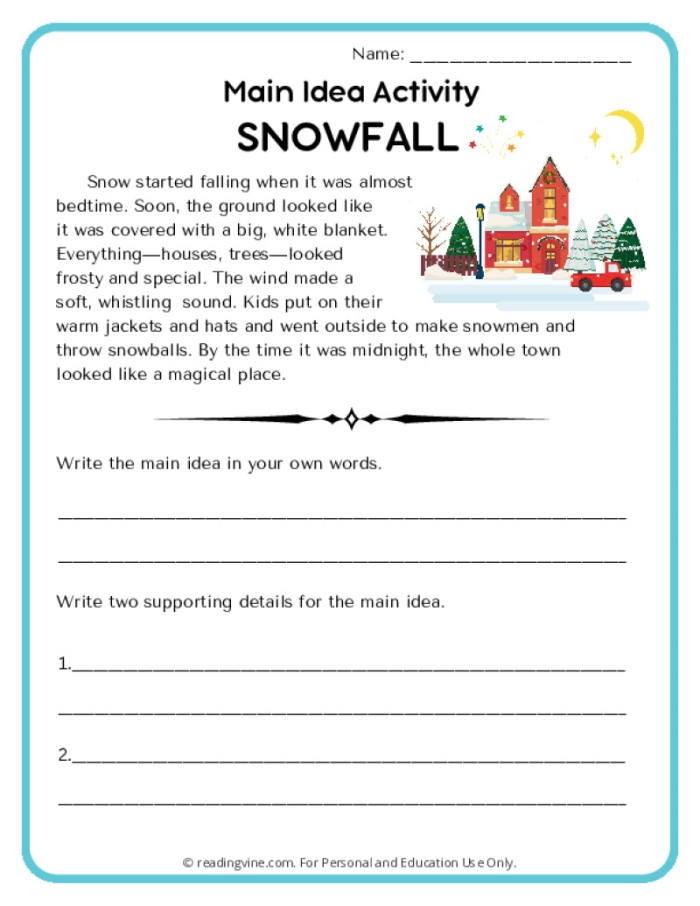
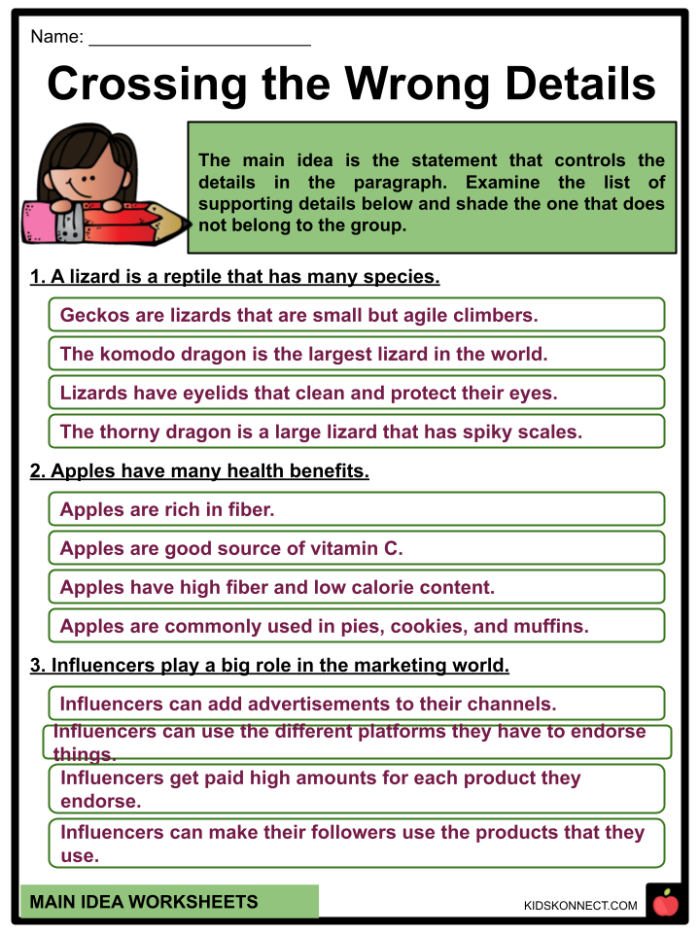
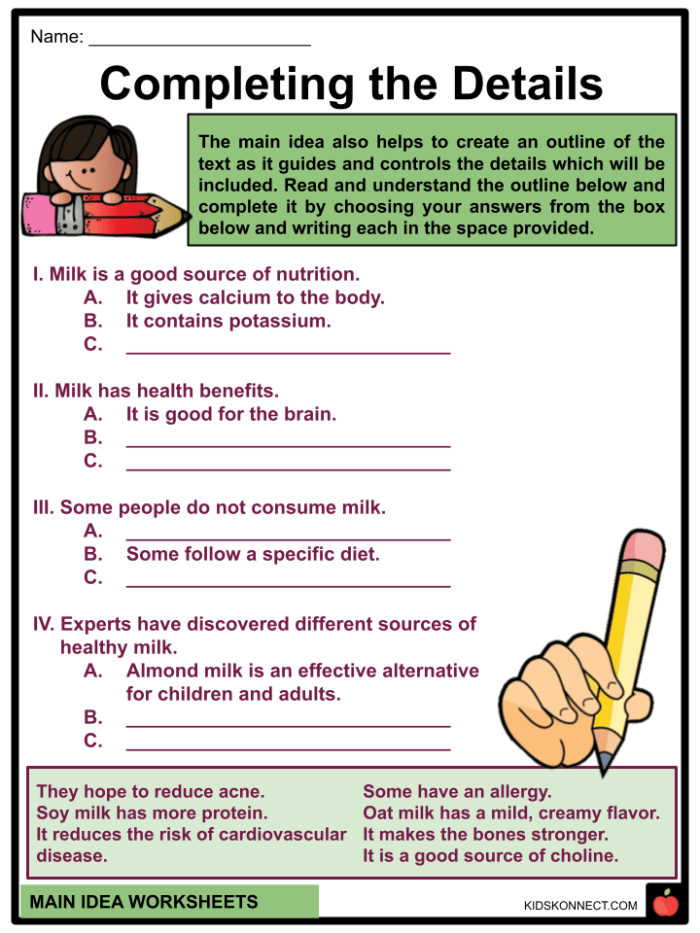
The main idea is the big picture, the reason an author wrote the text in the first place. Supporting details are the specific facts, examples, and descriptions that prove or explain that main idea. Think of it this way: if the main idea is the skeleton, supporting details are the muscles and organs that make the skeleton work. In third grade, students are ready for this kind of analytical thinking, especially when working with nonfiction texts about concrete topics they can visualize.
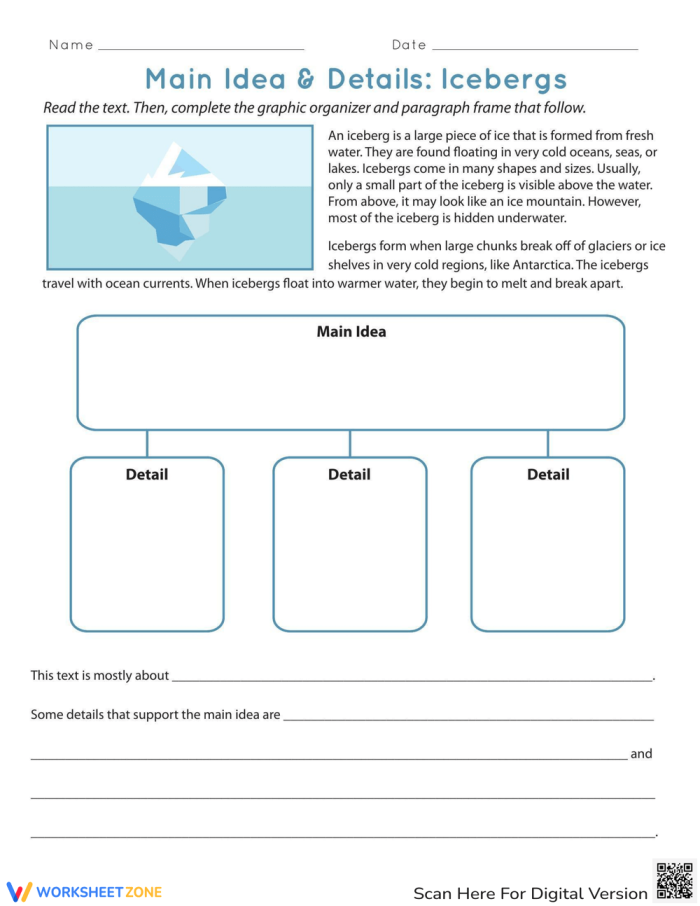
Nonfiction texts work particularly well for this skill because they’re built on facts. A short paragraph about icebergs, for instance, might state that icebergs are dangerous to ships. The supporting details would then explain why: they’re mostly hidden underwater, they float unpredictably, and they’re hard to spot at night. Students begin to see how information connects and how authors construct arguments.
Practicing with worksheets that focus on action verbs and sight words helps students read more smoothly, which makes identifying main ideas easier. When third graders can recognize key verbs and common words quickly, they have mental space left over to focus on comprehension.
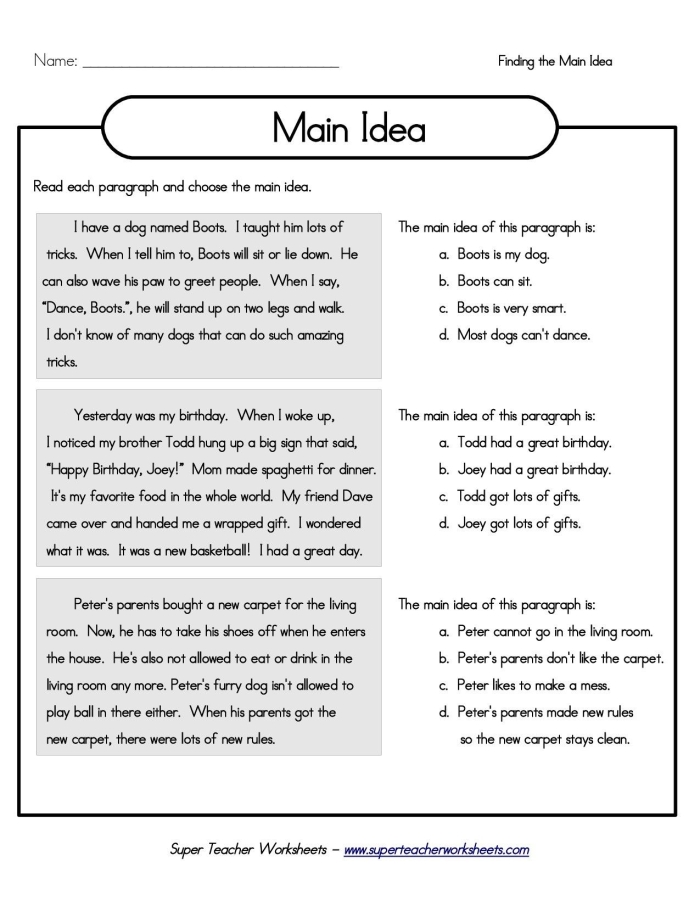
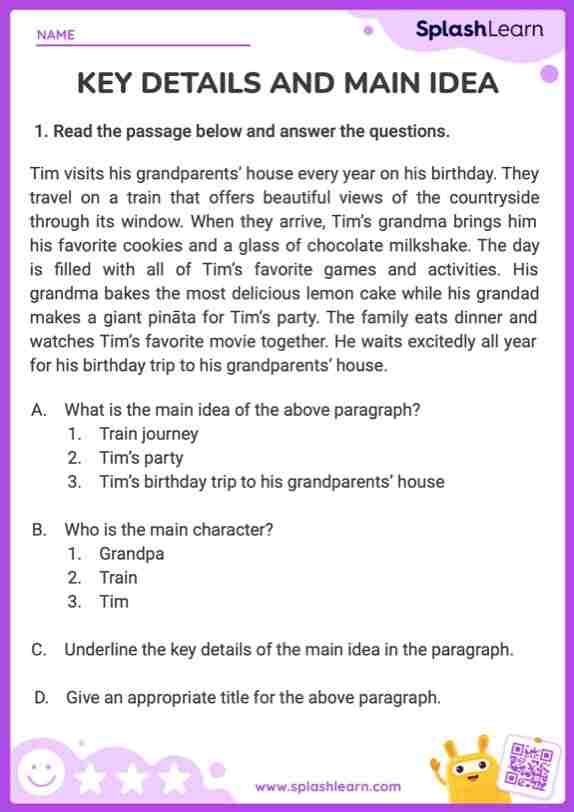
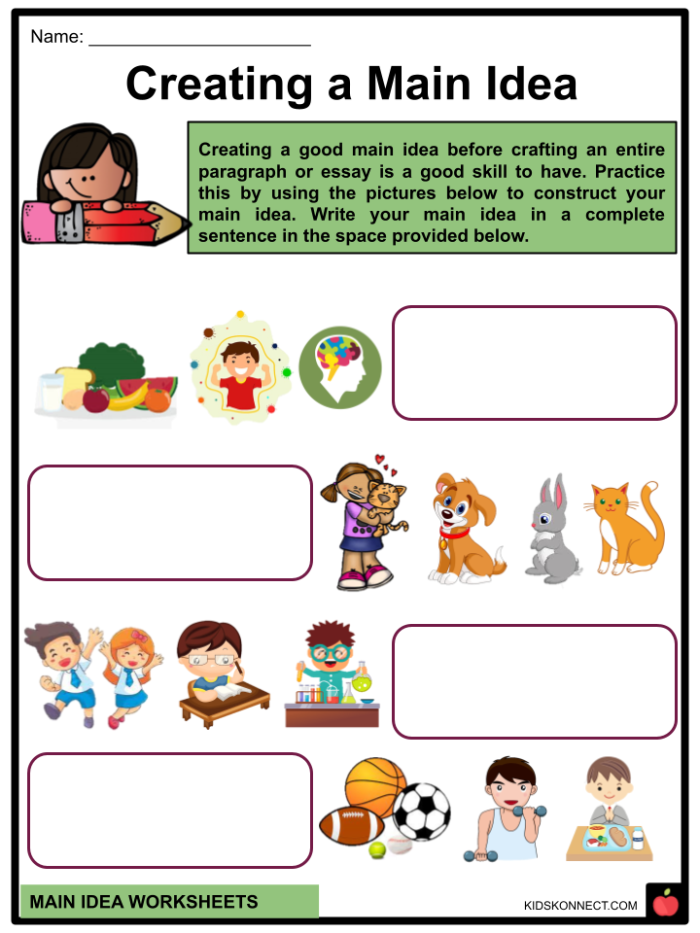
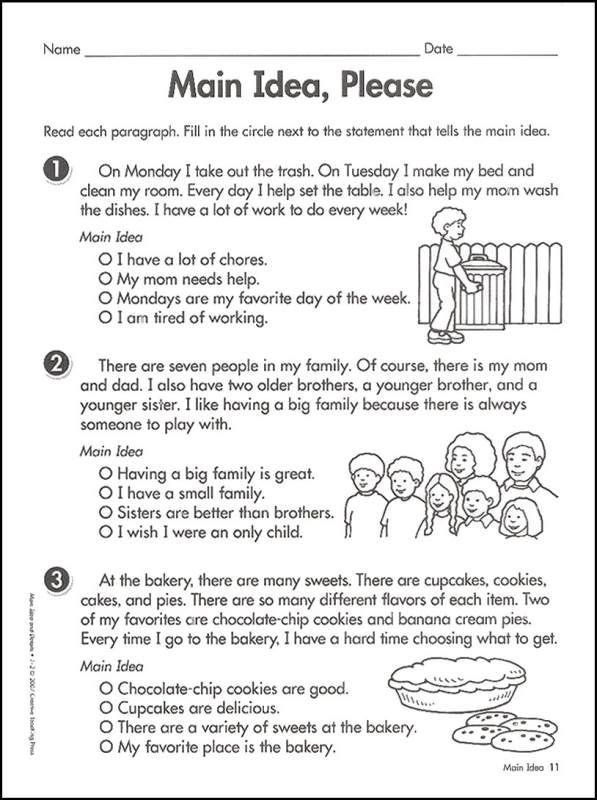
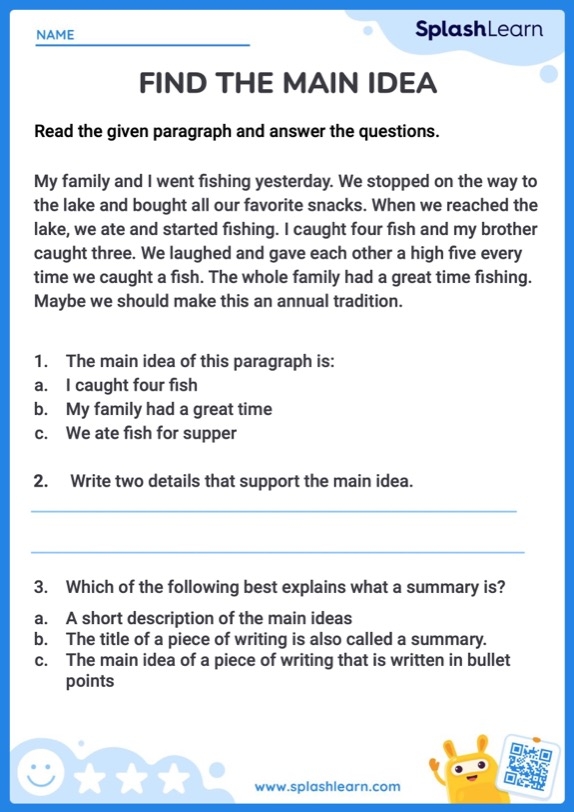
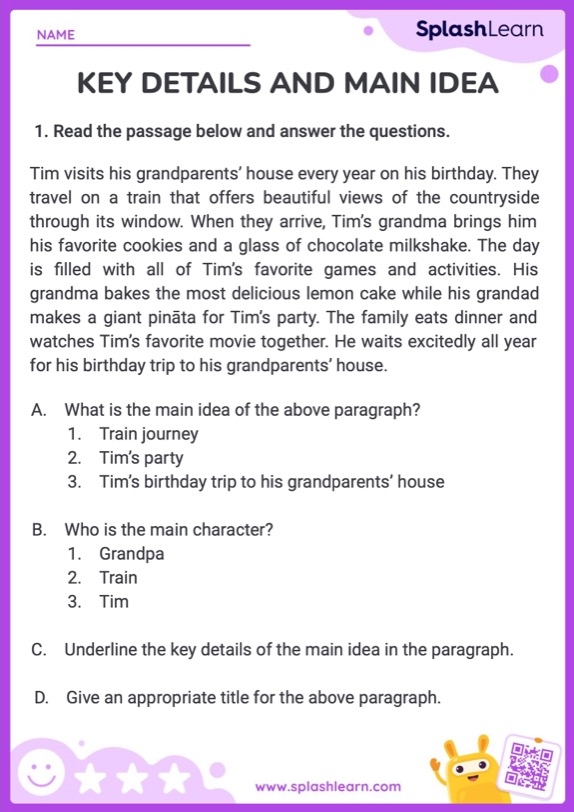
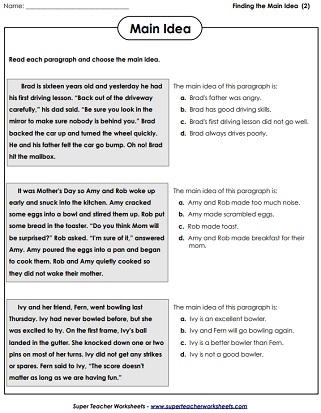
The process works best when students underline or highlight the main idea first, then list the details that support it. This hands-on approach keeps their brains engaged. Over time, this skill becomes automatic, and students stop reading passively and start reading strategically.
Start Practicing with These Worksheets