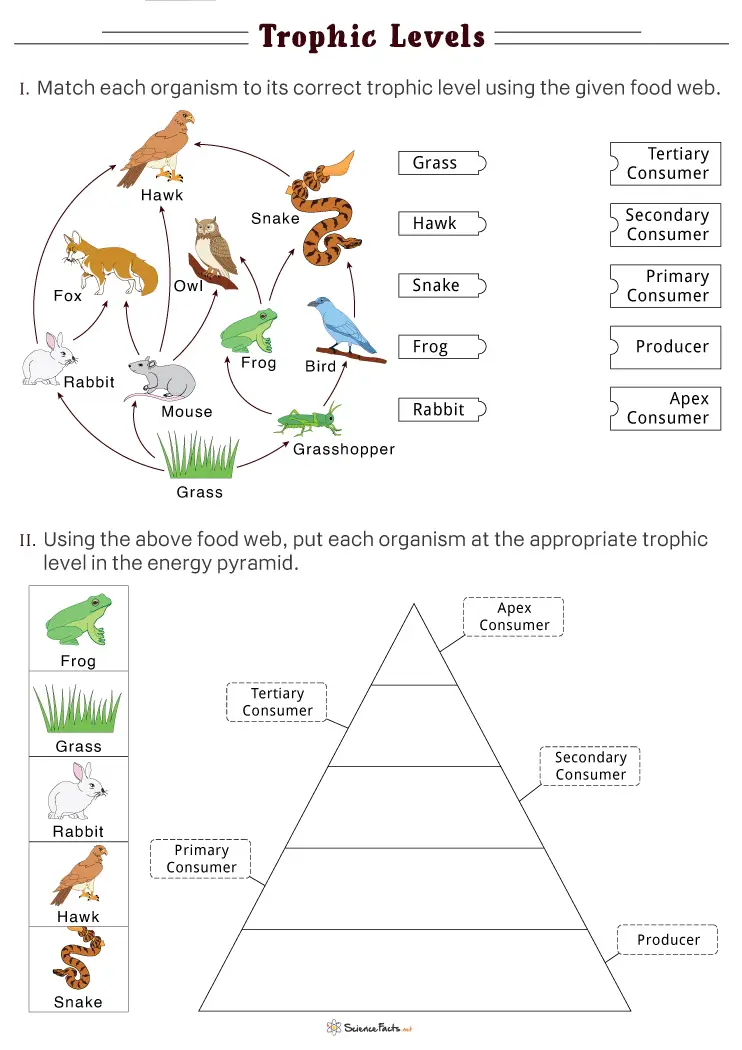
Food webs reveal something that many sixth grade students miss on first glance: nothing in nature exists in isolation. When you map out who eats whom in an ecosystem, you’re not just drawing arrows between animals. You’re uncovering the hidden pathways that move energy and matter through every living thing, from the tiniest bacteria to the largest predators.
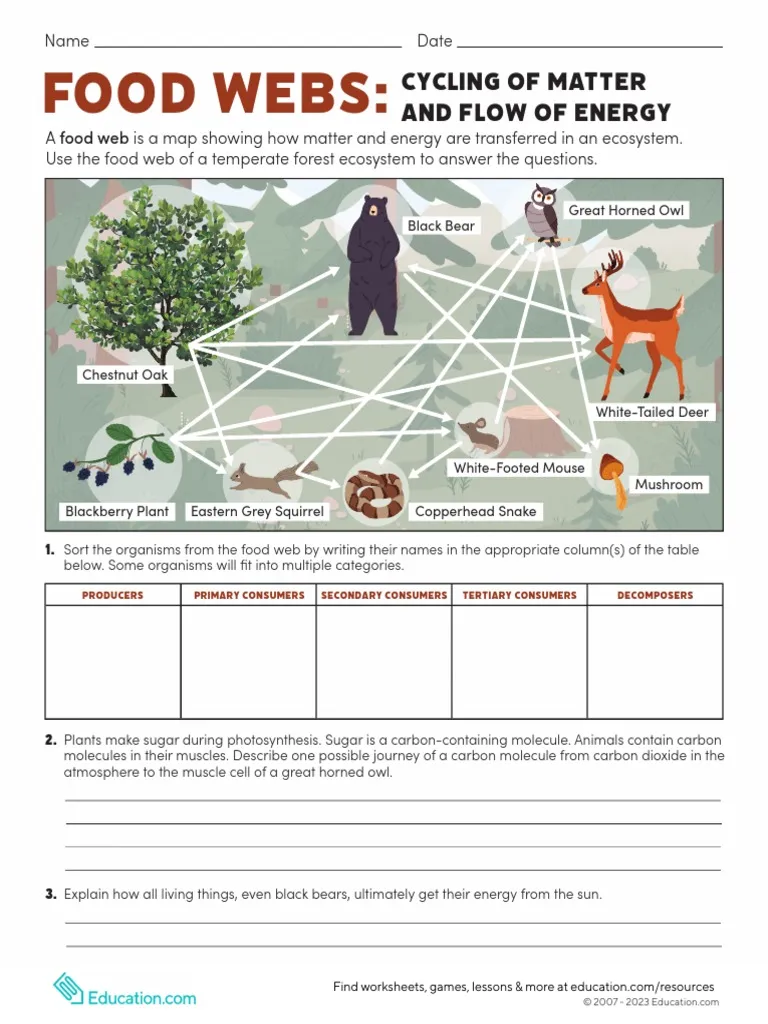
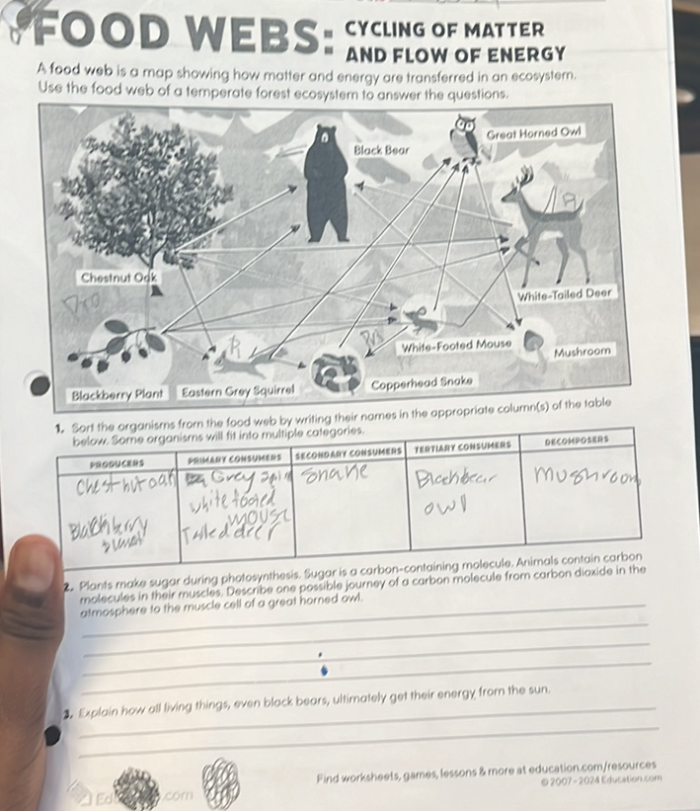
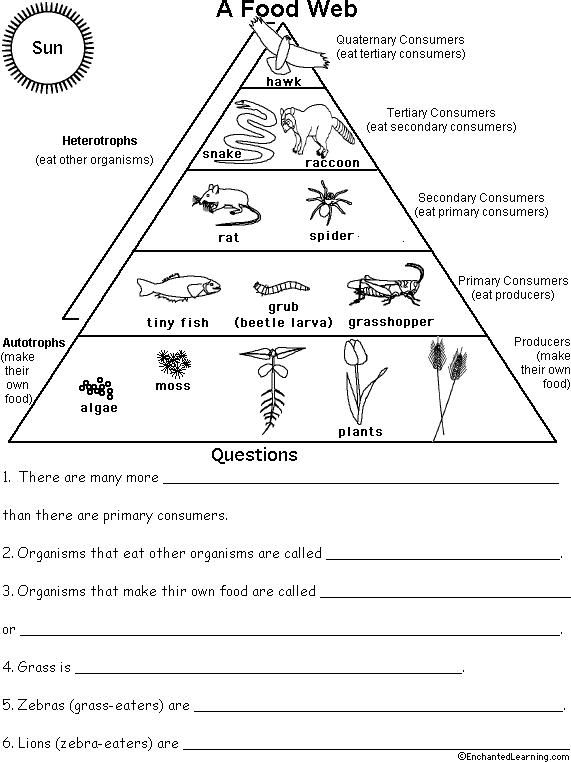
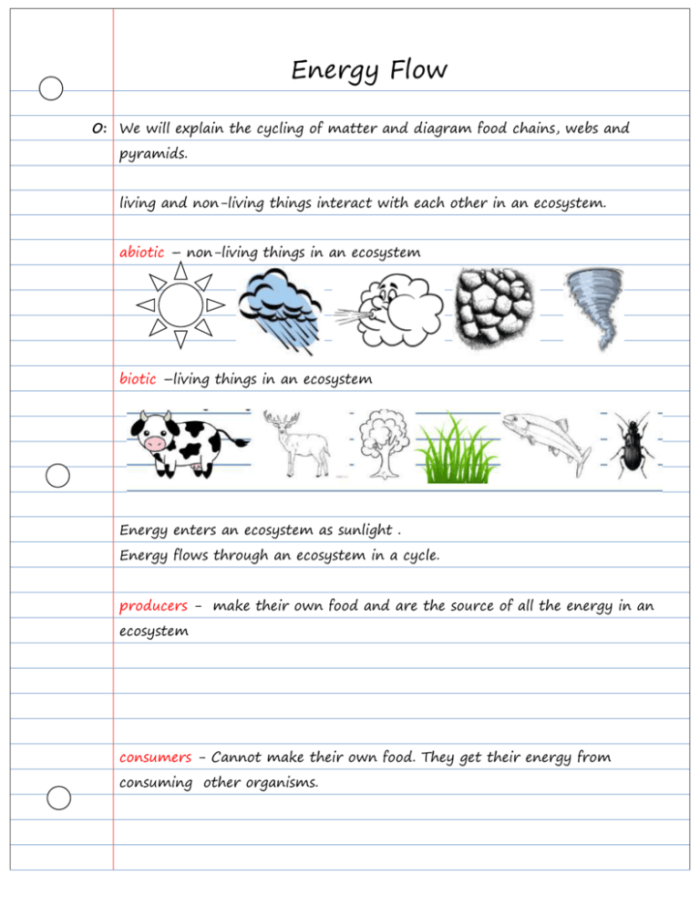
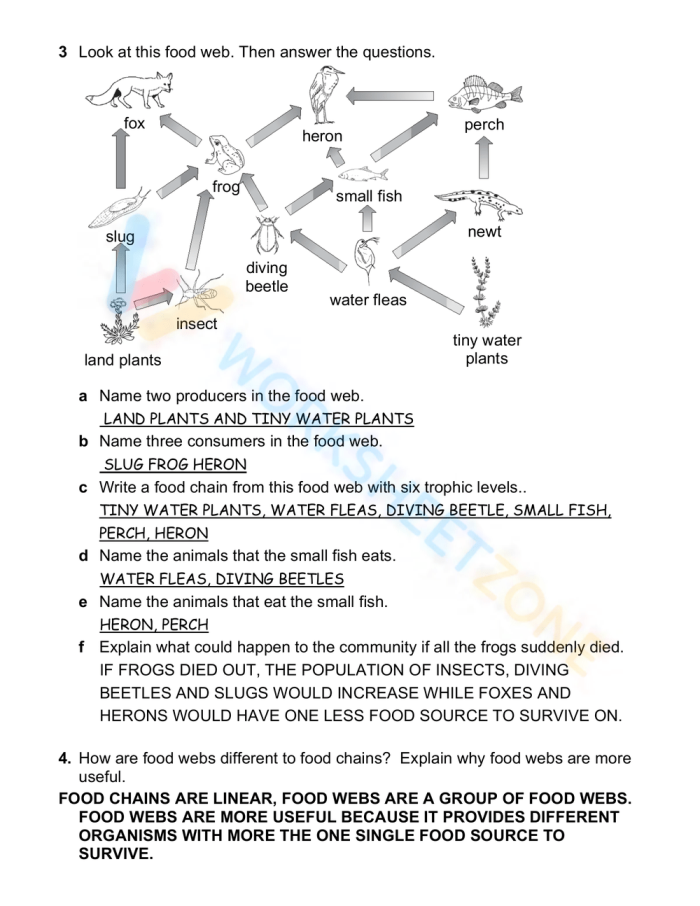
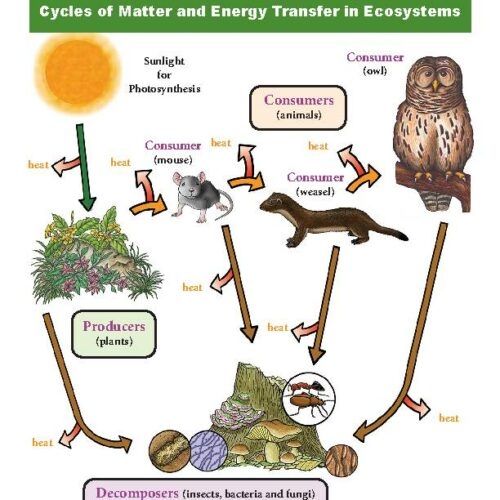
A food web shows multiple feeding relationships at once, unlike a simple food chain that follows one linear path. In a forest ecosystem, for example, an oak tree feeds squirrels and insects, those squirrels feed hawks and snakes, and those predators eventually return nutrients to the soil when they die. Each organism plays a specific role: producers capture energy from the sun, consumers eat other organisms, and decomposers break down dead material. By identifying these roles, students begin to see how energy flows in one direction through an ecosystem while matter cycles continuously.
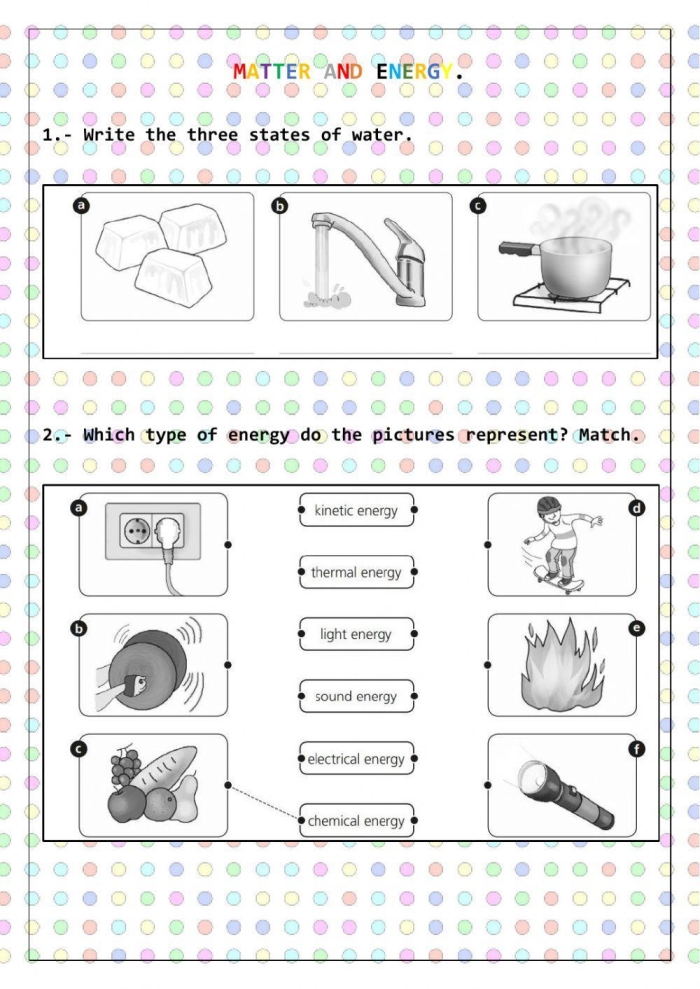
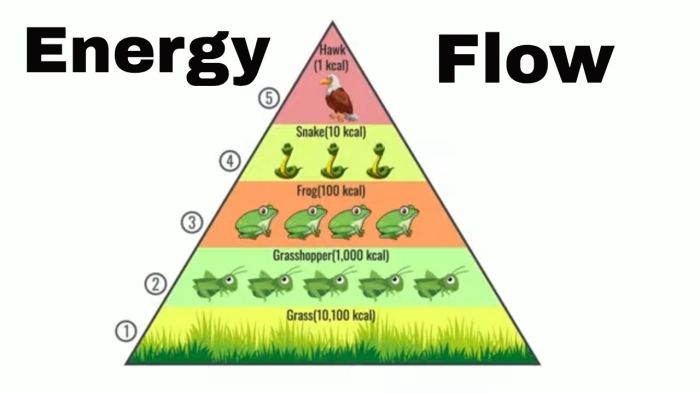
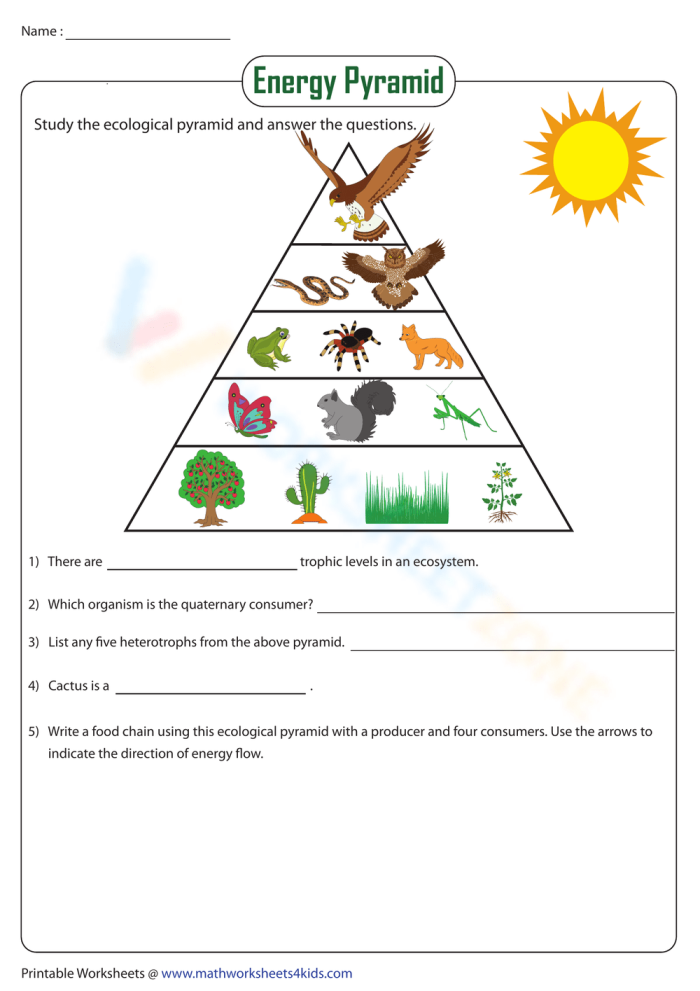
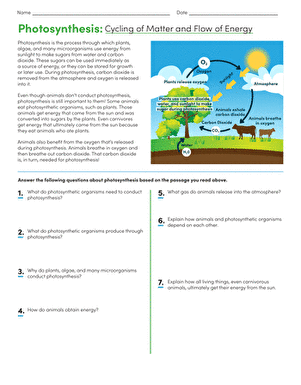
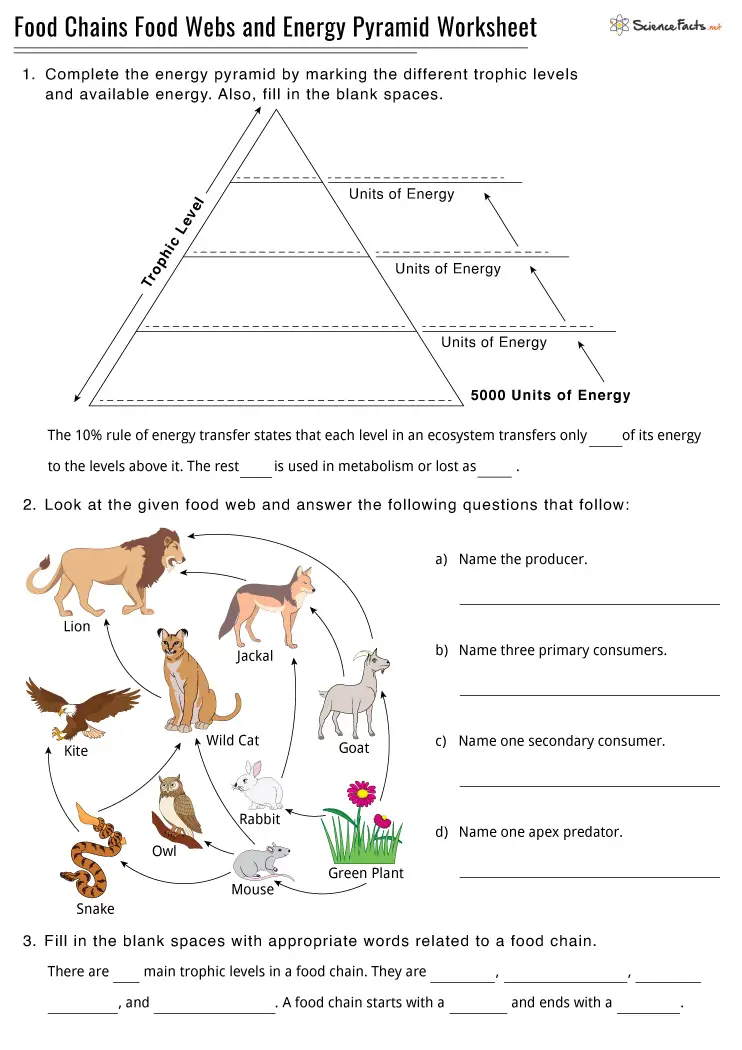
The energy flow follows a predictable pattern. Plants capture sunlight and convert it into chemical energy through photosynthesis. When a herbivore eats that plant, it gains roughly 10 percent of the energy the plant stored. When a carnivore eats that herbivore, it captures about 10 percent of what the herbivore had. This is why ecosystems can support far more plants than plant-eaters, and far more plant-eaters than meat-eaters. Energy constantly decreases as it moves up the food web.
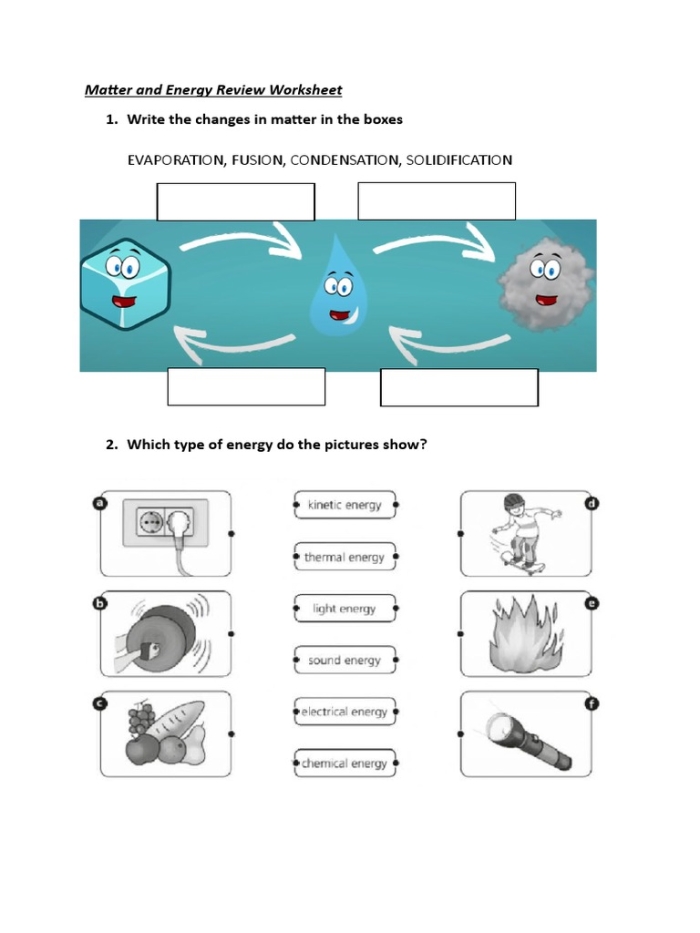
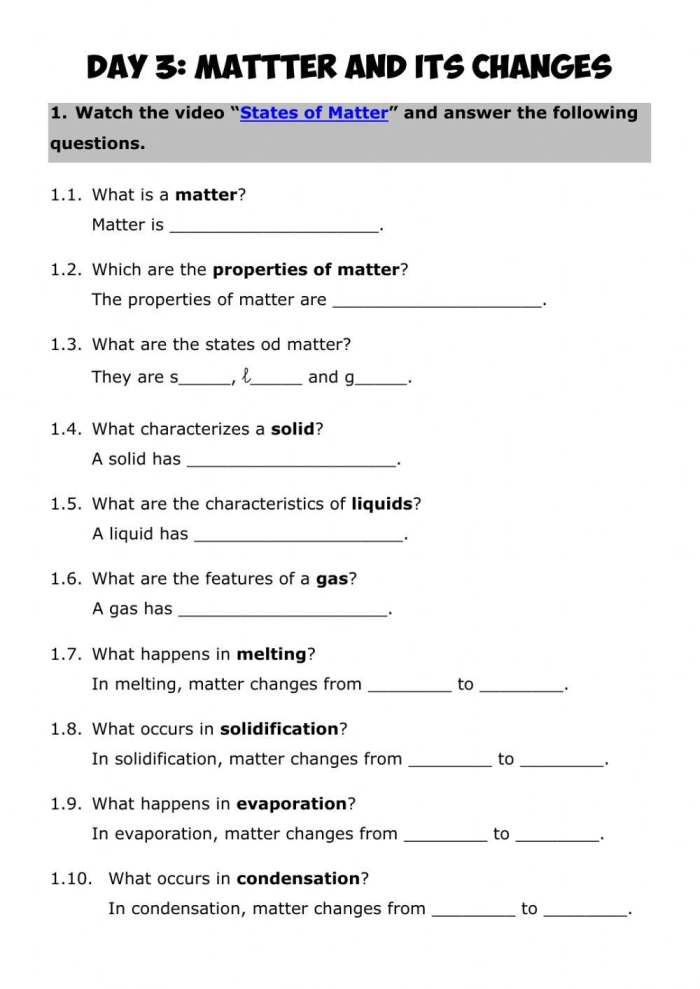
Matter, by contrast, gets recycled. Carbon, nitrogen, and water cycle through organisms and environments repeatedly. A carbon atom in a wolf’s body might have been in a deer’s muscle, then in grass, then in soil, then back in grass again. Students who work through reading comprehension activities about ecosystems develop stronger skills in tracking these invisible cycles.
Understanding food webs prepares sixth graders to think critically about how ecosystems respond to change. Remove one organism, and the entire network shifts. This foundation connects directly to broader ecological thinking and helps students see themselves as part of these same cycles.
Try These Printable Worksheets