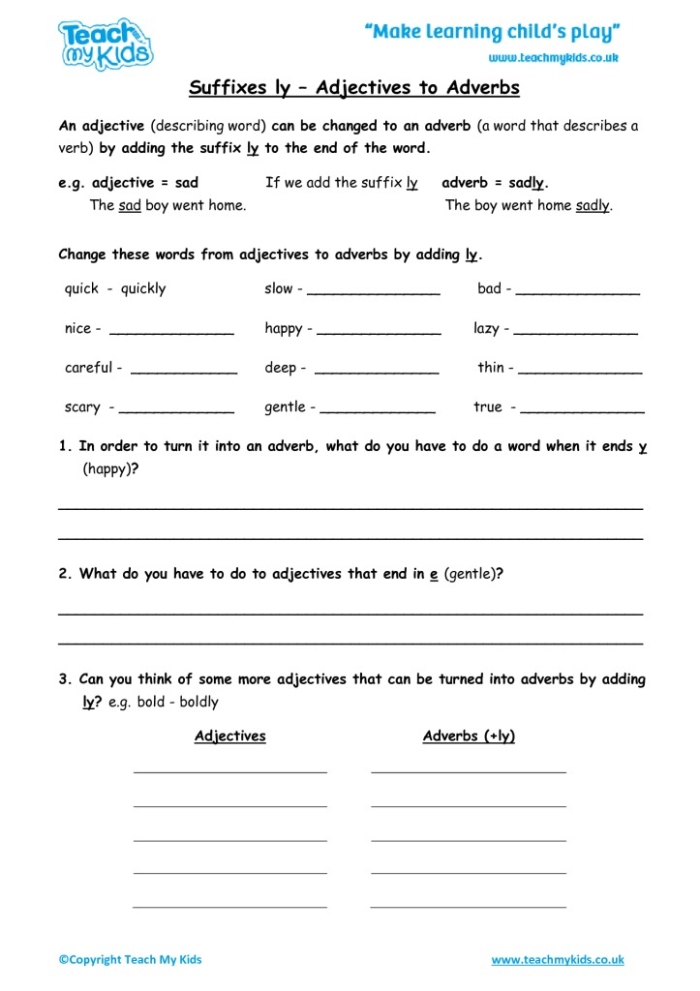
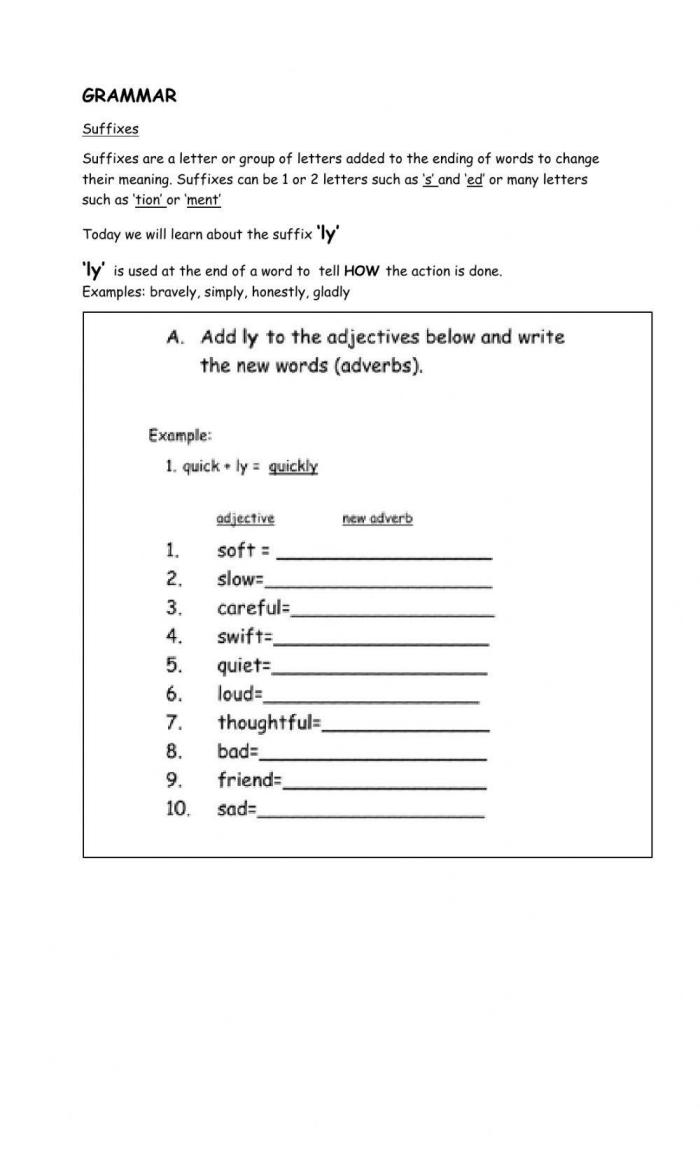
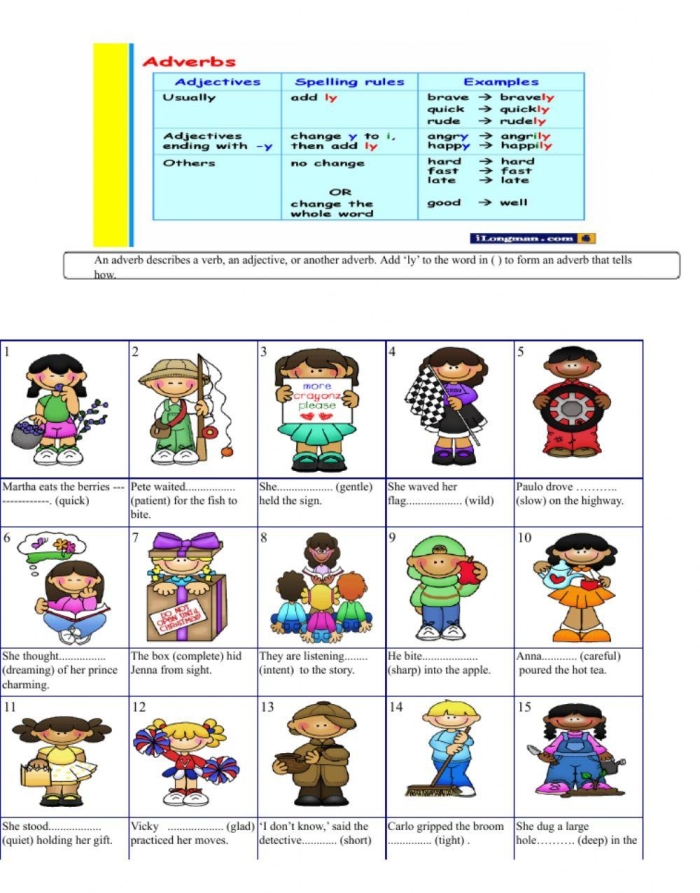
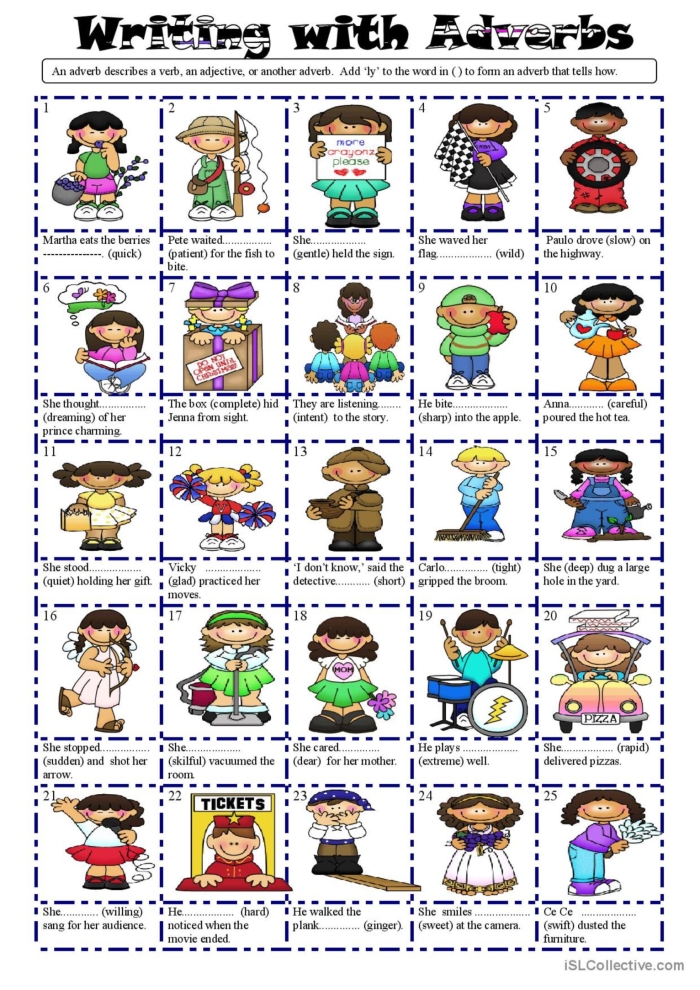
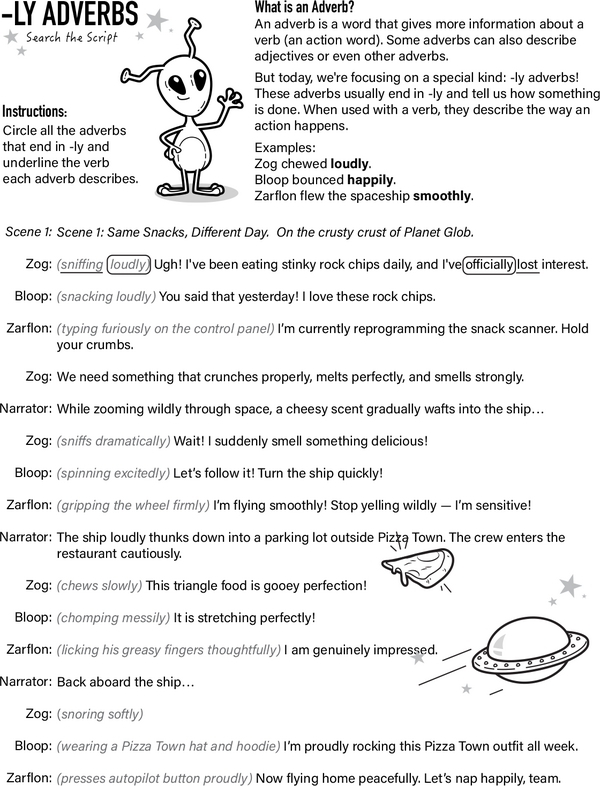
Understanding how to transform adjectives into -ly adverbs can greatly enhance your writing skills. For fourth graders learning about this concept, the activity of converting adjectives teaches not just grammar but also how to use language creatively. By changing words like “quick” into “quickly,” students can express actions more vividly.
To get started, consider an adjective like “happy.” When we transform it into the adverb “happily,” we can use it in a sentence like, “She skipped happily down the street.” This simple change brings the action to life, making it more engaging for readers. Practicing this transformation helps students grasp the concept of adverbs, especially in the context of subtraction problems they may encounter in math.
When students apply -ly adverbs in sentences, it not only reinforces their understanding of grammar but also enhances their ability to describe actions clearly. For example, in a math problem involving time, a student might say, “He solved the problems quickly,” which adds urgency to their learning process. This approach directly connects language skills to real-world applications, making the learning experience more meaningful.
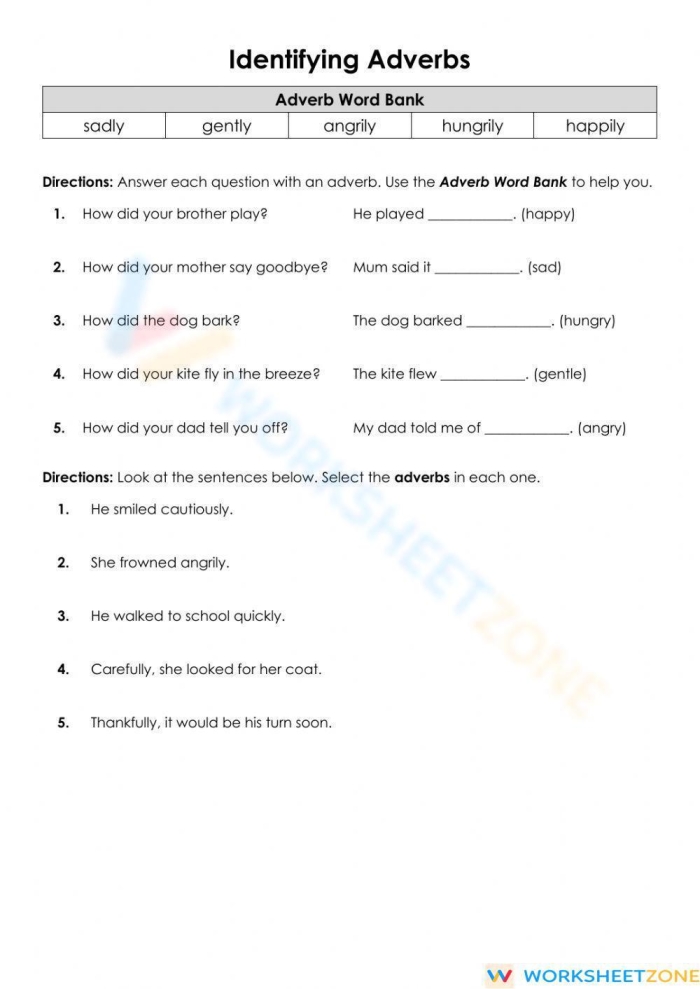
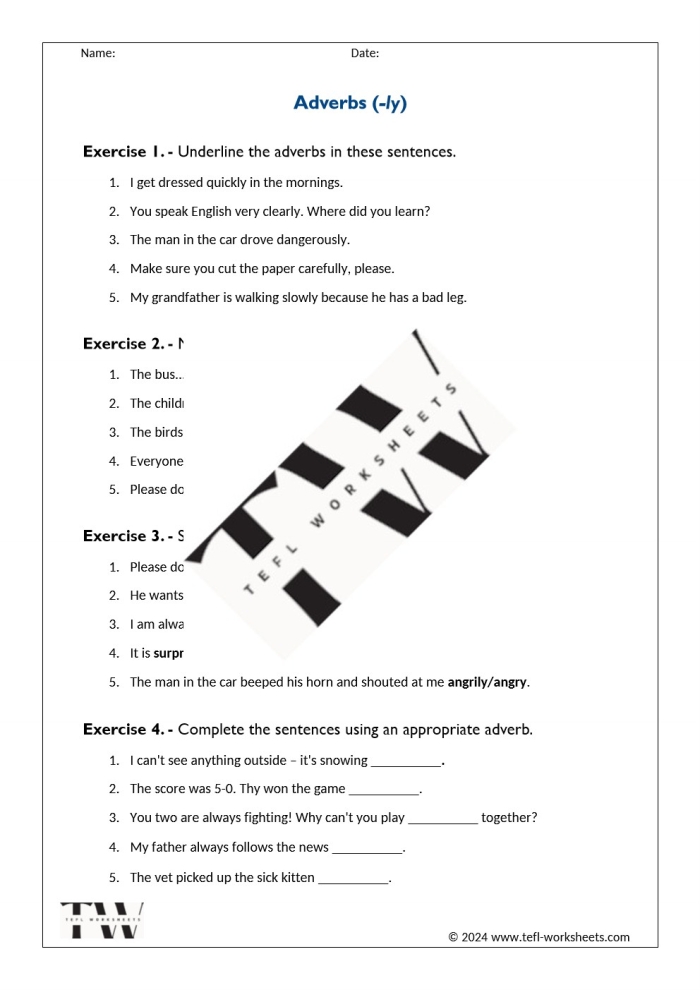
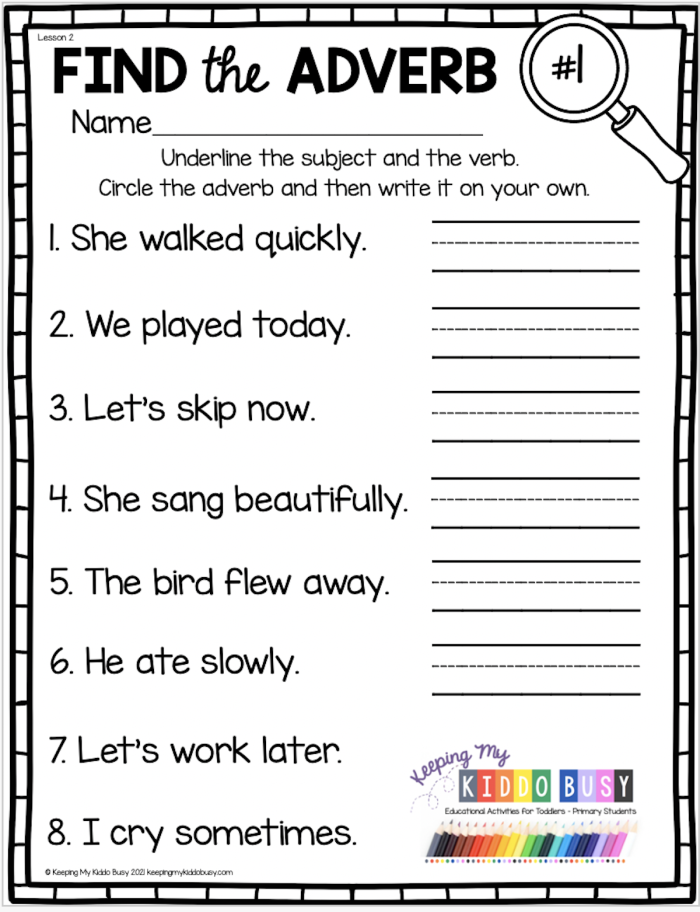
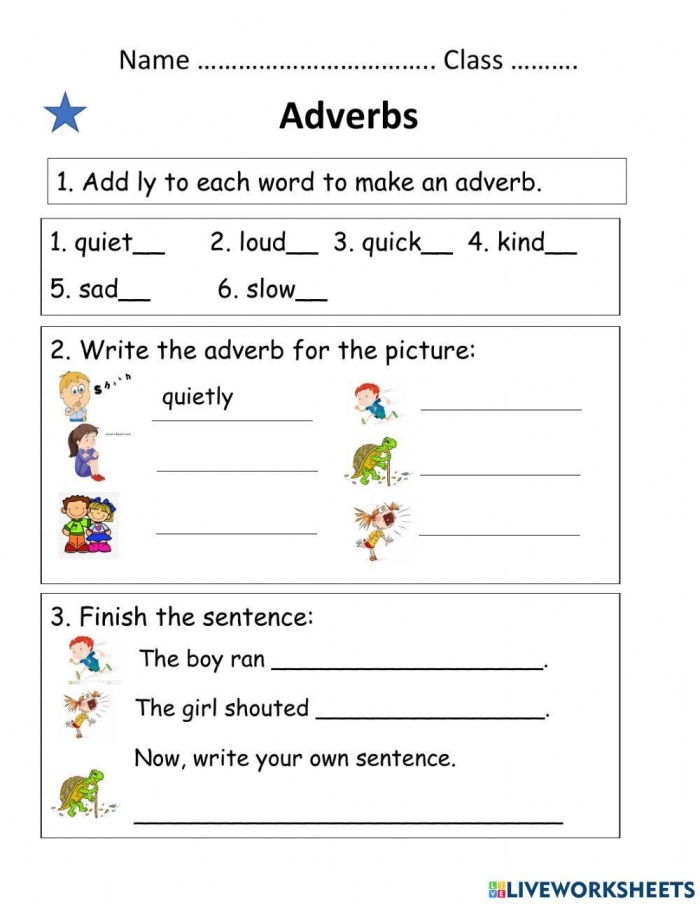
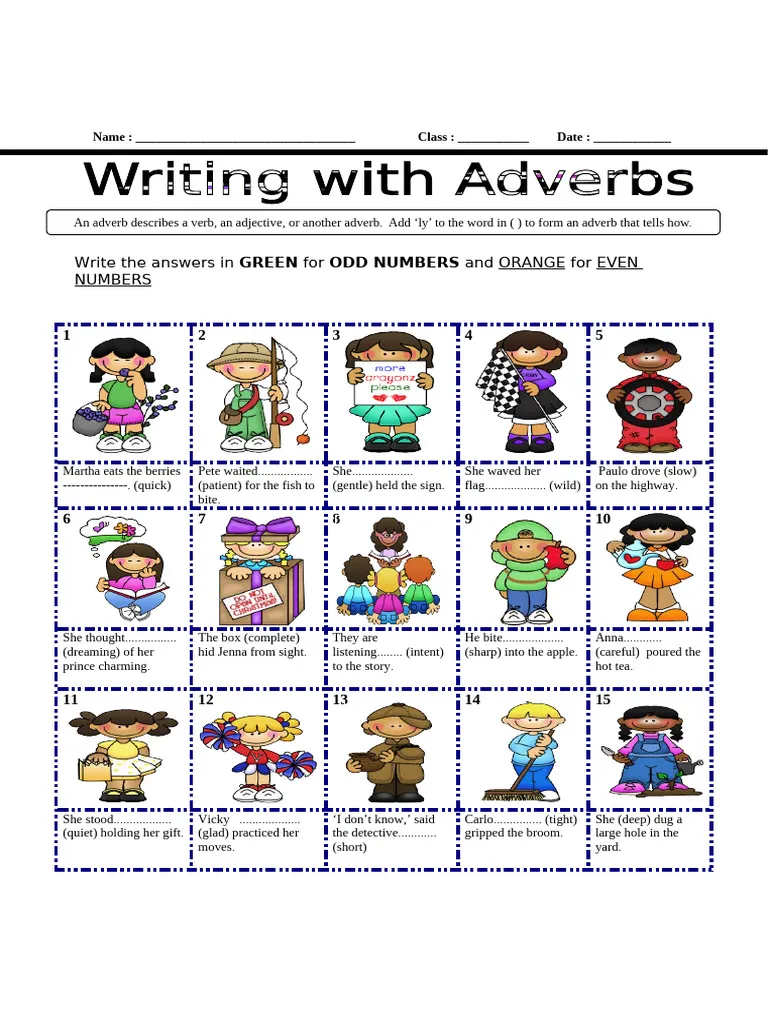
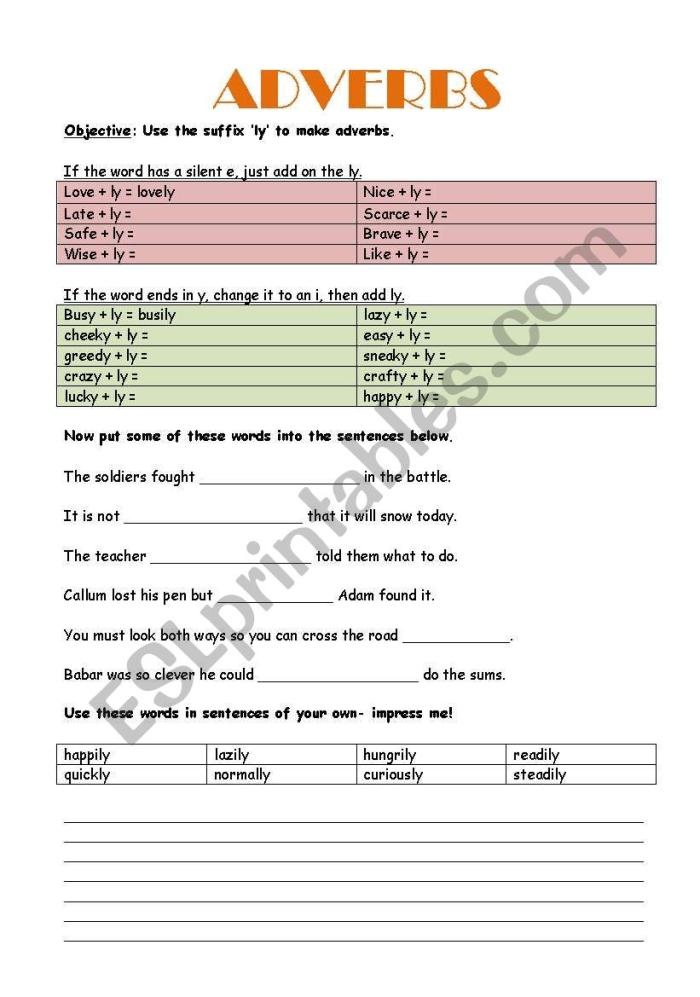
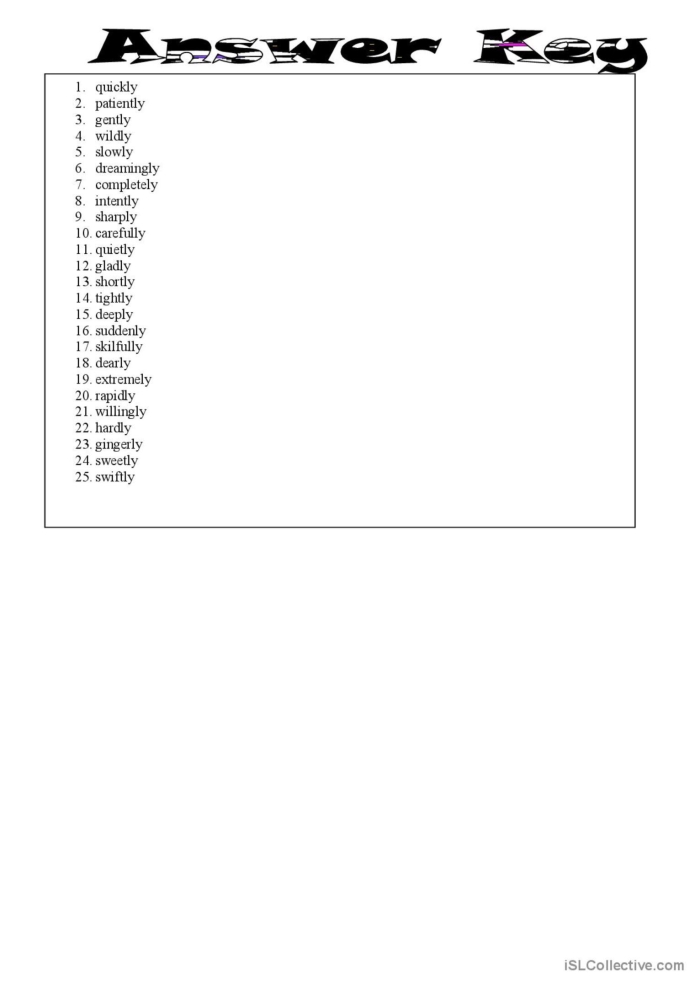
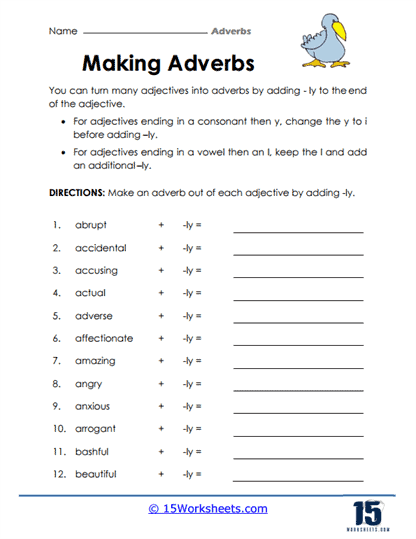
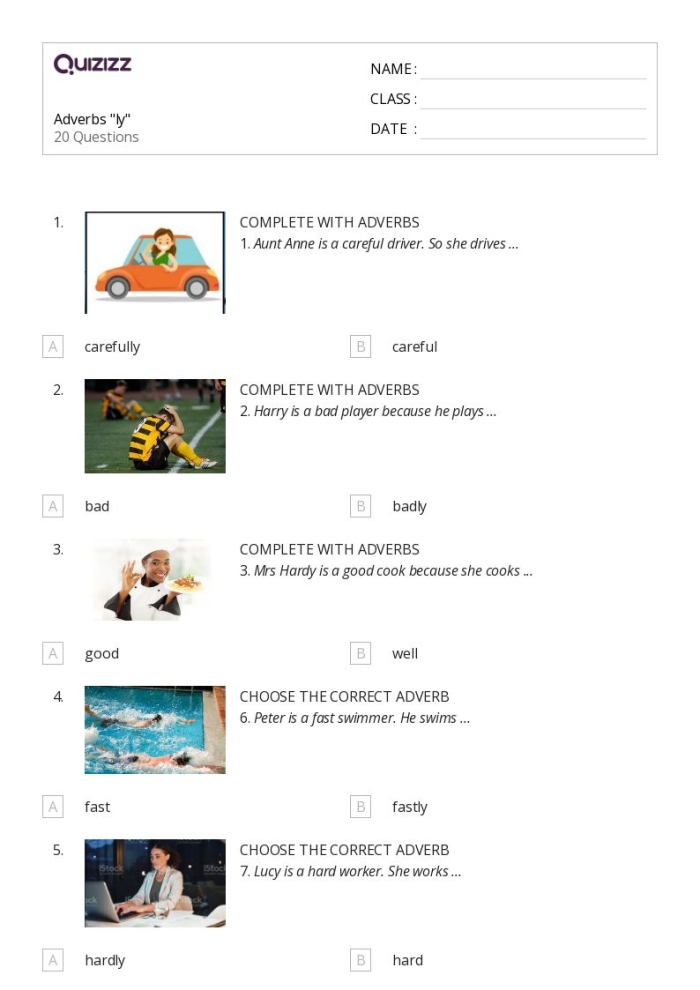
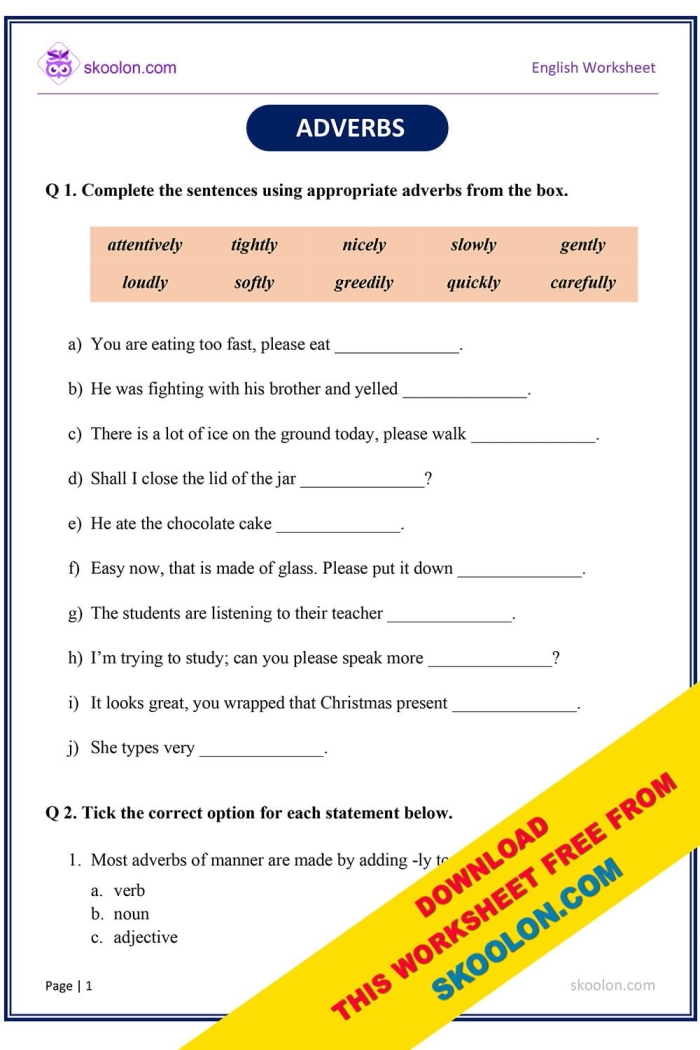
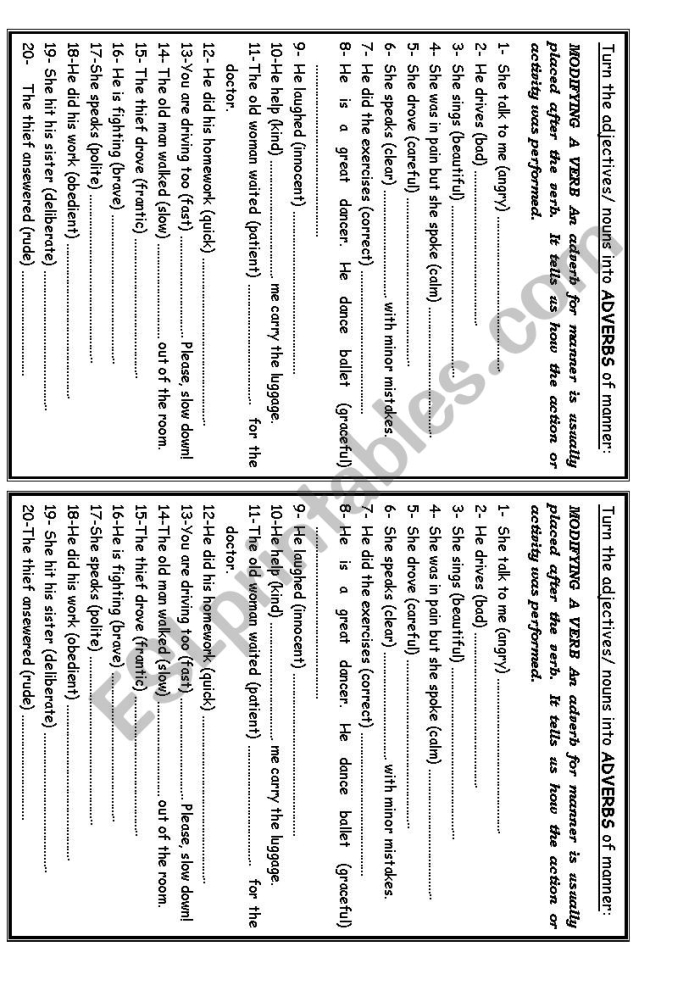
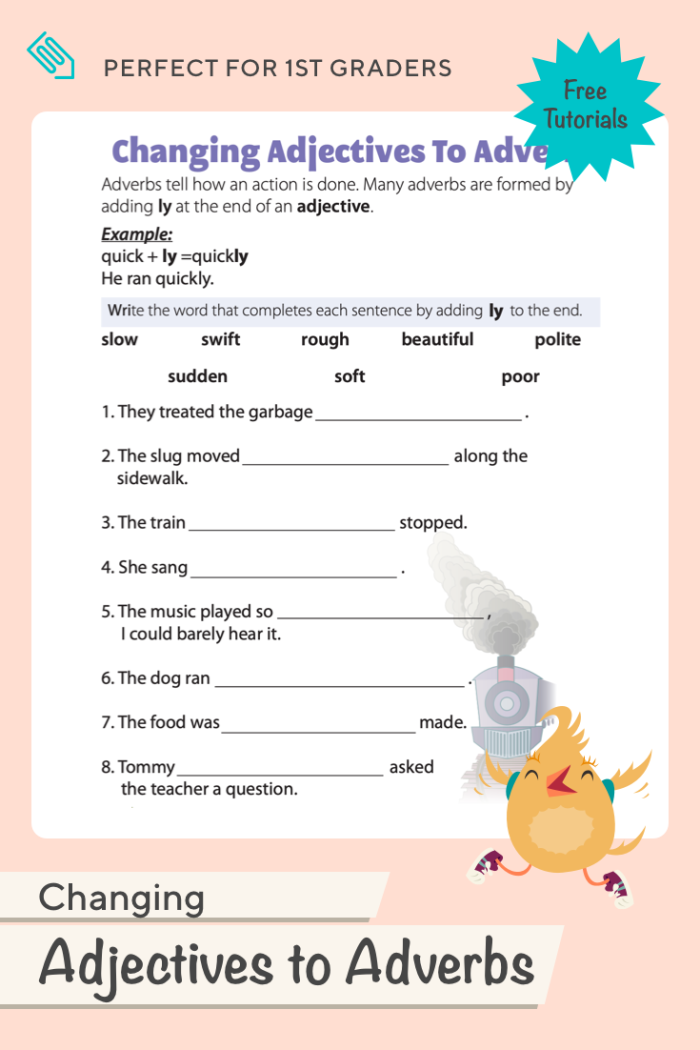
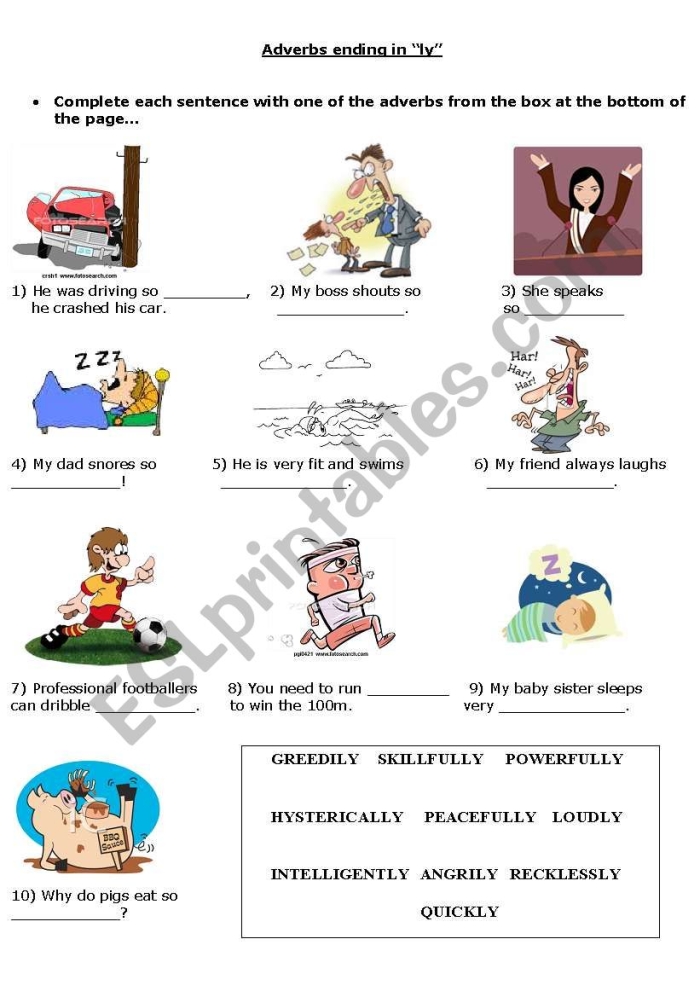
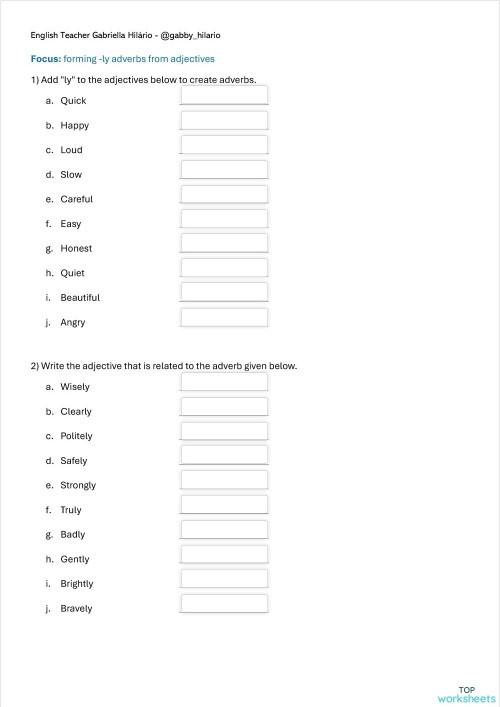
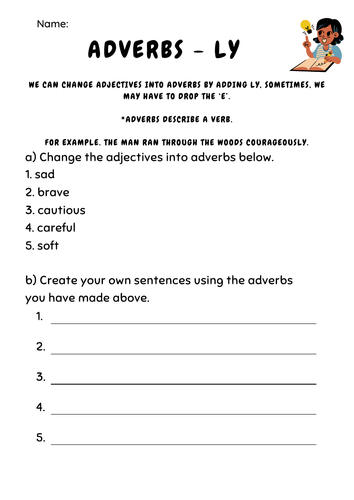
For those looking for structured practice, there are printable -ly adverbs worksheets available that guide students through transforming adjectives into adverbs, with engaging exercises. These worksheets often include fun riddles or problems related to geometry, helping to reinforce both grammar and math skills simultaneously.
By integrating these adverbs into everyday writing, fourth graders can better articulate their thoughts and actions. They learn to express how things are done, which is crucial not only in language arts but also in subjects like math, where precise language can clarify problem-solving strategies. As students grow more comfortable with -ly adverbs, their writing becomes more dynamic and expressive, paving the way for greater communication skills in the future.
Practice with These Worksheets