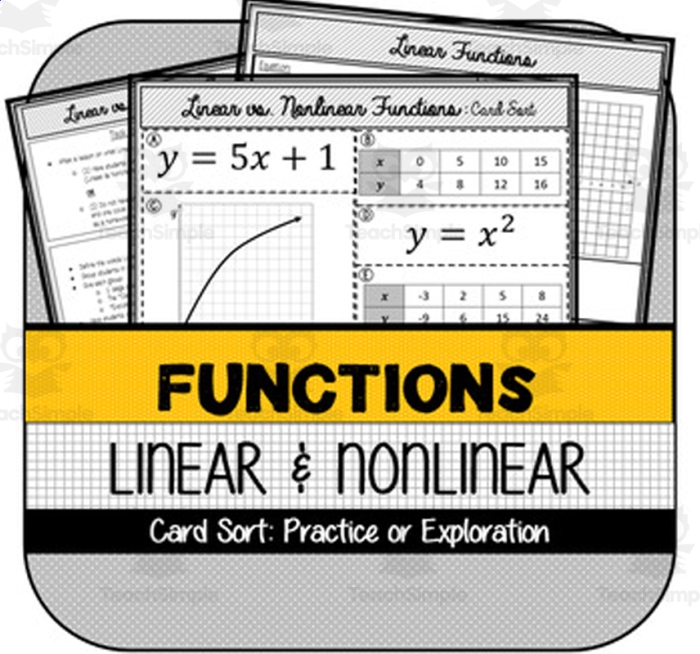
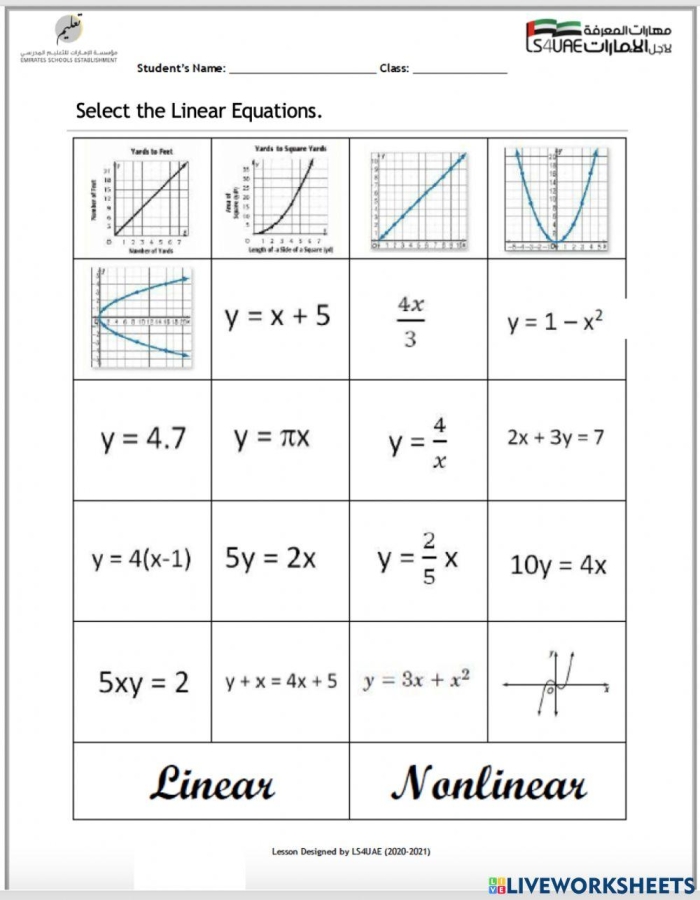
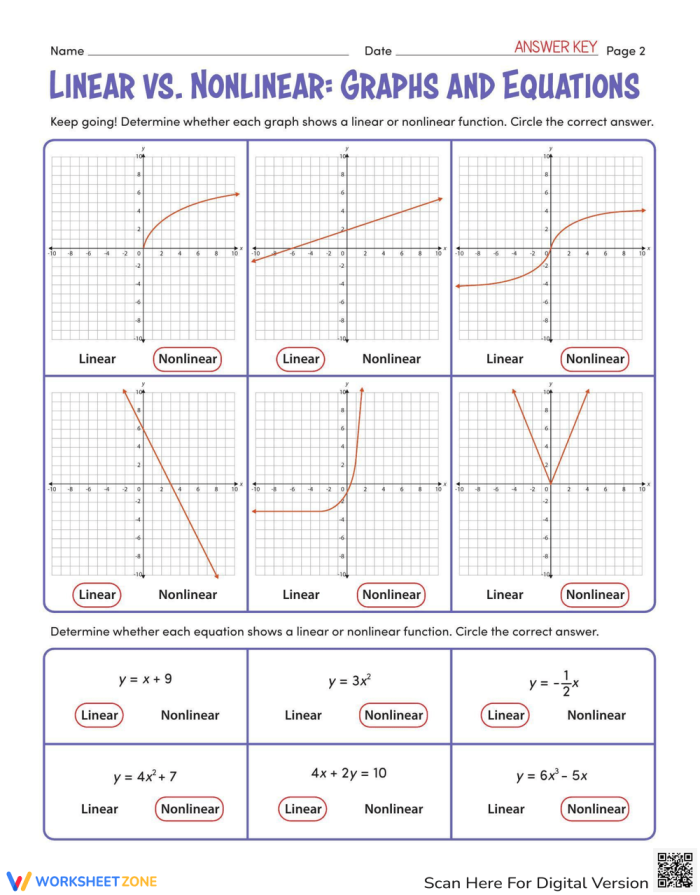
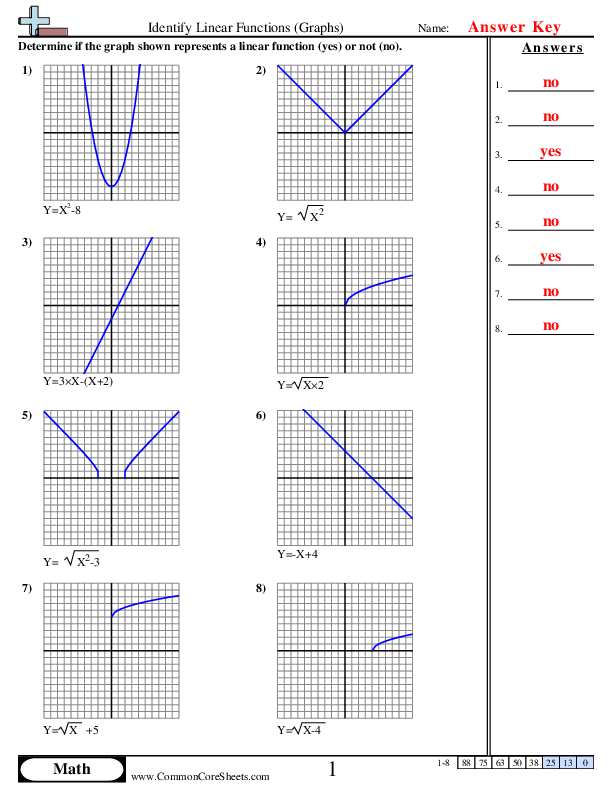
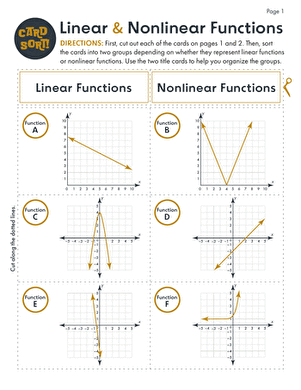
Understanding the difference between linear and nonlinear functions is essential for eighth graders studying life science. These concepts are not just abstract mathematical ideas; they play a crucial role in analyzing real-world data, making predictions, and understanding various phenomena. A well-designed reference worksheet can be an invaluable tool in helping students grasp these concepts effectively.
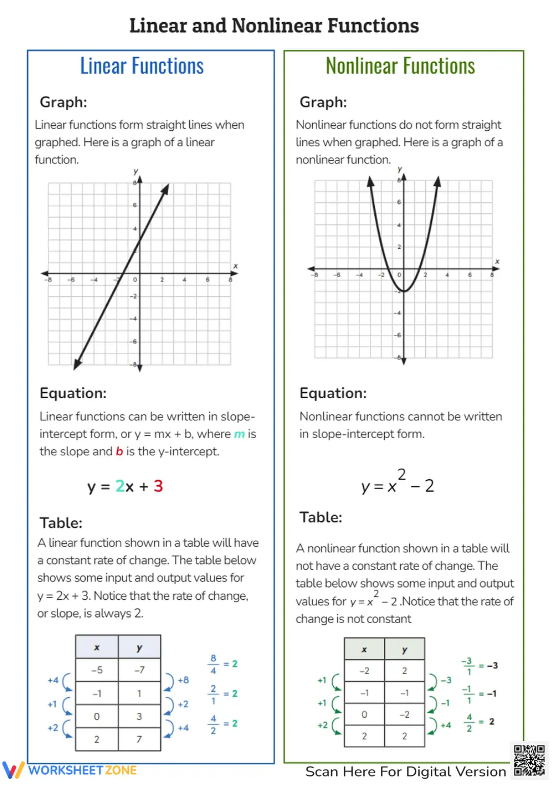
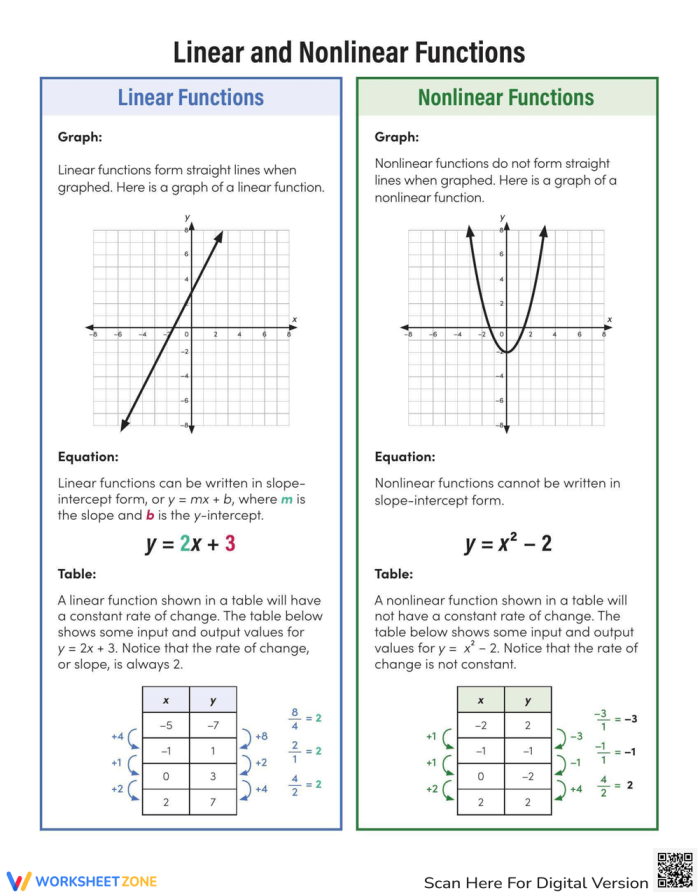
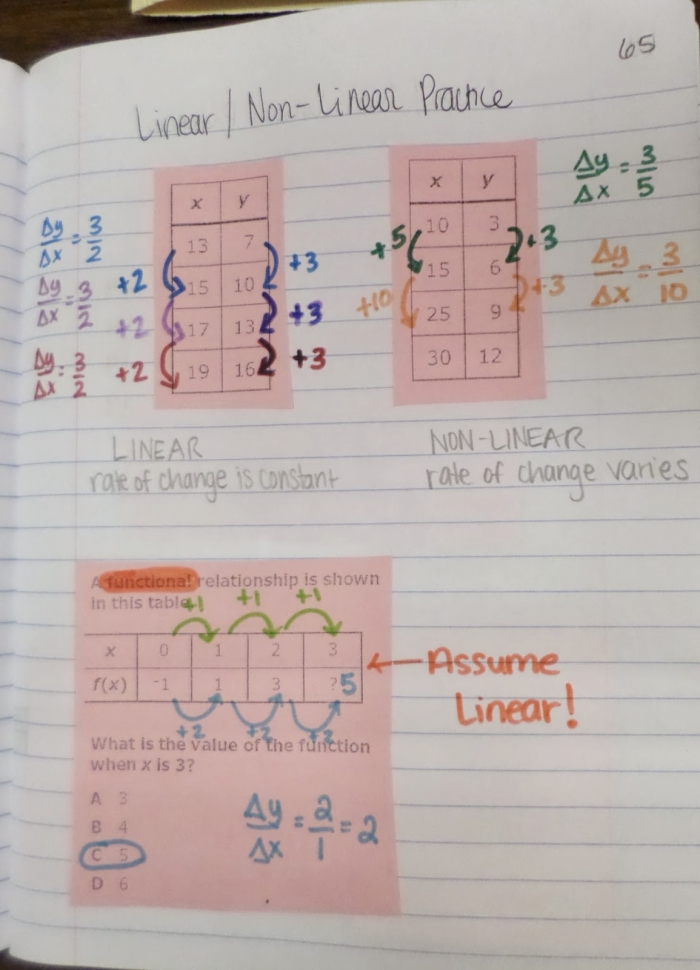
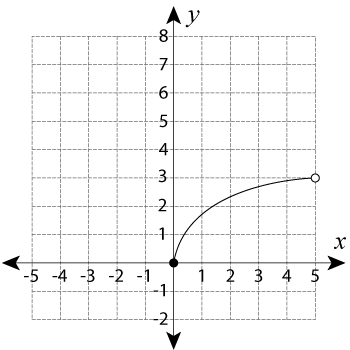
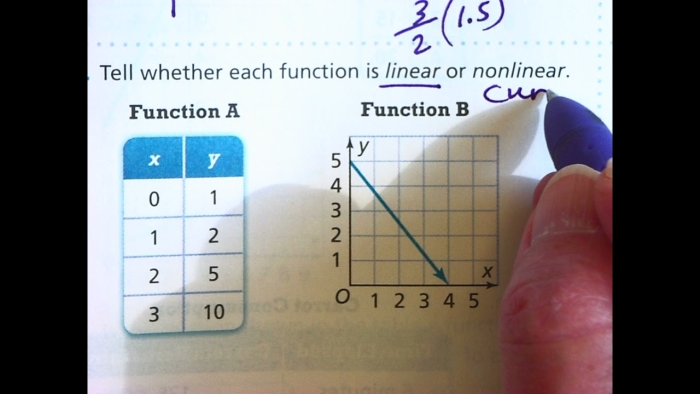
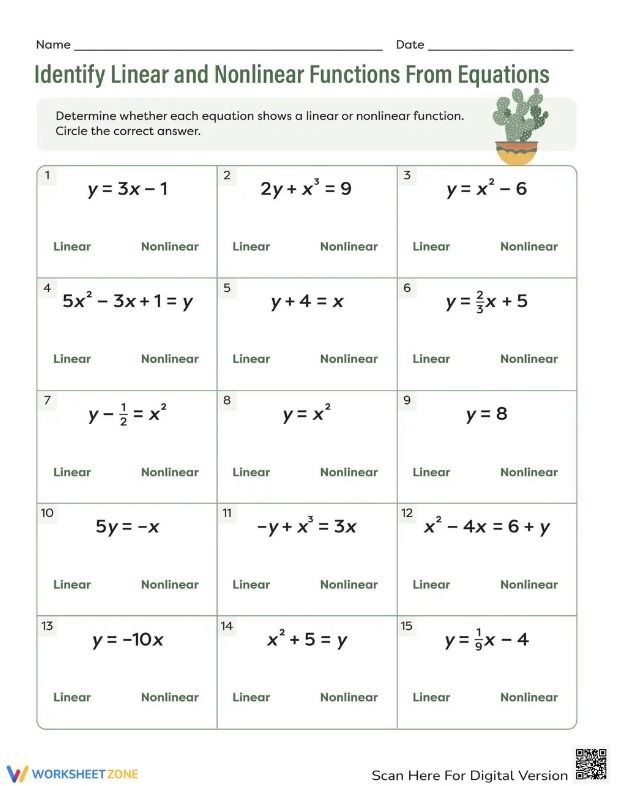
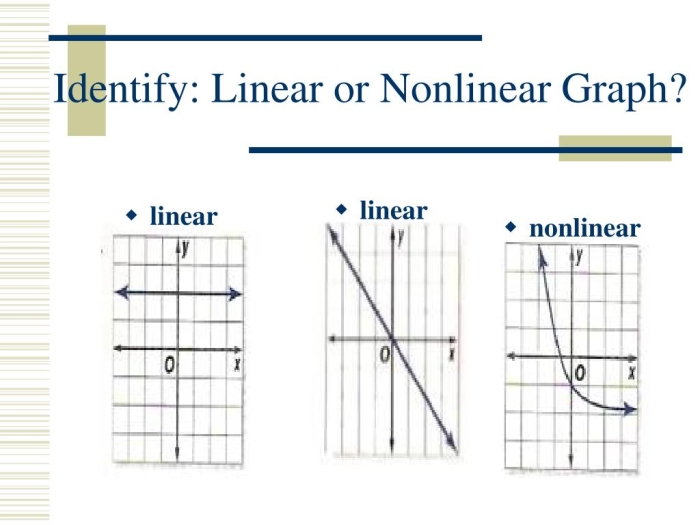
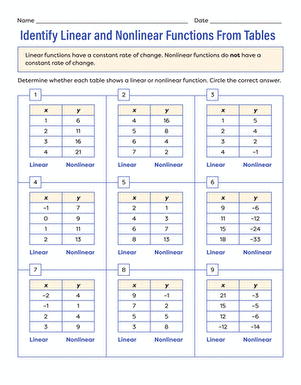
Linear functions are characterized by a constant rate of change, represented graphically by a straight line. For instance, if you’re examining how a plant grows over time with a consistent amount of sunlight, the growth can often be modeled as a linear function. In contrast, nonlinear functions exhibit variable rates of change. An example of this might be the growth rate of bacteria under varying conditions, which often accelerates or decelerates based on several factors.
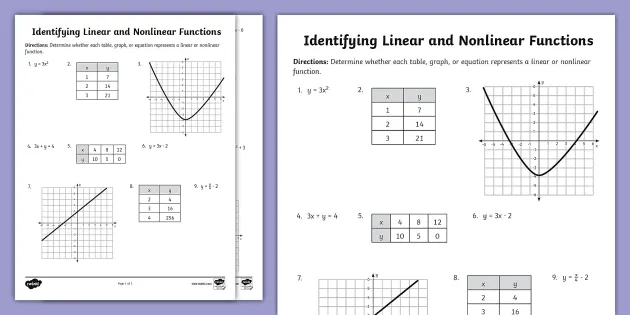
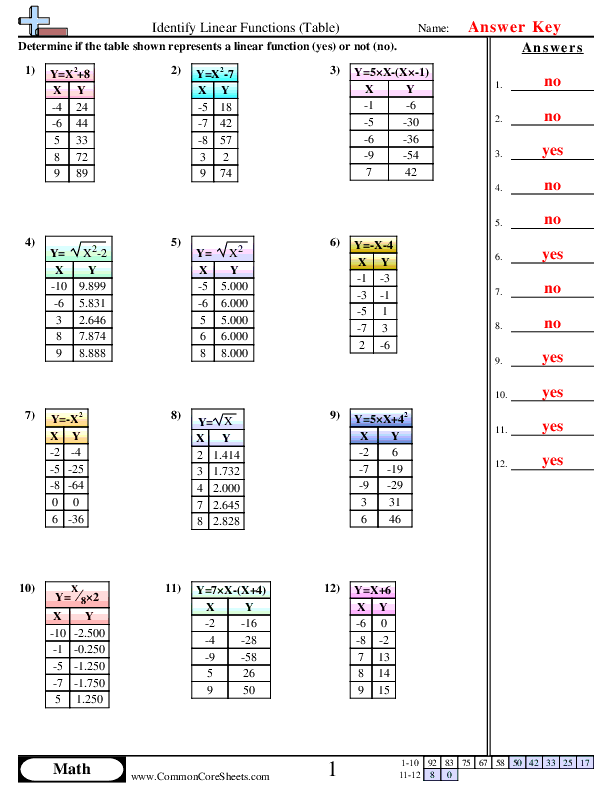
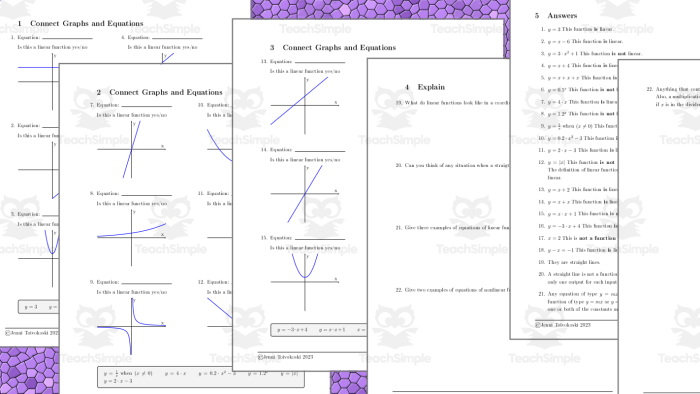
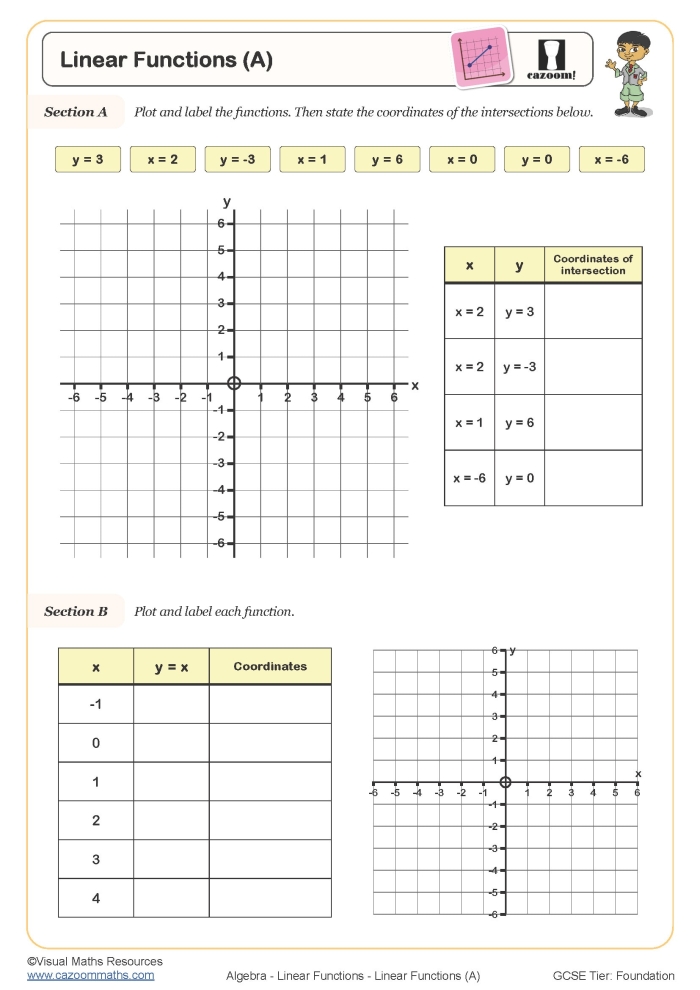
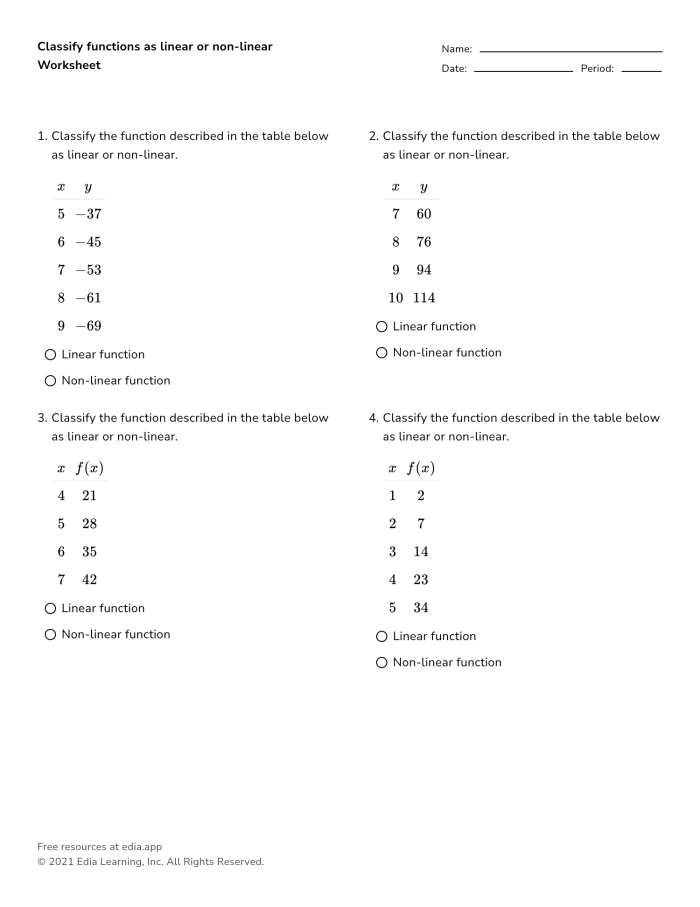
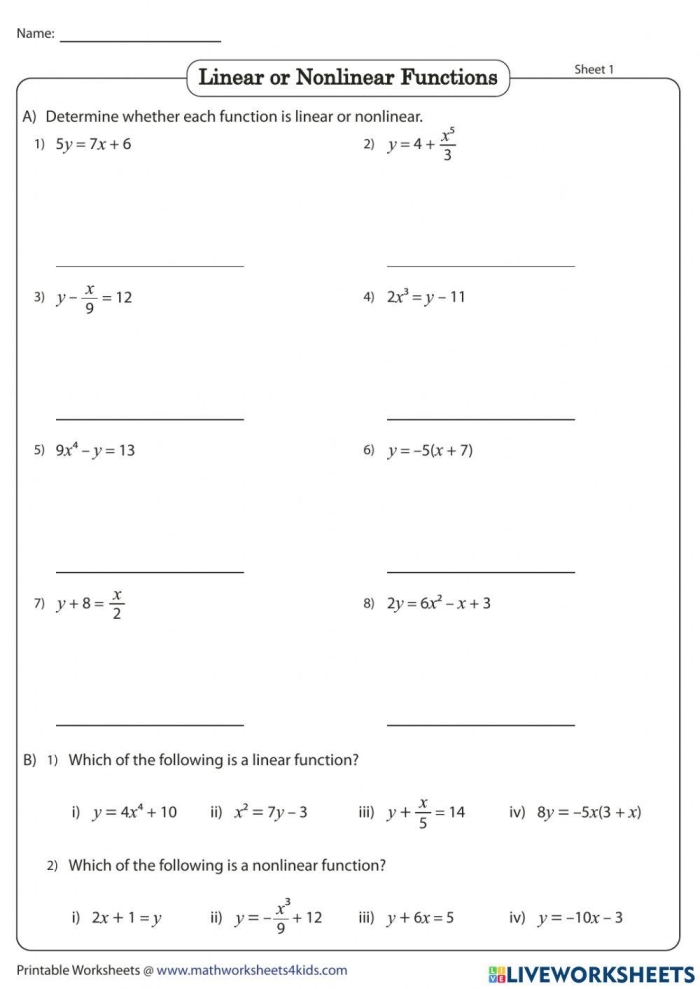
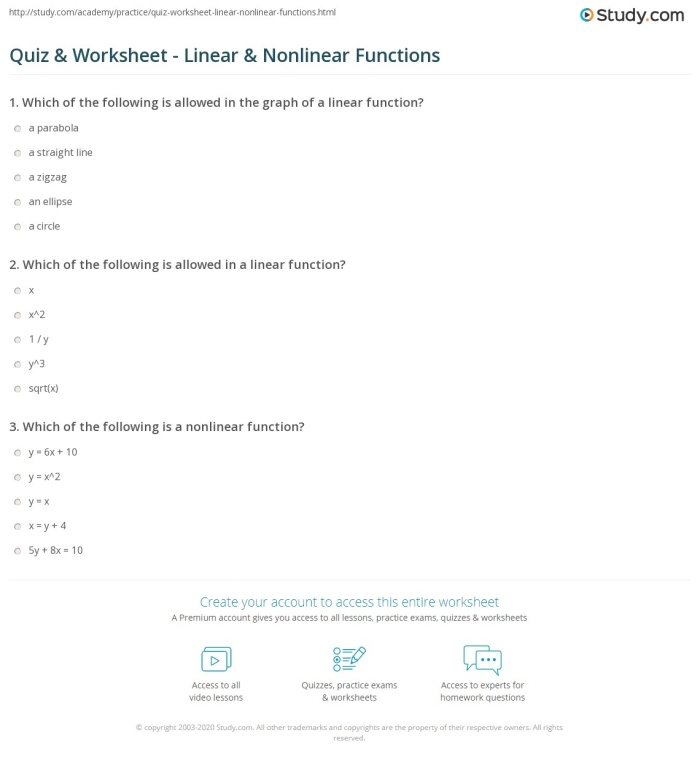
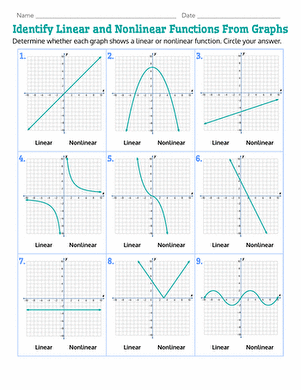
Using a reference worksheet on linear and nonlinear functions can help students identify and differentiate between these types of functions when presented with graphs. Students can practice by plotting points and observing how the data behaves. This hands-on approach reinforces their understanding and builds confidence in working with mathematical concepts.
Moreover, students can benefit from exercises that require them to find the distance between two points on the coordinate plane, which ties in with their learning about functions. Engaging with practical examples, such as those found in the distance worksheets, equips them with the skills to apply their knowledge beyond the classroom.
Incorporating real-life scenarios, like the ones presented in the pool party task, adds an element of fun while reinforcing their learning. By using these engaging worksheets, educators can create a rich environment where eighth graders not only learn about linear and nonlinear functions but also appreciate their relevance in life science.
Start Practicing with These Worksheets