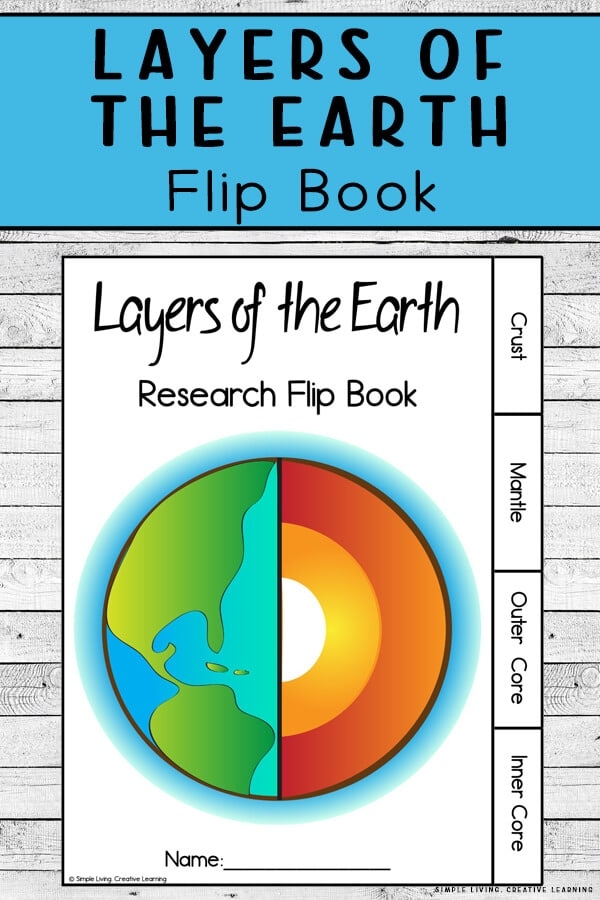
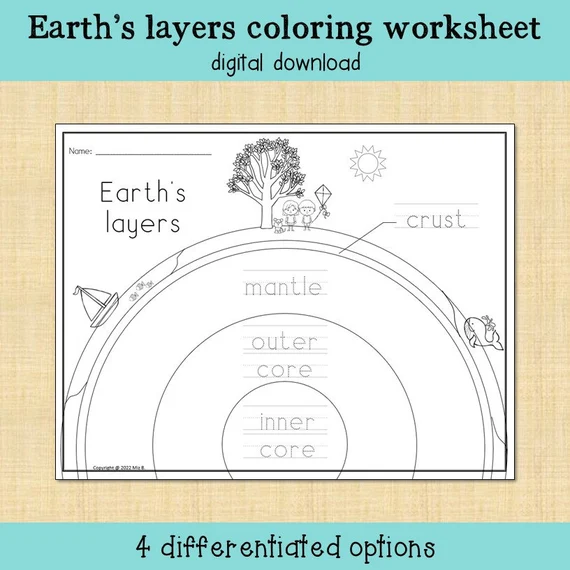
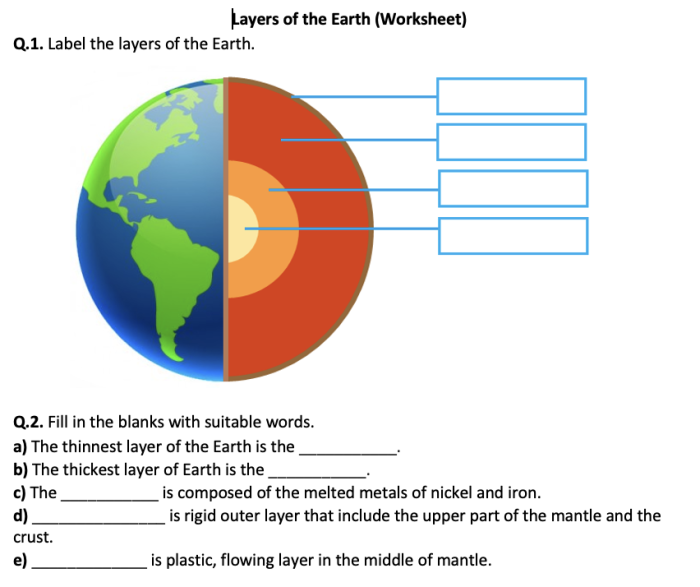
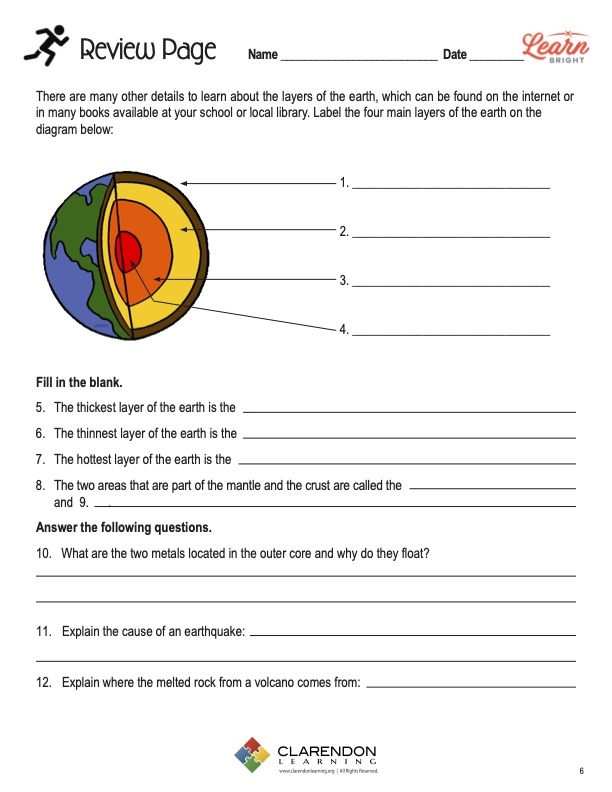
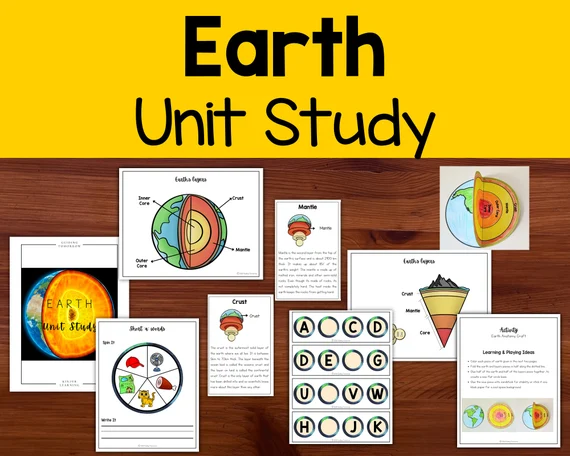
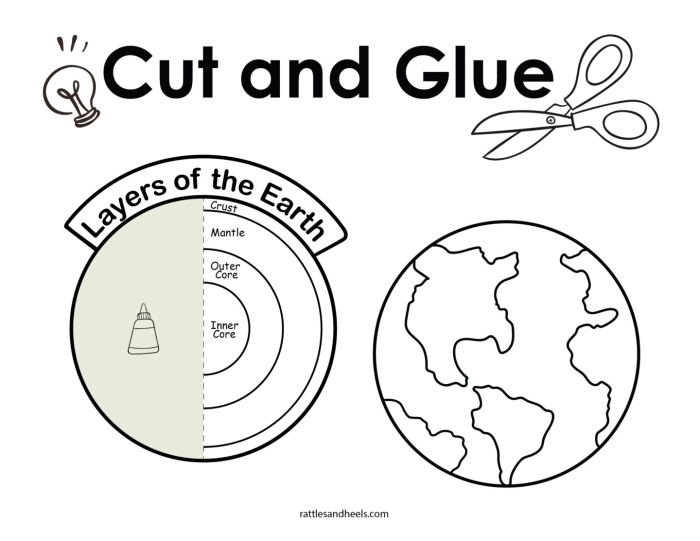
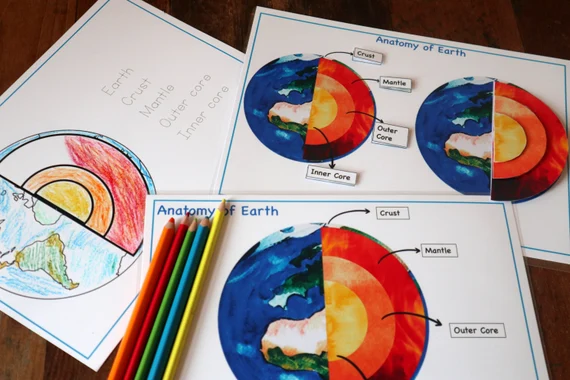
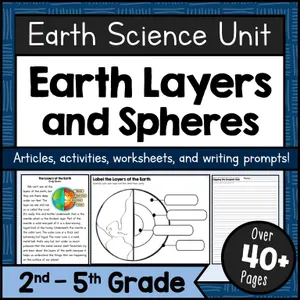
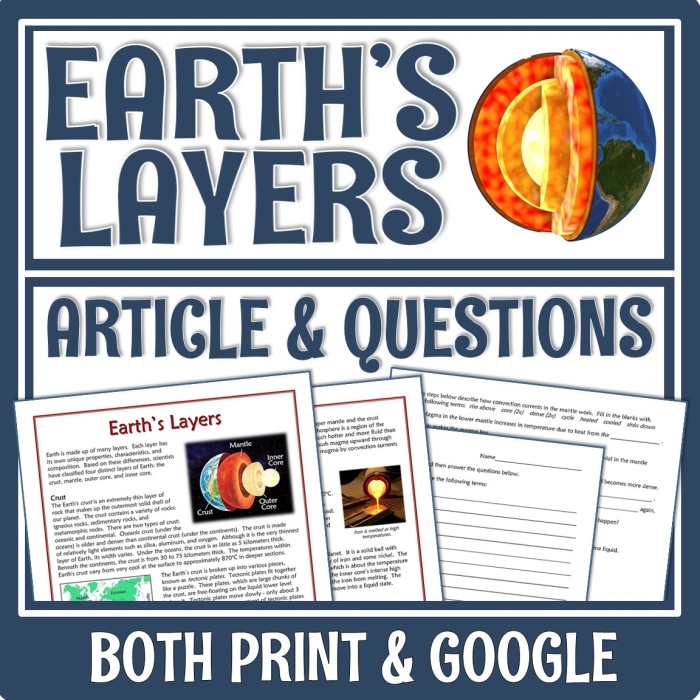
Understanding Earth’s structure is one of those fifth grade science topics that clicks for kids when they can actually see and label the layers themselves. A diagram-based worksheet transforms what could be abstract information into something tangible and memorable.
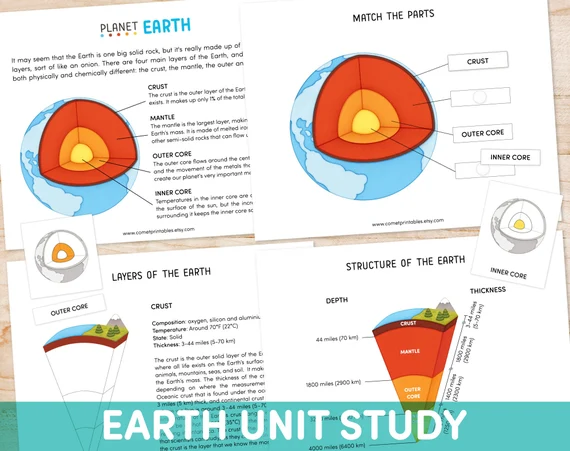
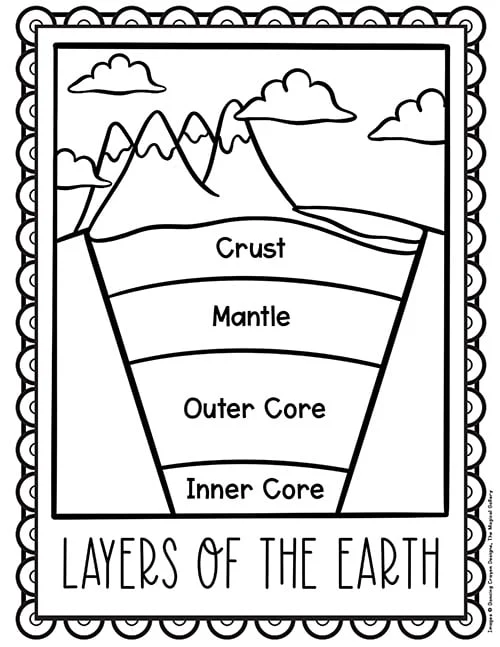
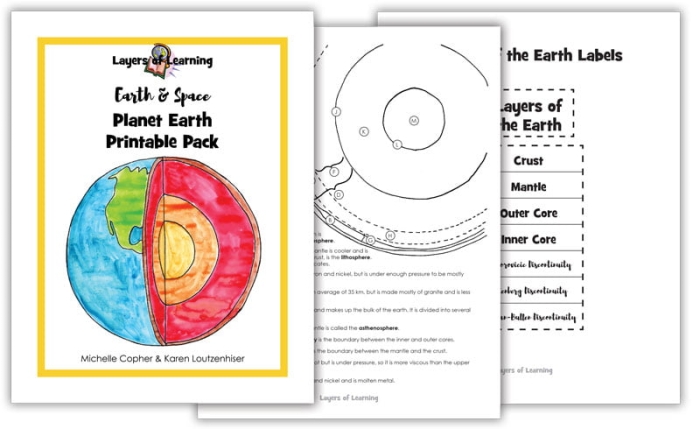
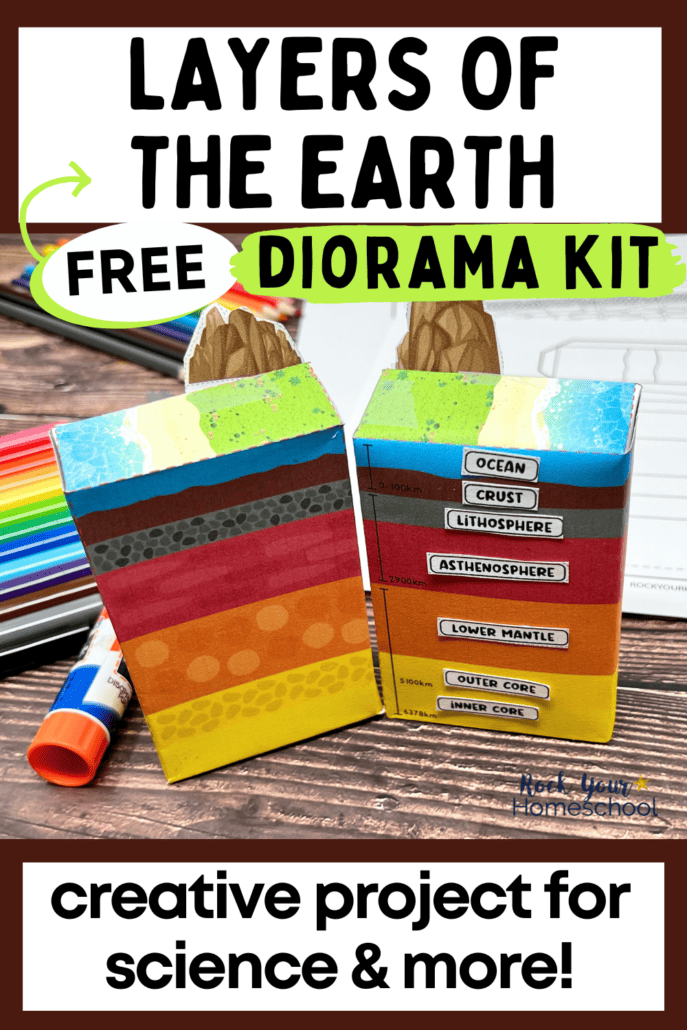
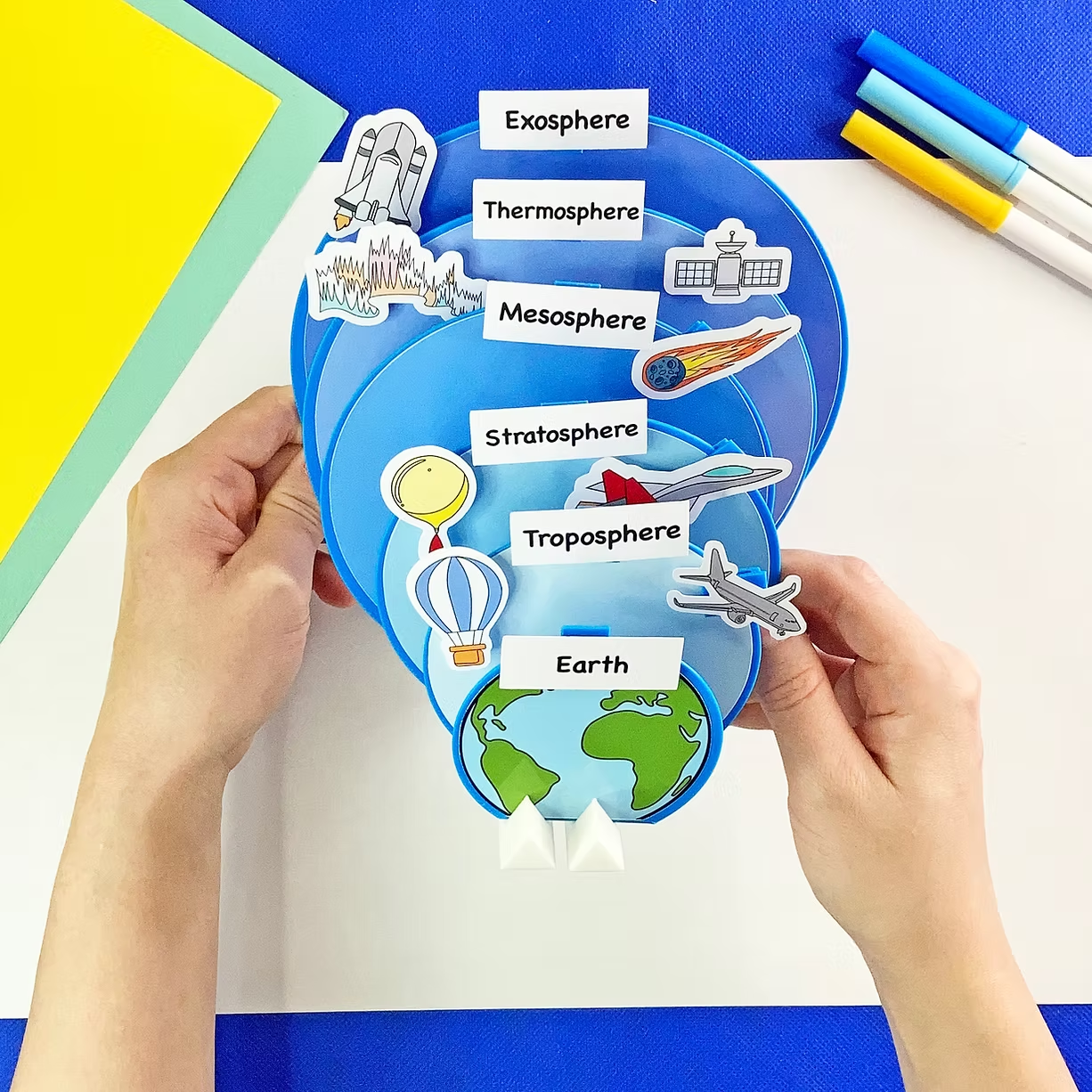
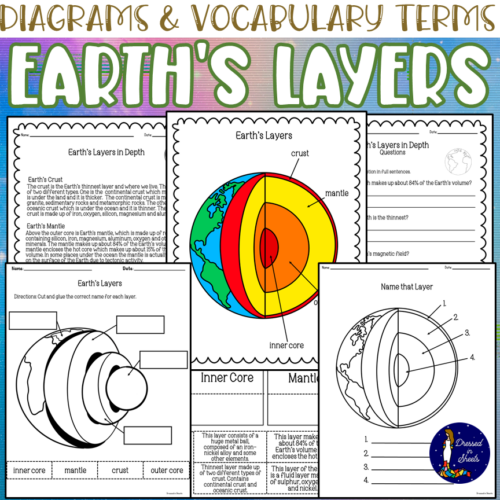
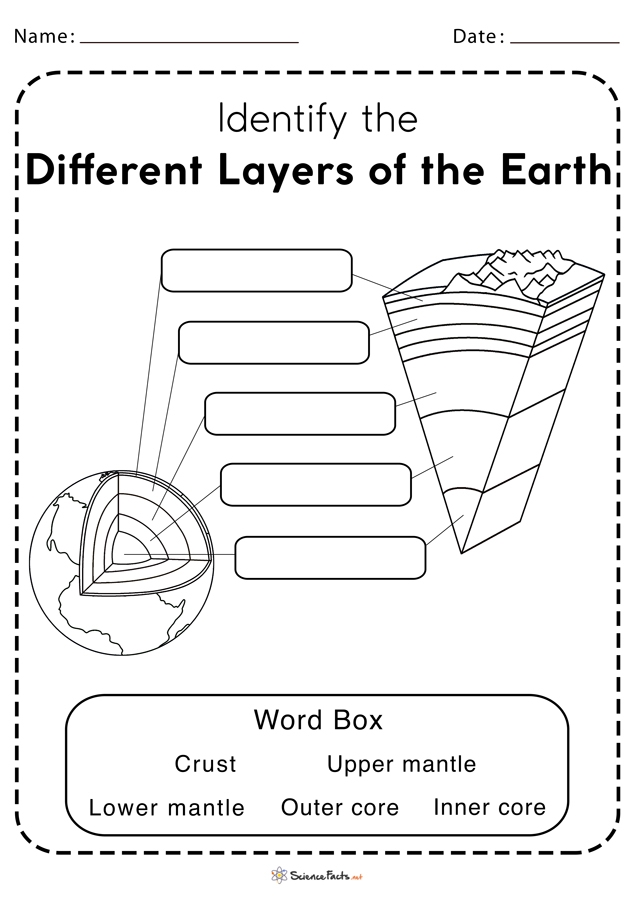
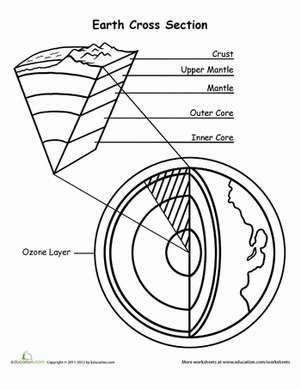
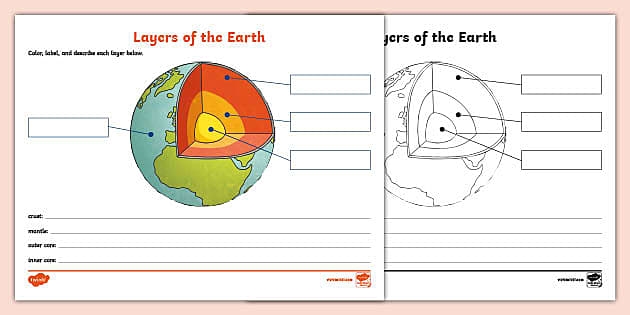
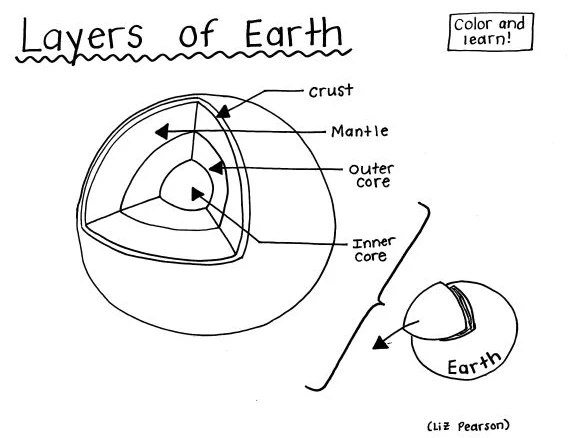
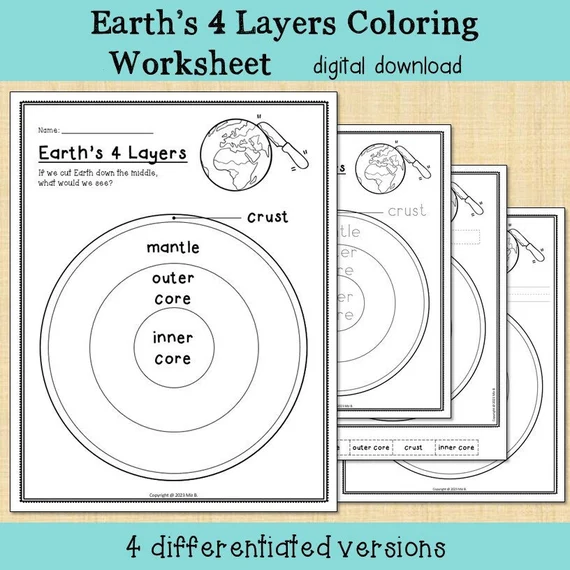
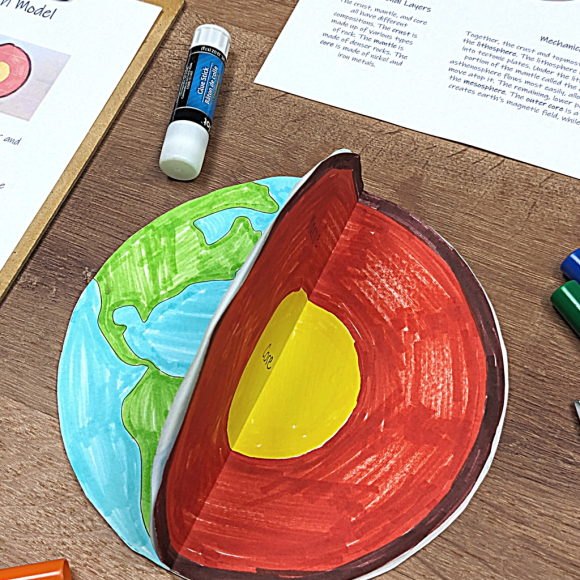
When students work through this type of activity, they’re learning about two distinct systems simultaneously. The solid layers include the crust, which is the thin outer shell we live on, the mantle beneath it, the outer core, and the inner core at the very center. Each layer has different properties, temperatures, and compositions that matter for understanding how our planet works. The atmospheric layers tell a different story, showing how the air above us organizes into the troposphere where weather happens, the stratosphere with its ozone layer, and the layers beyond that extend into space.
The labeling component of the worksheet serves a specific purpose. Rather than just reading about these layers, students engage their memory and recognition skills by matching terms to their correct positions. This active participation helps the information stick. The visual reinforcement of seeing where the troposphere ends and the stratosphere begins, or recognizing the dramatic temperature changes between layers, creates stronger neural connections than passive reading alone.
Fifth grade geometry and spatial reasoning skills actually support this learning too. Understanding how layers stack and relate to one another spatially prepares students for more complex Earth science concepts later. If your students are also working on other fifth grade worksheets, you might notice how skills build across subjects. For instance, the precision needed for labeling diagrams connects to the focus required in solving one and two step equations, or the vocabulary building parallels work on what is figurative language.
This hands-on approach to learning Earth’s layers makes the planet feel less like an abstract concept and more like a real structure students can visualize and understand.
Printable Worksheets for Practice