Teaching figurative language to fifth grade students doesn’t have to feel like a dry grammar lesson. When you introduce them to eight common types of figurative language through a colorful, hands-on exercise, something shifts. Students begin to see how writers paint pictures with words, how language bends and stretches beyond its literal meaning, and why this matters for their own writing.
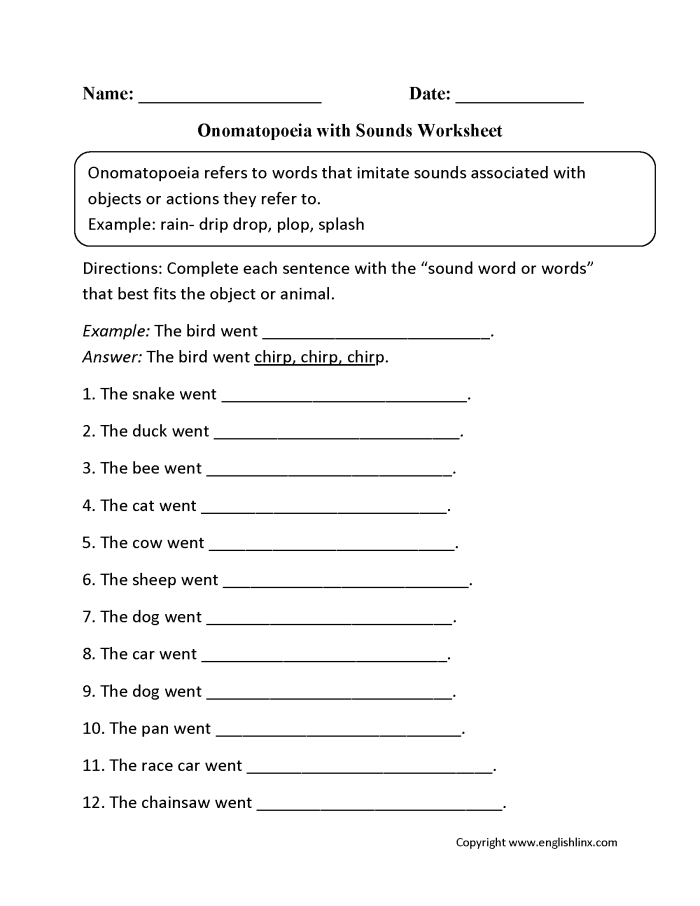
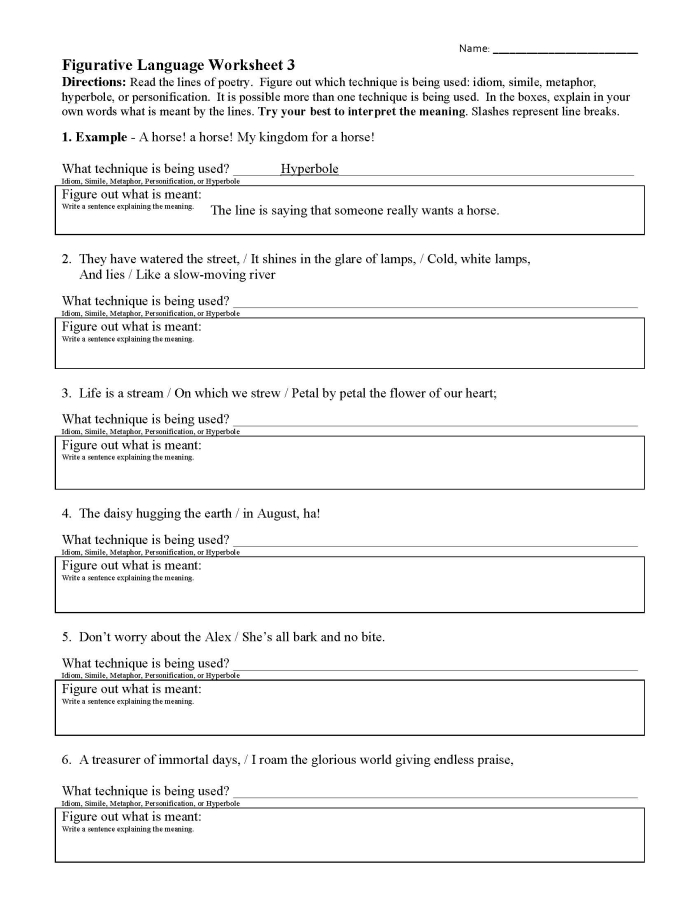
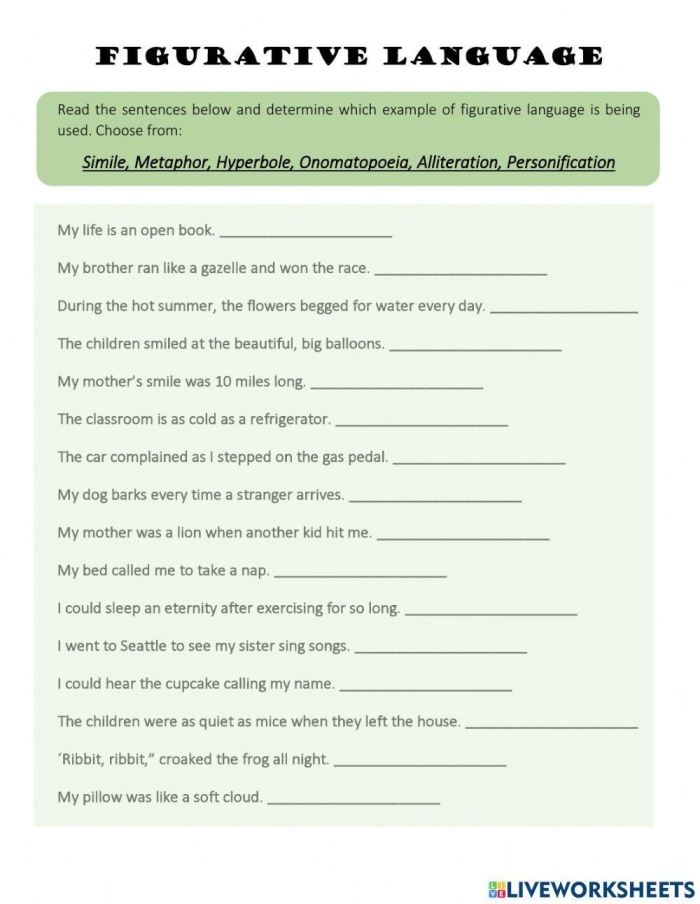
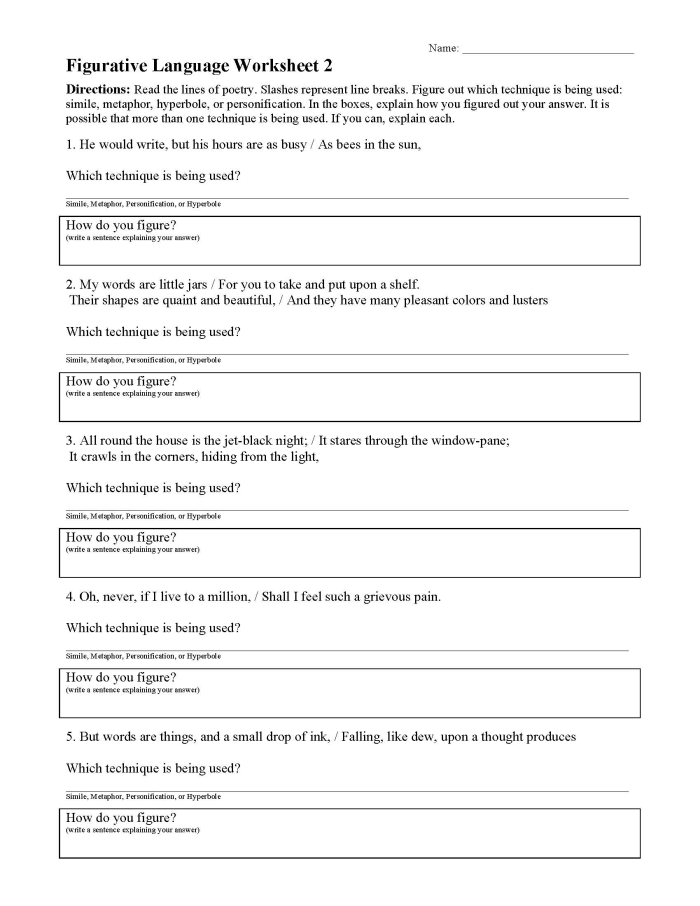
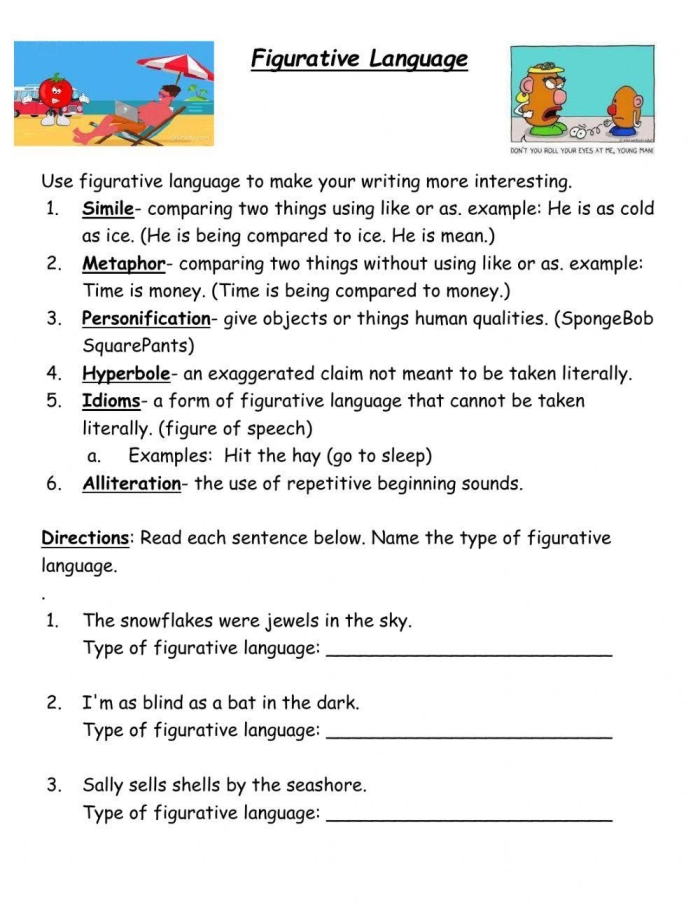
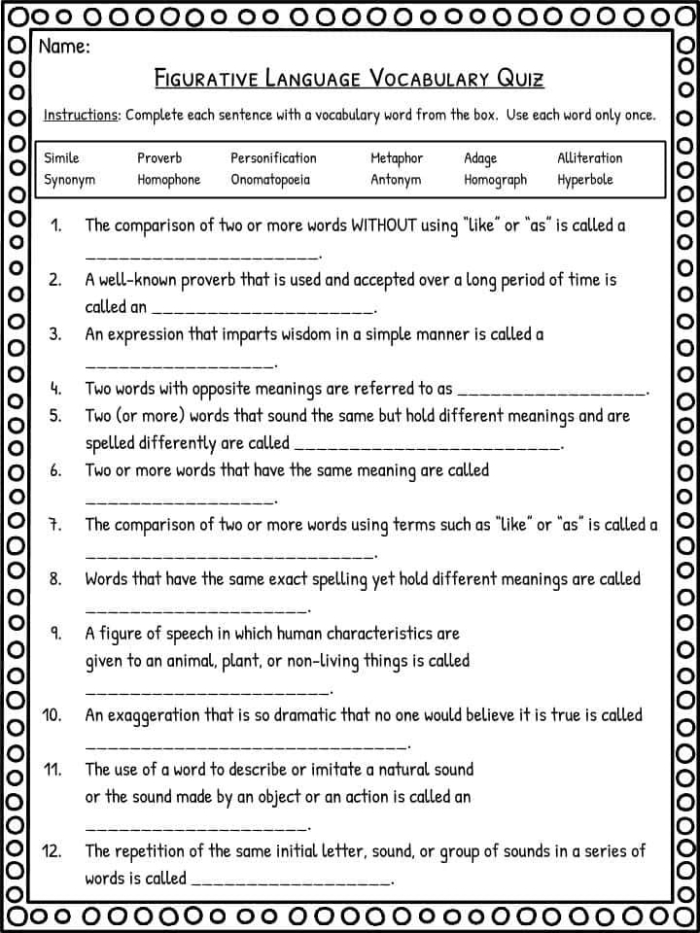
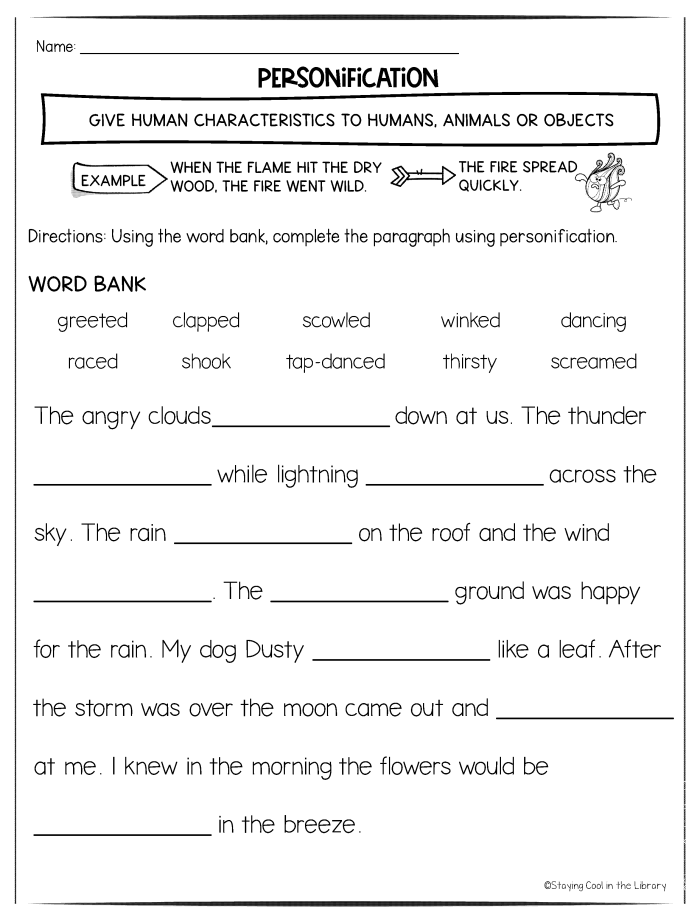
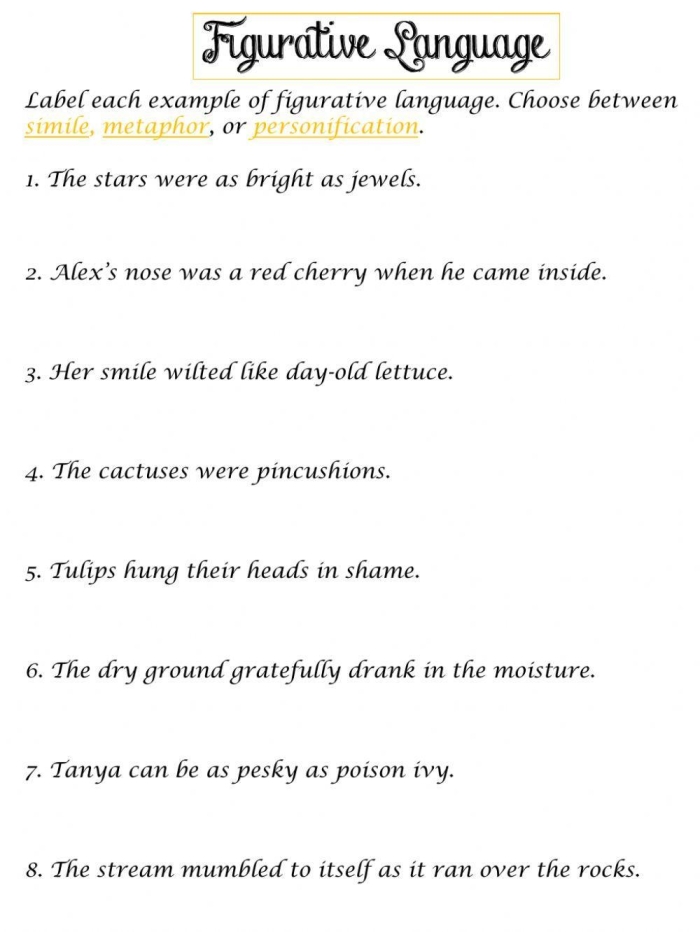
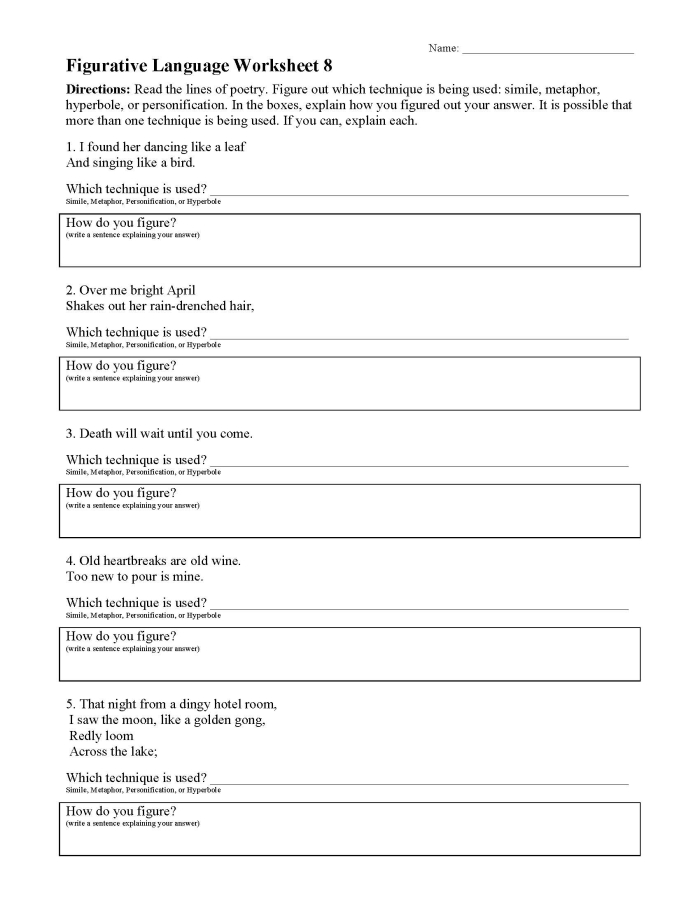
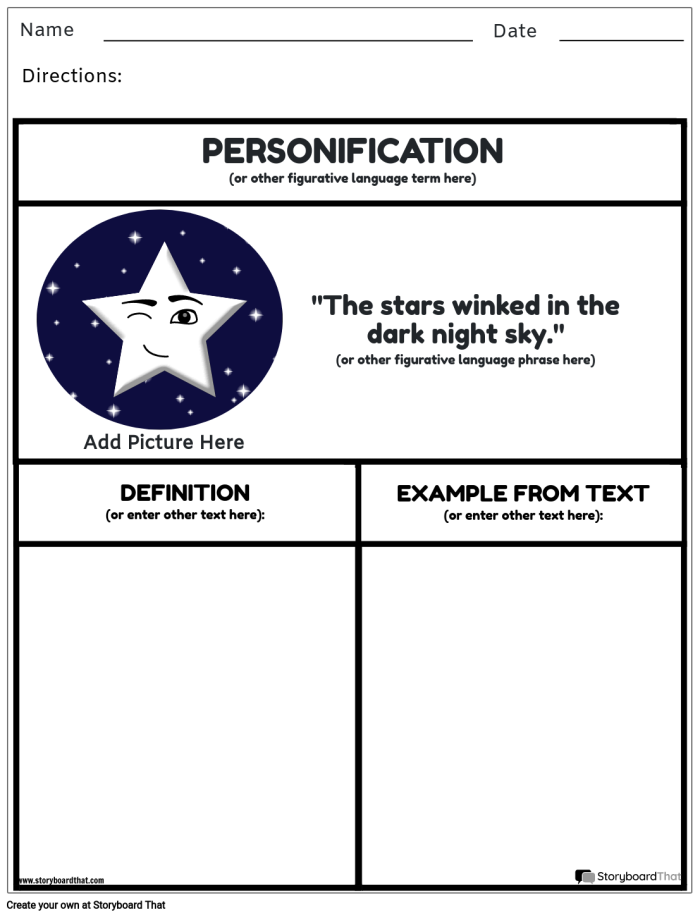
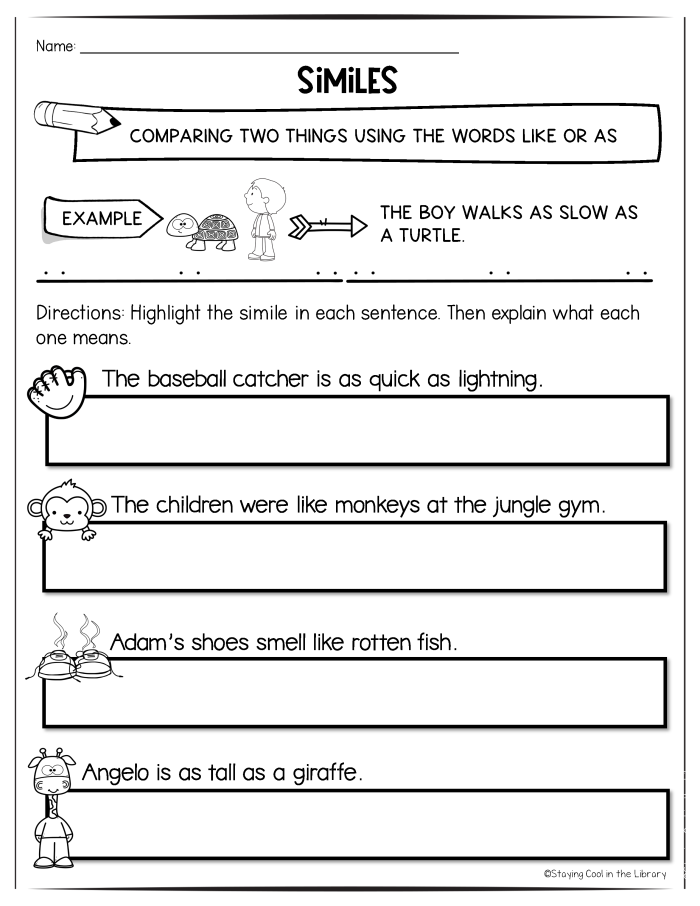
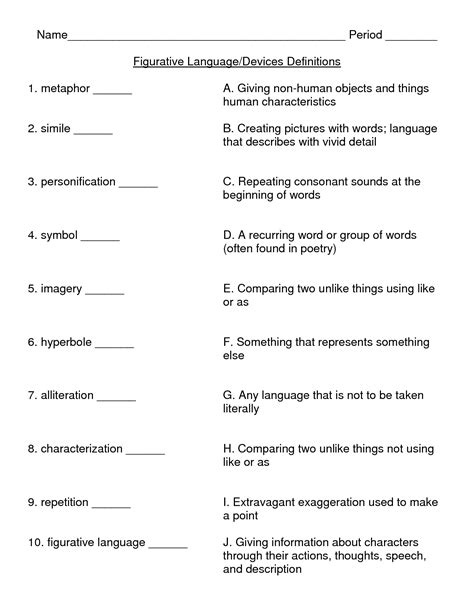
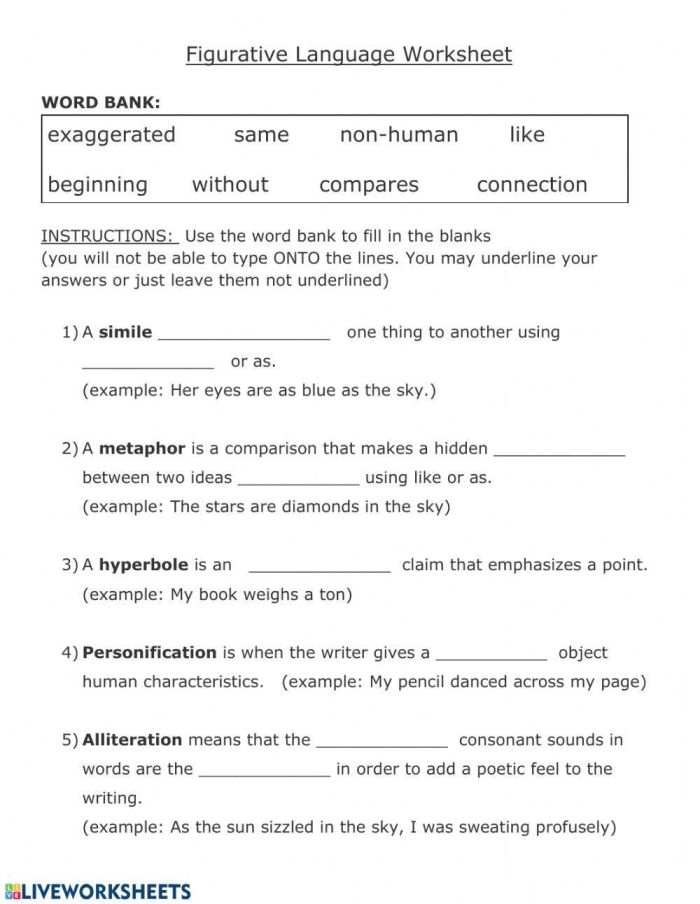
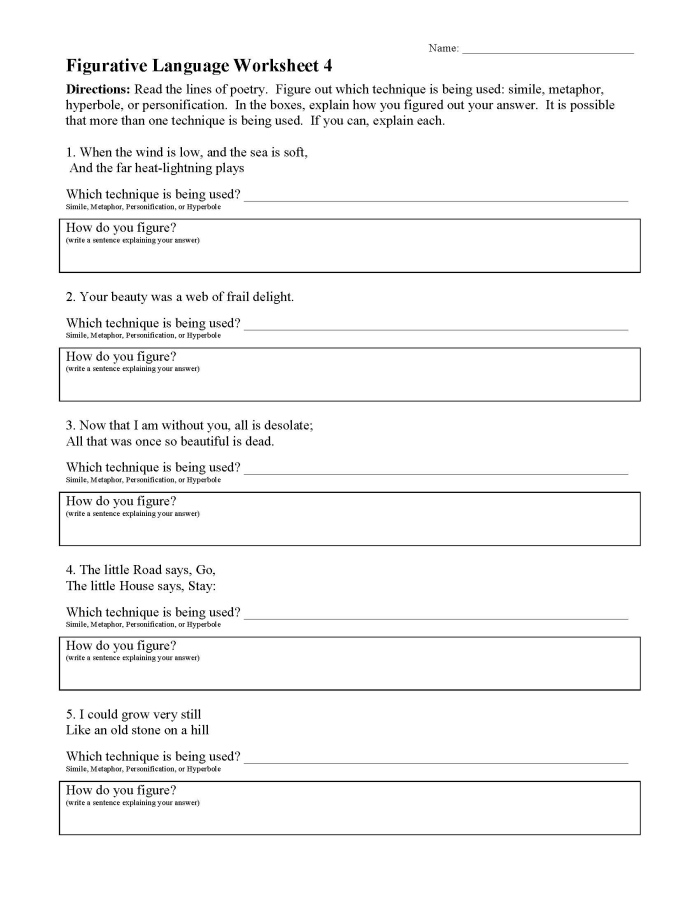
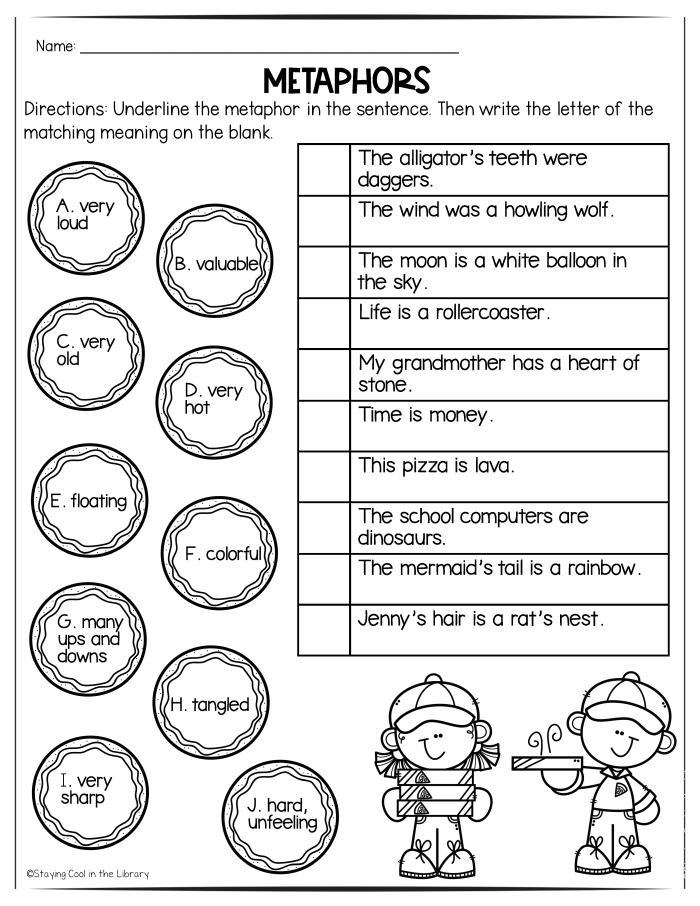
The eight types worth focusing on are metaphor, simile, personification, hyperbole, idiom, alliteration, onomatopoeia, and oxymoron. Each one works differently. A metaphor directly compares two unlike things without using “like” or “as,” while a simile makes that comparison explicit. Personification gives human qualities to non-human objects, and hyperbole uses extreme exaggeration for effect. These aren’t abstract concepts when students see them in action through colorful visual exercises.
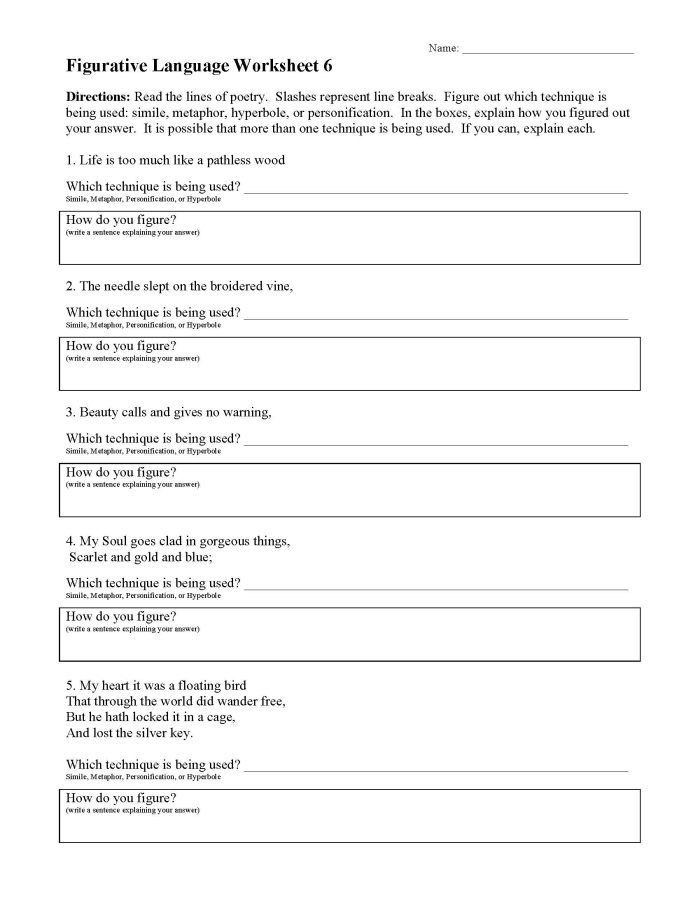
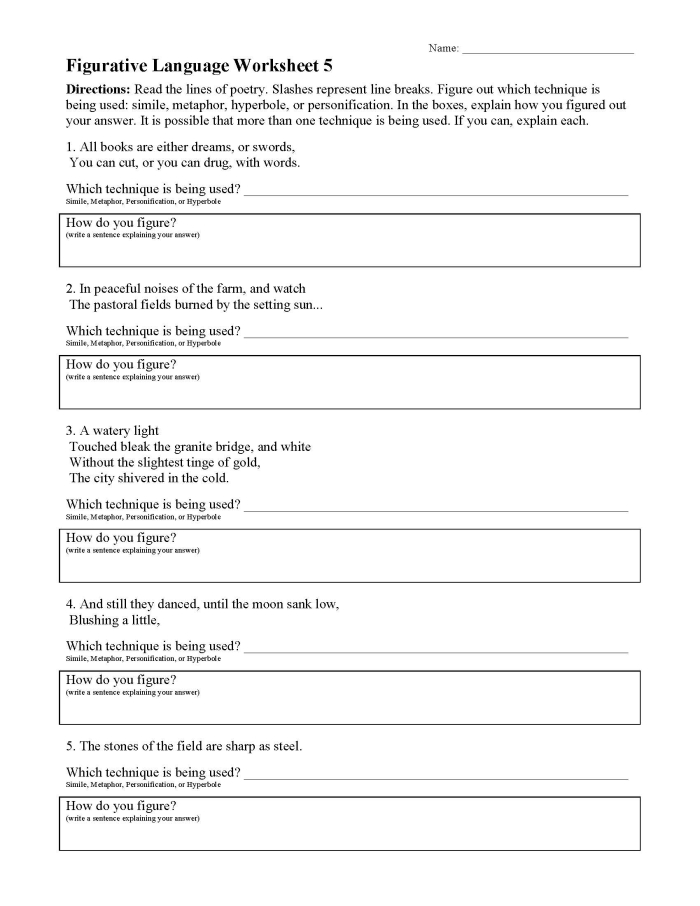
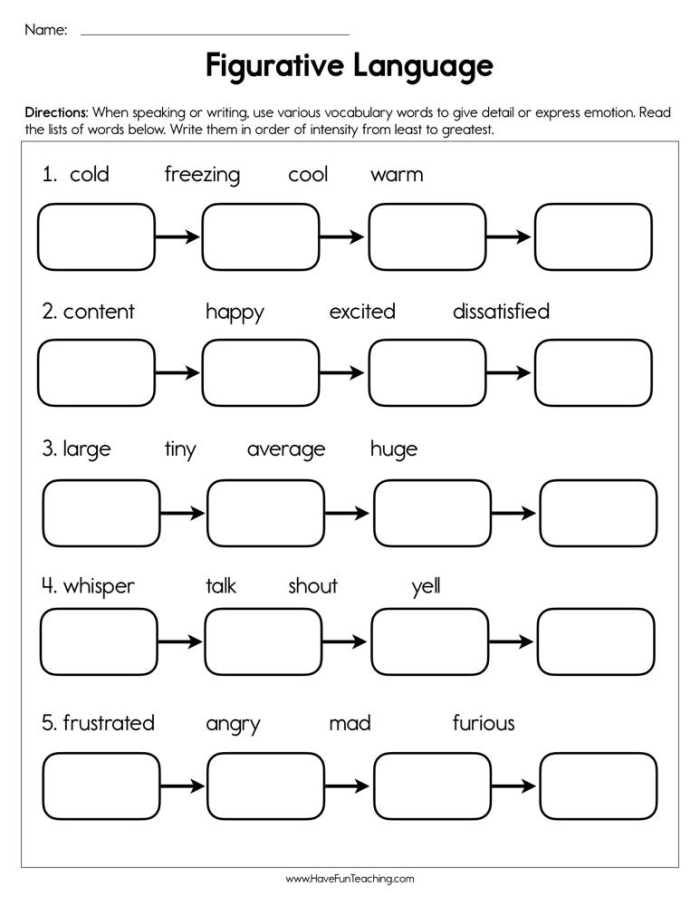
What makes this approach effective is the combination of visual learning with creative engagement. Fifth graders respond well to color-coded examples, illustrations, and interactive activities that let them identify and create their own examples. When students work through exercises that ask them to spot personification in a poem or write their own hyperbolic sentence about homework, they’re building real comprehension rather than memorizing definitions.
Pairing figurative language instruction with complementary activities strengthens retention. You might combine this lesson with exercises that develop other language skills. For instance, students could work on word puzzles featuring civil rights leaders to build vocabulary alongside figurative language study. Or they could explore visual representations like moon phases to understand how illustrations enhance written descriptions.
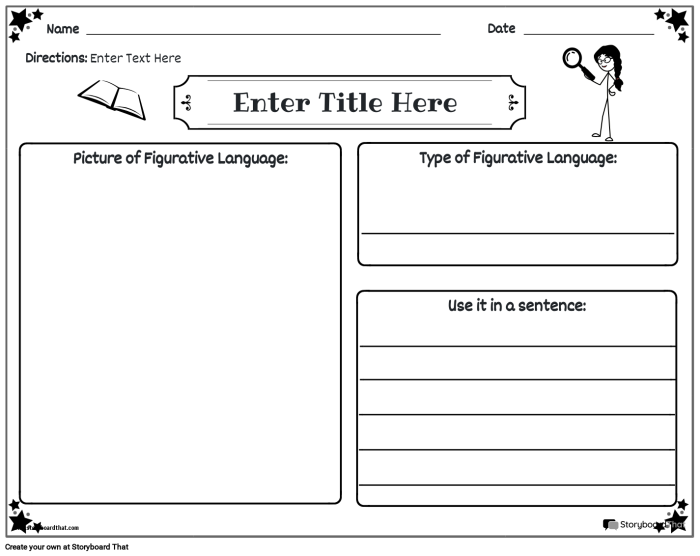
The colorful exercise format works because it meets students where they are developmentally. Fifth graders benefit from seeing examples, practicing identification, and then creating their own figurative language. This progression builds confidence and makes abstract language concepts concrete and memorable.
Hands-On Worksheet Activities