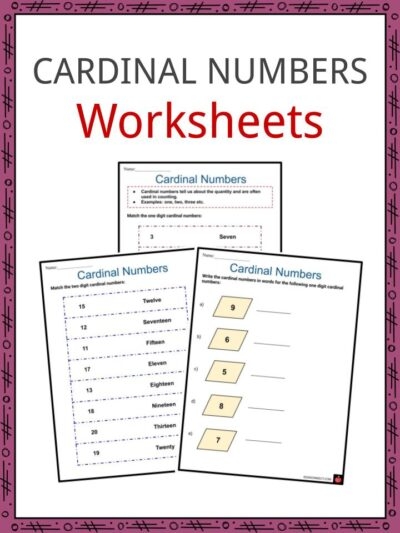
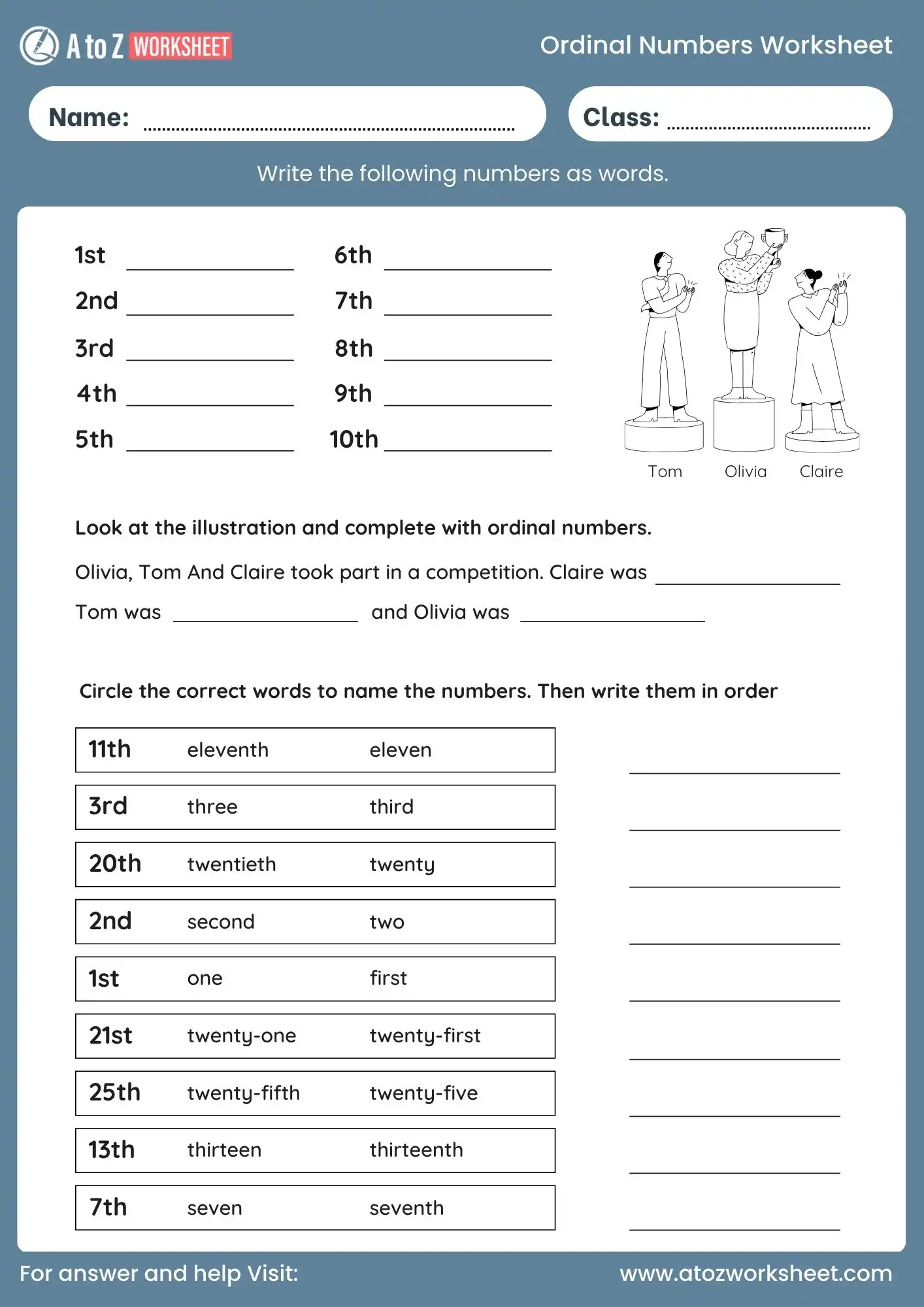
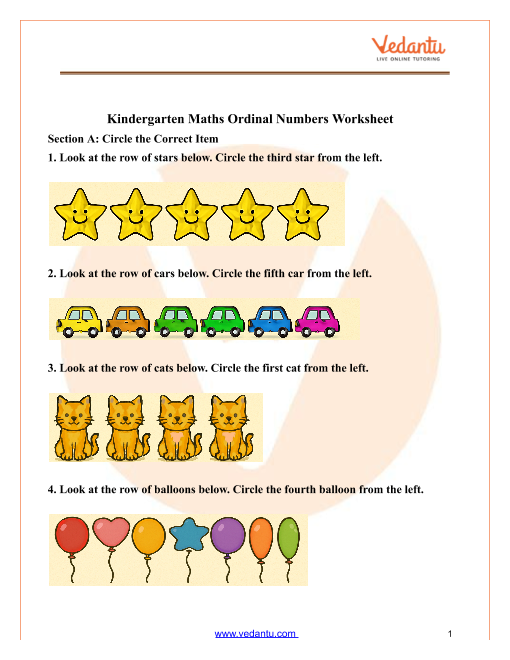
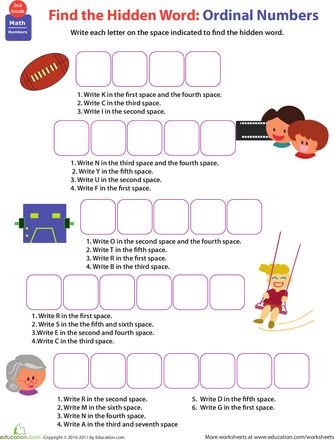
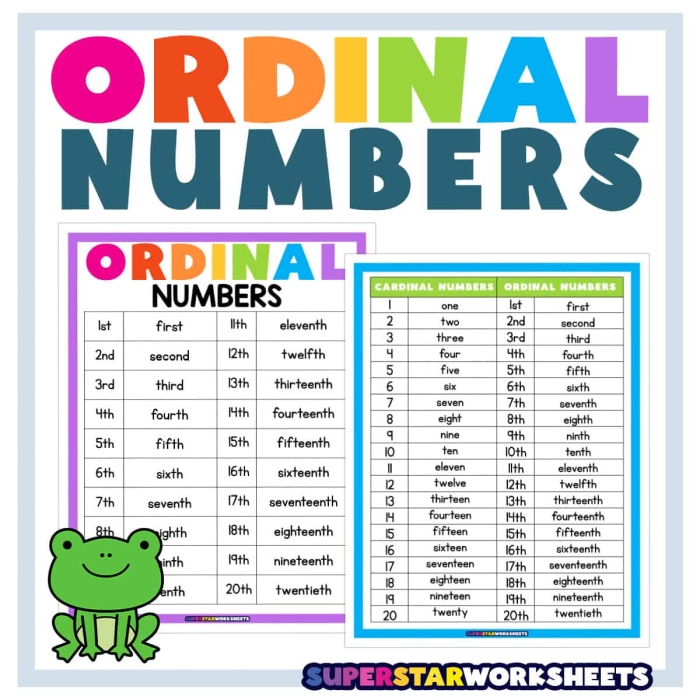
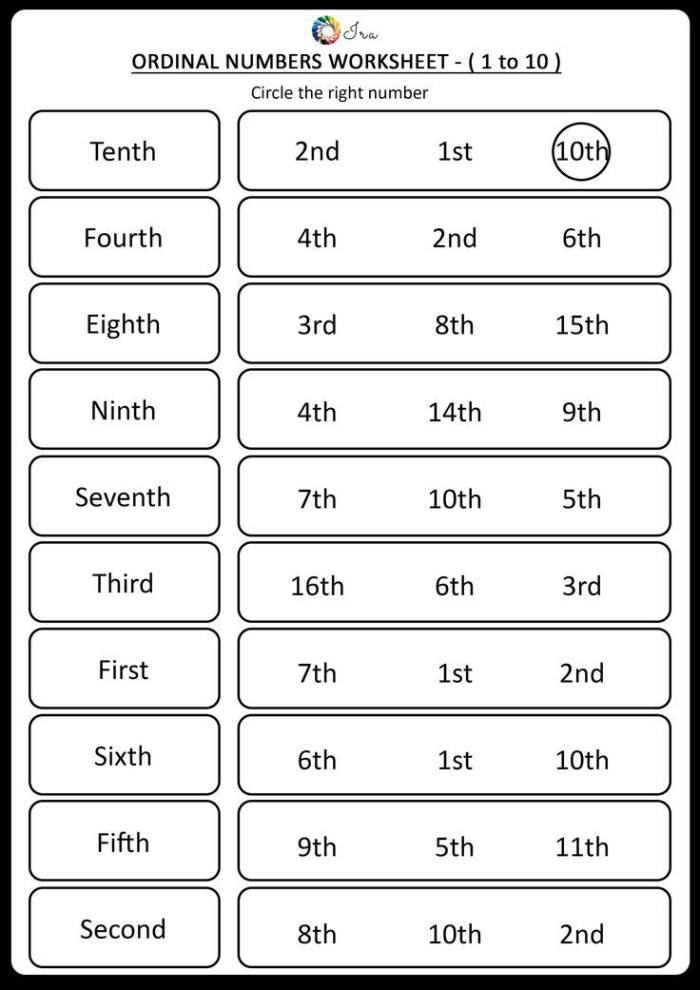
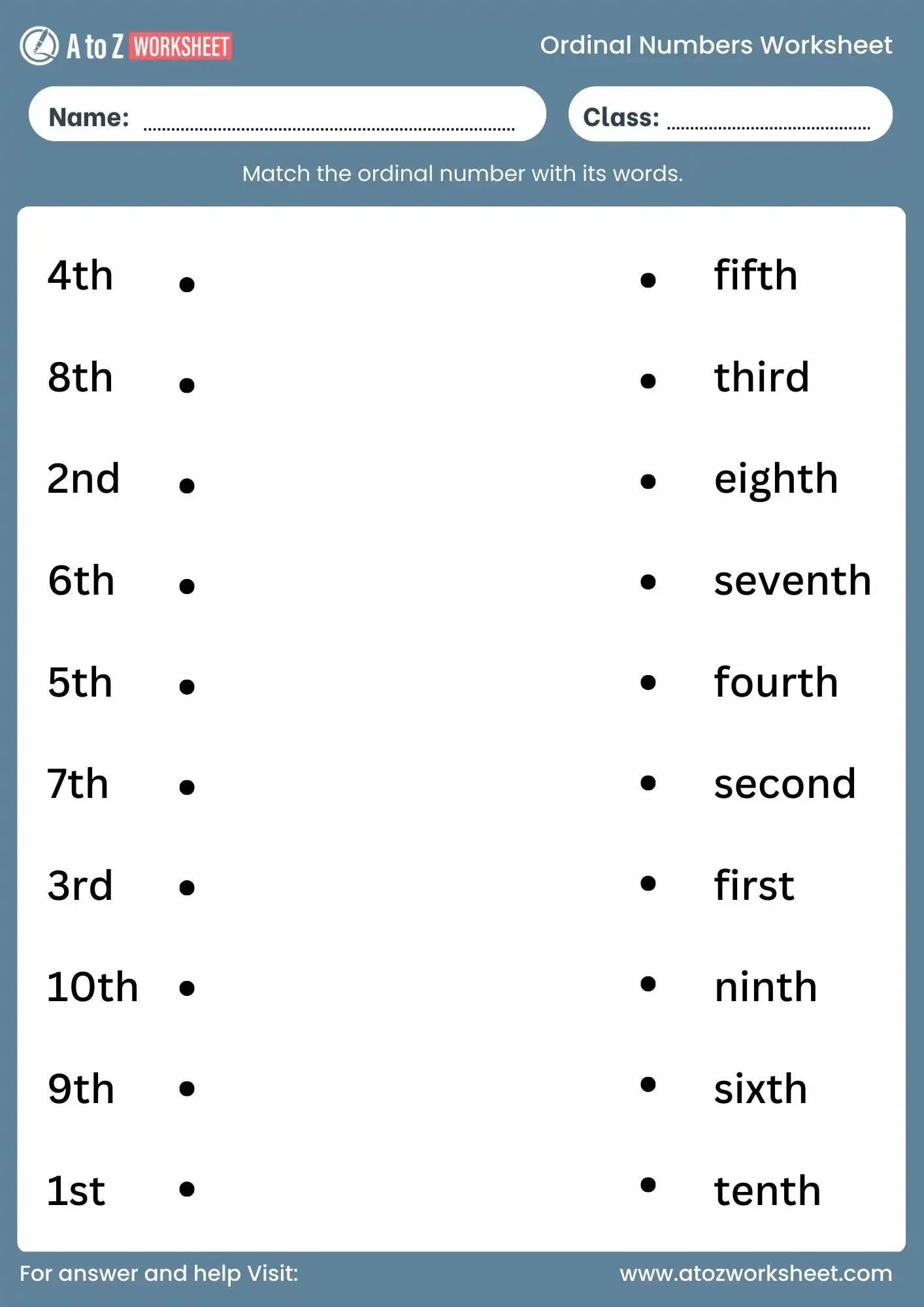
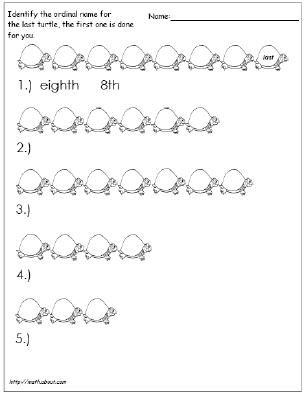
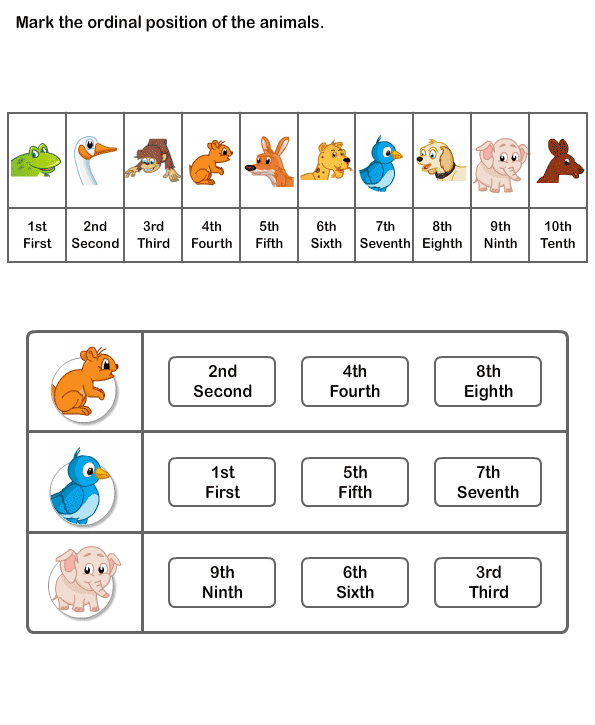
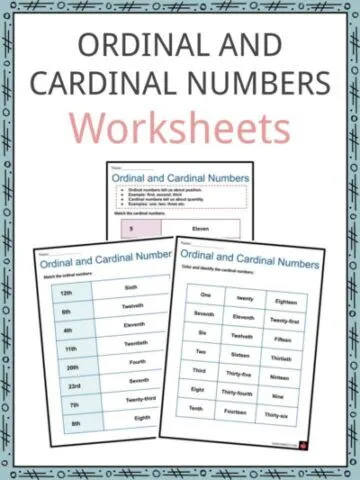
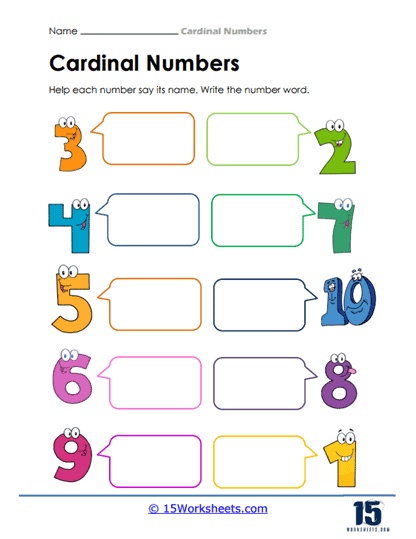
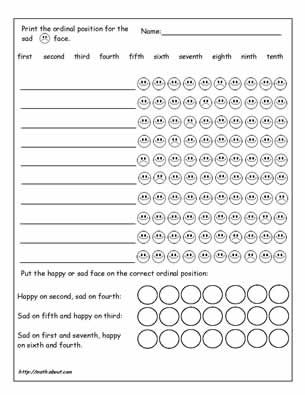
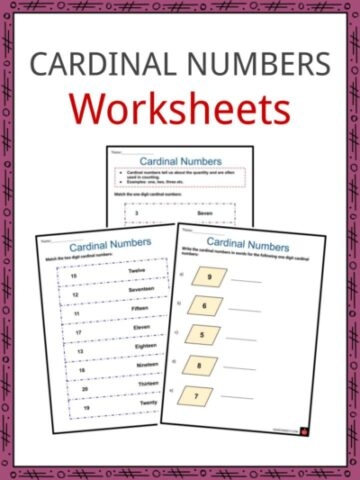
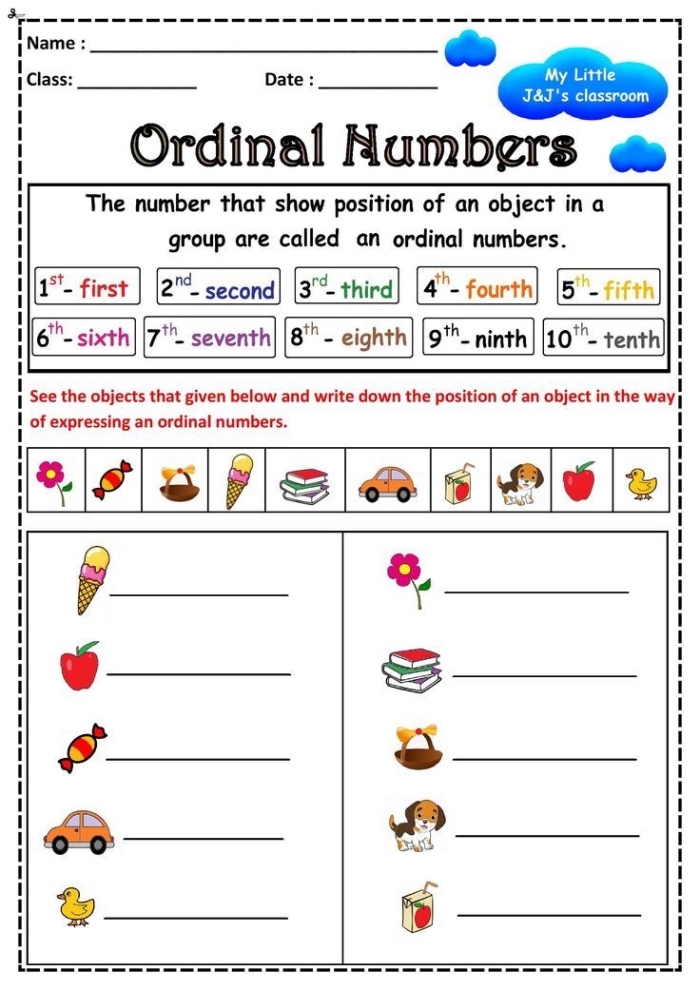
Your second grader is learning to count, but there’s a layer of understanding that goes beyond just saying numbers in order. Understanding the difference between ordinal and cardinal numbers is one of those foundational concepts that opens doors to deeper math comprehension. This worksheet targets exactly that skill, giving kids the practice they need to recognize when a number tells “how many” versus “what position.”
Cardinal numbers answer the question of quantity. When your child counts five apples or sees the number 7, they’re working with cardinal numbers. Ordinal numbers, on the other hand, describe position or order: first, second, third, tenth, and so on. Many second graders confuse these two concepts initially because they haven’t yet internalized that numbers serve different purposes depending on context.
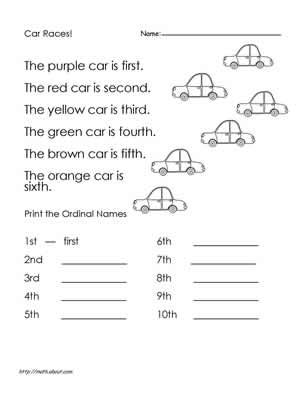
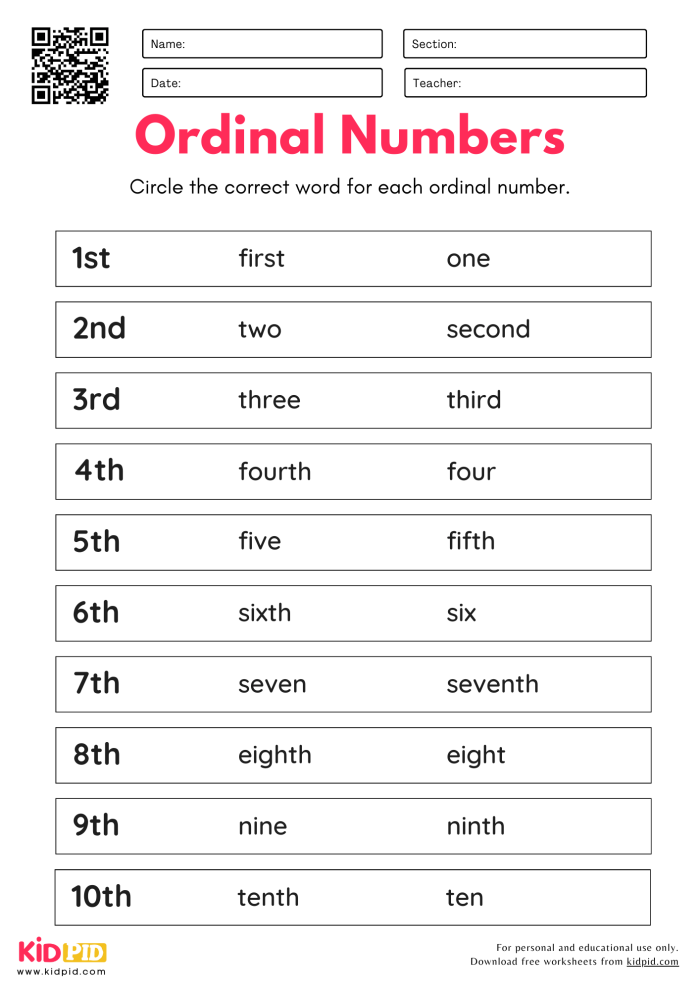
The worksheet approach works because it forces active identification rather than passive reading. Your child sees a number and must decide which category it belongs to, strengthening neural pathways around this distinction. This kind of targeted practice is what separates understanding from mere familiarity. When kids engage with ordinal number exercises consistently, the concept sticks.
What makes this worksheet particularly effective is that it isolates this single concept. Your second grader isn’t juggling multiple skills at once. They’re focused entirely on the cardinal versus ordinal distinction. This clarity helps build confidence, which matters tremendously at this age.
Beyond this worksheet, you might explore how these numbers appear in real contexts. Reading books with numbered sequences, playing games that use ordinal positions, or simply narrating daily activities using both types of numbers reinforces the learning. Pairing this with other numbers and counting practice creates a well-rounded foundation. With consistent exposure and practice, your child will move from hesitantly identifying these numbers to doing so automatically.
Download These Worksheets for Practice