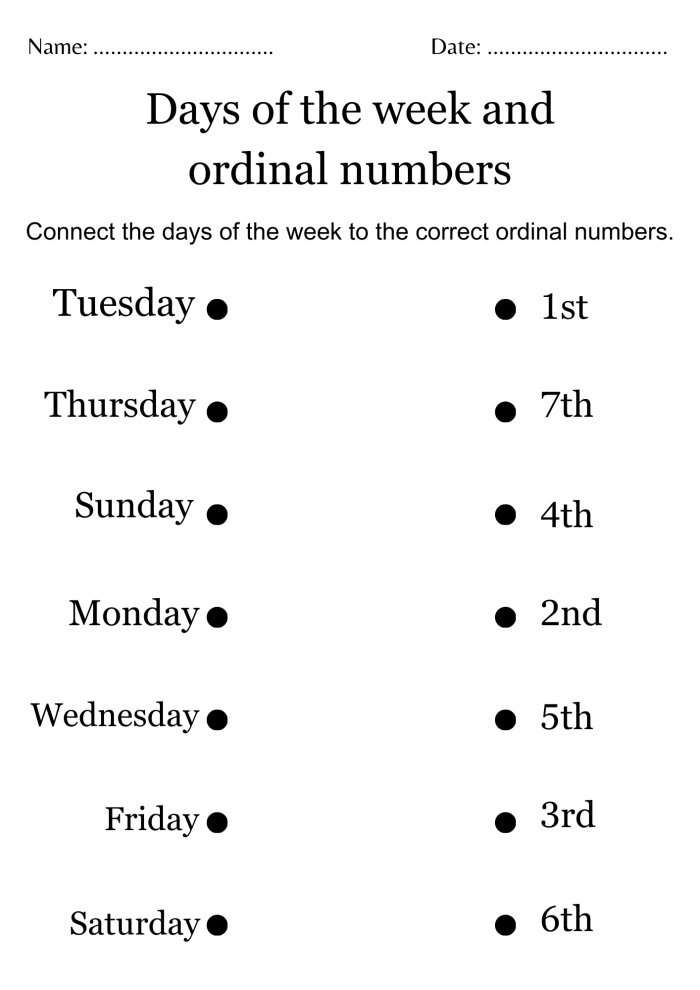
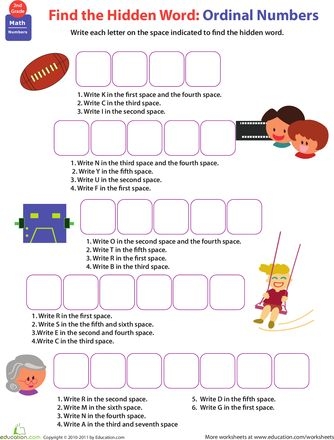
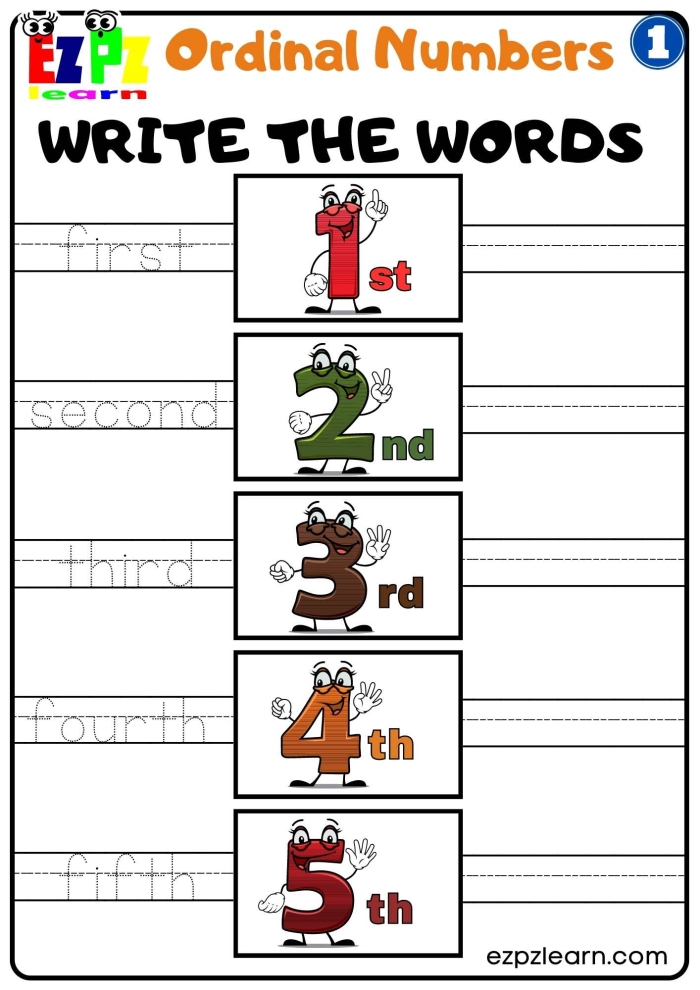
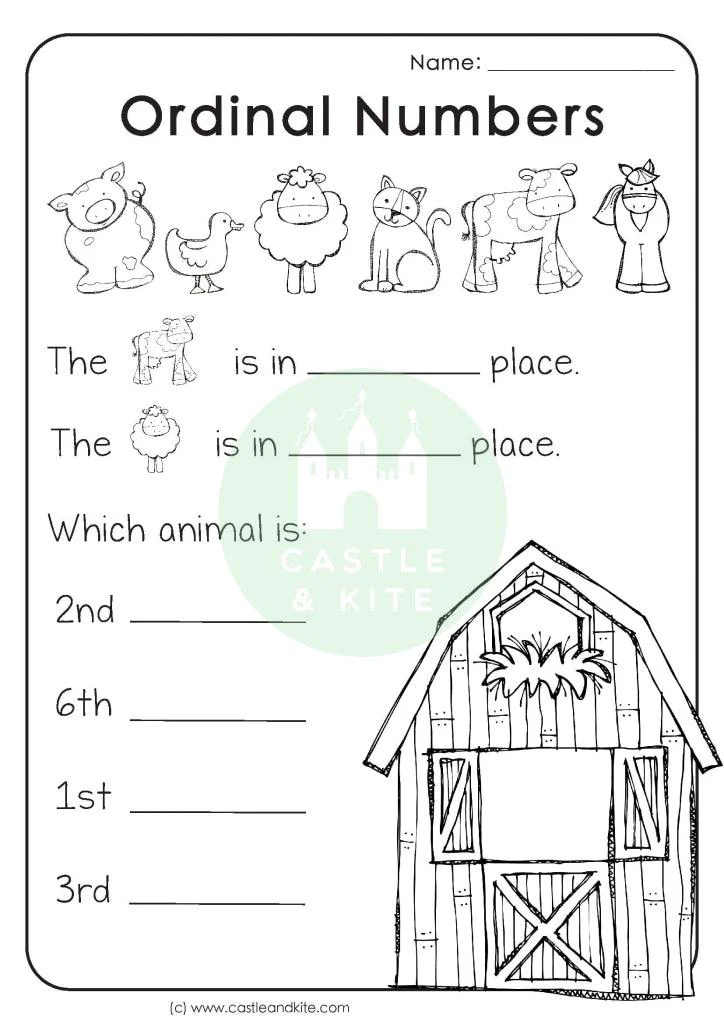
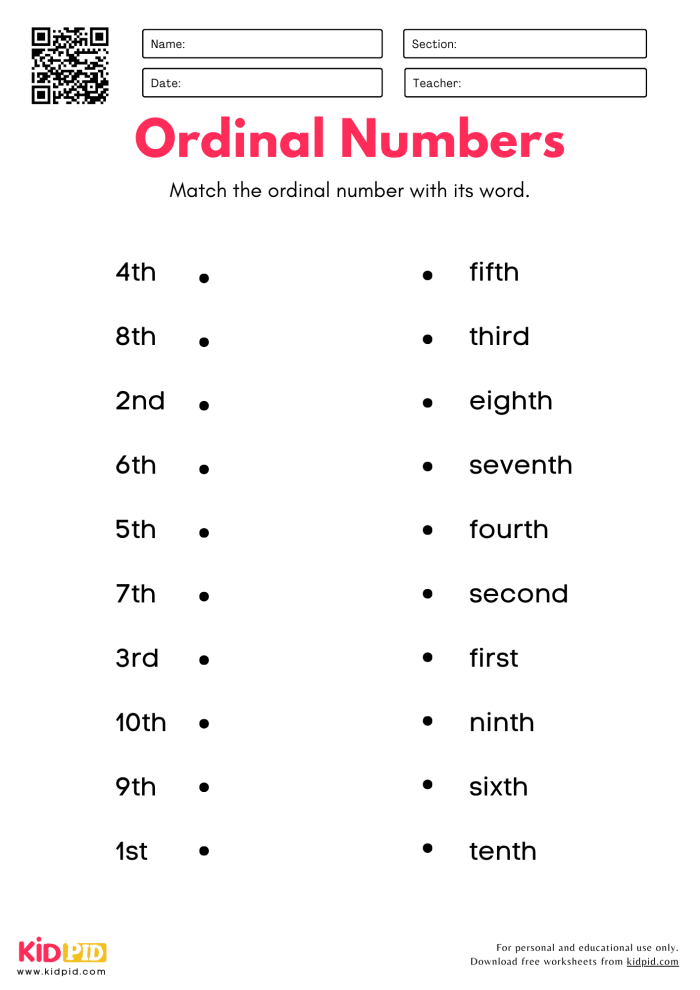
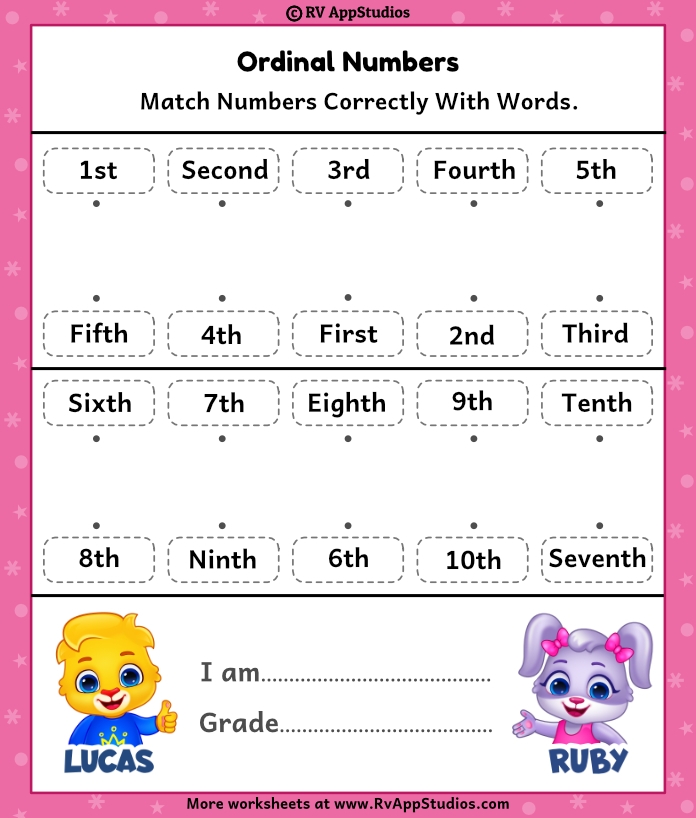
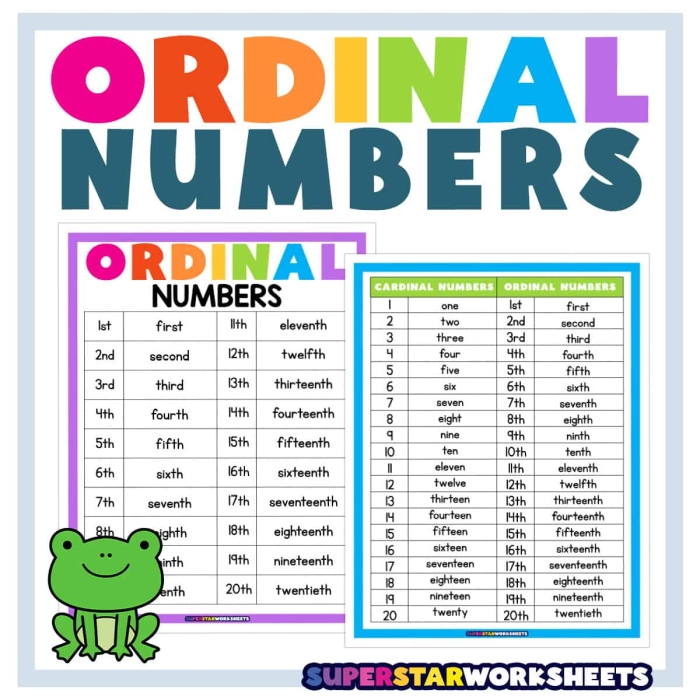
Second graders often struggle with the abstract concept of ordinal numbers because they think differently about position and sequence than older children do. Ordinal numbers (1st, 2nd, 3rd, 4th, and beyond) require kids to understand not just counting, but also ranking and order, which is a more complex cognitive skill than simple number recognition.
When you give your second grader practice with ordinal numbers through worksheets, you’re building a foundation for understanding position in real-world contexts. A child needs to know that “1st place” means something different from “1 apple,” even though both involve the number one. This distinction matters when they’re lining up for lunch, understanding race results, or following multi-step instructions.
Why Ordinal Numbers Matter Now
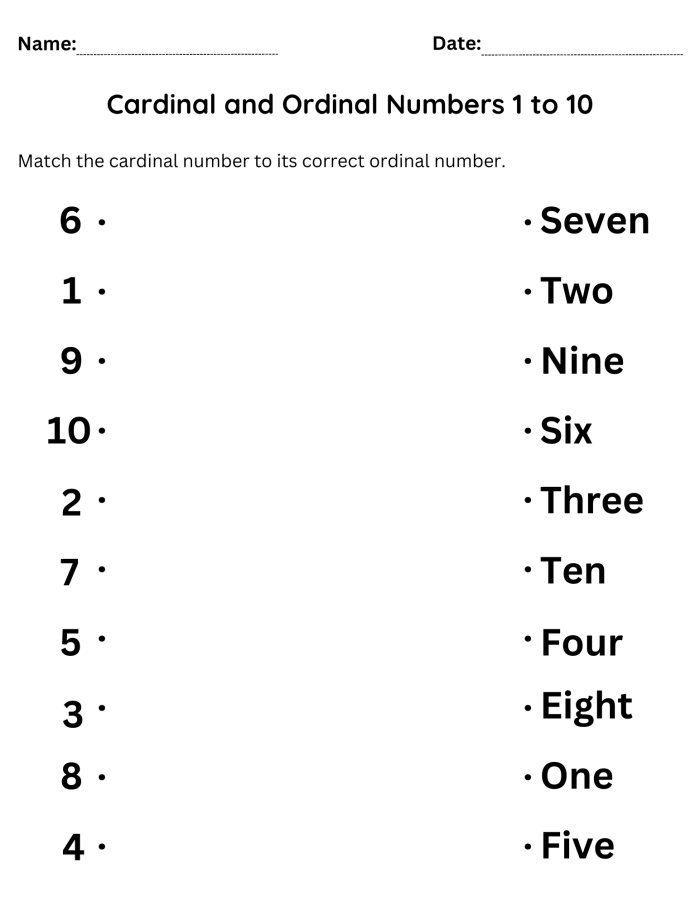
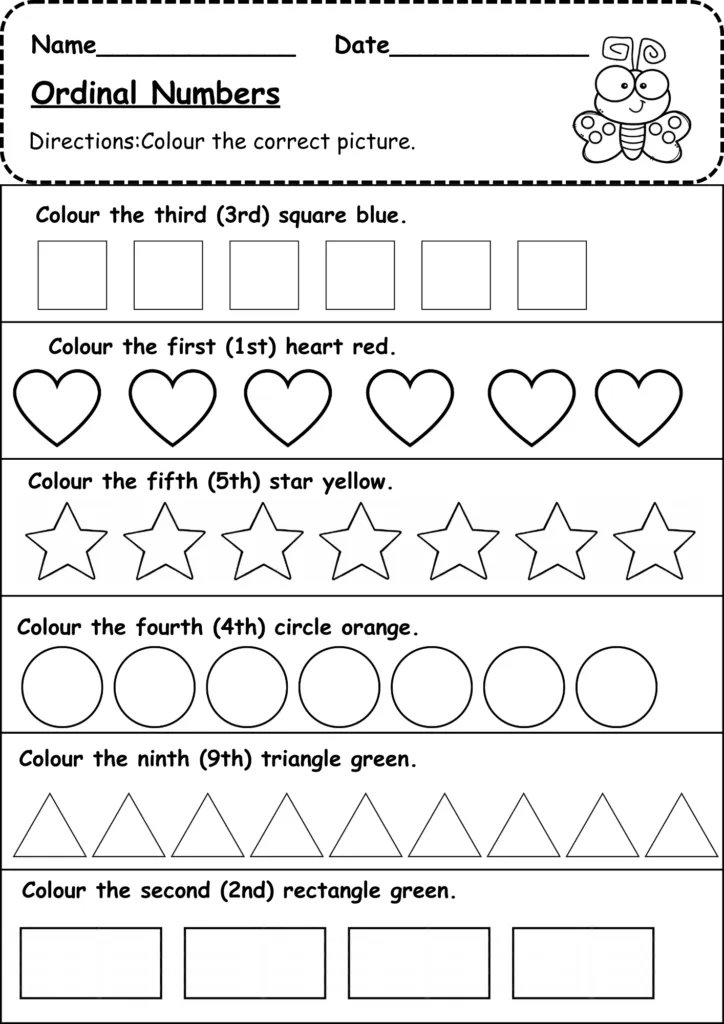
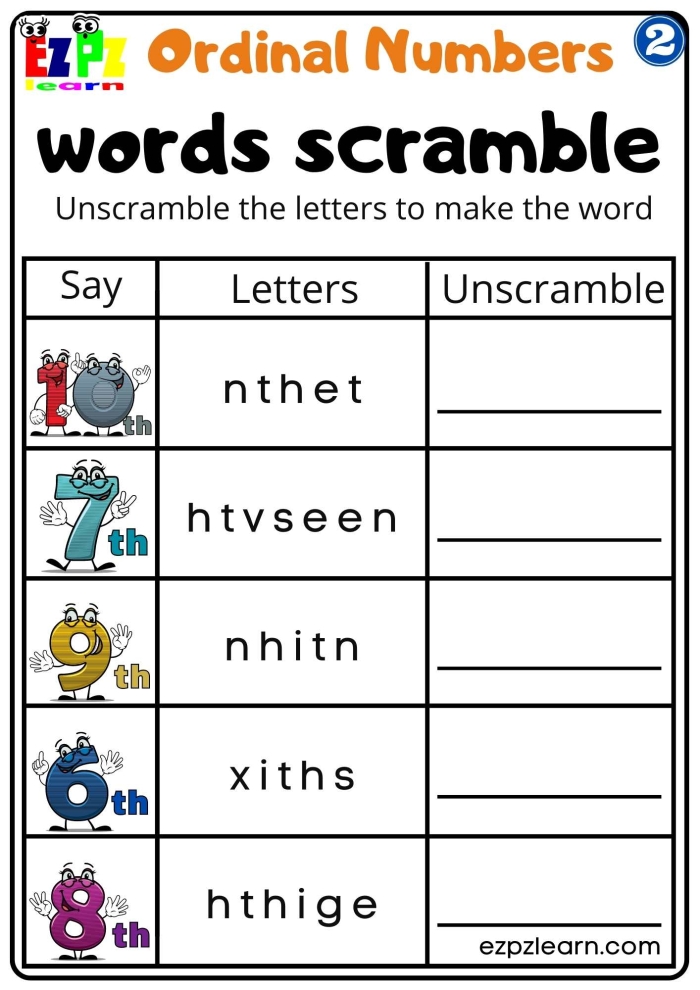
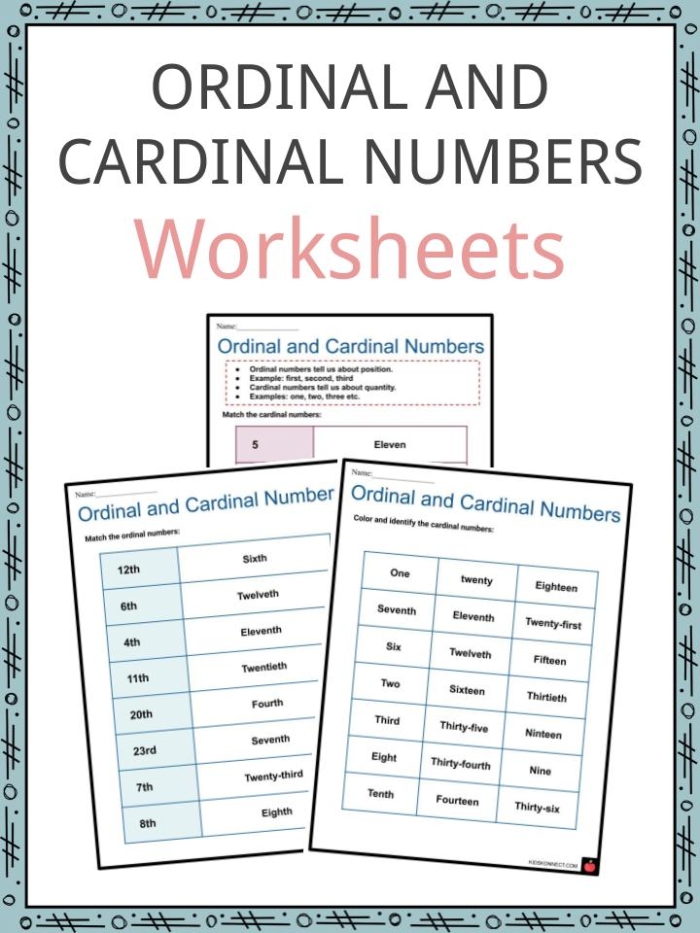
At this age, kids encounter ordinal numbers constantly. The first person in line gets to be door monitor. The third chapter of a book comes after the second. A worksheet focused specifically on recognizing and placing ordinal numbers helps cement these concepts before they move into more complex math. When paired with other numbers and counting second grade worksheets, ordinal practice strengthens overall number sense.
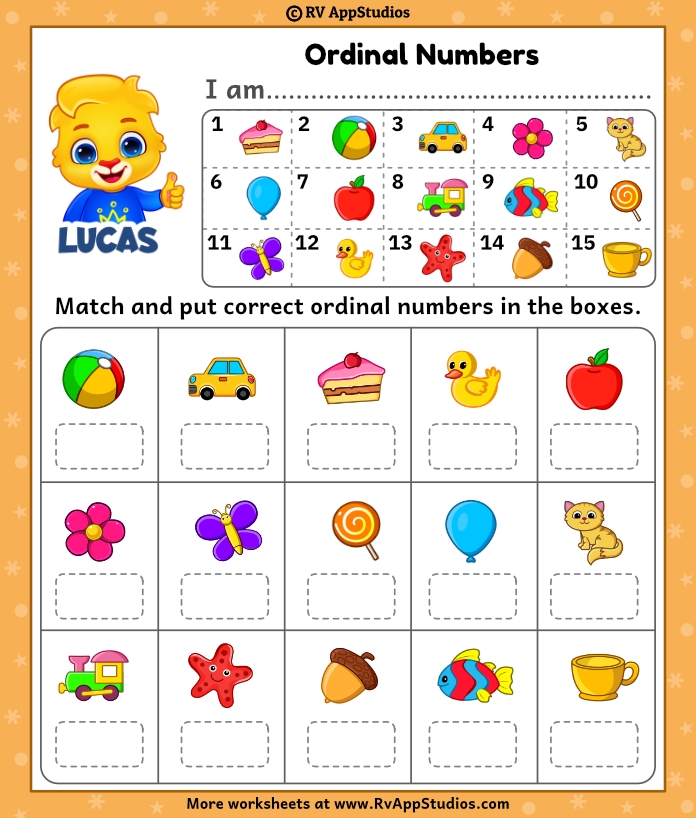
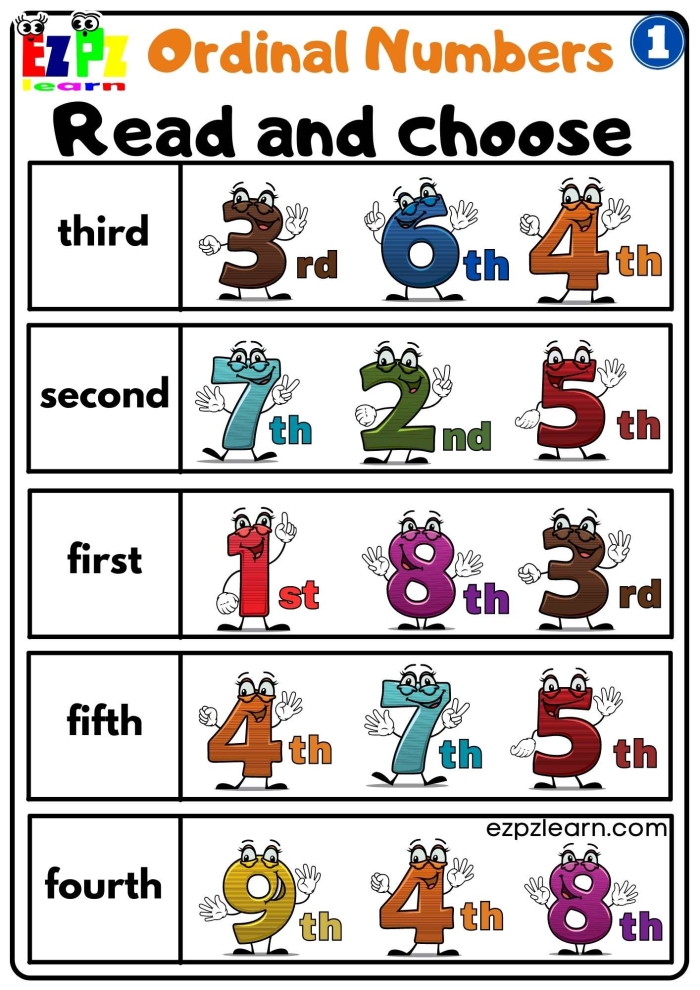
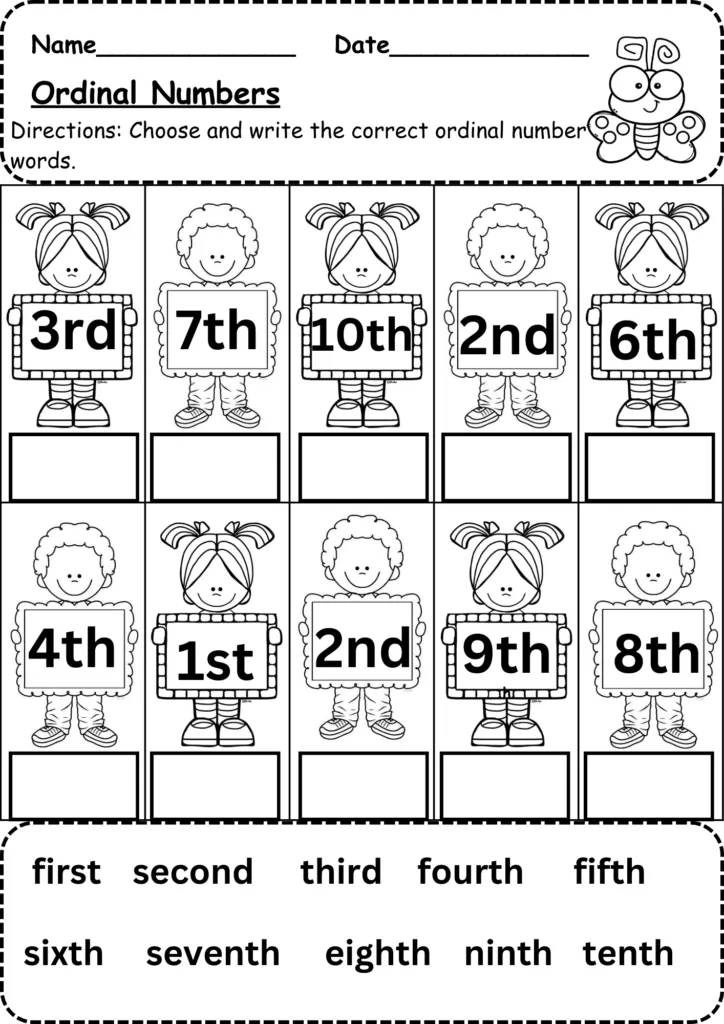
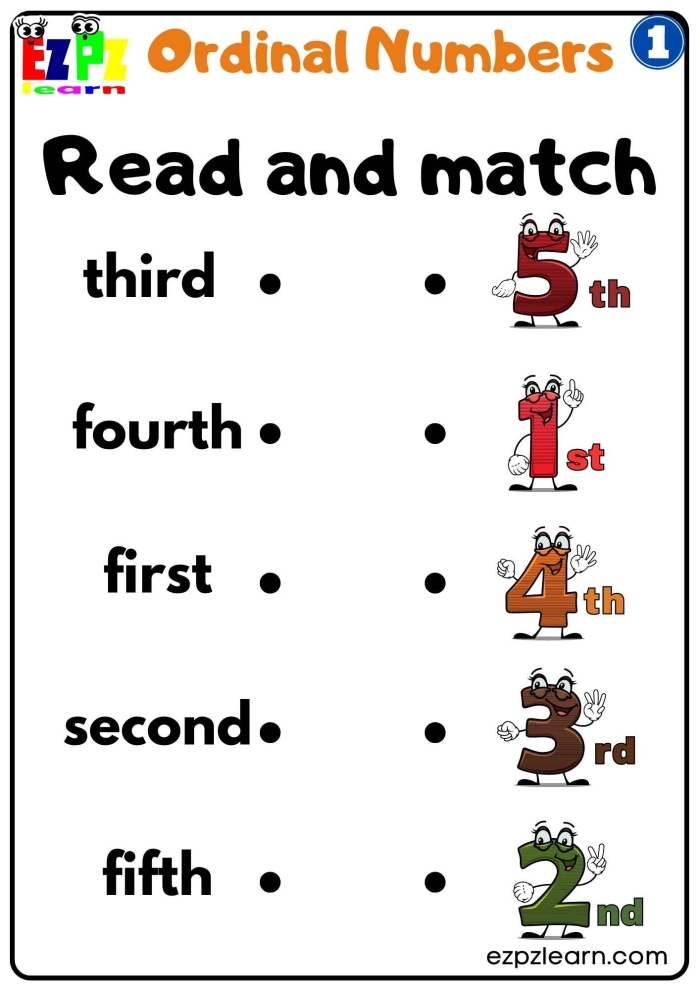
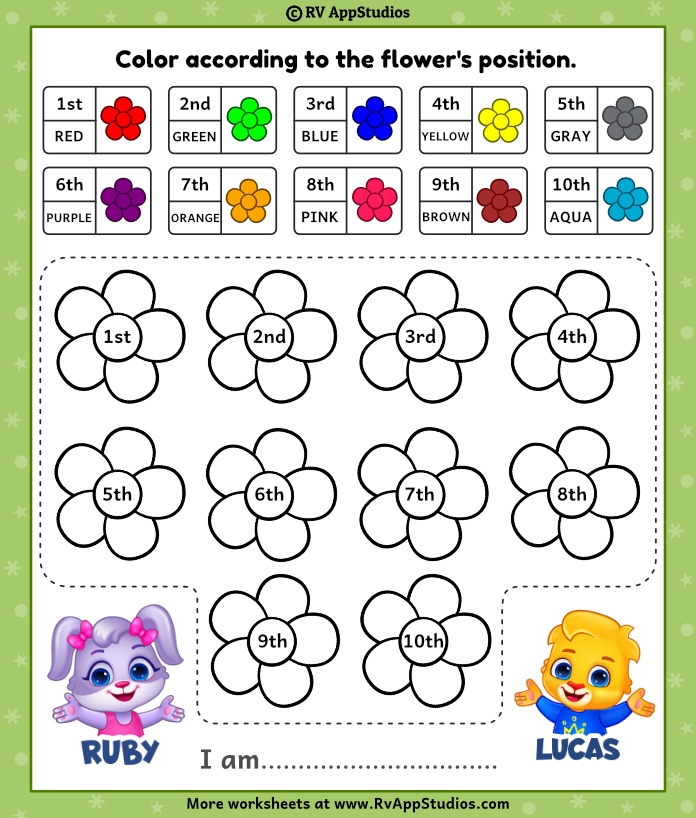
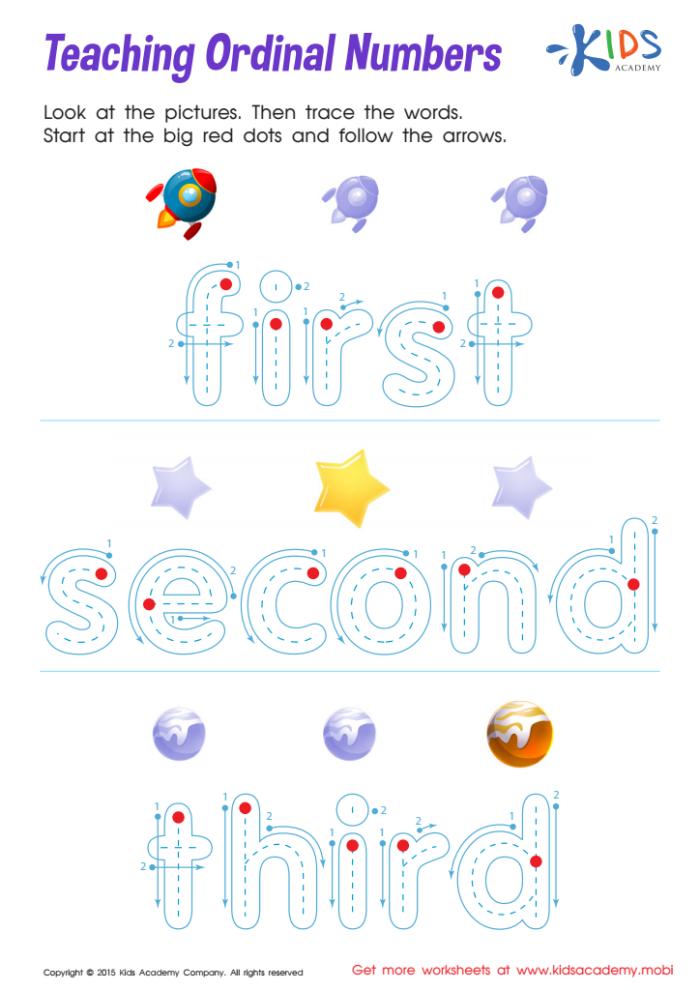
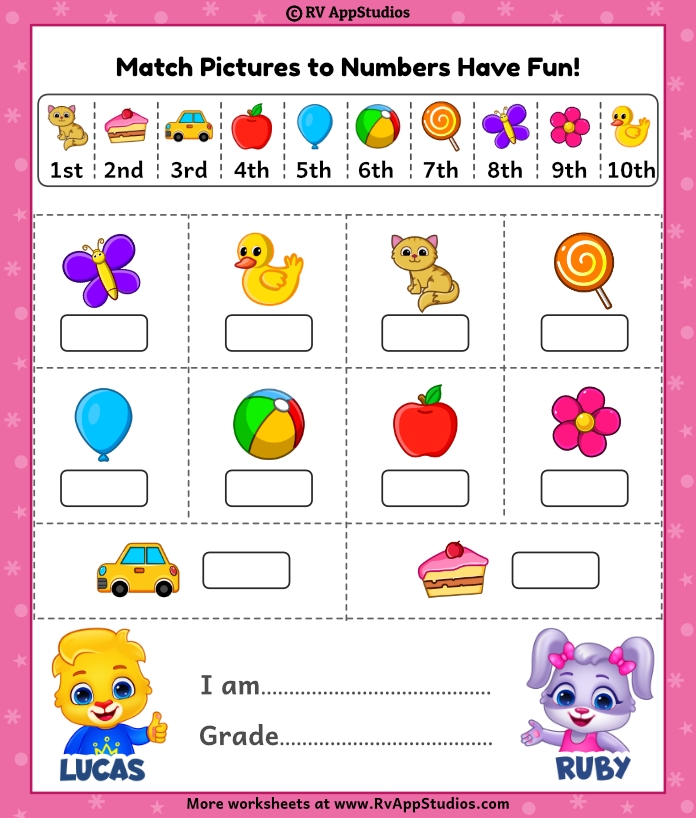
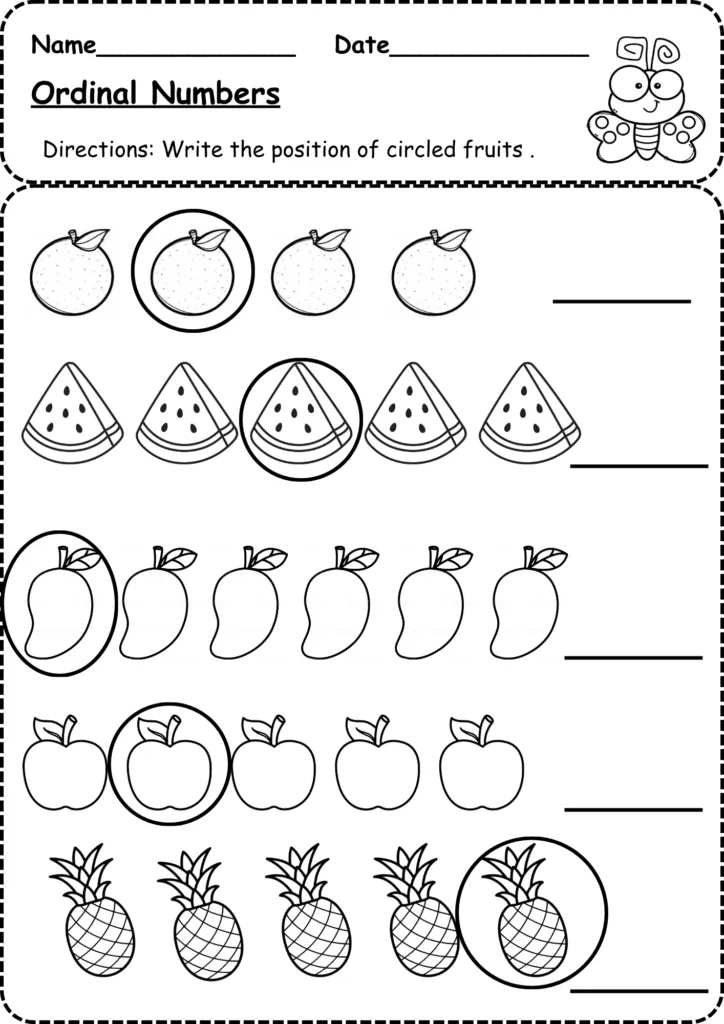
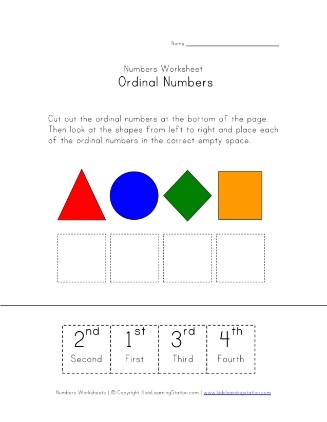
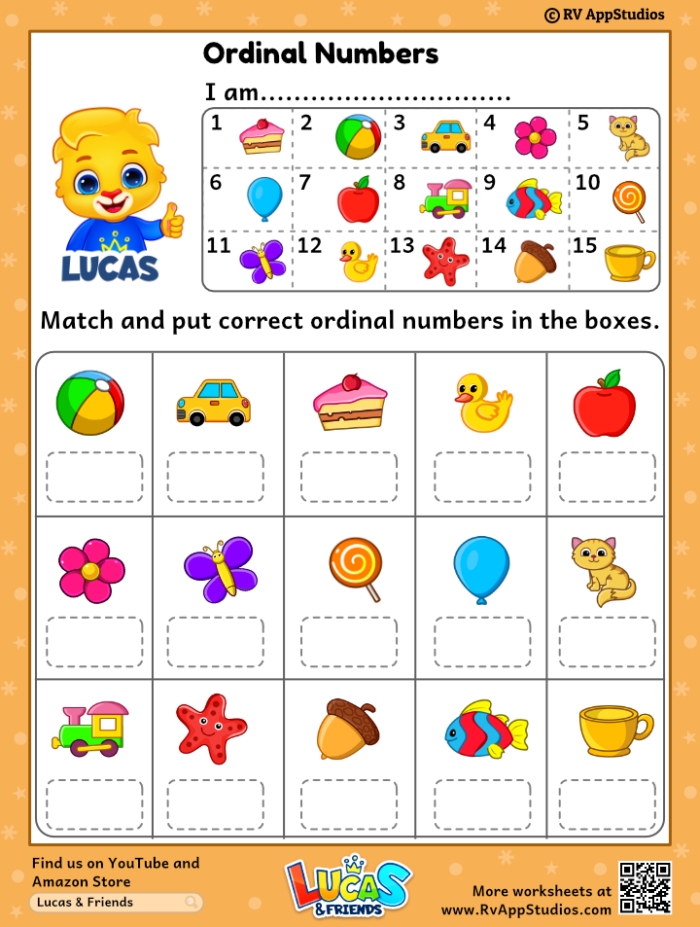
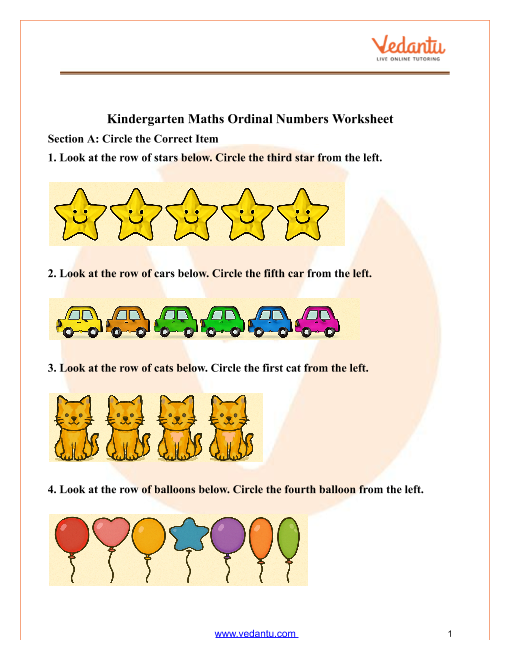
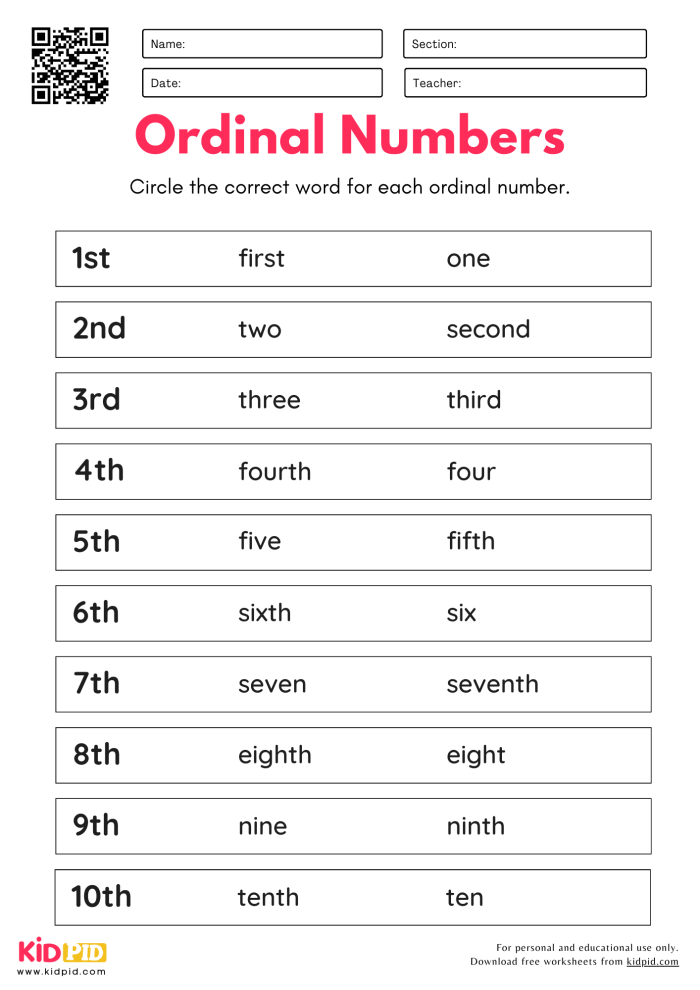
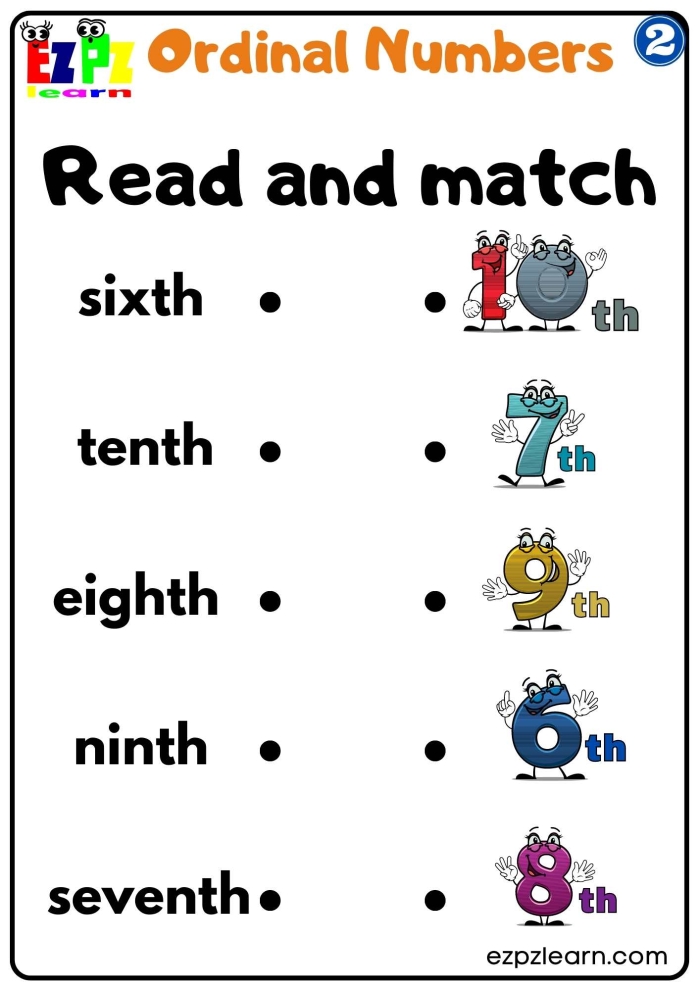
The best worksheets use visual elements alongside the ordinal words. A row of objects numbered 1st through 10th helps children see the progression. Some worksheets ask students to circle the 4th item or write the ordinal number that comes after 5th. This active engagement works better than passive reading.
Making It Stick
Repetition through fun activities is key. You might use ordinal numbers during everyday moments: “You’re second in line for snack” or “That’s the third time you’ve asked.” Combining worksheet practice with themed games and activities keeps learning from feeling like a chore. When second graders practice ordinal numbers regularly, they develop automaticity, meaning they recognize 1st, 2nd, 3rd without hesitation.
Start Practicing with These Worksheets