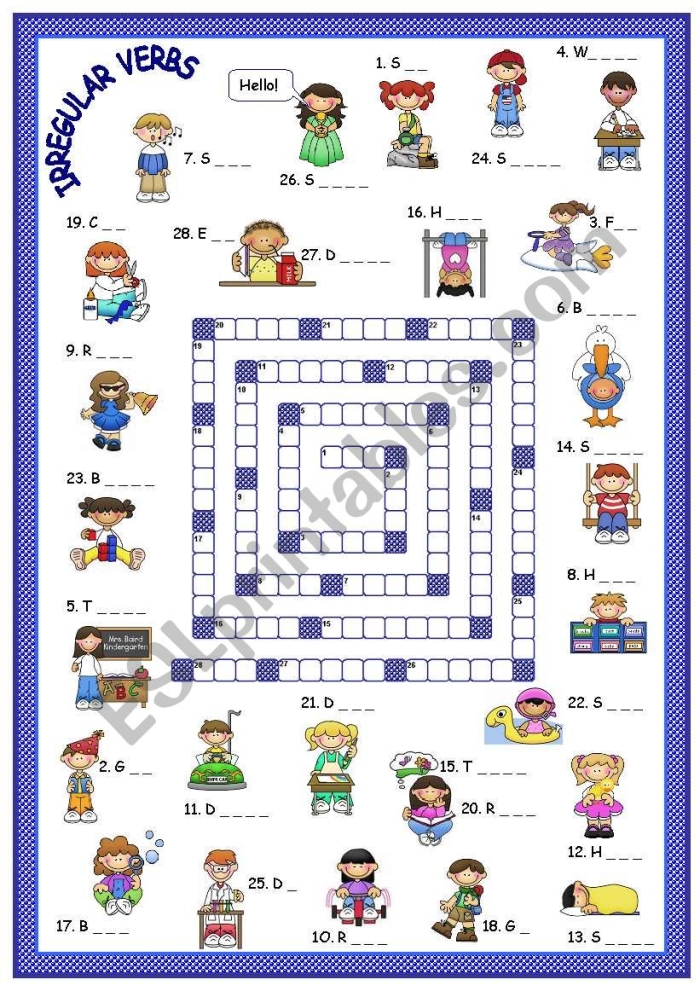
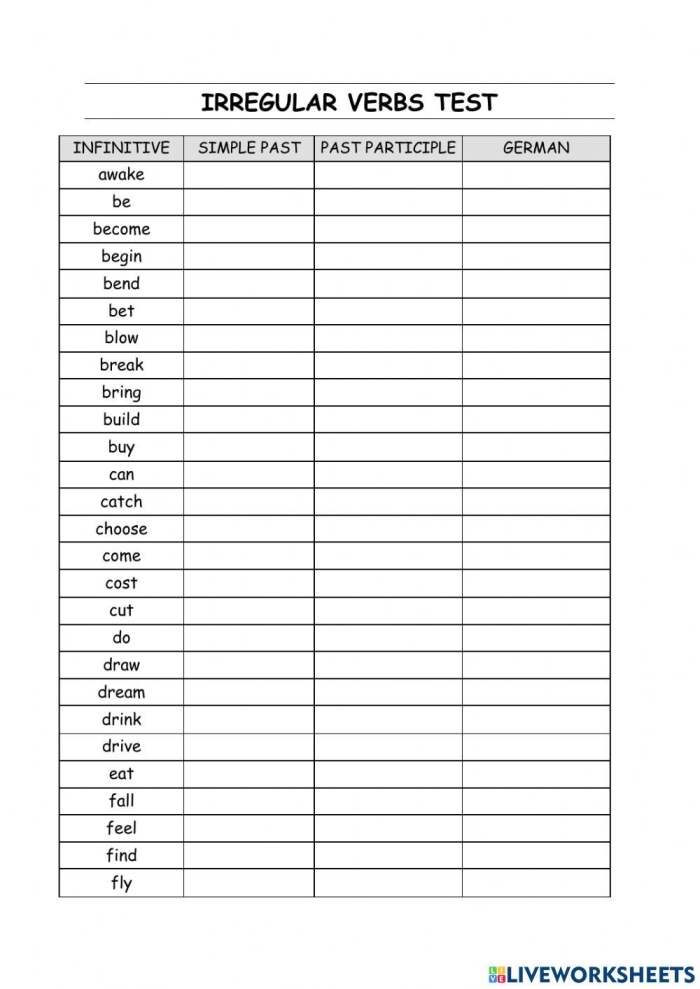
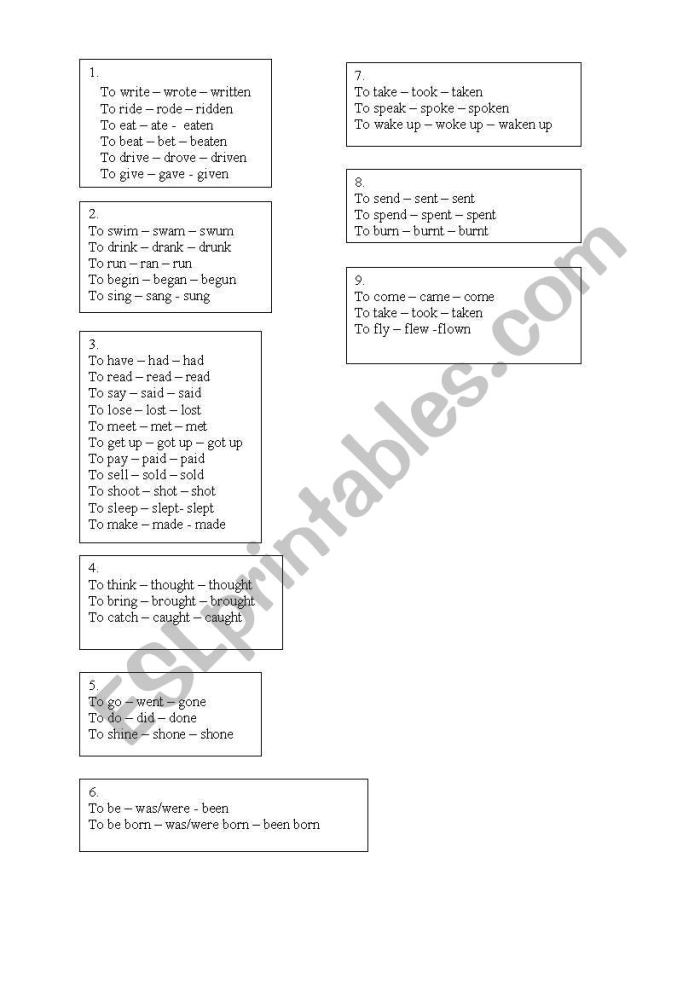
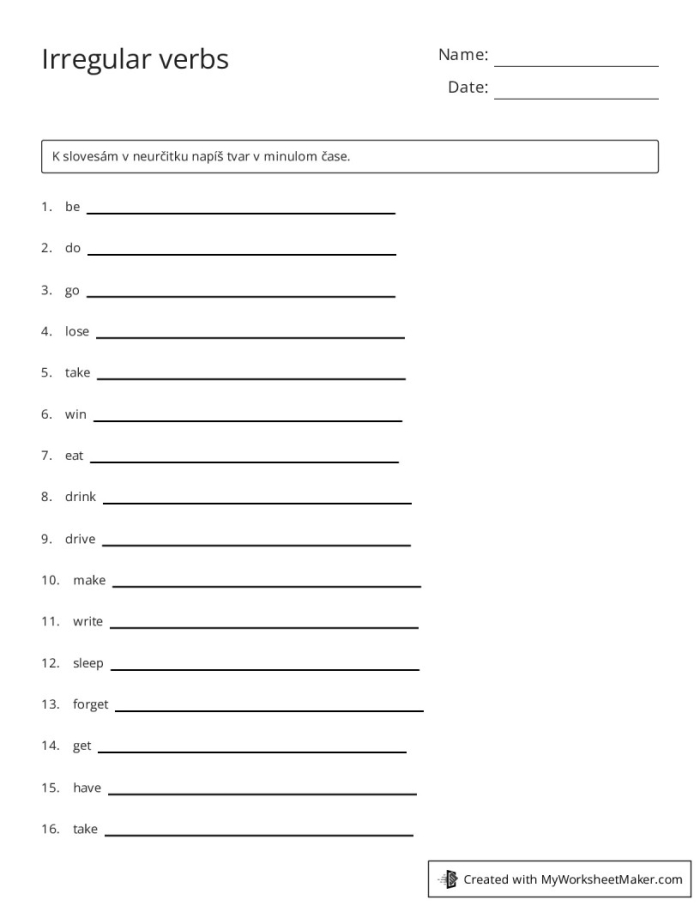
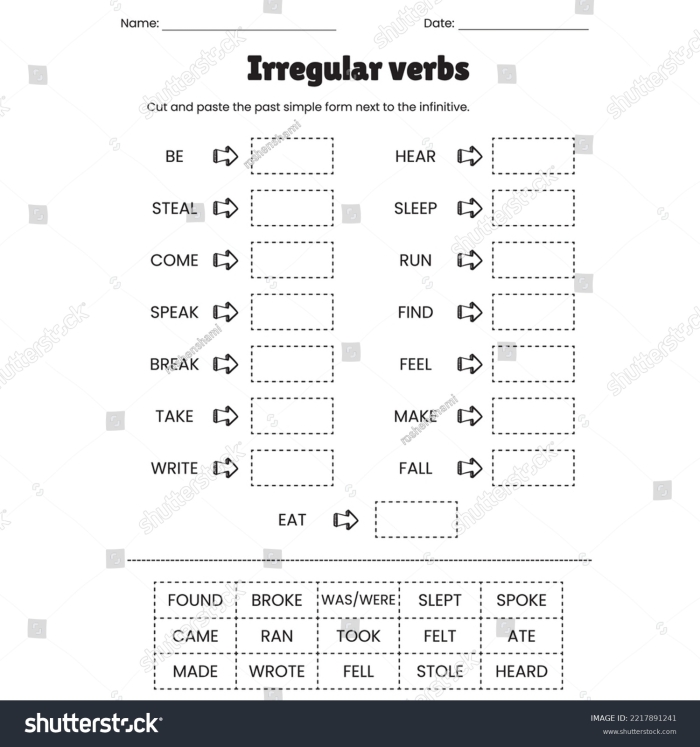
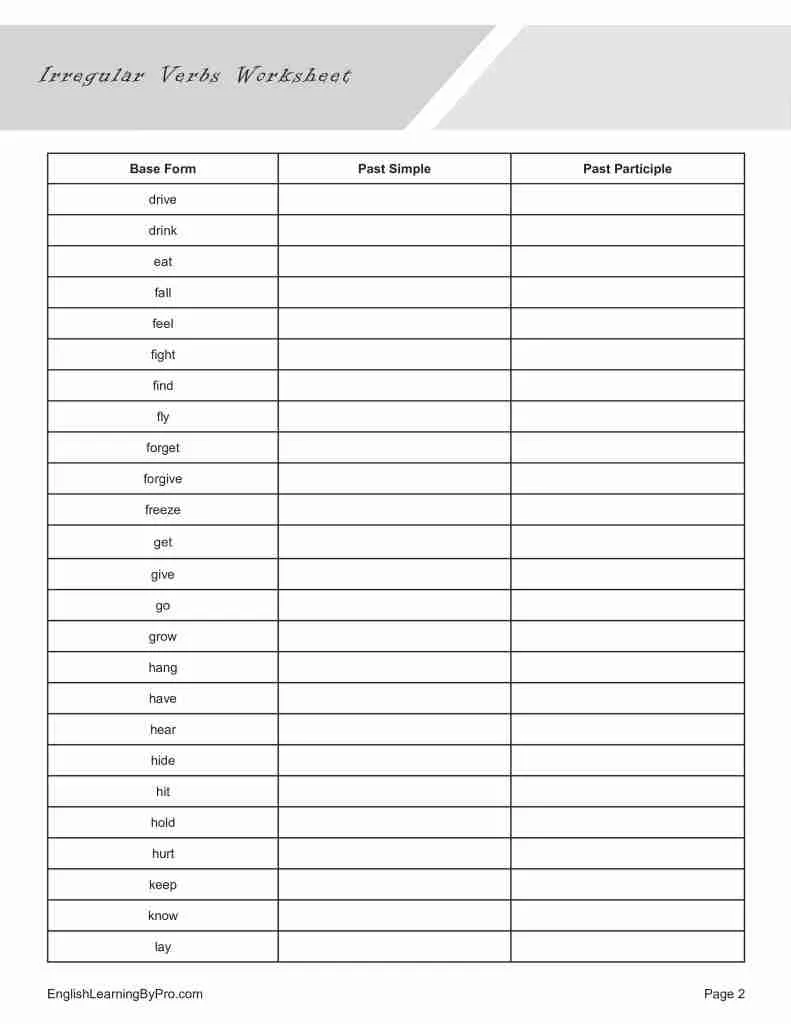
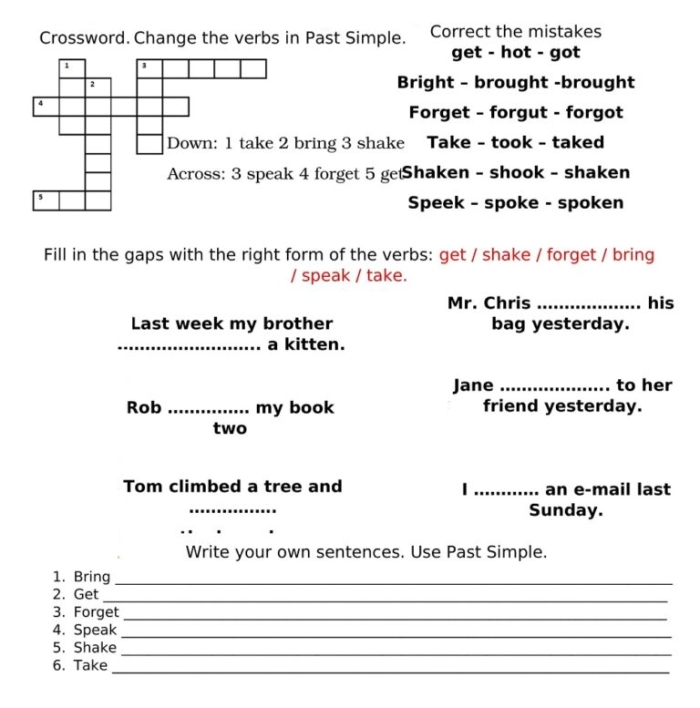
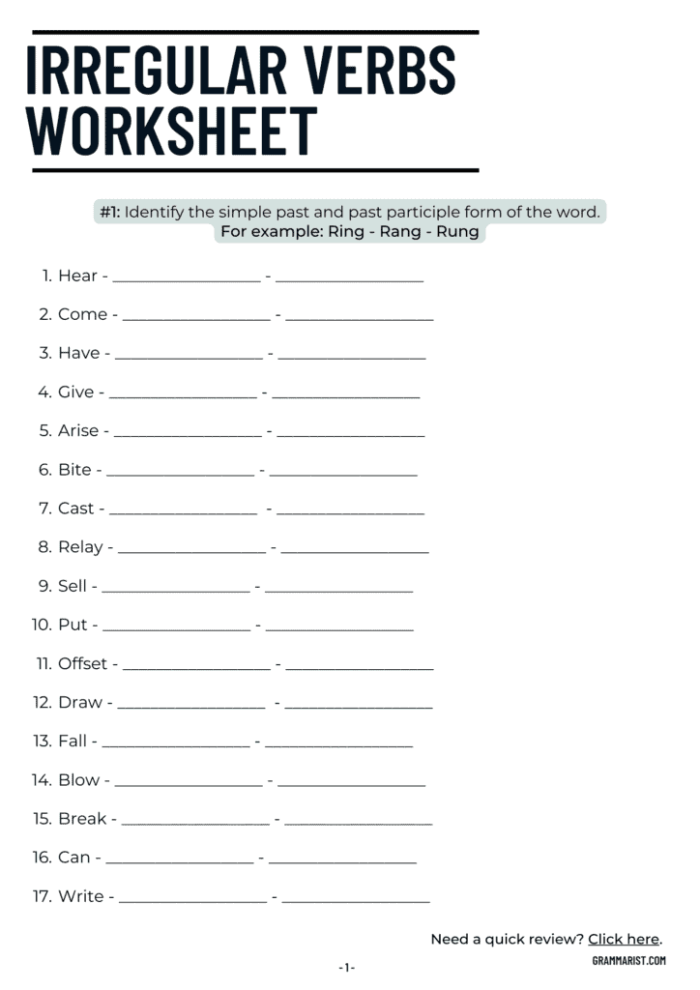
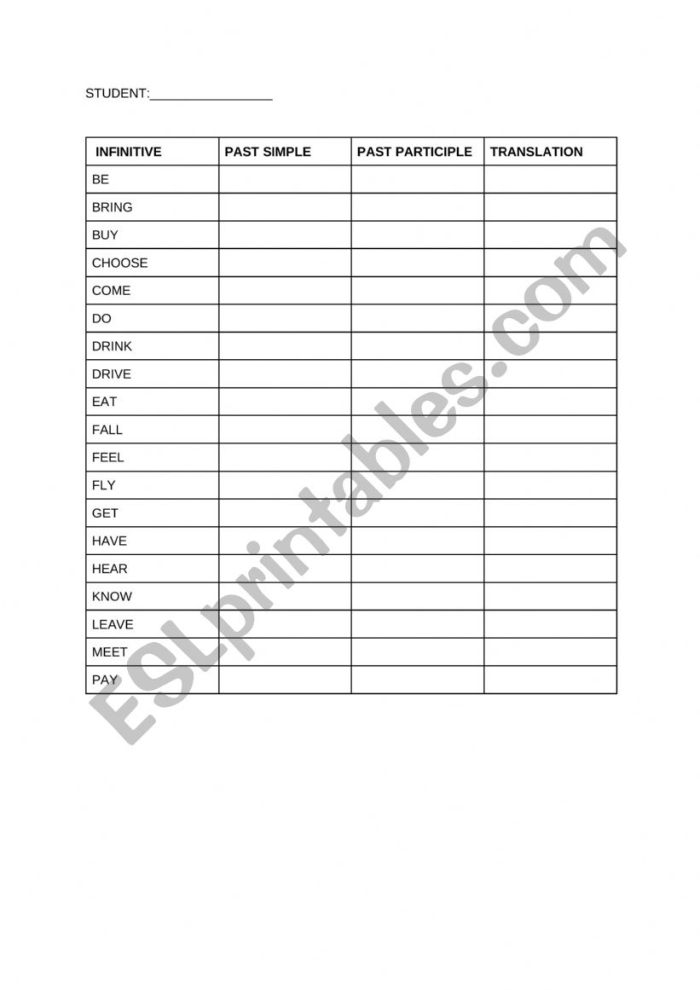
Irregular verbs trip up most young writers because they don’t follow predictable patterns. Words like “go” becoming “went” and “eat” becoming “ate” require memorization rather than simple rule application. When third grade students encounter these verbs in their daily writing, confusion often leads to mistakes that persist into higher grades.
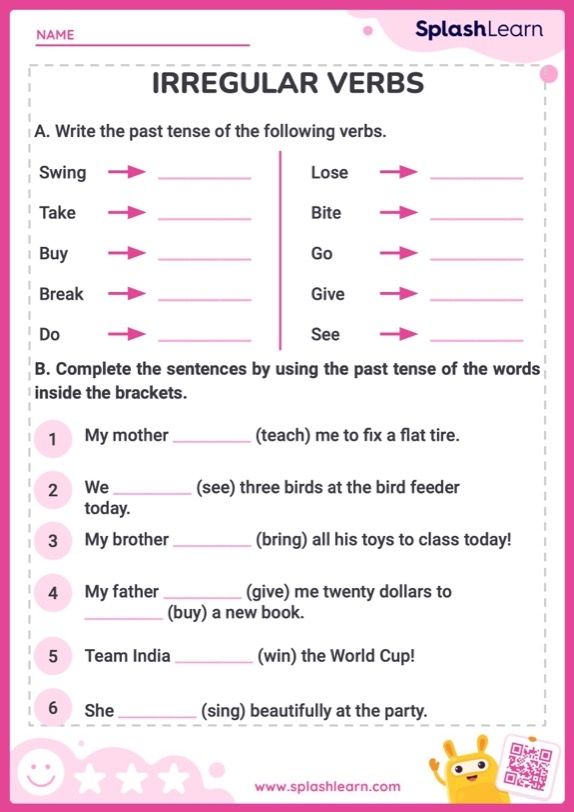
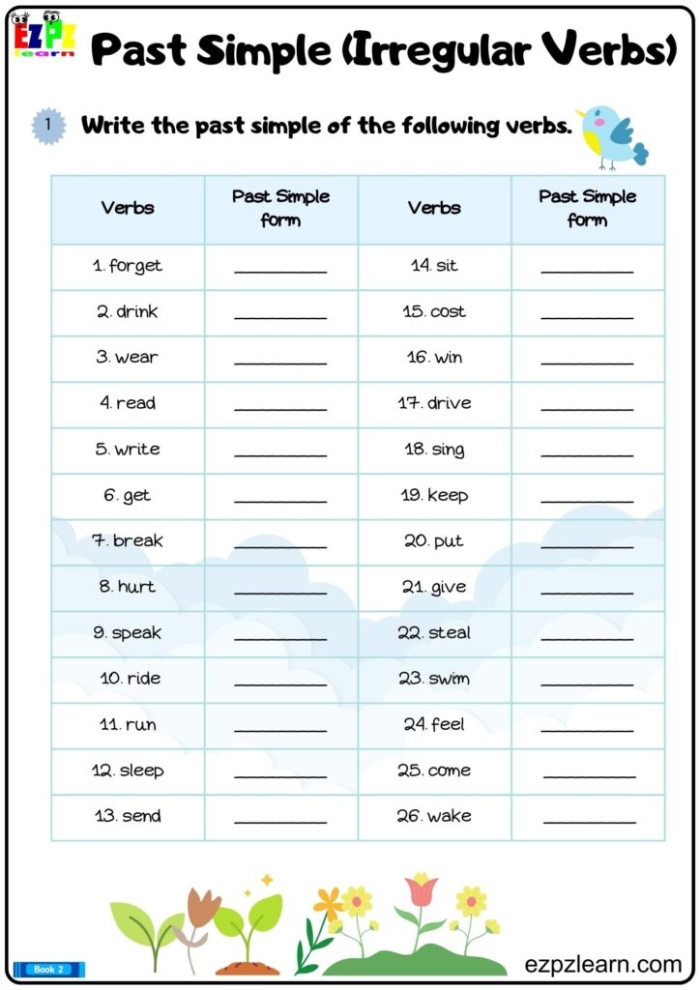
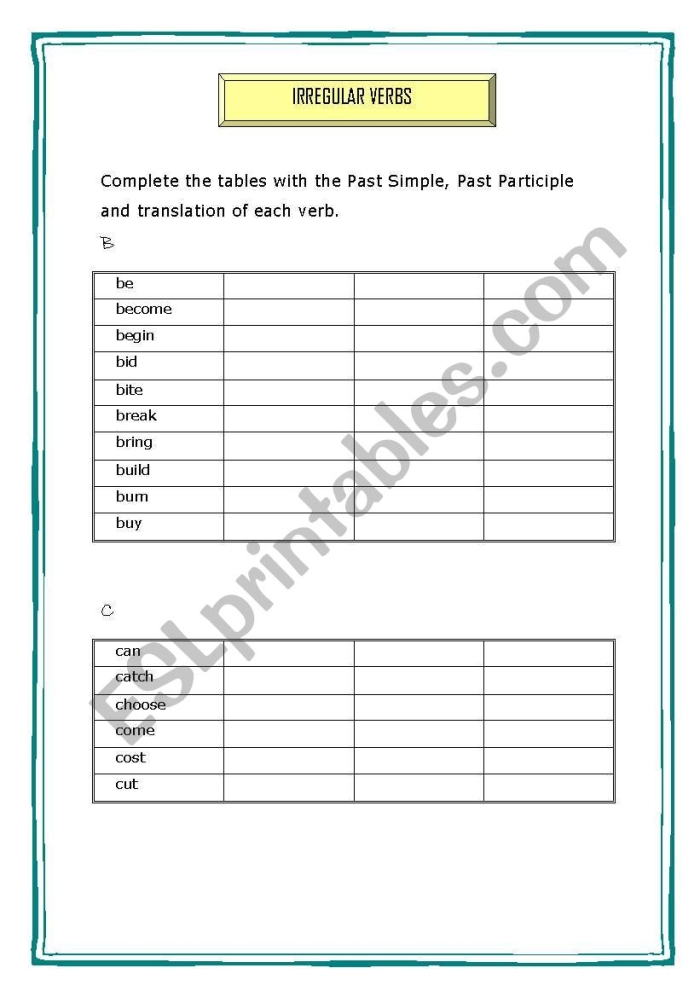
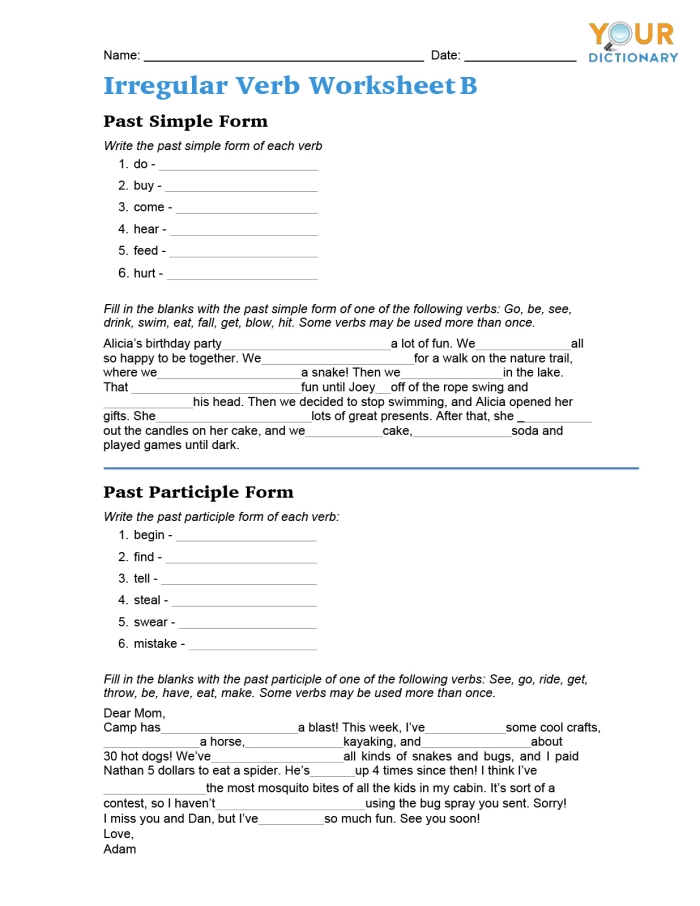
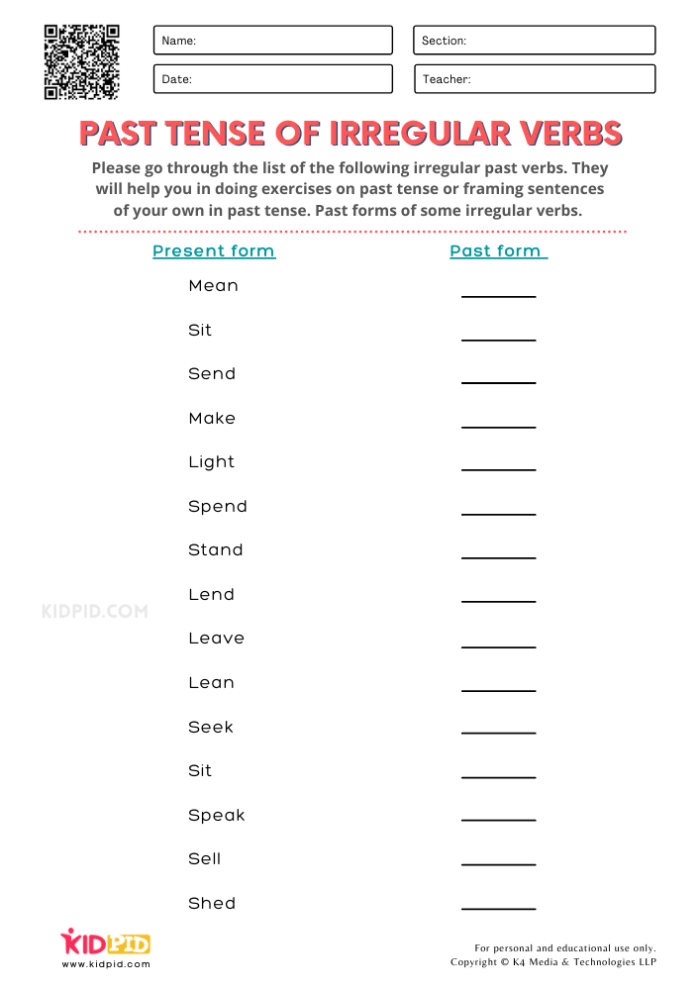
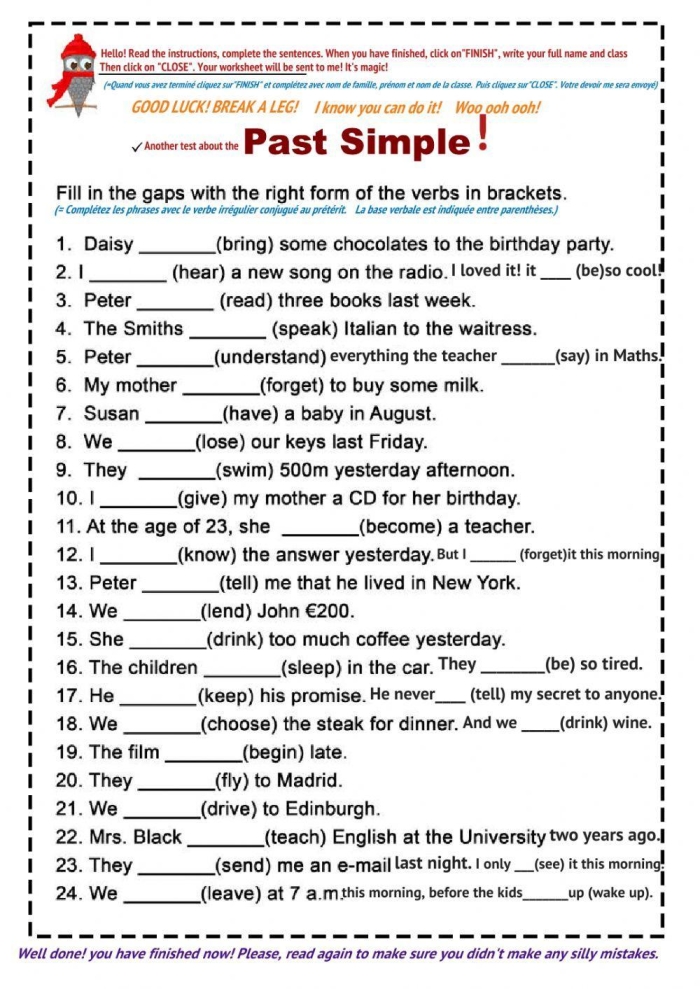
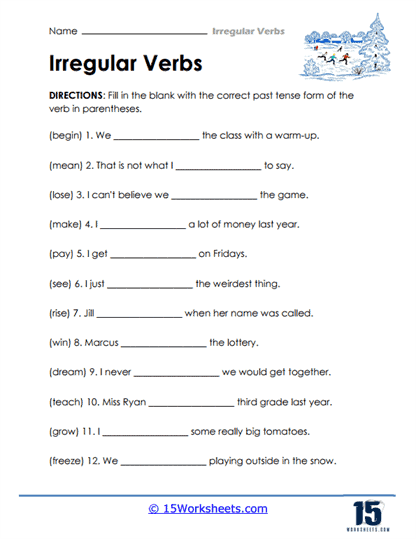
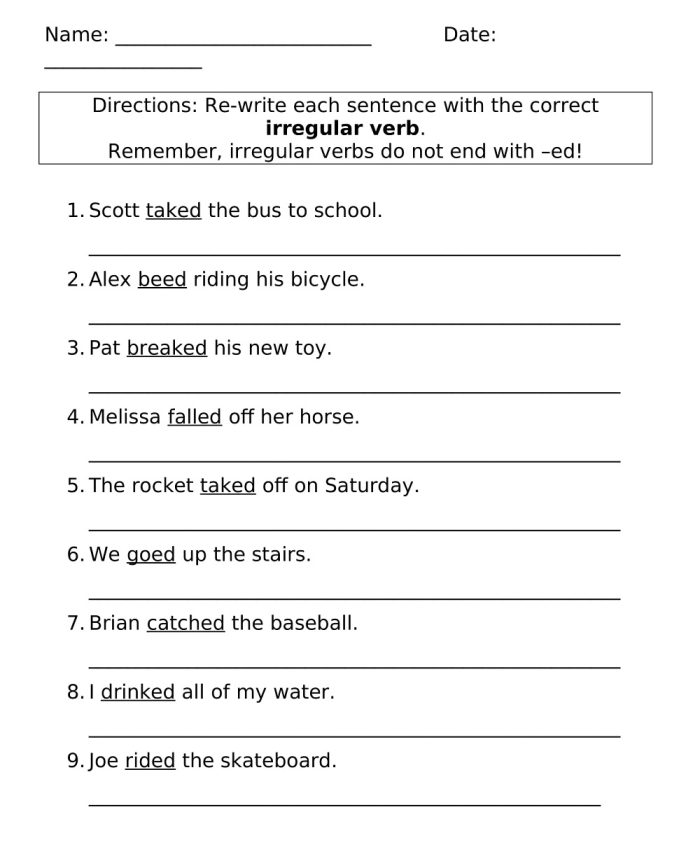
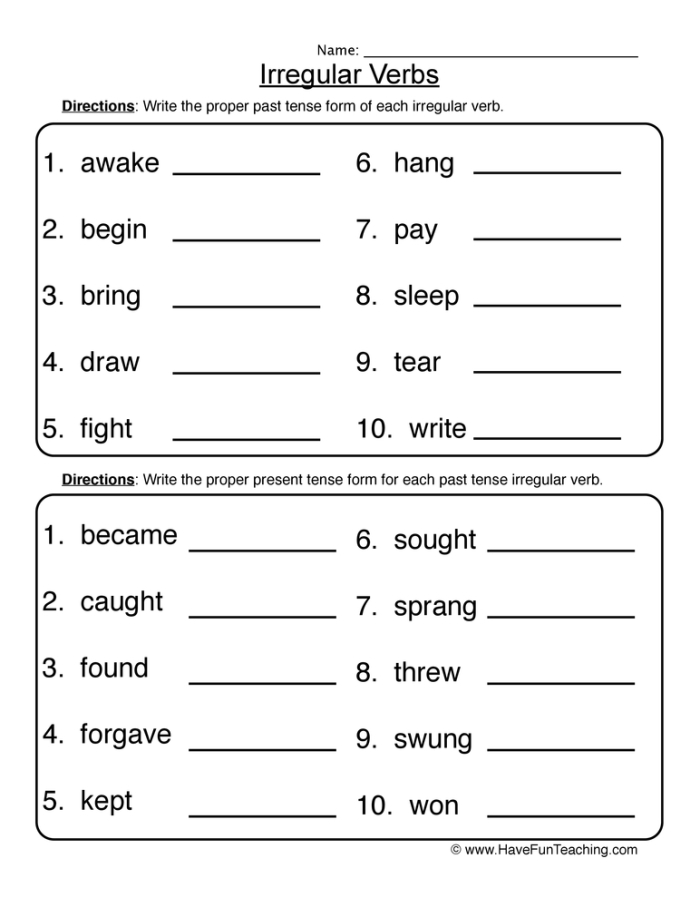
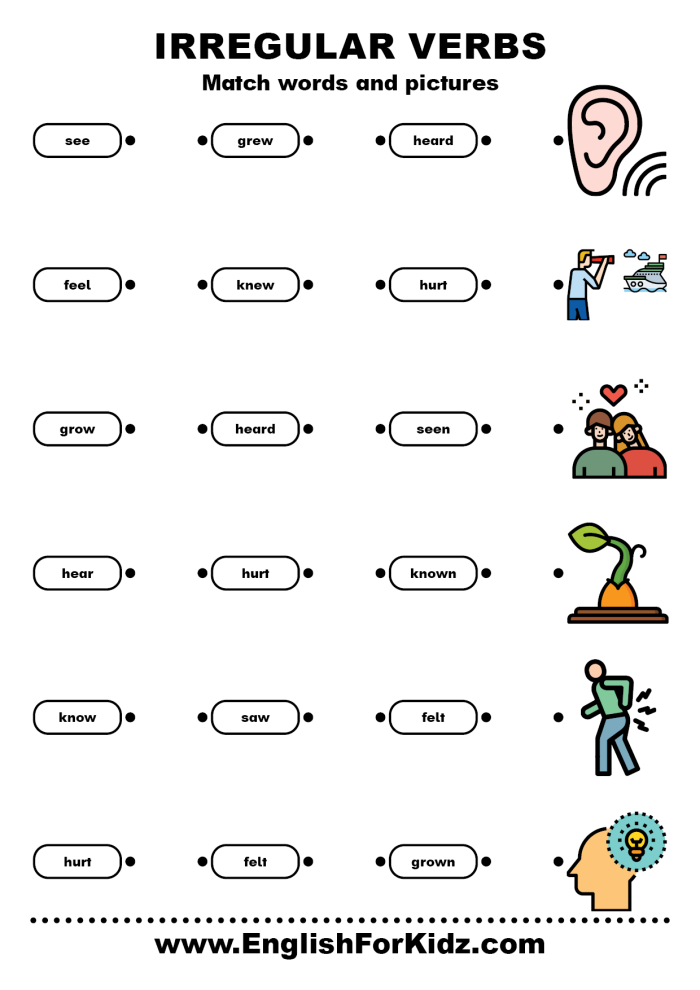
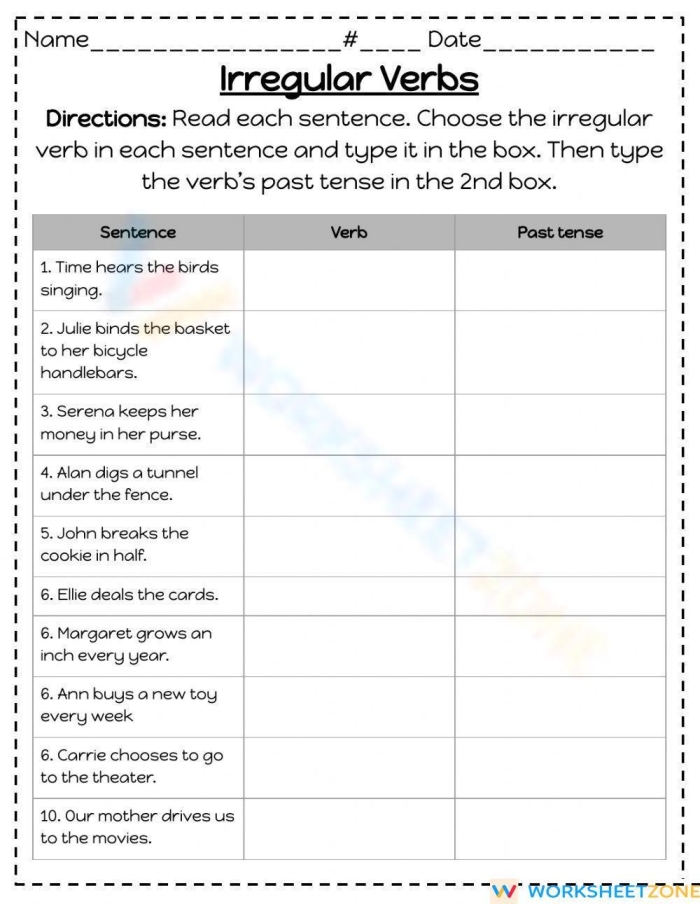
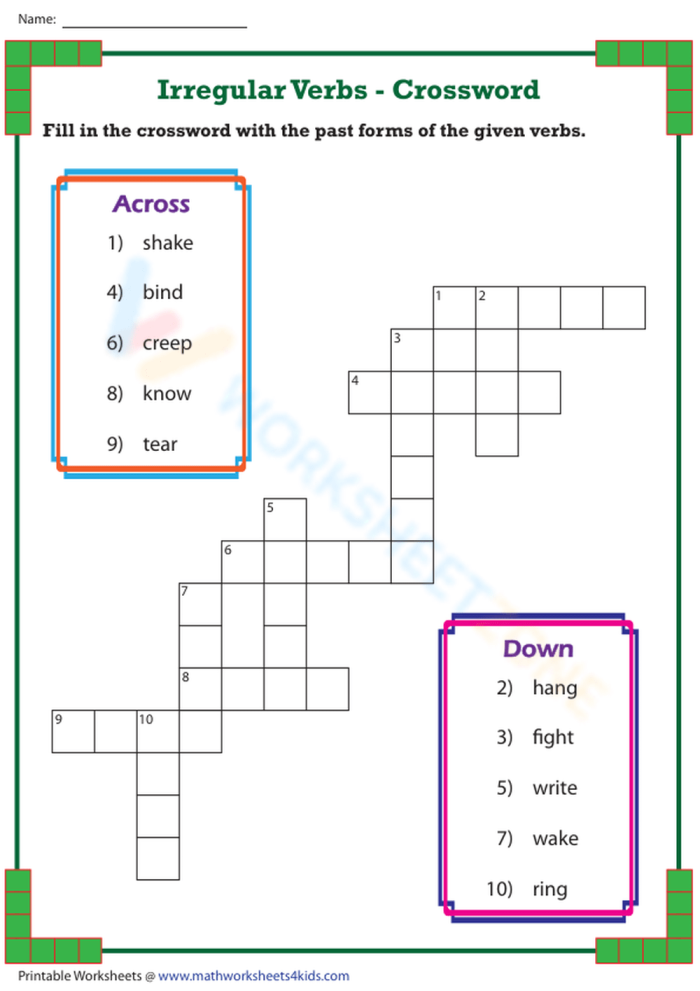
A focused irregular verbs worksheet gives your child the repetitive practice needed to internalize these tricky forms. Rather than encountering irregular verbs randomly throughout a textbook, dedicated exercises let her see multiple examples in one sitting. This concentrated exposure helps her brain recognize patterns and build automaticity, so she can write naturally without pausing to question whether she used the correct past tense.
The practical benefit shows up immediately in her writing. When a third grade student confidently writes “I knew the answer” instead of “I knowed the answer,” she’s demonstrating grammar mastery that extends beyond the worksheet itself. These exercises strengthen her foundation for more complex sentence structures she’ll need in later grades.
Pairing irregular verb practice with other third grade skills creates a well-rounded learning approach. For instance, while working through irregular past tense verb exercises, your child can simultaneously develop handwriting skills with cursive practice. Similarly, balancing grammar work with math concepts like addition problems or divisibility rules keeps her engaged across different subjects.
The key is consistency. Working through irregular verb exercises twice weekly produces better results than cramming them all at once. Your child’s writing will noticeably improve as these verb forms become automatic, freeing her mental energy to focus on story ideas and sentence organization instead of basic grammar mechanics.
Start Practicing with These Worksheets