Fun Worksheets for Identifying Primary and Secondary Sources

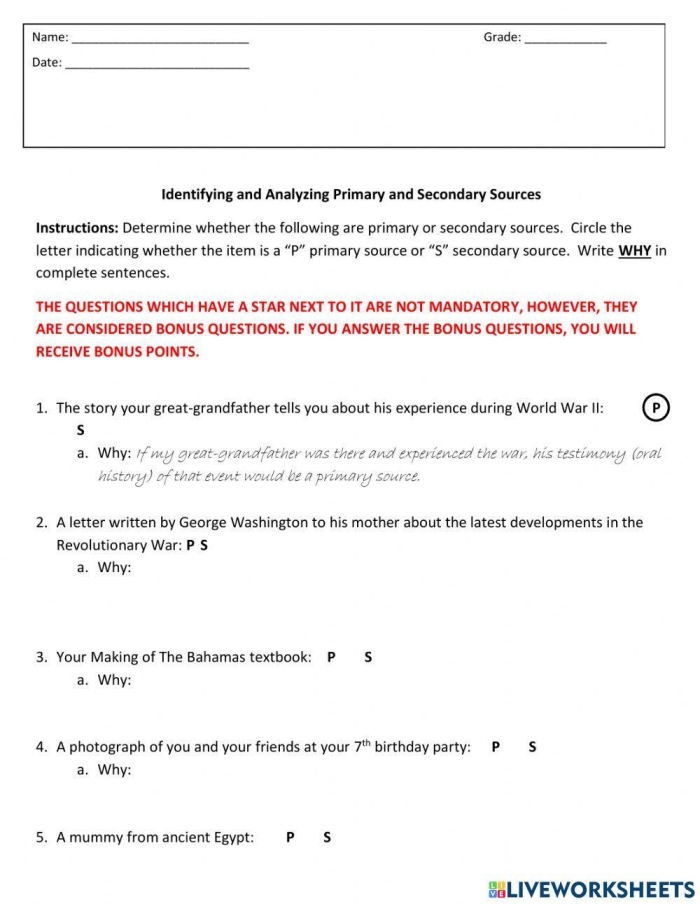
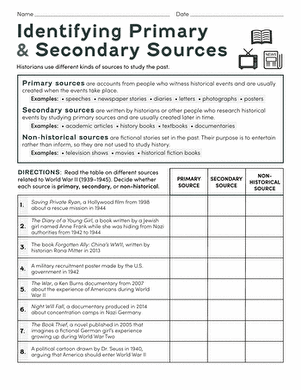
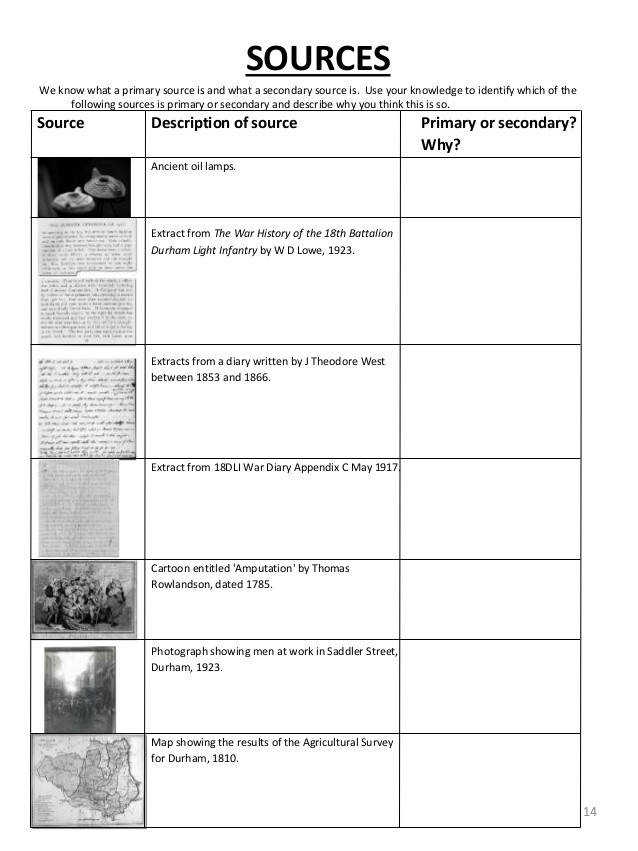
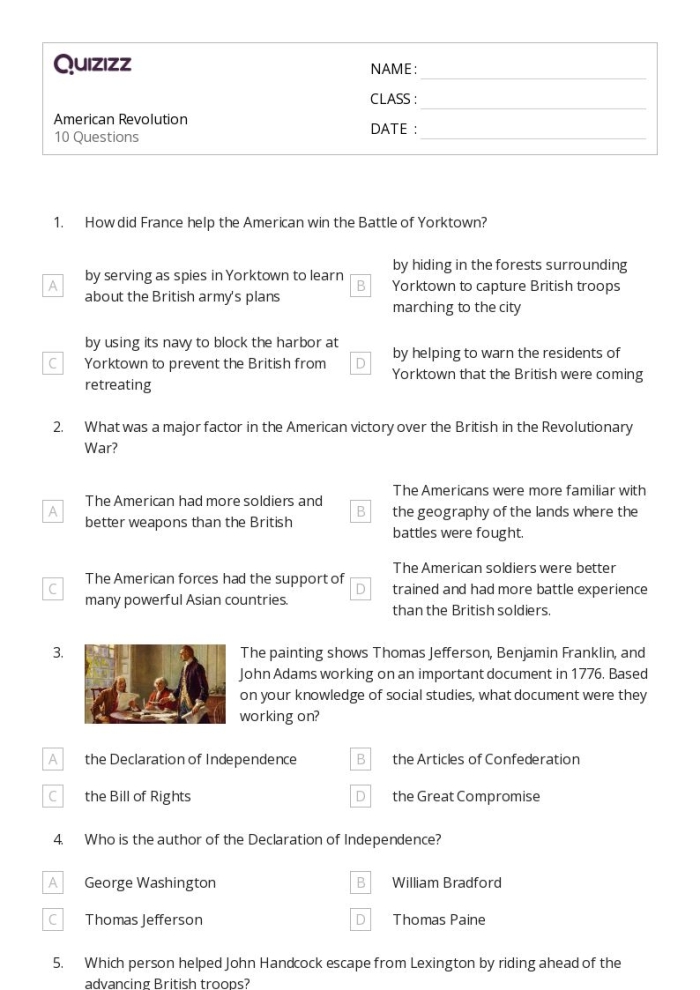
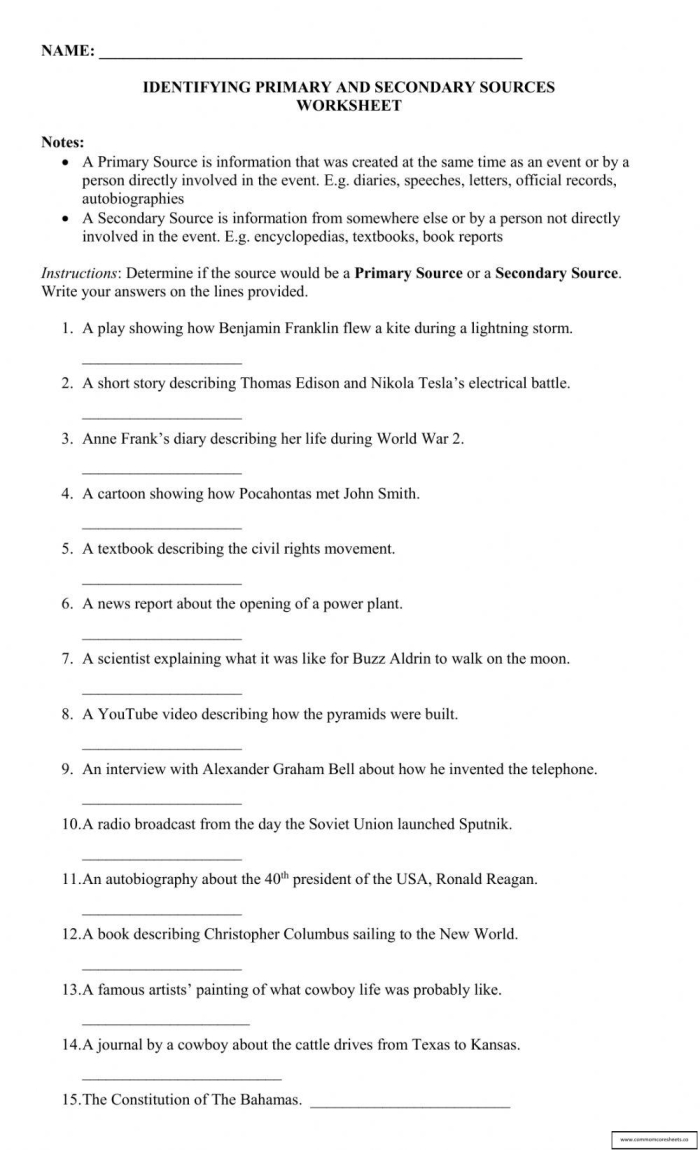
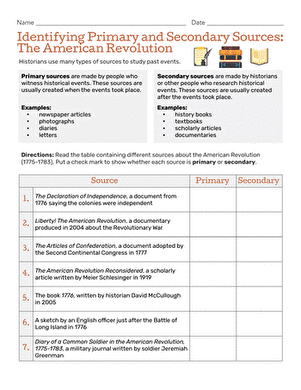
Worksheet for identifying primary and secondary sources related to the American Revolution. Educational resource for third-grade students on understanding source differences.
Decimals worksheet for Third Grade
Category: Decimals | Grade: Third Grade

Understanding the distinction between primary and secondary sources is essential for young learners, especially in social studies. This concept lays the groundwork for critical thinking and effective research skills. When students explore historical events, such as the American Revolution, recognizing these types of sources helps them navigate the wealth of information available.

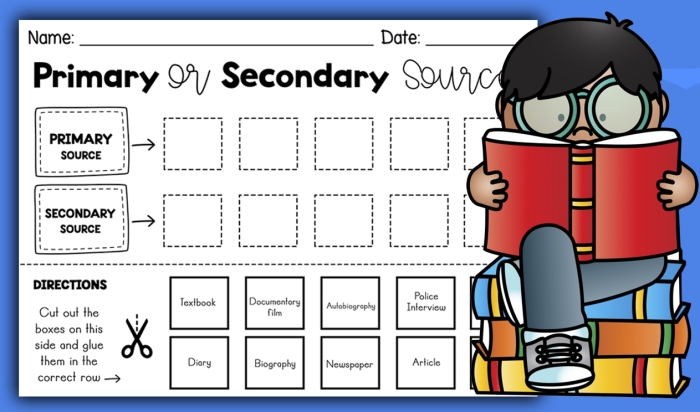
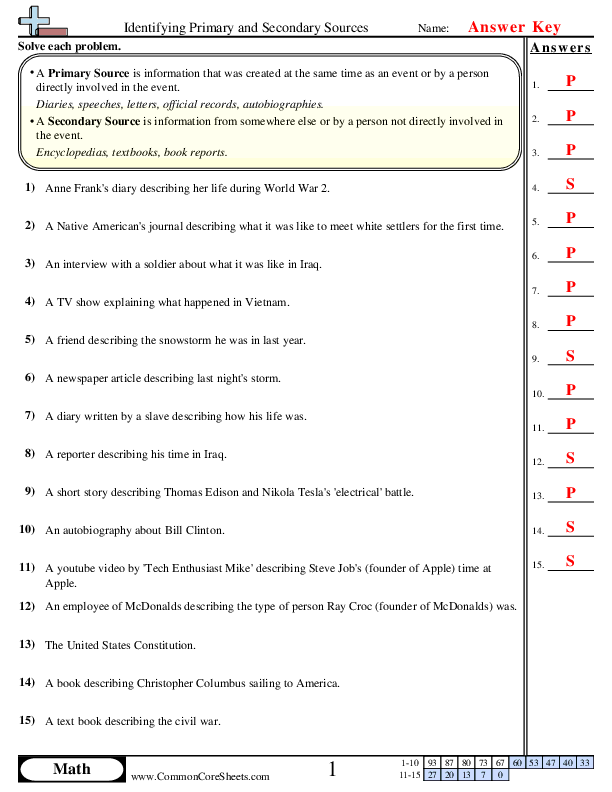
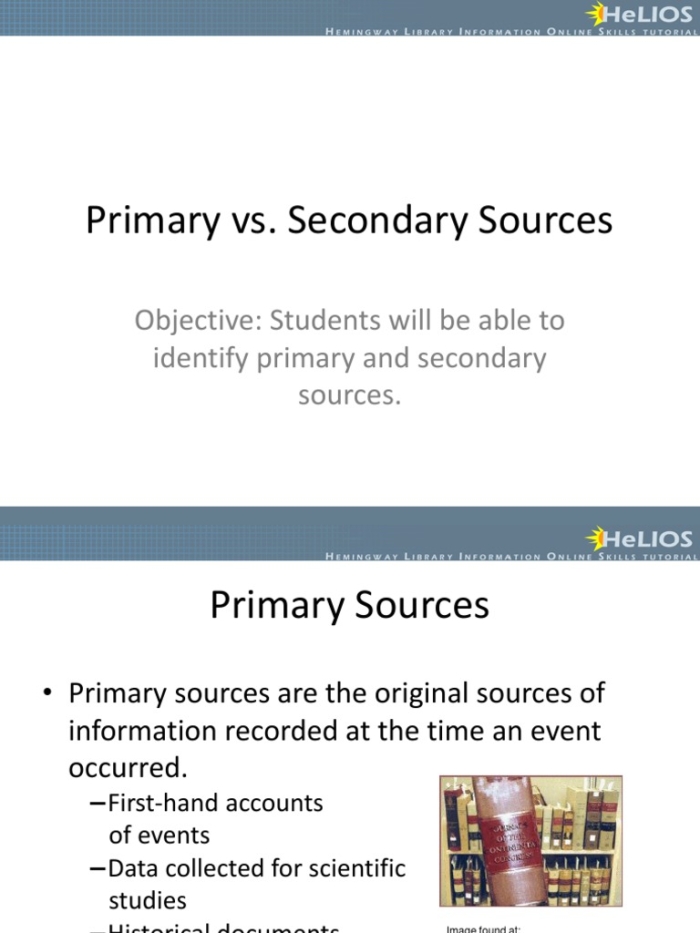
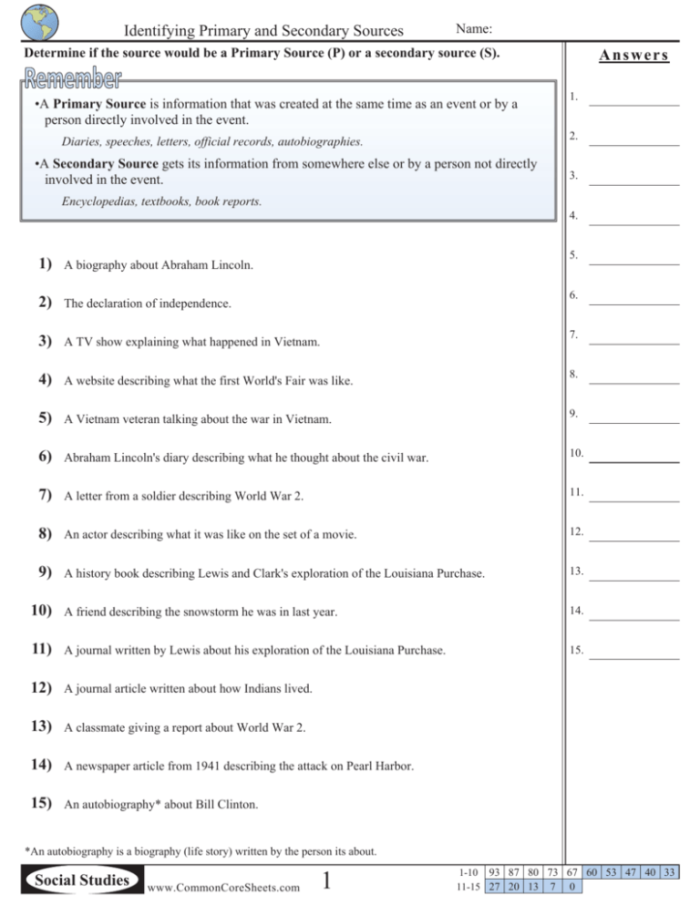
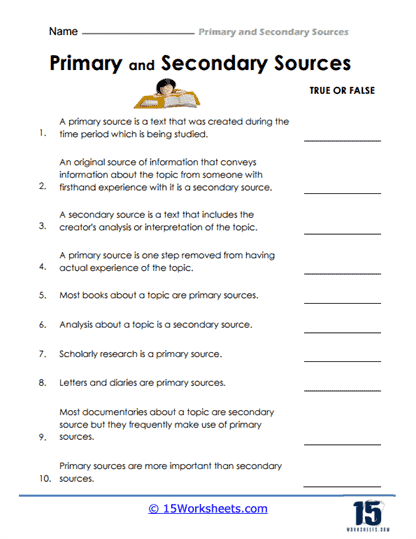
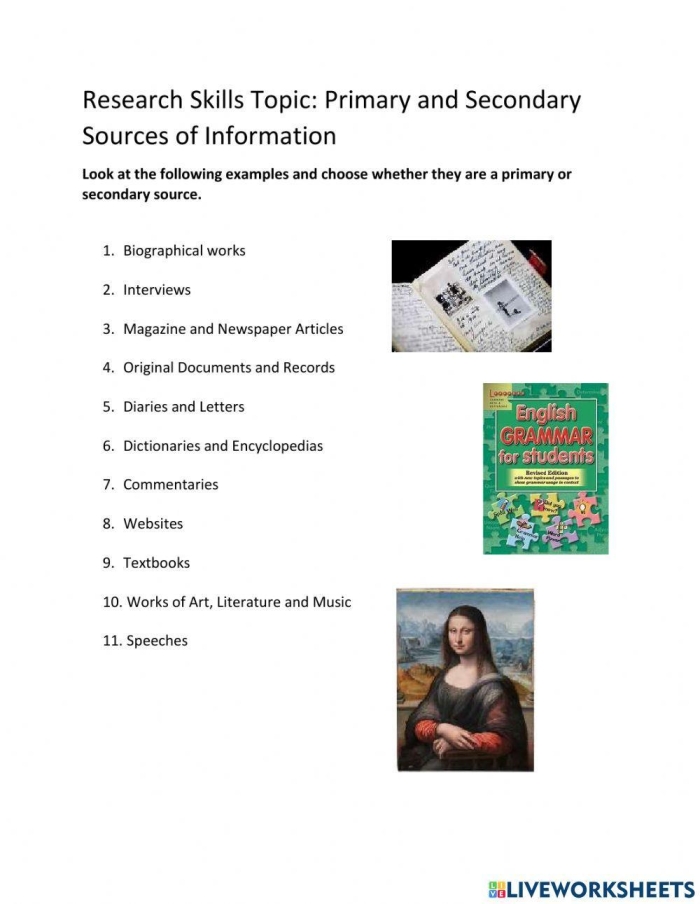
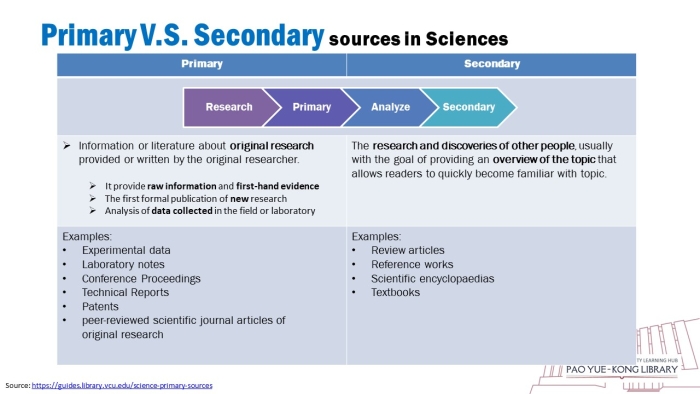
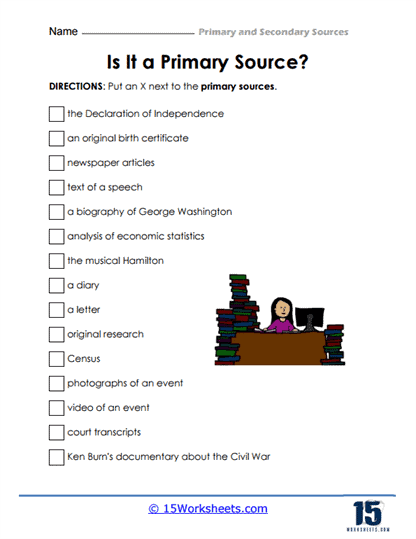
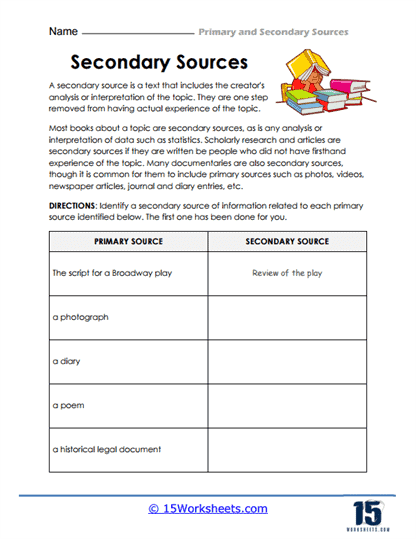
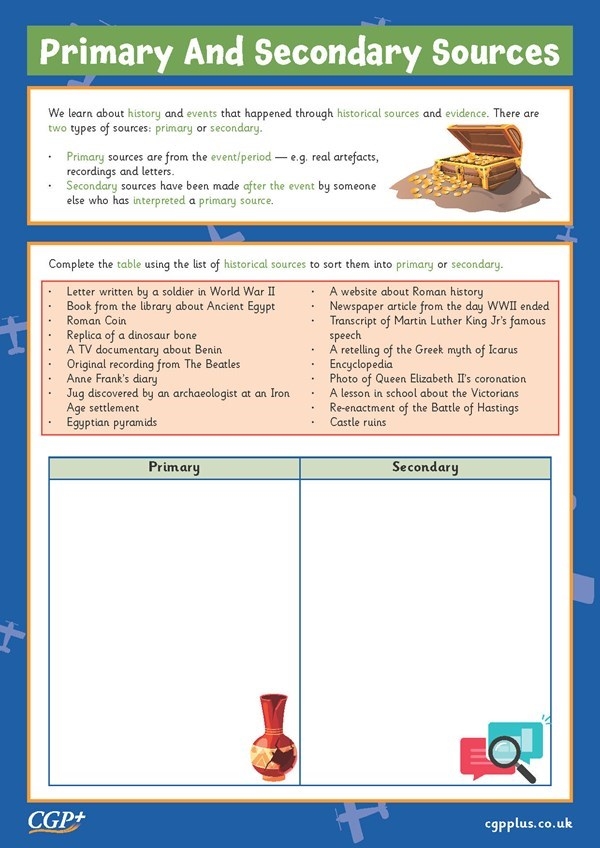
A primary source offers direct or firsthand evidence about an event, person, or time period. Examples include letters, photographs, diaries, and official documents from the era. For instance, a soldier’s diary from the American Revolution provides insights into daily life and personal experiences during the conflict. These sources allow students to engage with history in a tangible way, fostering a deeper connection to the material.

In contrast, secondary sources interpret, analyze, or summarize primary sources. Textbooks, articles, and documentaries fall into this category. They provide context and commentary, guiding learners through established narratives. For example, a textbook discussing the causes of the American Revolution synthesizes information from various primary sources, allowing students to grasp complex ideas. However, it is crucial for students to recognize that these interpretations may carry biases and should be evaluated critically.

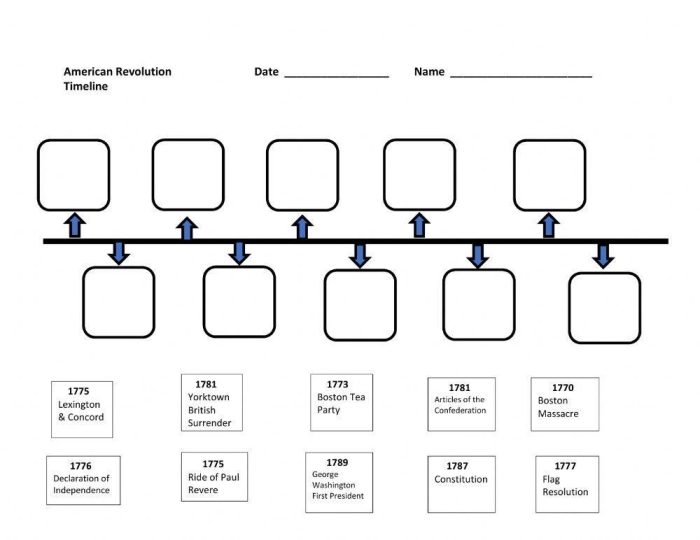
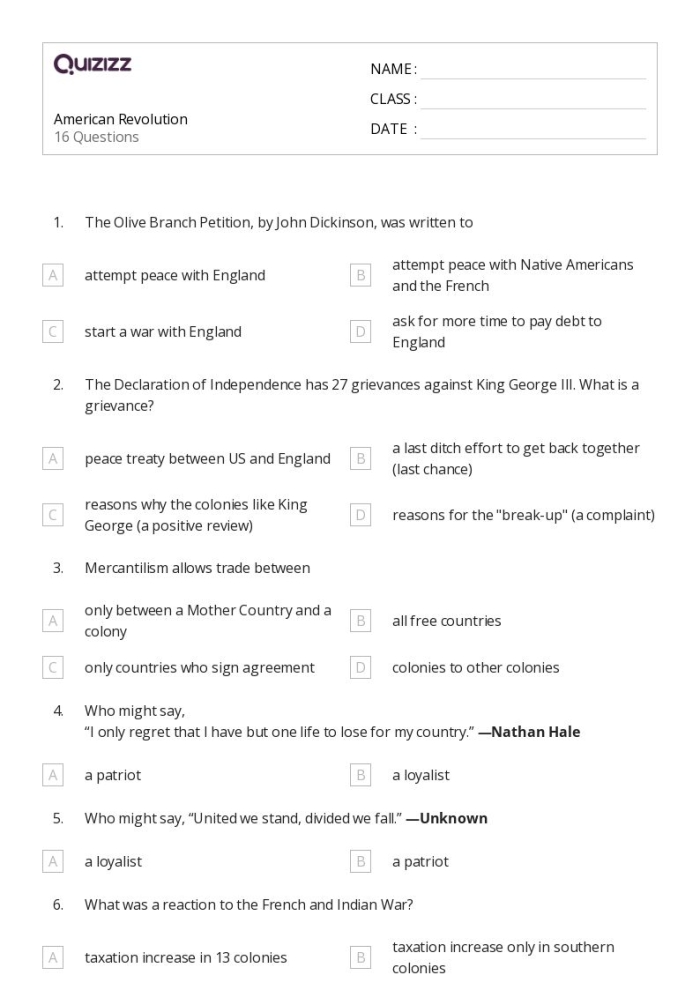
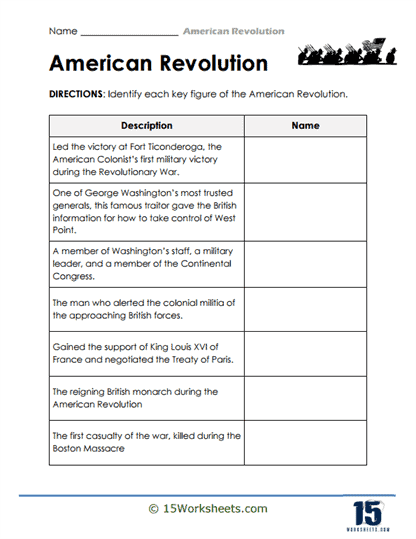
To effectively teach this distinction, consider using resources like the Identifying Primary and Secondary Sources: The American Revolution Worksheets. These printable worksheets are tailored for third graders and incorporate decimals, making the learning experience both engaging and educational. They provide structured activities that reinforce the concepts of primary and secondary sources with practical examples.

By helping learners review and understand these differences, educators can equip them with essential skills for future studies. Engaging with both types of sources not only enriches their understanding of historical events but also promotes critical thinking—an invaluable asset in any academic pursuit.


Practice with These Worksheets
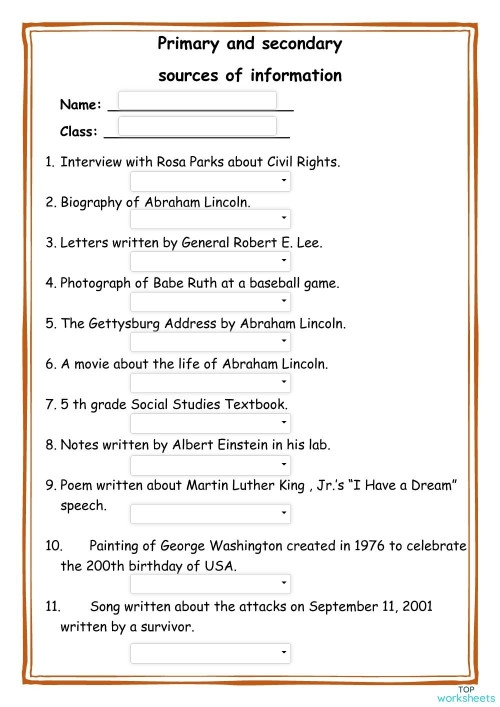
Worksheet for identifying primary and secondary sources related to the American Revolution. Educational resource for third-grade students on understanding source differences.
Interactive worksheet for third graders on identifying primary and secondary sources related to the American Revolution
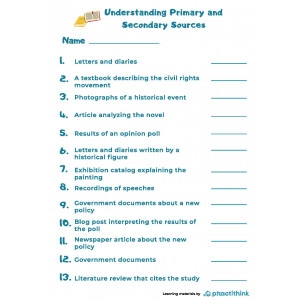
Worksheet illustrating primary and secondary sources related to the American Revolution for third graders. Educational resource for identifying source types in social studies.
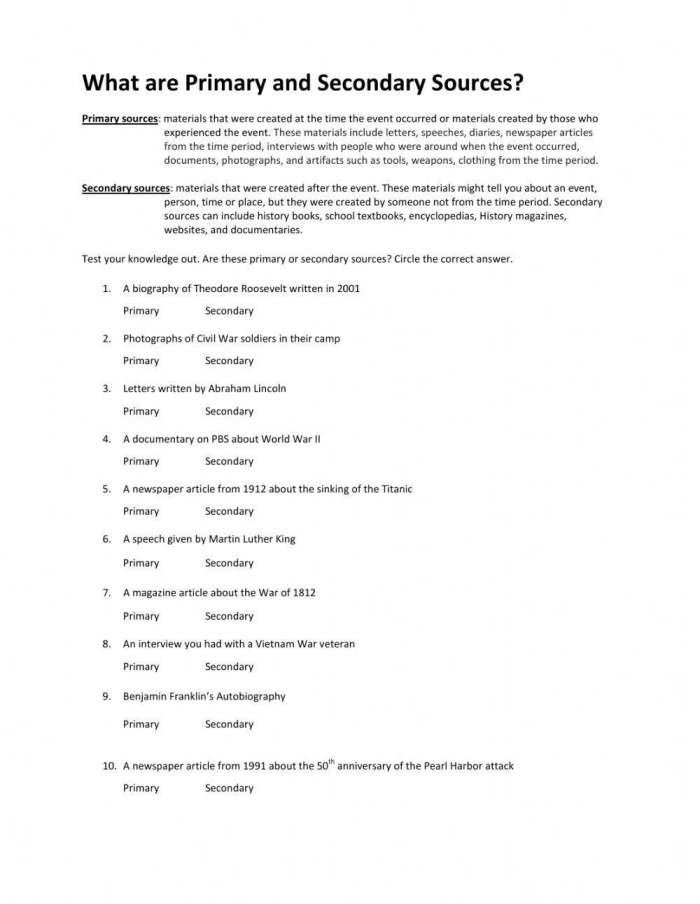
Worksheet illustrating primary and secondary sources related to the American Revolution for third graders. Educational resource for identifying sources in social studies.
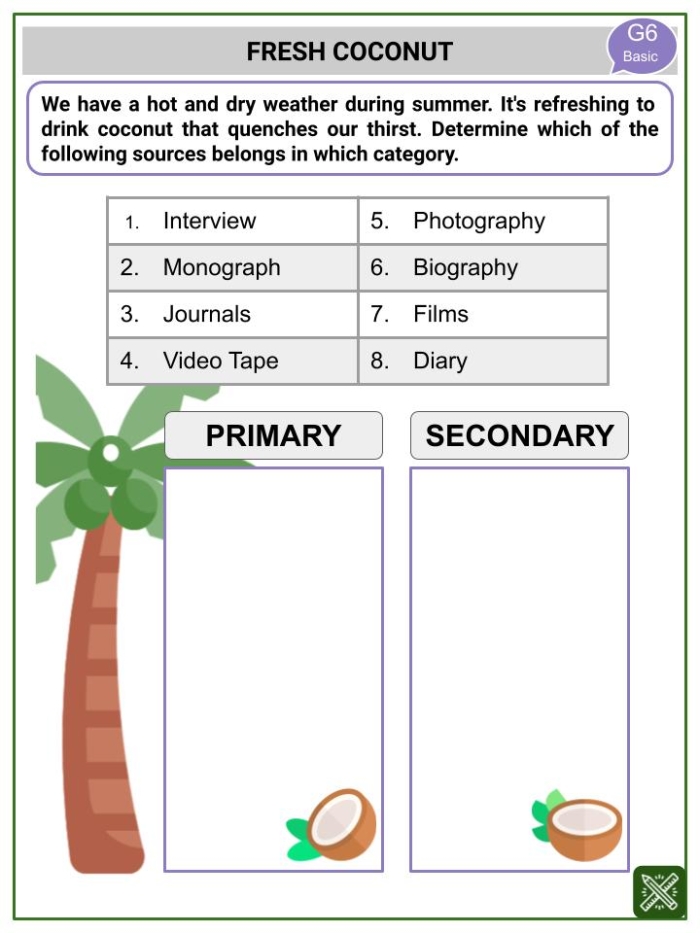
Worksheet illustrating the distinction between primary and secondary sources related to the American Revolution
Worksheet for identifying primary and secondary sources related to the American Revolution for third graders
A third-grade worksheet focused on distinguishing between primary and secondary sources related to the American Revolution
Worksheet illustrating primary and secondary sources related to the American Revolution for third graders
Worksheet for identifying primary and secondary sources related to the American Revolution for third graders
Worksheet illustrating primary and secondary sources related to the American Revolution for third graders
Worksheet for identifying primary and secondary sources related to the American Revolution. Educational resource for third graders focusing on social studies concepts.
Worksheet illustrating primary and secondary sources related to the American Revolution for third graders
Worksheet for identifying primary and secondary sources related to the American Revolution
Worksheet illustrating the distinction between primary and secondary sources related to the American Revolution
Worksheet for identifying primary and secondary sources related to the American Revolution. Educational resource for third graders focusing on social studies concepts.
Worksheet illustrating primary and secondary sources related to the American Revolution for third graders
Worksheet illustrating the differences between primary and secondary sources in the context of the American Revolution
Worksheet illustrating primary and secondary sources related to the American Revolution for third graders
Worksheet for identifying primary and secondary sources related to the American Revolution for third graders
Worksheet illustrating primary and secondary sources related to the American Revolution for third graders
Worksheet illustrating the difference between primary and secondary sources for the American Revolution
Worksheet illustrating primary and secondary sources related to the American Revolution for third graders
Worksheet for understanding primary and secondary sources related to the American Revolution. Identifying Primary and Secondary Sources: The American Revolution worksheet for third graders.
Worksheet illustrating primary and secondary sources related to the American Revolution for third graders. Identifying Primary and Secondary Sources: The American Revolution worksheet for effective learning.
Worksheet illustrating the distinction between primary and secondary sources related to the American Revolution

Leave a Reply

Your email address will not be published. Required fields are marked *