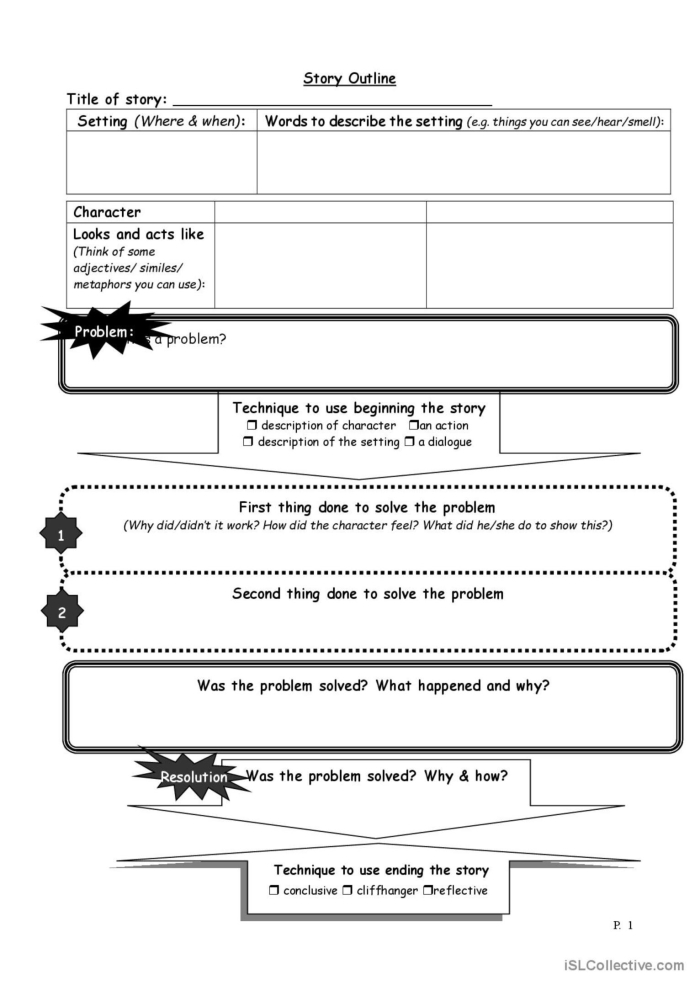
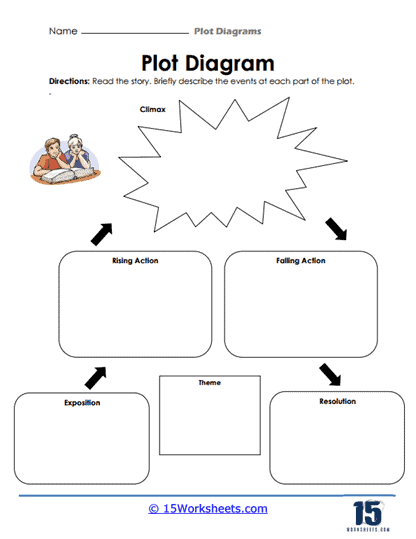
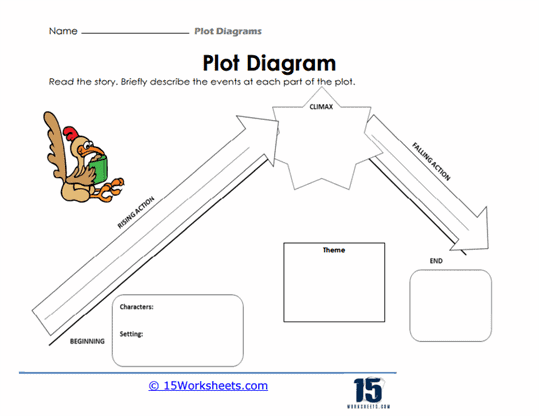
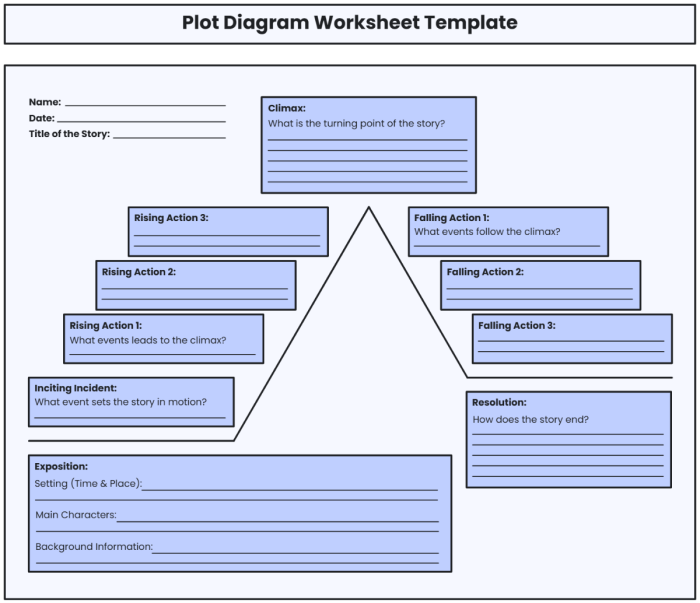
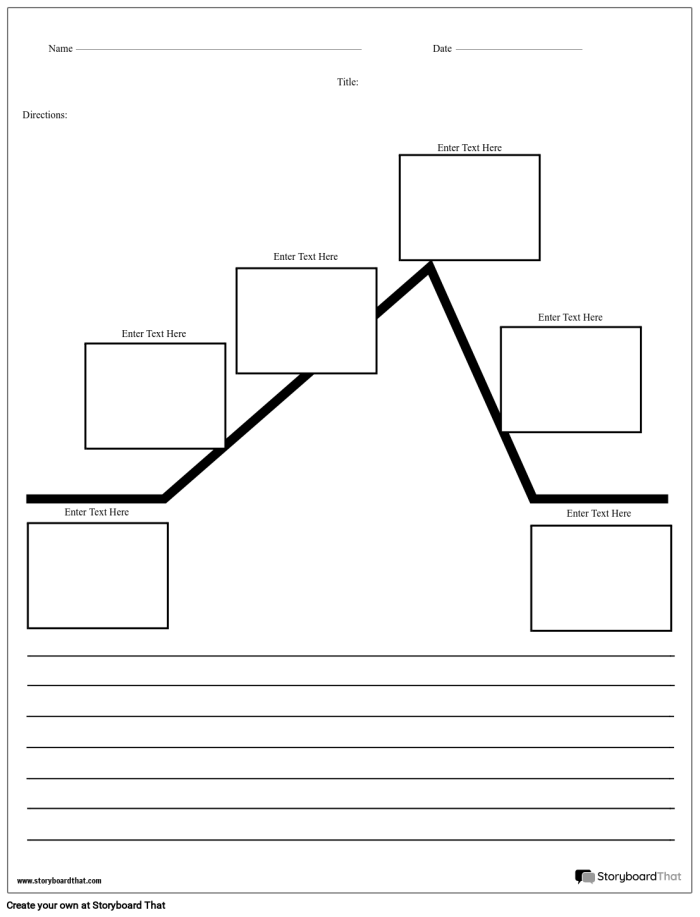
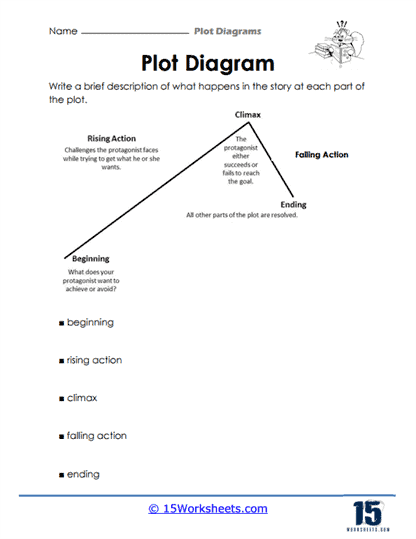
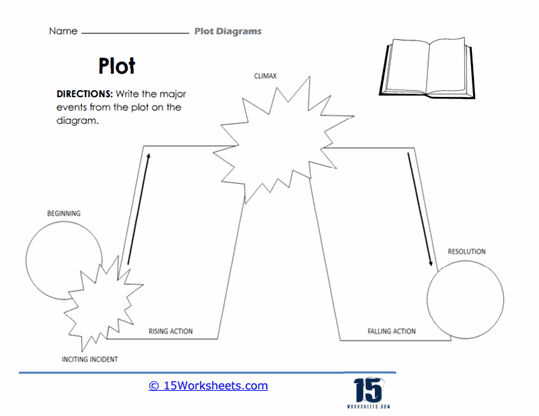
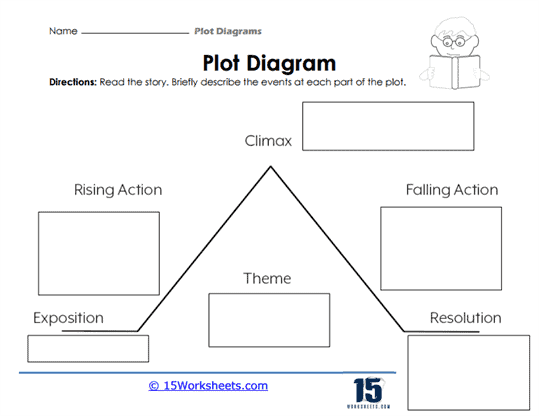
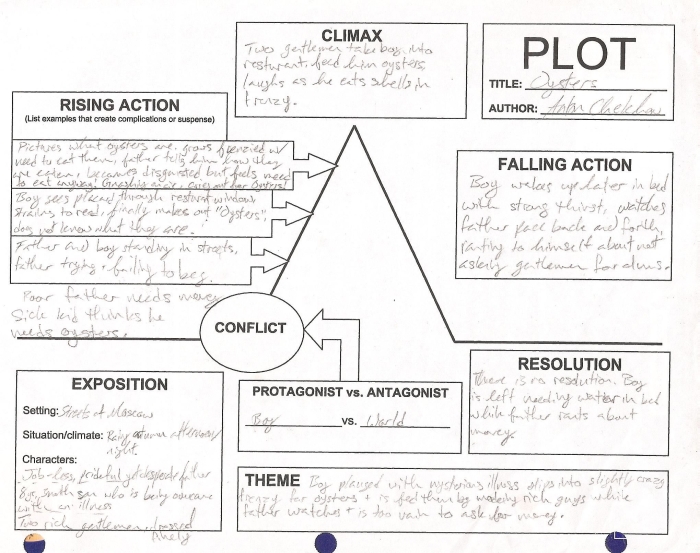
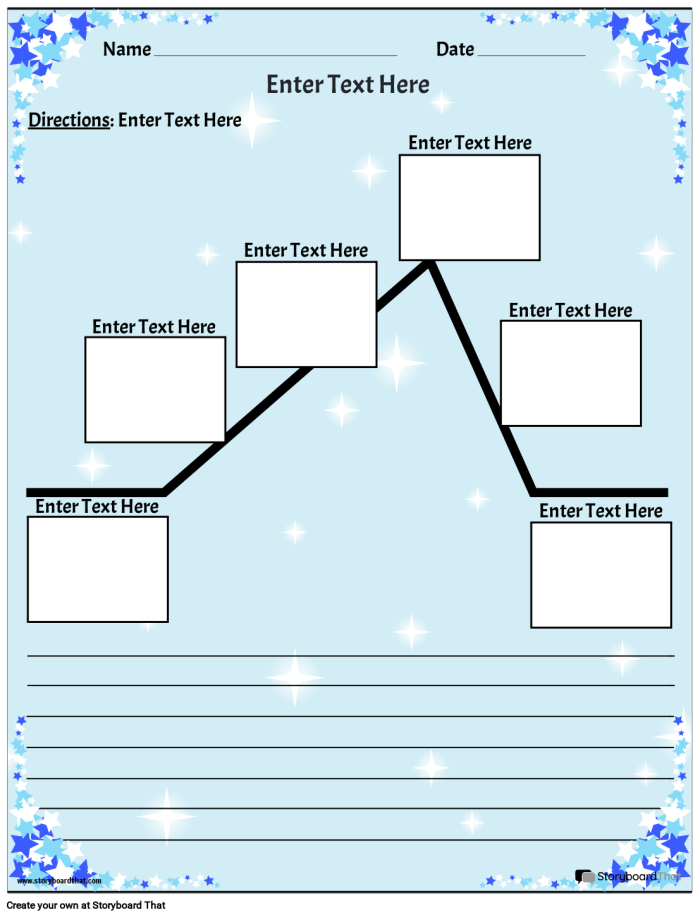
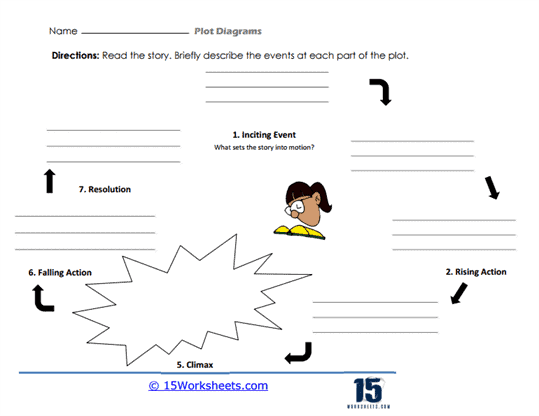
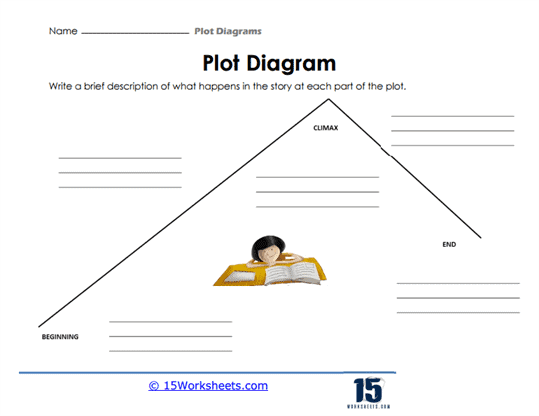
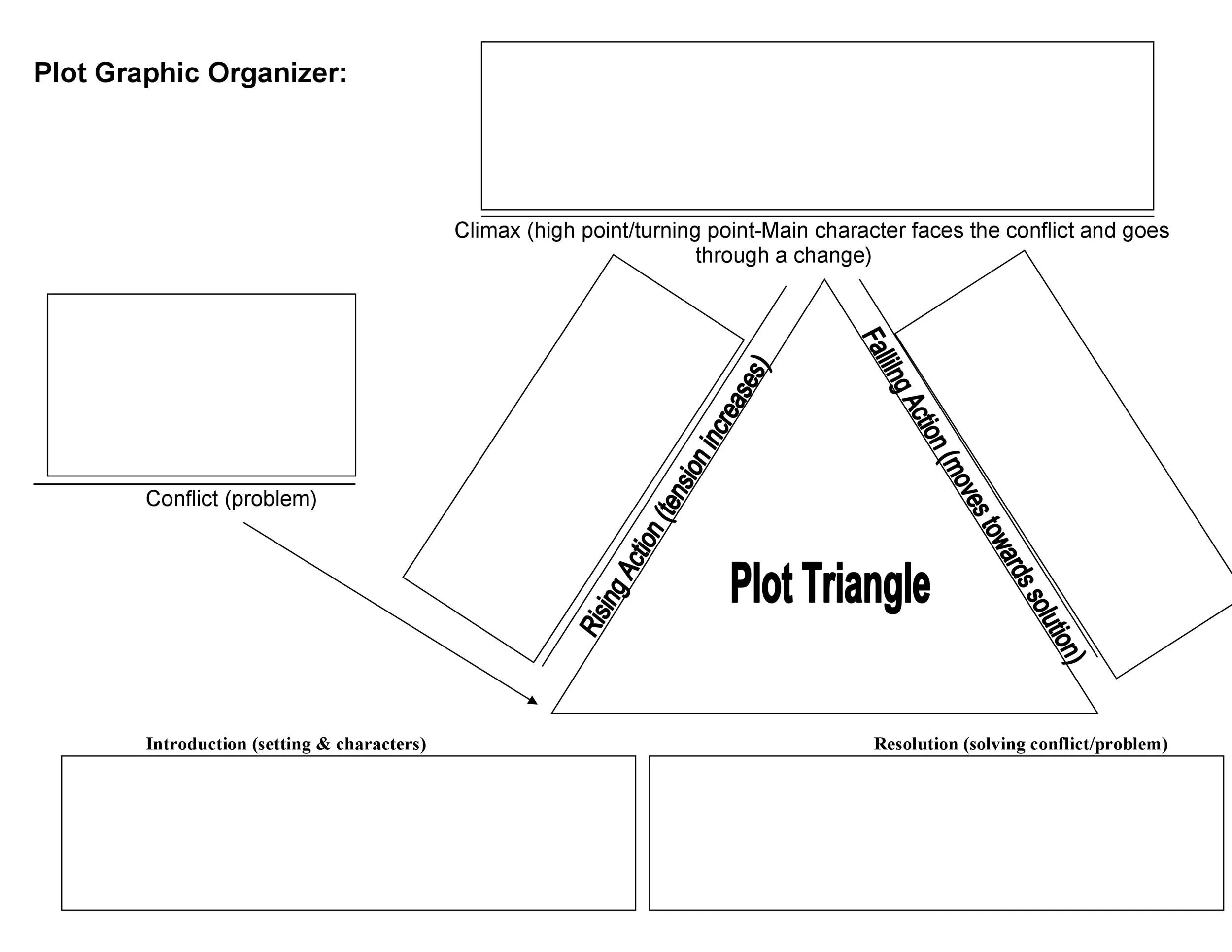
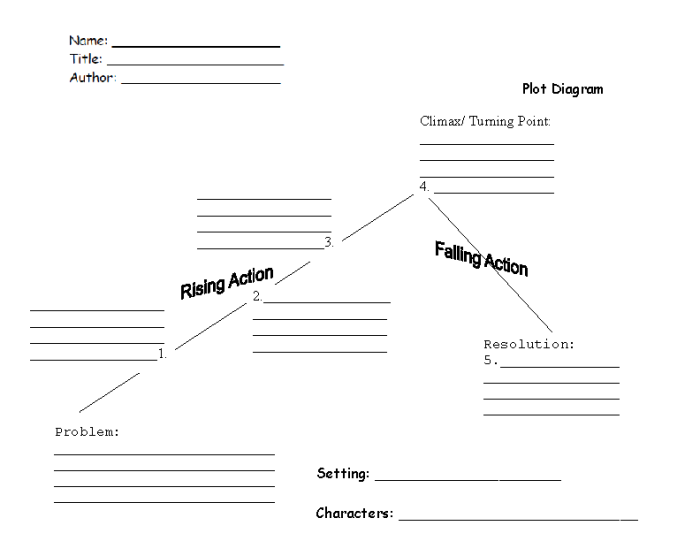
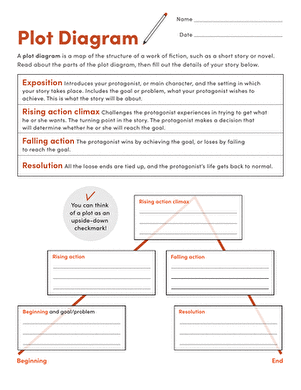
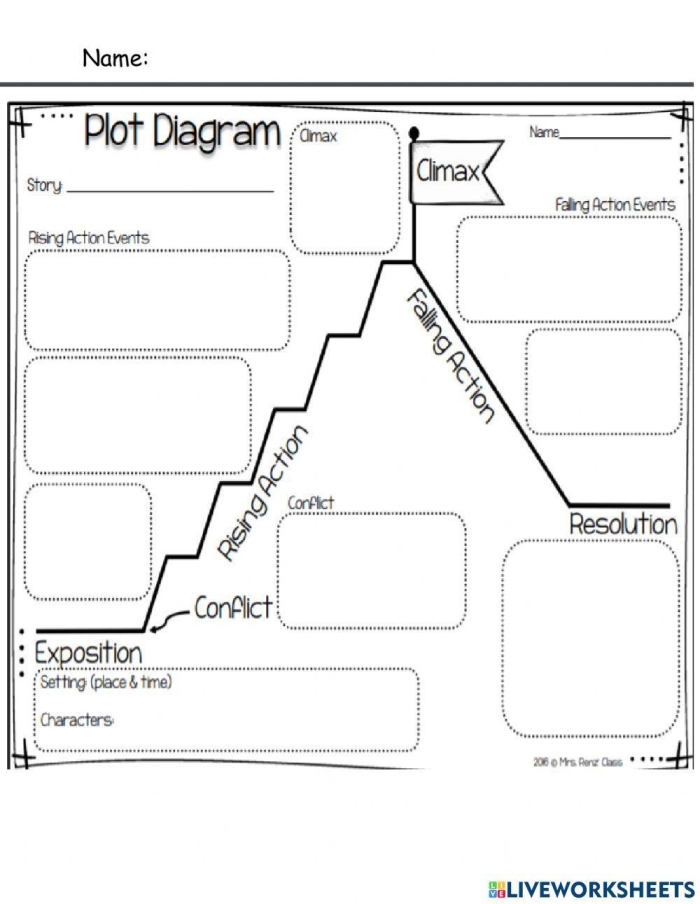
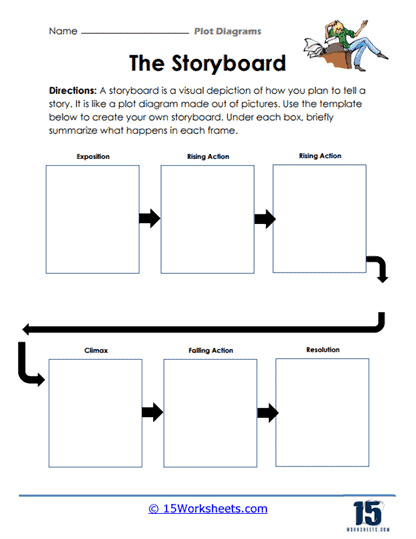
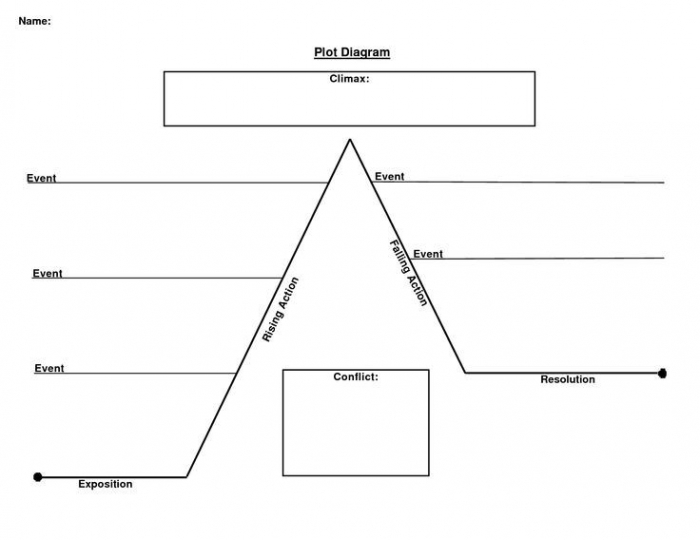
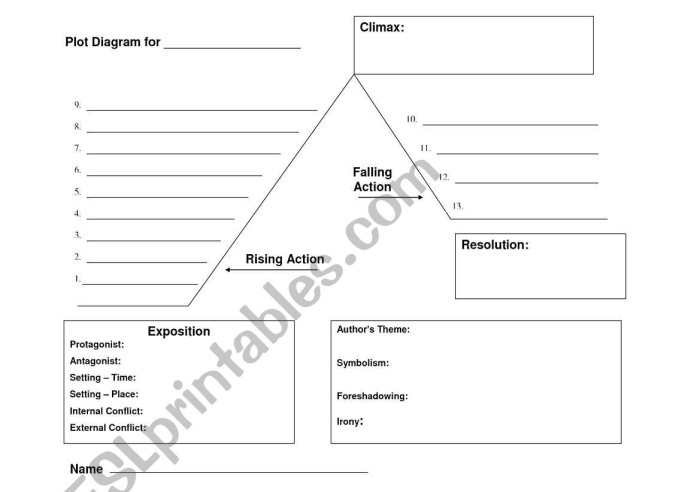
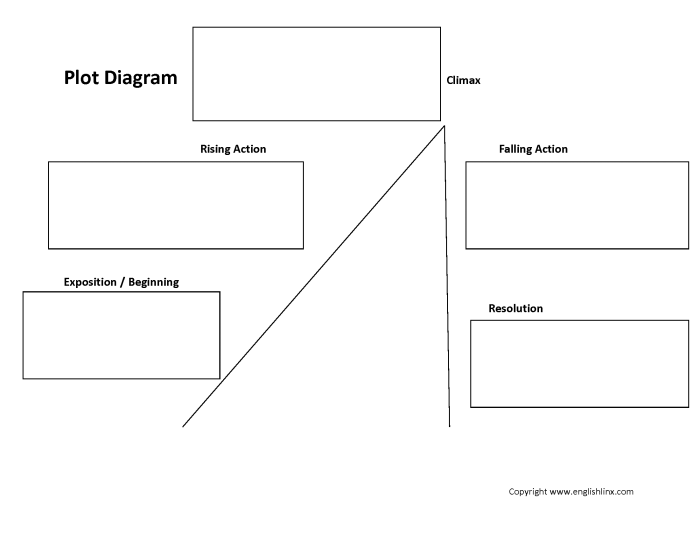
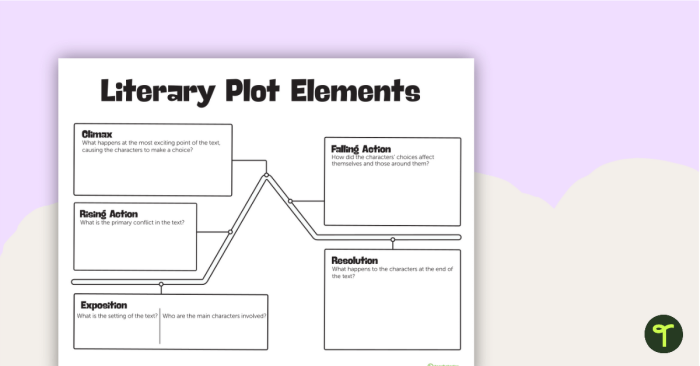
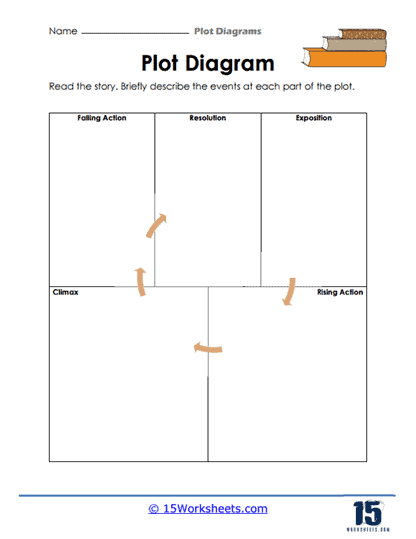
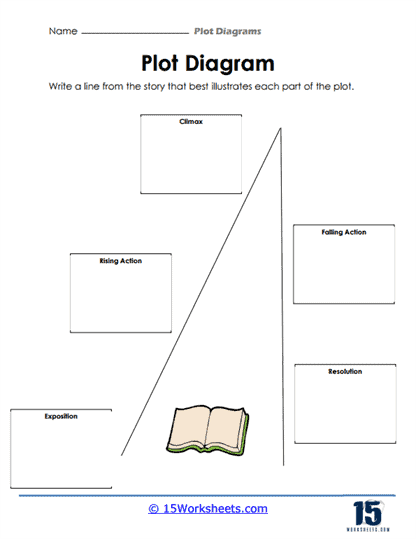
Understanding the components of a plot diagram is essential for analyzing stories effectively. A plot diagram typically consists of five key parts: exposition, rising action, climax, falling action, and resolution. Each of these elements plays a crucial role in shaping a narrative. By breaking down a story into these parts, you can gain a clearer understanding of its structure and themes.
To start, the exposition introduces the main characters, setting, and the initial conflict. This is where you meet the protagonist and get a sense of their world. Next comes the rising action, where tension builds as characters face challenges and obstacles. This part is vital for creating emotional engagement and anticipation. The climax, the story’s turning point, is where the main conflict reaches its peak. This moment is often filled with suspense and can change the course of the story entirely.
Following the climax is the falling action, where the tension begins to resolve, leading to the final outcomes. Finally, the resolution ties up loose ends, providing closure to the story. Filling out a plot diagram with a recent story you’ve read can enhance your comprehension and retention of the material. It allows you to visualize how the narrative unfolds and the relationships between different plot points.
For fifth graders, using printable worksheets can make this process more engaging. For example, you might use the extended reading comprehension worksheets to practice identifying these plot elements. Similarly, worksheets focused on specific texts, like “All Gold Canyon,” can provide a structured way to apply your knowledge of plot diagrams.
By actively filling out the details of your chosen story in a diagram, you not only reinforce your understanding of the plot structure but also improve your analytical skills. This practice can be especially beneficial when preparing for discussions or written assignments in your fifth-grade reading class.
Practice with These Worksheets