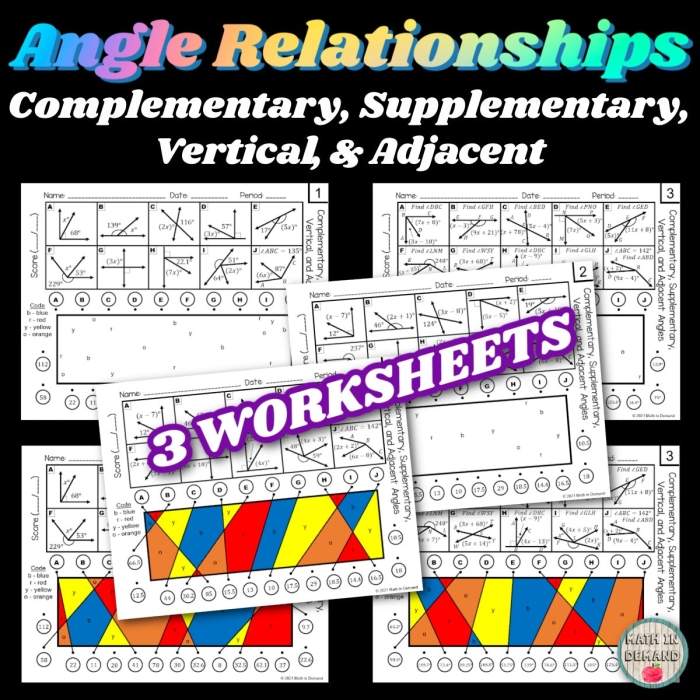
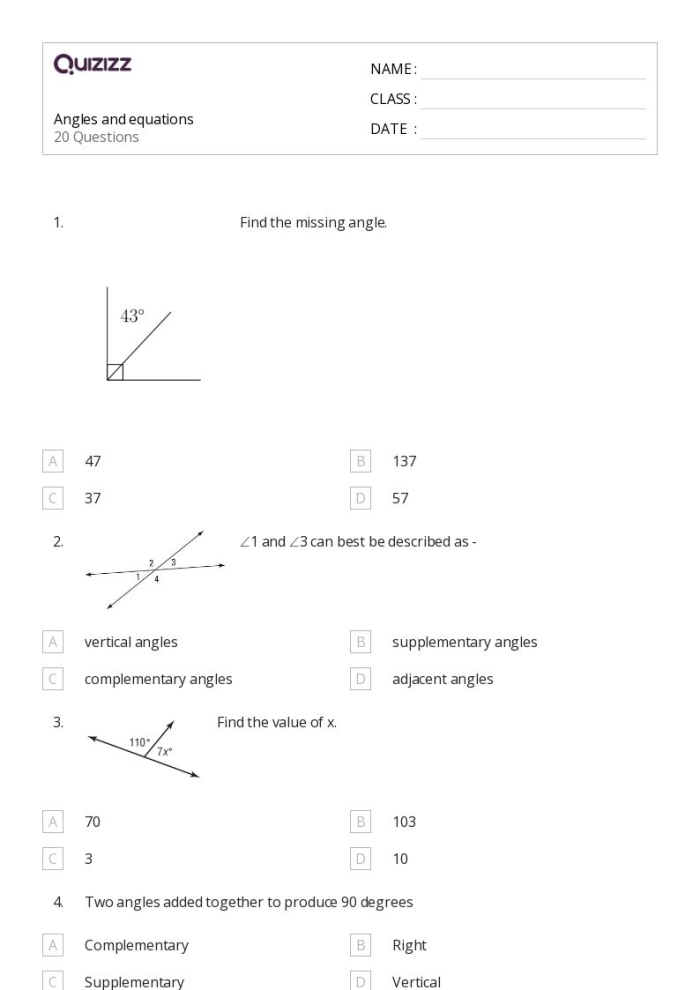
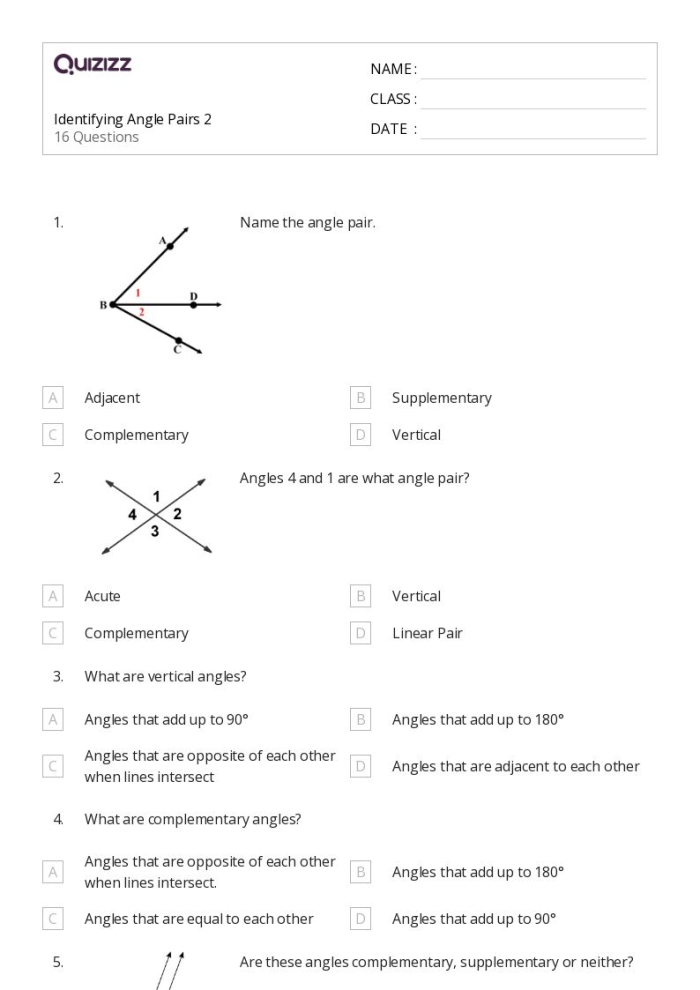
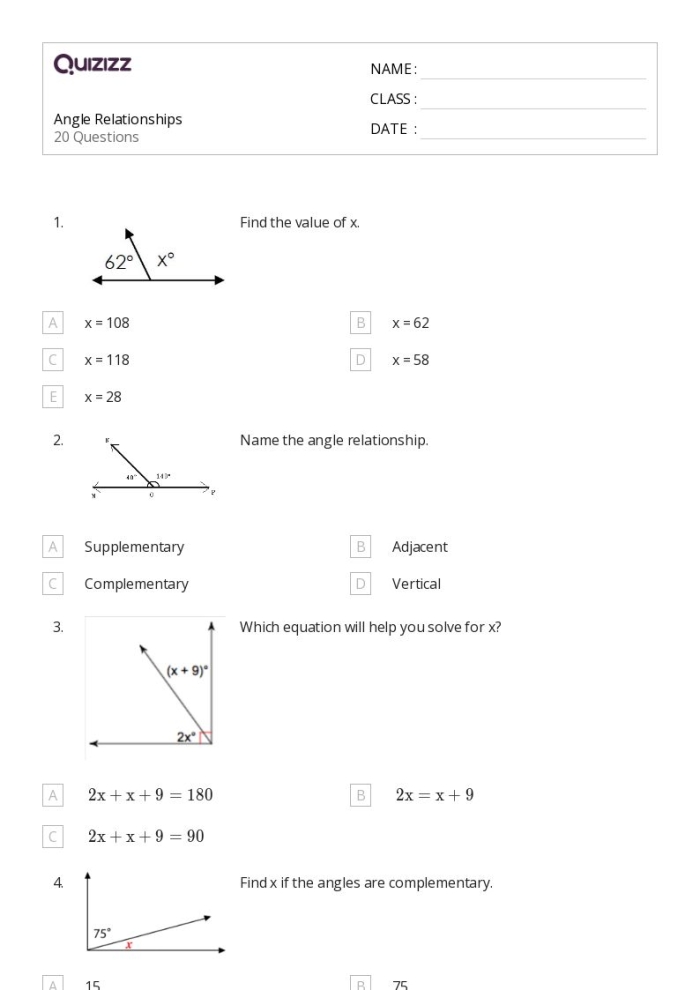
Seventh-grade students often struggle with angle relationships because they require both visual recognition and abstract reasoning at the same time. When you introduce complementary, supplementary, vertical, and adjacent angles, you’re asking students to see how angles interact with one another in ways that go beyond simple measurement. A well-designed worksheet can transform this abstract concept into something concrete and manageable.
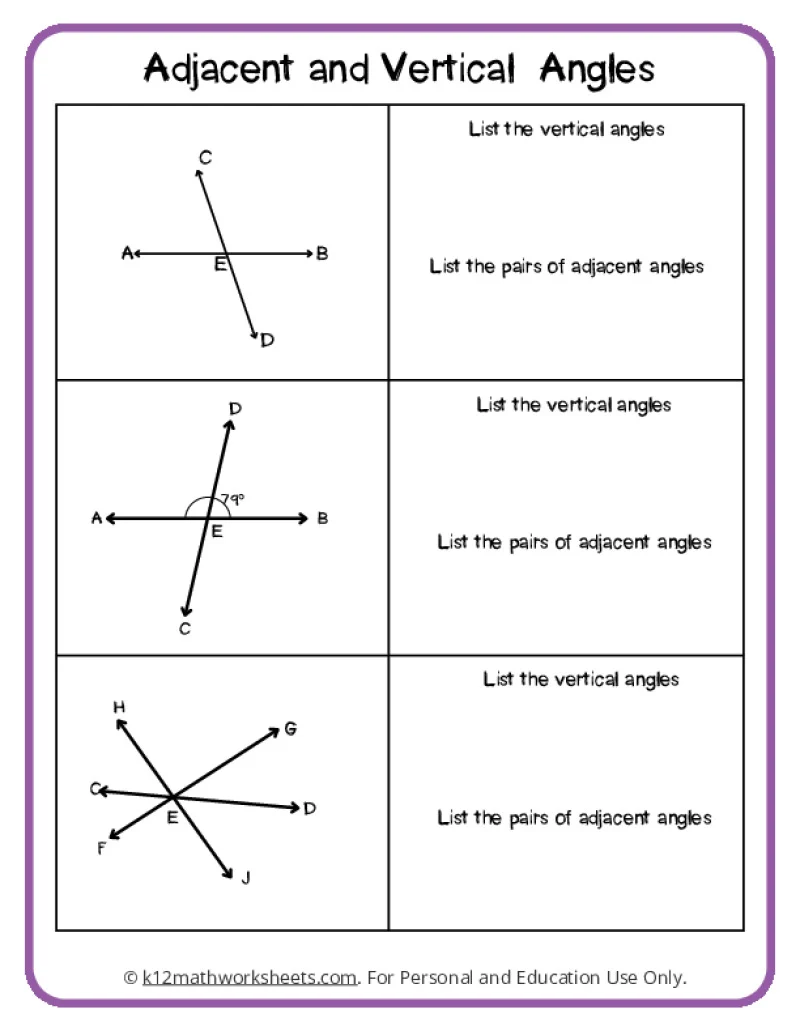
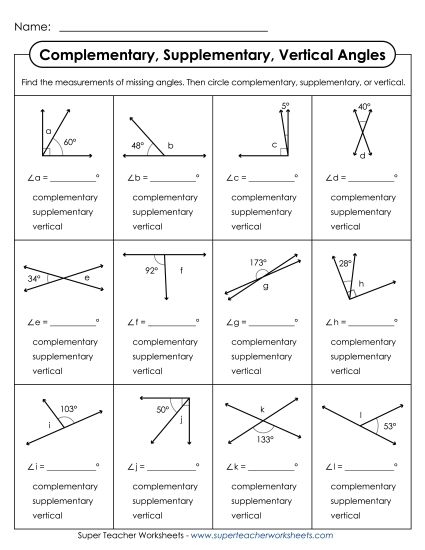
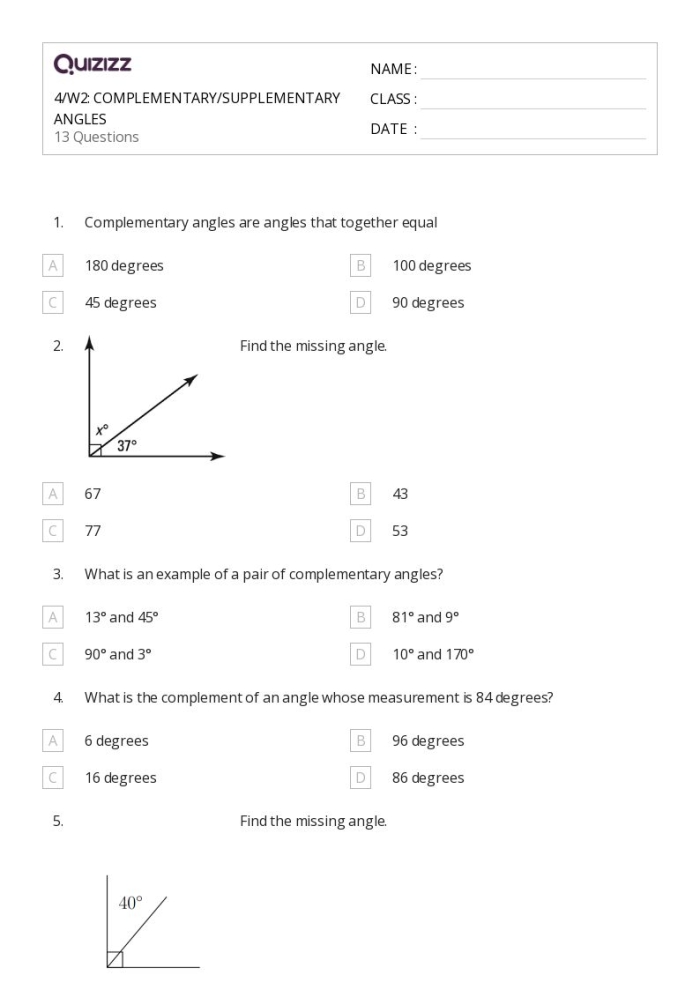
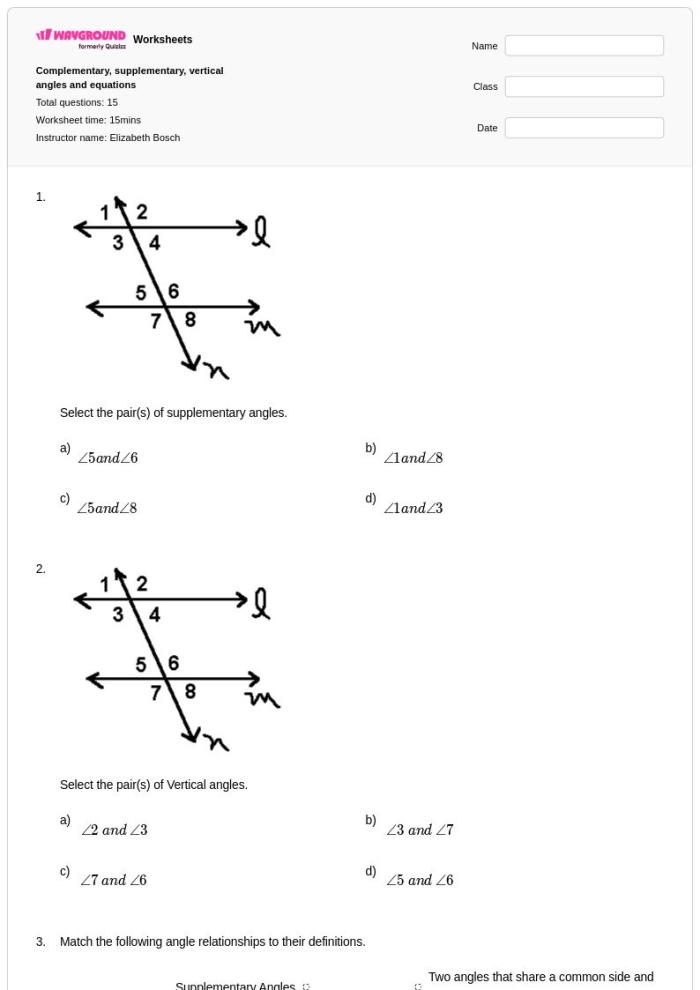
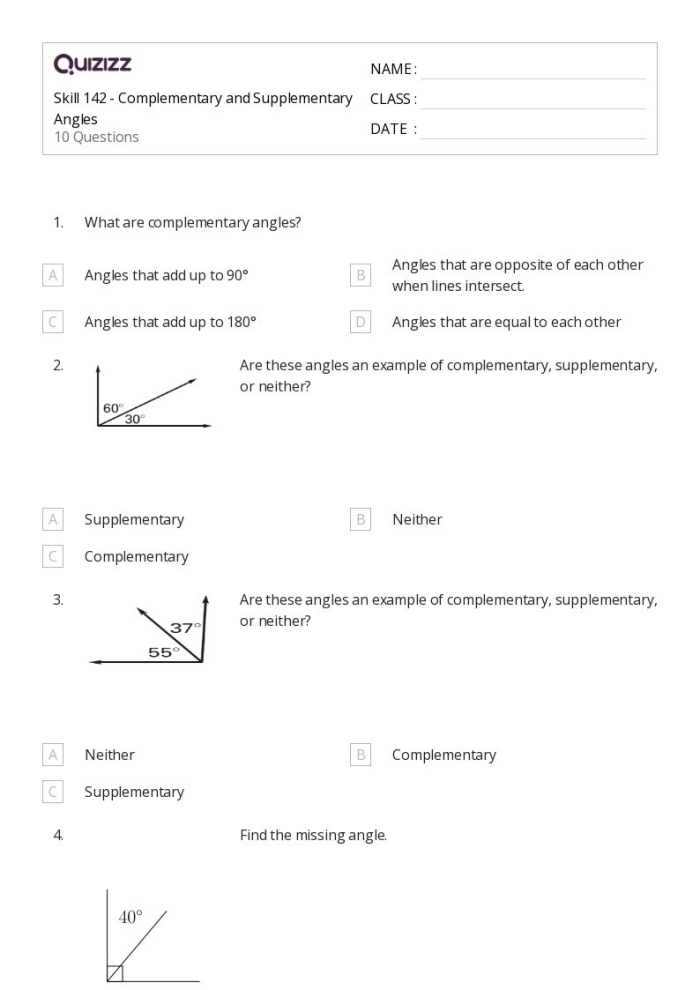
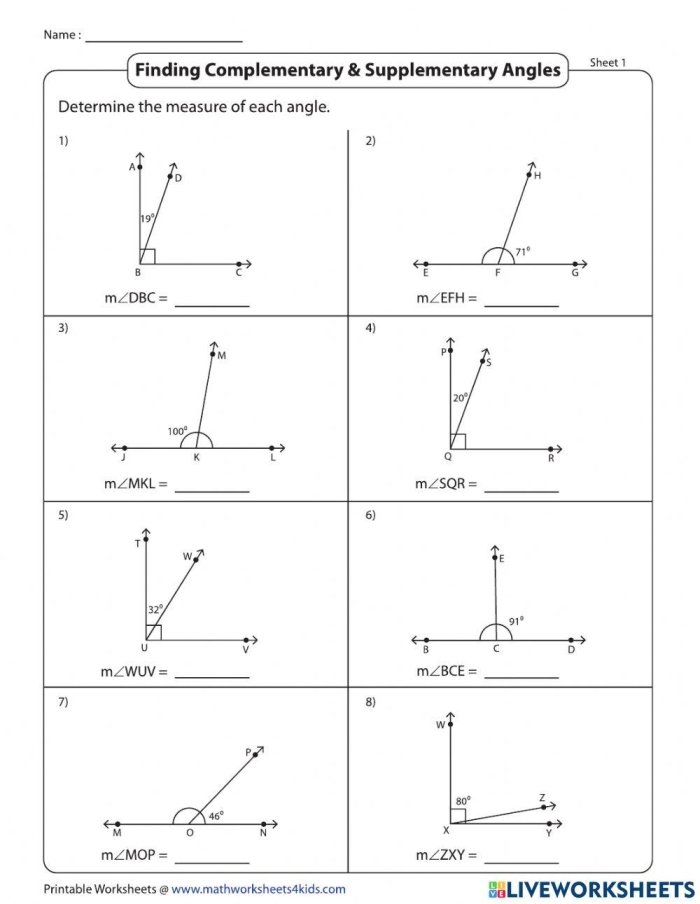
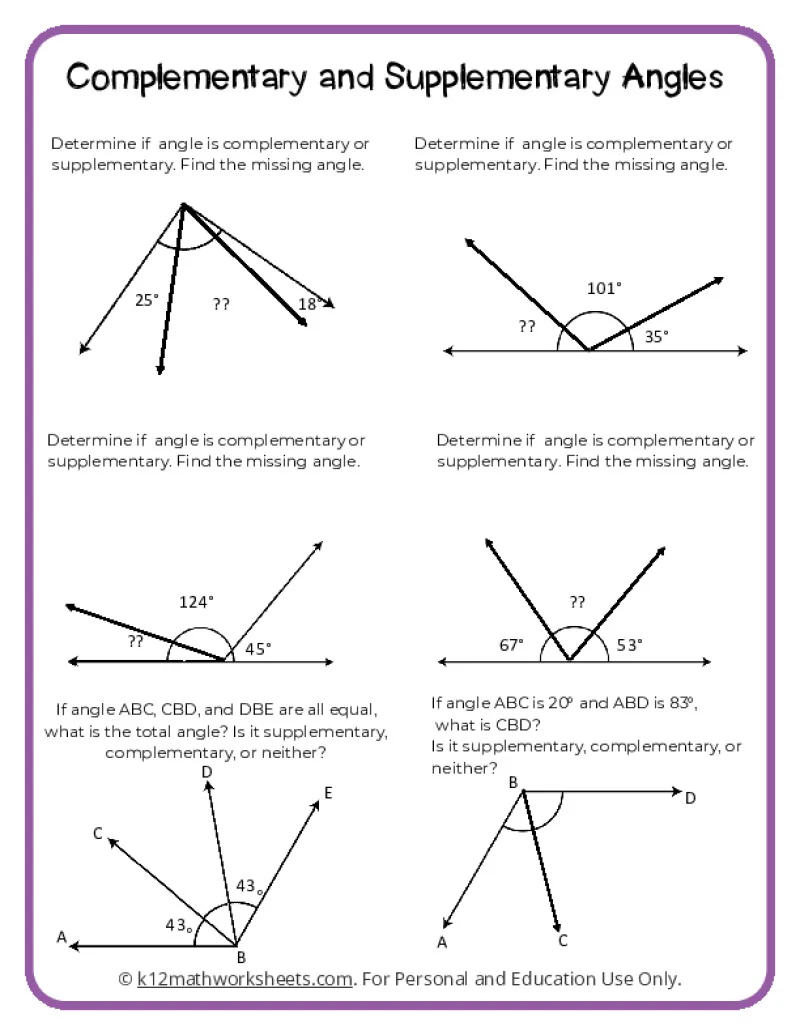
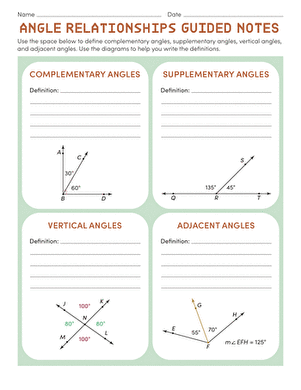
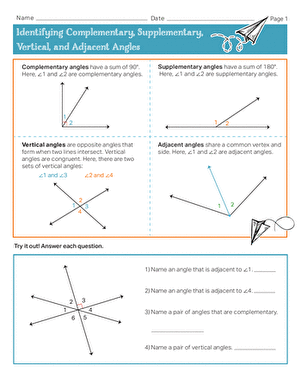
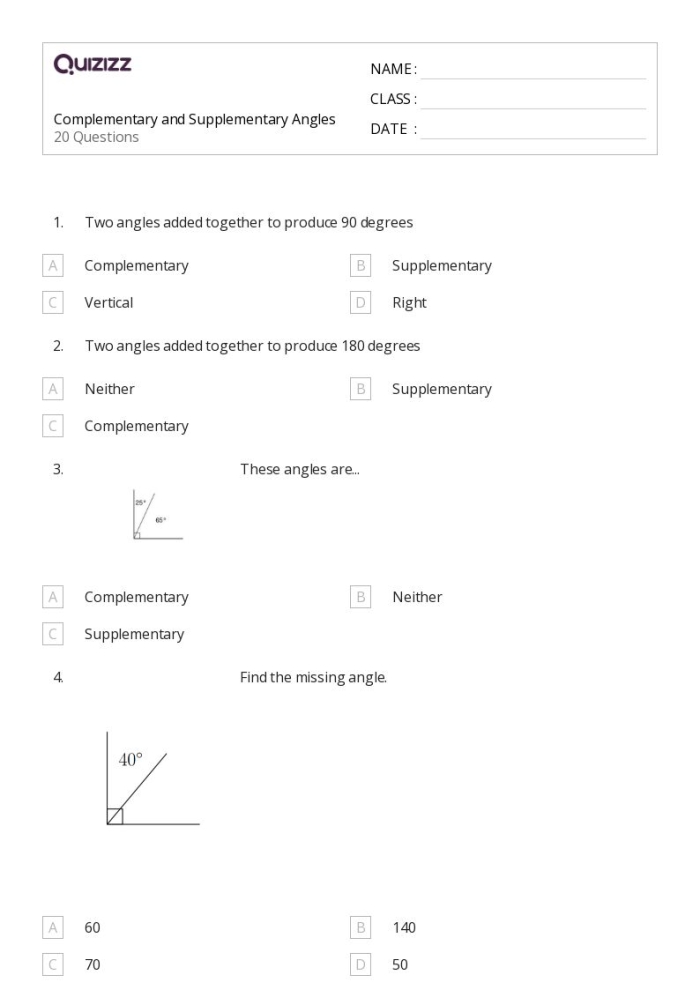
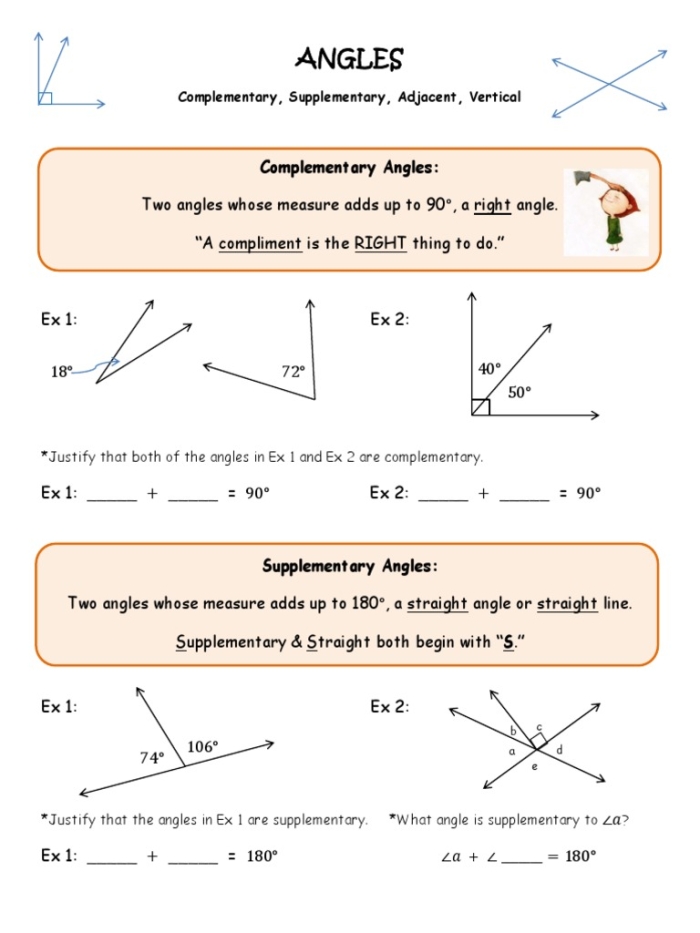
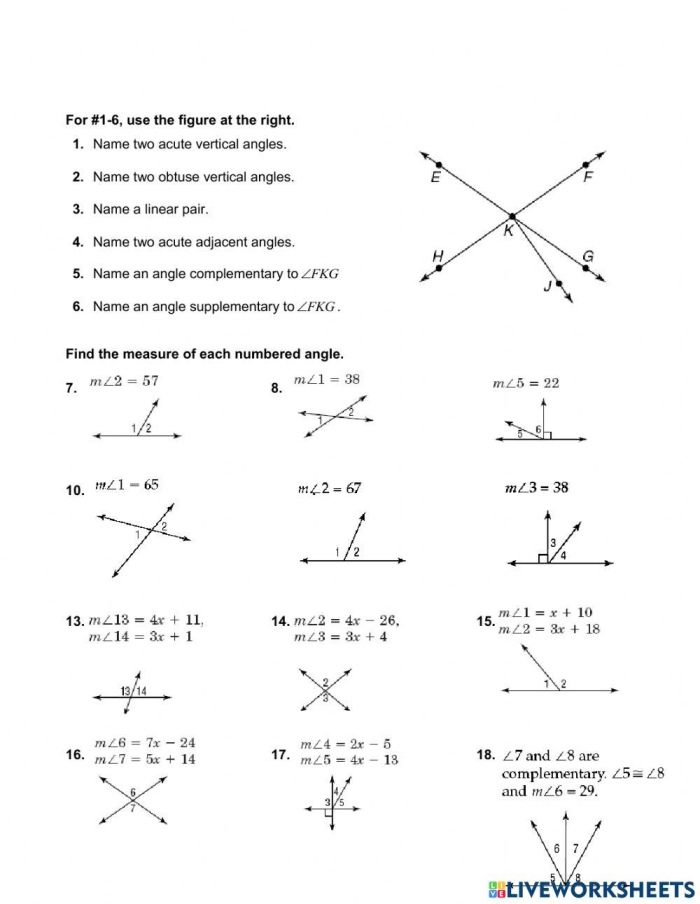
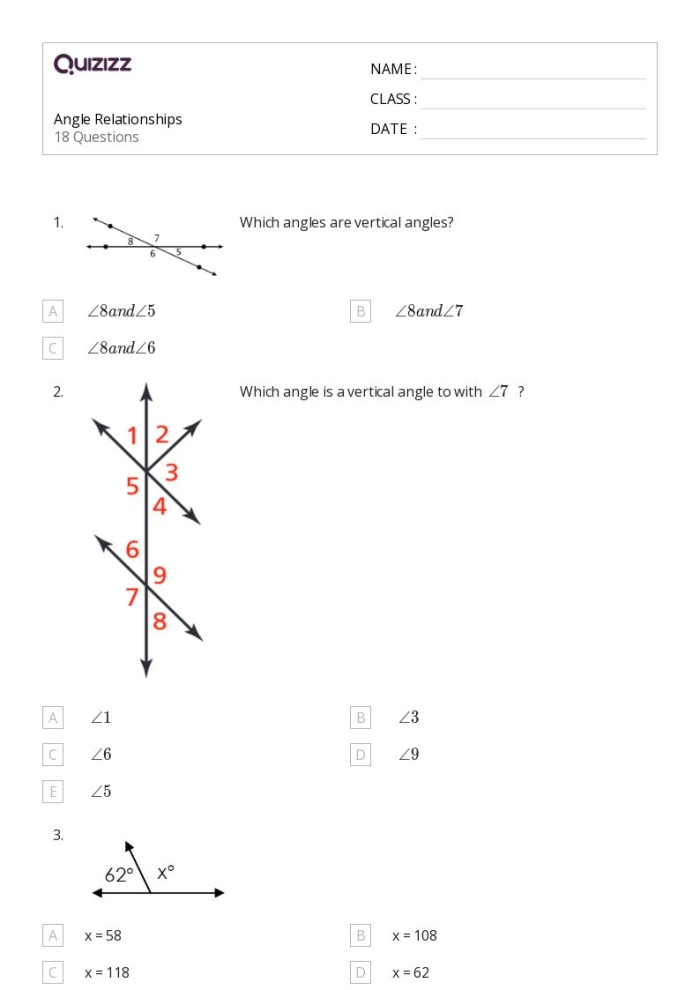
Complementary angles add up to 90 degrees, while supplementary angles sum to 180 degrees. The key difference lies in their totals, and students benefit from repeated practice identifying each type. Vertical angles, formed when two lines intersect, are always equal to each other. Adjacent angles sit next to each other and share a common side and vertex. Understanding these four angle types creates a foundation for more advanced geometry work that seventh graders will encounter later.
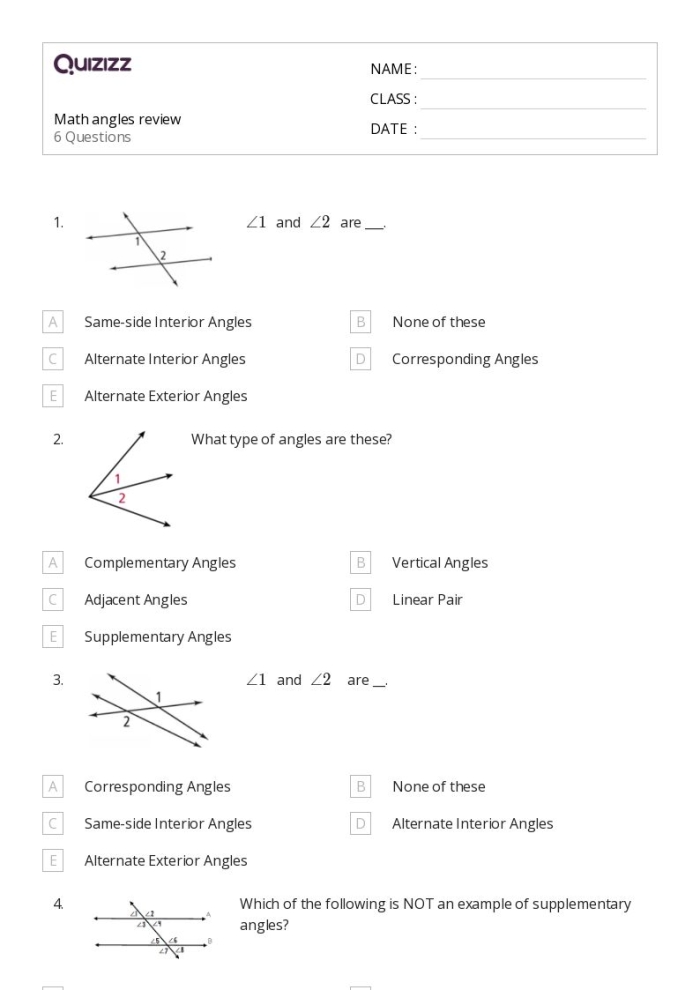
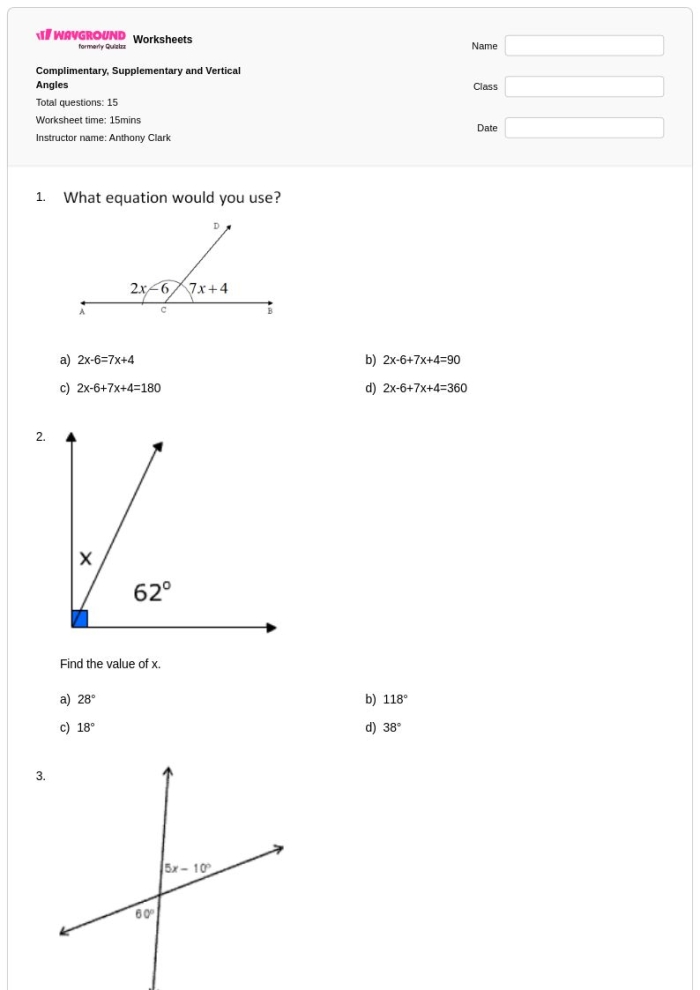
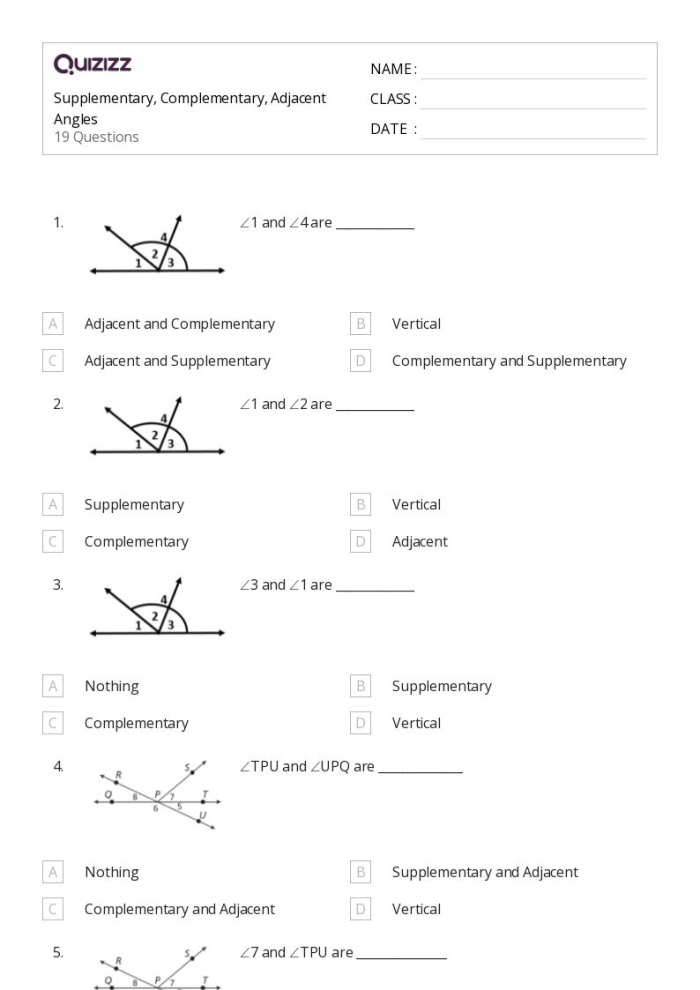
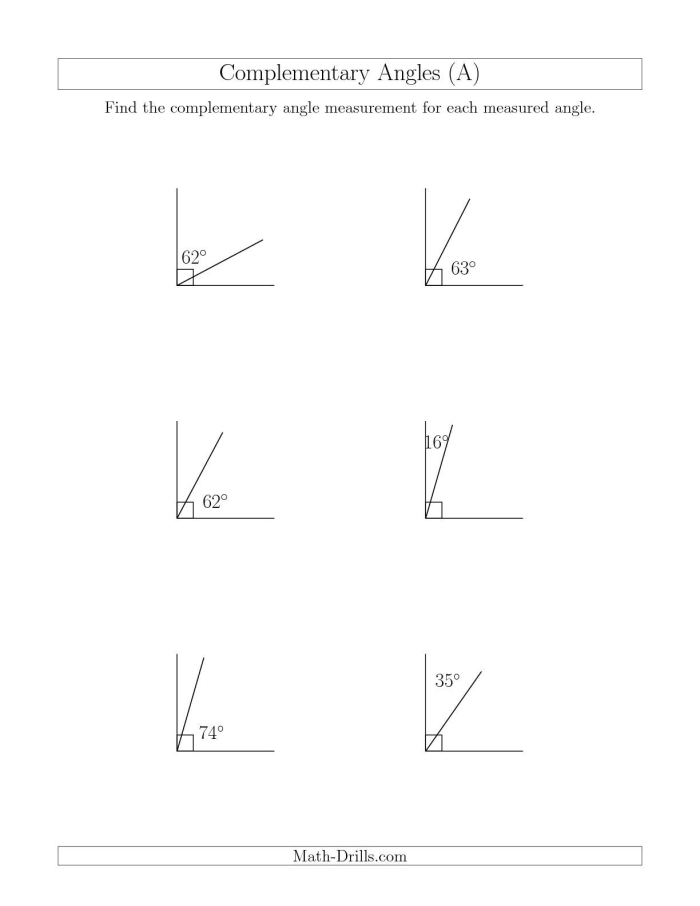
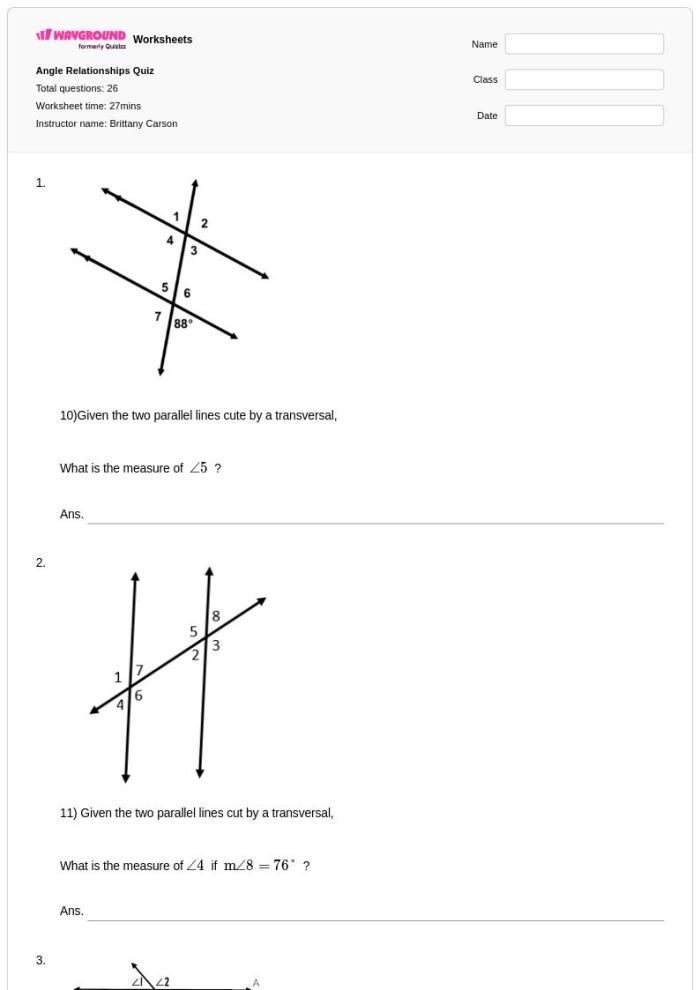
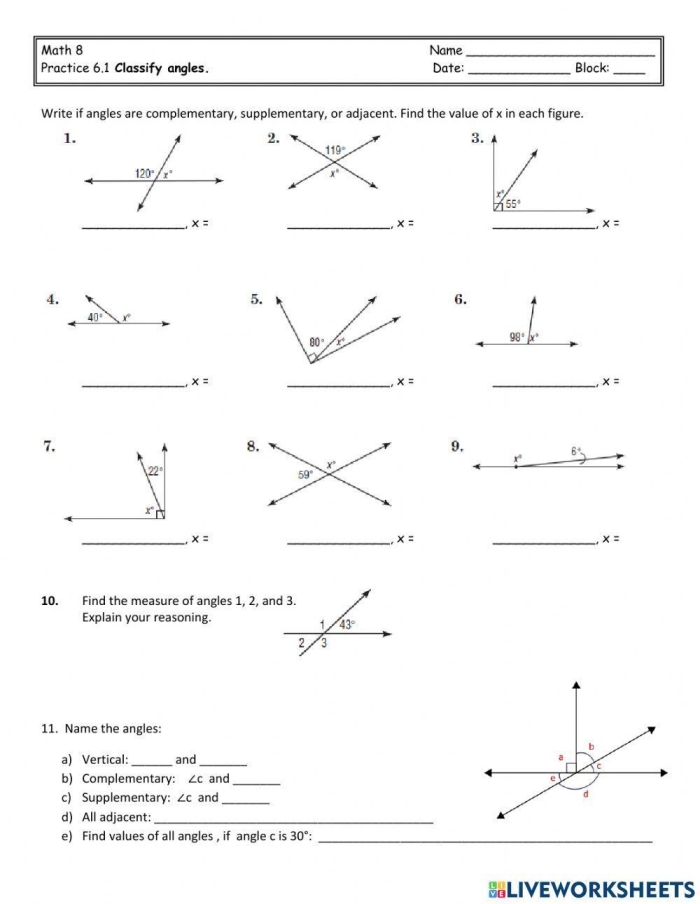
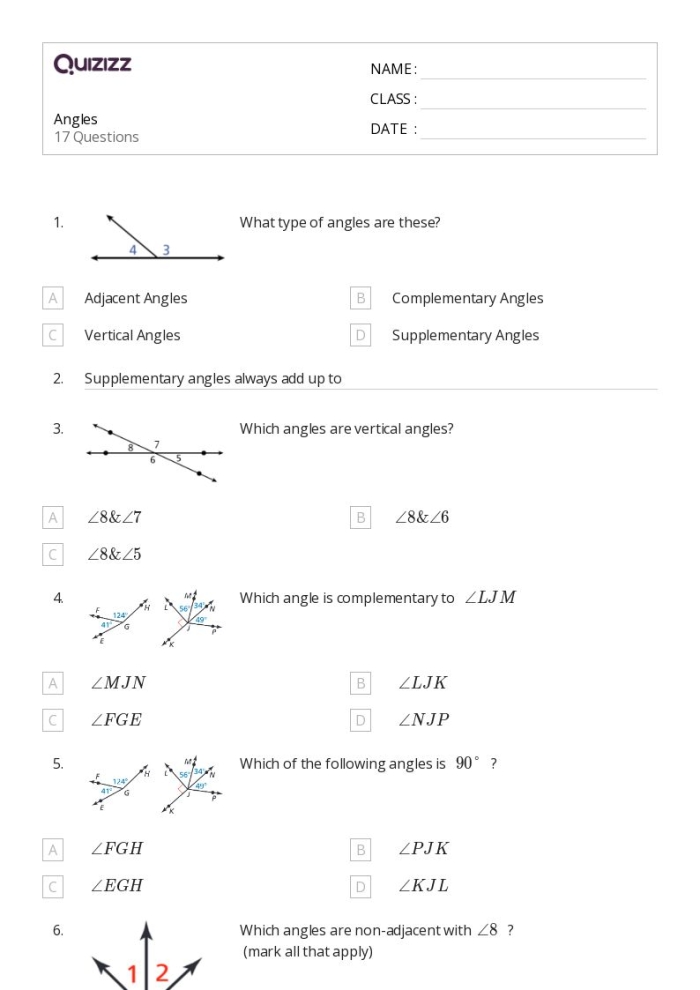
The strength of a focused worksheet comes from its ability to isolate each angle relationship and let students practice recognition separately before mixing them together. When students work through problems that ask them to identify which angles are complementary versus supplementary, they build the mental patterns needed for faster recall. Including diagrams alongside written problems helps reinforce the visual component, which is essential since geometry is fundamentally visual.
These worksheets work best when paired with other seventh-grade mathematics practice. Students who understand angle relationships find it easier to work with problems involving solving proportions and other geometric concepts. The repetition and structured approach of worksheet practice also complements how students learn to expand linear expressions using the distributive property, reinforcing the importance of systematic problem-solving.
A comprehensive angle worksheet should include answer keys and clear explanations so students can check their work and understand where they went wrong. This feedback loop is what transforms practice into genuine understanding rather than rote memorization.
Worksheet Practice Section