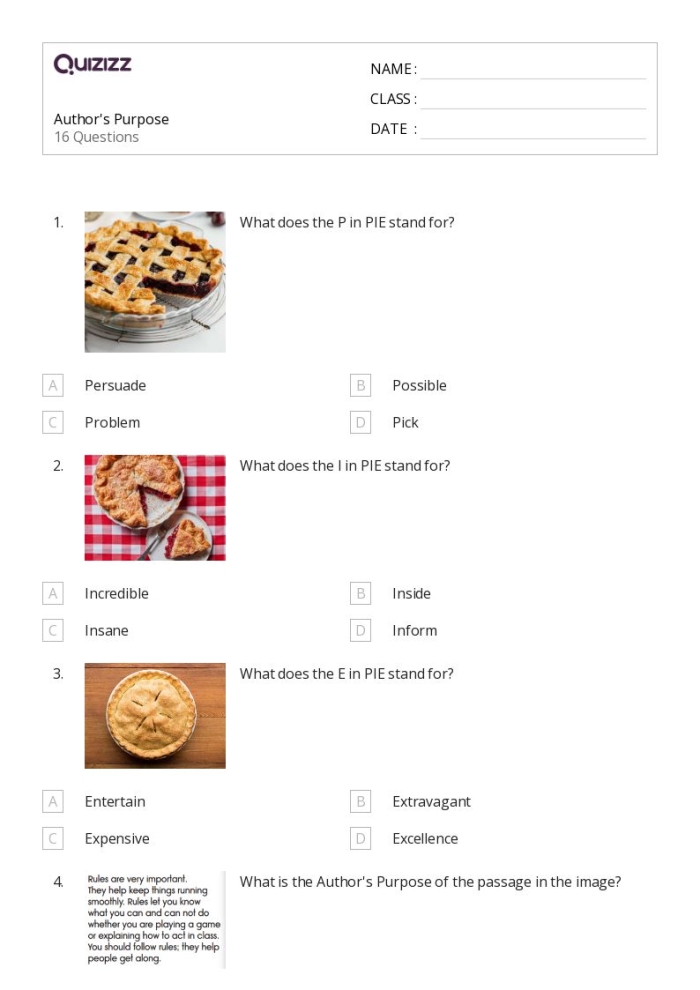
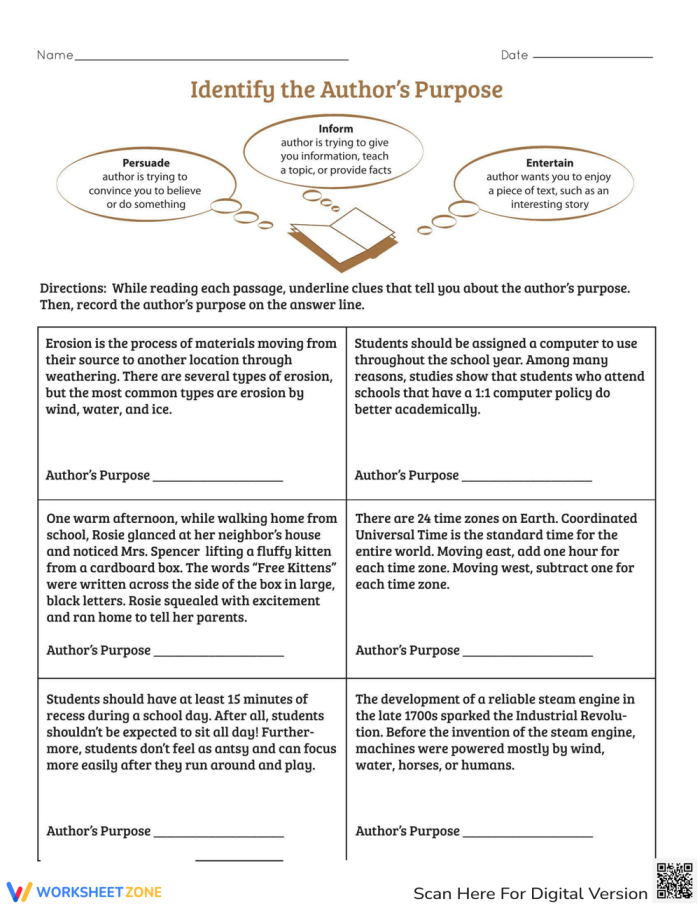
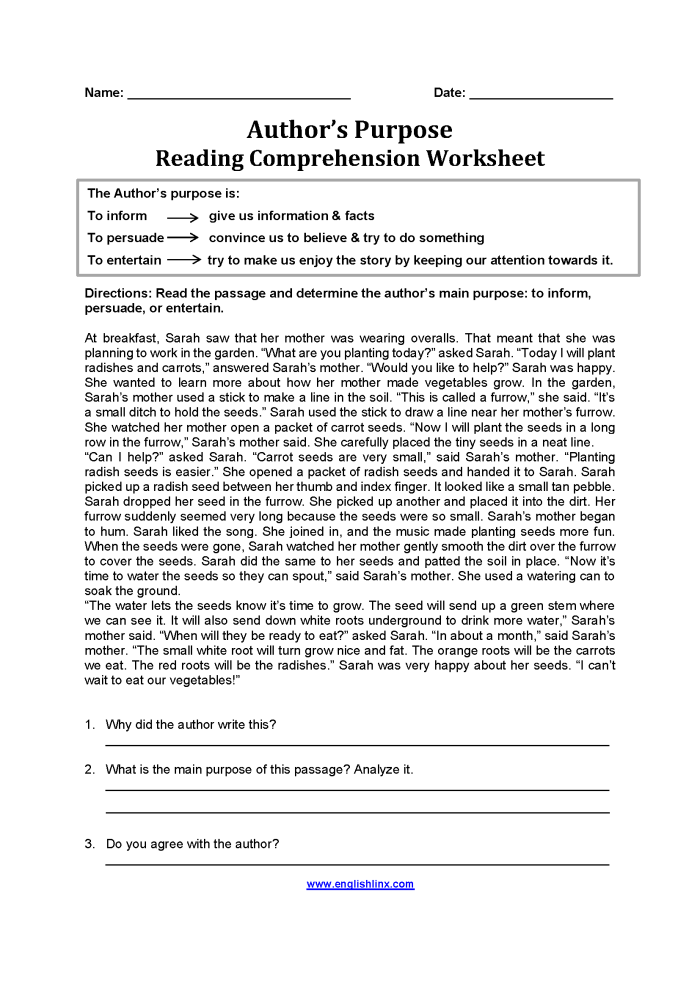
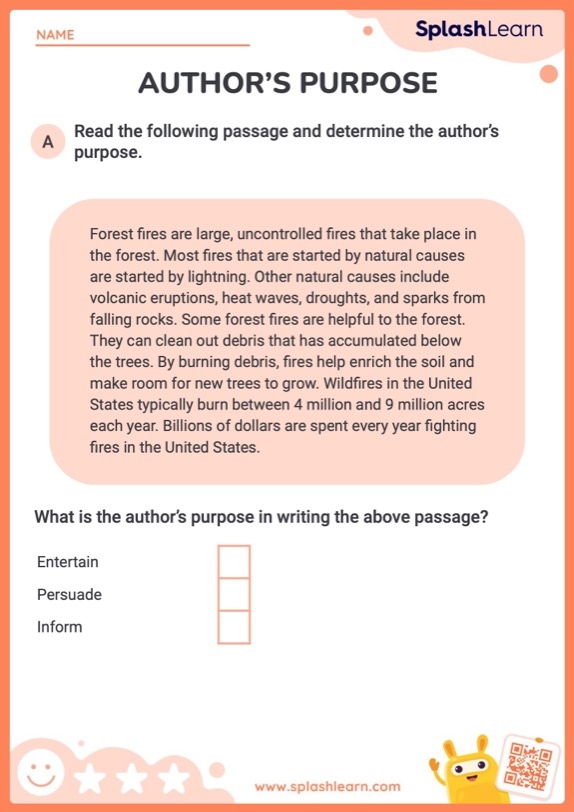
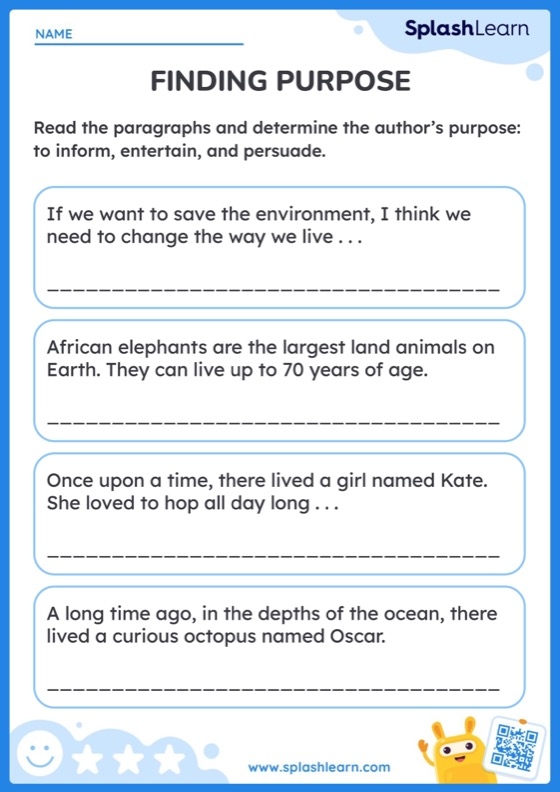
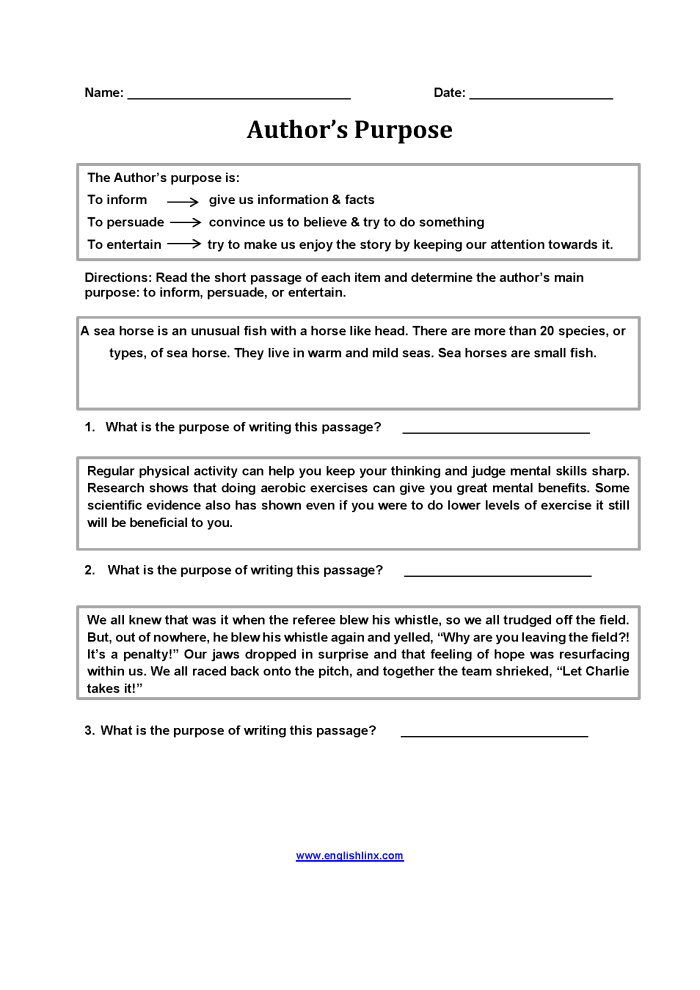
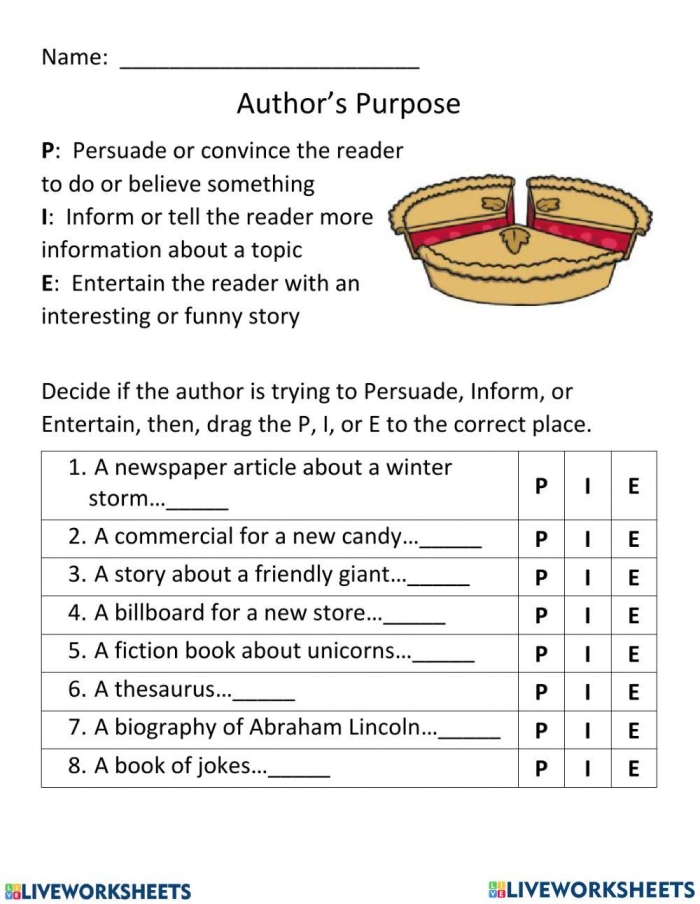
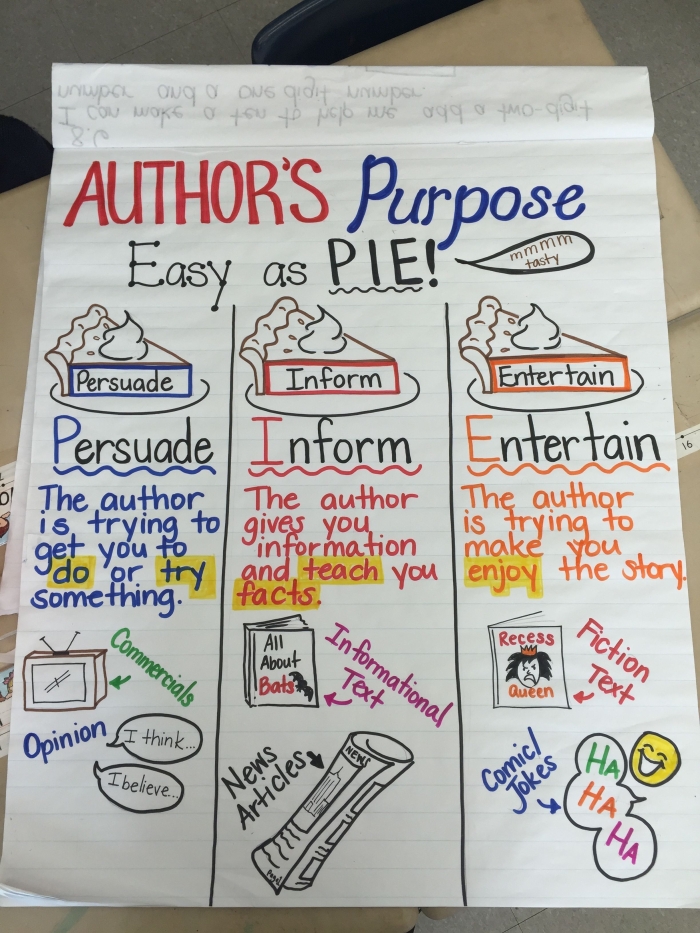
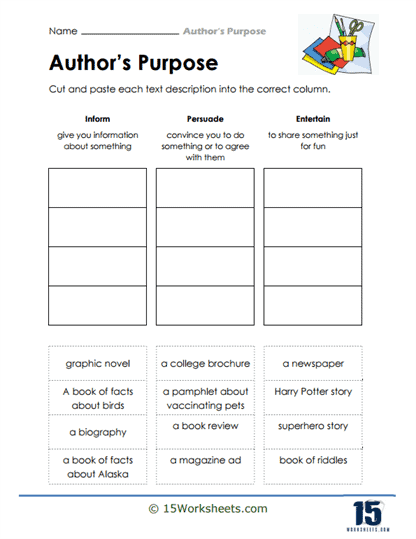
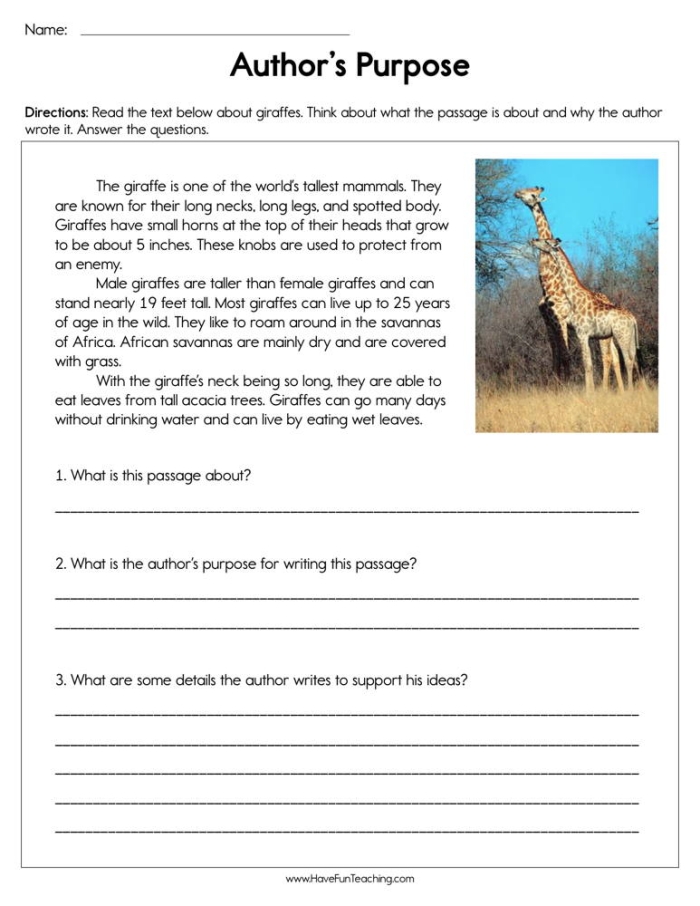
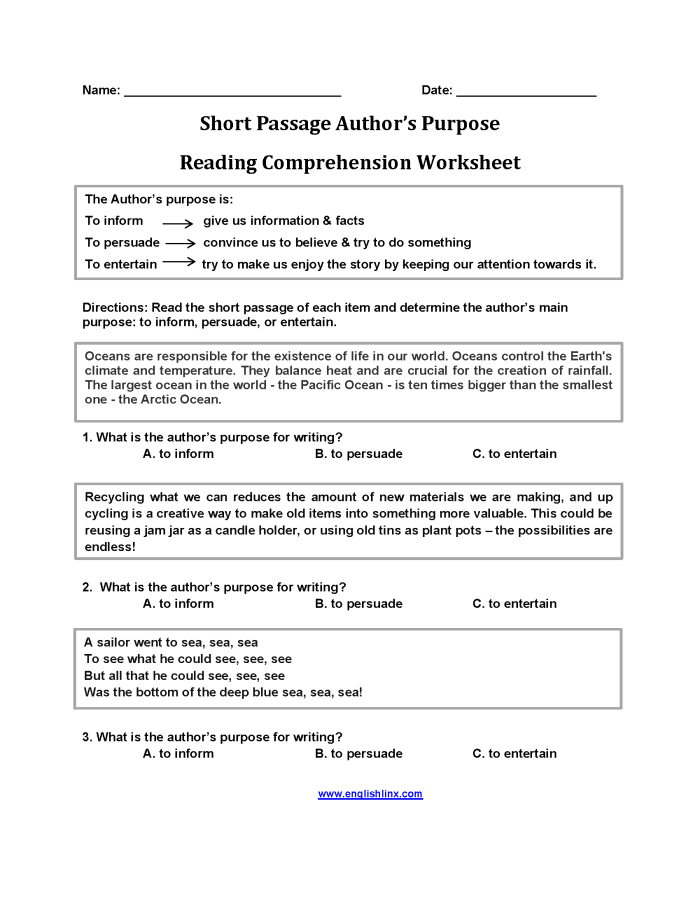
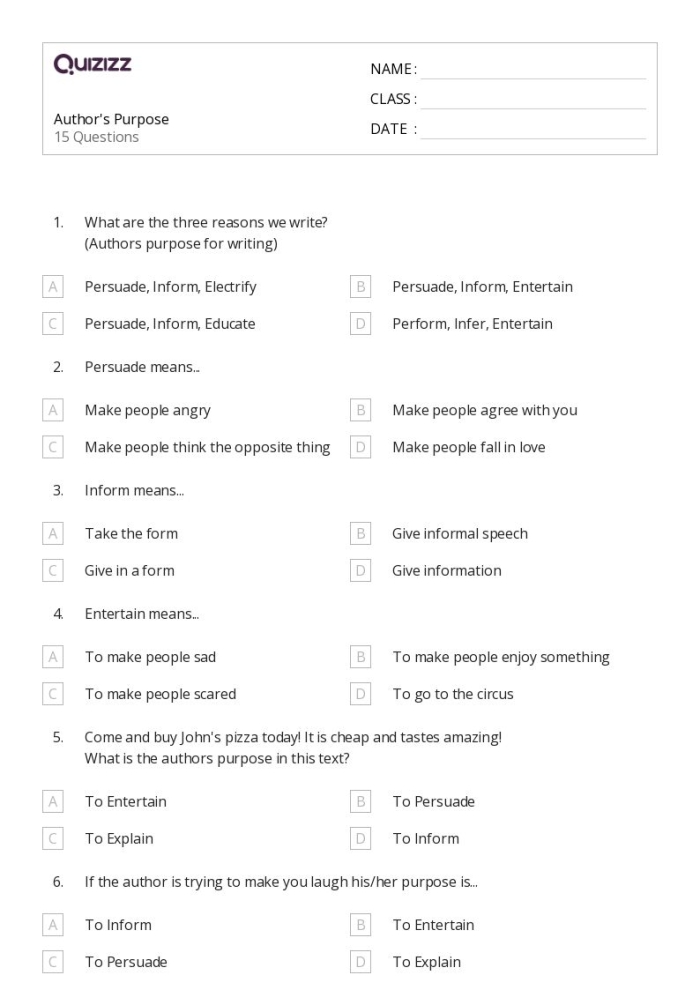
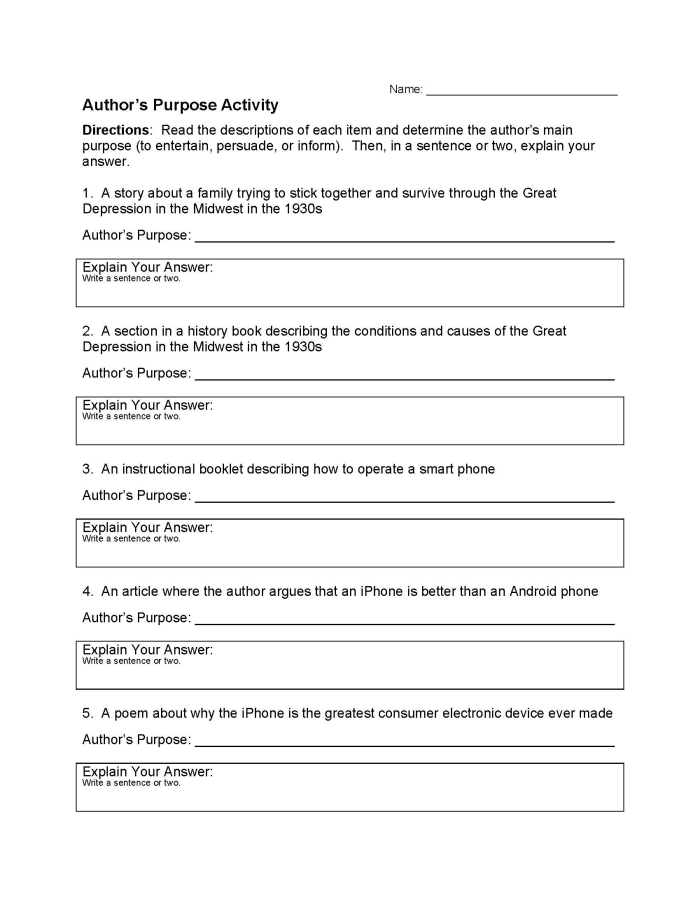
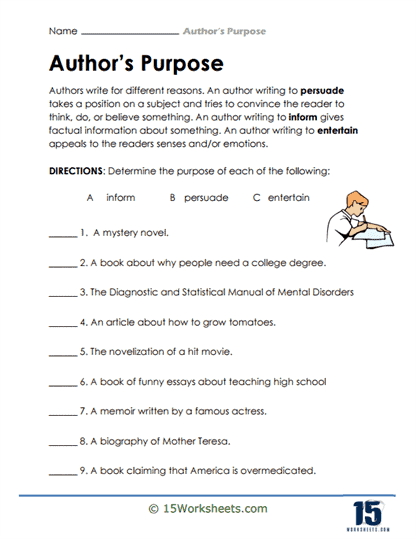
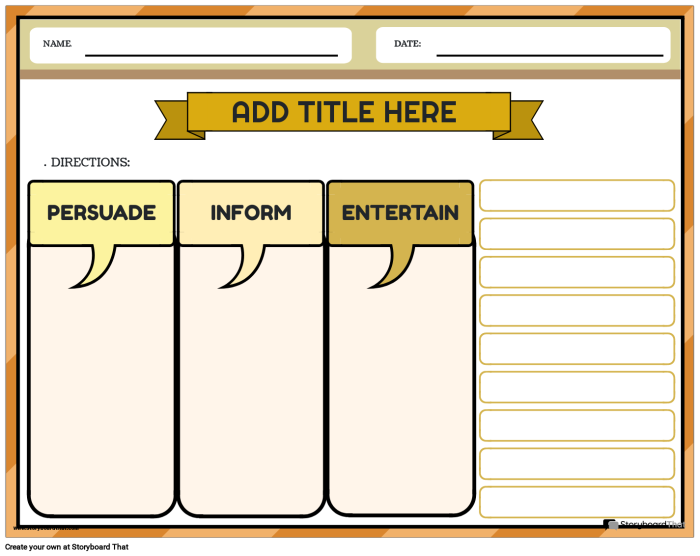
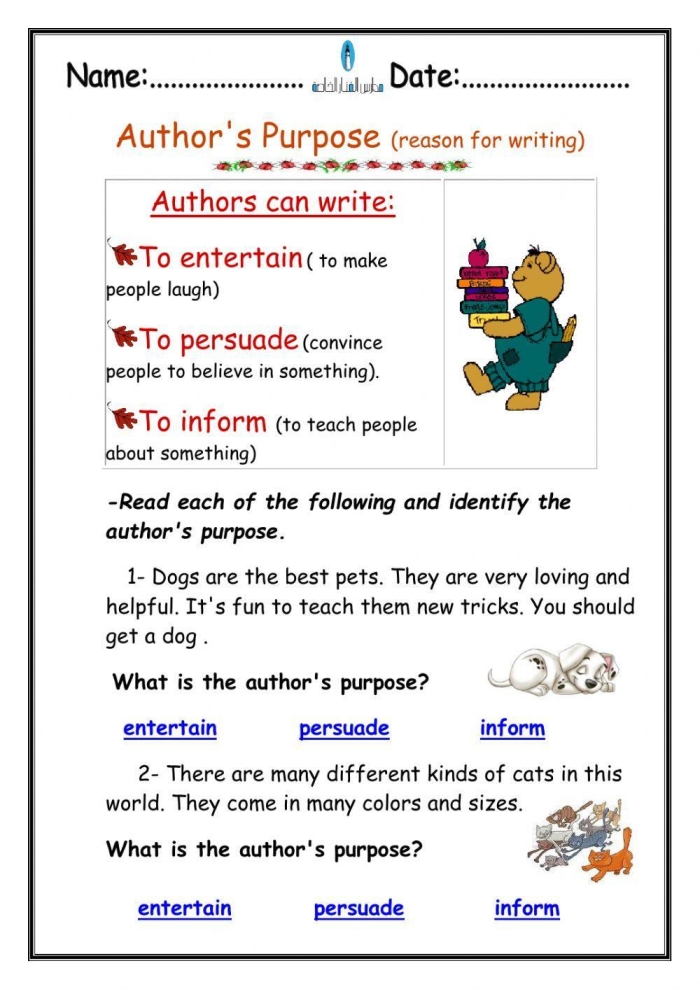
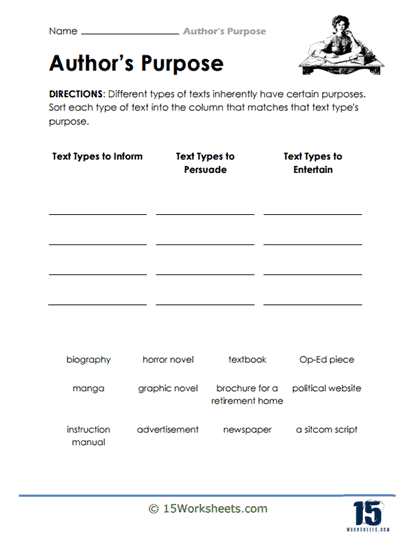
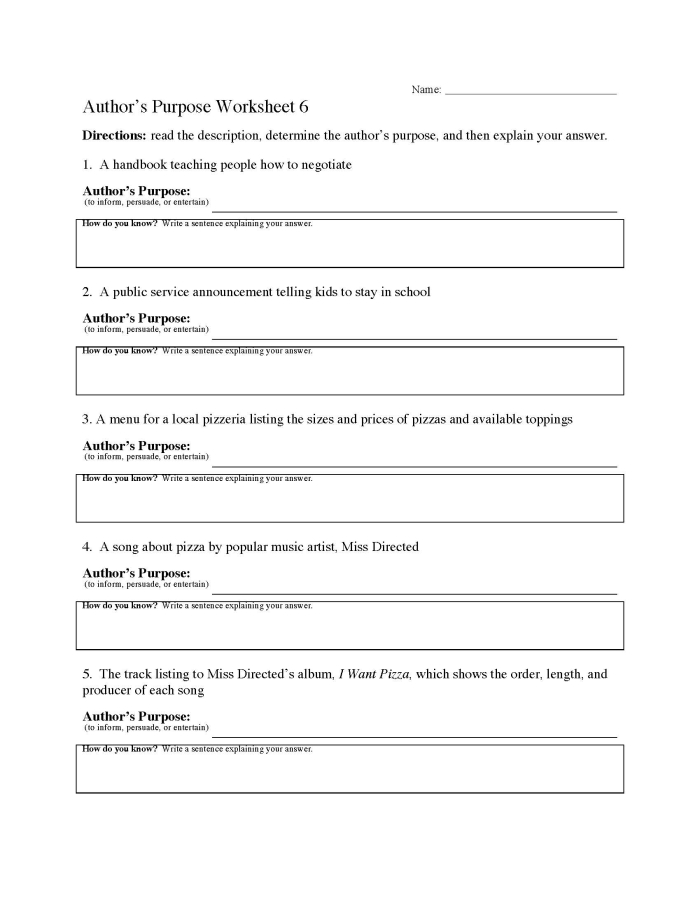
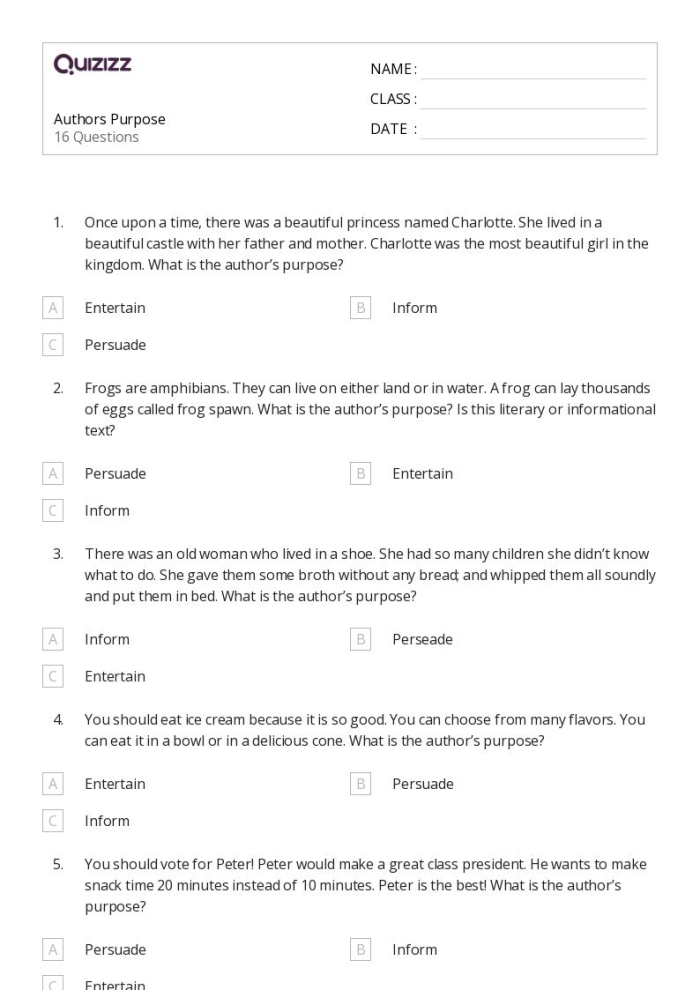
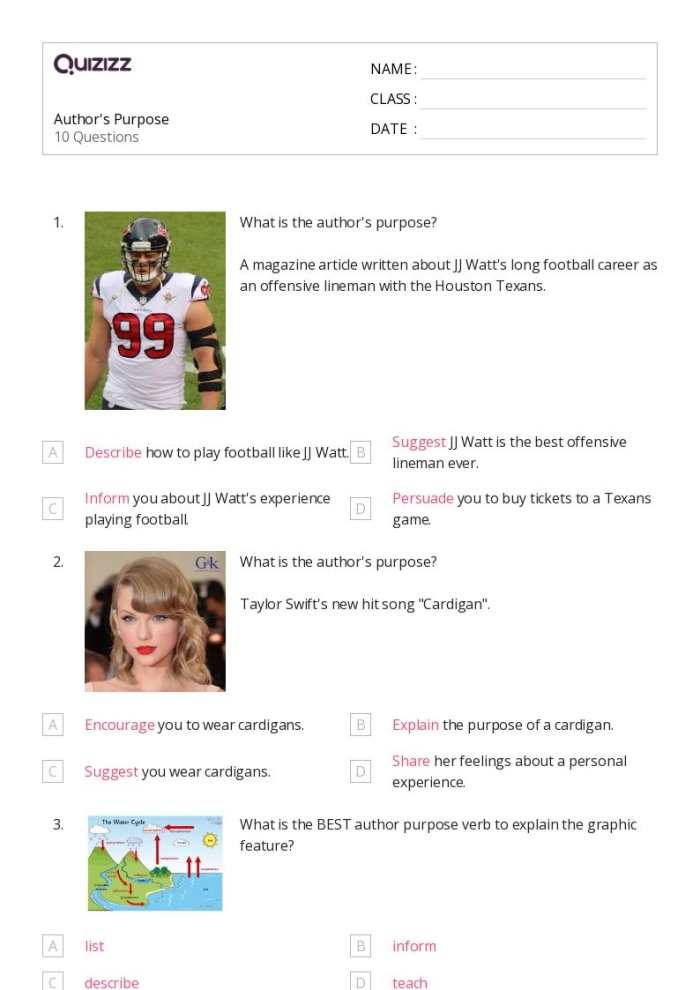
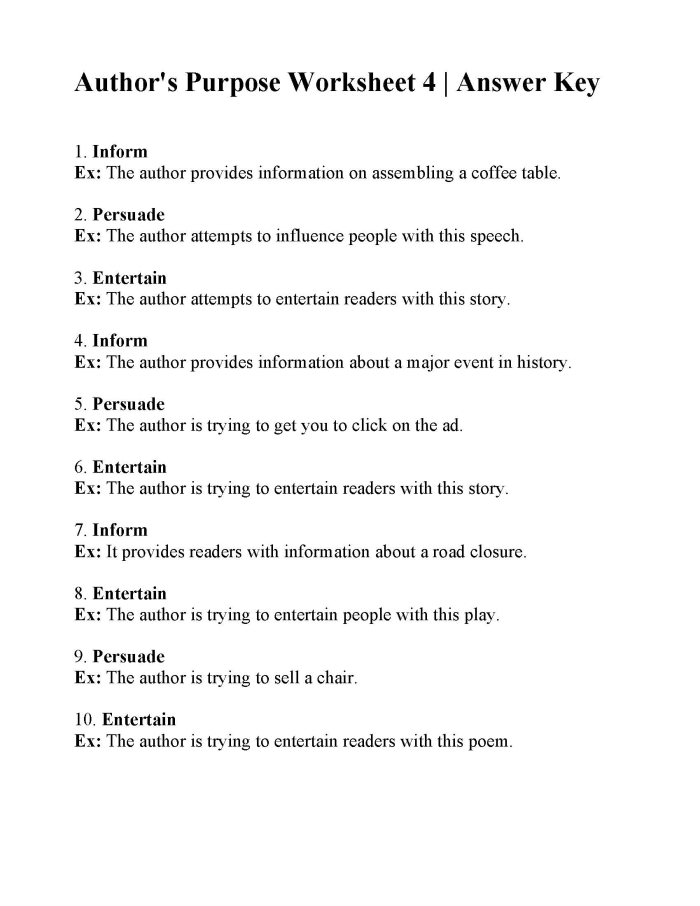
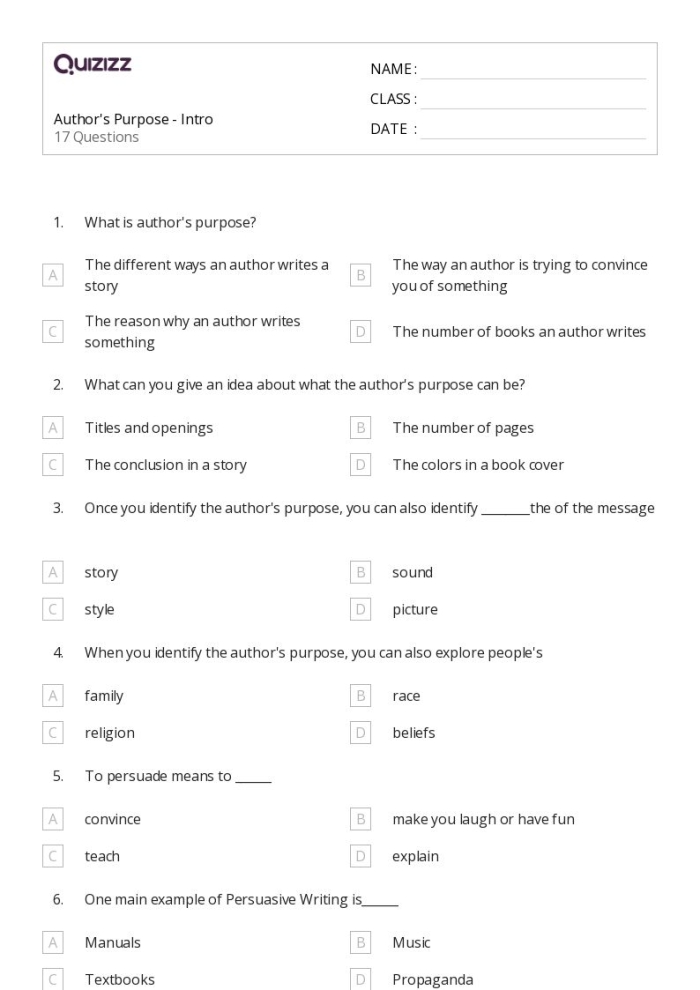
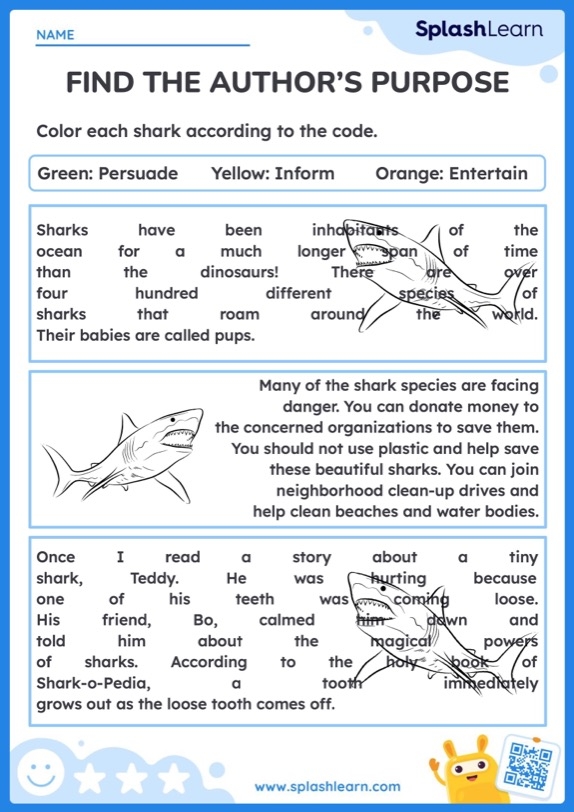
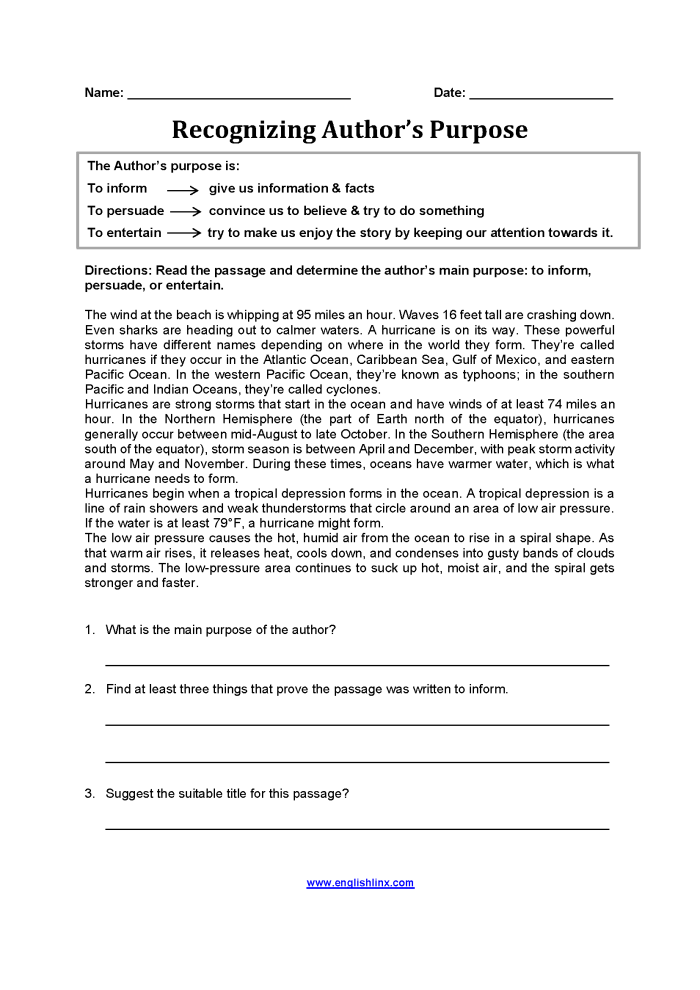
When fourth grade students pick up a piece of writing, they’re encountering one of three core purposes: the author wants to persuade them, inform them, or entertain them. Recognizing which purpose drives a text is a foundational reading skill that helps students become more critical thinkers and engaged readers.
Authors who aim to persuade are trying to convince you to believe something or take action. A letter arguing that your school should extend recess time, an advertisement promoting a new video game, or a speech encouraging kids to recycle all share this persuasive intent. These writers use emotional language, facts, and logical arguments to sway their audience.
Writers with an informative purpose want to teach you something new. A biography like the Marie Curie biography shares facts about a historical figure’s life. Articles about natural events, such as explanations of dust storms, or pieces on important infrastructure like the transcontinental railroad history, all exist primarily to expand your knowledge. Informative writing is straightforward and factual.
Then there’s entertainment, where authors craft stories, jokes, or engaging narratives simply to make you smile or keep you turning pages. A funny short story or an adventure tale falls into this category.
Fourth grade reading instruction increasingly focuses on helping students spot these purposes. Teachers use texts like comparing two nonfiction texts about water conservation or activities involving making inferences about animals to build this skill. By analyzing what the author actually wants from the reader, students develop stronger comprehension and learn to read with purpose themselves.
Start Practicing with These Worksheets