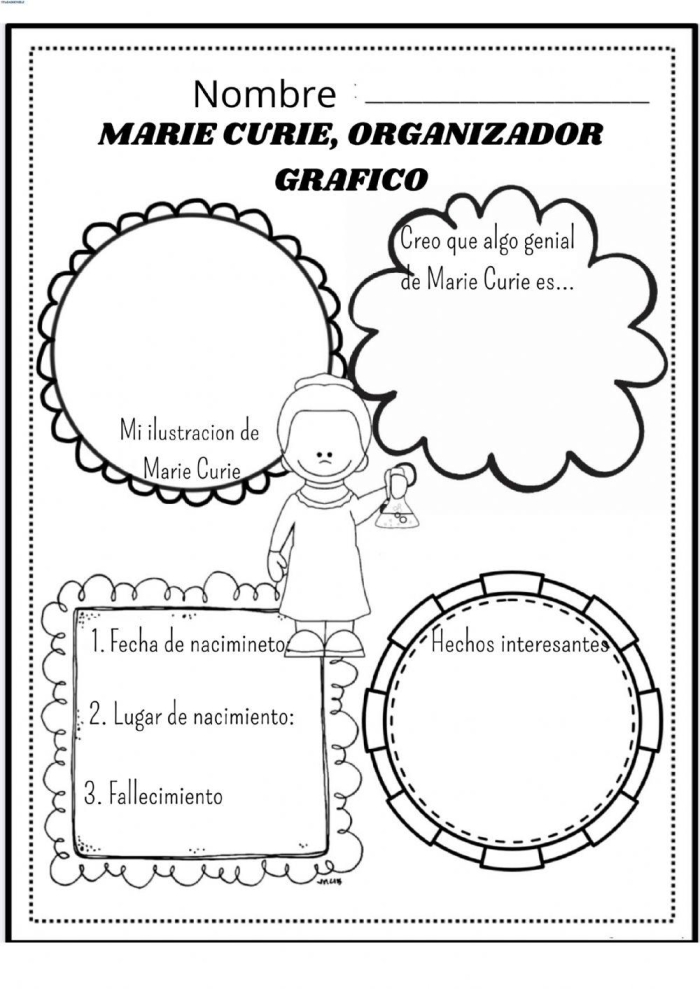
Marie Curie changed science forever, yet most fourth grade students learn about her only in passing. A short biography of Marie Curie works perfectly for teaching reading, history, and science at the same time, especially when you pair it with hands-on activities that make her discoveries feel real.
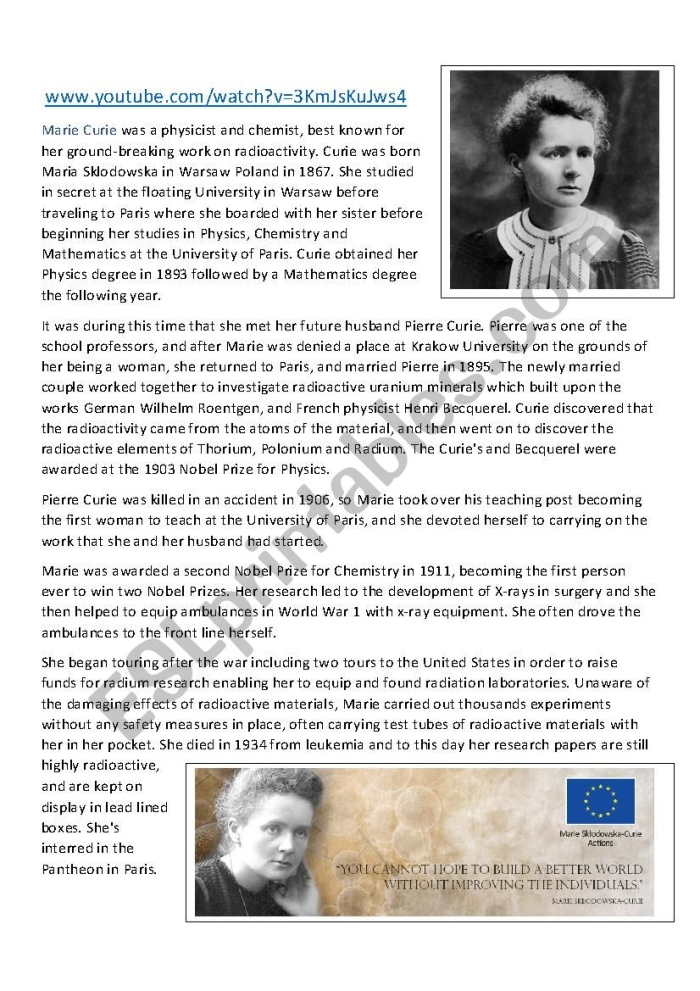
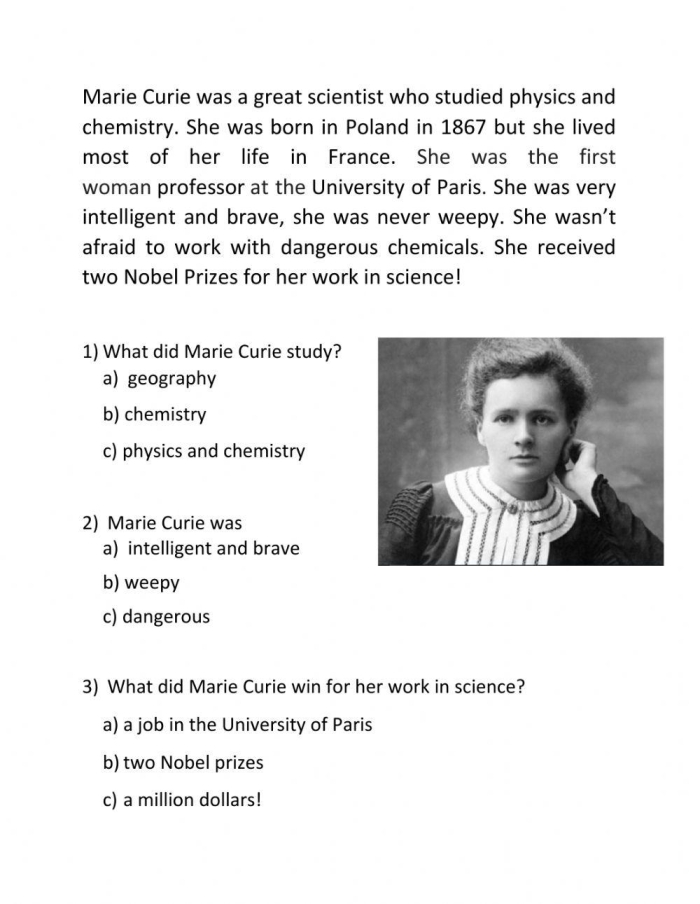
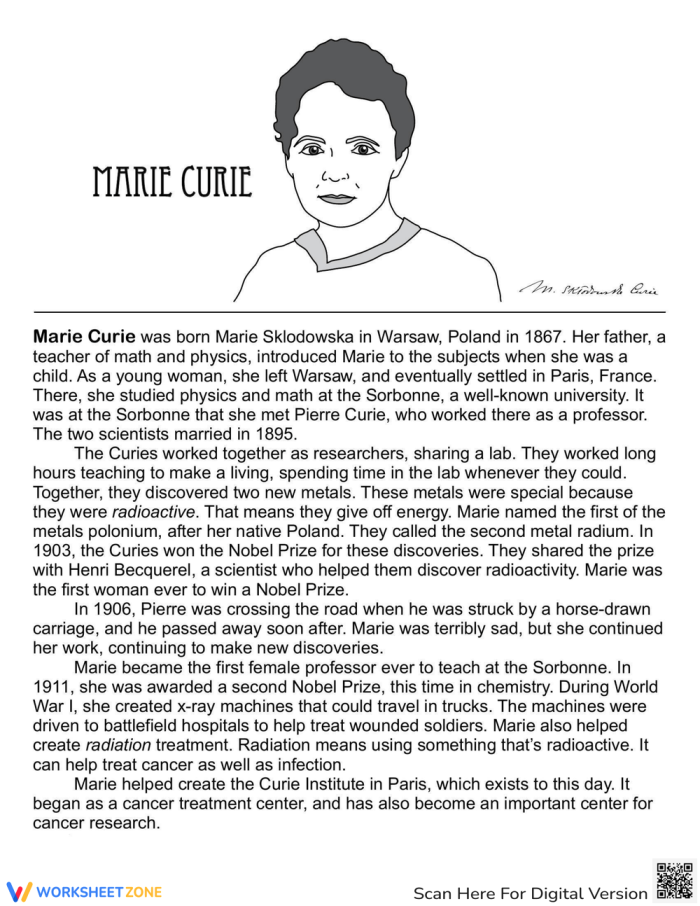
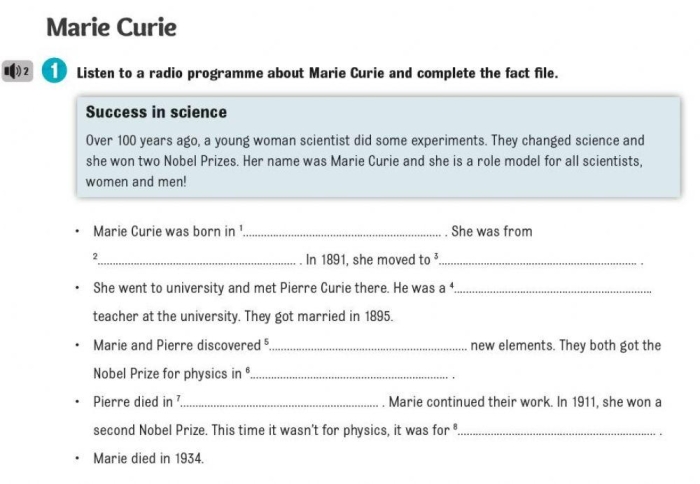
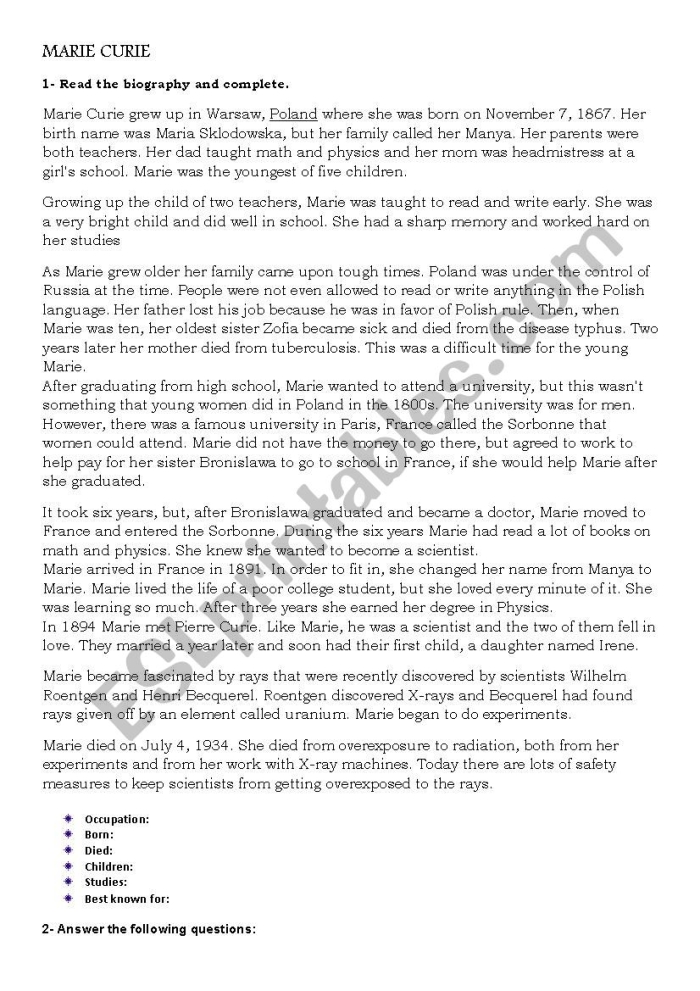
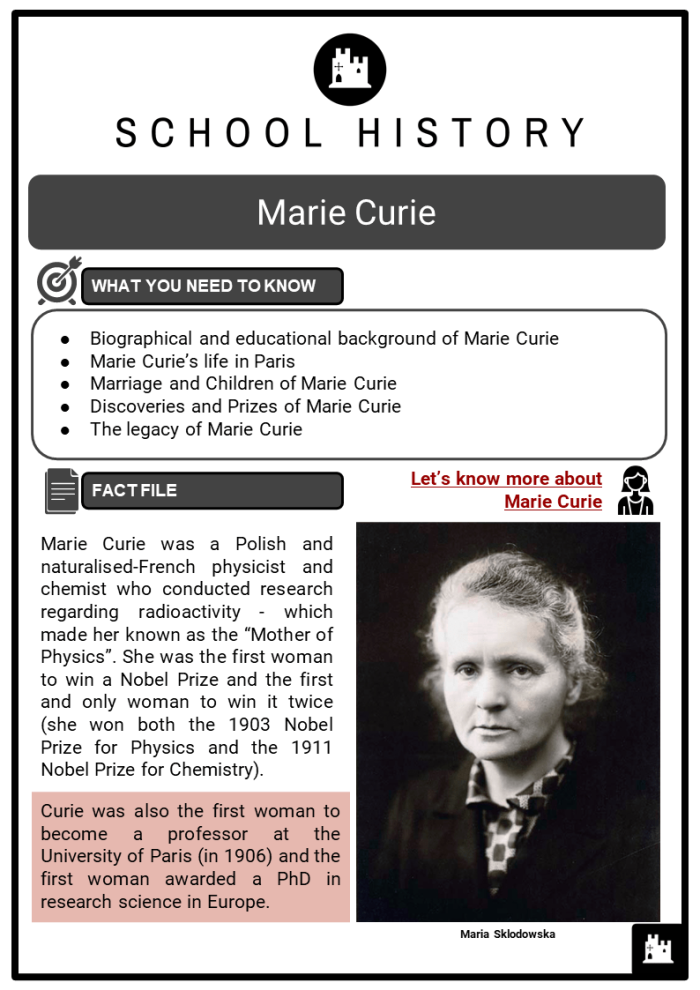
Born in Poland in 1867, Marie grew up in a time when women rarely studied science. She moved to France as a young adult to attend university, where she met Pierre Curie, a physicist who became both her husband and research partner. Together, they investigated radioactivity, a term Marie herself invented. Their work led to discovering two new elements: polonium and radium. In 1903, Marie became the first woman to win a Nobel Prize, one of the highest honors in science.
What makes Marie’s story compelling for fourth grade reading is how it shows determination. She faced rejection from universities and worked in poor conditions in her laboratory, yet she kept going. Her life demonstrates that curiosity and hard work matter more than circumstances.
To bring her story to life in your classroom, combine biography reading with simple science activities. Students can learn about elements and atoms while reading about Marie’s discoveries. You might also explore how different cultures contributed to science by discussing her Polish heritage alongside her work in France.
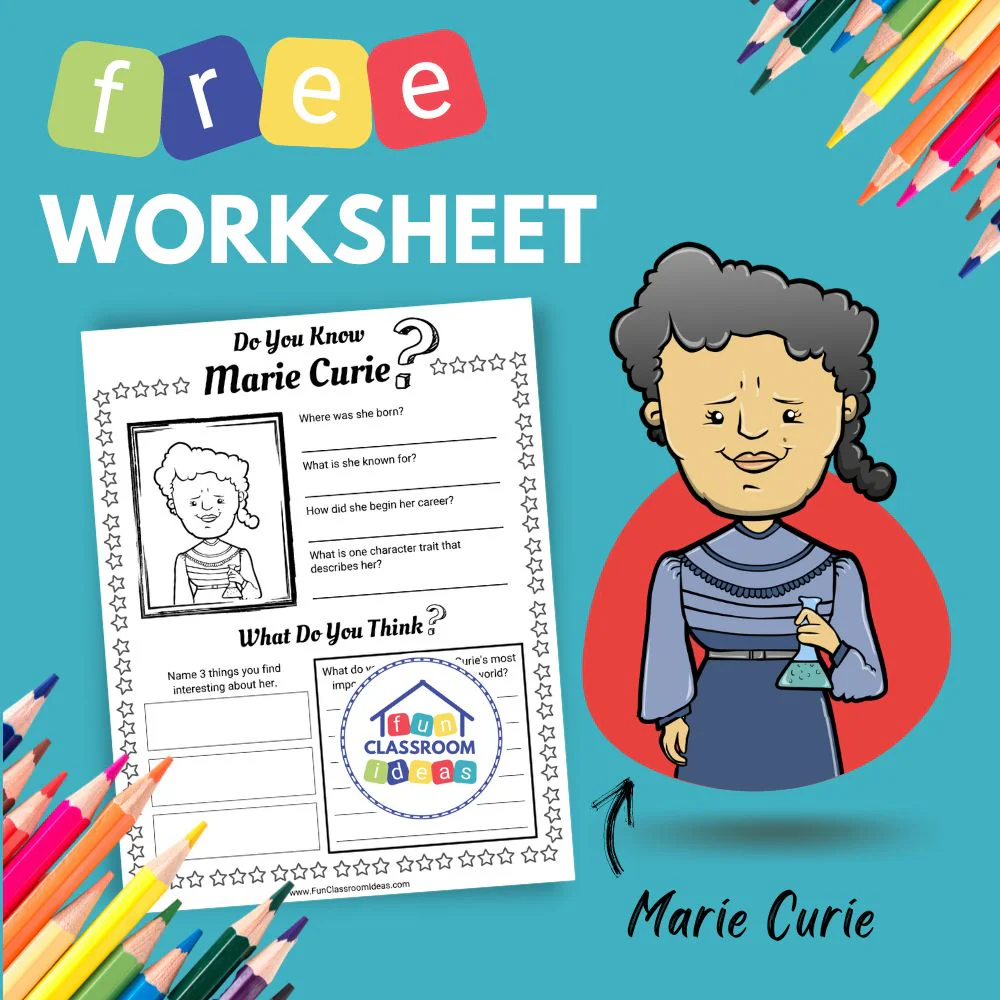
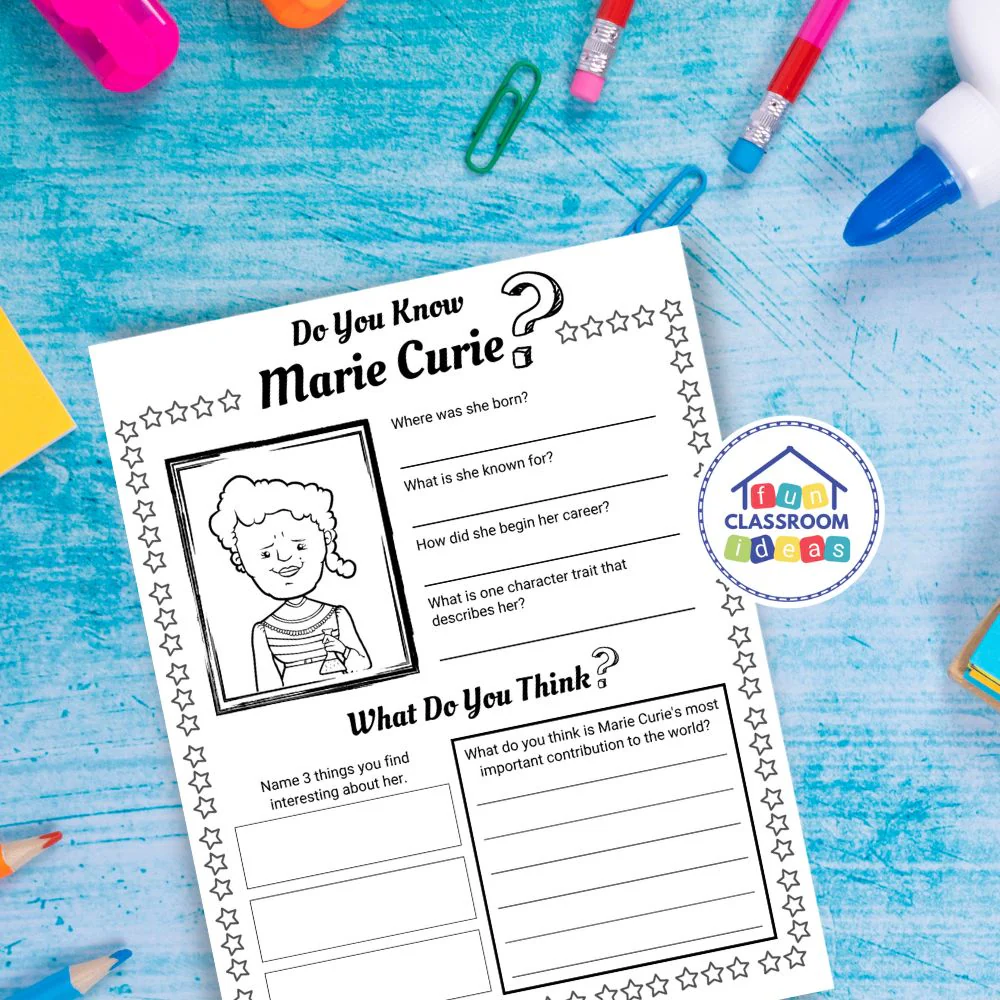
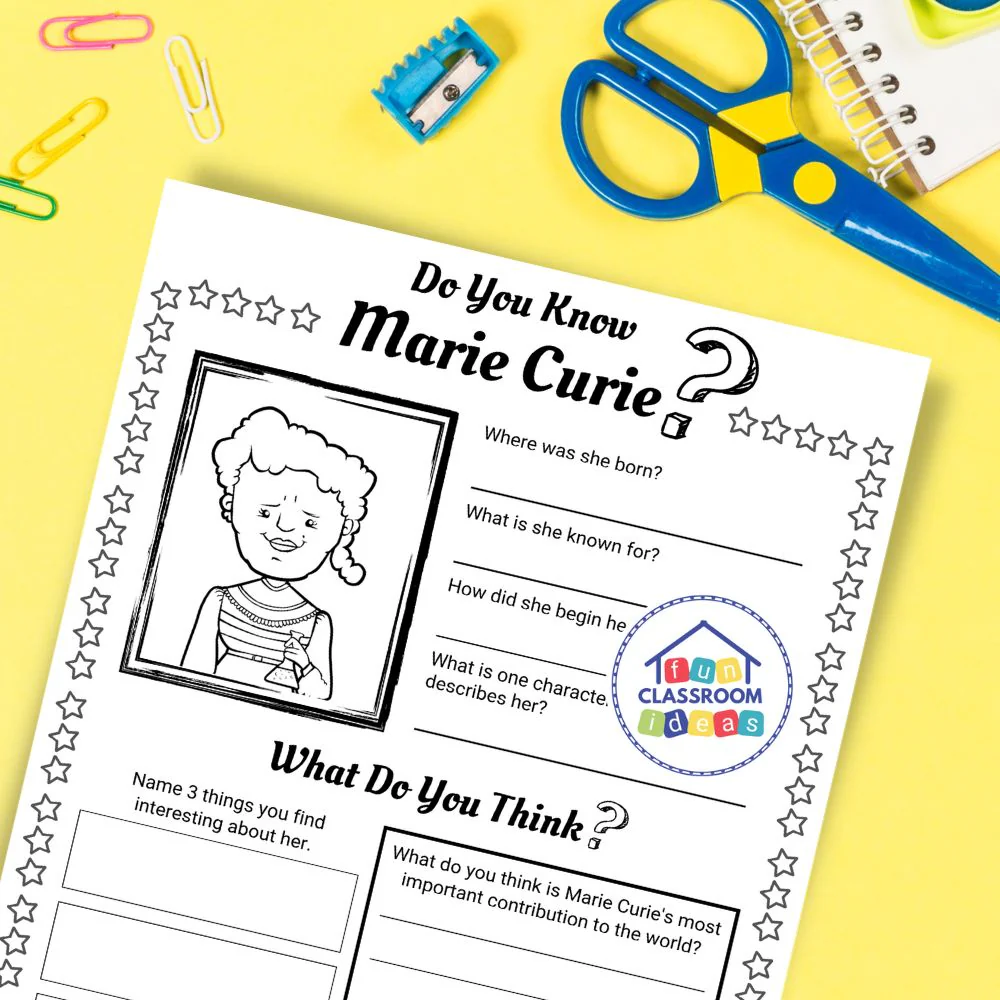
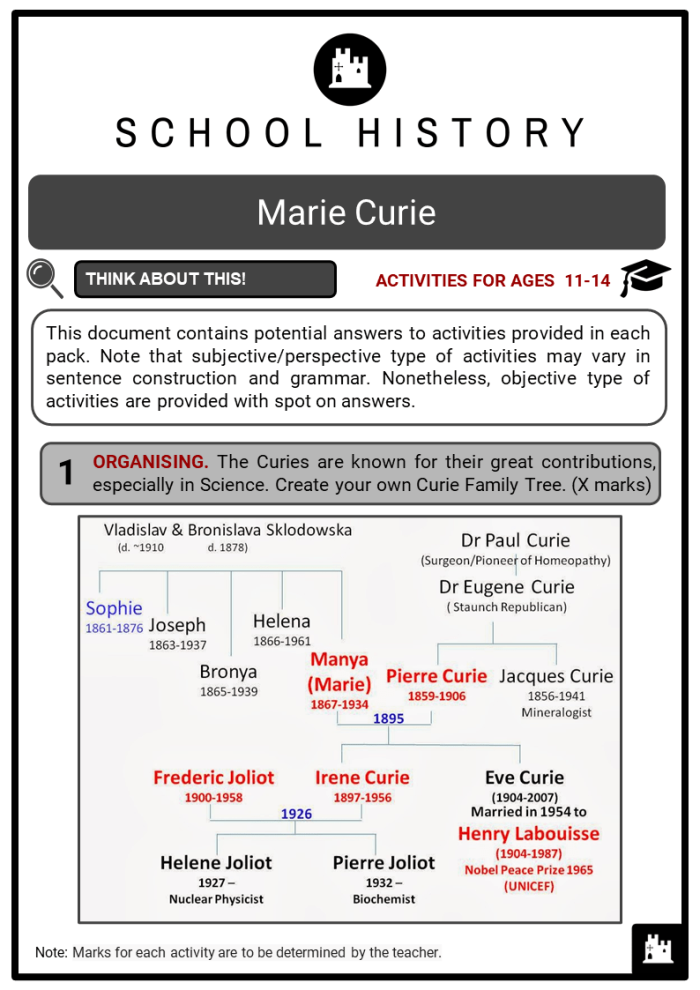
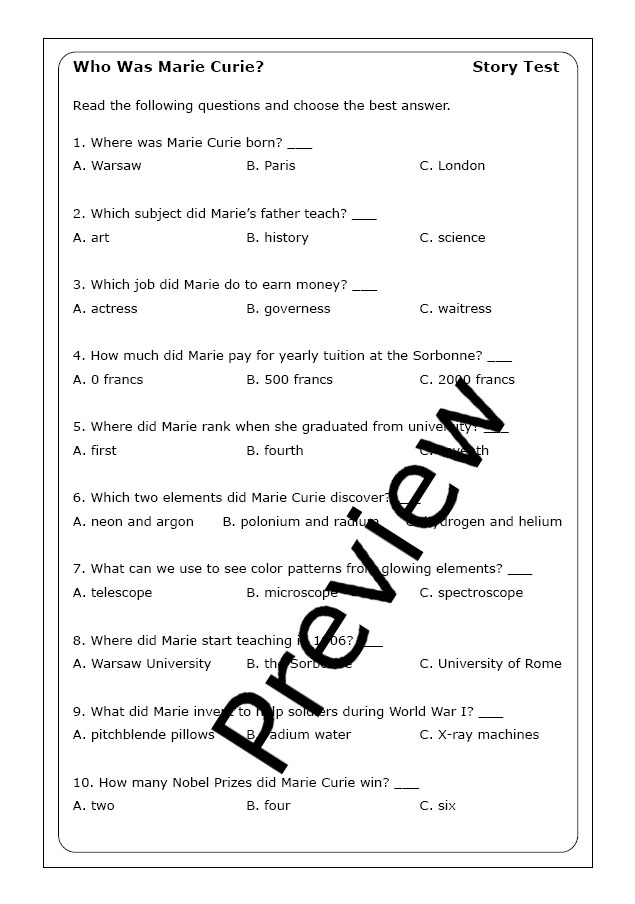
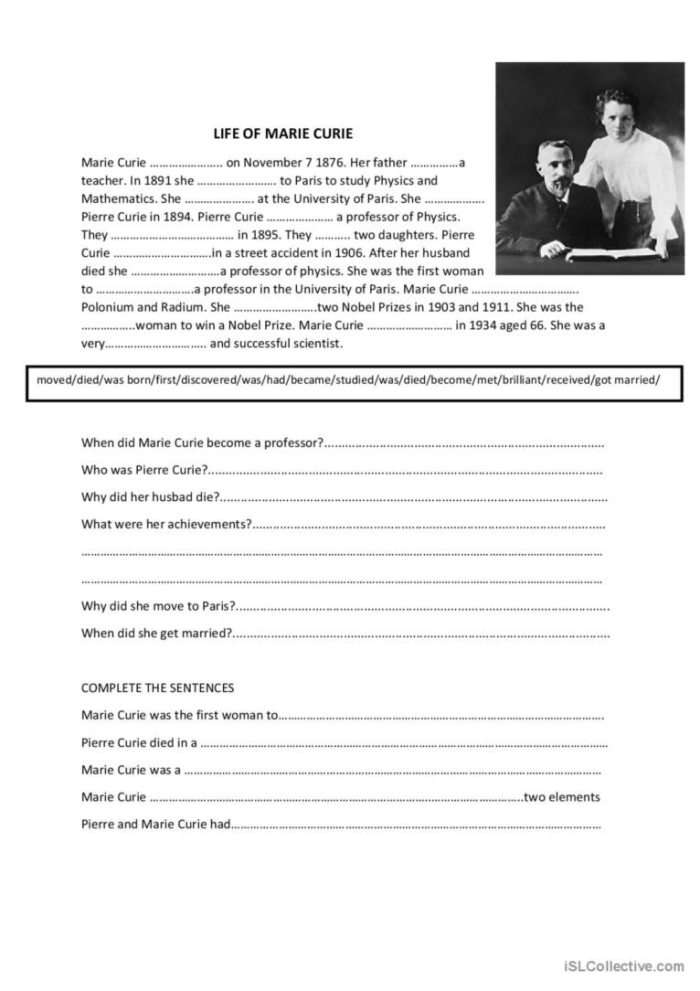
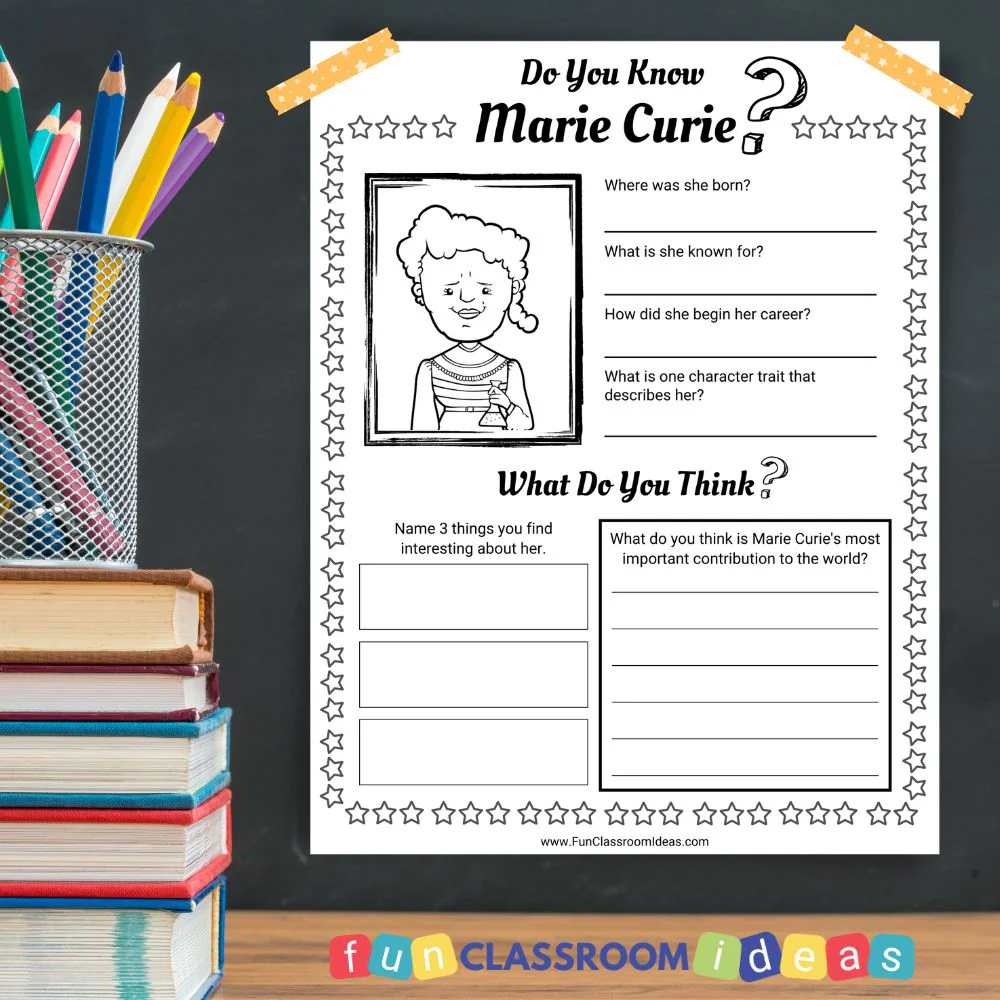
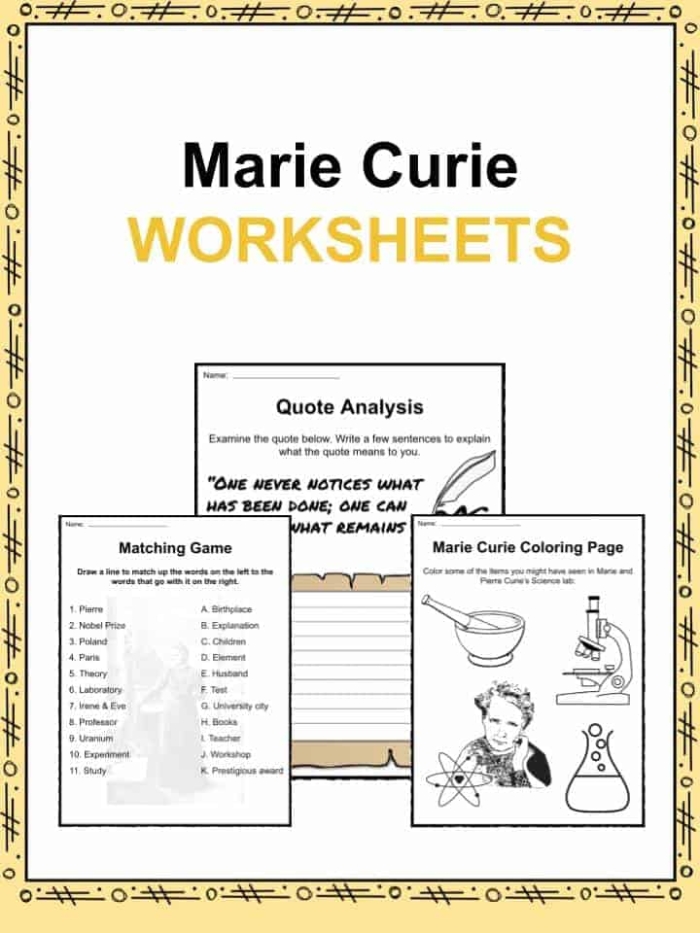
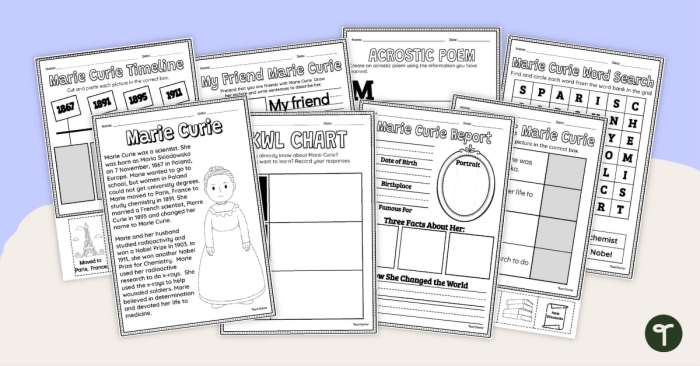
For structured practice, consider pairing a Marie Curie biography with worksheets that reinforce reading comprehension. Resources like timeline and grammar worksheets help students organize historical events, while word problem activities connect math to real-world contexts, much like Marie’s scientific measurements did.
Marie Curie’s biography opens doors to deeper learning across subjects, showing students that one person’s dedication can reshape how we understand the world.
Worksheet Practice Section