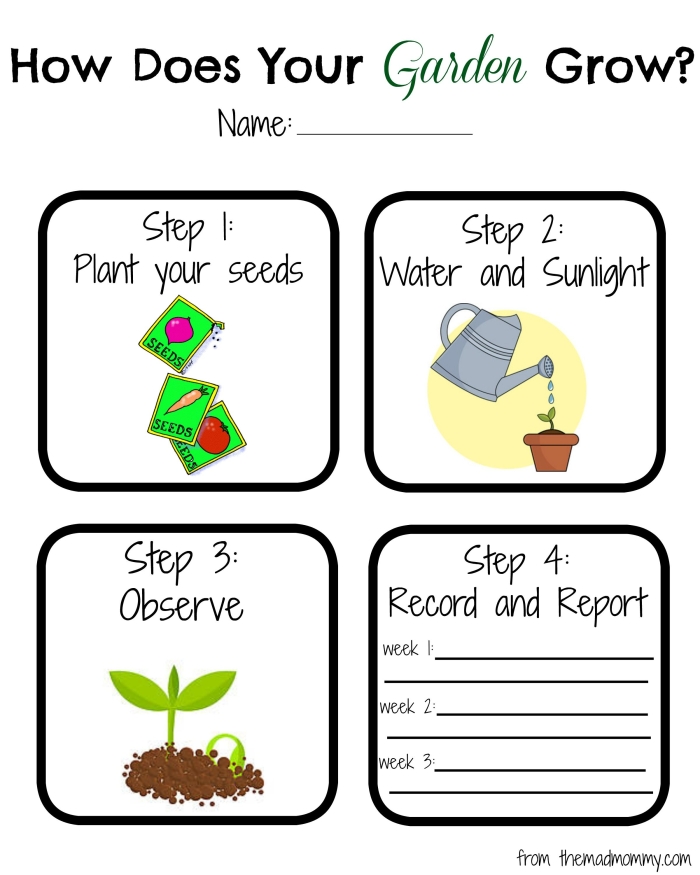
Teaching a kindergartener how plants grow can feel tricky when you’re trying to avoid complex vocabulary like photosynthesis. The key is using pictures and simple language that five and six-year-olds actually understand. A visual worksheet approach works far better than any explanation involving chlorophyll or light energy conversion.
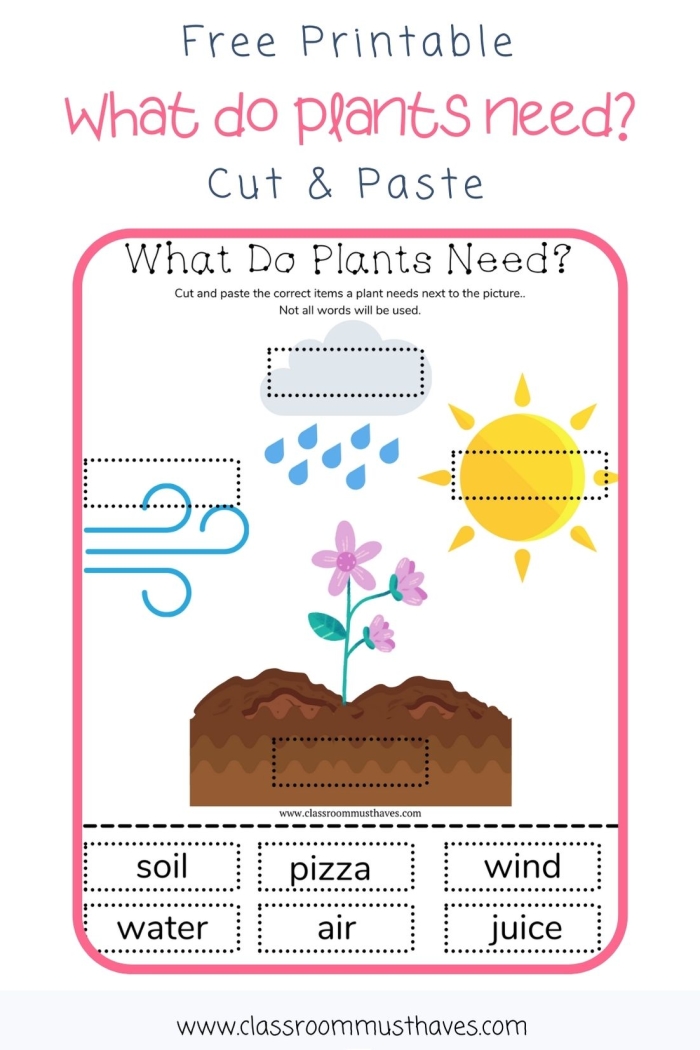
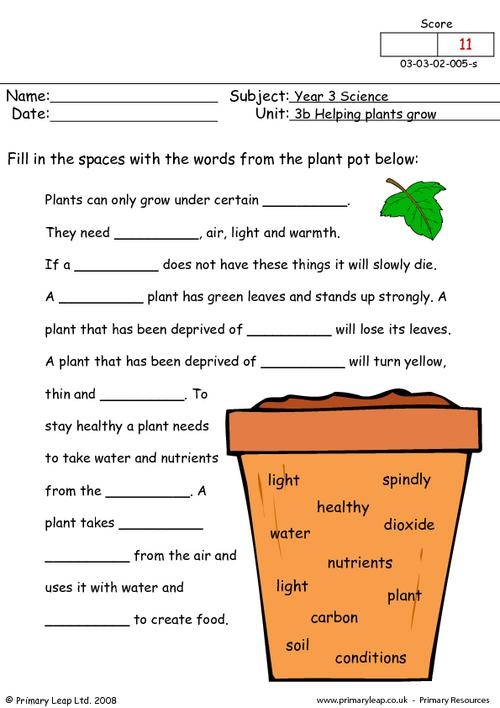
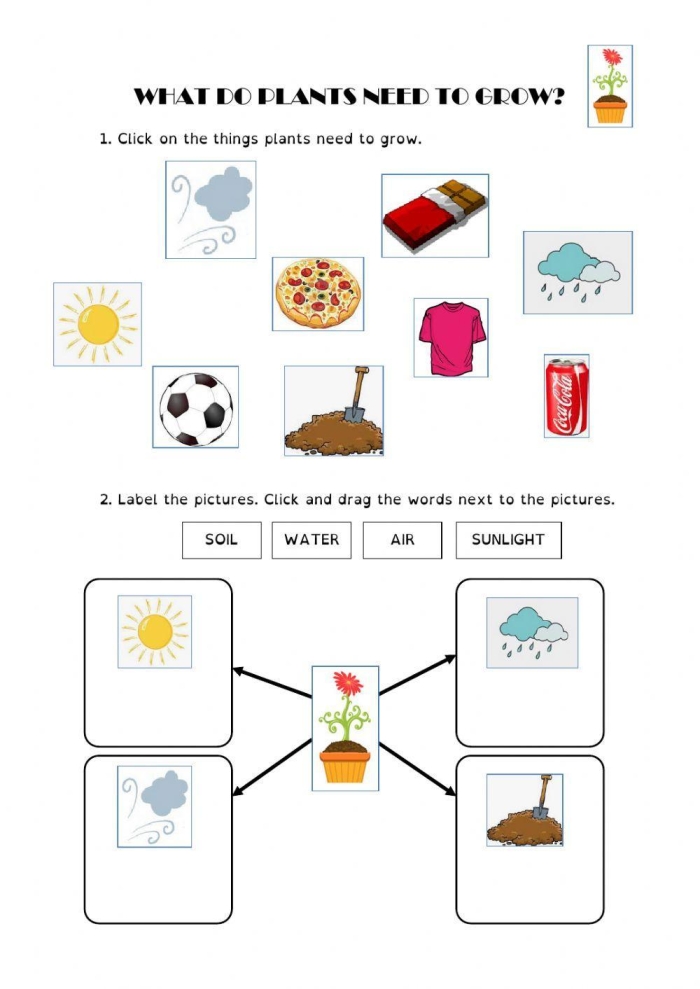
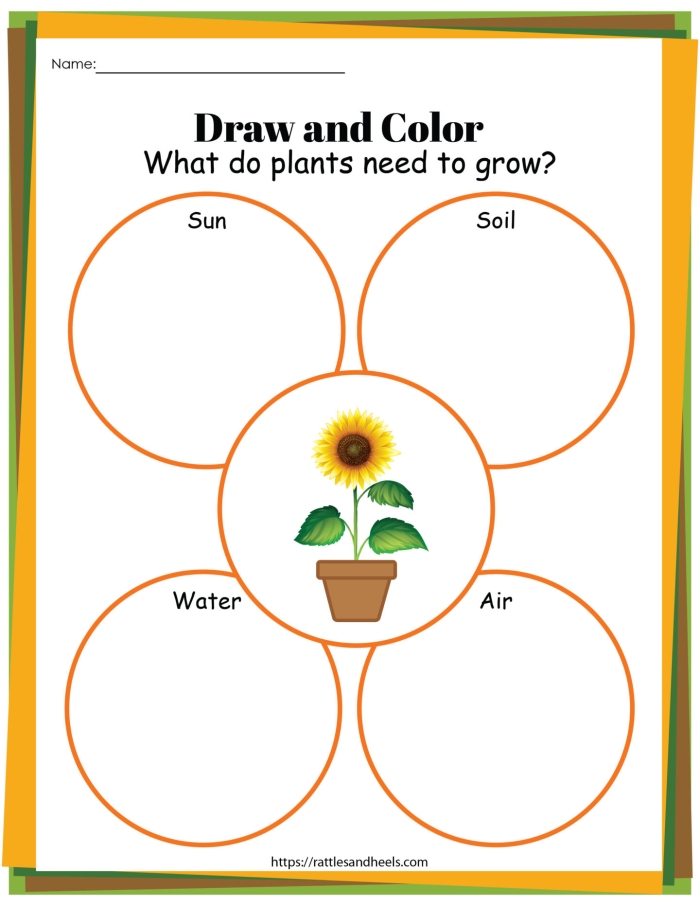
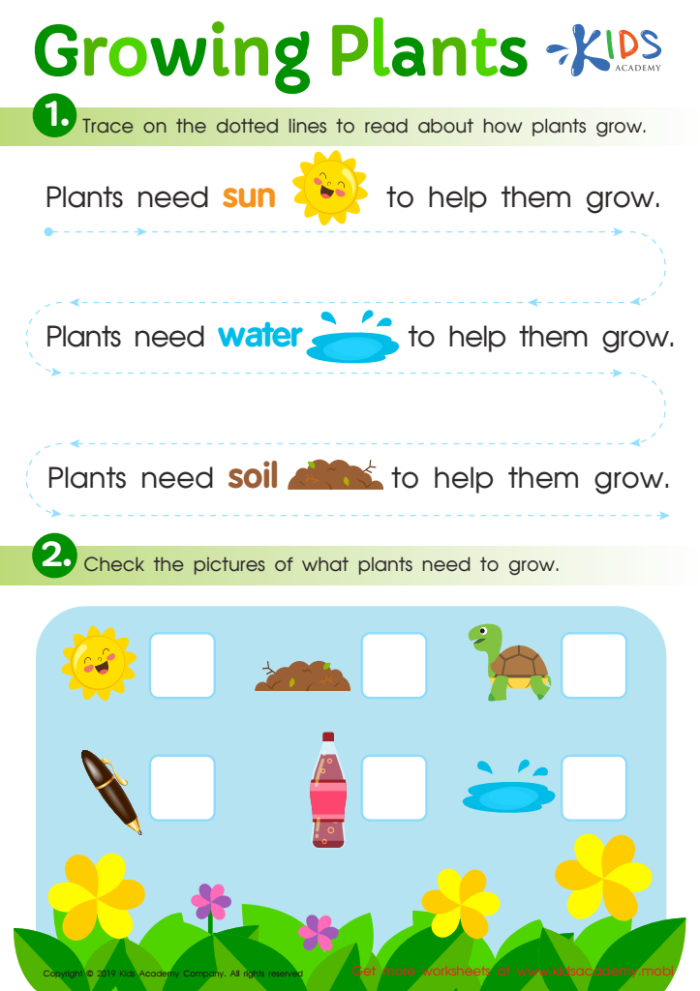
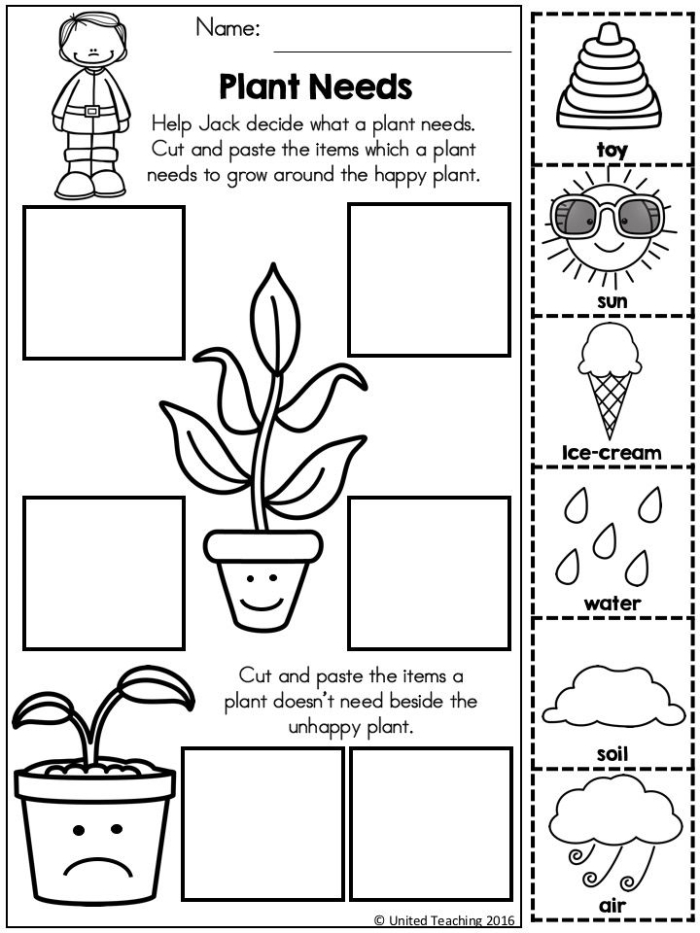
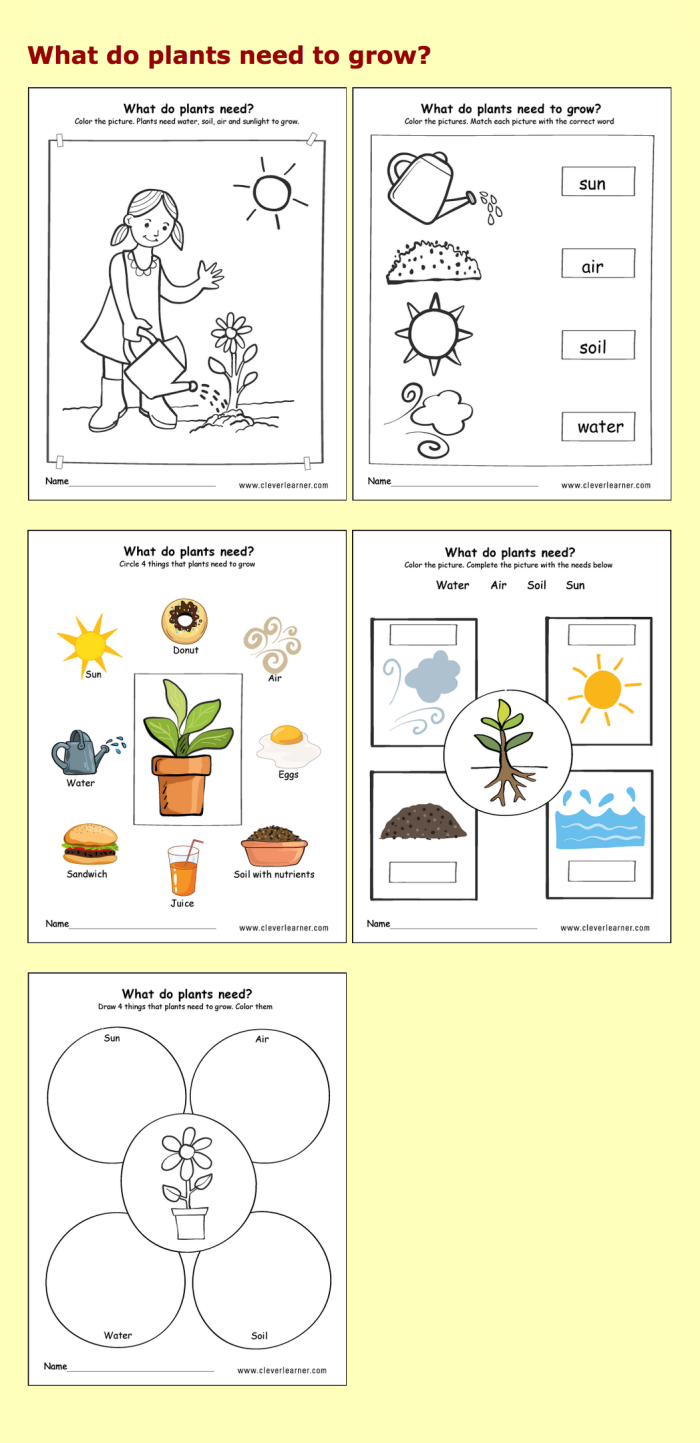
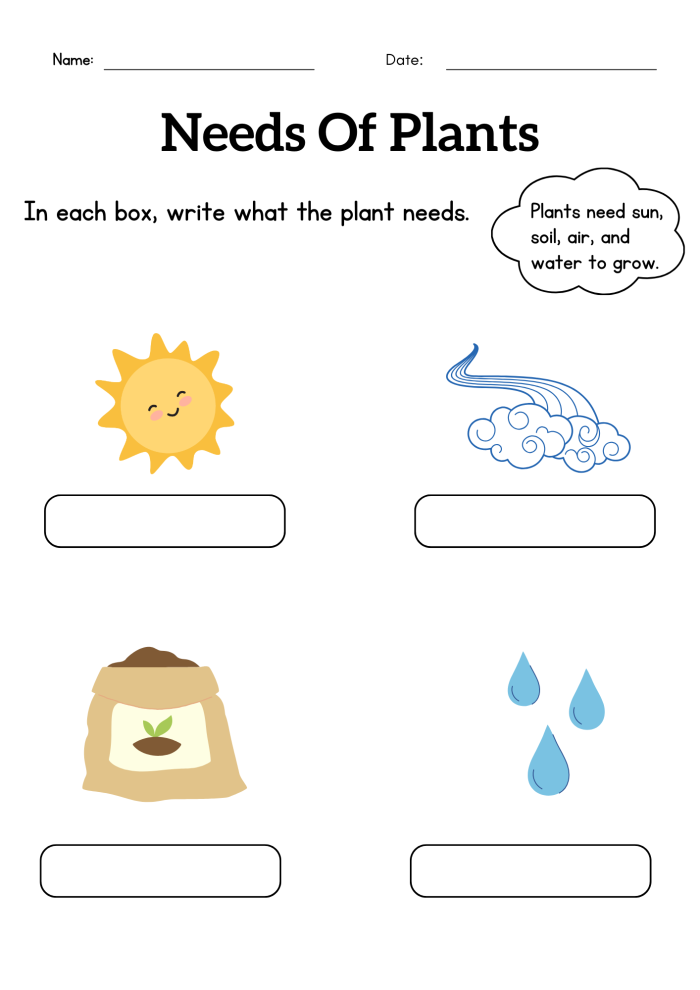
Young learners in kindergarten respond best to concrete images they can point to and discuss. When you show a picture of a plant with sunshine, water, and soil labeled with simple words, children start connecting the dots themselves. They can see that plants need three main things: sunlight, water, and soil. That’s the foundation they need before anything more complex comes later.
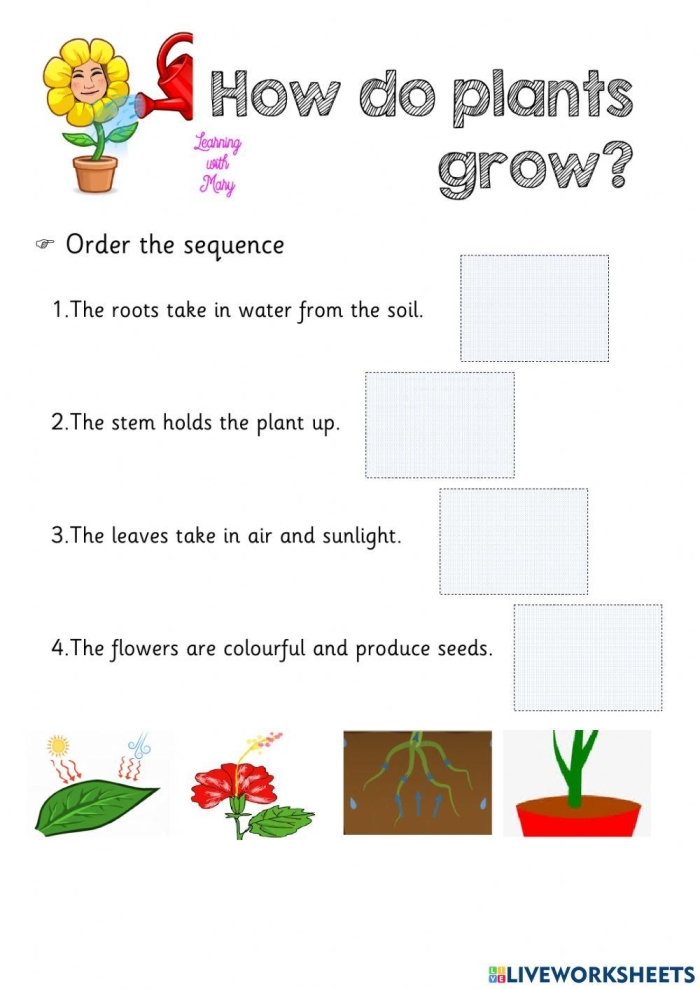
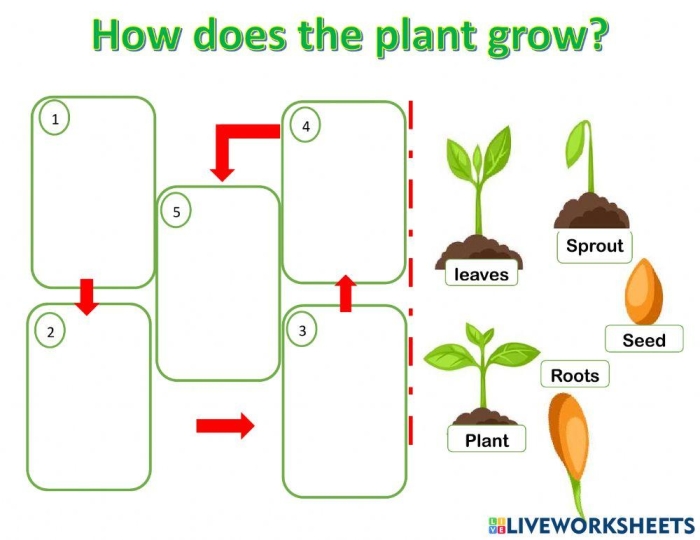
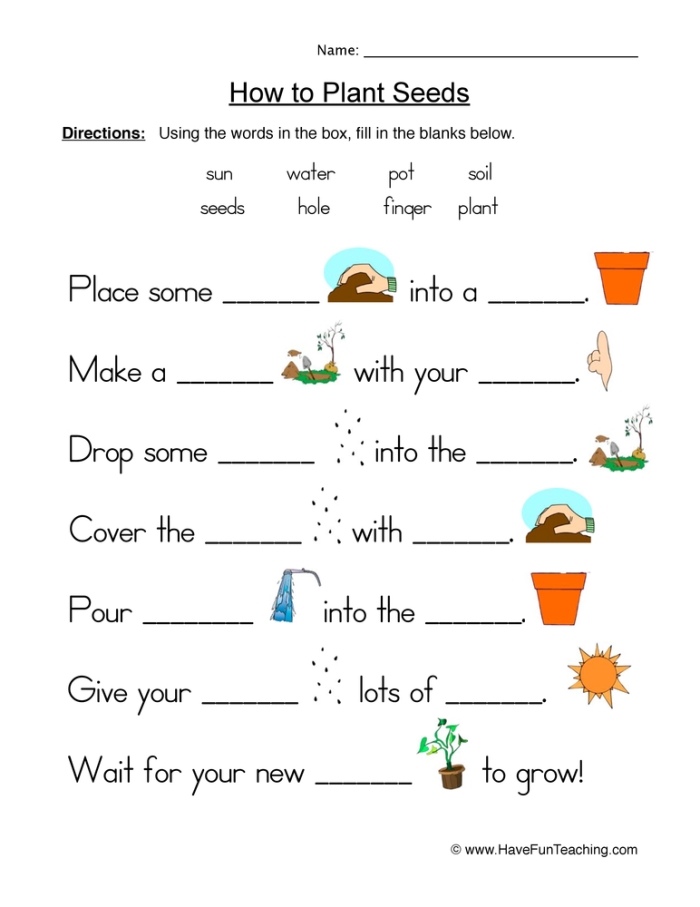
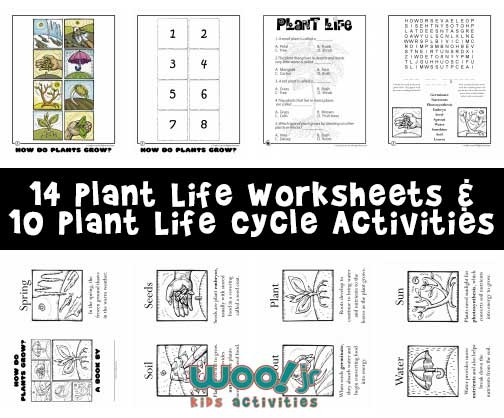
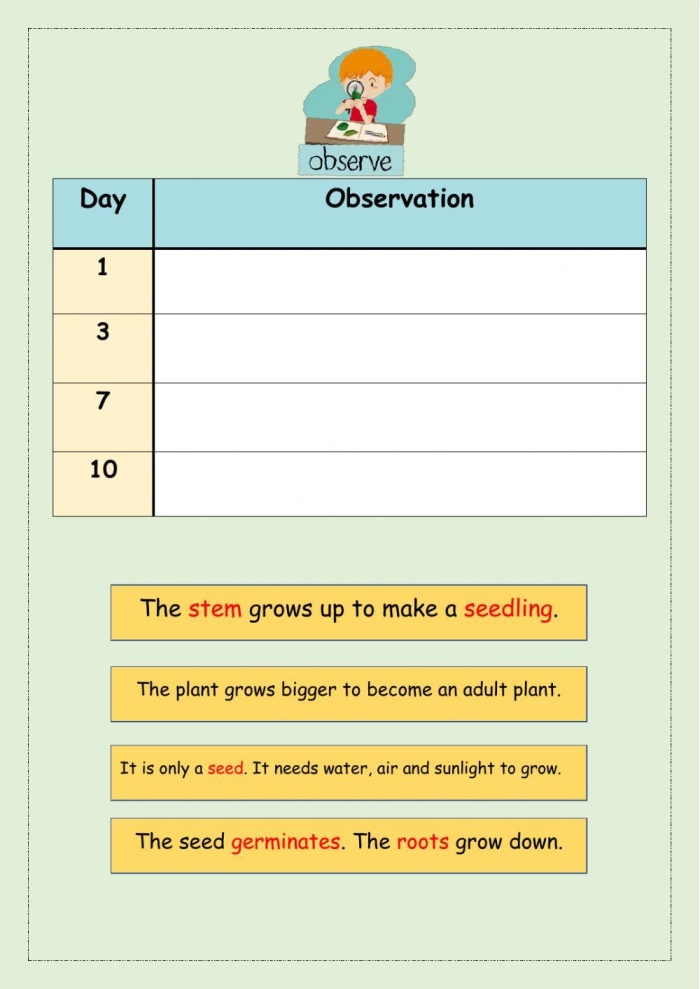
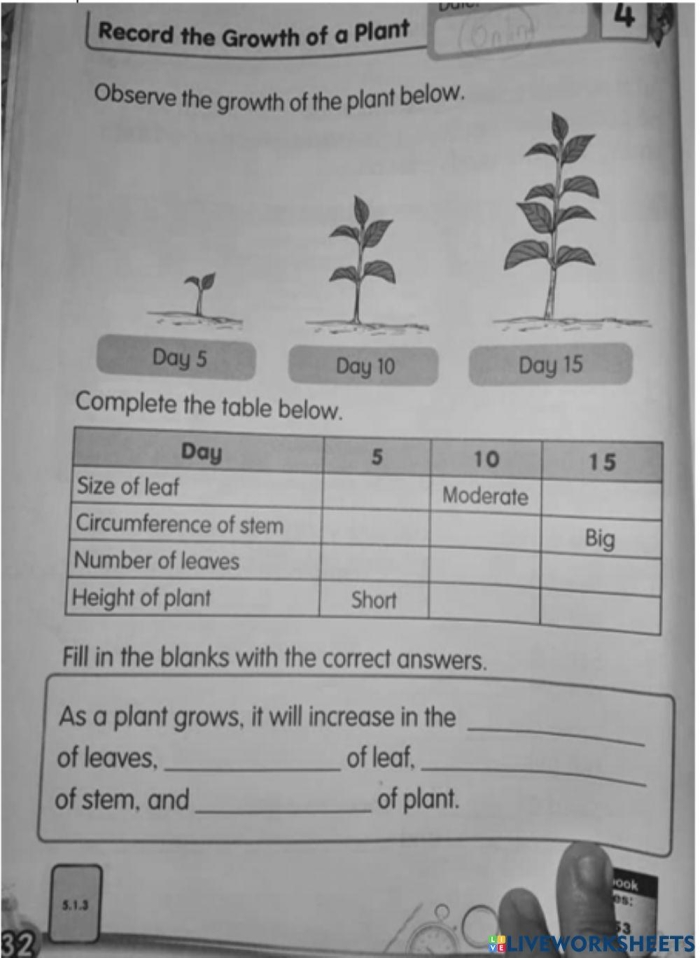
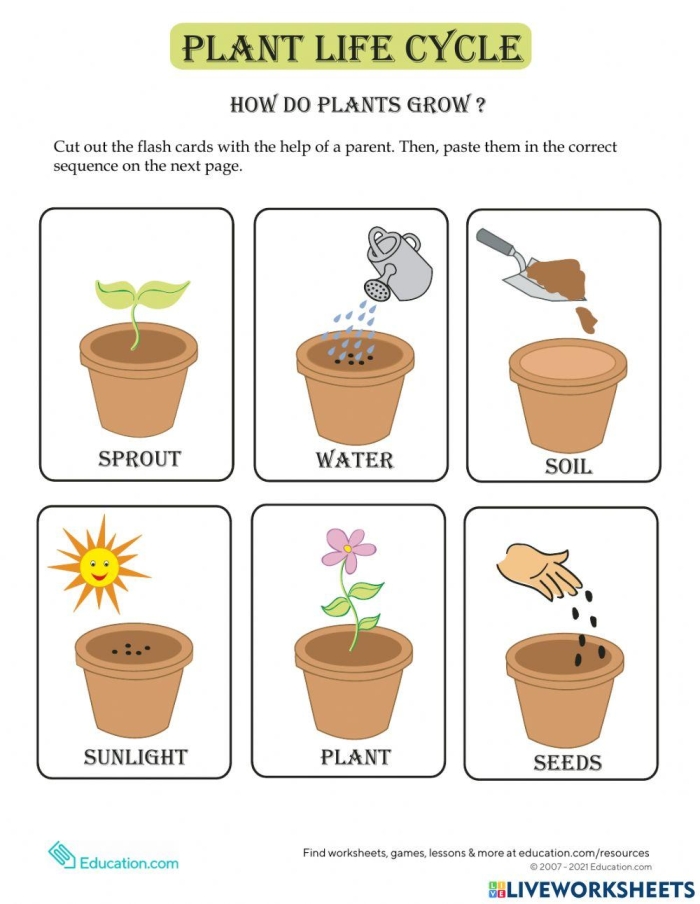
A good kindergarten worksheet on how plants grow typically shows a plant in different stages. One section might show a seed in soil, another shows a sprout with roots growing down and leaves growing up, and a final section displays a full-grown plant. Each stage has simple labels and maybe a small picture of what helps it grow, like raindrops for water or a sun for light.
The phonics connection matters too. As kindergarteners learn to read simple words on the worksheet, they’re reinforcing both science concepts and early literacy skills simultaneously. Words like “sun,” “seed,” “soil,” and “grow” become sight words they’ll encounter repeatedly.
This visual, picture-based approach to teaching how plants grow avoids overwhelming young minds while building genuine curiosity. Kids naturally want to know why things happen, and a simple worksheet gives them the framework to start asking better questions. You might even plant an actual seed together afterward so they can watch the worksheet’s lessons come to life in real time.
Practice with These Worksheets