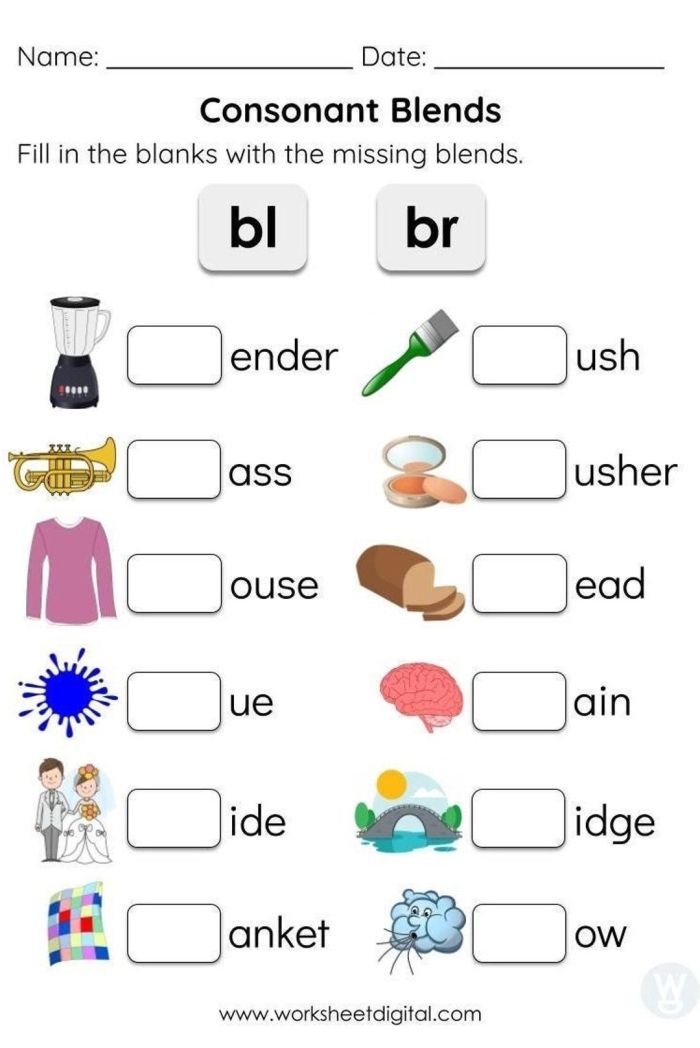
Kids encounter their first standardized tests earlier than many parents realize, and the format itself can feel foreign and intimidating. A fill-in-the-bubble test serves as an effective introduction to this testing style, letting children practice the mechanics before stakes get higher. The bubble-filling format teaches specific skills: how to hold a pencil properly for marking, understanding the connection between a question and its answer location, and developing the focus needed to work through a complete assessment.
Starting in kindergarten, children benefit from exposure to structured testing formats. At this age, geometry concepts like shapes and spatial reasoning often appear in assessments, and practicing with bubble sheets helps kids learn to navigate the page layout itself. When a kindergartener can confidently find the correct bubble and mark it clearly, they’ve already overcome a significant hurdle that has nothing to do with content knowledge.
The beauty of this approach is that it removes surprise from the testing experience. By the time students reach upper elementary grades and tackle more complex material like finding the missing leg in geometry problems, they already understand the testing format itself. They can focus their mental energy on the actual math or reading content rather than figuring out where to mark their answer.
Bubble tests also provide immediate feedback about whether students understand the material or simply guessed. Unlike open-ended responses, the bubble format forces clarity: either the answer is correct or it isn’t. This directness helps teachers identify specific skill gaps quickly.
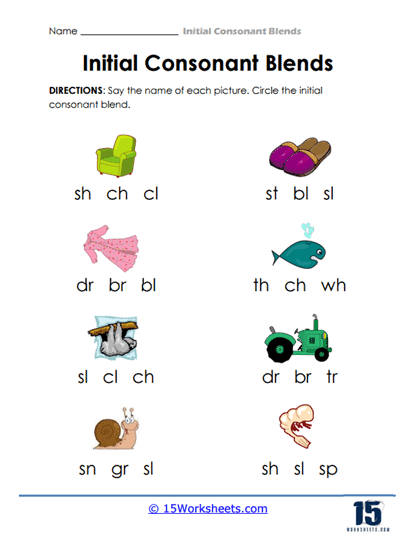
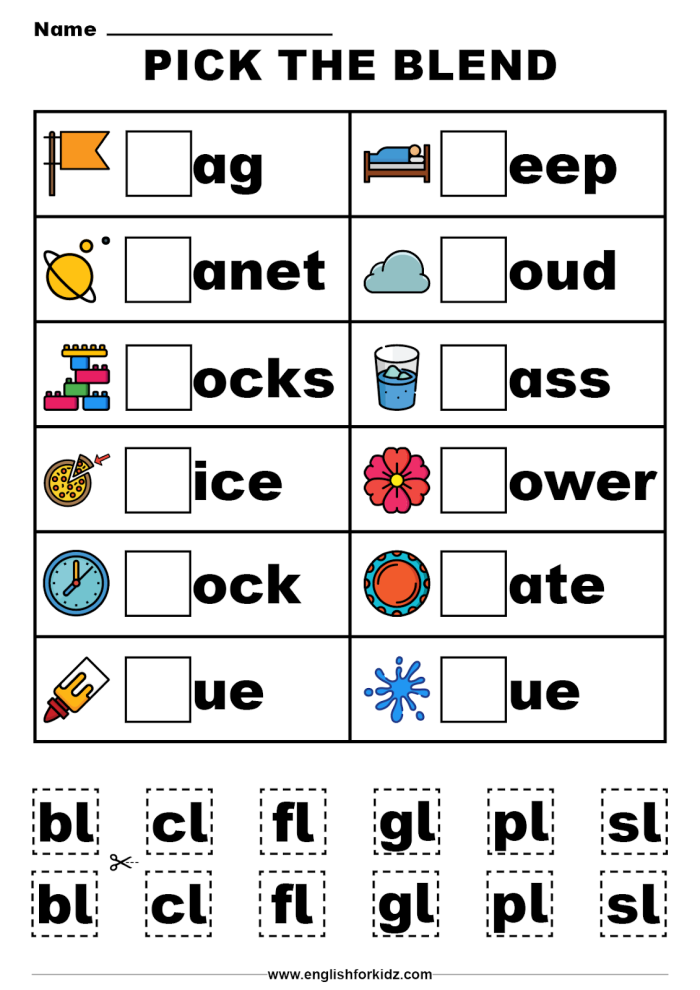
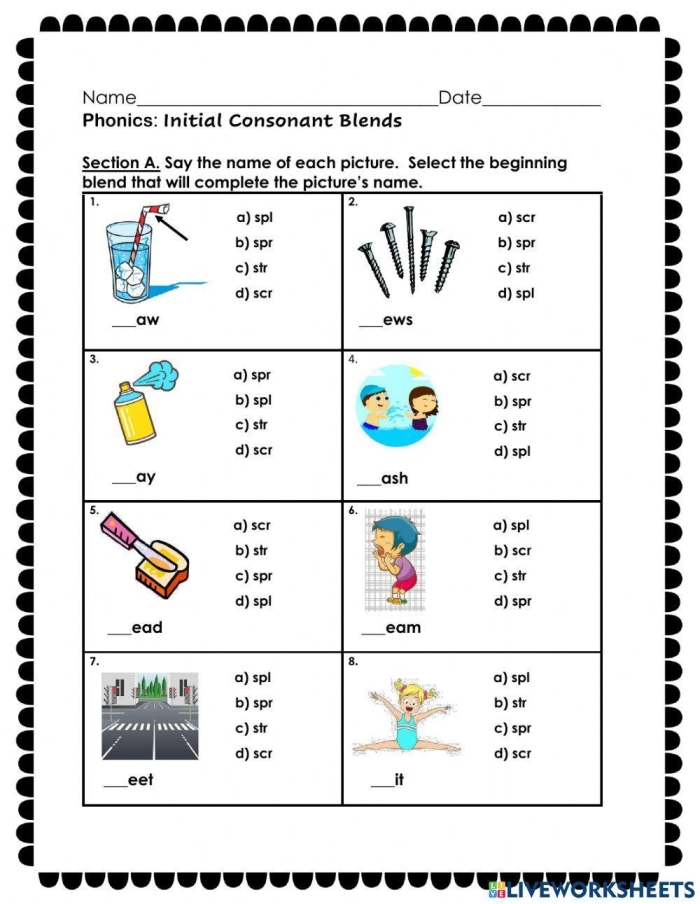
Parents can reinforce this skill at home using practice worksheets that mirror the bubble format. Regular exposure builds confidence and speed, transforming what could be an anxious experience into routine practice that students approach with calm familiarity.
Boost Skills with These Worksheets