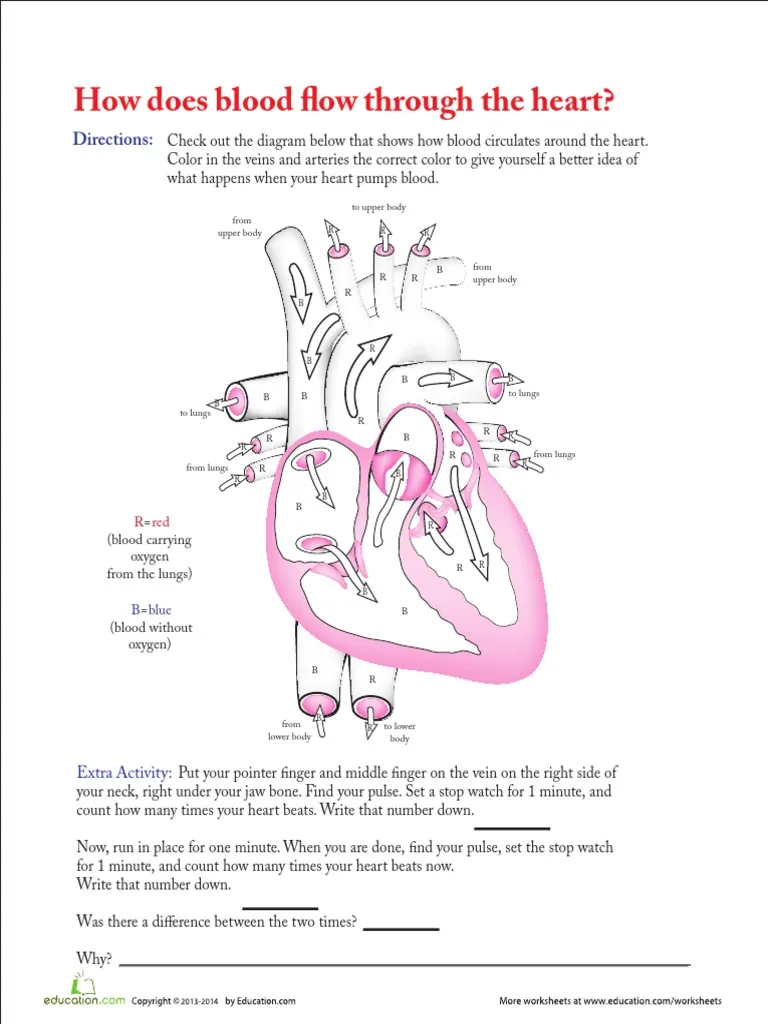
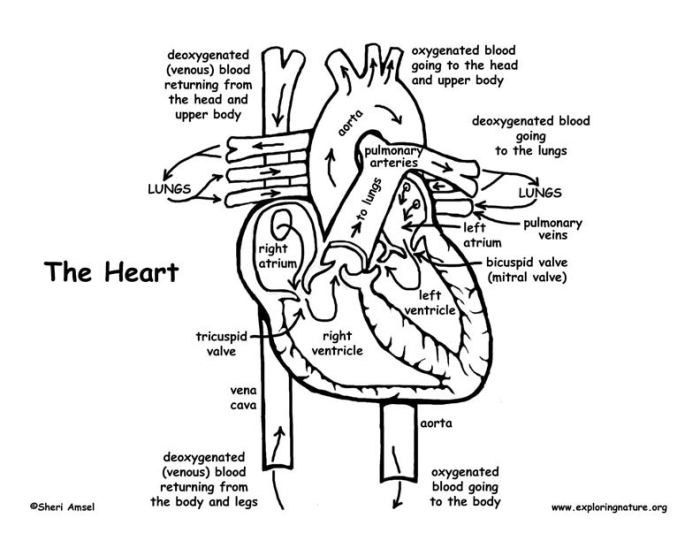
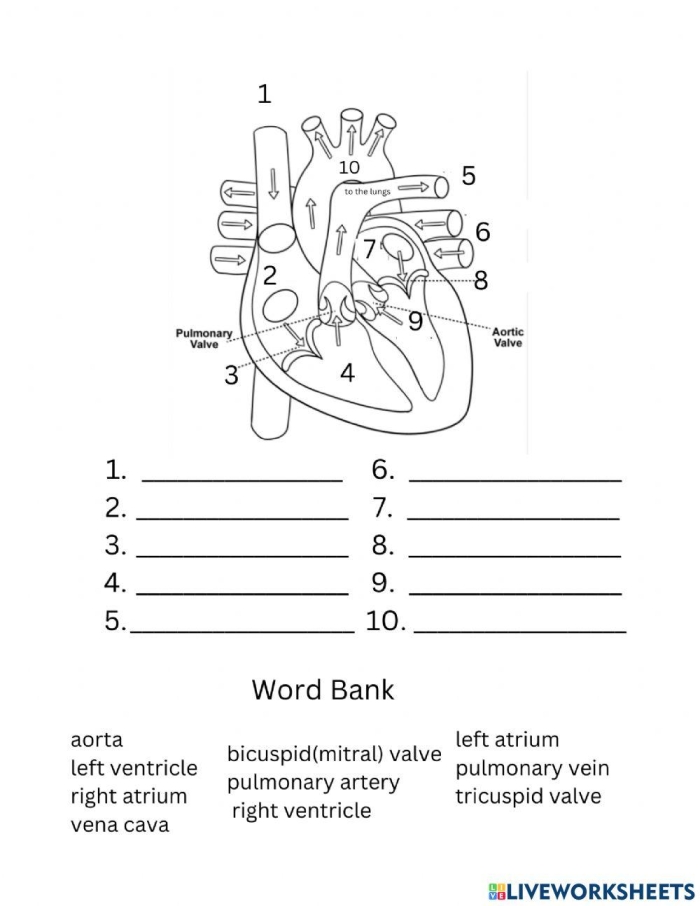
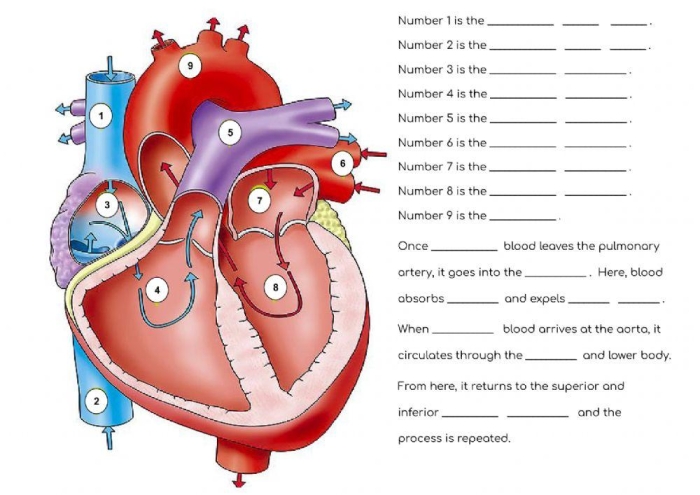
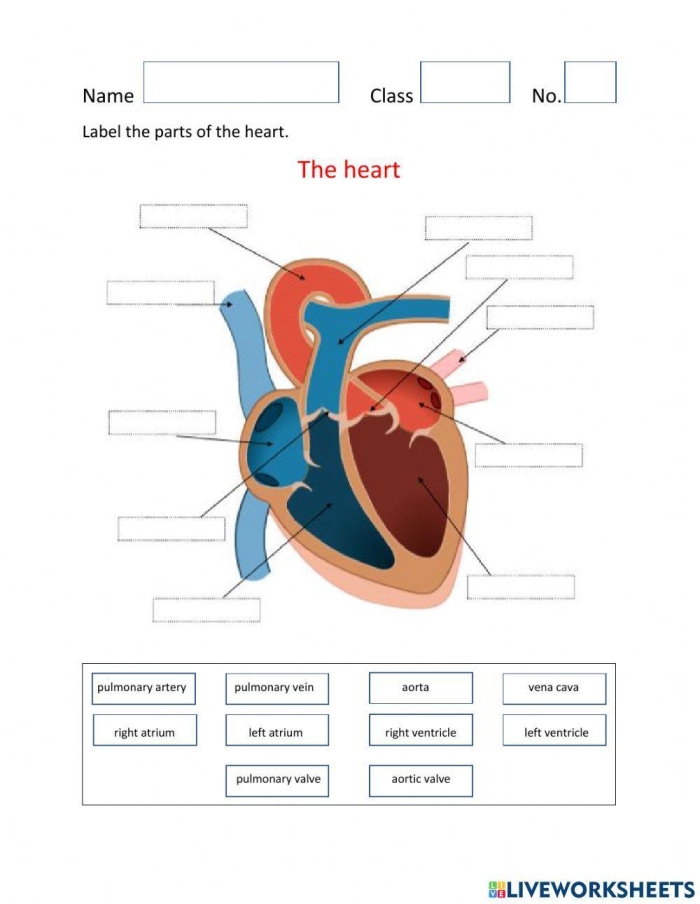
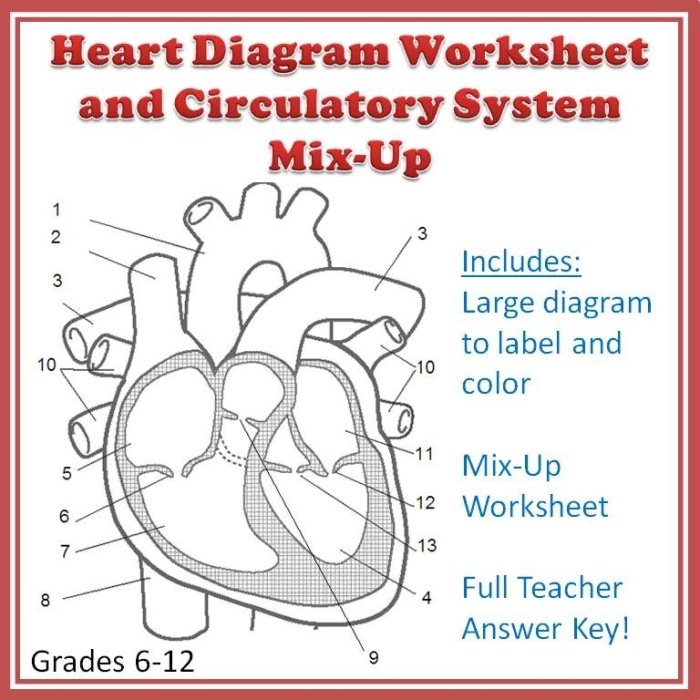
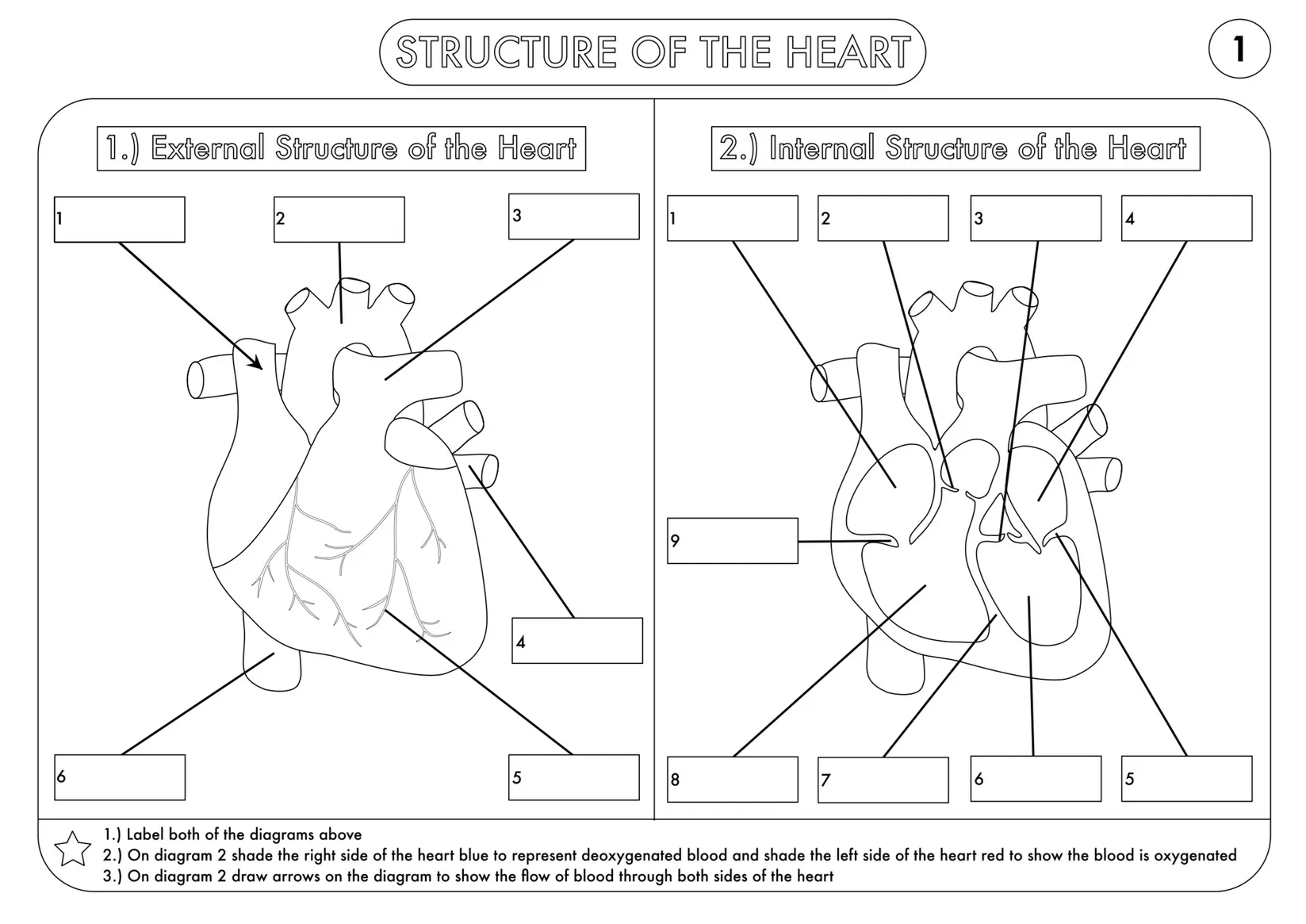
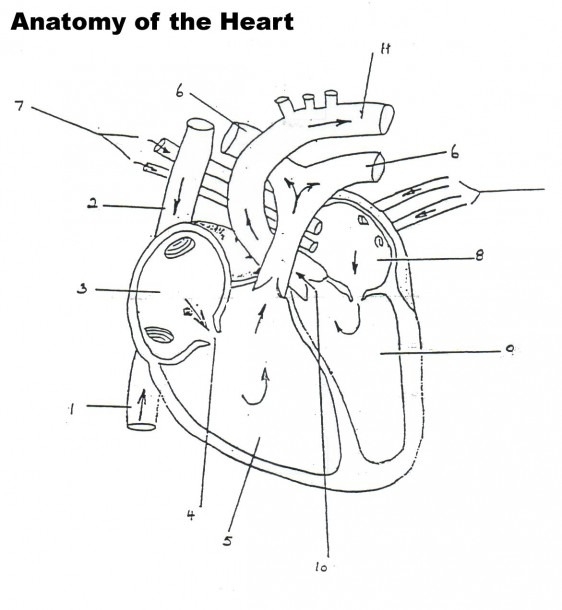
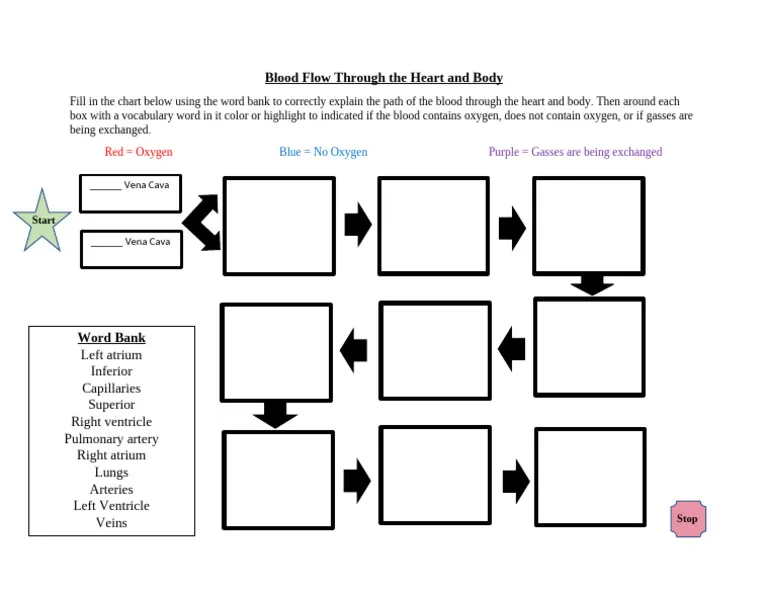
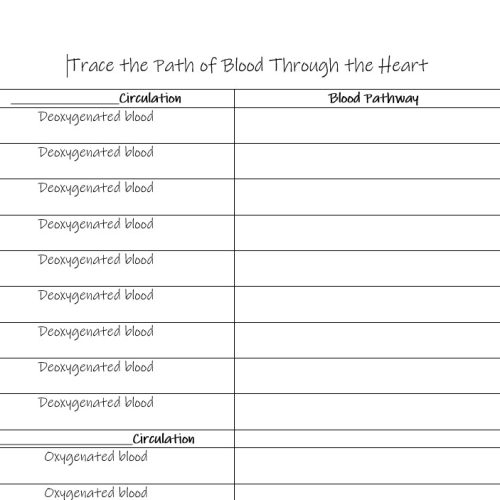
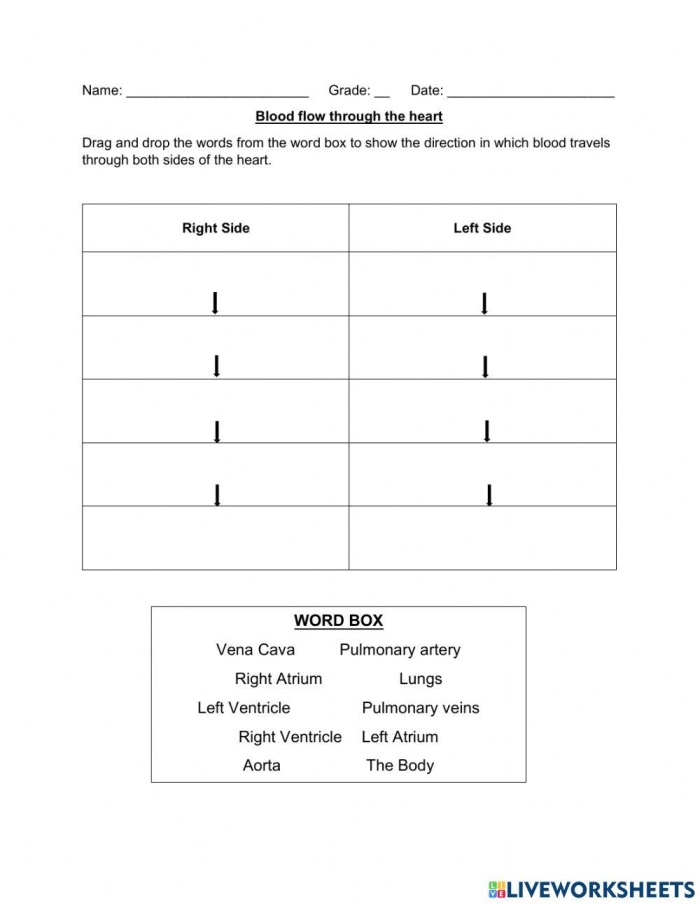
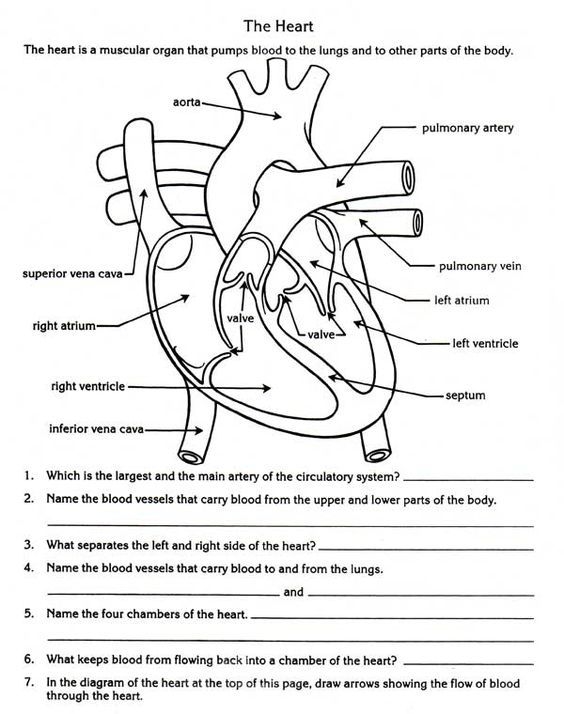
Understanding how blood flows through the heart is a fascinating journey that reveals the complexity of this vital organ. For fifth graders, this topic can come alive through engaging worksheets that illustrate the heart’s intricate workings. By mapping out the journey of blood, students can visualize how oxygen-rich blood is pumped throughout the body and how deoxygenated blood returns to the heart.
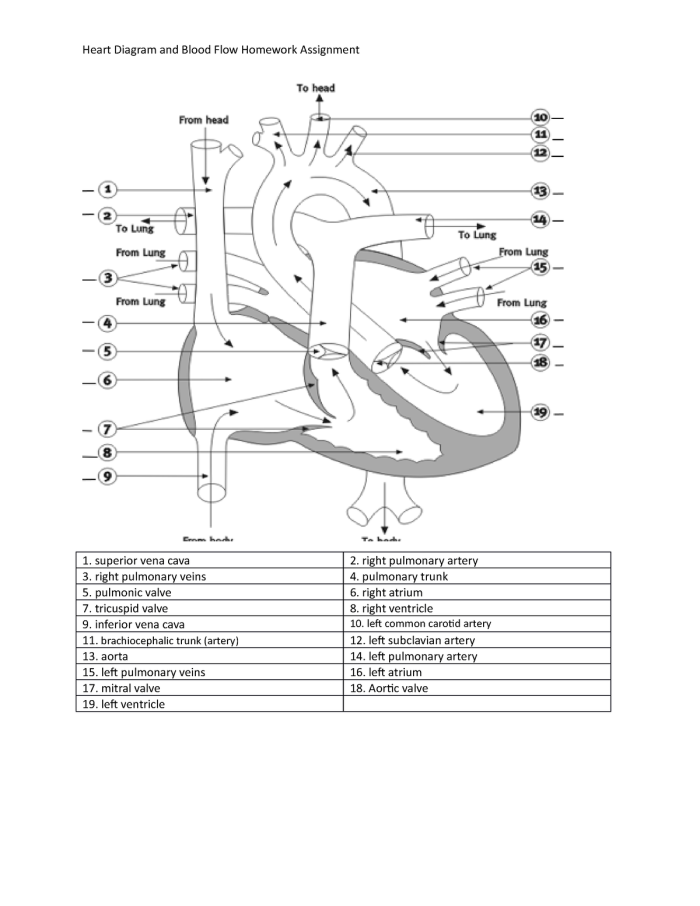
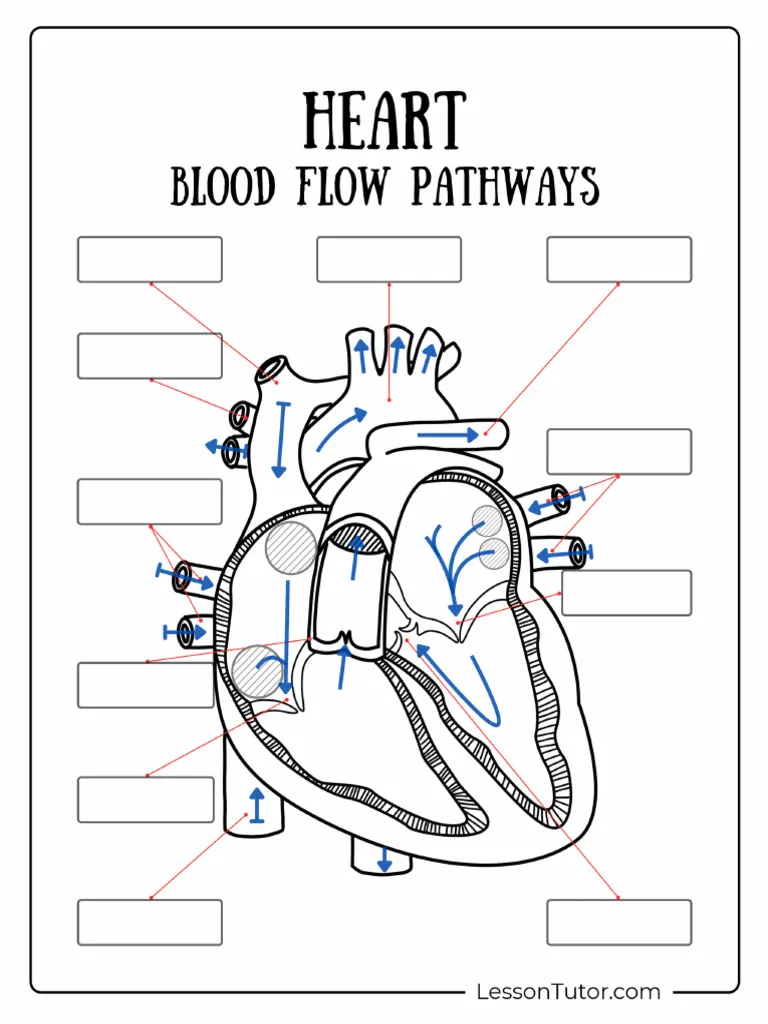
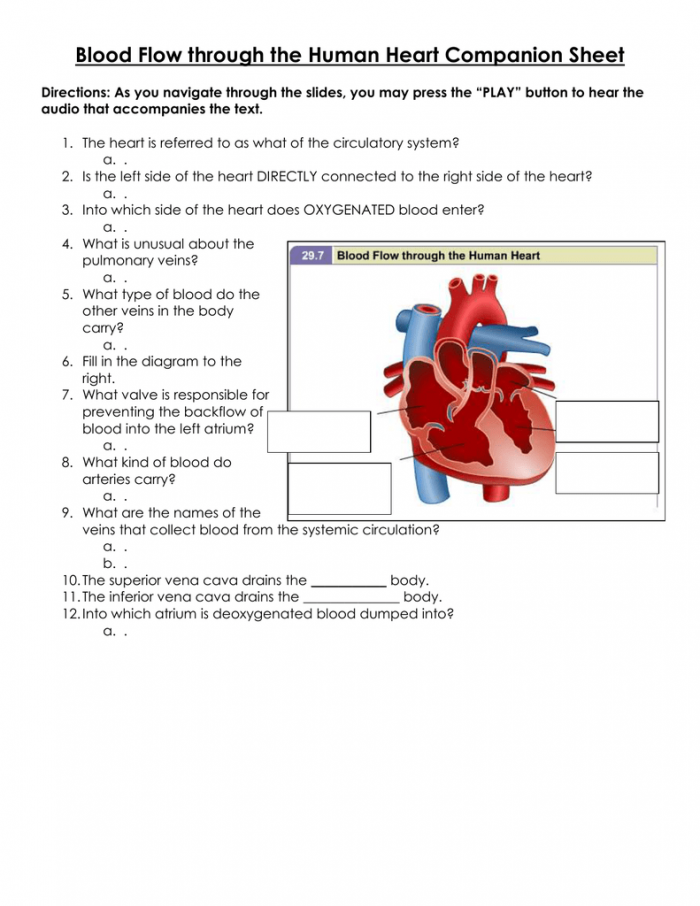
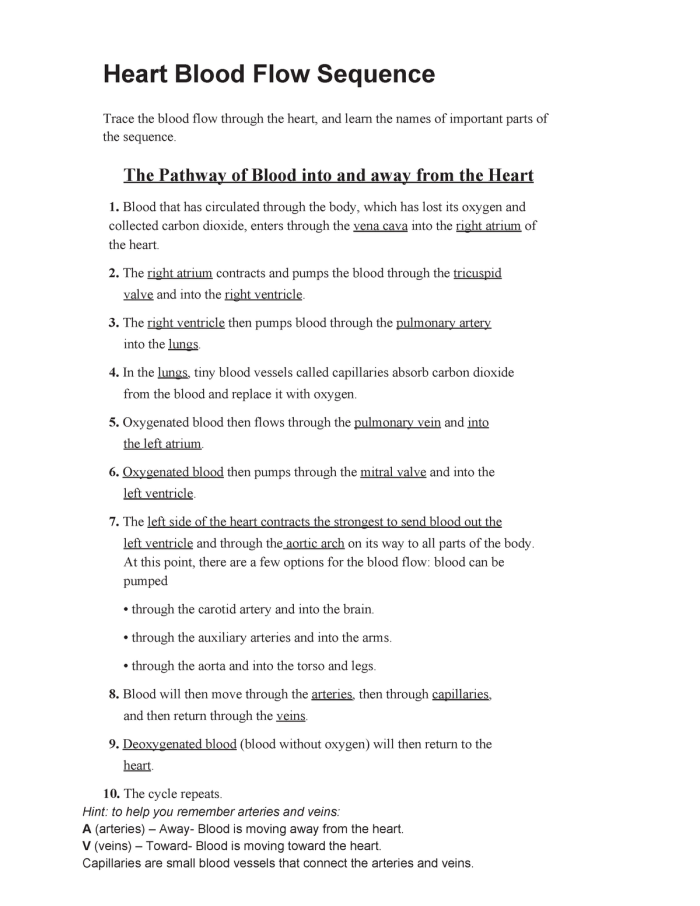
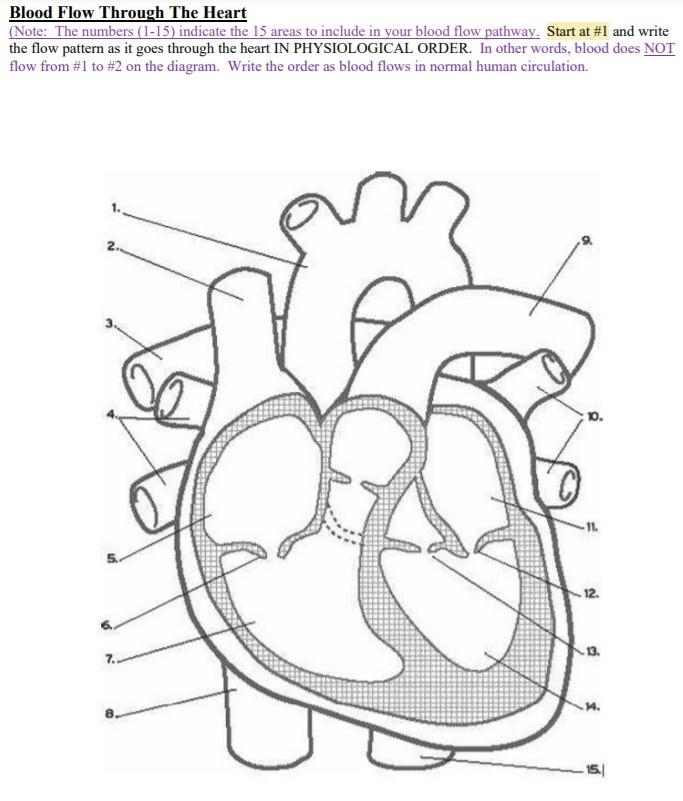
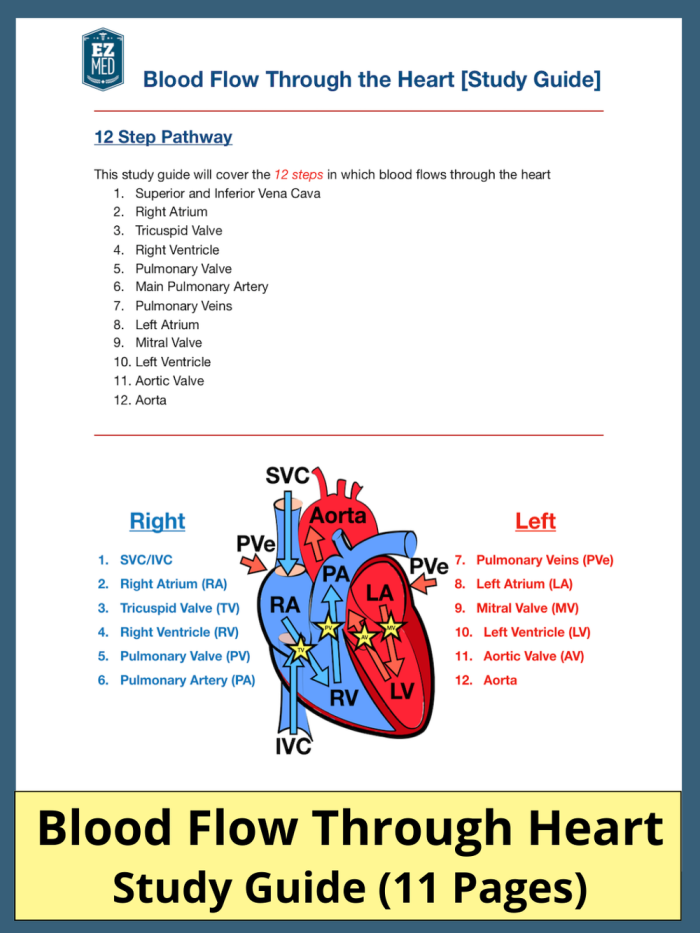
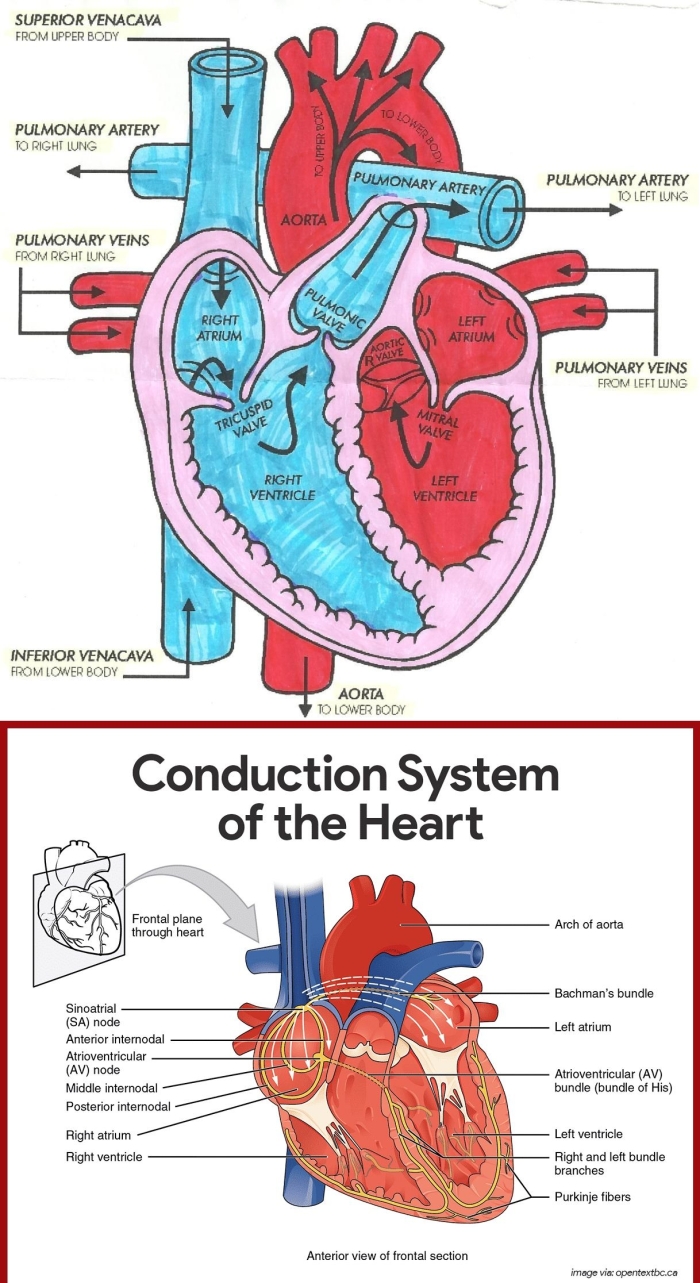
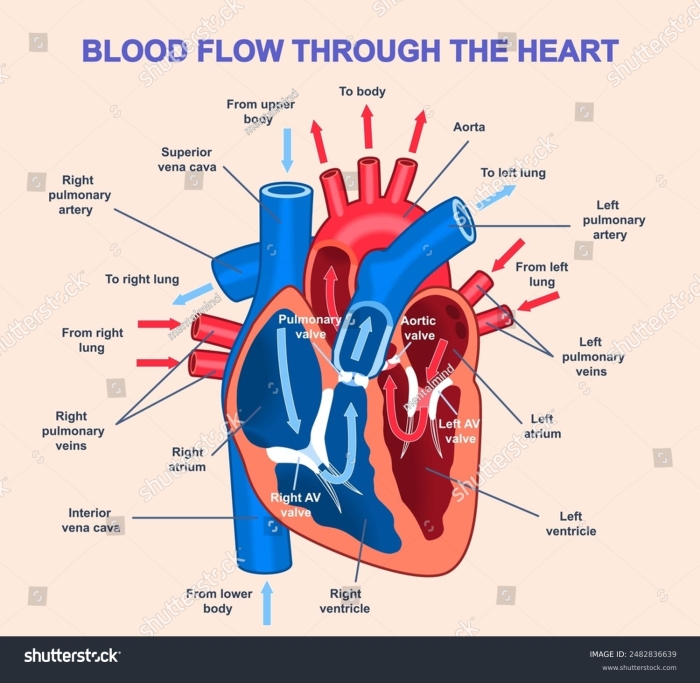
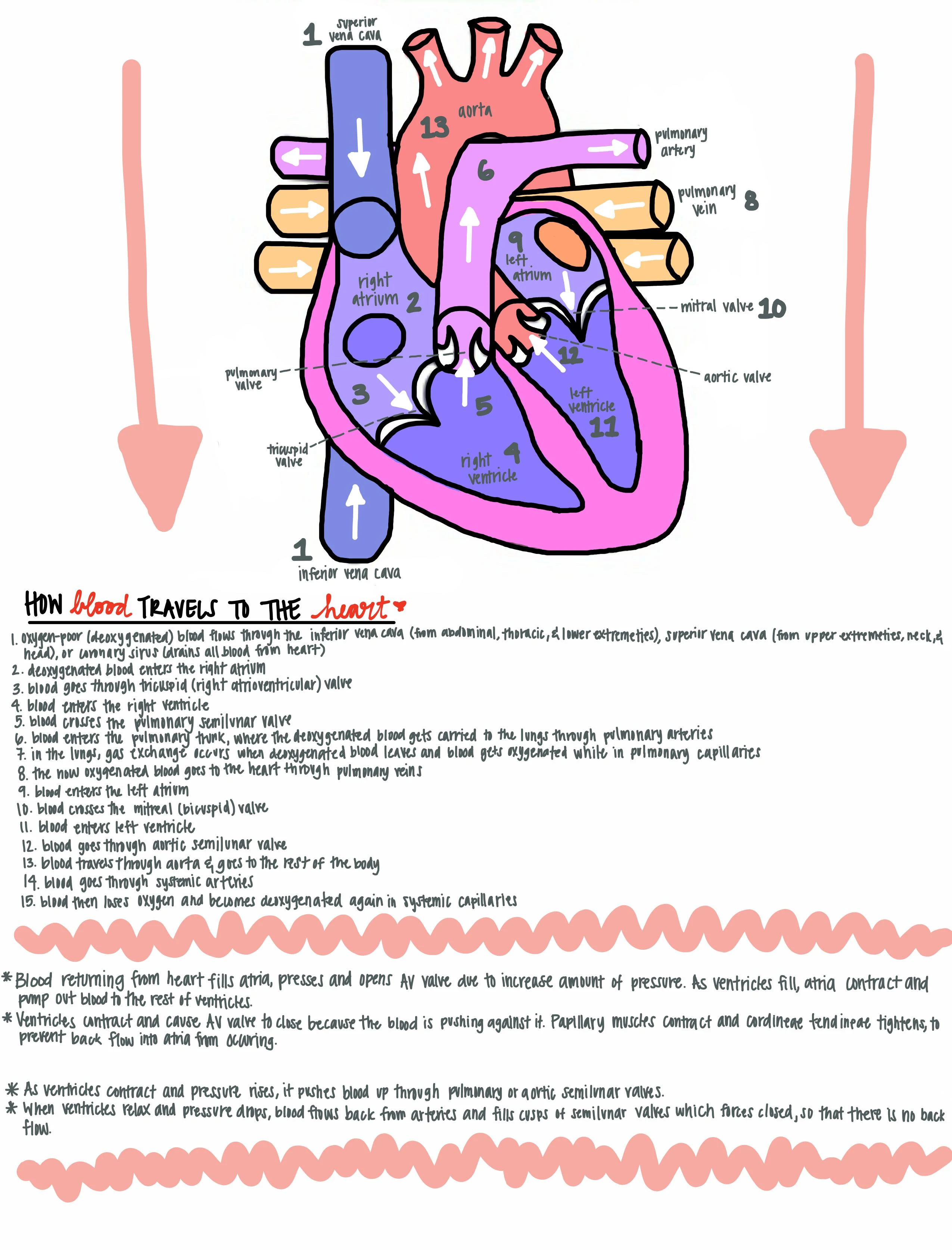
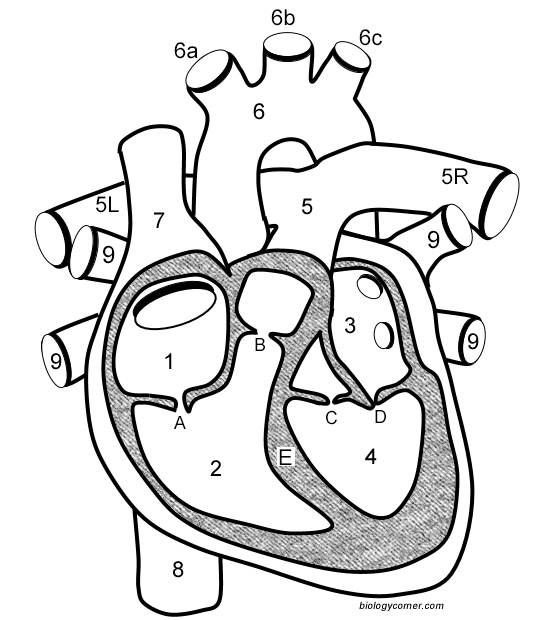
The heart consists of four chambers: the right atrium, right ventricle, left atrium, and left ventricle. Blood enters the heart through the right atrium, where it collects after circulating through the body. Then, it moves into the right ventricle, which pumps it to the lungs. In the lungs, carbon dioxide is exchanged for oxygen, and the now oxygenated blood returns to the left atrium. From there, it flows into the left ventricle, the strongest chamber, which pumps the blood out to the rest of the body.
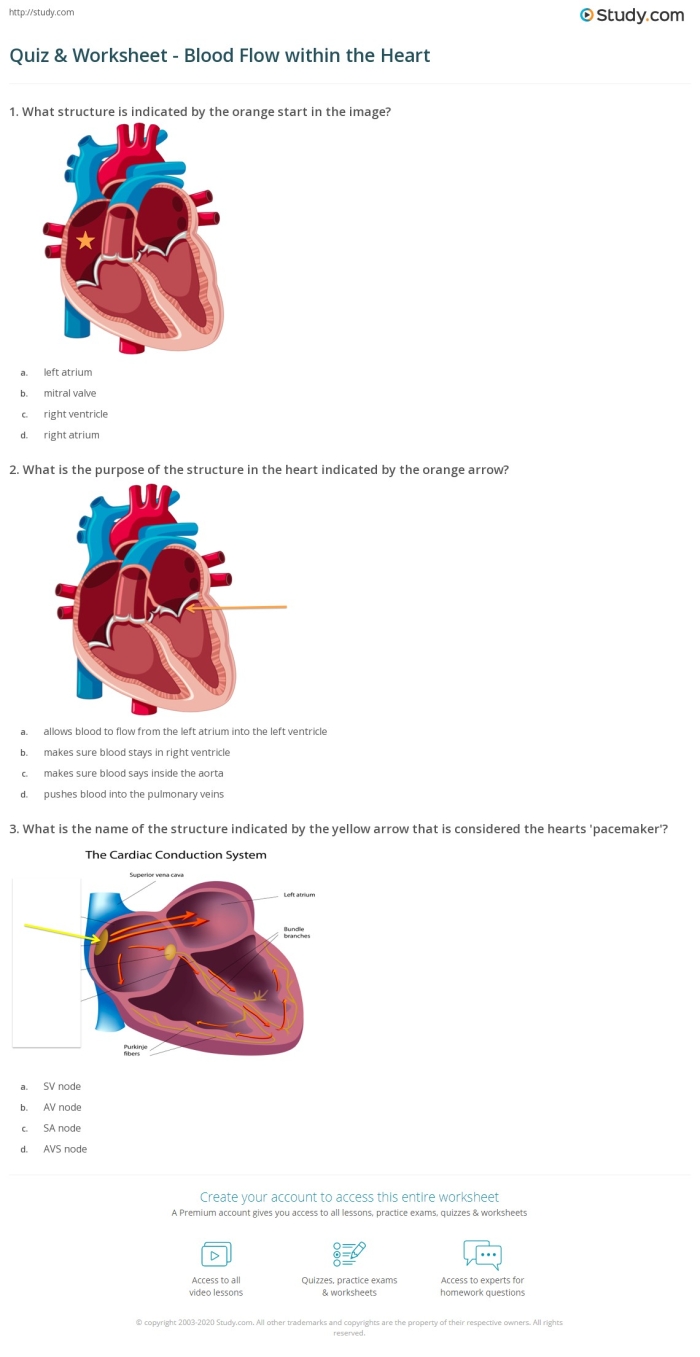
This process is not just about movement; it is also about timing and coordination. The heart beats rhythmically, controlled by electrical signals that prompt the chambers to contract and relax. This synchronized action ensures that blood flows efficiently, delivering essential nutrients and oxygen to every cell. By using printable worksheets that prompt kids to map this flow, they can better grasp the concepts of circulation and the importance of each heart chamber.
For those interested, exploring related topics can enhance the learning experience. Understanding the water cycle, for instance, can provide insights into how our body systems interact with the environment. Worksheets such as this one on the water cycle can complement lessons on blood flow. Additionally, practicing verb tenses or learning how to write conclusions can support overall literacy skills, making the learning process more holistic. Visit this link for verb tenses or check out this resource on writing conclusions for more educational materials.
Boost Skills with These Worksheets