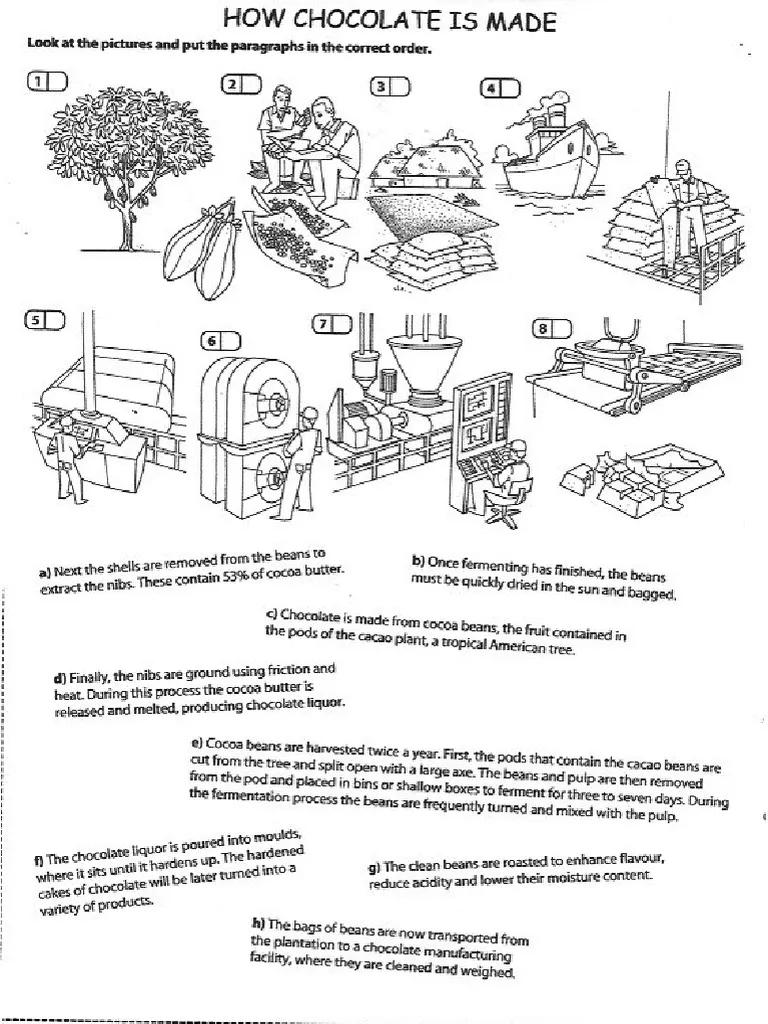
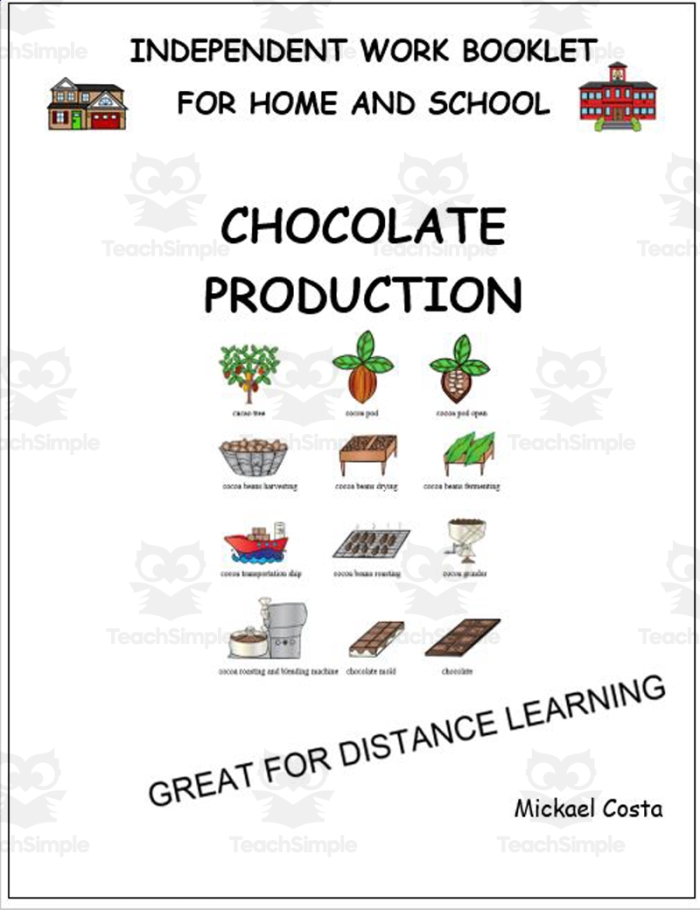
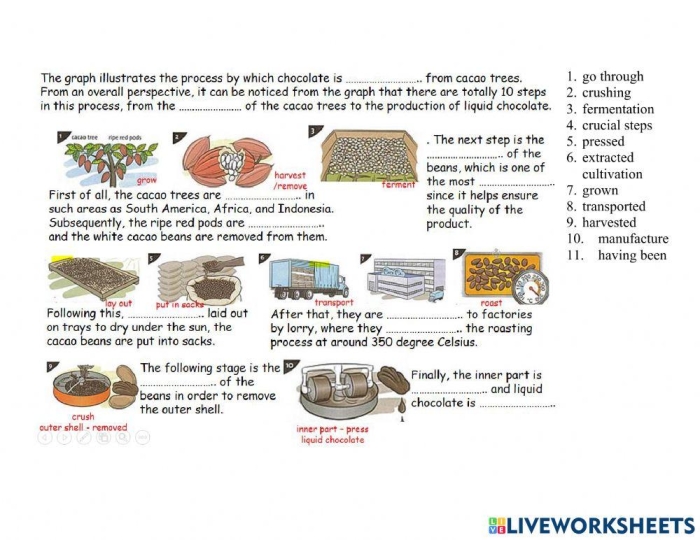
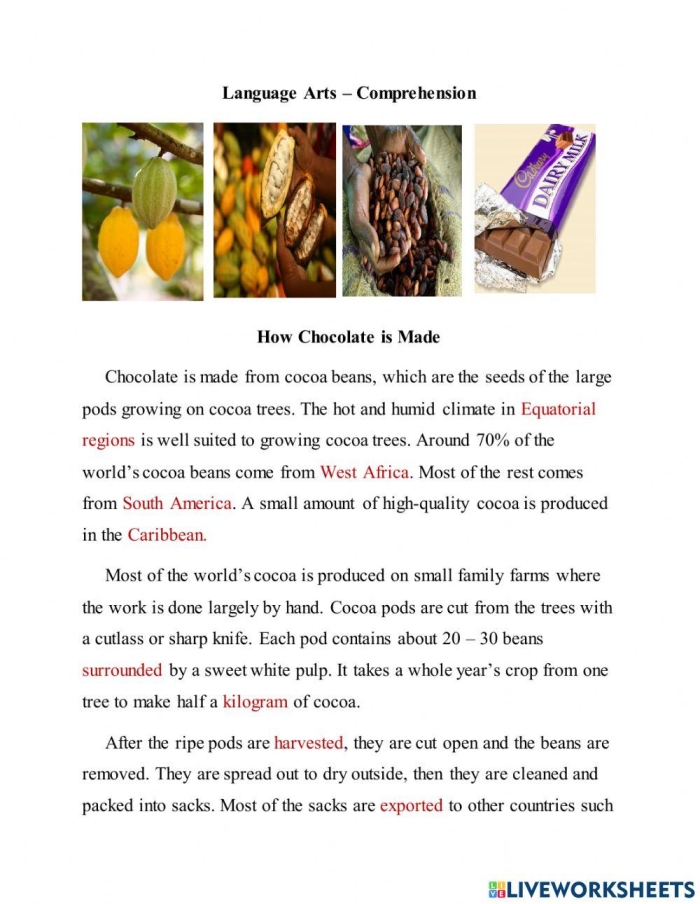
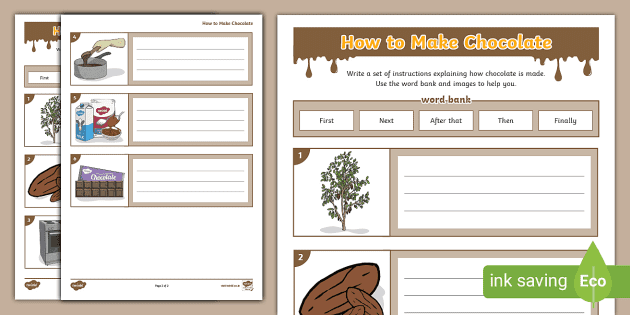
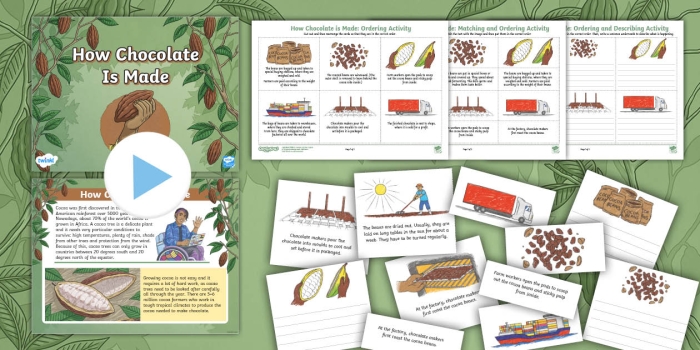
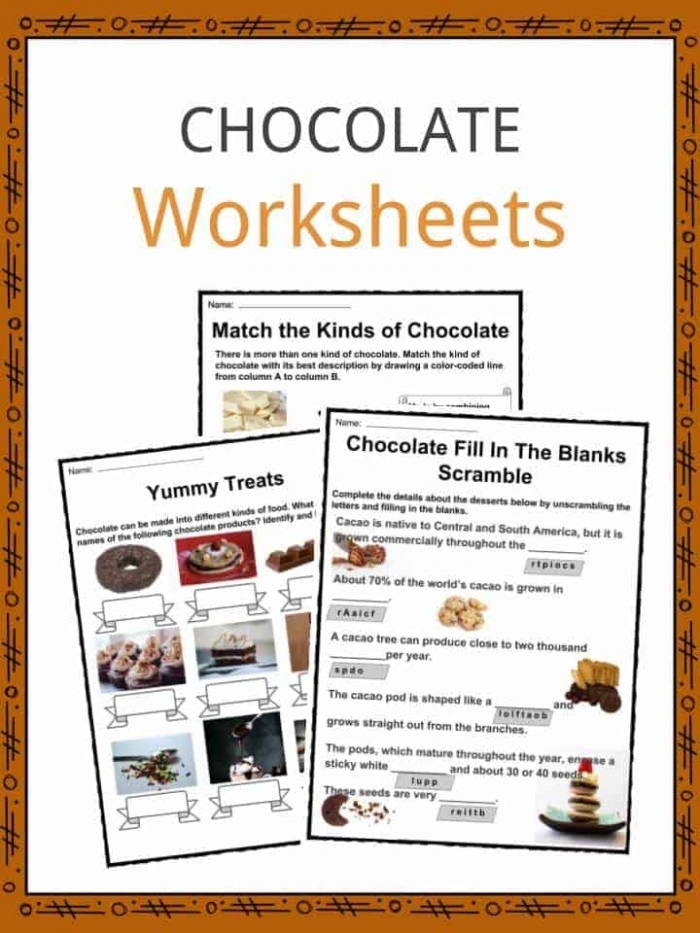
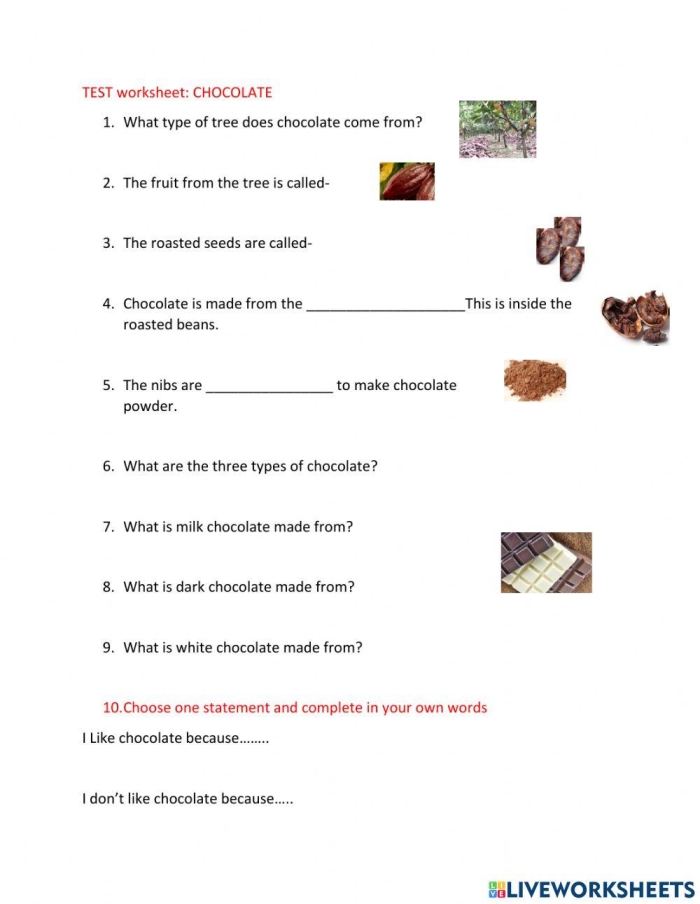
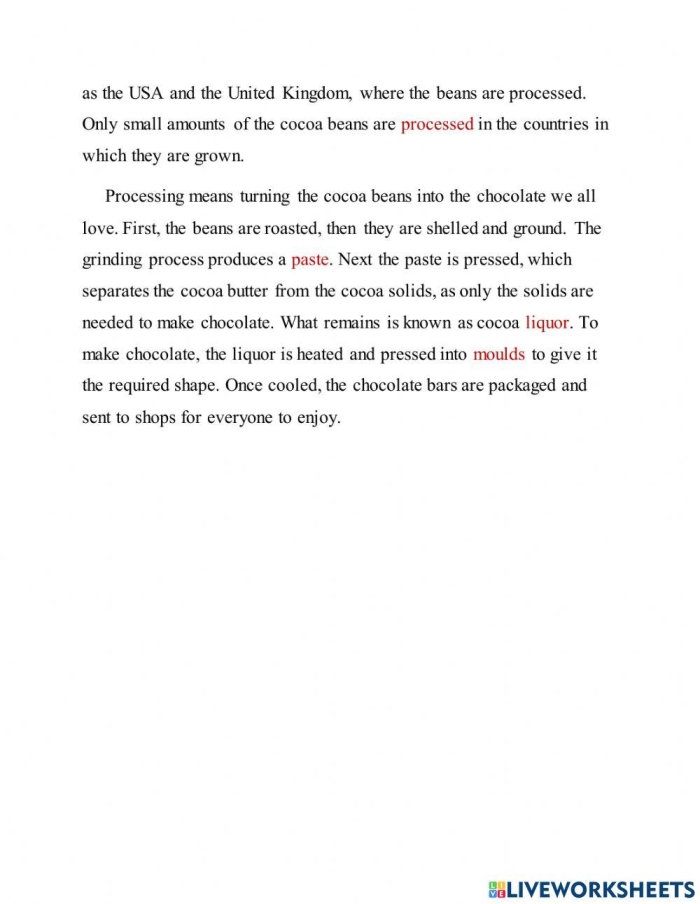
Understanding the steps in a process can be tricky for young learners, but using a familiar and fun topic like chocolate can make sequencing and storytelling more engaging. This printable how chocolate is made worksheet offers a simple, hands-on way for second grade students to practice putting events in order while exploring the journey from cocoa bean to delicious treat.
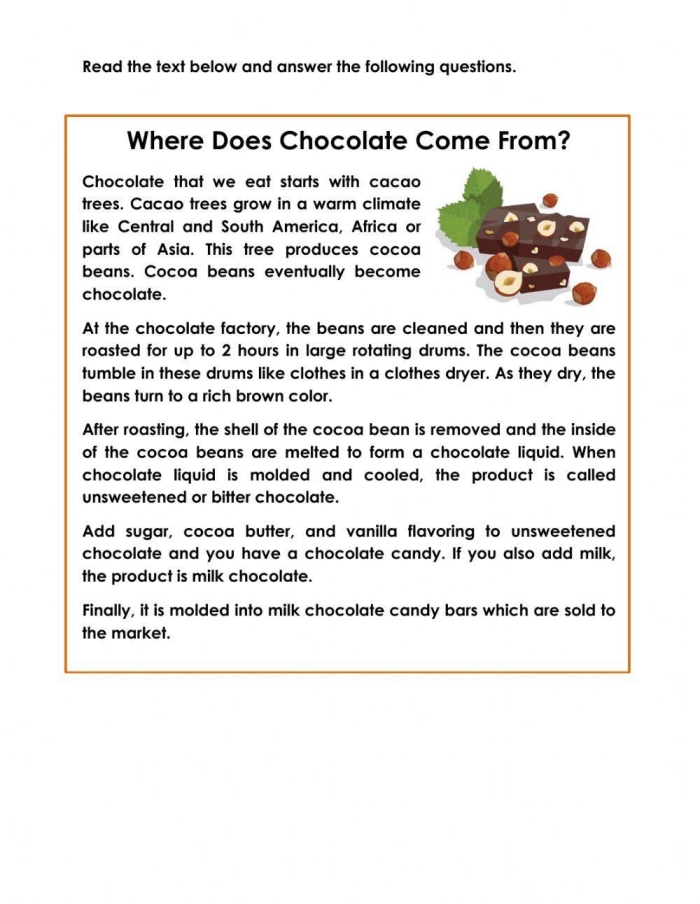
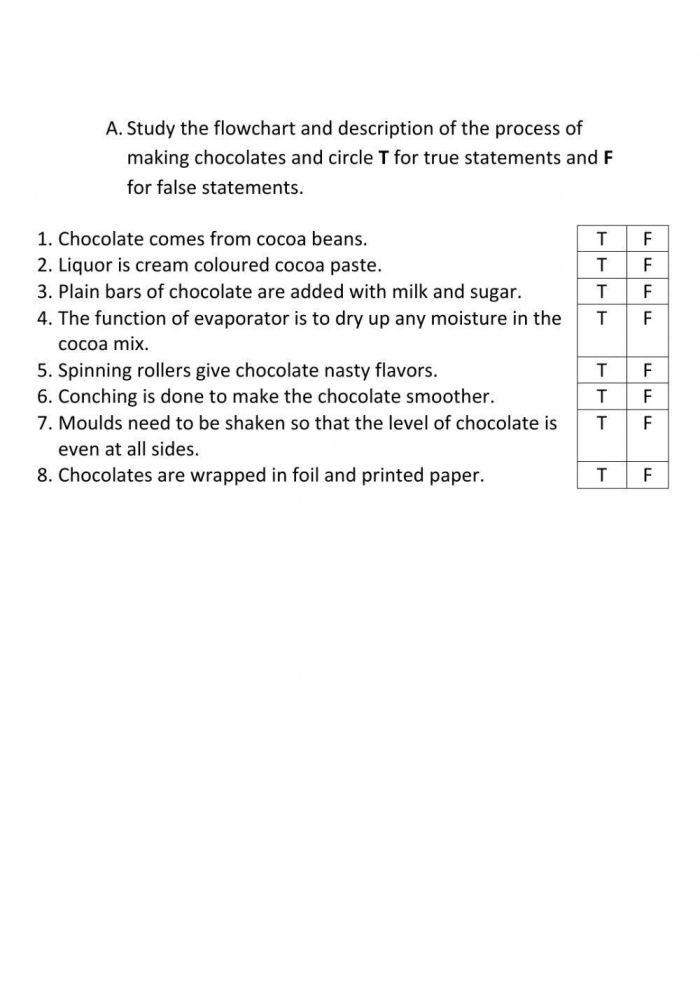
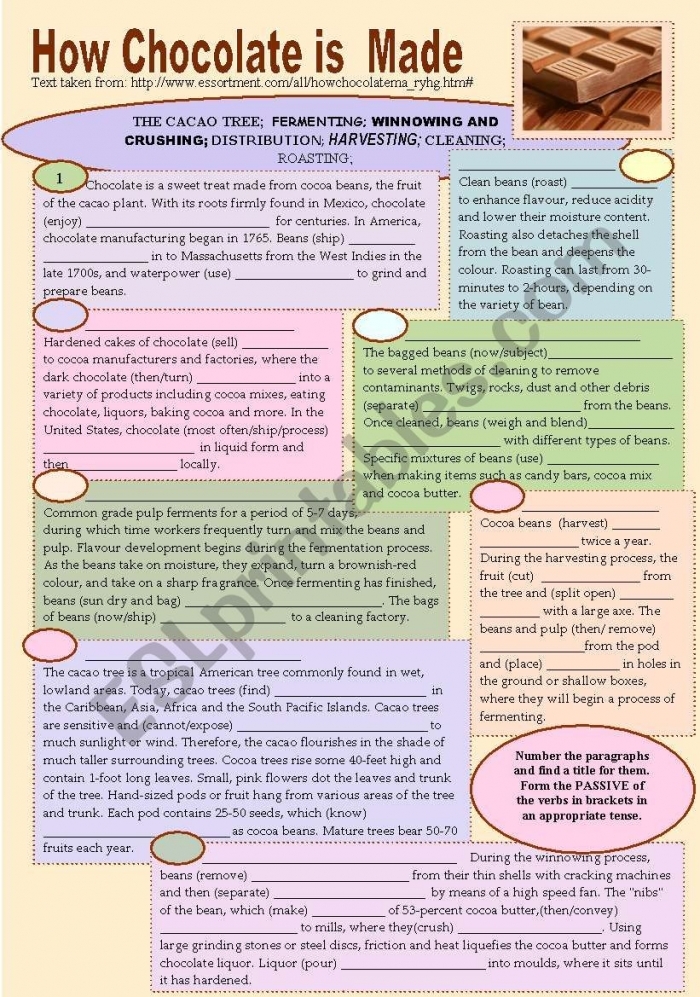
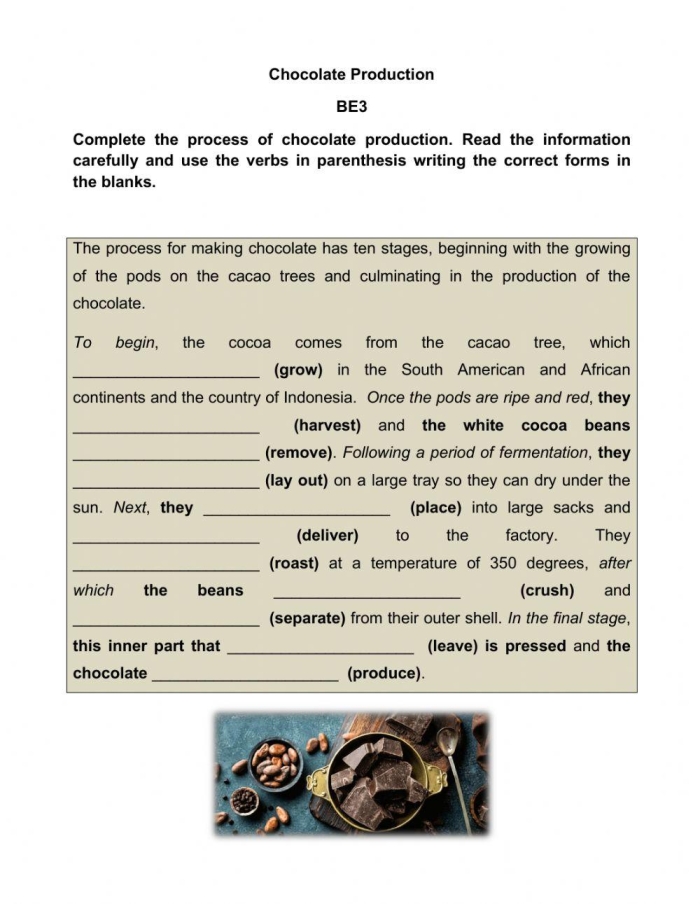
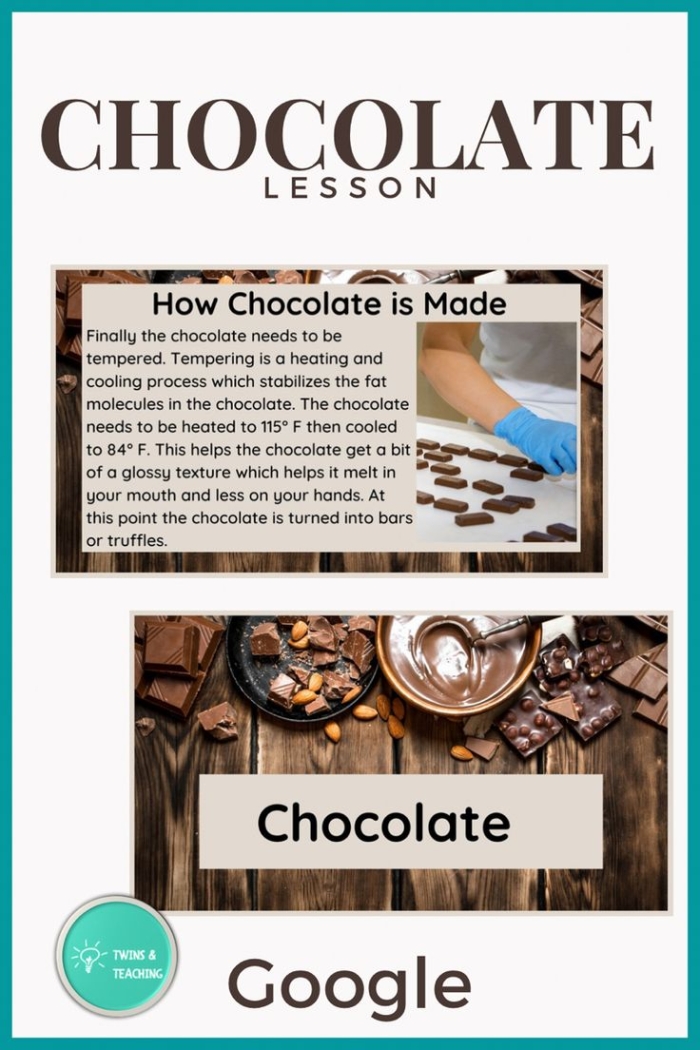
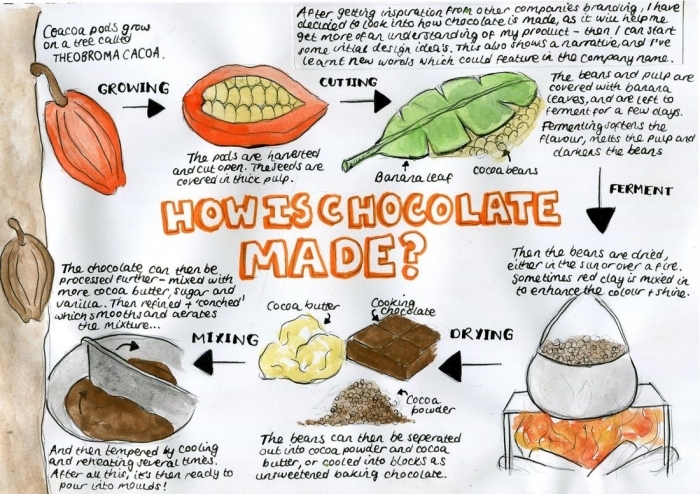
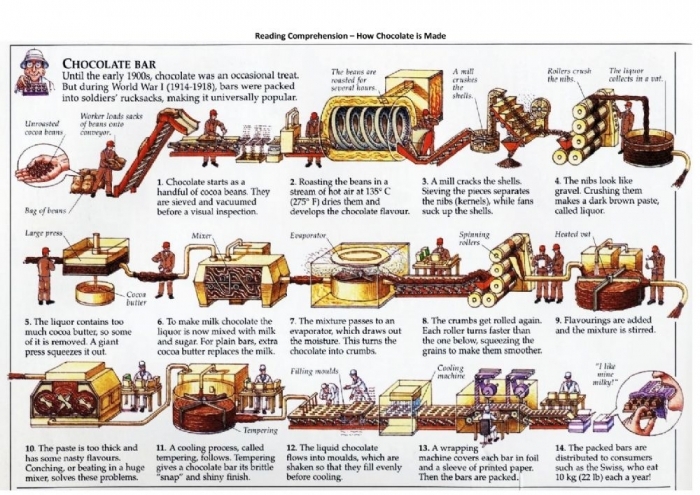
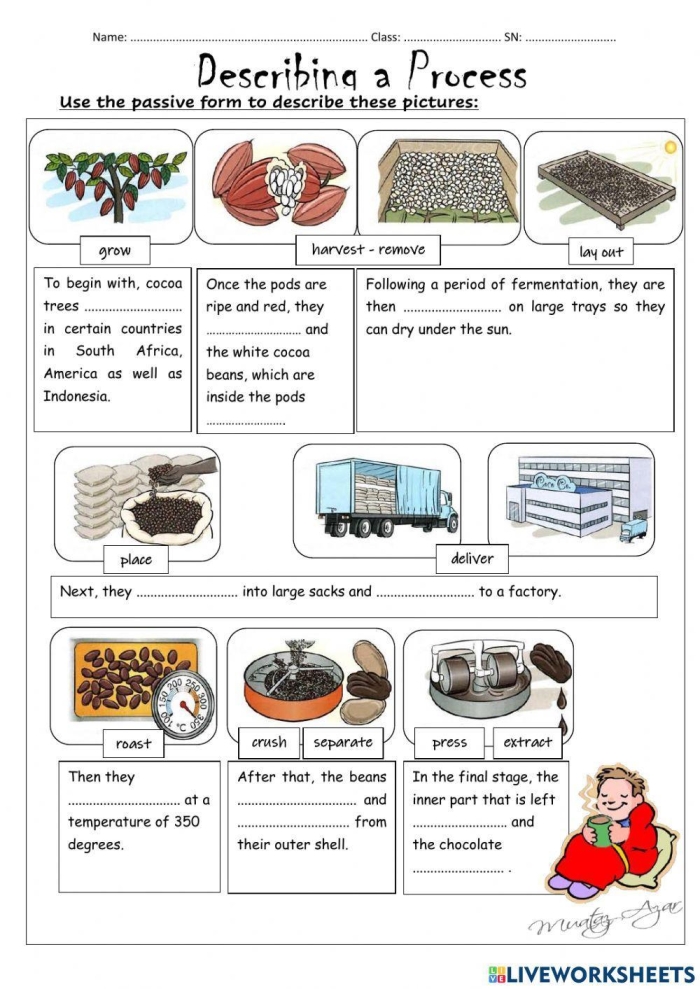
The worksheet breaks down the chocolate-making process into clear, manageable steps. Children read short sentences or view pictures that illustrate everything from harvesting cocoa pods to roasting the beans, grinding them into cocoa mass, and finally molding the chocolate into bars. By arranging these stages in the correct sequence, students sharpen their ability to understand cause and effect and improve their narrative skills—both key goals in English Language Arts at this grade level.
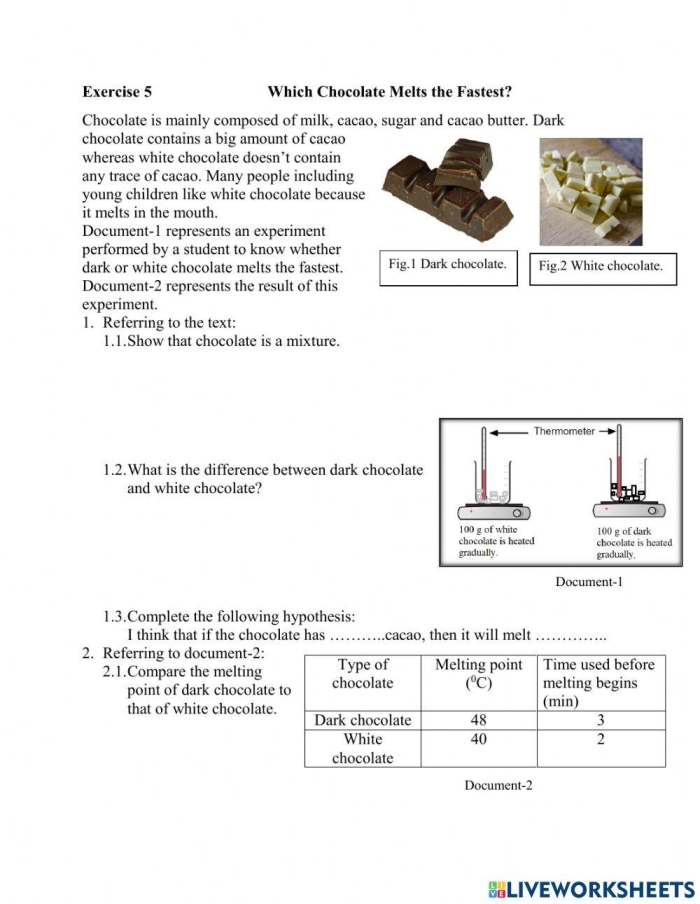
One interesting fact included in the worksheet is that it takes about 400 cocoa beans to make just one pound of chocolate. This detail not only captures attention but also helps kids appreciate the scale of production behind a common treat. Incorporating such specifics encourages curiosity and makes learning more memorable.
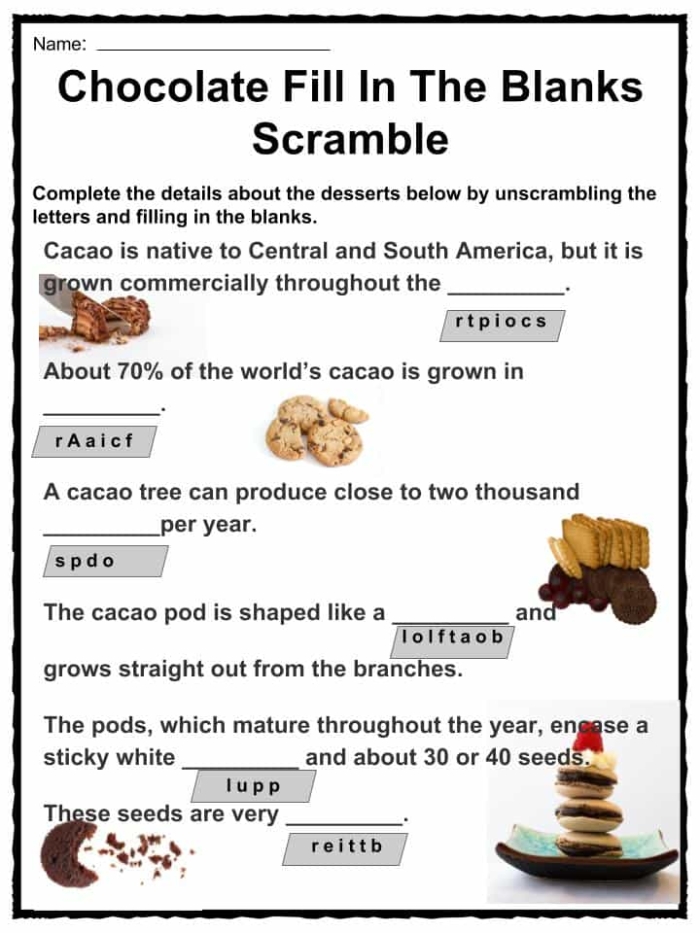
Working with a topic like how chocolate is made also provides opportunities to develop vocabulary related to agriculture, cooking, and manufacturing processes. For example, words like “fermentation,” “roasting,” and “conching” introduce new terms that broaden language skills while staying connected to a familiar concept.
Beyond sequencing, this activity supports storytelling by prompting students to describe each step in their own words. This exercise enhances writing fluency and helps them organize ideas logically. Teachers looking to reinforce other language concepts might find it useful to pair this worksheet with activities such as a past tense verb crossword puzzle or a shapes identification exercise, integrating cross-curricular skills in an accessible way.
Overall, using a themed worksheet on how chocolate is made offers a tasty, effective method to enhance sequencing and storytelling skills. It connects second graders with real-world processes and language arts objectives, making learning both fun and meaningful.
Hands-On Worksheet Activities