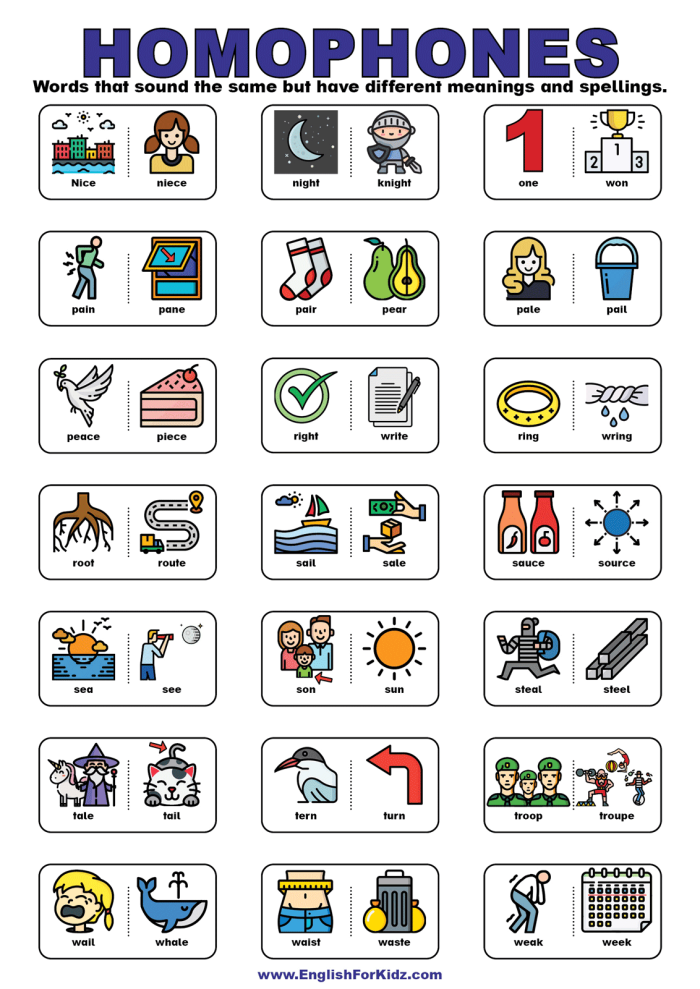
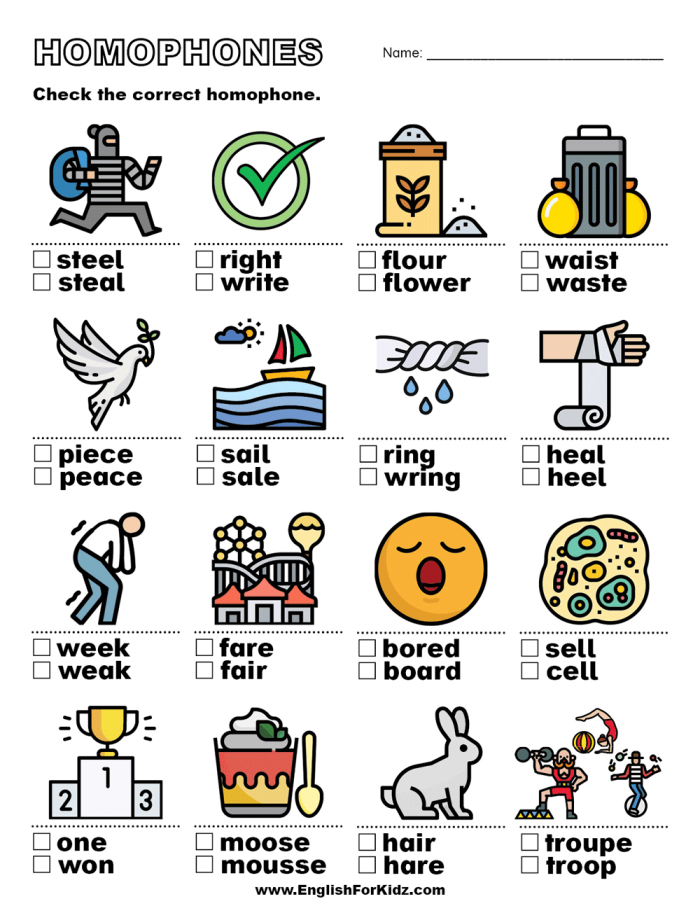
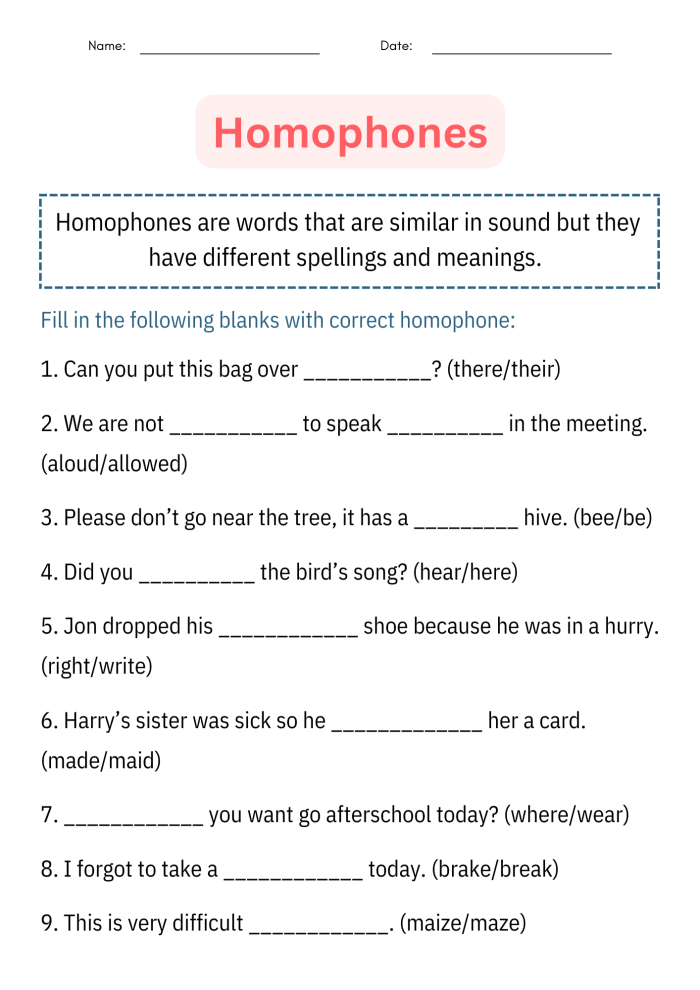
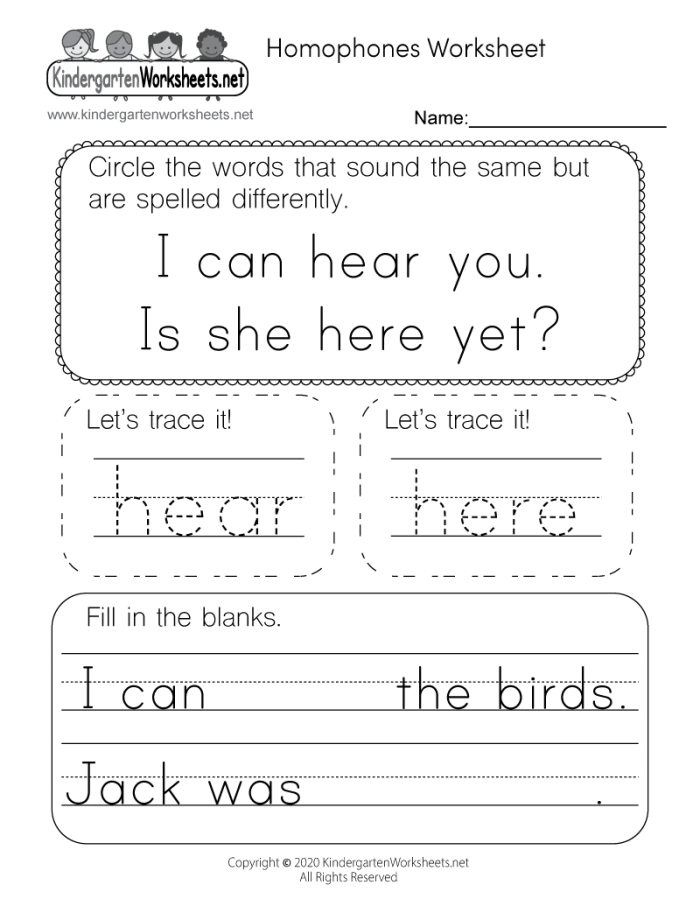
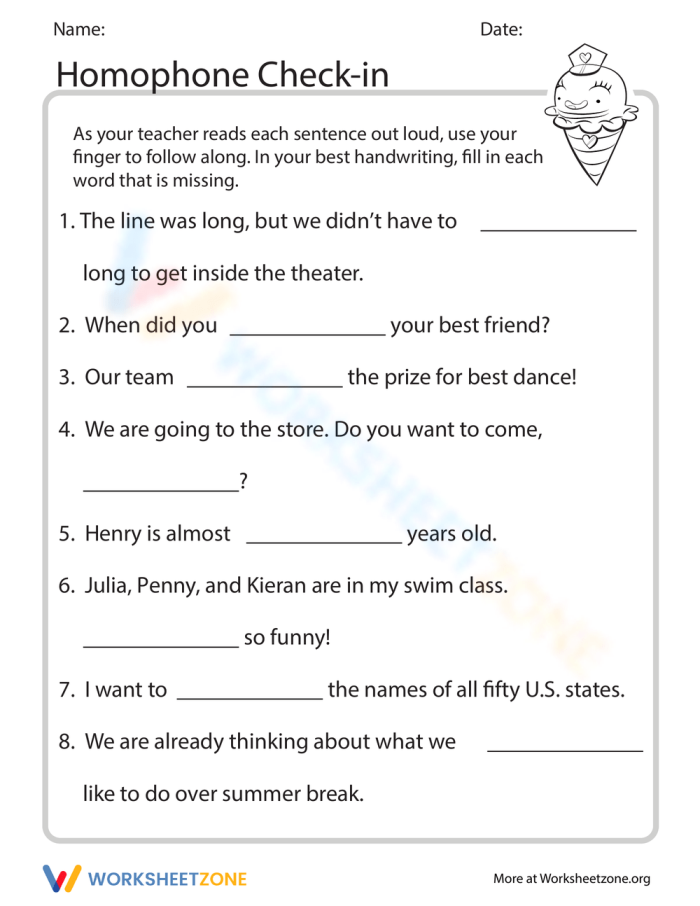
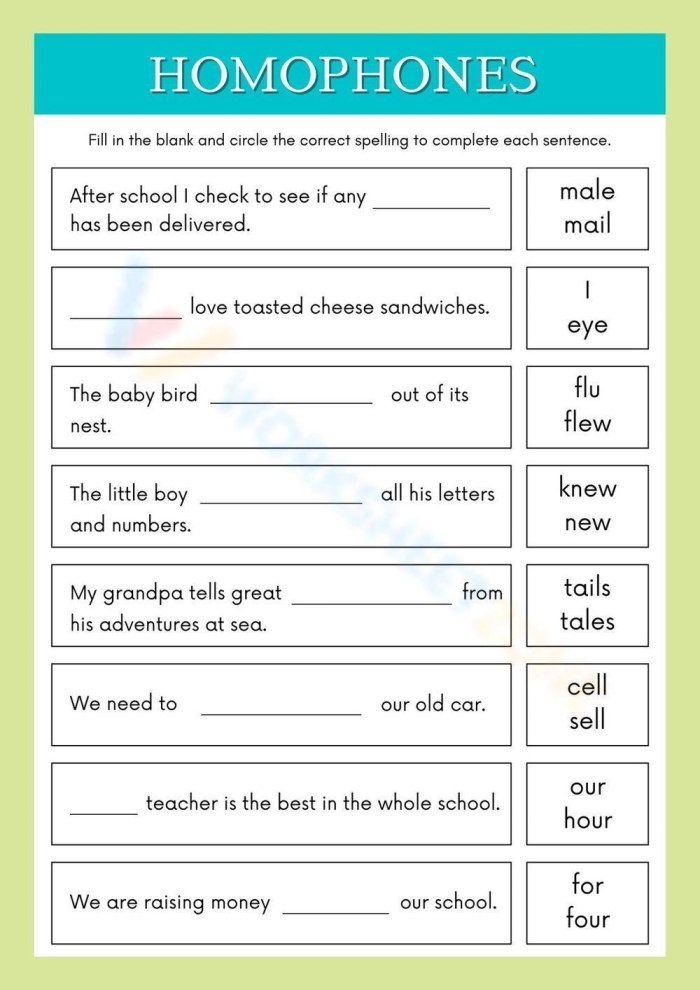
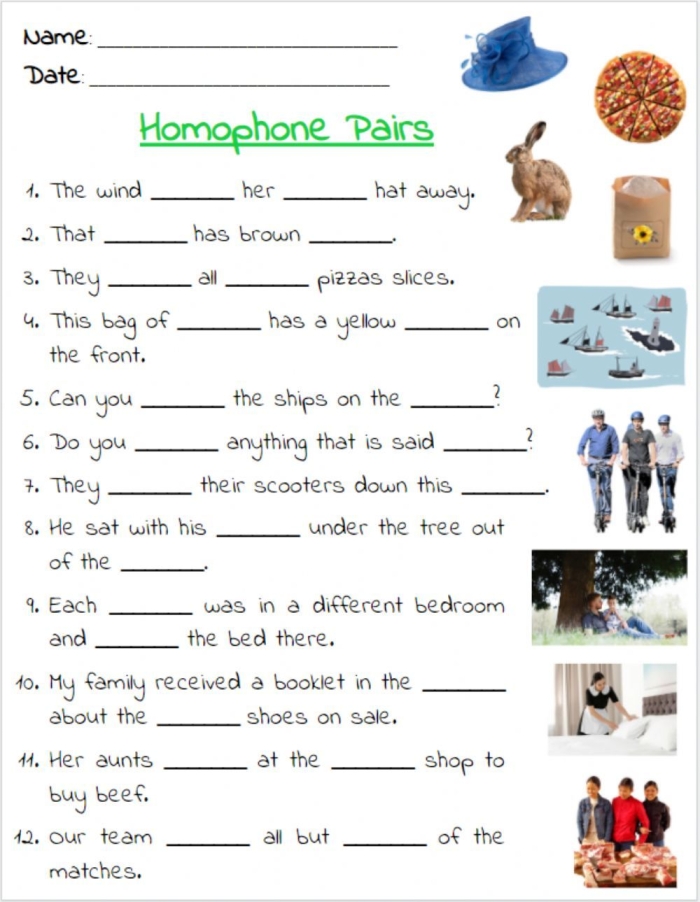
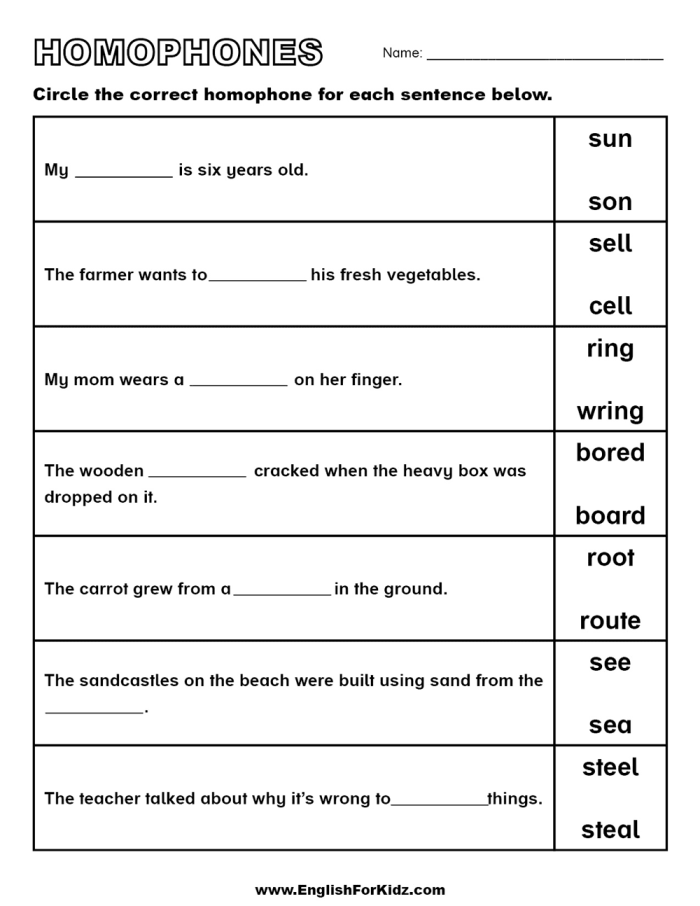
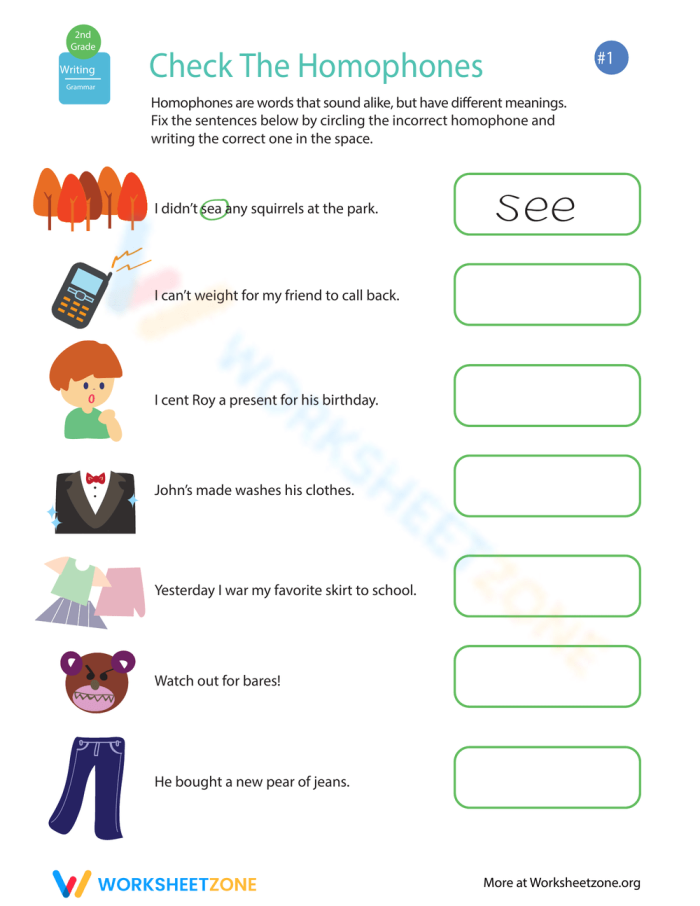
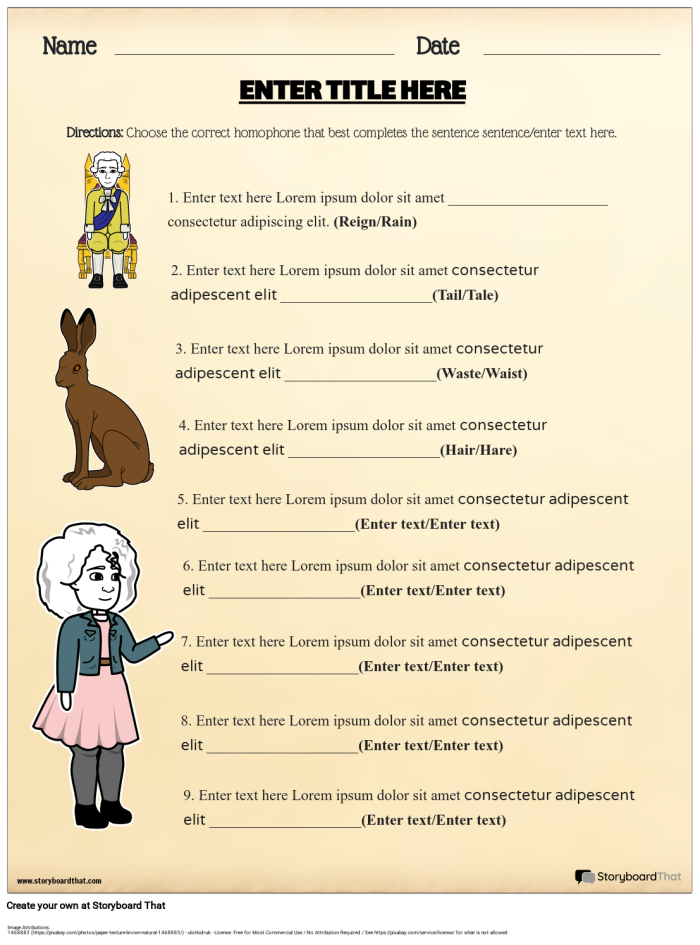
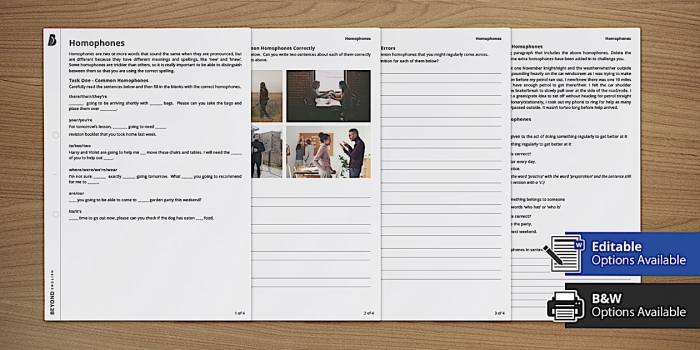
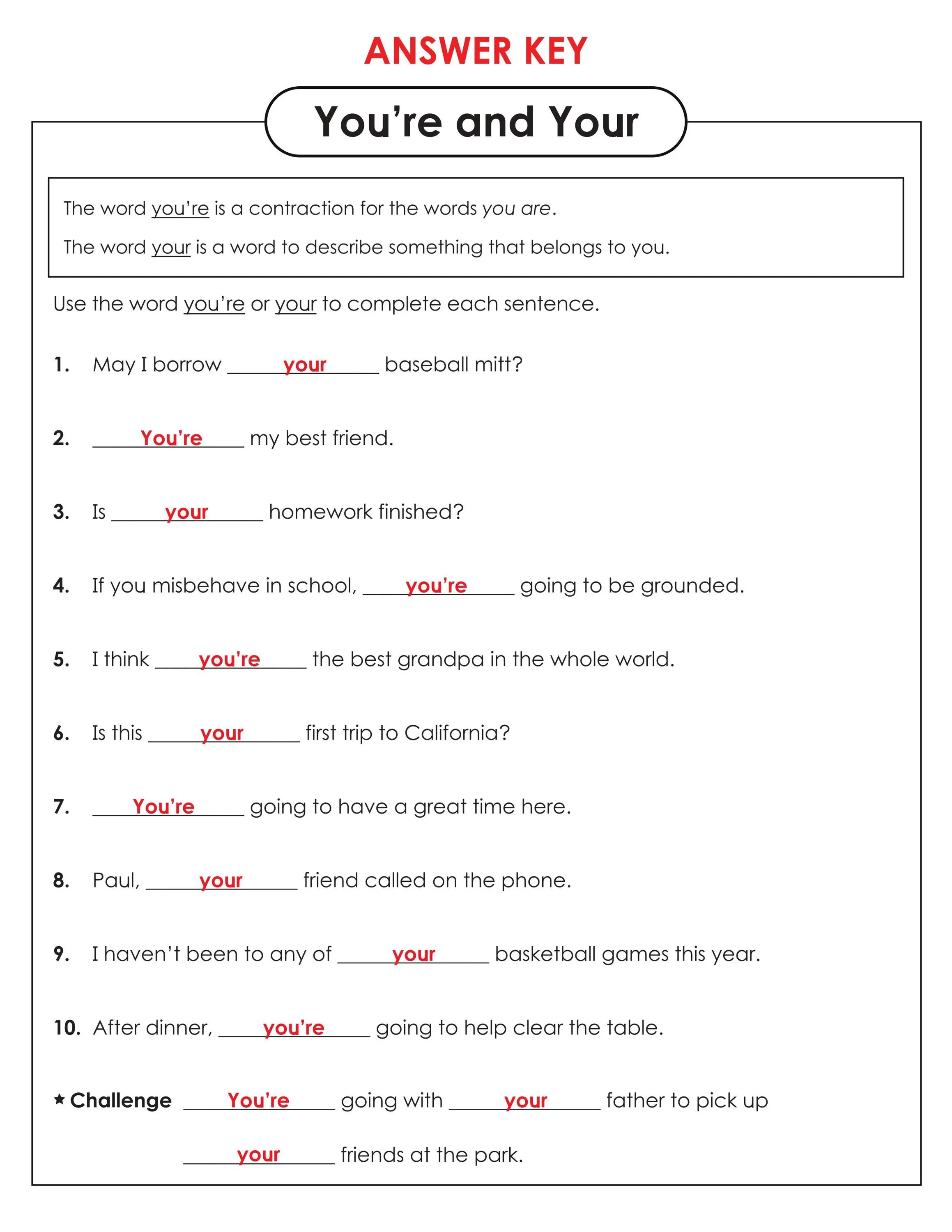
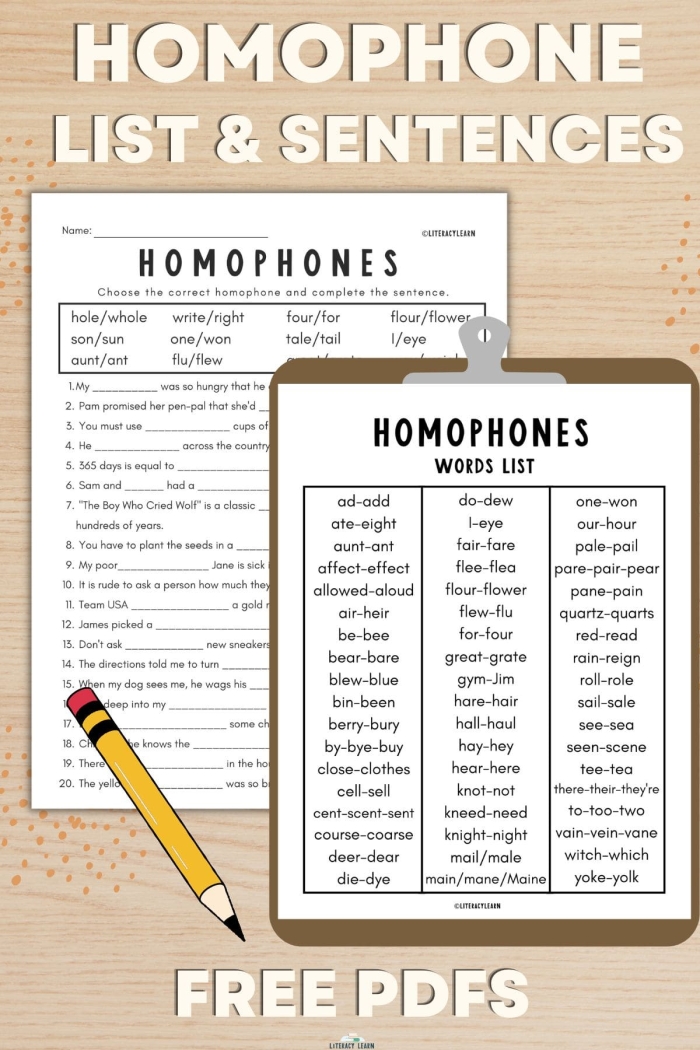
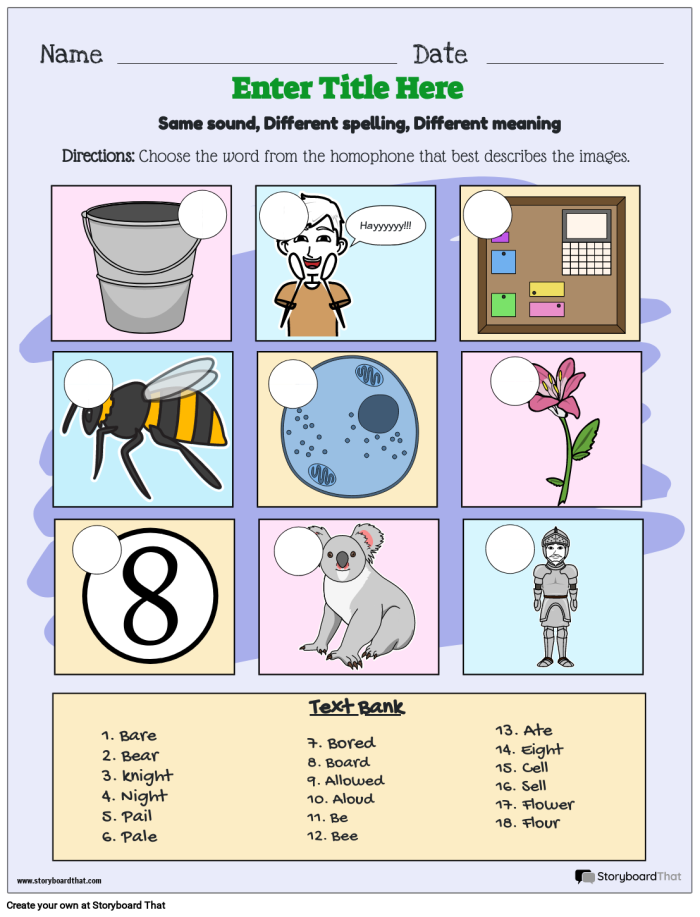
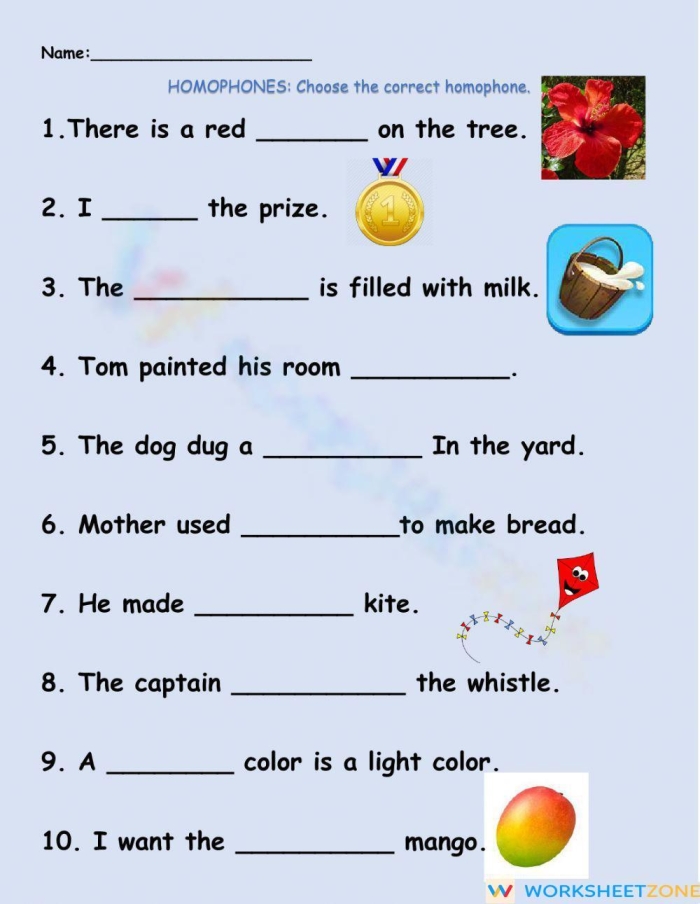
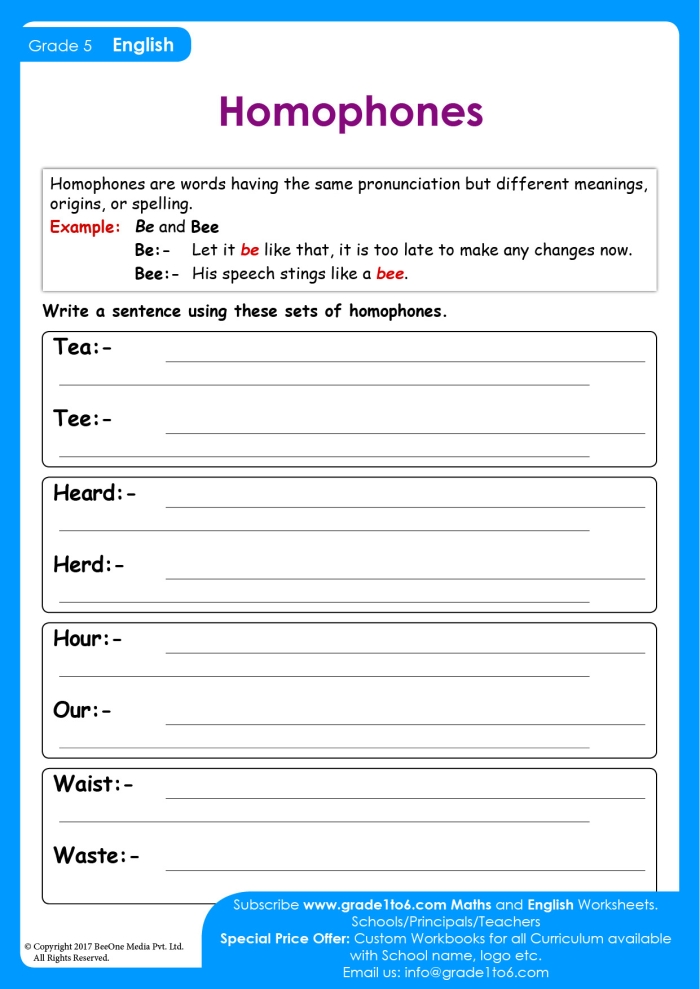
Understanding homophones is crucial for second graders as they develop their reading and writing skills. Words that sound the same but have different meanings can easily confuse young learners. This confusion can hinder their ability to write correctly and understand texts. A simple yet effective way to assess your students’ abilities in this area is through a dictation exercise specifically focused on homophones.
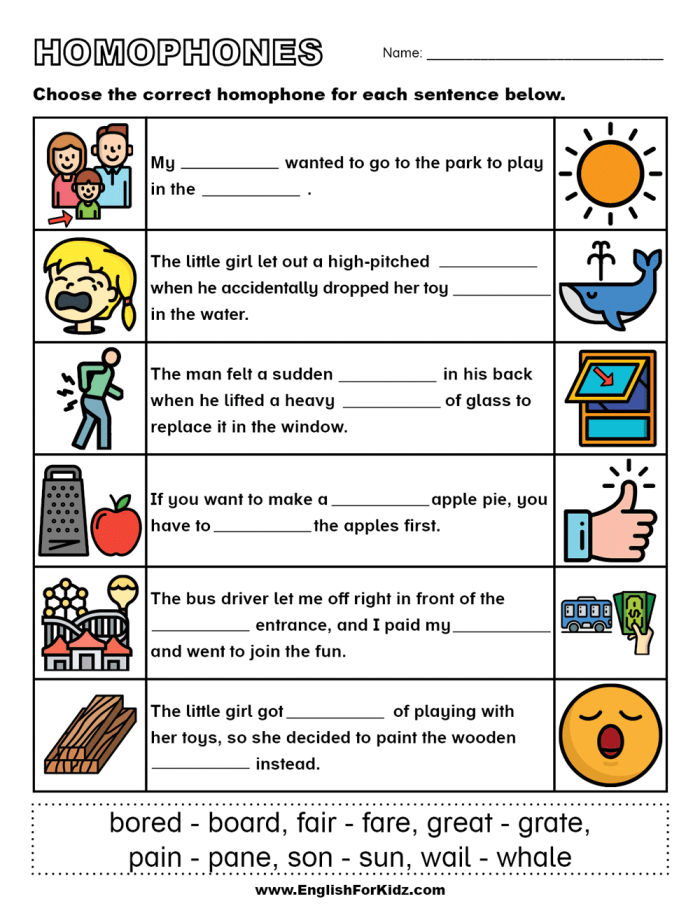
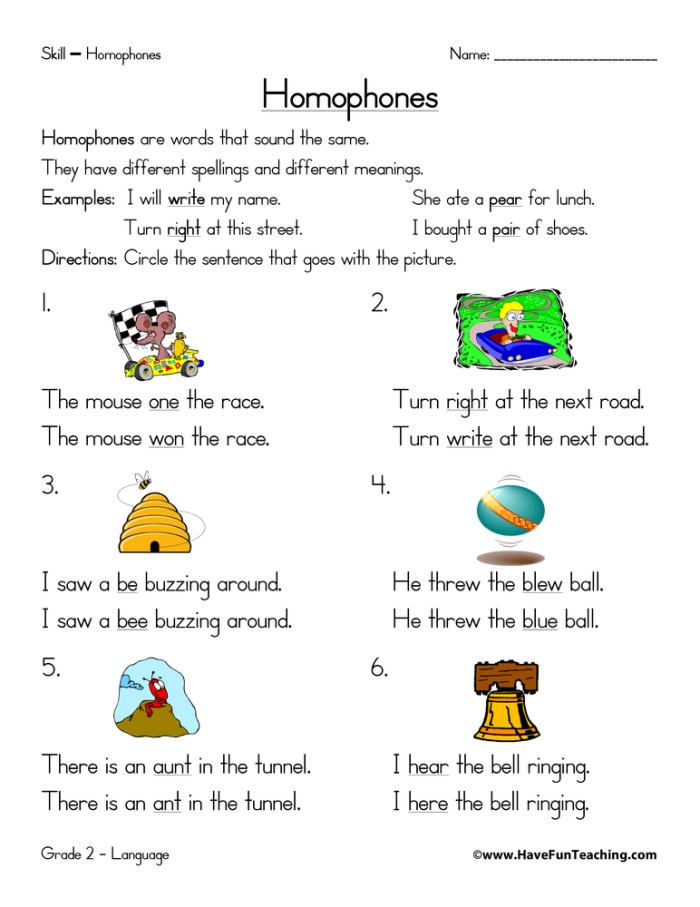
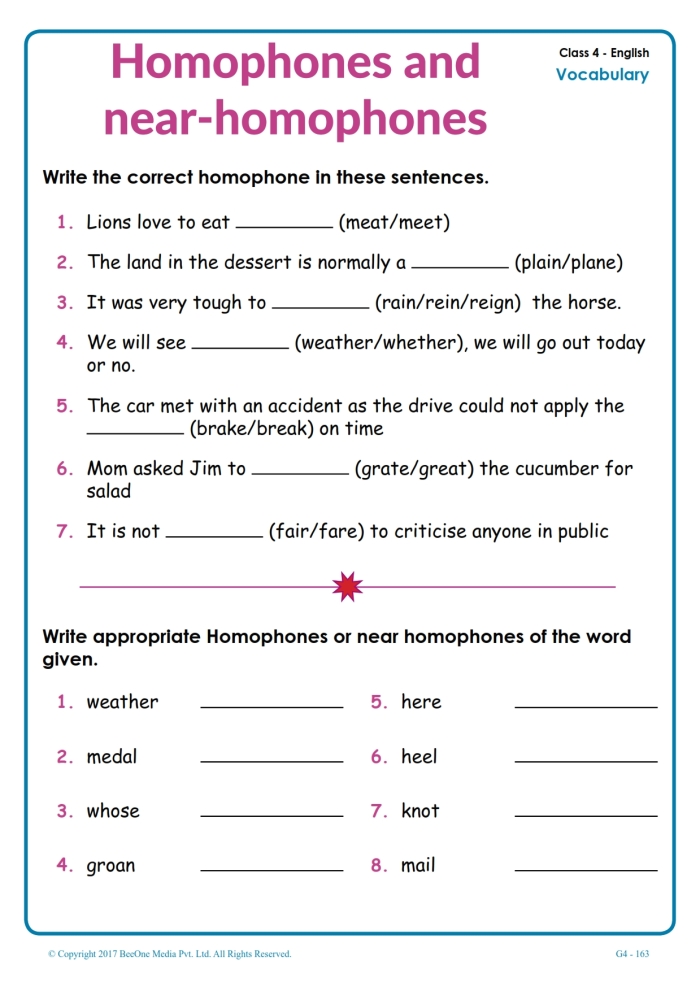
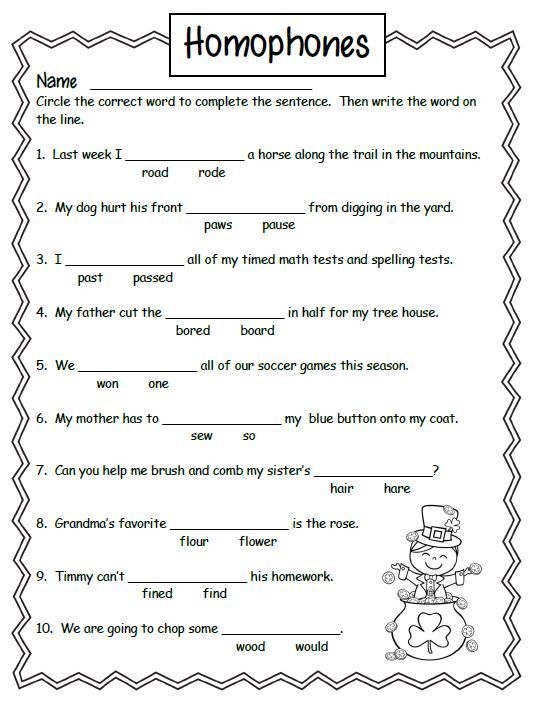
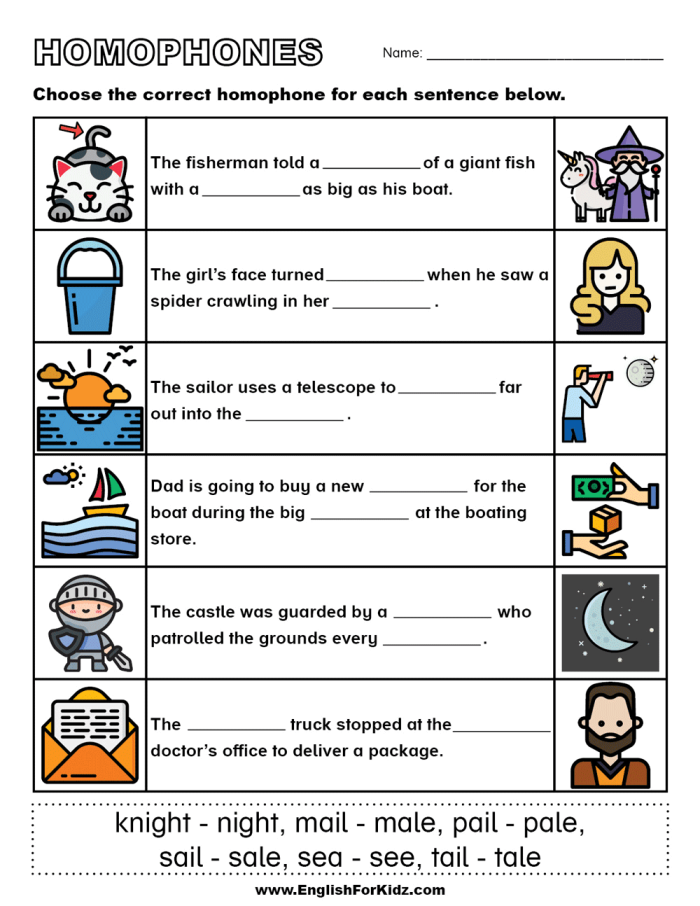
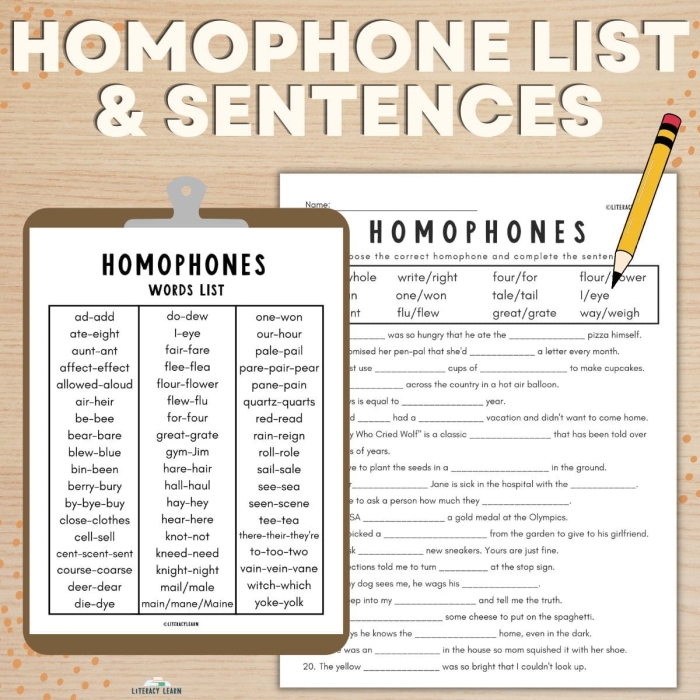
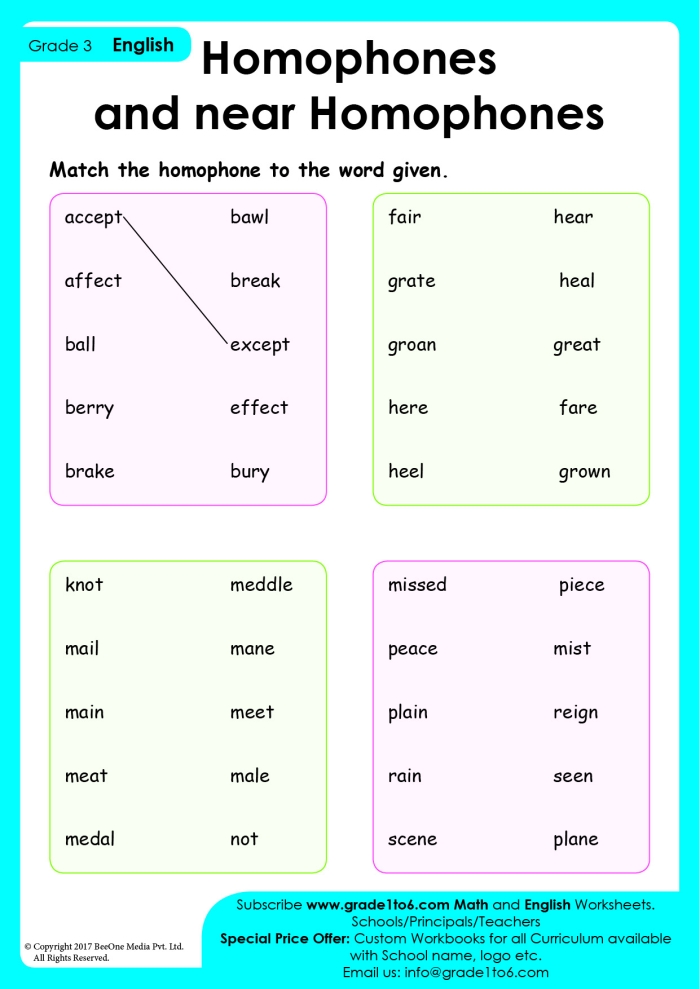
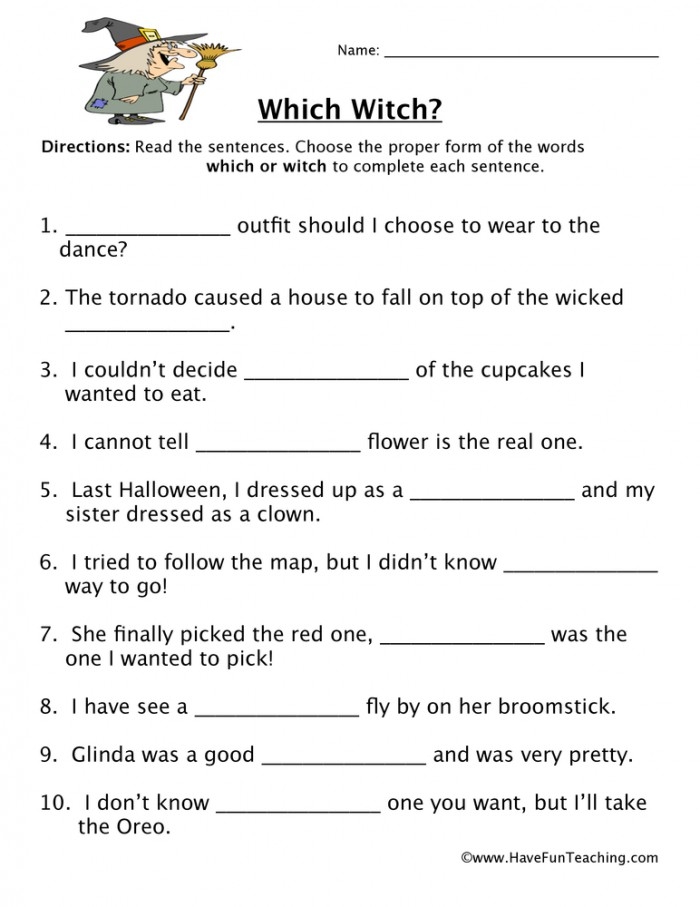
In a dictation exercise, you read a sentence aloud that contains pairs of homophones, and students must write down the correct word in context. For example, you might say, “The pair of shoes was on sale,” and students should know to write “pair” instead of “pear.” Such exercises not only test their understanding but also reinforce the proper usage of these tricky words. You can even create printable worksheets that include various sentences for students to practice at home or in class.
After the dictation, reviewing the answers as a class can be very beneficial. Discussing why certain homophones fit in specific contexts helps students grasp the nuances of each word. For instance, illustrating the difference between “to,” “too,” and “two” through practical examples can enhance their understanding. Engage students by asking them to come up with their sentences using these words, which further solidifies their knowledge.
Practicing with homophones not only improves their vocabulary but also builds confidence in their writing. So, if you want to ensure your second graders master this essential skill, incorporating targeted exercises like the homophone dictation is a step in the right direction. To explore more engaging reading activities, check out worksheets like How to Use Kind Words or How Are Rainbows Formed.
Practice with These Worksheets