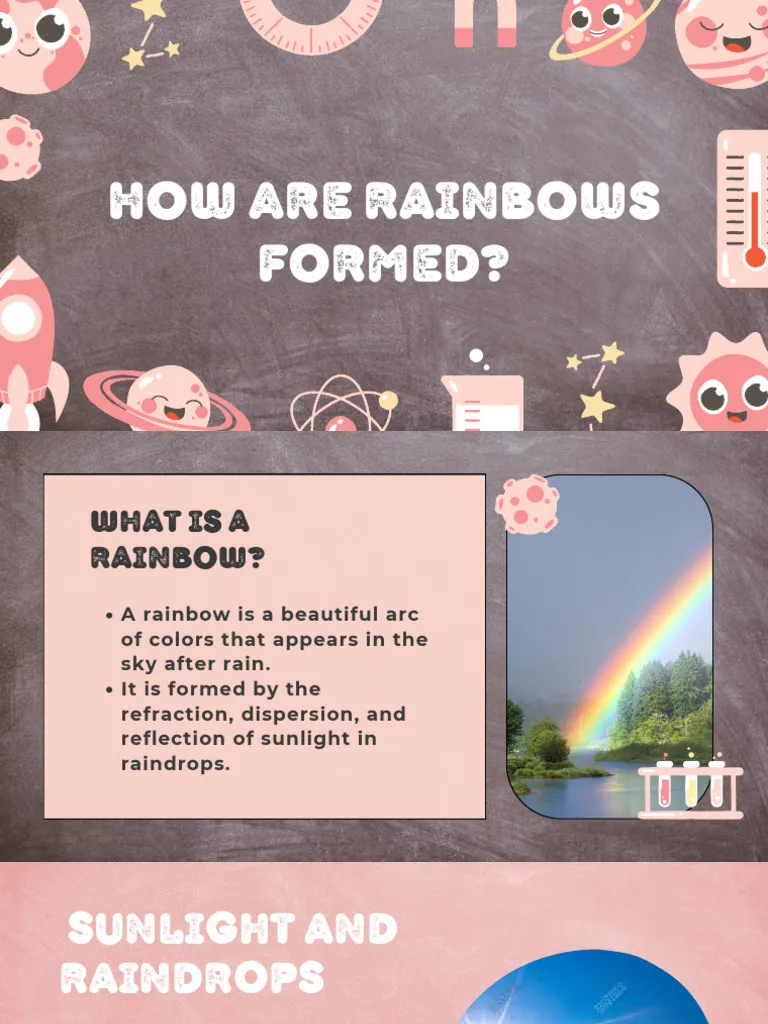
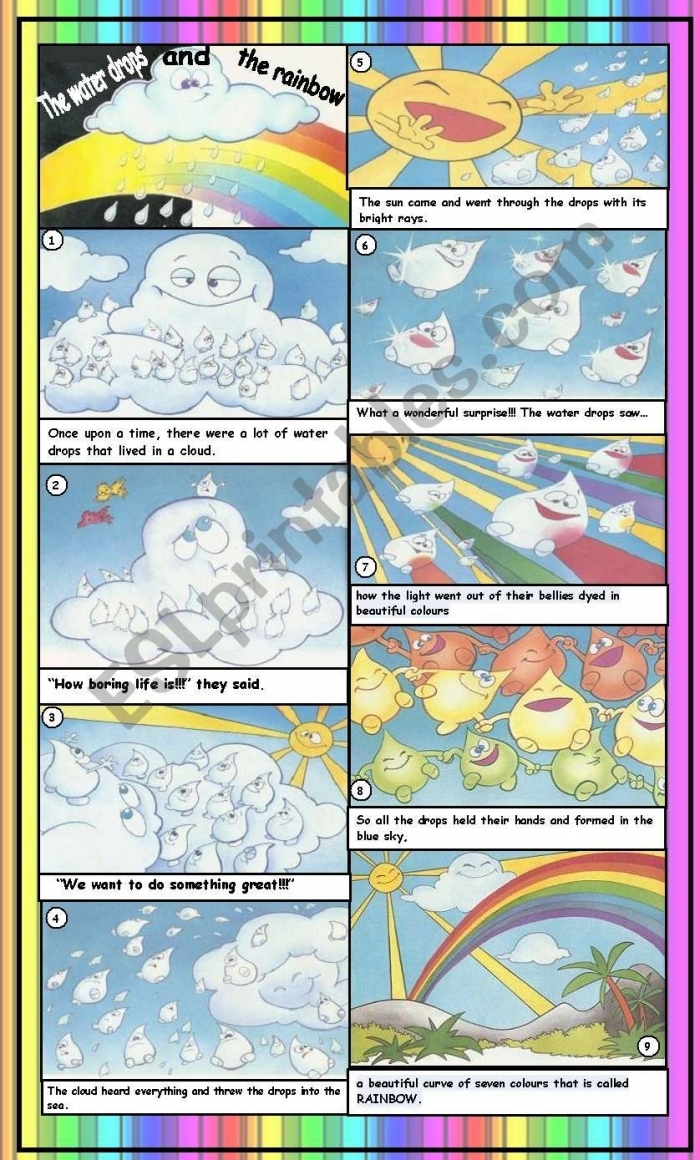
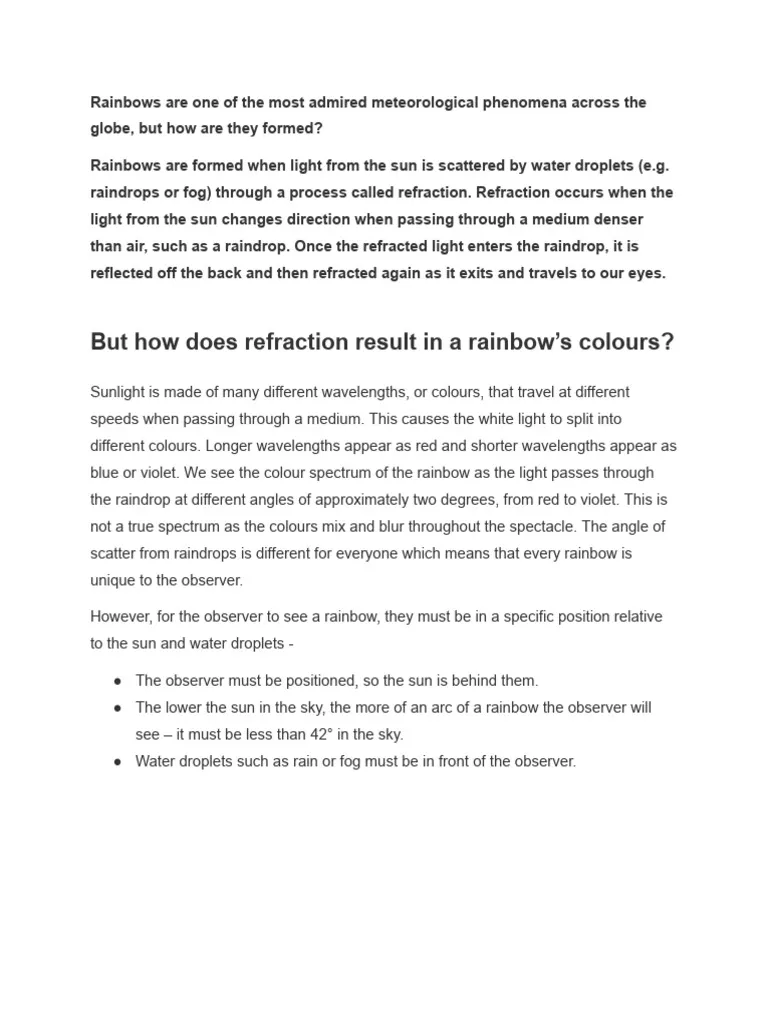
Have you ever wanted to bring a bit of magic into your home? Creating your very own rainbow is easier than you might think! Using simple materials like light and water, you can observe this beautiful natural phenomenon right in your living room. This hands-on science experiment is perfect for second graders eager to learn about how rainbows are formed.
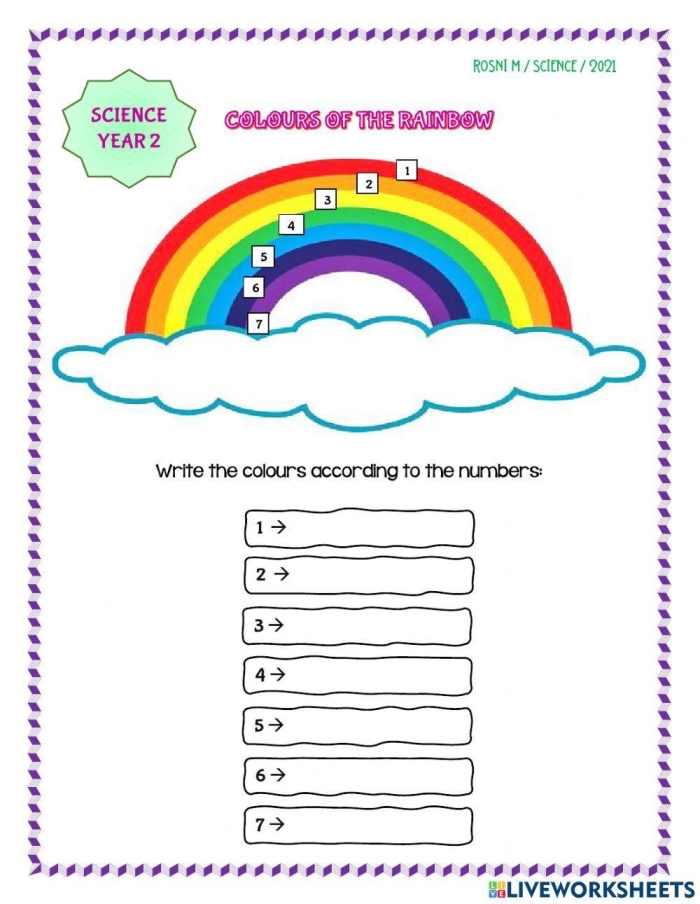
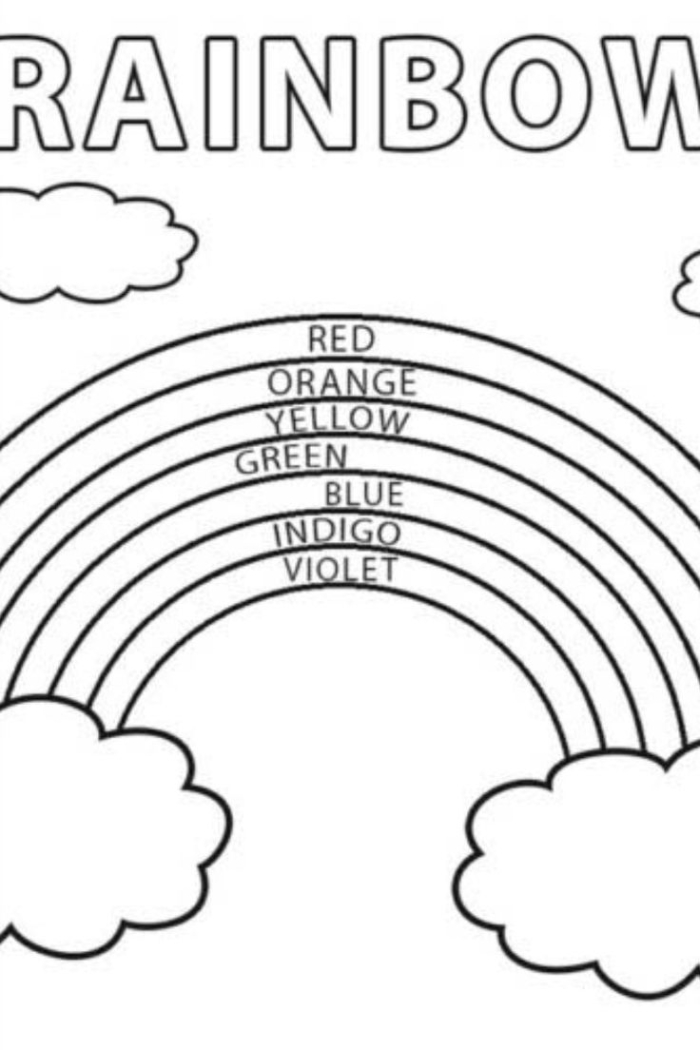
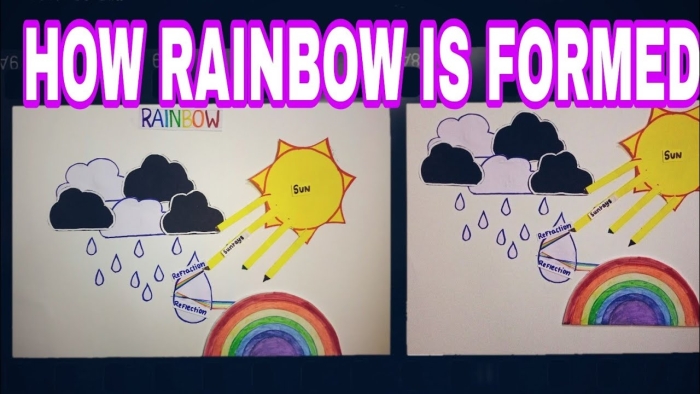
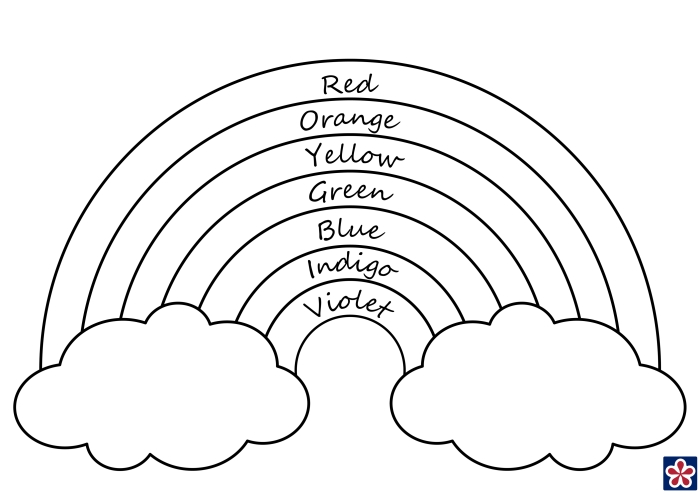
To get started, all you need is a glass of water, a sunny day, and a white piece of paper. First, fill the glass with water and place it on the edge of a table. Position the glass so that it catches the sunlight. Now, take the white paper and hold it at an angle behind the glass. As the light passes through the water, it bends, or refracts, creating a spectrum of colors on the paper. You’ll see red, orange, yellow, green, blue, indigo, and violet—just like a real rainbow!
This experiment not only provides a visual treat but also teaches important concepts about light and refraction. When light travels through water, it slows down and bends, which is what creates the colorful arc we associate with rainbows. It’s a perfect way to introduce second-grade students to scientific principles in an engaging manner.
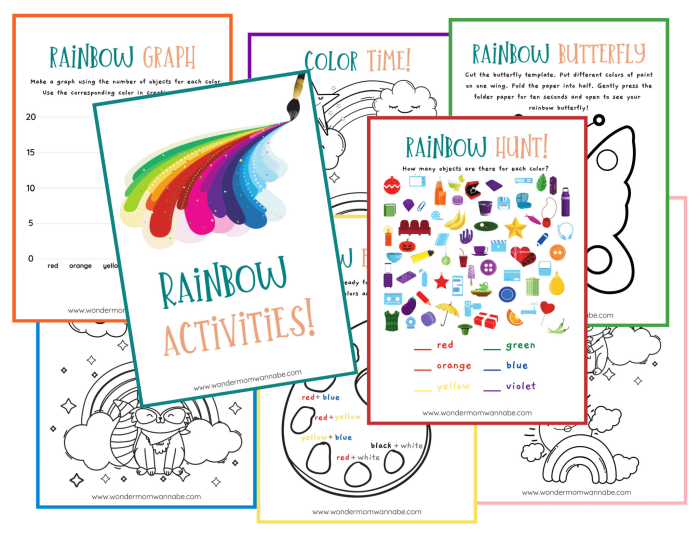
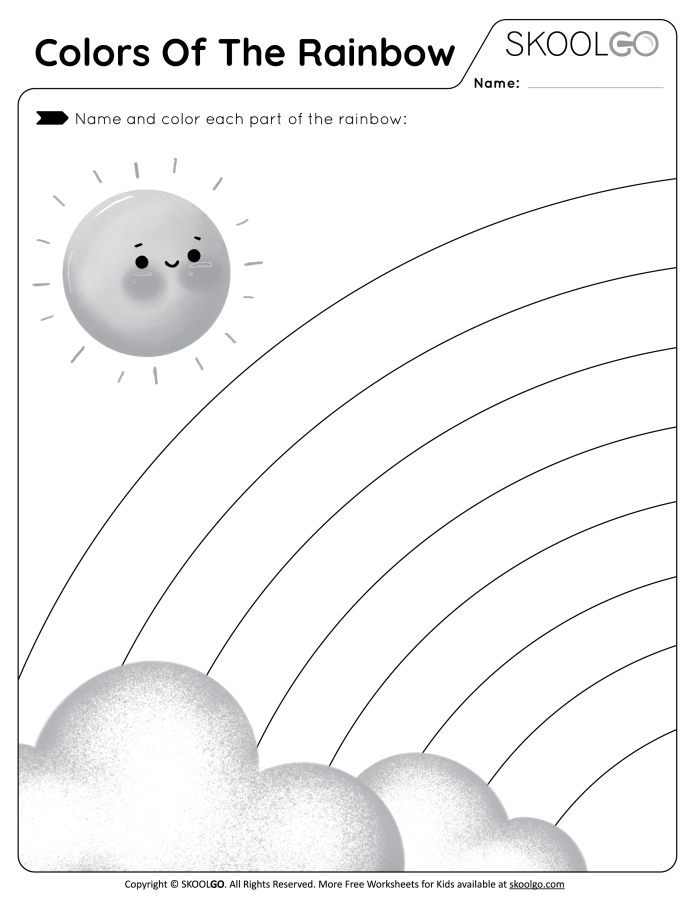
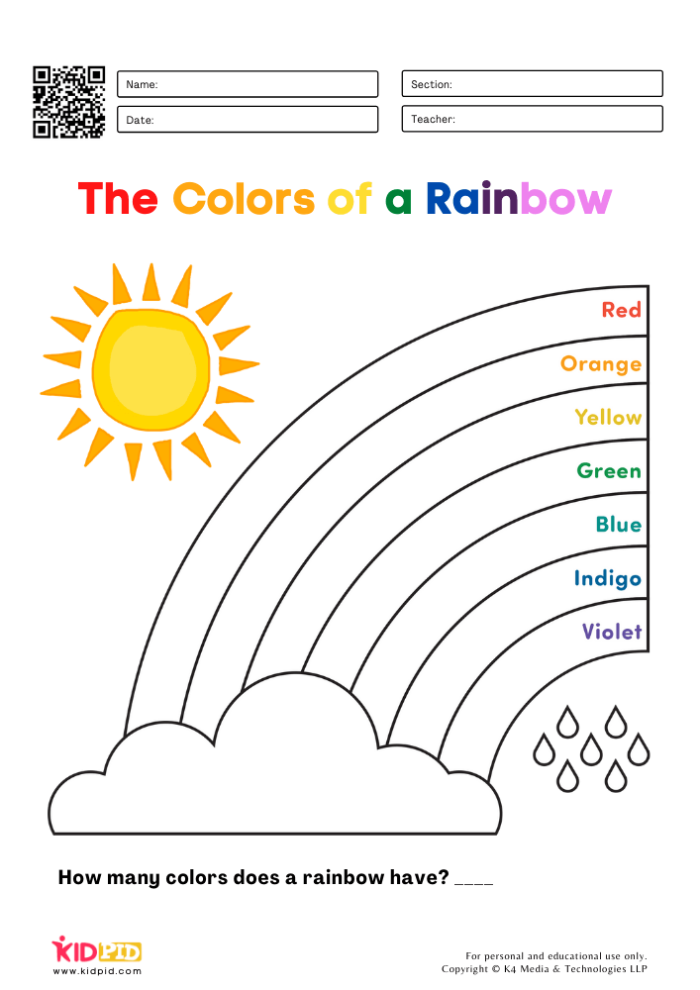
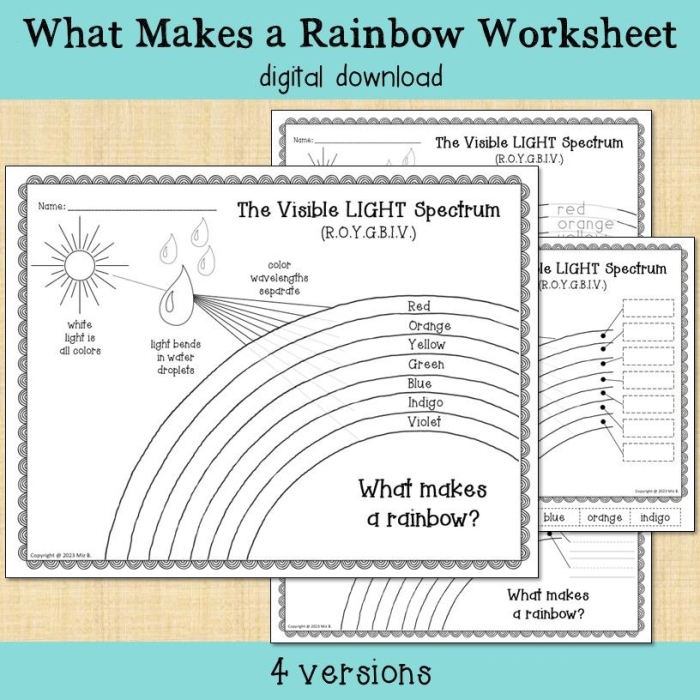
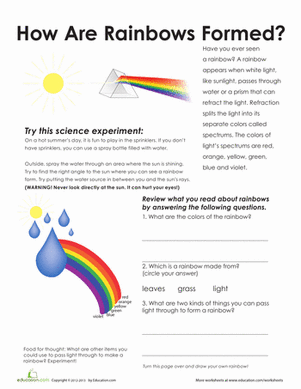
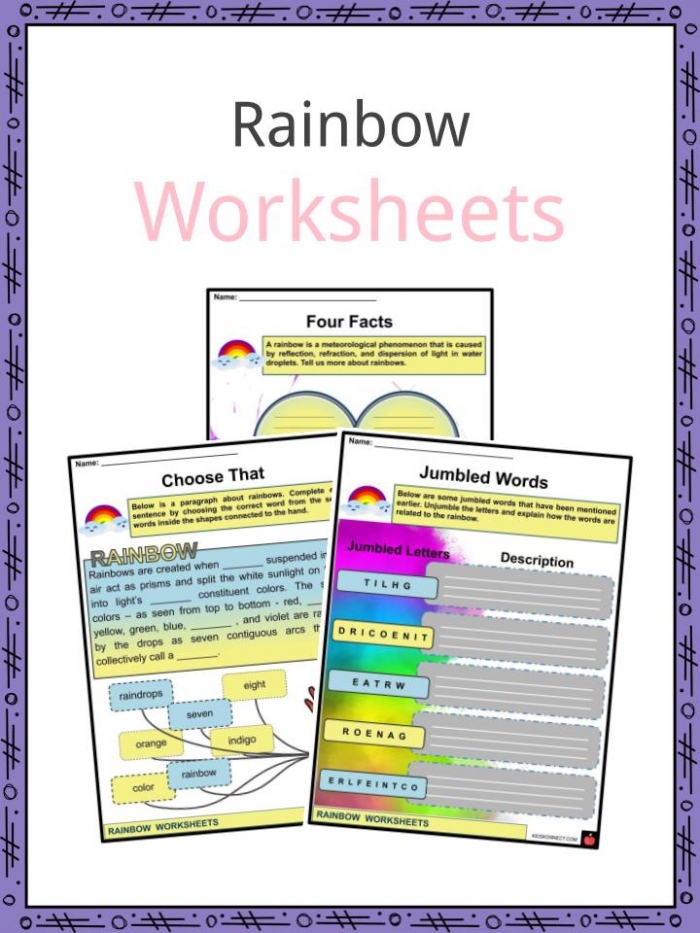
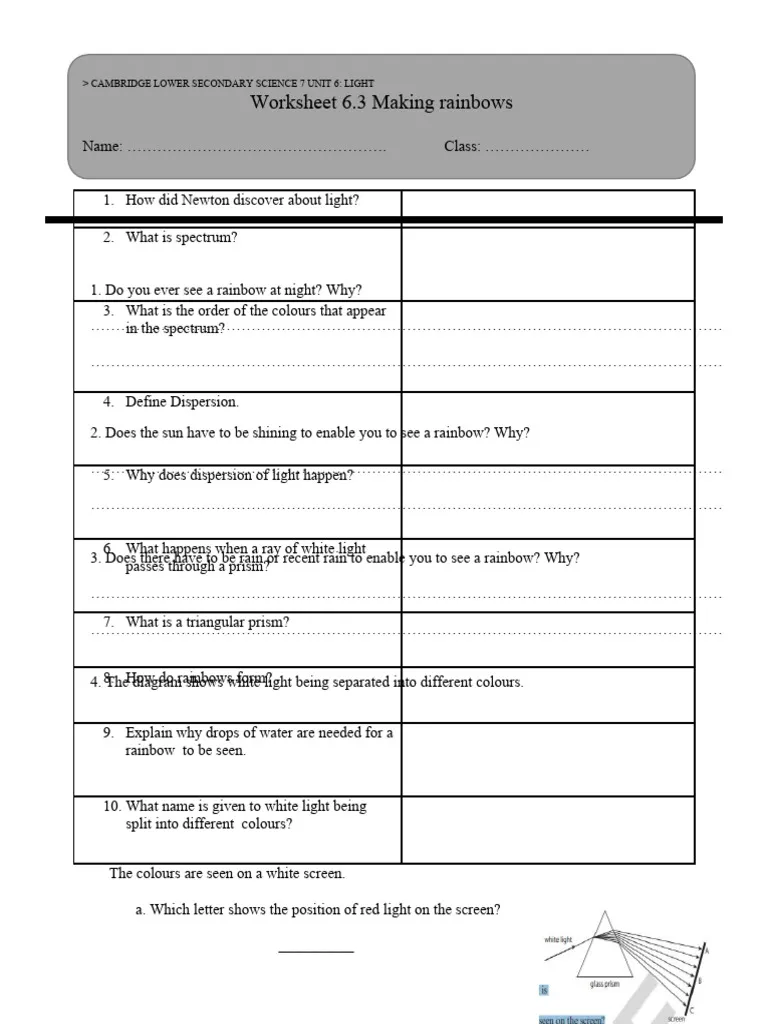
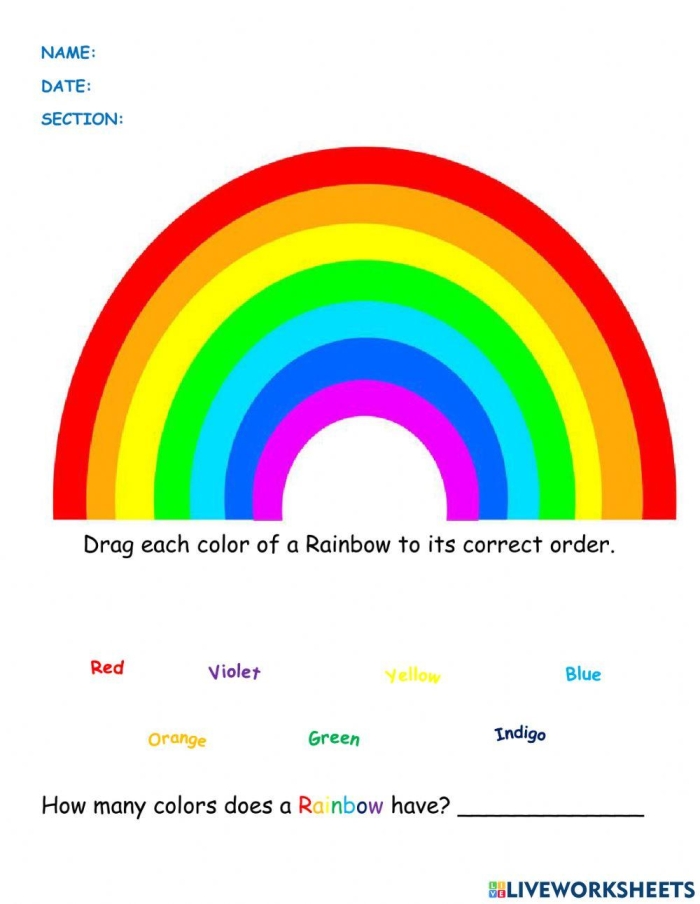
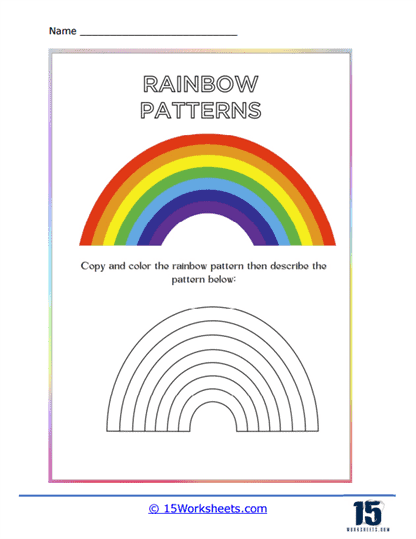
For those looking to enhance their learning experience, consider using our Printable How Are Rainbows Formed? Worksheets. These worksheets complement the experiment and reinforce reading skills while diving deeper into the science behind rainbows. Kids can connect what they see with what they learn, making the experience even more memorable.
Encouraging curiosity through experiments like this not only makes learning fun but also fosters a deeper understanding of the world around us. So gather your materials, and let the magic of rainbows unfold right before your eyes!
Worksheet Practice Section