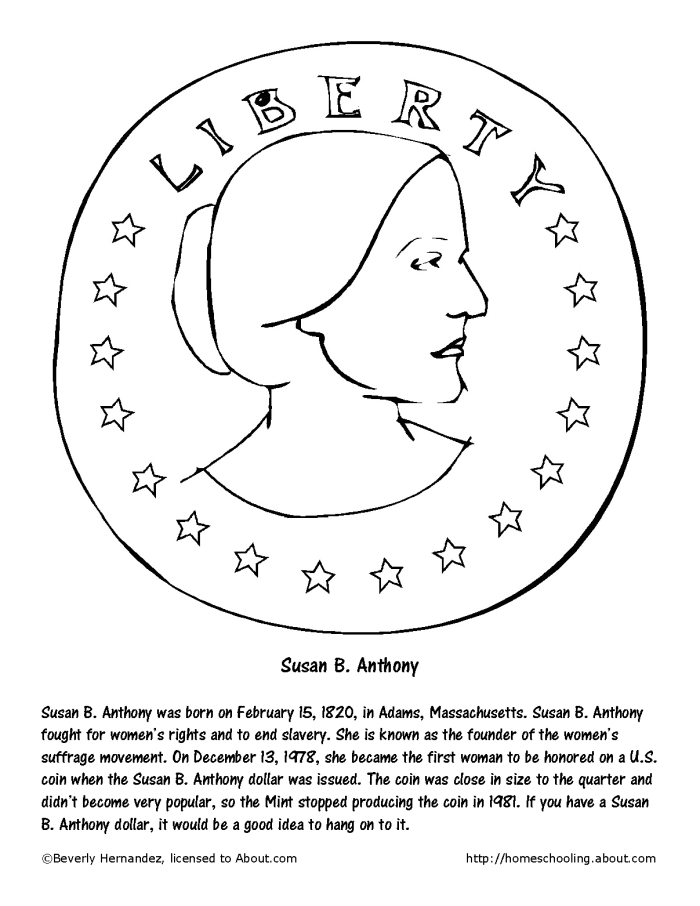
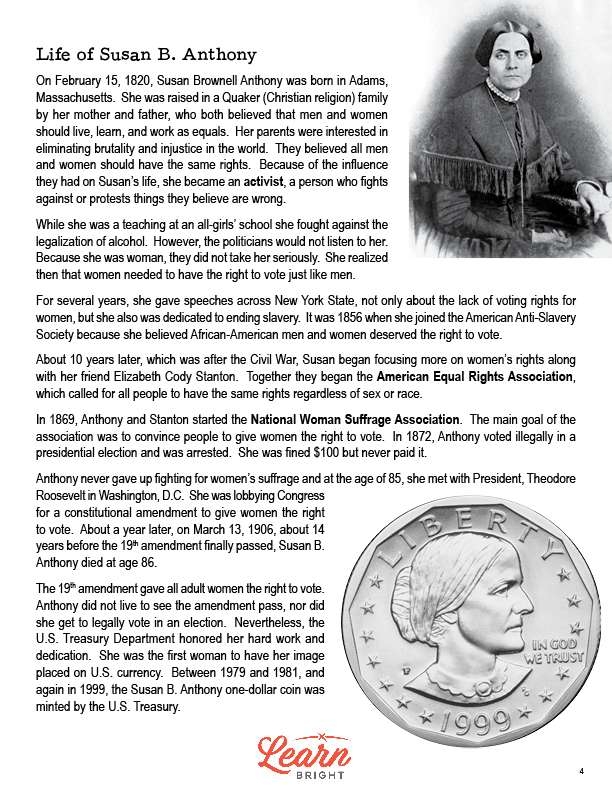
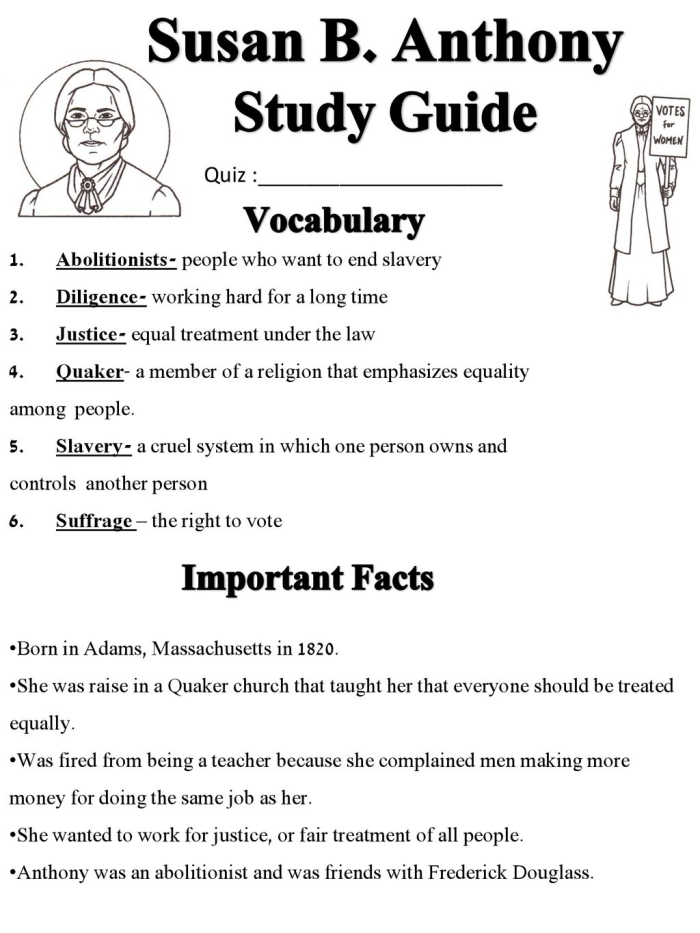
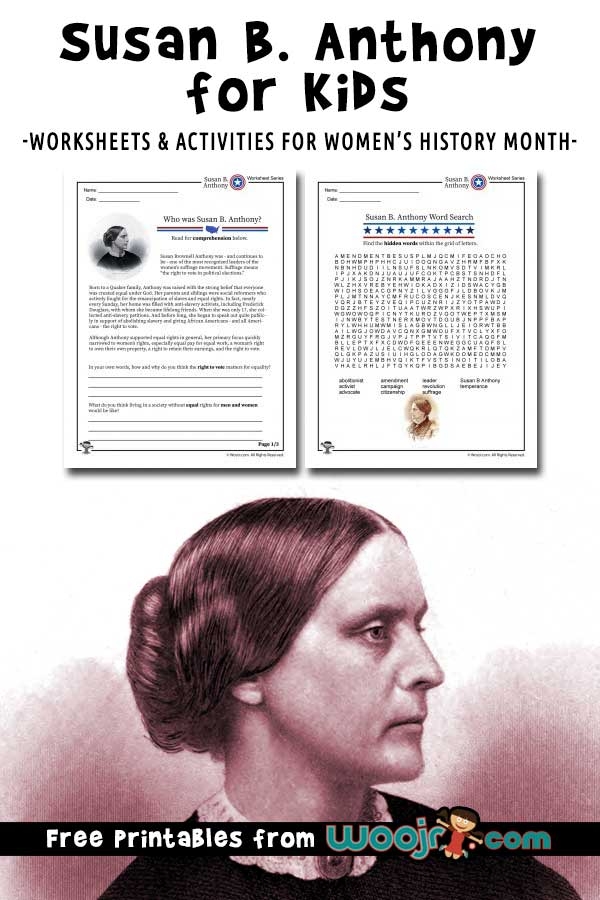
Susan B. Anthony stands out as a pivotal figure in American history, particularly for her unwavering commitment to women’s rights and the abolition of slavery. Children learning about her life and achievements gain valuable insights into the struggle for equality and justice in the United States. She was not just a suffragist; her work as an abolitionist laid the groundwork for her later activism in the women’s suffrage movement.
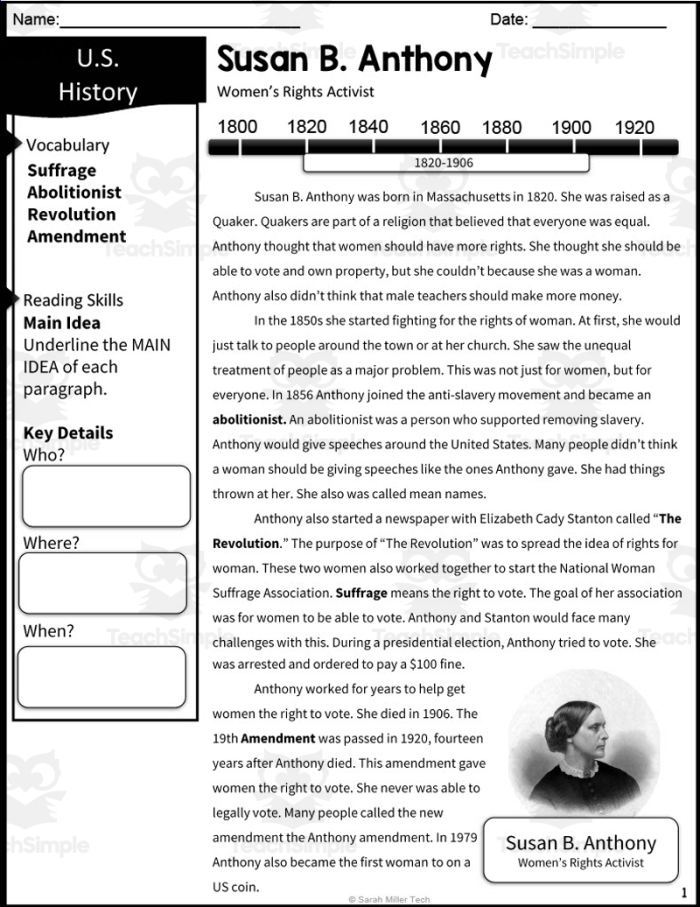
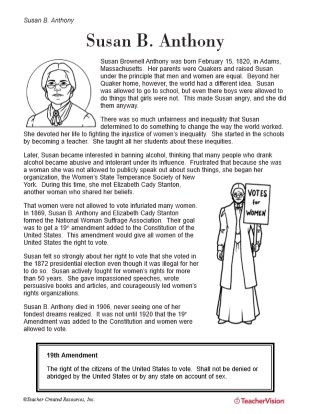
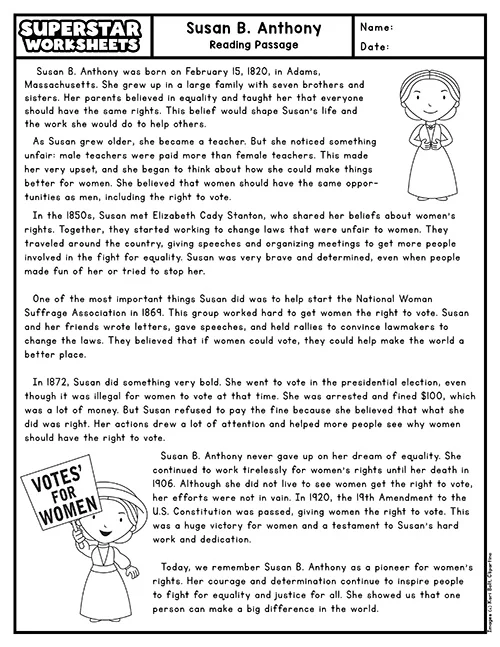
Born in 1820, Anthony grew up in a Quaker family that valued social reform. Her early activism began with the abolitionist movement, where she campaigned against slavery and fought for the rights of African Americans. It was through this experience that she recognized the parallels between the fight for freedom from slavery and the fight for women’s rights. This realization propelled her into the suffrage movement, where she dedicated her life to securing voting rights for women.
One of Anthony’s most significant contributions was the establishment of the National Woman Suffrage Association in 1869 alongside Elizabeth Cady Stanton. This organization aimed to secure women’s right to vote through a constitutional amendment. Anthony’s tireless efforts included traveling across the country, giving speeches, and organizing rallies, all while facing harsh criticism and legal challenges. For instance, in 1872, she was arrested for voting illegally in the presidential election, an act that highlighted the injustice women faced.
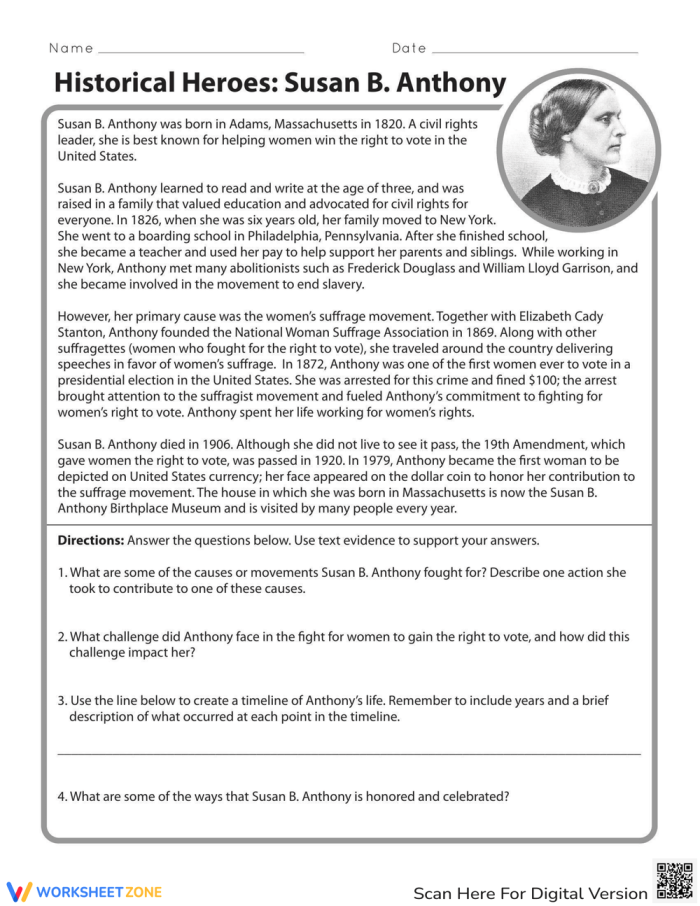
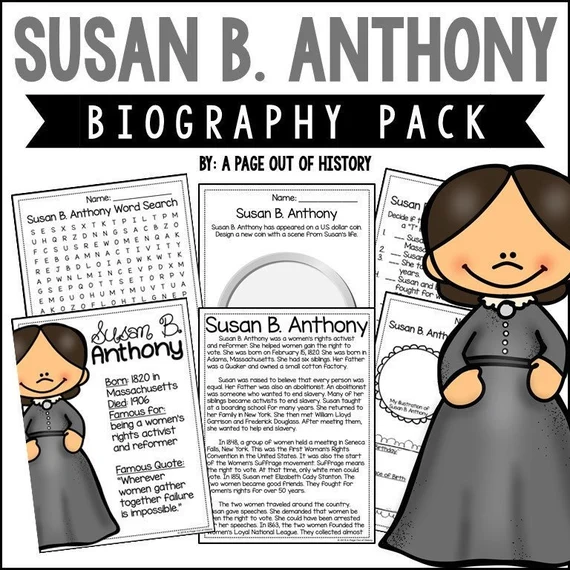
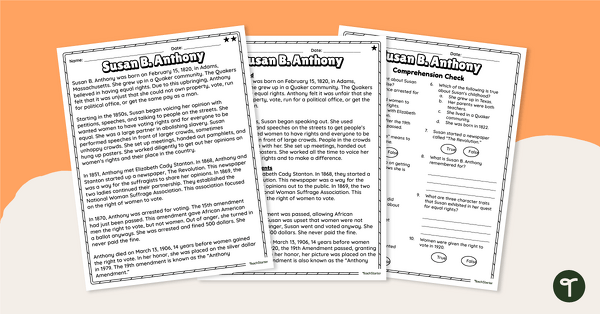
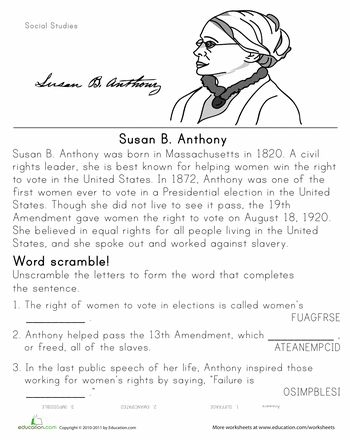
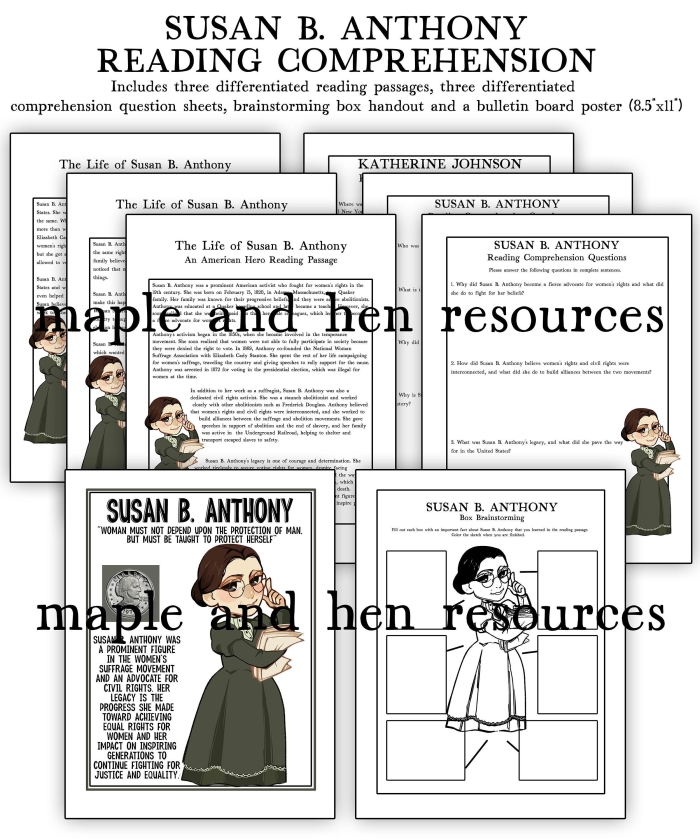
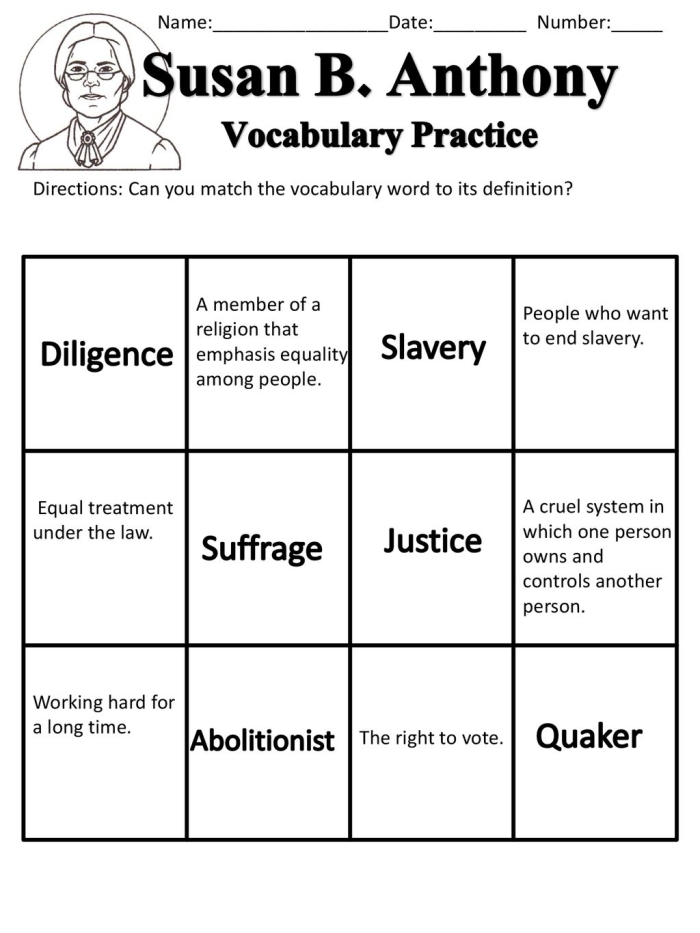
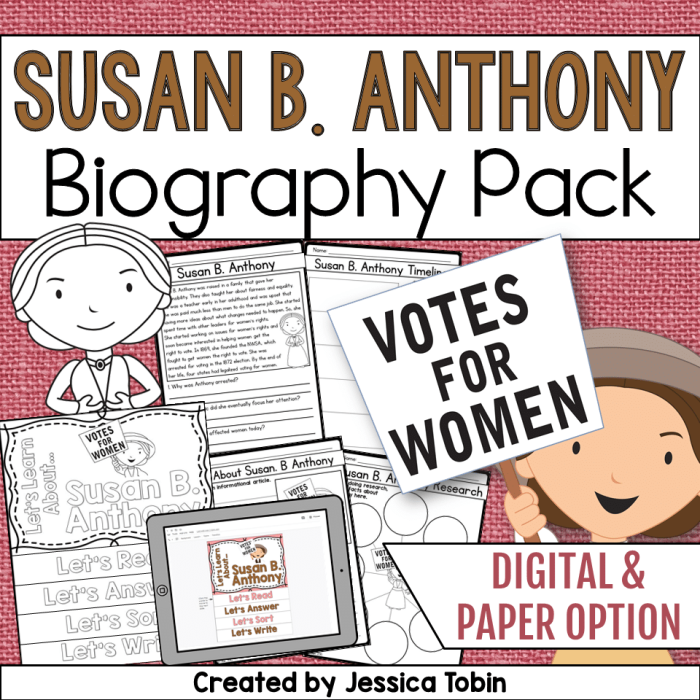
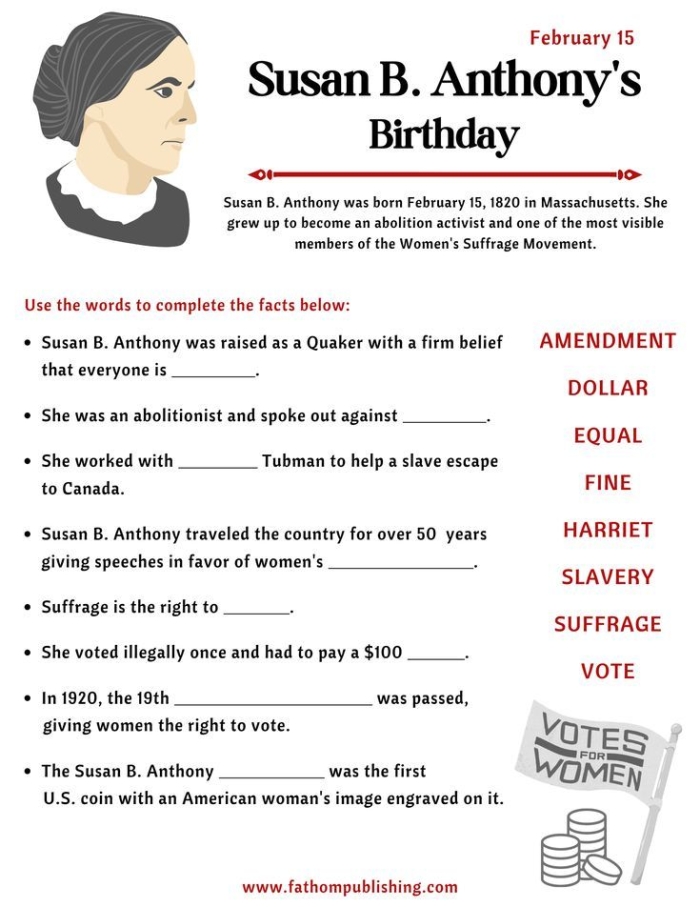
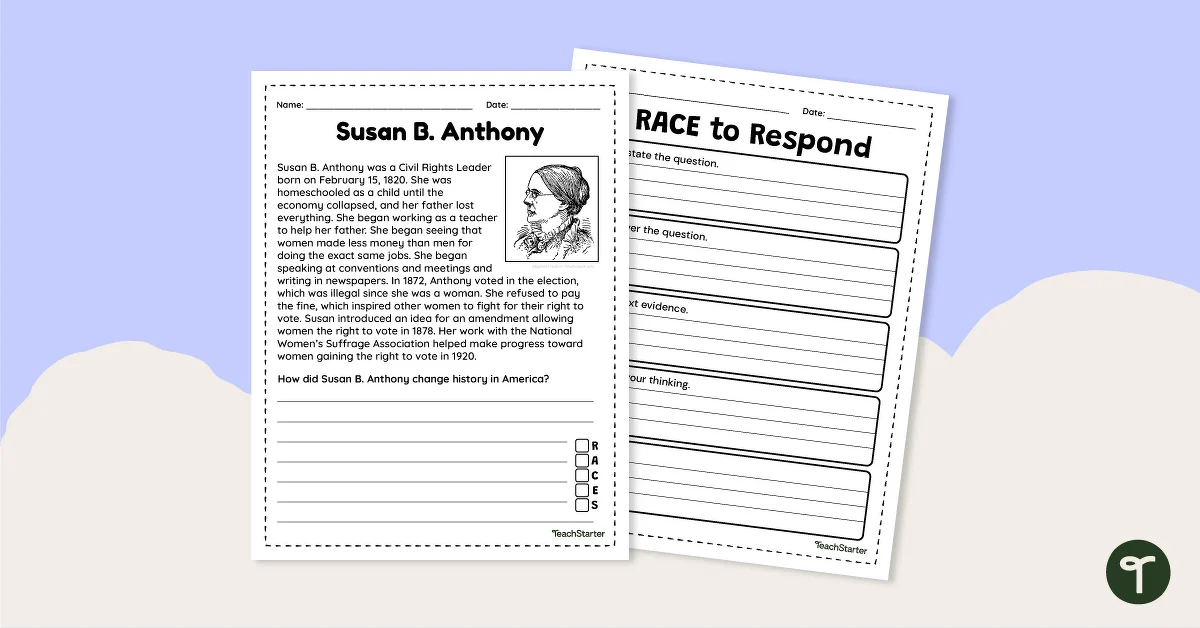
Learning about historical figures like Susan B. Anthony can be engaging and educational for fourth graders. To enhance their understanding, teachers can incorporate resources such as printable worksheets that focus on grammar and mechanics while discussing her contributions. These activities not only help students grasp the importance of her work but also improve their writing skills.
By understanding the legacy of Susan B. Anthony, children see the impact one person can have on society. Her story serves as a powerful reminder of the ongoing fight for equality and encourages young learners to think critically about civil rights today.
Download These Worksheets for Practice