Cells are the building blocks of all living things! Understanding this fundamental concept is crucial for any young scientist. To help your little one grasp the basics of cells, why not turn learning into a fun activity? Engaging directly with the subject can spark interest and excitement about science.
Start by explaining that cells are tiny units that make up every living organism, from the smallest bacteria to the largest mammals. You can compare cells to building blocks, emphasizing how they come together to form tissues, organs, and ultimately, entire organisms. This analogy makes the concept relatable and easier to understand.
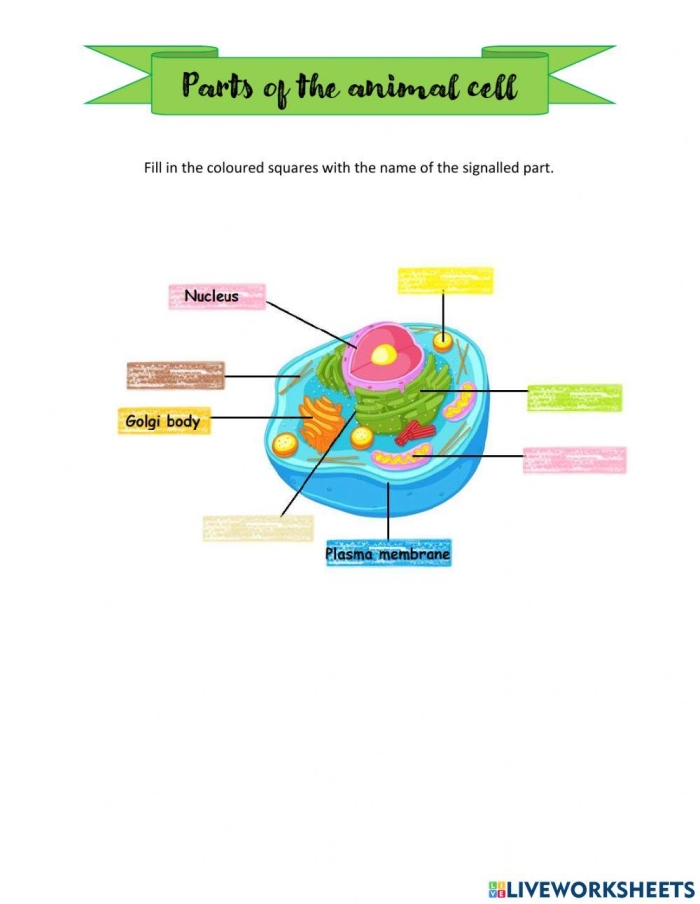
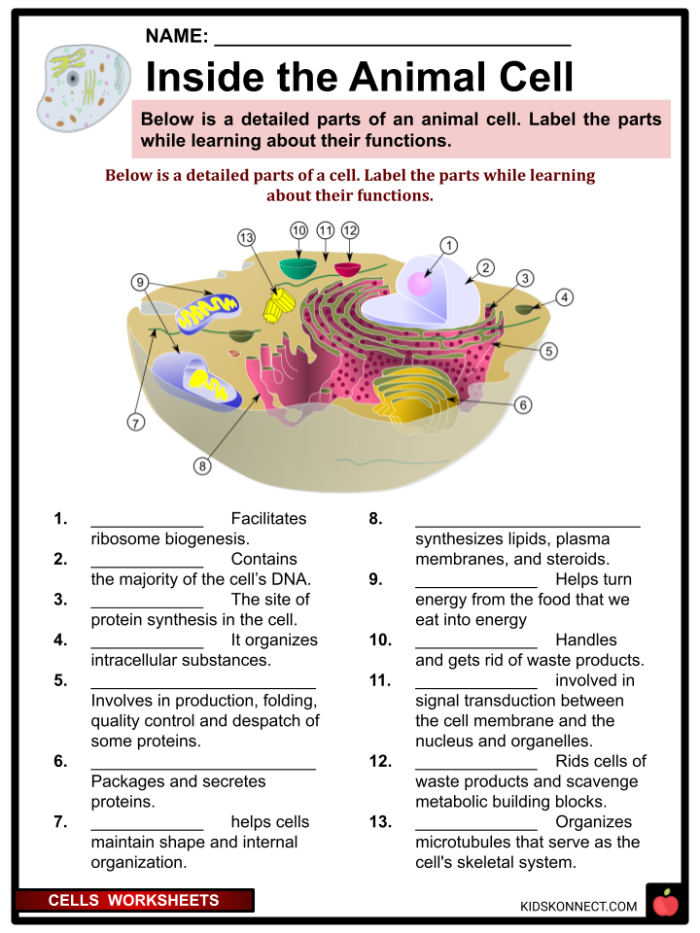
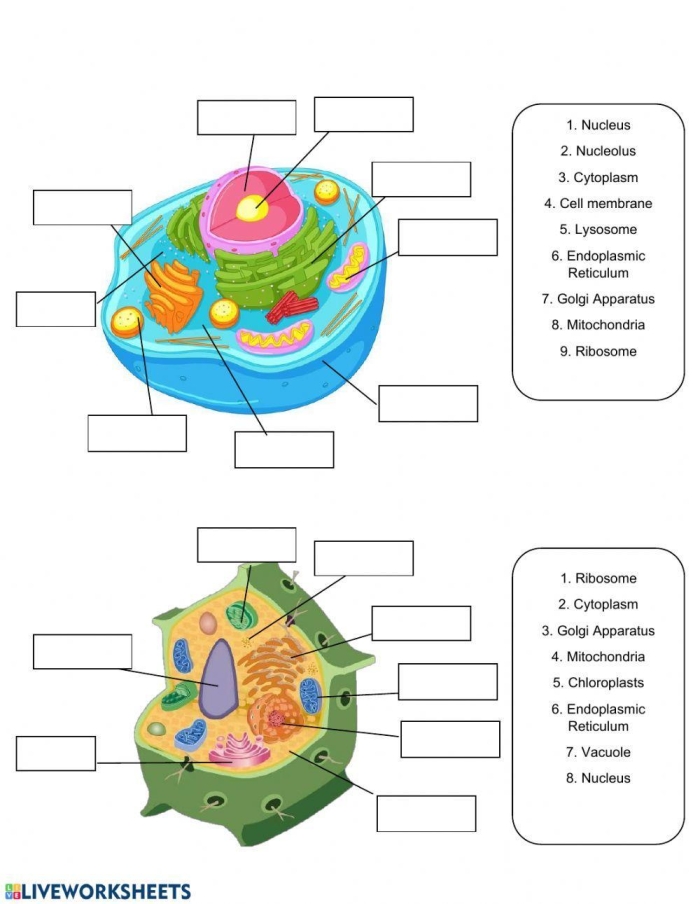
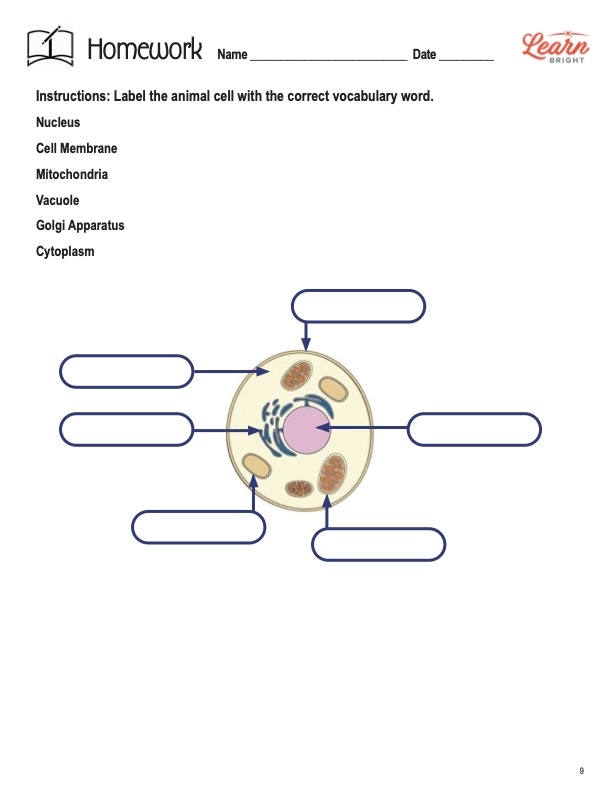
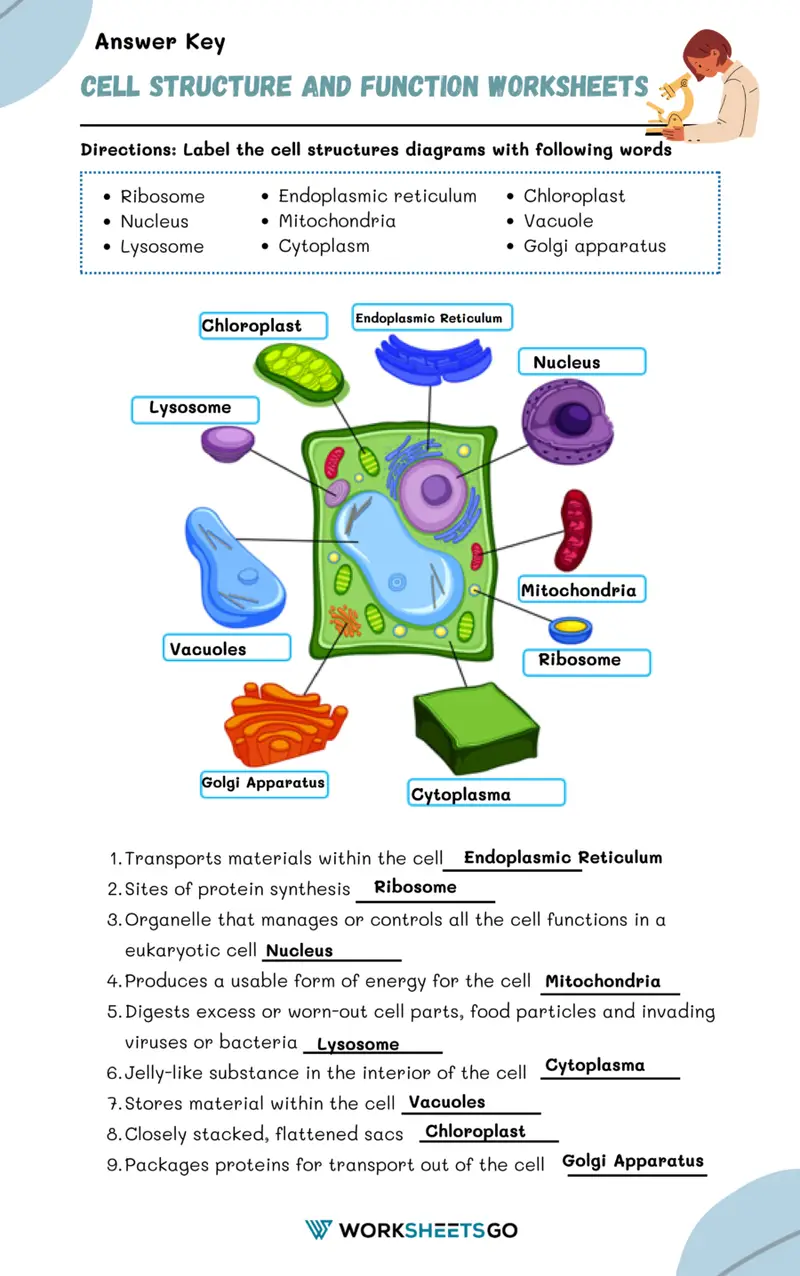
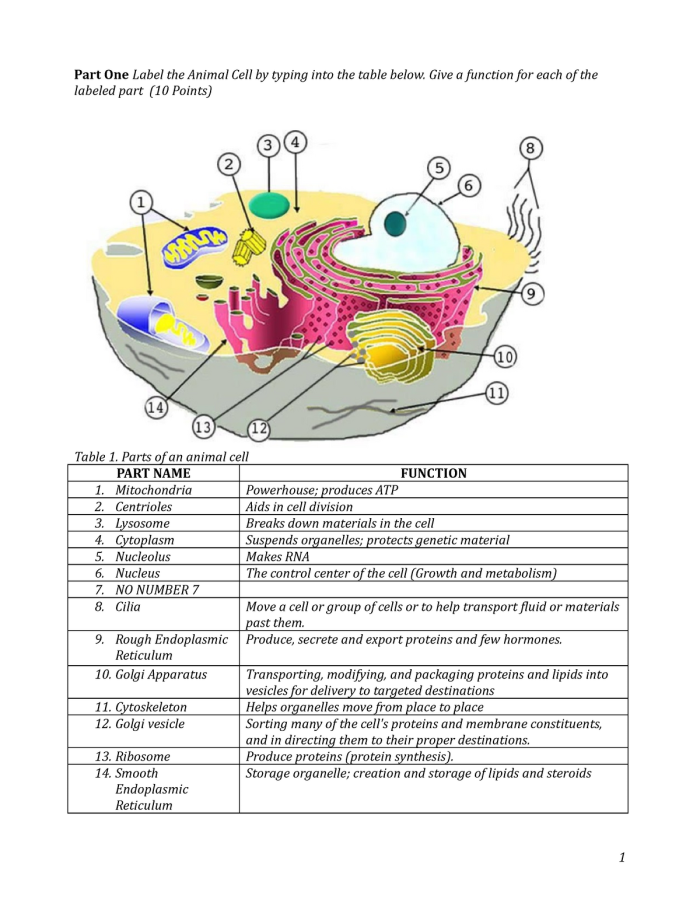
To reinforce this idea, consider a hands-on activity where your child creates a model of a cell. Using common household items like jelly, candy, or even fruits can represent different cell parts. For example, jelly can symbolize the cytoplasm, while a grape might represent the nucleus. As they assemble their model, encourage them to identify and name each part, explaining its function. This approach not only makes learning interactive but also helps solidify their knowledge.
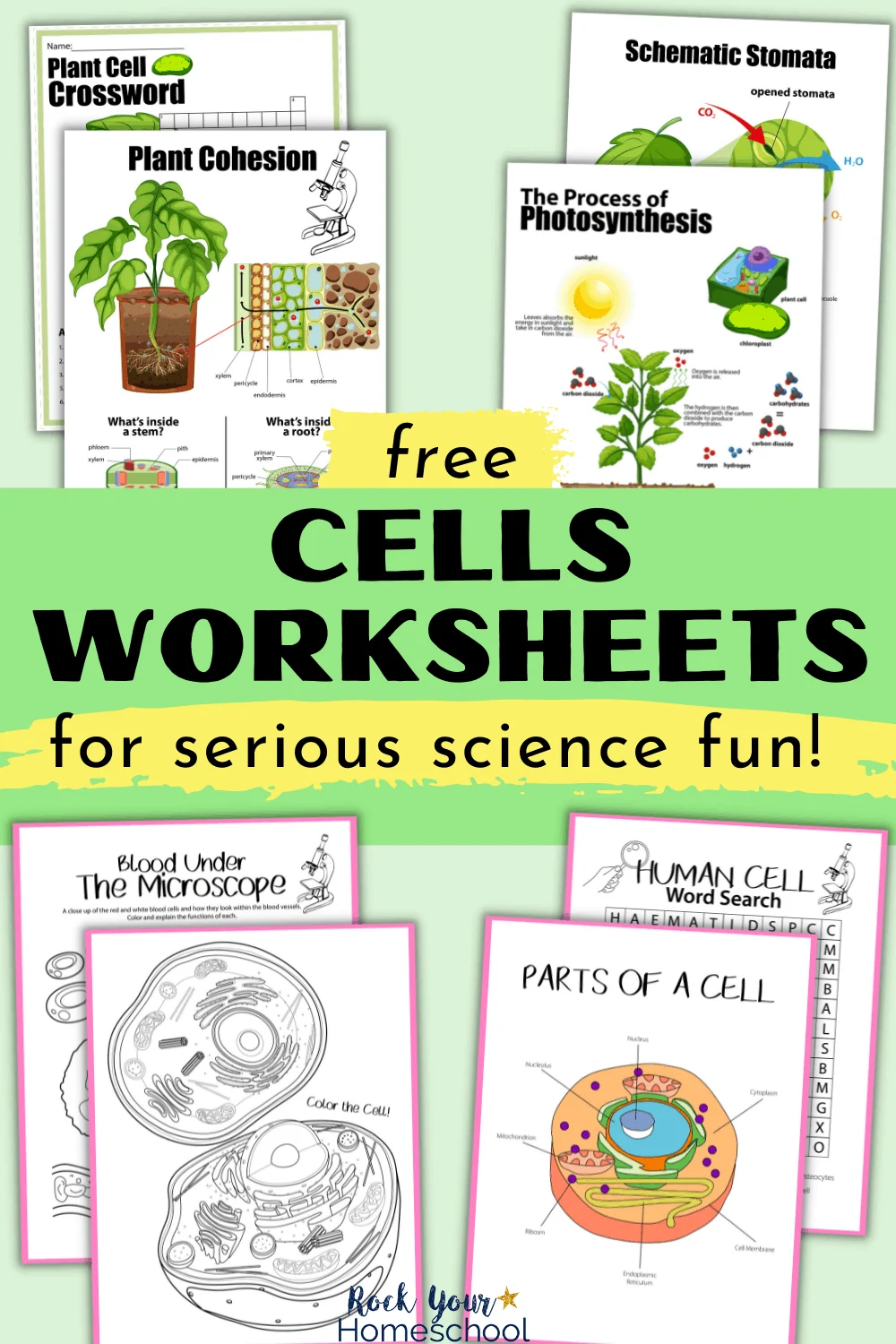
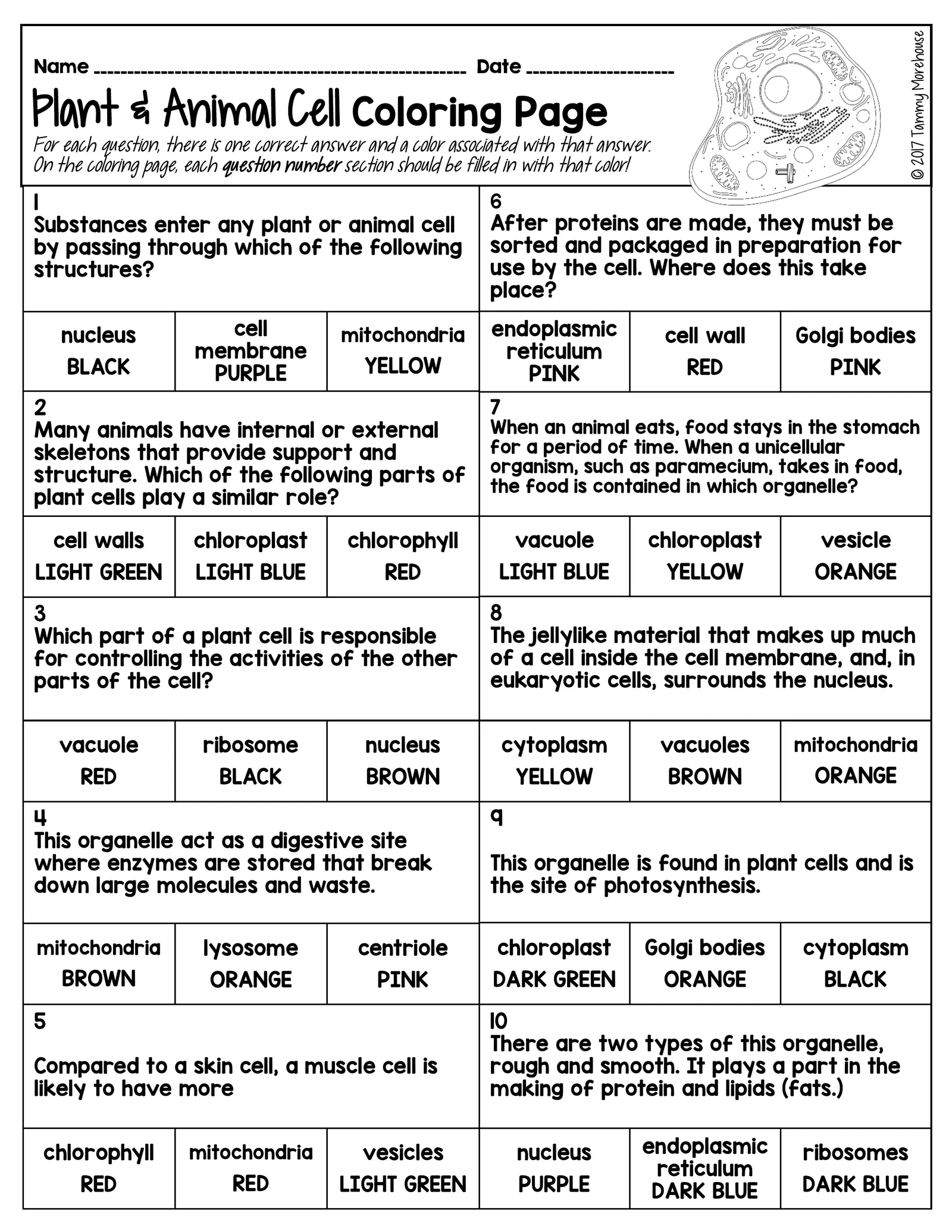
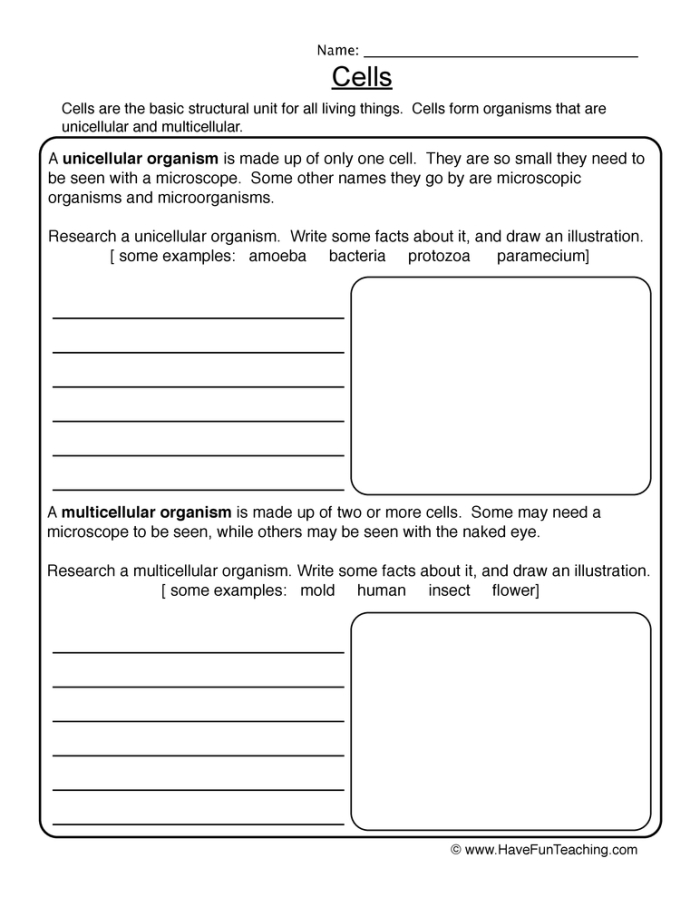
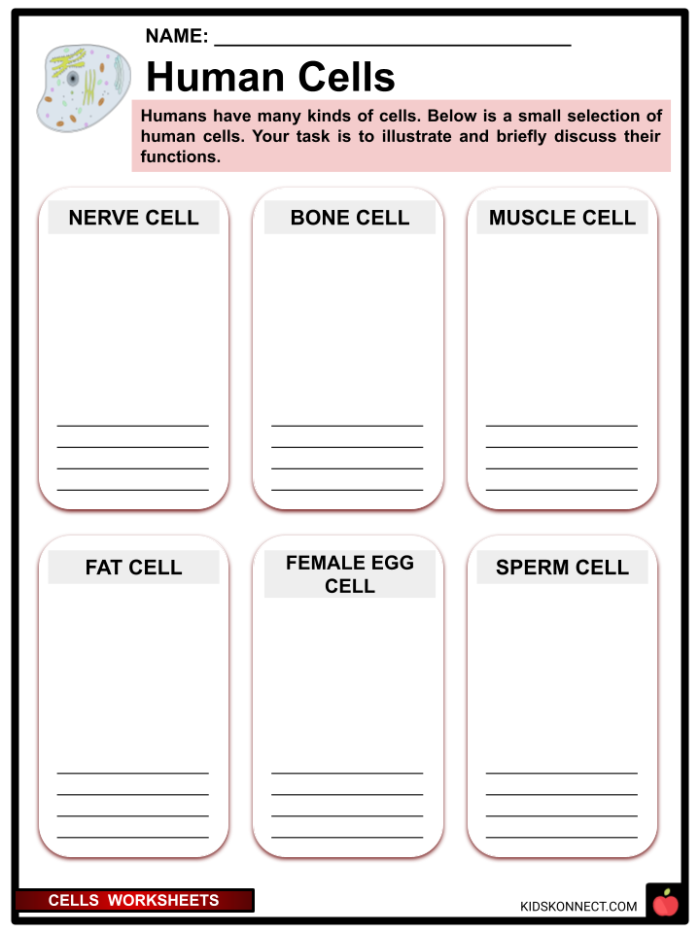
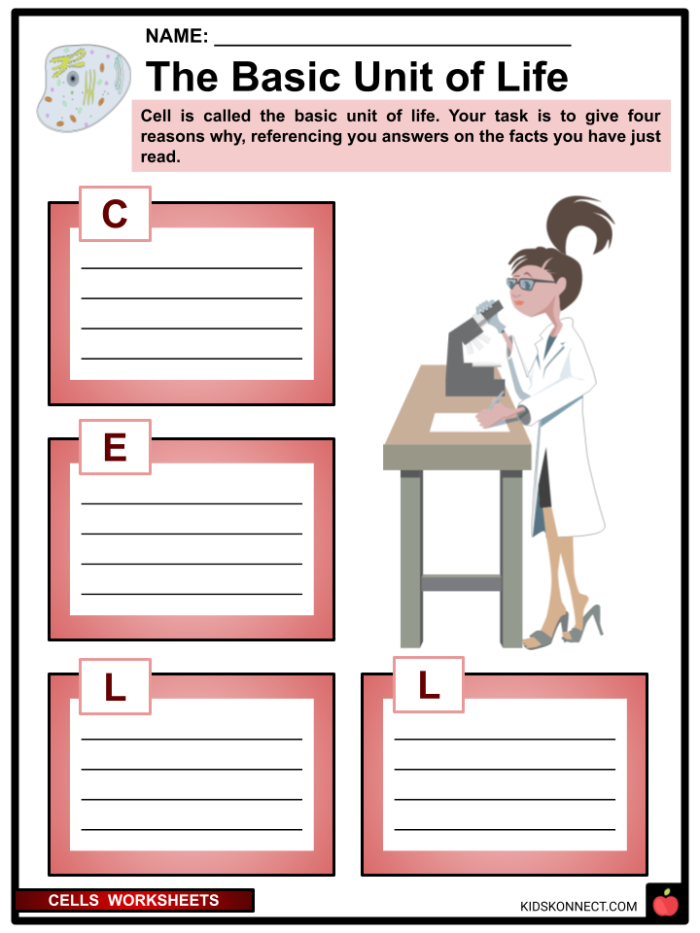
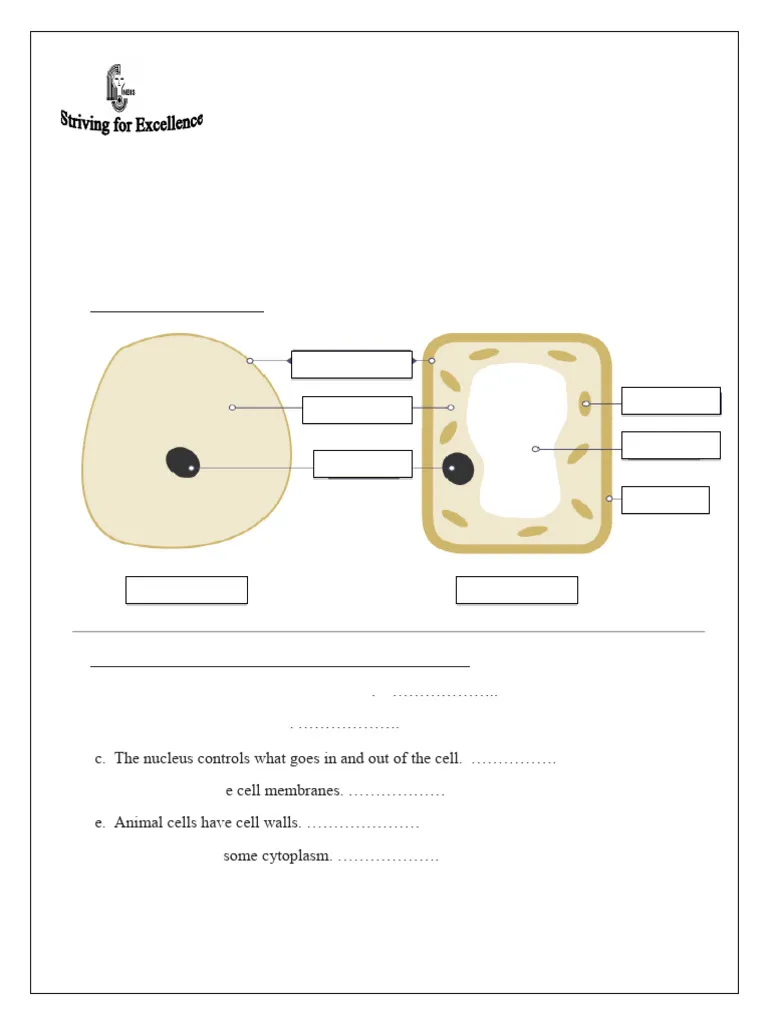
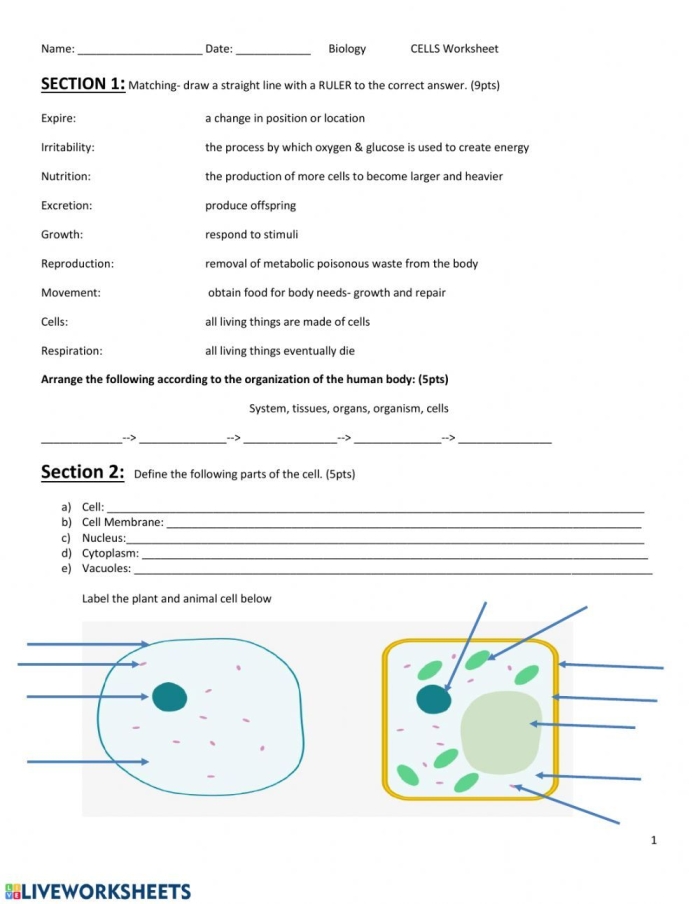
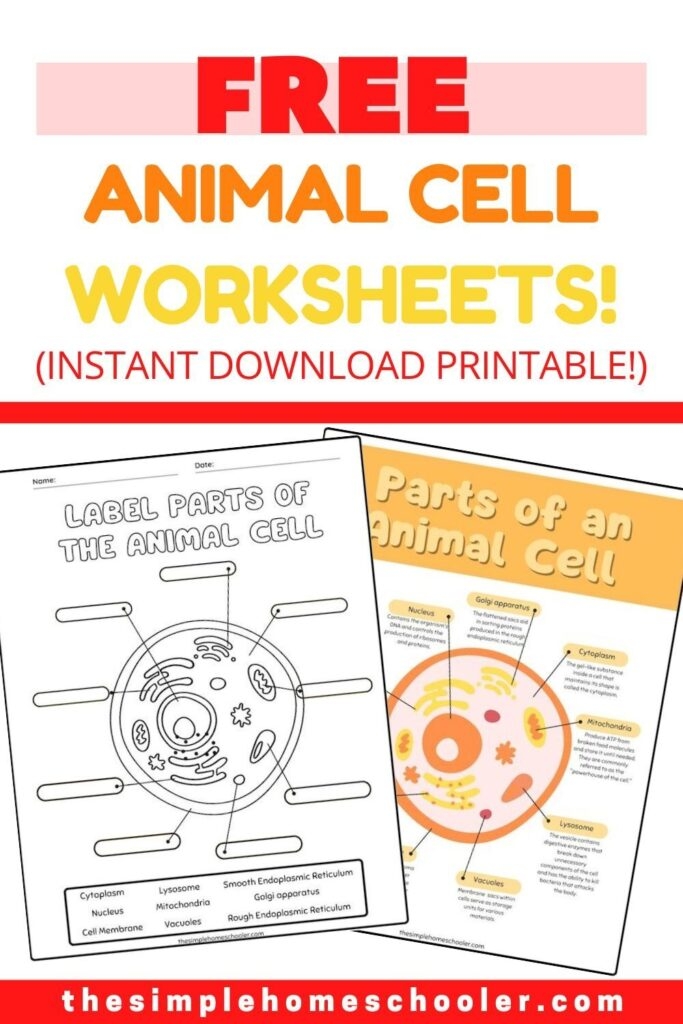
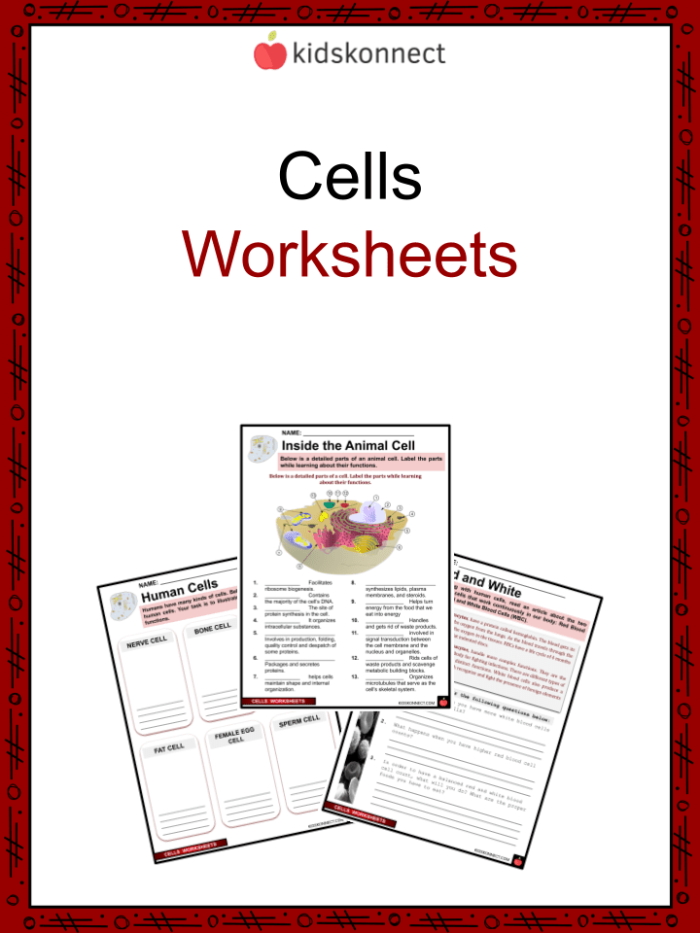
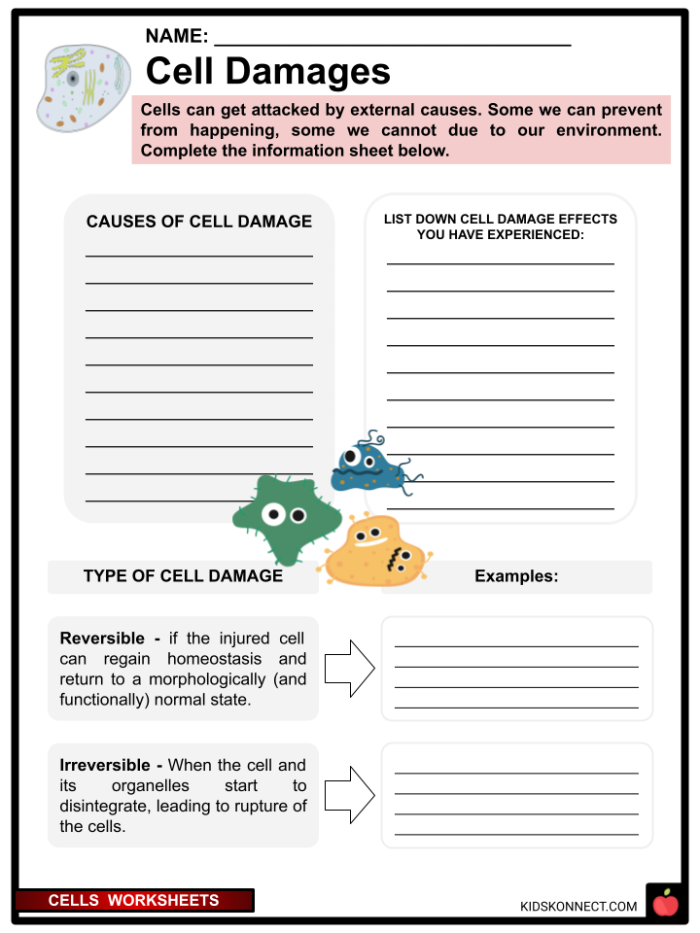
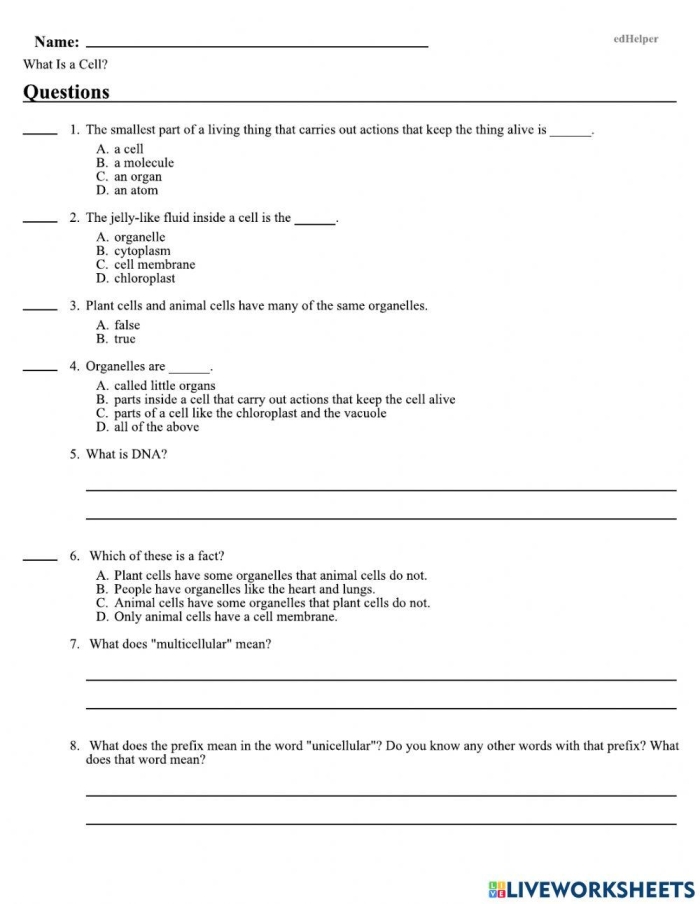
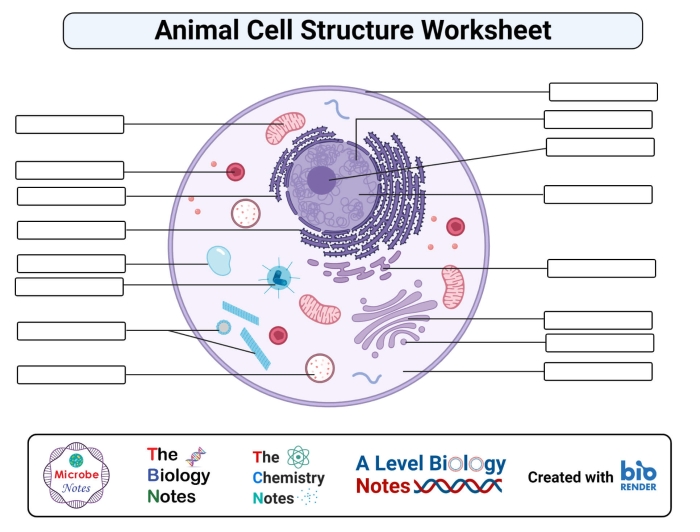
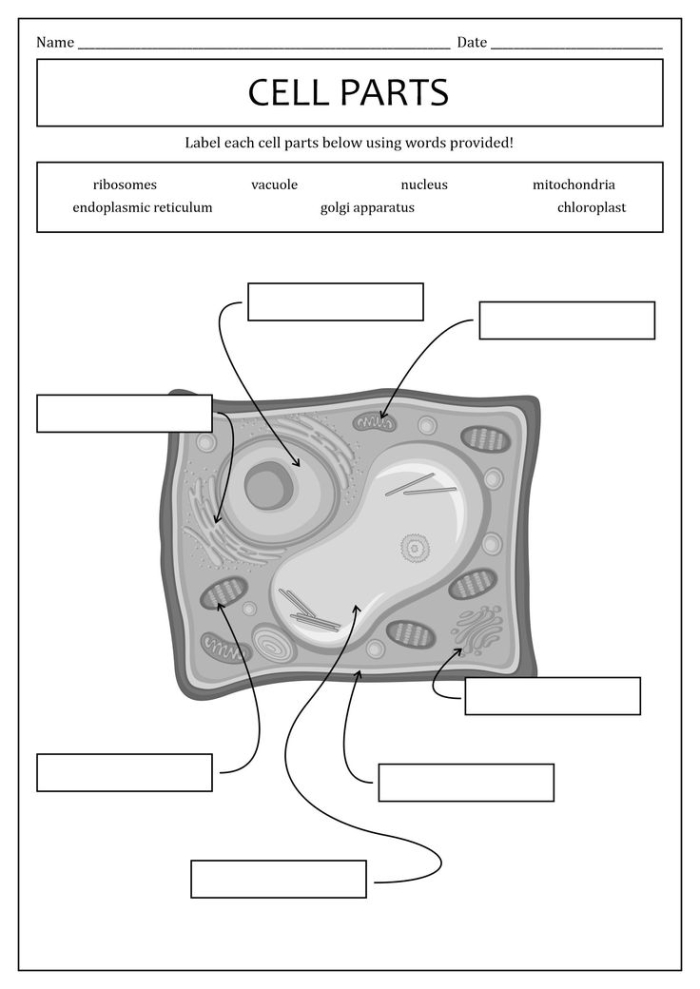
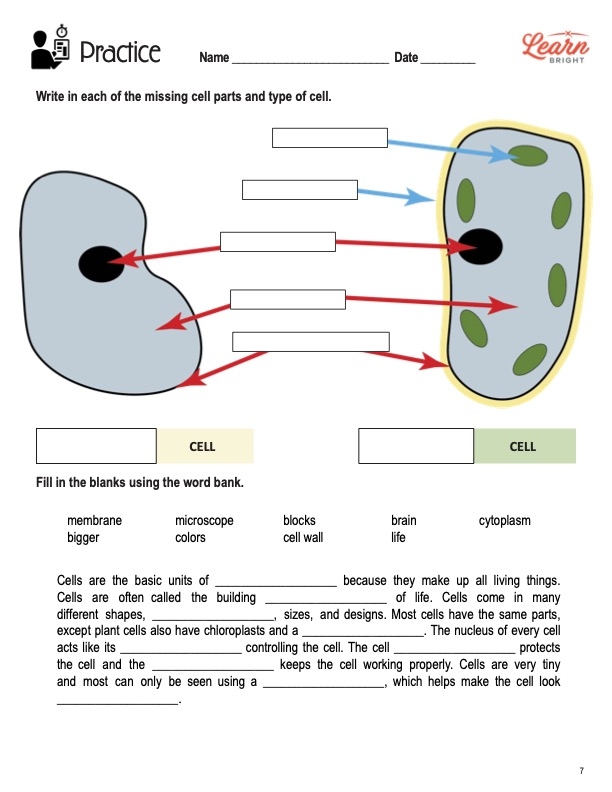
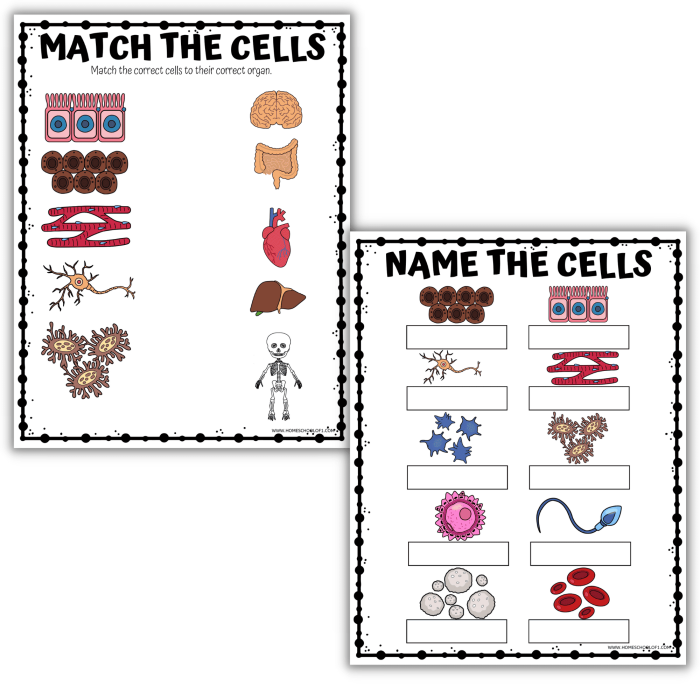
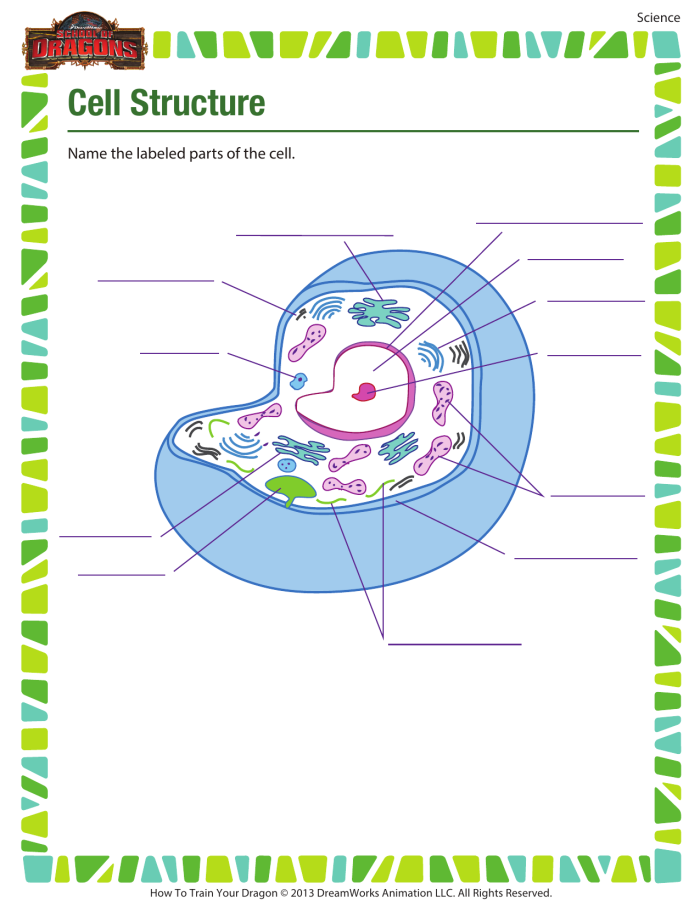
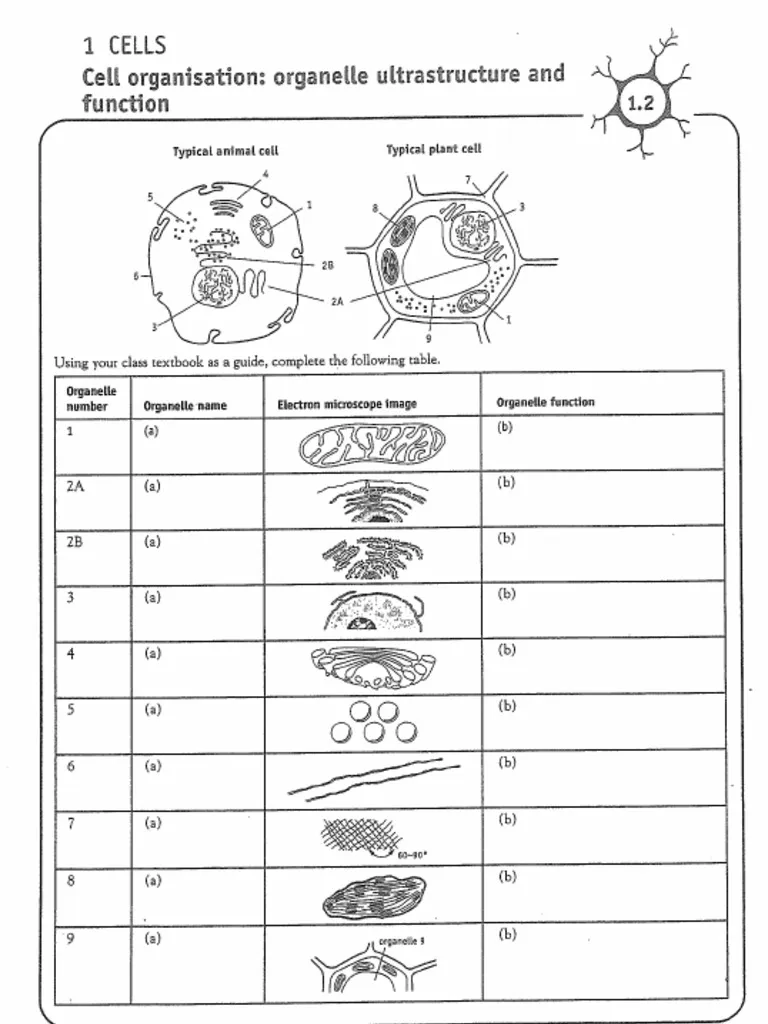
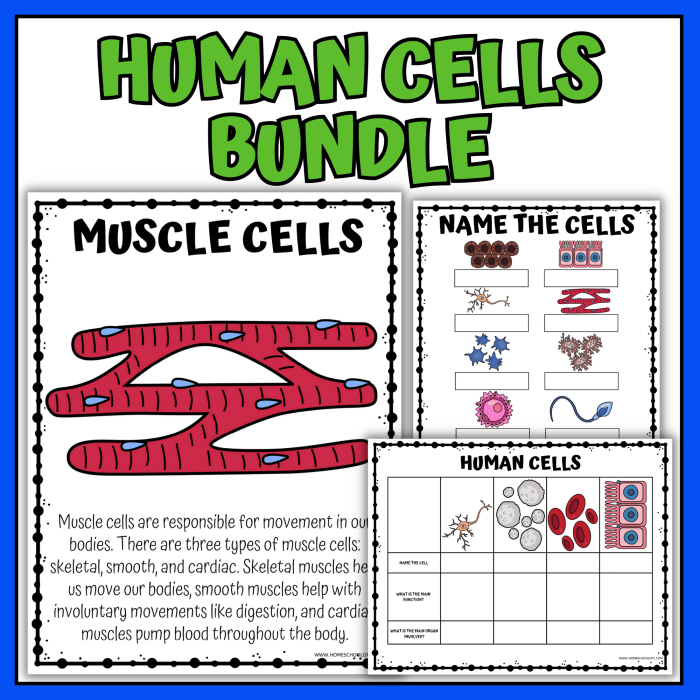
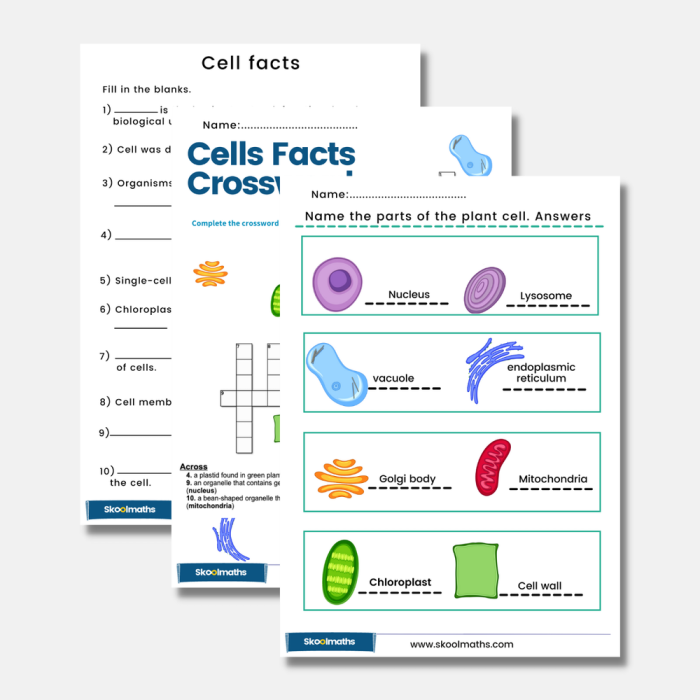
In addition to the model-making, you can introduce printable worksheets designed specifically for fourth graders. These worksheets can provide a structured way to assess their understanding of cell structure and function, reinforcing the concepts learned through the activity. Worksheets like those on geology or division problems can complement their learning experience.
By engaging in this fun activity, your child will not only learn about cells but also develop a love for science. It’s a great way to encourage curiosity and exploration in young learners, setting a solid foundation for their future studies. So gather those supplies and let the fun begin—learning about cells has never been so enjoyable!
Grab These Worksheets Now