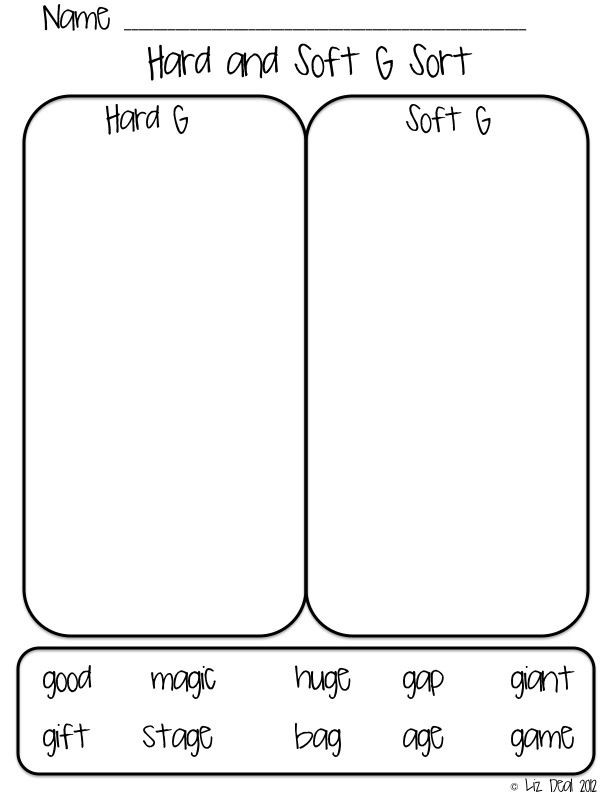
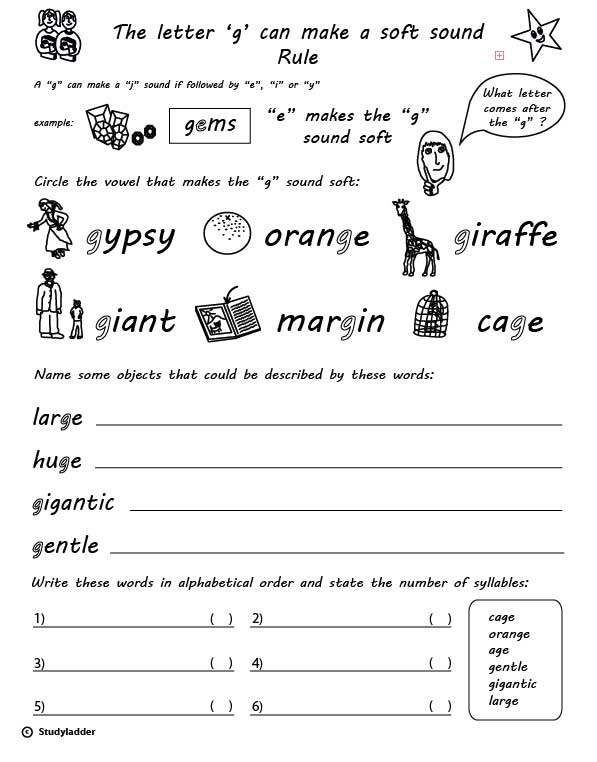
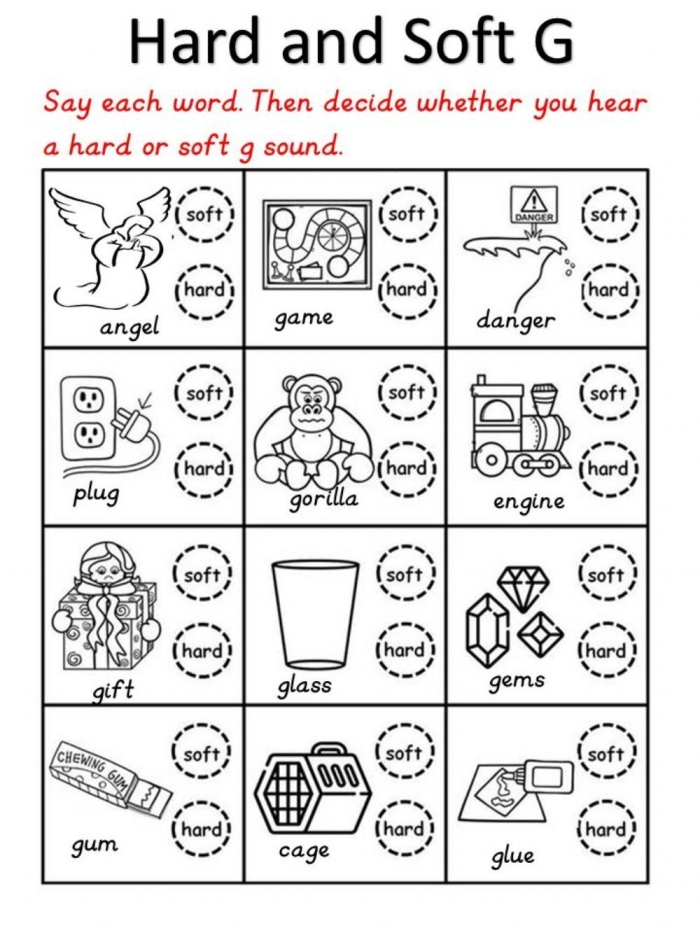
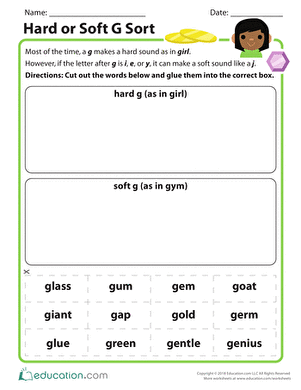
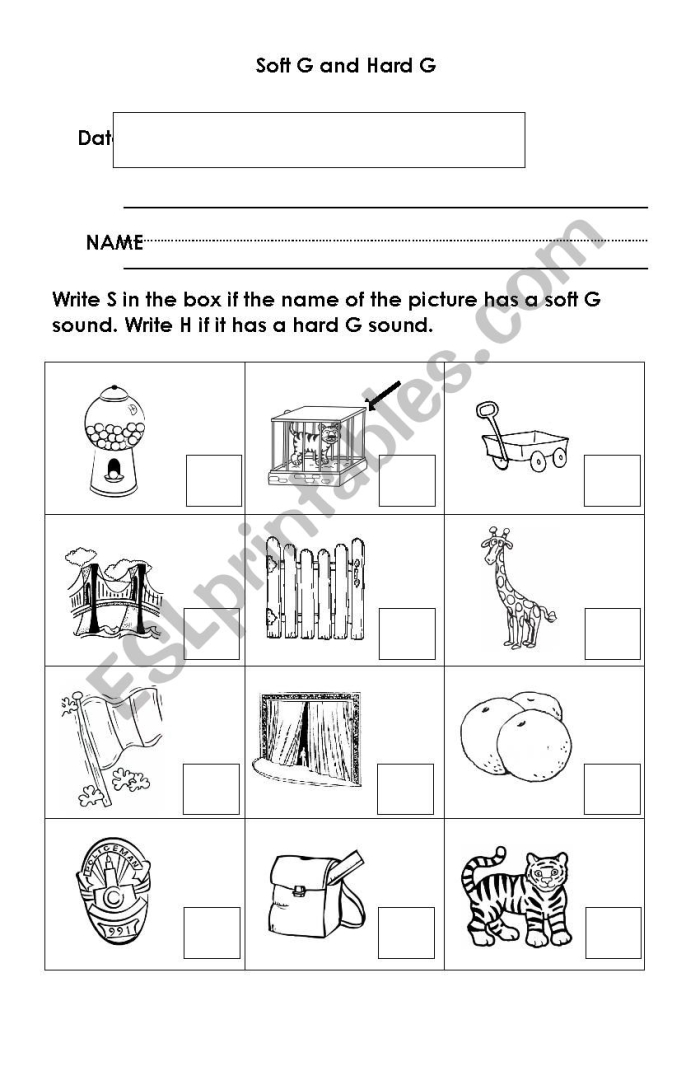
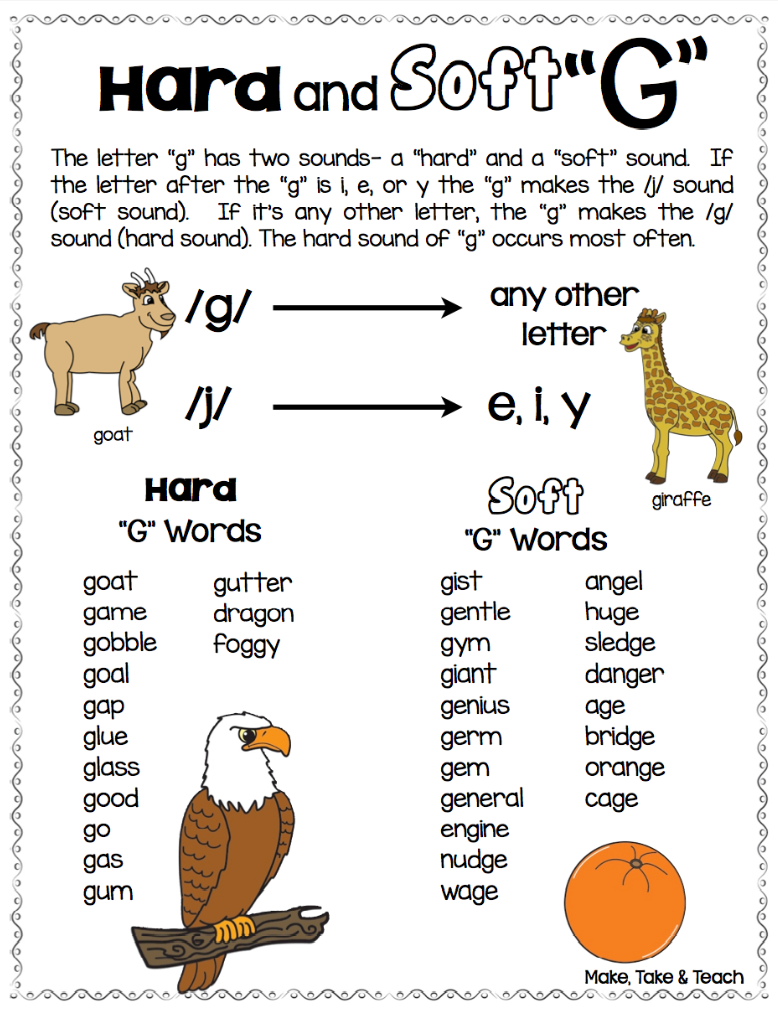
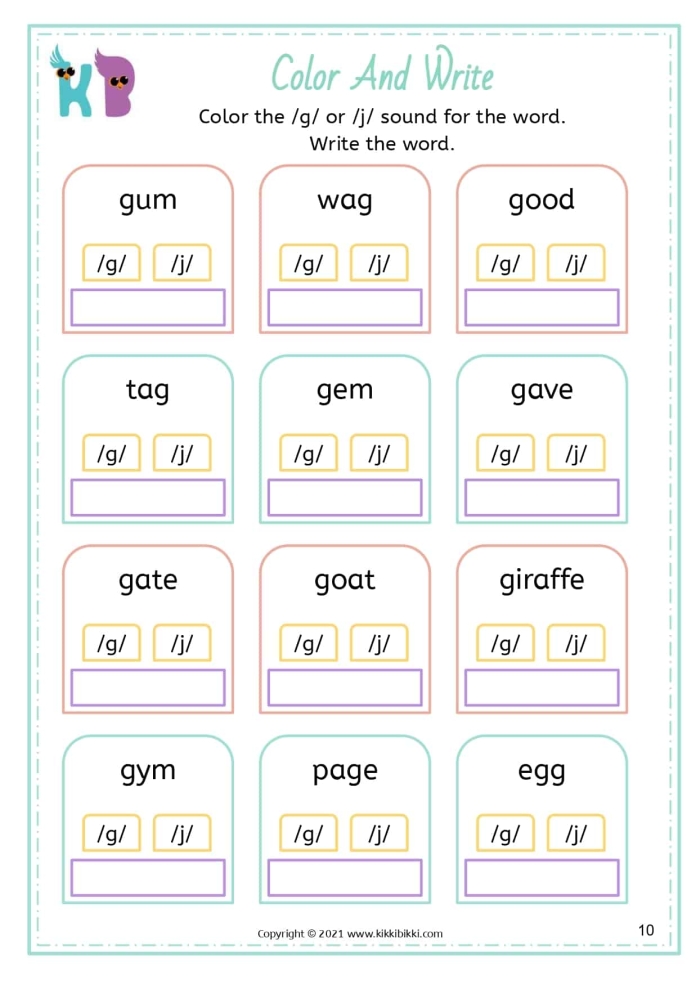
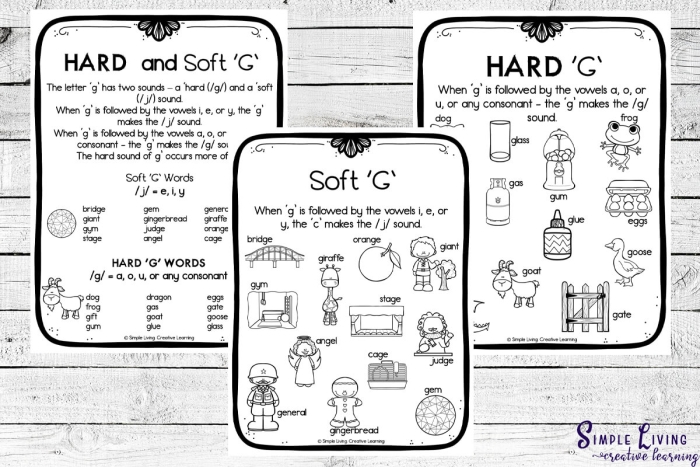
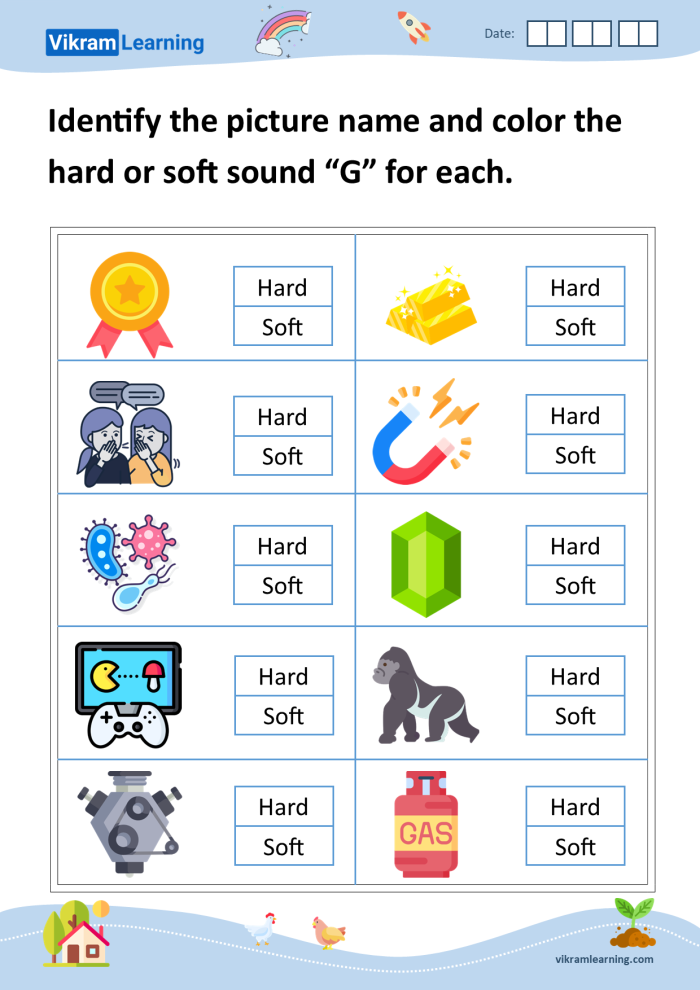
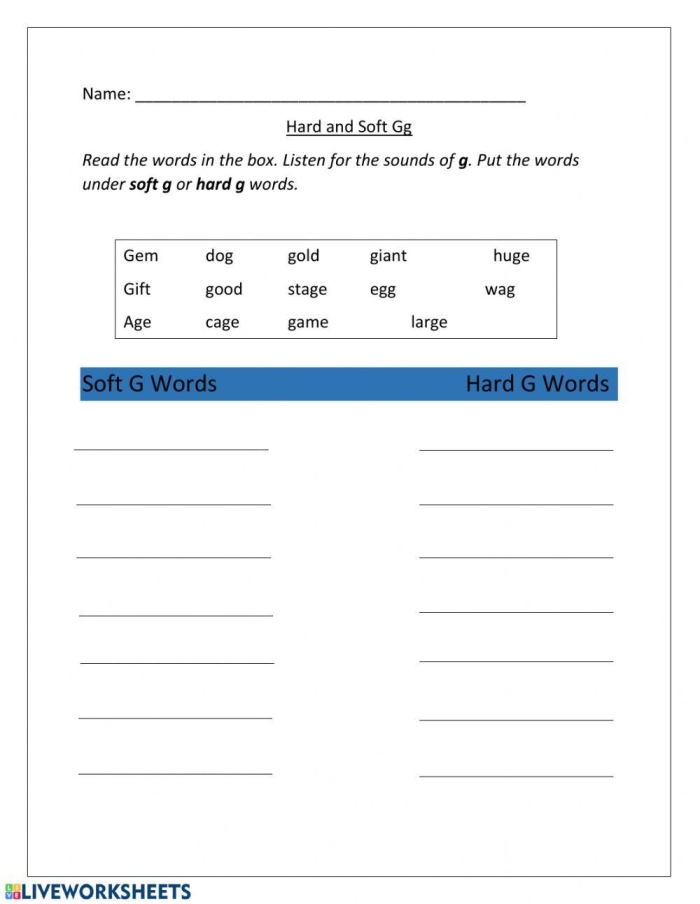
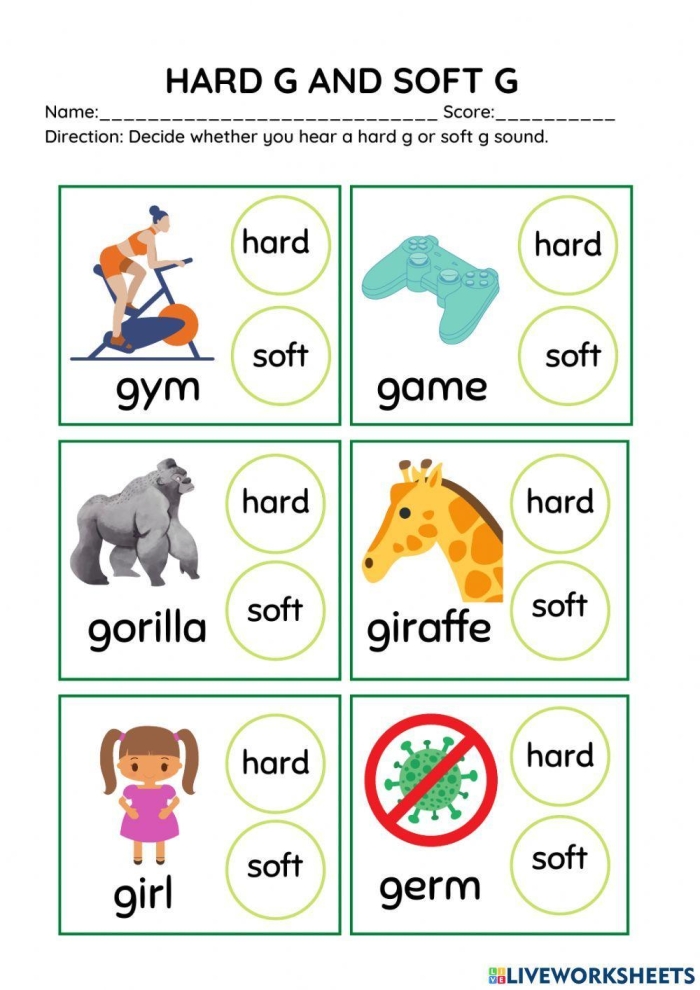
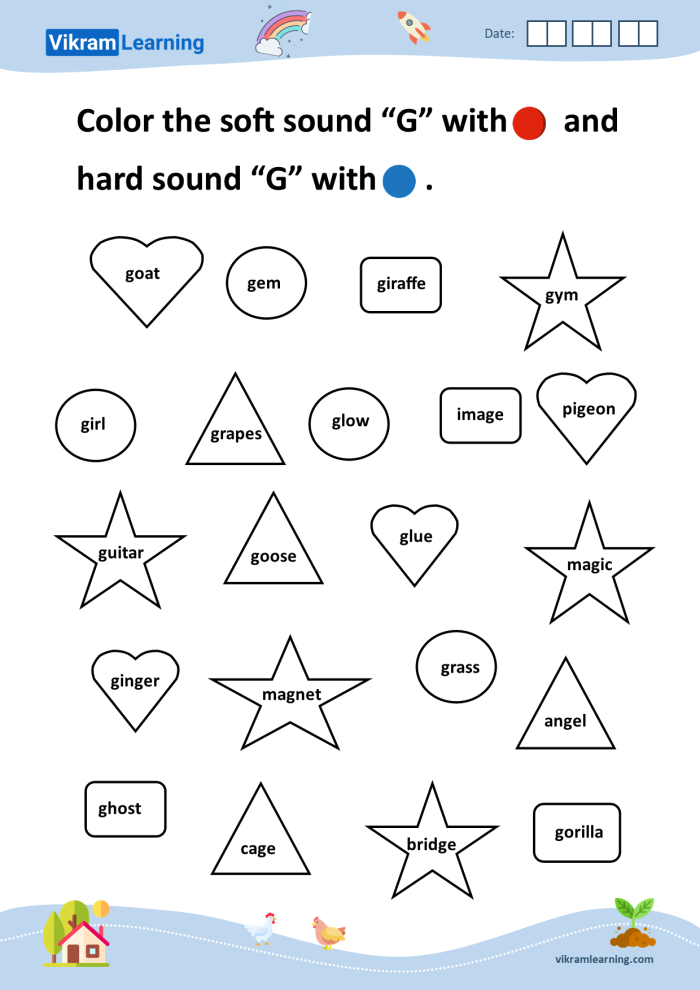
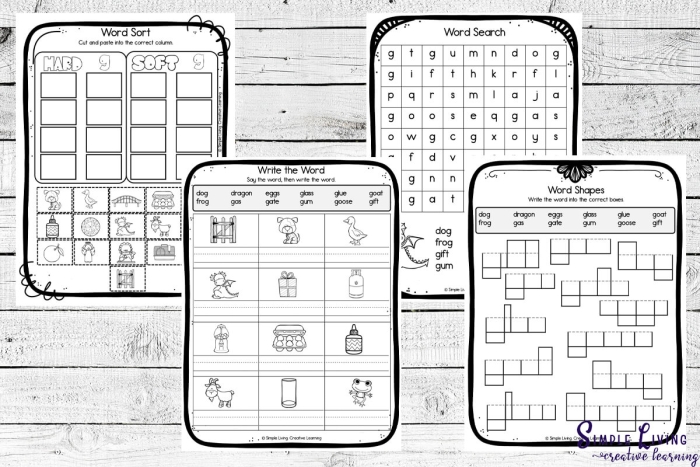
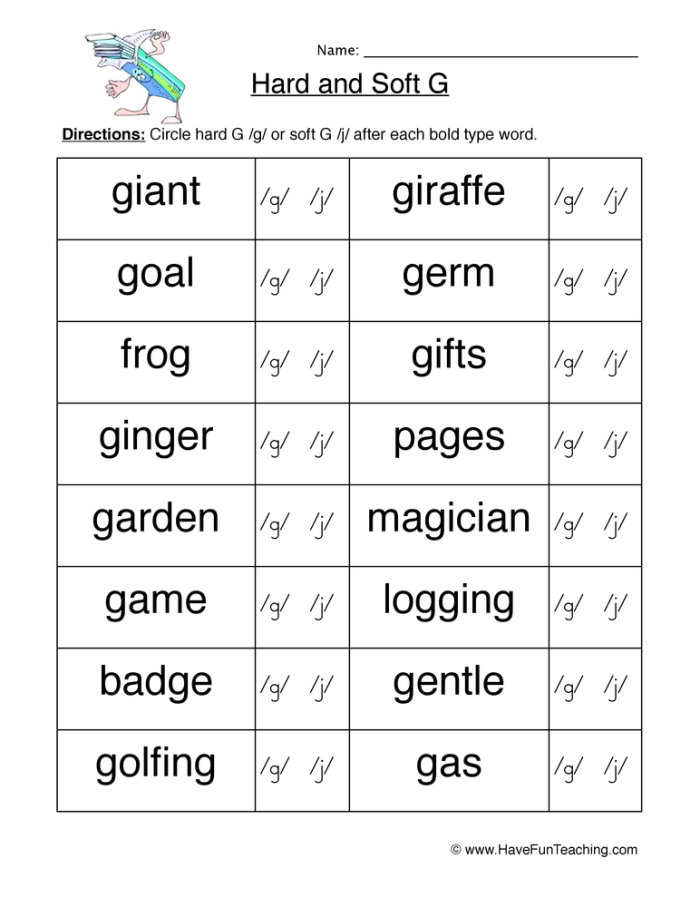
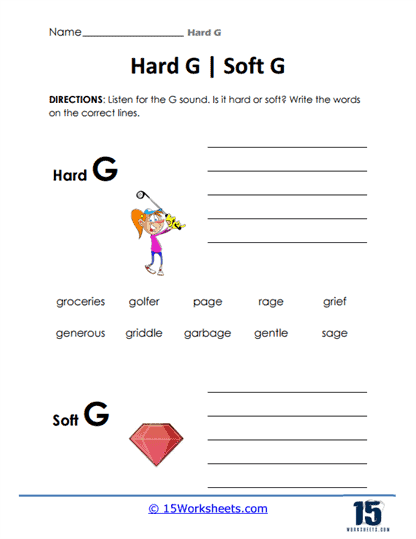
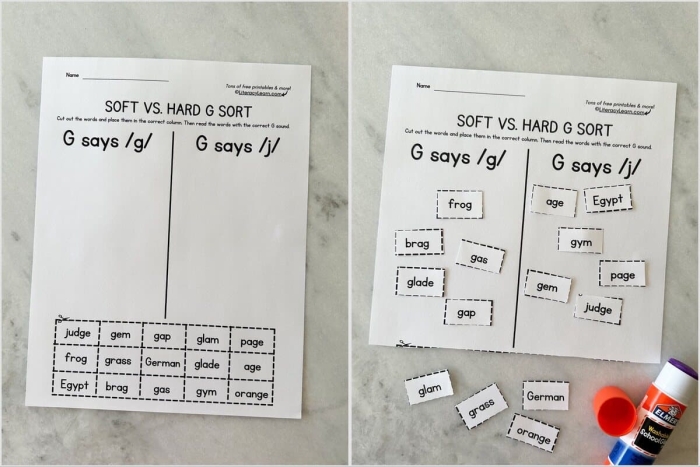
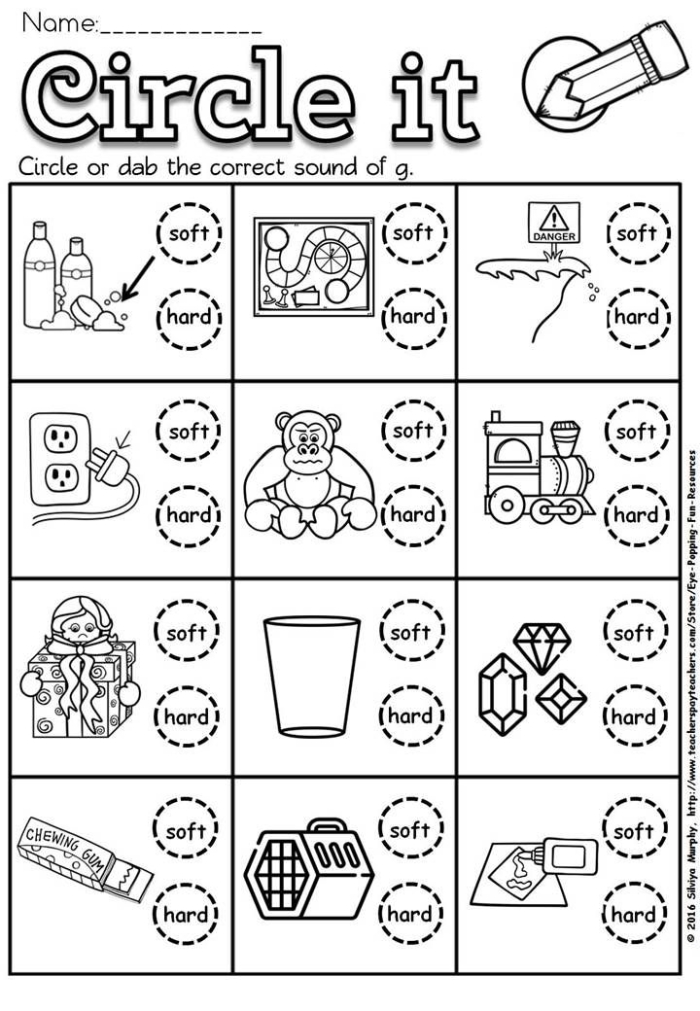
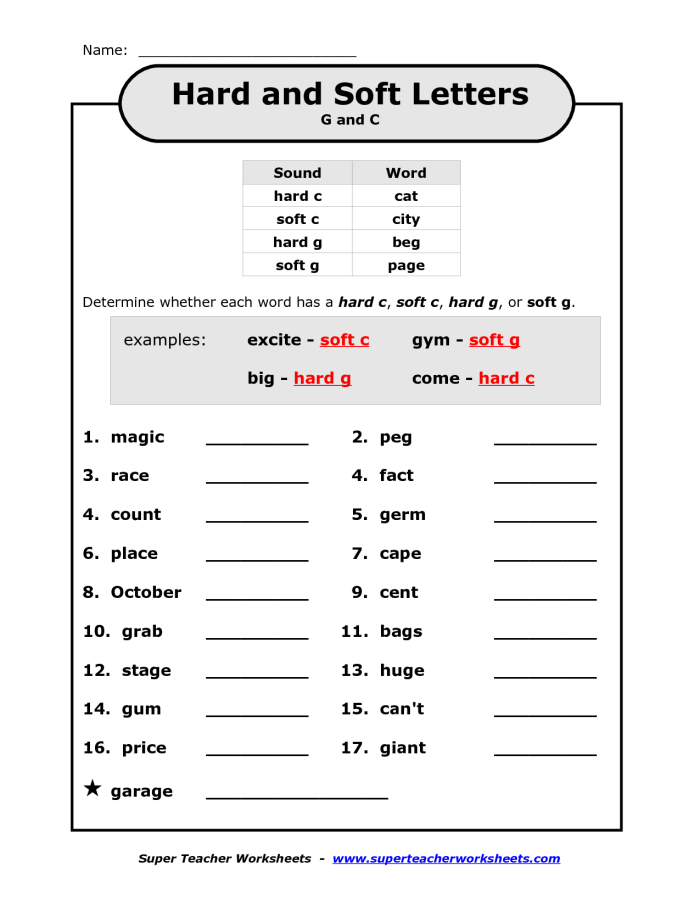
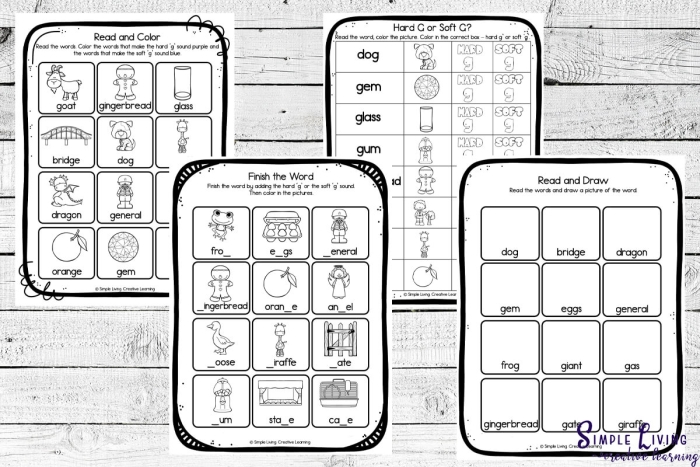
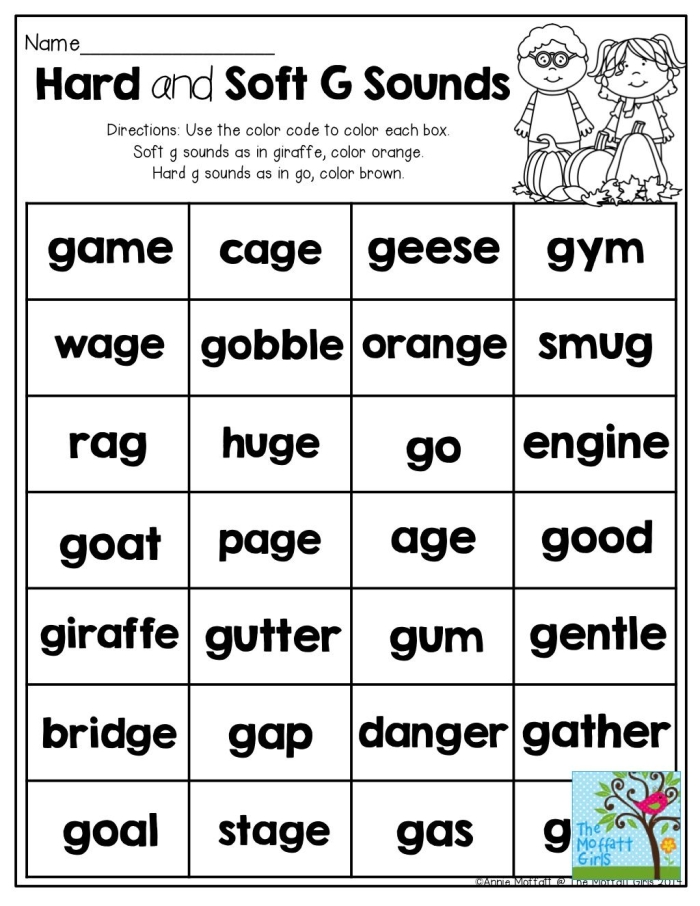
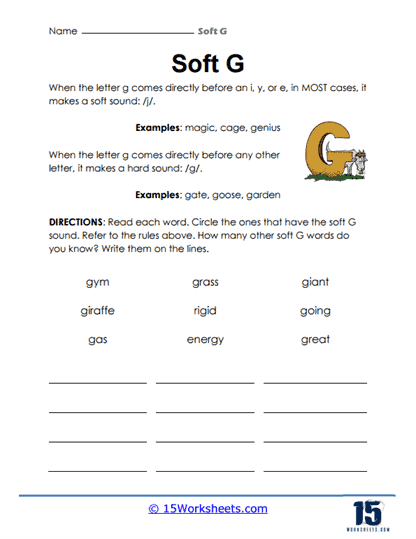
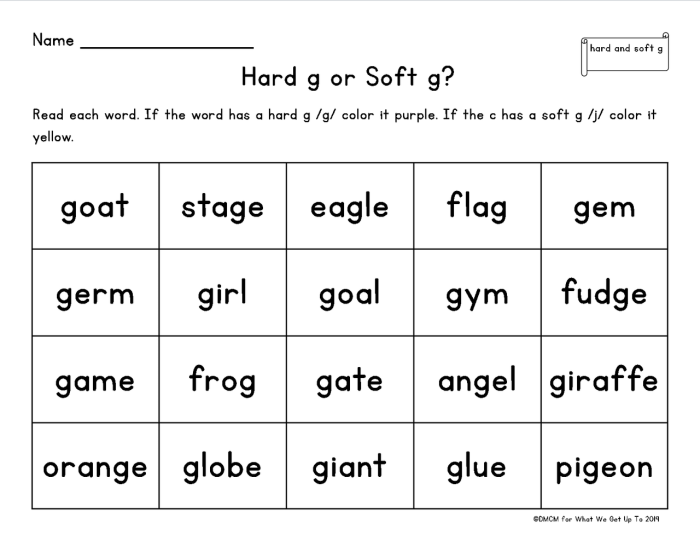
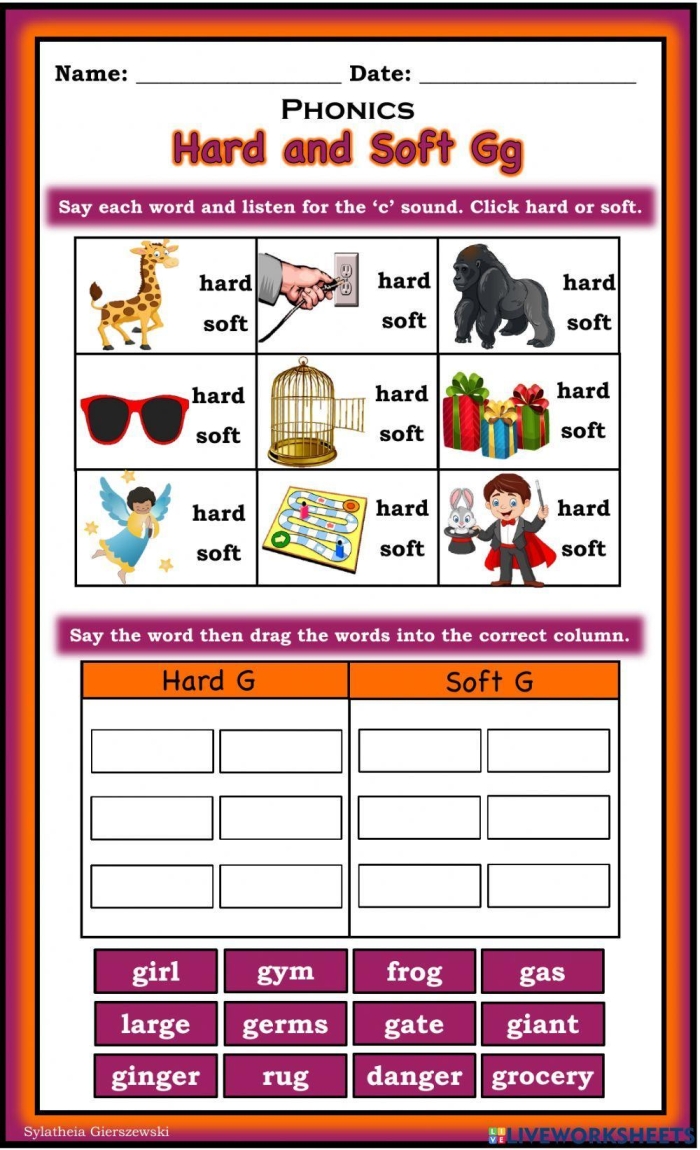
Understanding the difference between hard and soft consonants is a key step in second grade reading development. On a typical worksheet focused on this concept, children are tasked with sorting initial consonant sounds into two distinct groups. The hard “g” sound, as in the word “goose,” contrasts with the soft “g” sound, found in words like “giraffe.” This exercise not only helps kids recognize these sounds but also enhances their overall phonemic awareness.
When students encounter the hard “g,” they might think of other examples such as “goat” or “gum.” On the other hand, the soft “g” is often found in words like “germ” or “gem.” By grouping these words, children learn to identify the pronunciation based on their initial consonant, which is an essential skill for reading fluency. This sorting activity can also provide a fun challenge, encouraging kids to think critically about the words they know.
Incorporating hard and soft “g” worksheets into daily learning routines offers multiple benefits. For instance, these exercises can be easily tied into broader literacy activities. Students can practice reading sentences that include both types of “g,” reinforcing their understanding through context. Additionally, worksheets like this can be an excellent tool for parents looking to support their children’s literacy at home.
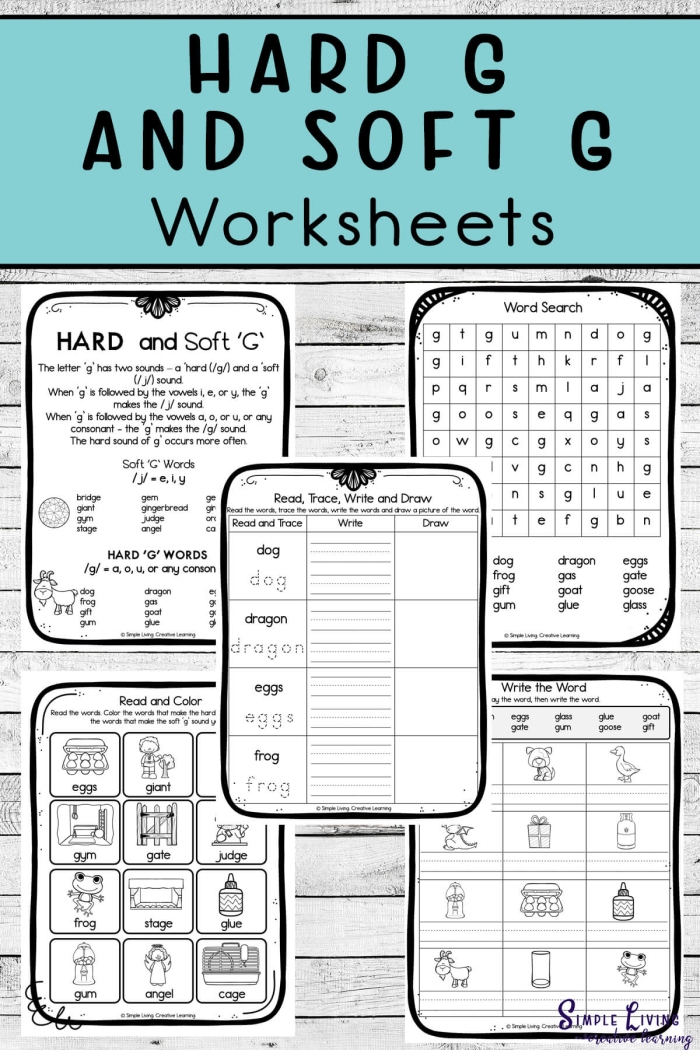
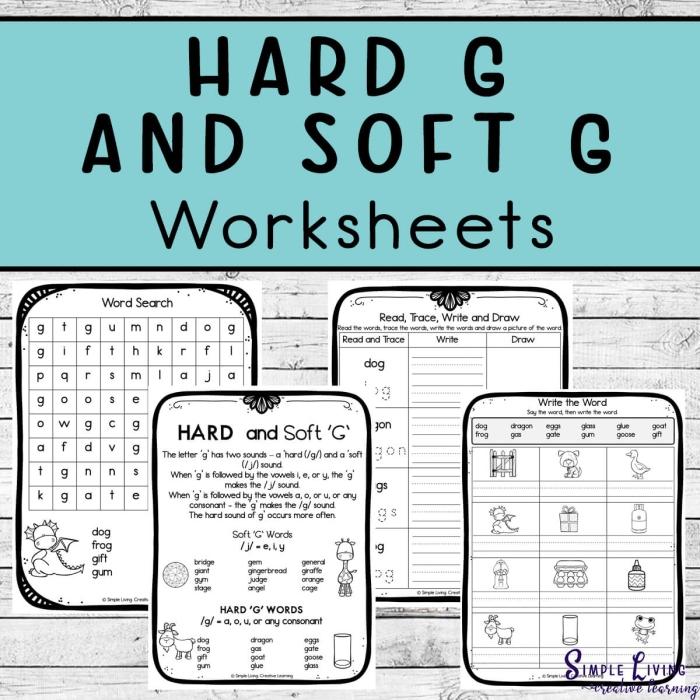
Printable hard and soft “g” worksheets are readily available online and can serve as a fantastic resource. For example, worksheets that focus on different aspects of second grade reading can be found at Flamingo Fun, which offers engaging activities that complement phonics learning. These resources can make practicing reading both enjoyable and effective.
Overall, sorting hard and soft “g” sounds lays a solid foundation for early readers. With targeted practice, children can master these concepts, boosting their confidence and skills as they progress through second grade reading.
Try These Printable Worksheets