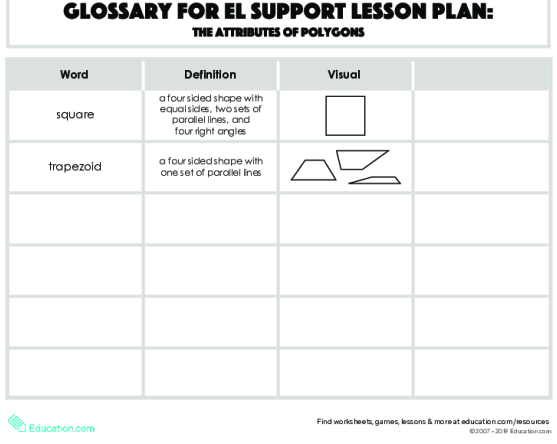
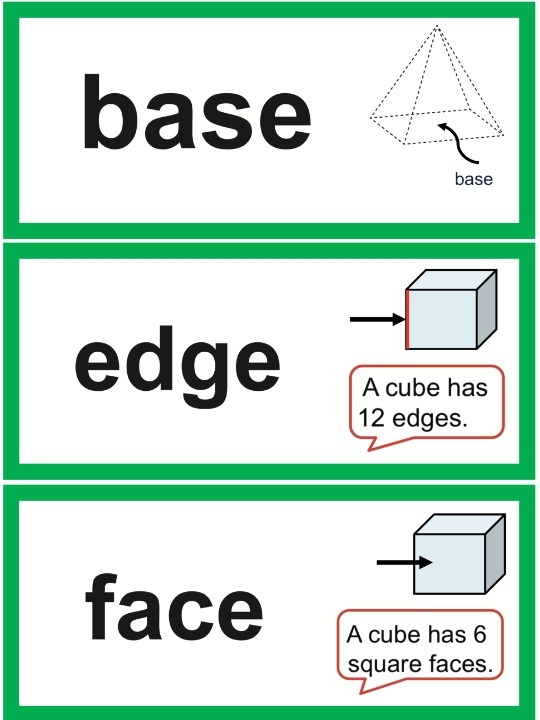
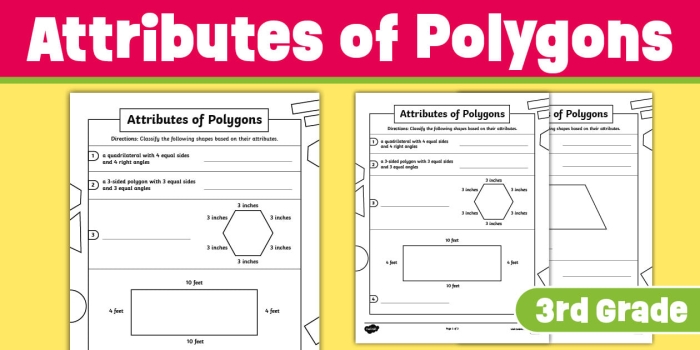
Understanding the attributes of polygons is essential for third graders as they develop their math skills. A great way to reinforce this learning is by using a glossary that outlines key terms and concepts related to polygons. This glossary, designed to complement the EL Support Lesson, provides students with clear definitions and examples, making it easier for them to grasp the subject matter.
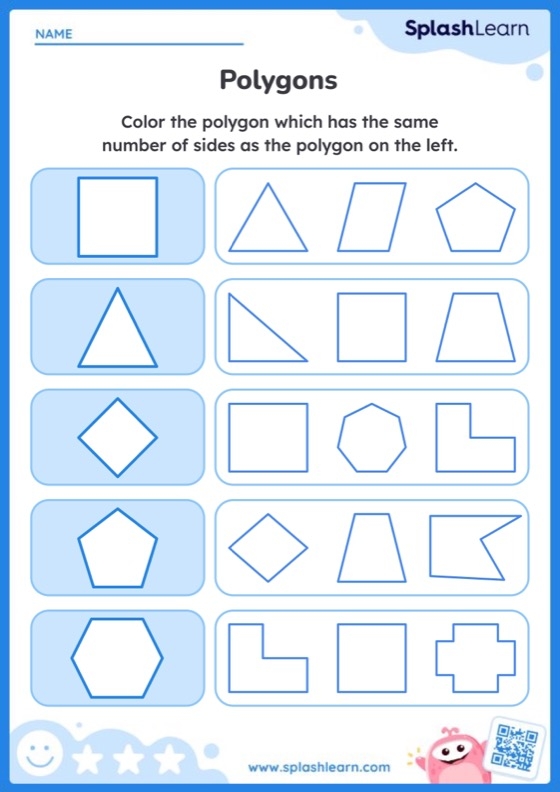
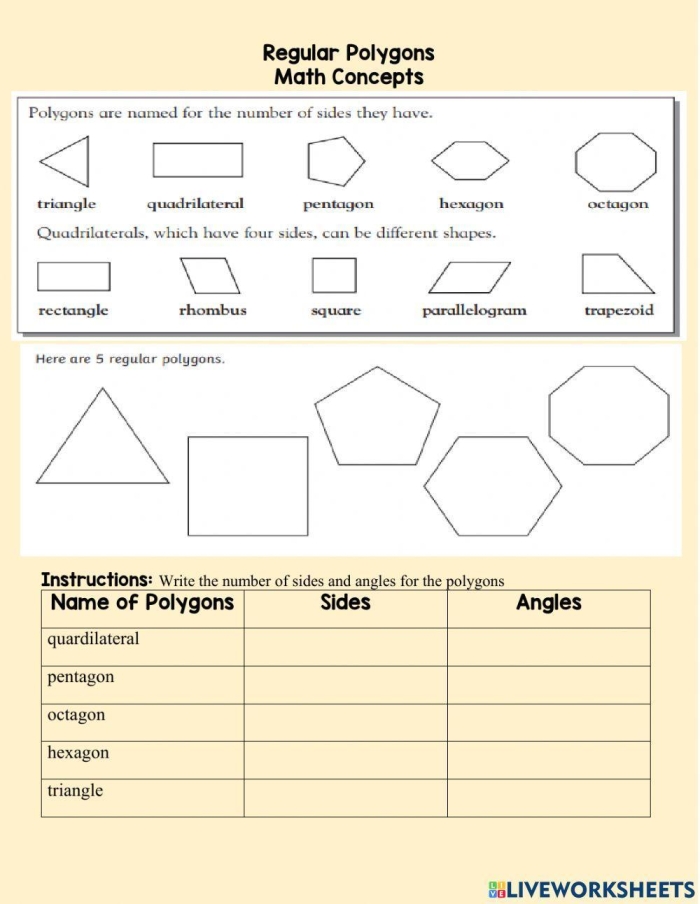
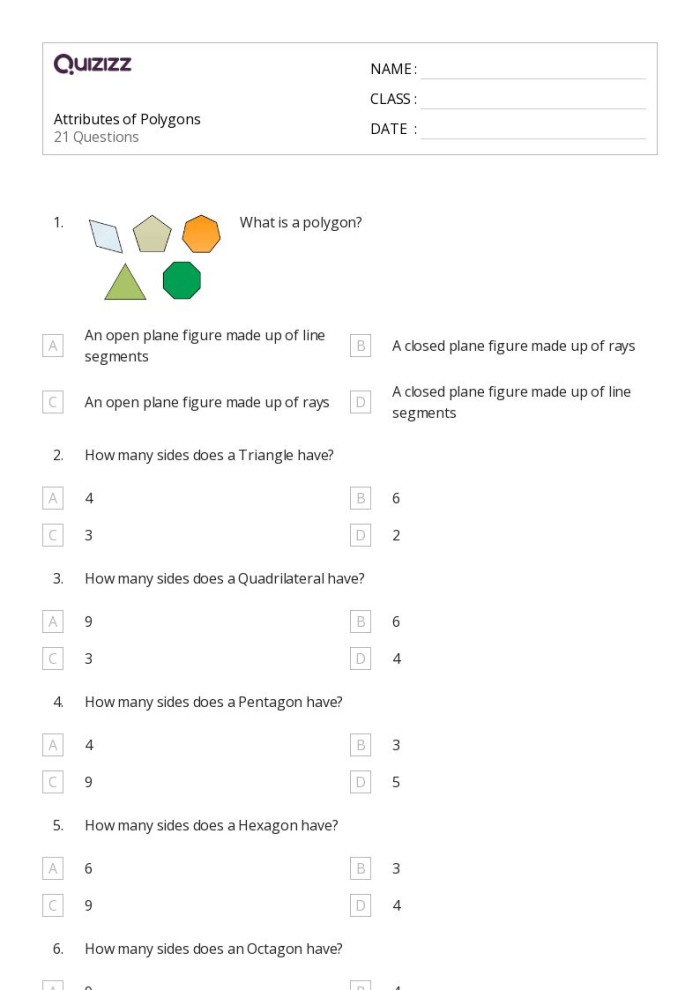
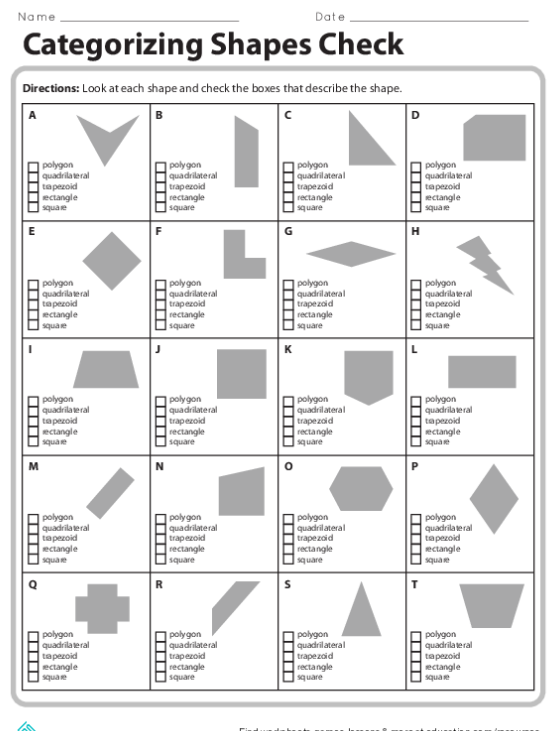
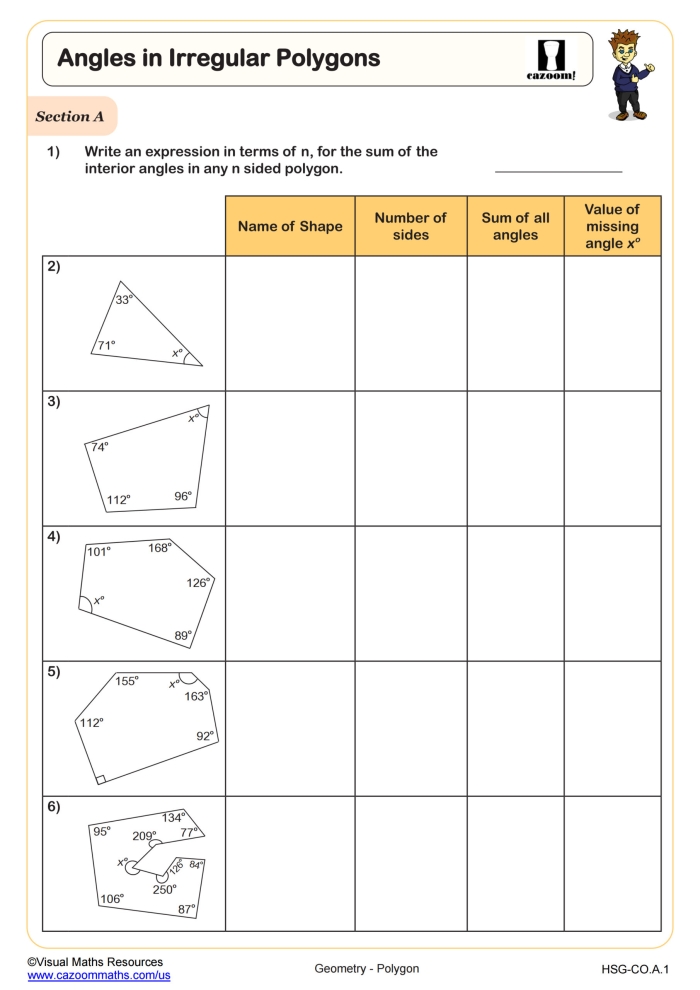
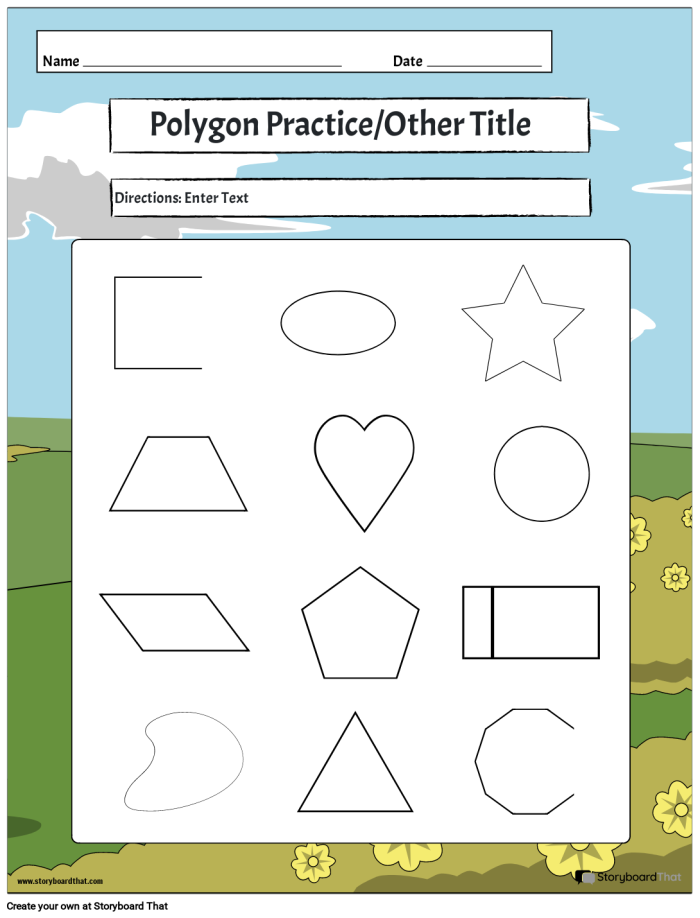
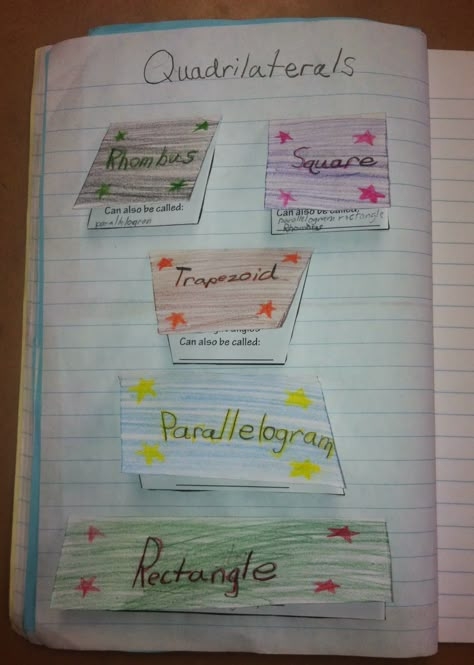
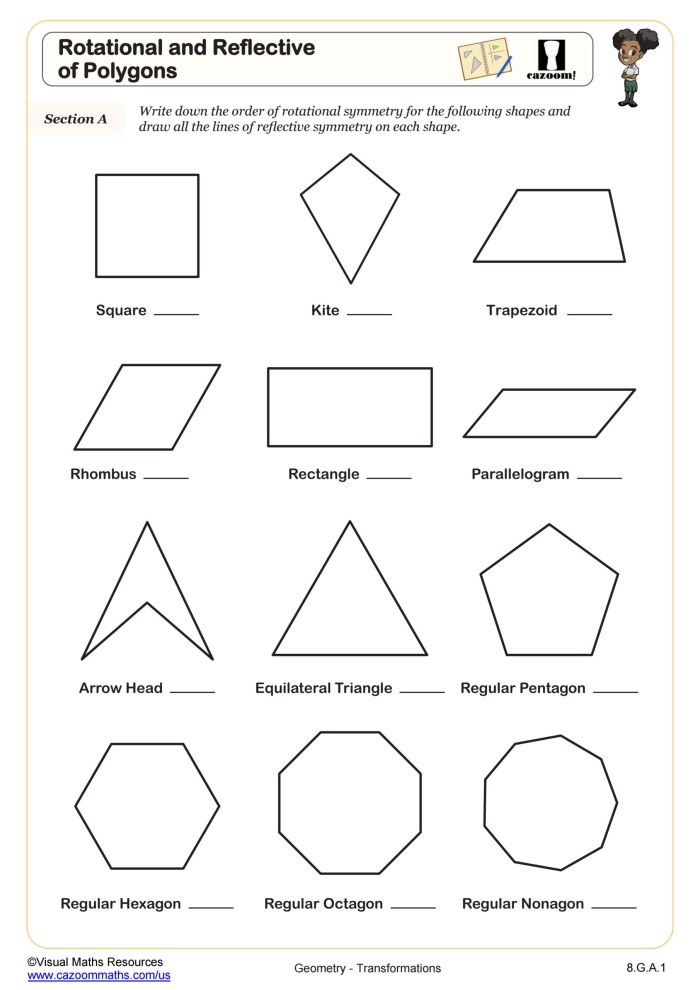
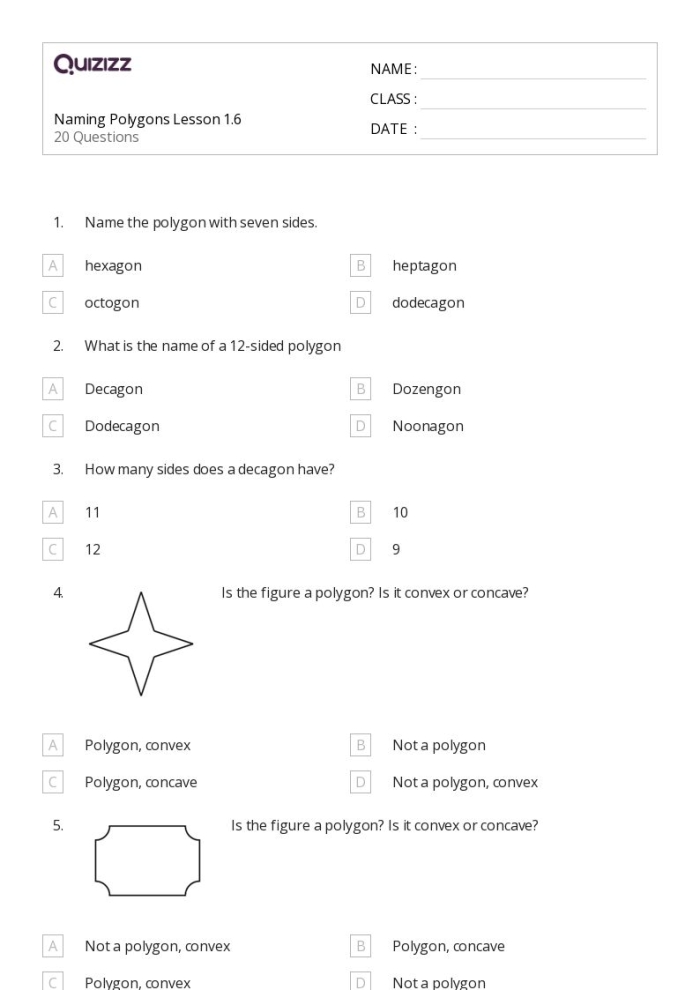
Polygons are two-dimensional shapes with straight sides. They come in various forms, each with distinct characteristics. For example, triangles have three sides, while quadrilaterals have four. The glossary can help students identify these shapes and understand their properties more thoroughly. For instance, the term “vertices” refers to the corners of a polygon, where two sides meet. Recognizing such terms is crucial for students to communicate their understanding effectively.
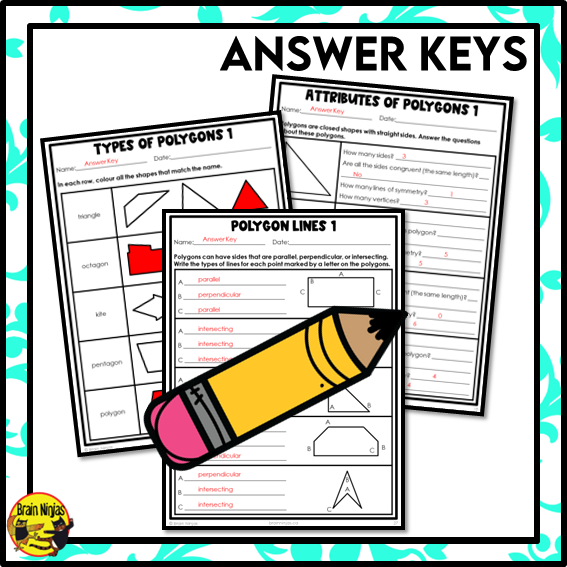
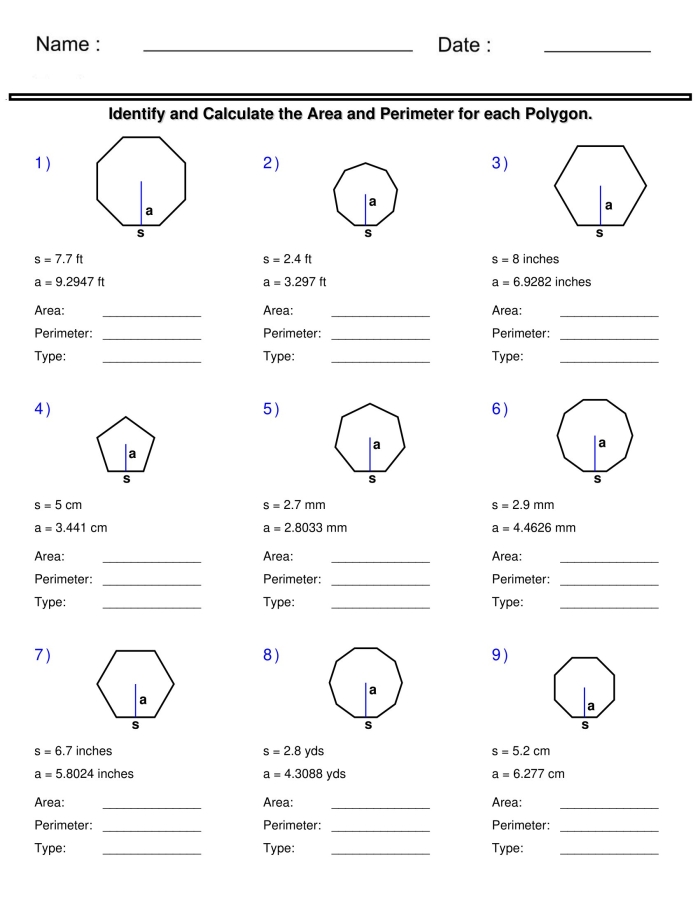
In the classroom, this glossary can be utilized in various ways. Teachers might incorporate it into reading comprehension activities or use it alongside worksheets that focus on polygon attributes. For example, when students work through the soccer sprain reading worksheets, they can reference the glossary to clarify terms that describe different polygons encountered in the text.
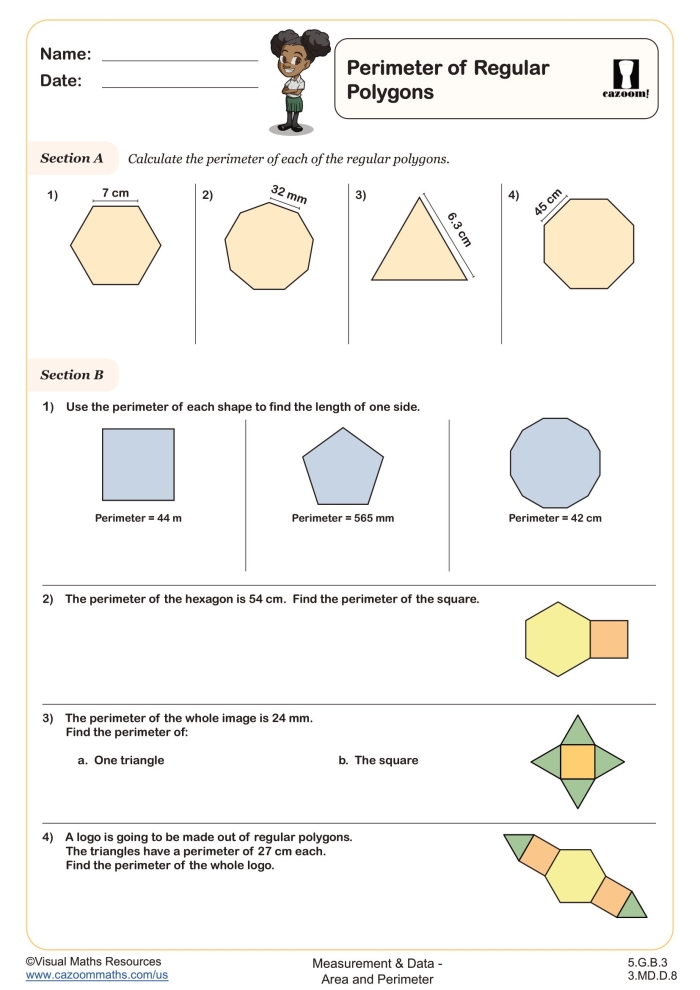
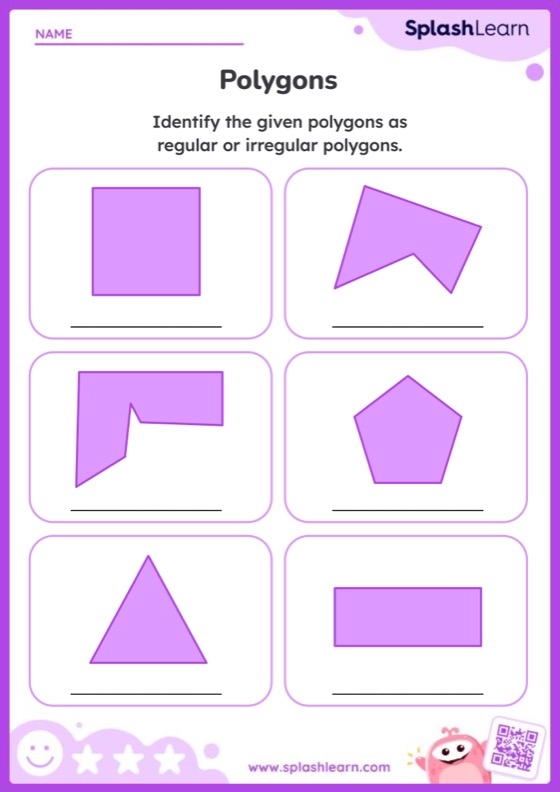
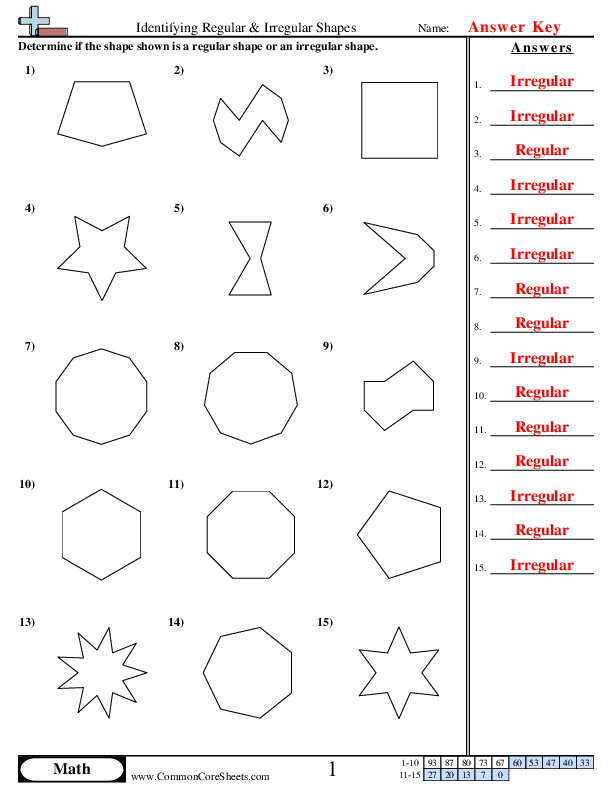
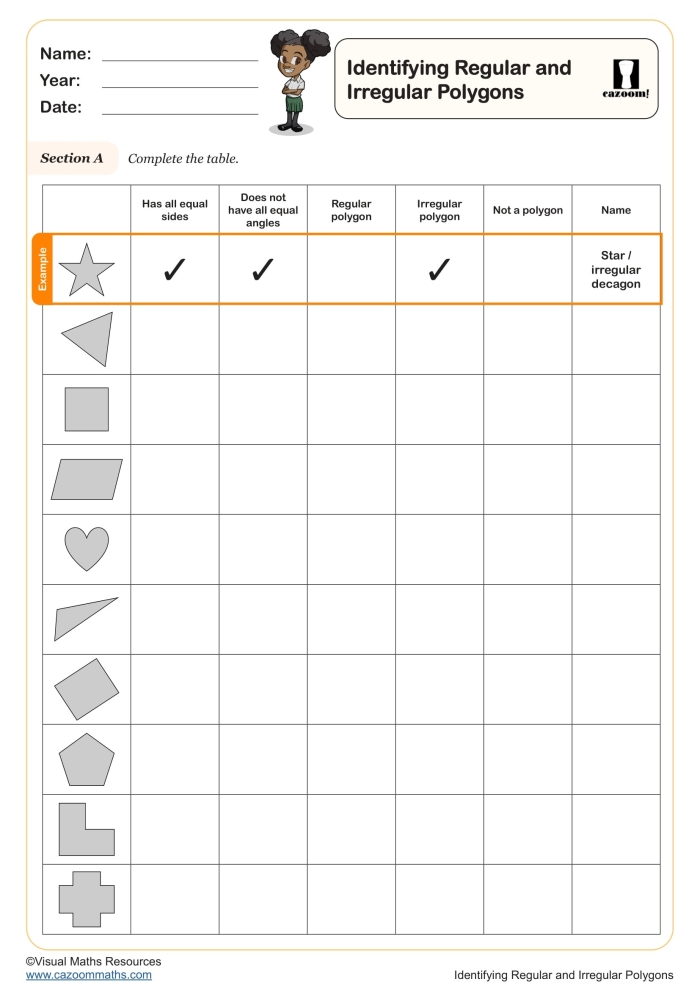
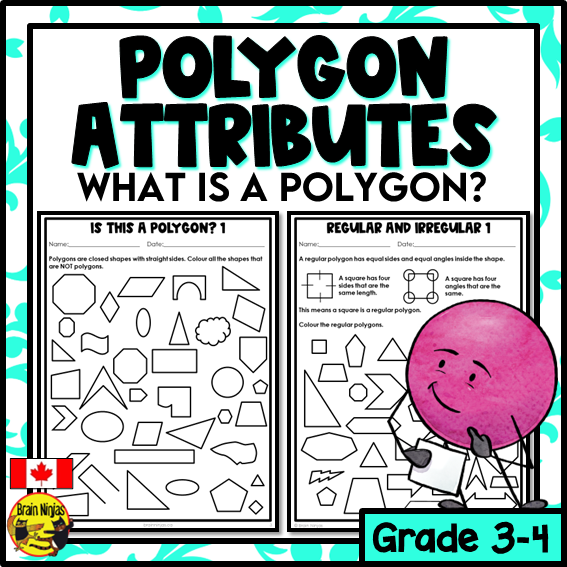
Moreover, engaging with the glossary helps students become more familiar with vocabulary that is often used in math discussions. This practice not only supports their reading skills but also builds a strong foundation in geometry. When students encounter terms like “regular” and “irregular” polygons, they can quickly refer back to the glossary for definitions and examples, enhancing their overall understanding.
By integrating the glossary of polygon attributes into lessons, educators can create a rich learning environment that encourages exploration and discovery in mathematics. This resource is invaluable for ensuring that third graders can confidently navigate the world of polygons.
Use These Worksheets Today