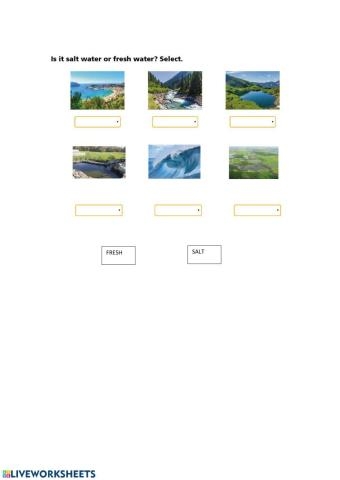
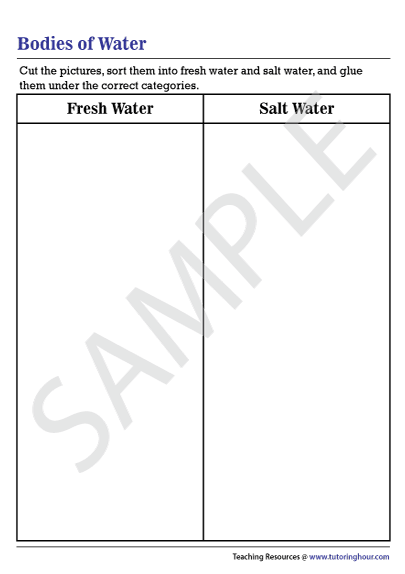
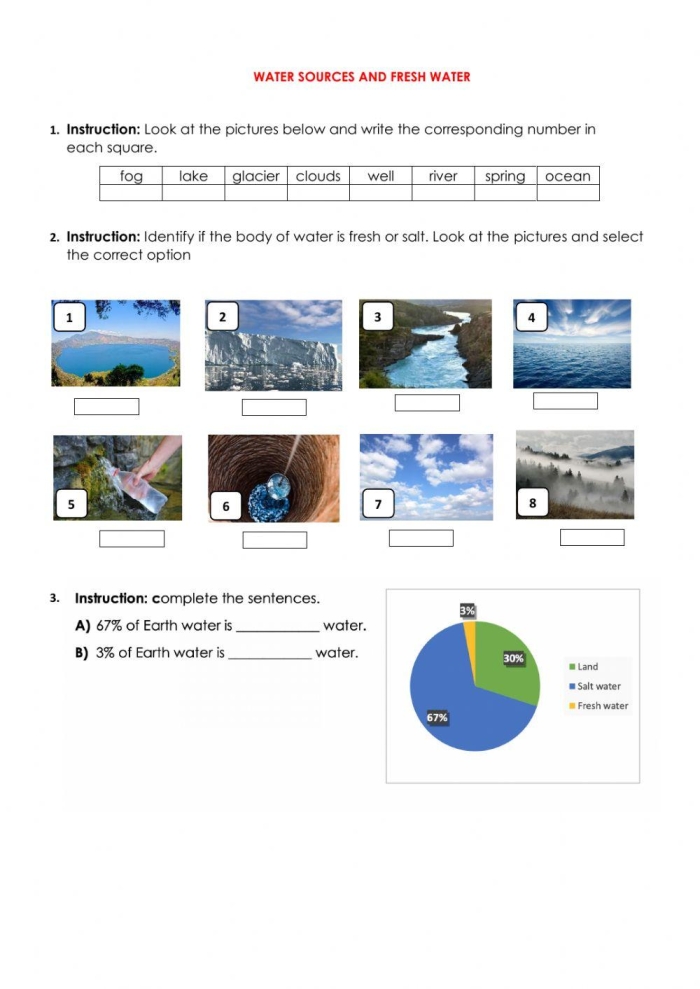
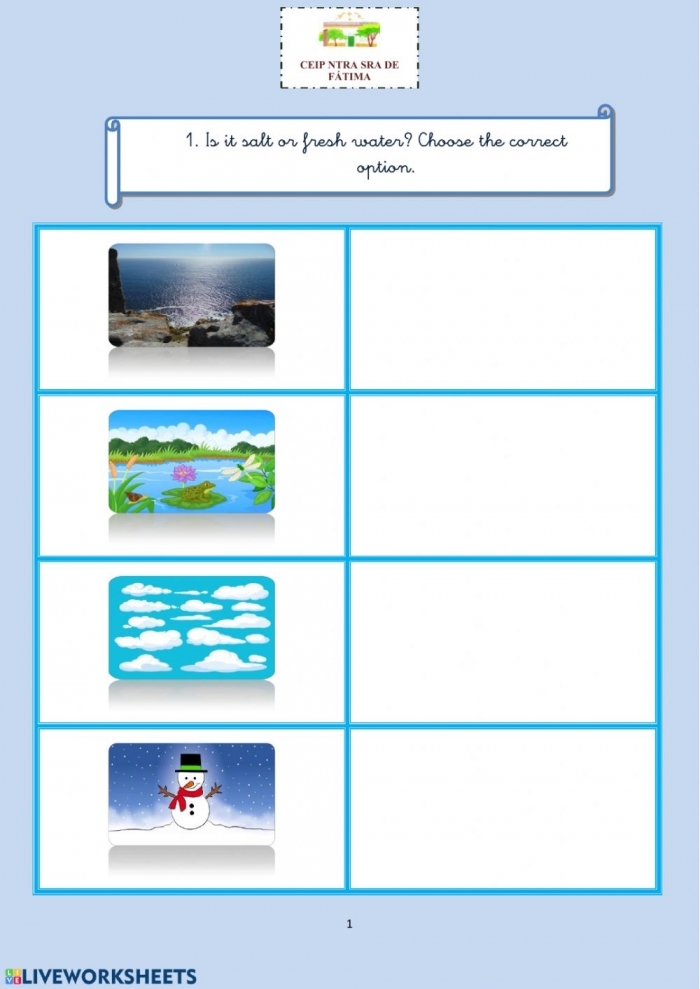
Did you know that ocean water is salty while river water is fresh? This simple fact opens the door to fascinating discussions about how fresh water and salt water interact within our planet’s water cycle. Understanding this relationship is crucial, especially for students in third grade who are learning about the environment and developing their grammar and mechanics skills through engaging worksheets.
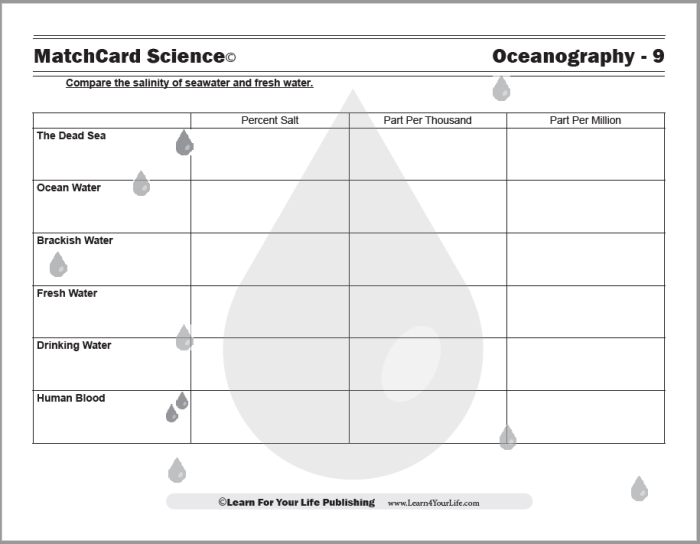
The primary reason ocean water is salty is due to the minerals and salts that rivers carry from land as they flow toward the sea. When rain falls, it picks up minerals from soil and rocks, which then travel with the river. By the time these rivers reach the ocean, they have transported a variety of dissolved substances, including sodium chloride, commonly known as table salt. This process creates a distinct difference between the two types of water.
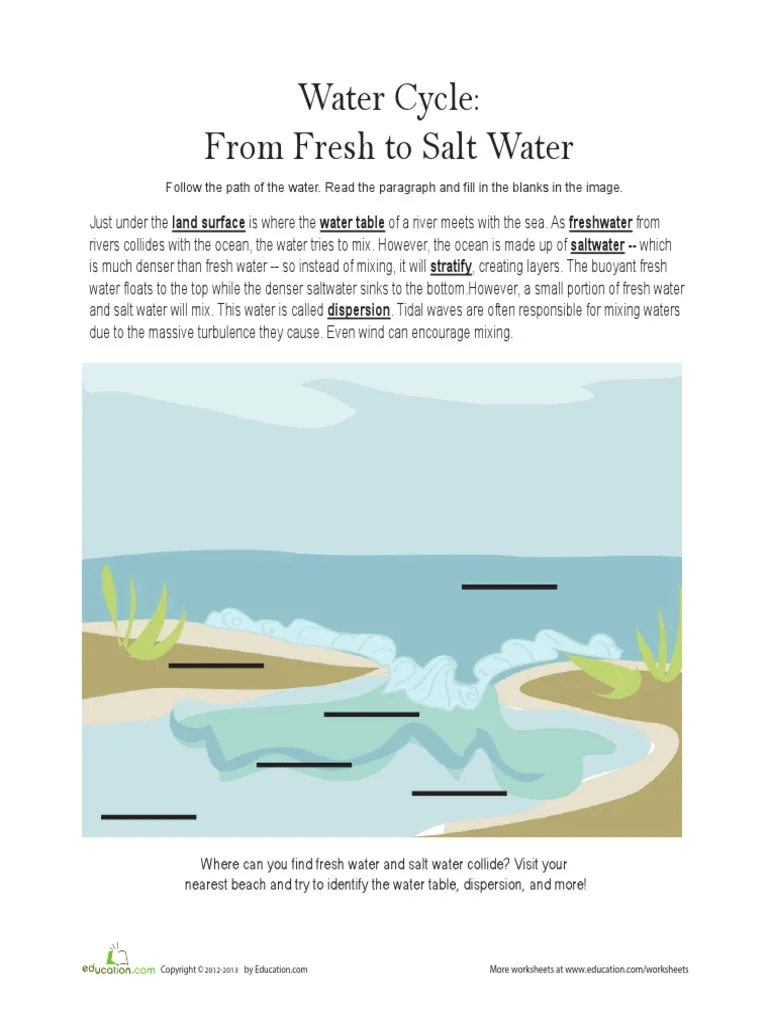
When fresh water from rivers meets the saltier ocean water, something interesting happens. The two types of water don’t immediately mix evenly. Instead, fresh water tends to float on top of the denser salt water for a while. This layering effect can be observed in estuaries, where rivers meet the sea. Here, students can visualize how fresh and salt water interact and learn about ecosystems that thrive in these unique environments.
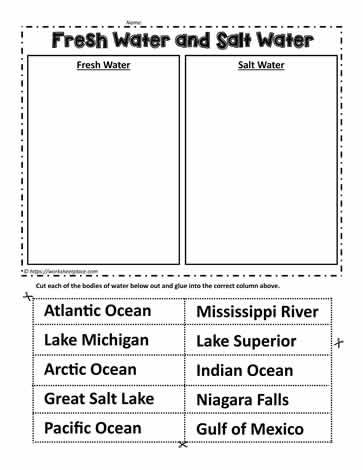
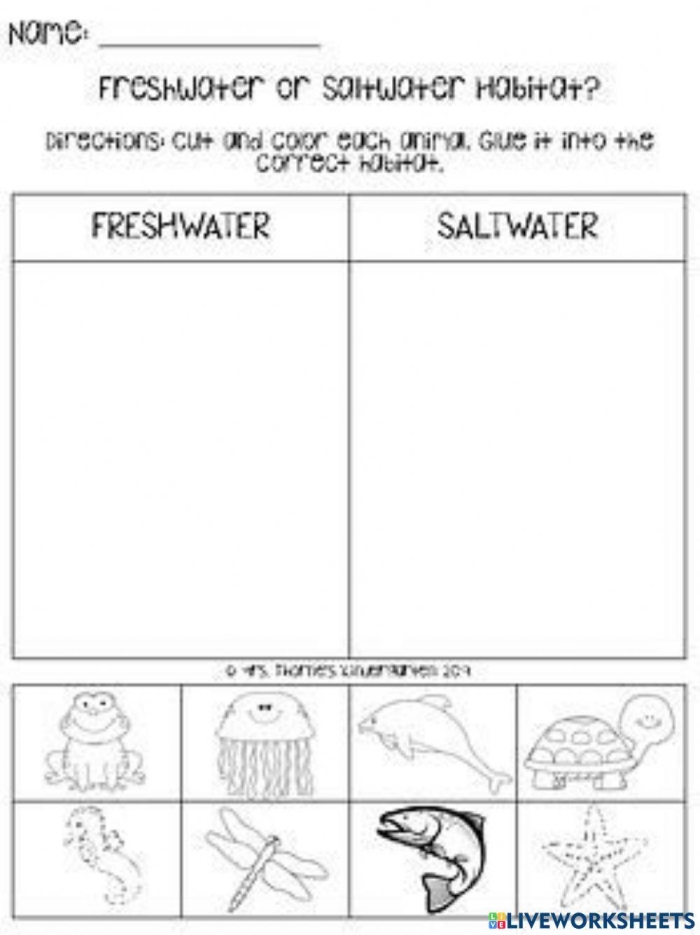
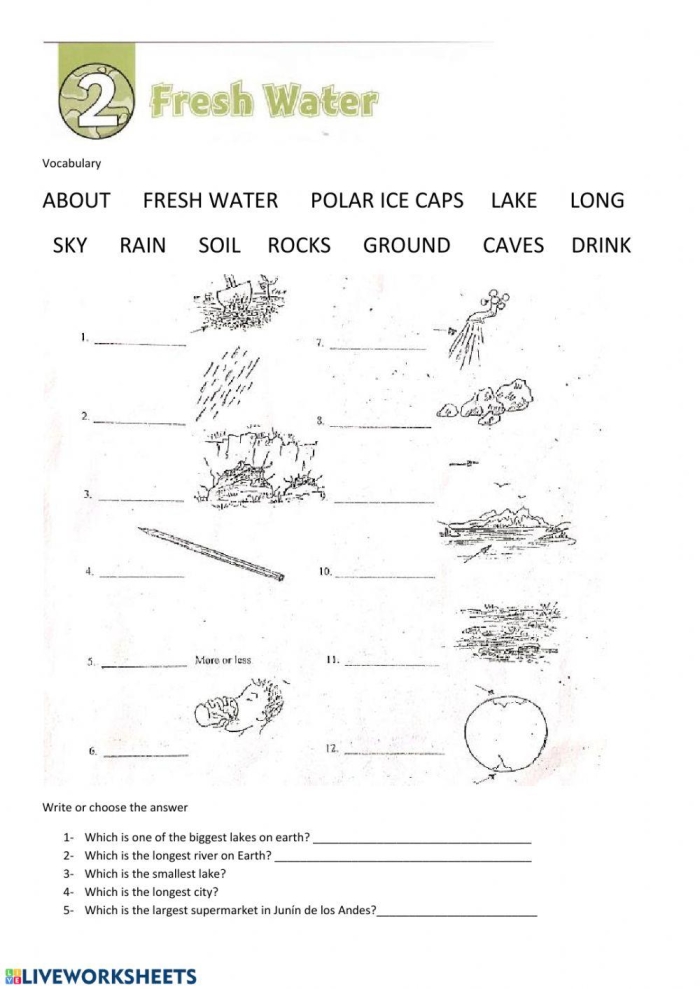
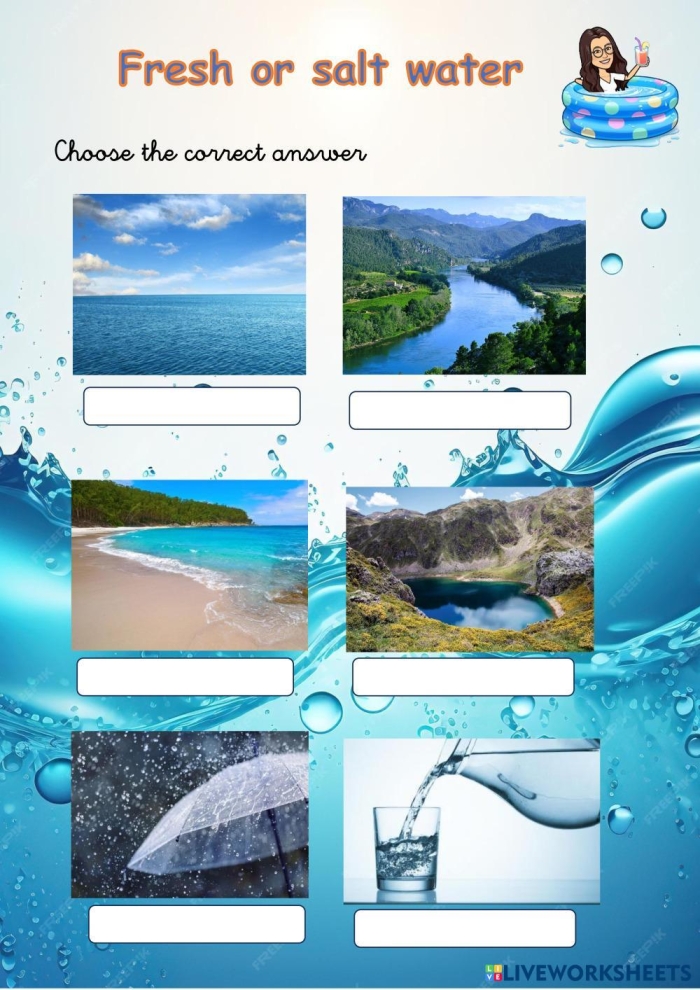
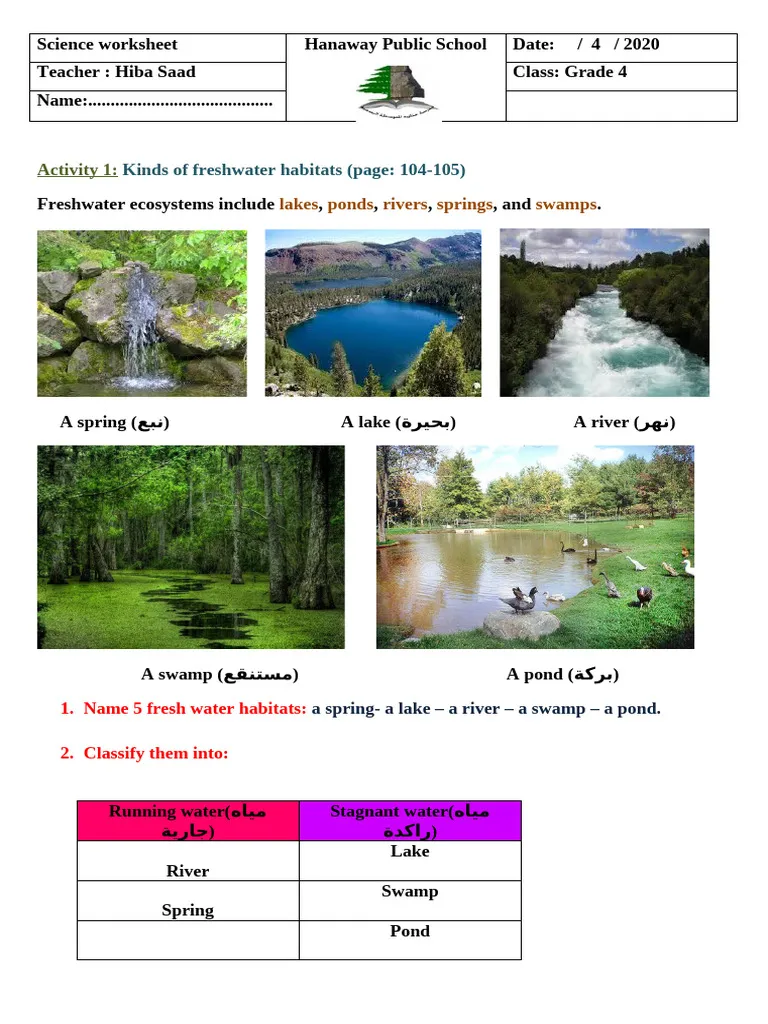
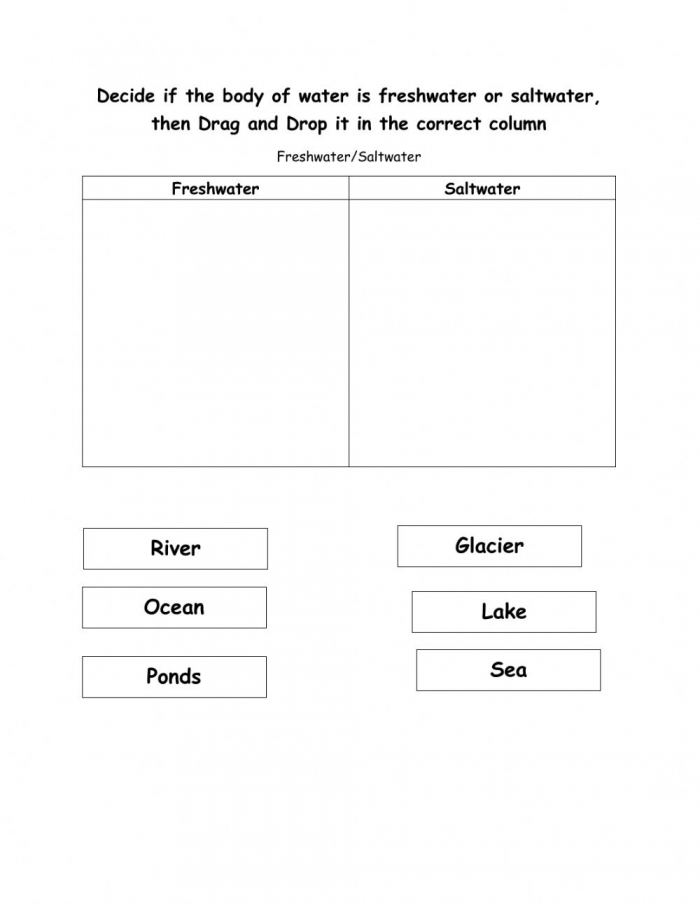
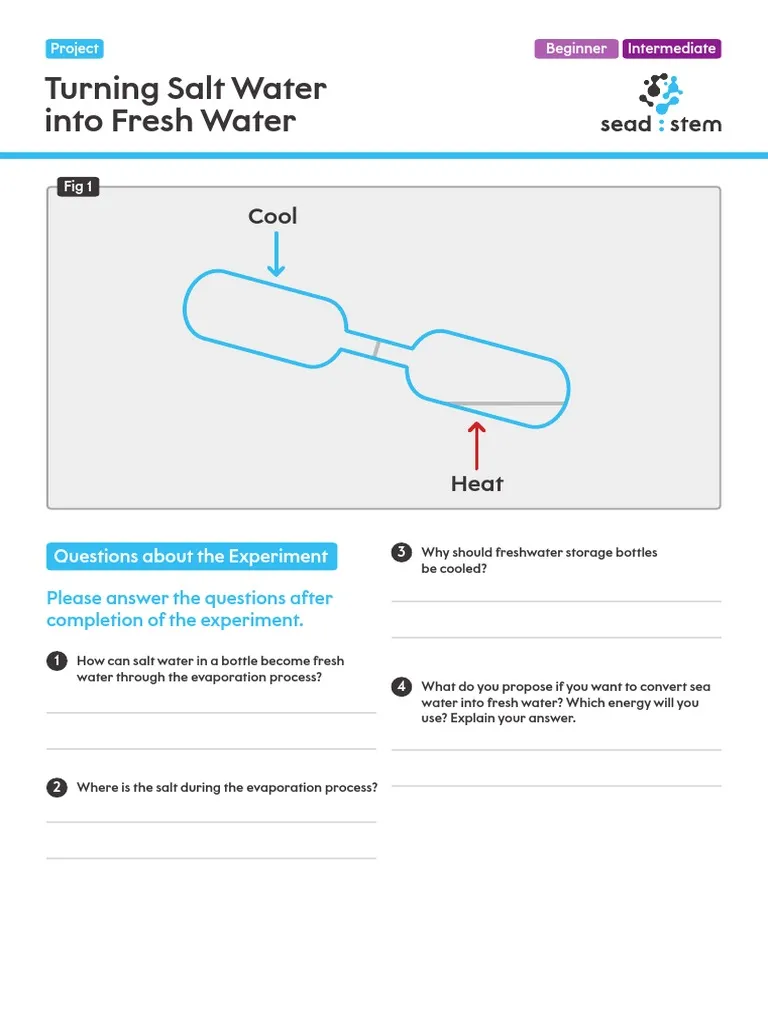
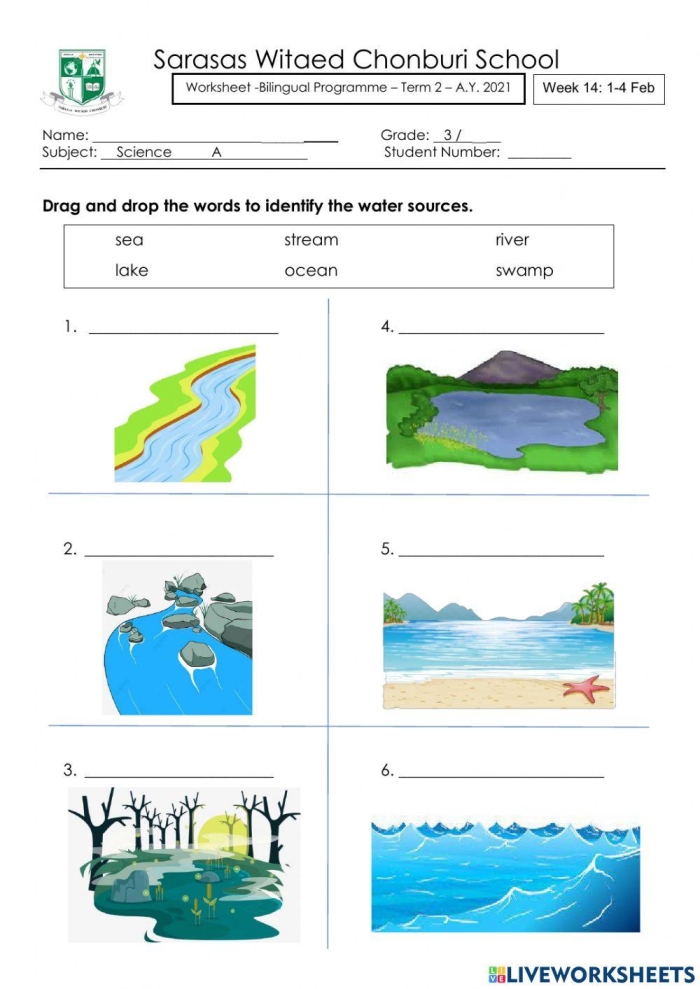
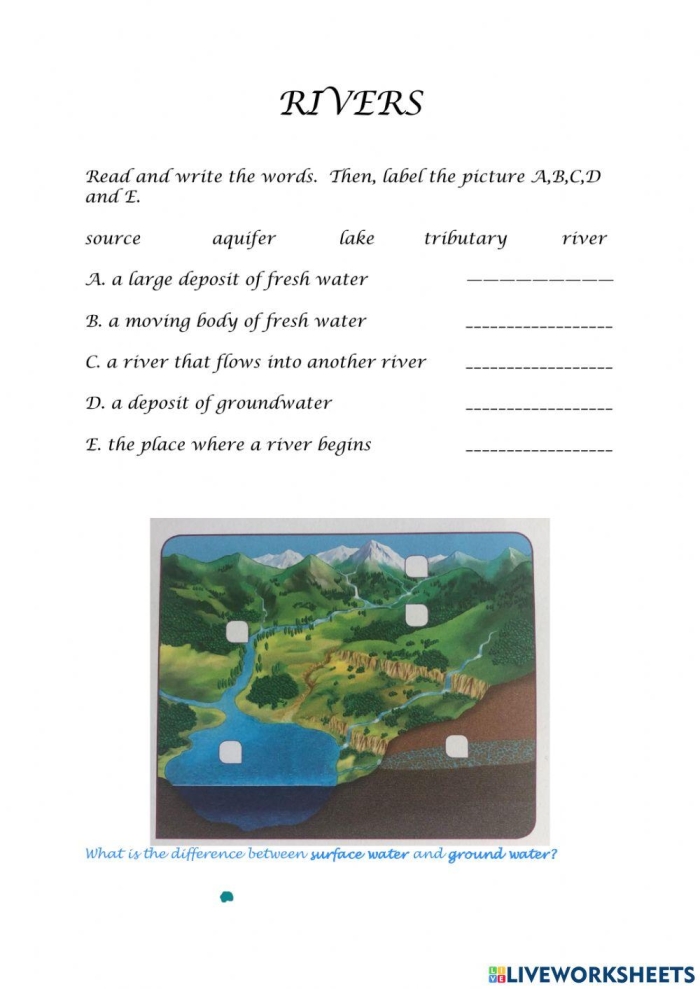
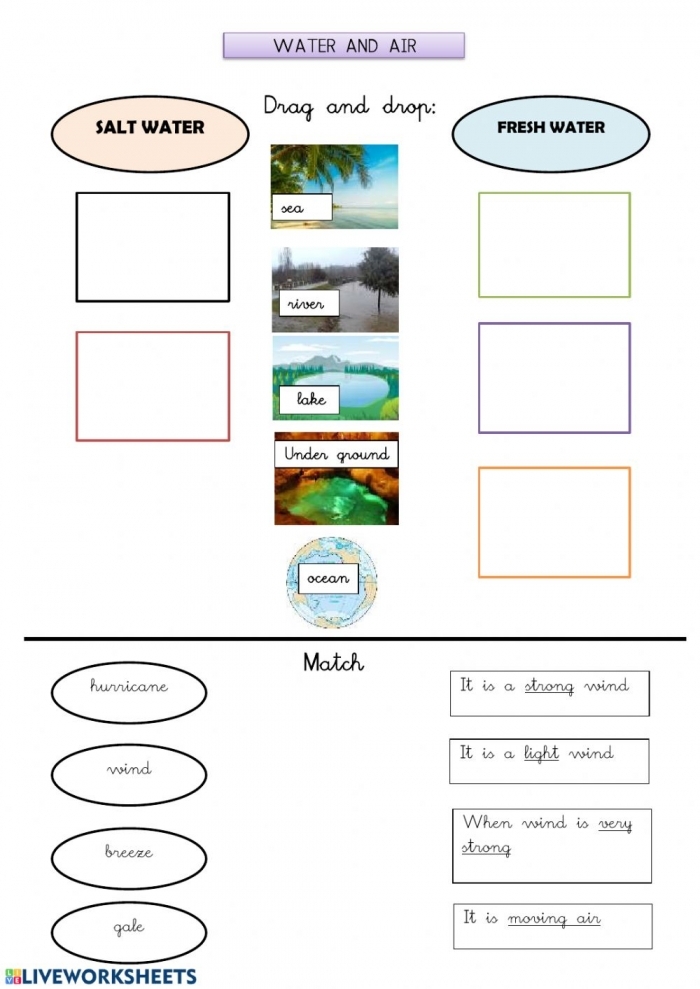
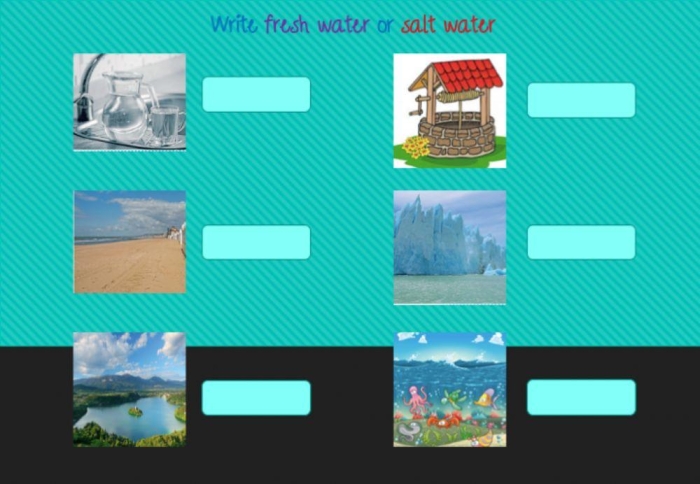
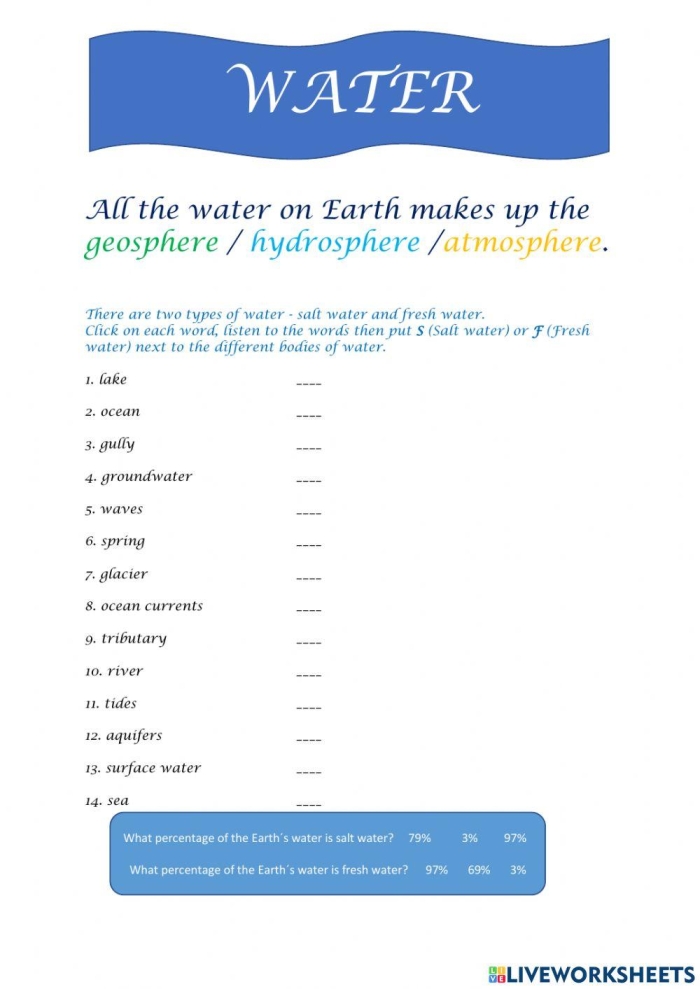
To further explore these concepts, check out the printable fresh water and salt water worksheets available online. These resources provide fun activities that reinforce learning through practical examples, aiding students in grasping the importance of our planet’s water systems.
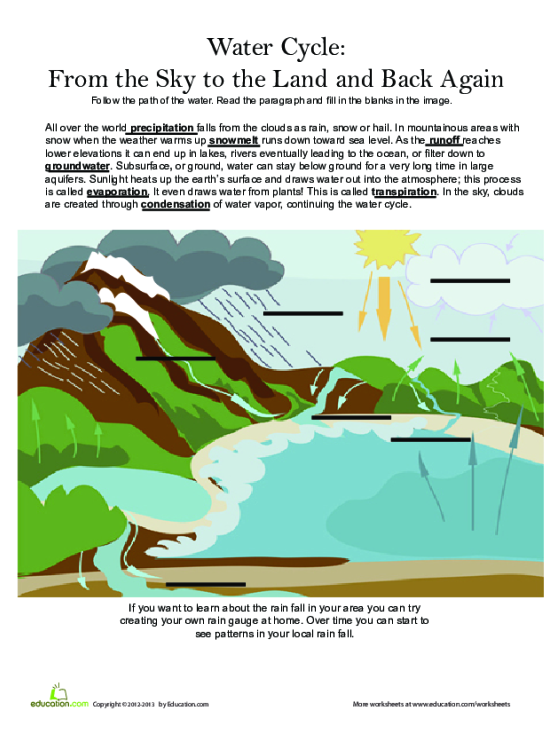
Understanding the mixing of fresh and salt water is just one aspect of the larger water cycle. For those interested in expanding their knowledge, resources like the animal word search worksheets can help incorporate enjoyable learning into everyday life. As students engage with these materials, they enhance their grammar skills while gaining a better appreciation of the natural world.
Use These Worksheets Today