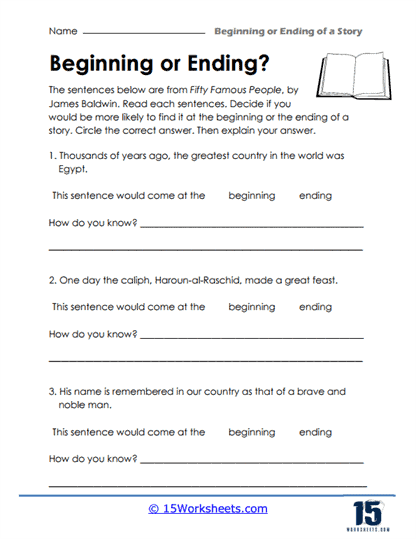
Understanding the sequencing of fiction texts is a crucial skill for first graders. This worksheet provides an engaging way for students to learn how stories are structured, enhancing their reading comprehension. By focusing on the order of events, students will gain insight into how narratives unfold and develop.
Sequencing helps young learners grasp the beginning, middle, and end of a story. By recognizing these parts, students can better predict what might happen next and understand the relationships between events. For instance, if a character faces a challenge in the middle of a story, students can think critically about how this will influence the outcome. This kind of analytical thinking is essential as they progress in their reading skills.
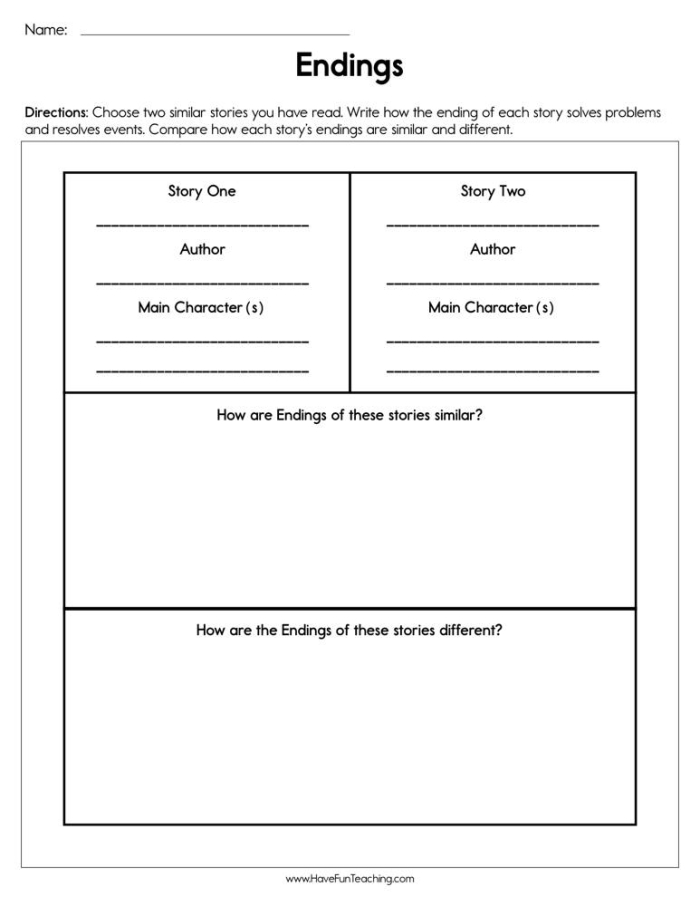
Incorporating practical examples into the worksheet can make the learning experience more relatable. For example, a familiar story, such as The Three Little Pigs, can be used to illustrate sequencing. Students can fill in a chart that outlines what happened first, next, and last, reinforcing their understanding of how stories are structured. This hands-on activity not only solidifies their comprehension but also keeps them engaged.
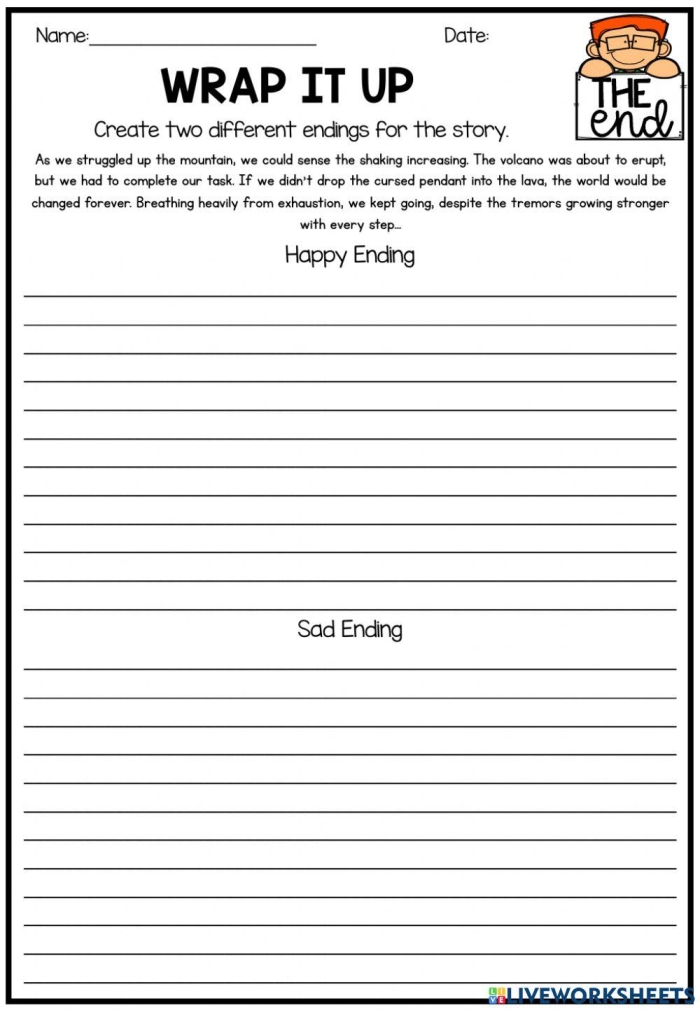
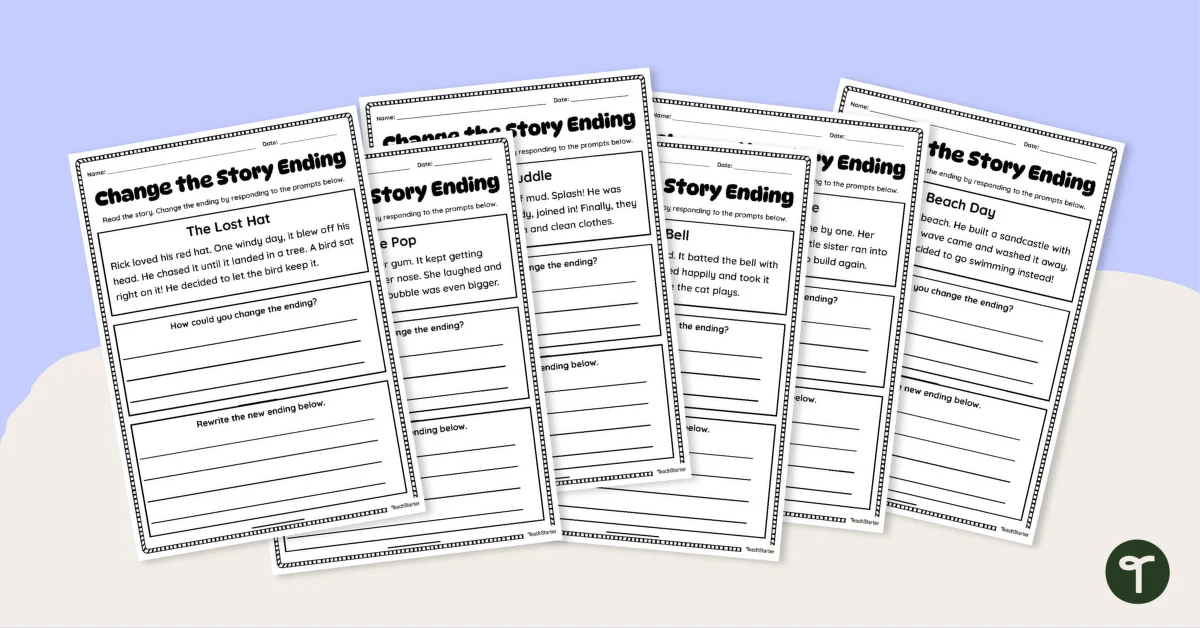
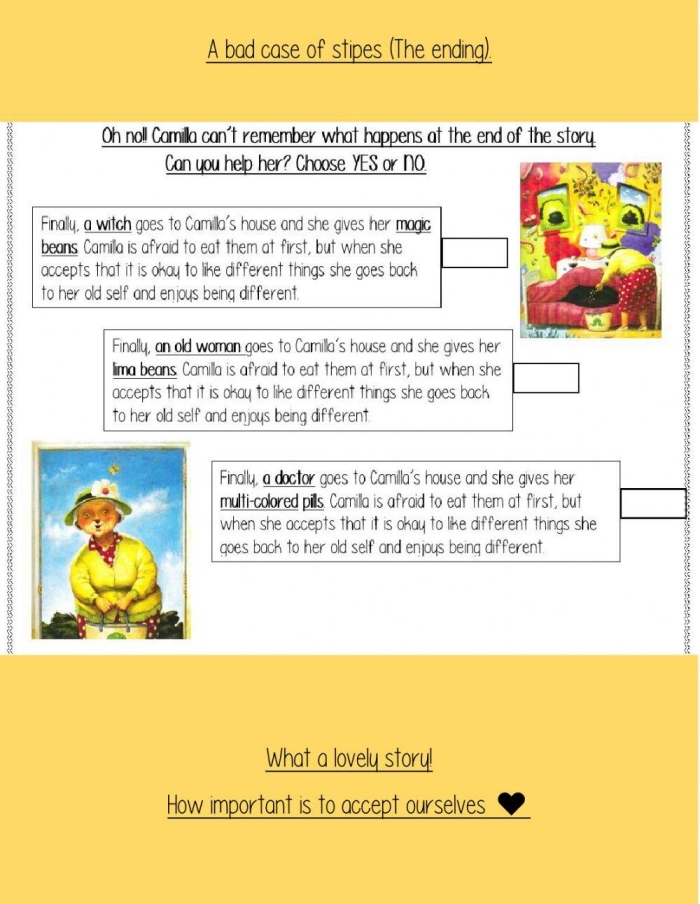
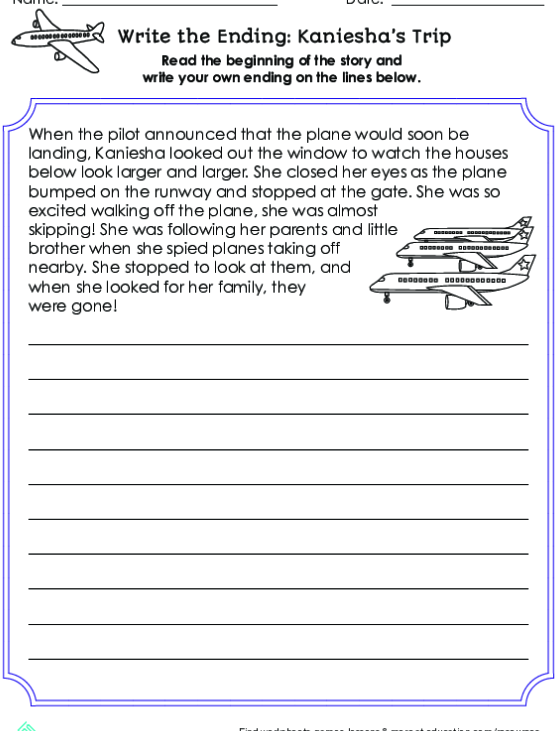
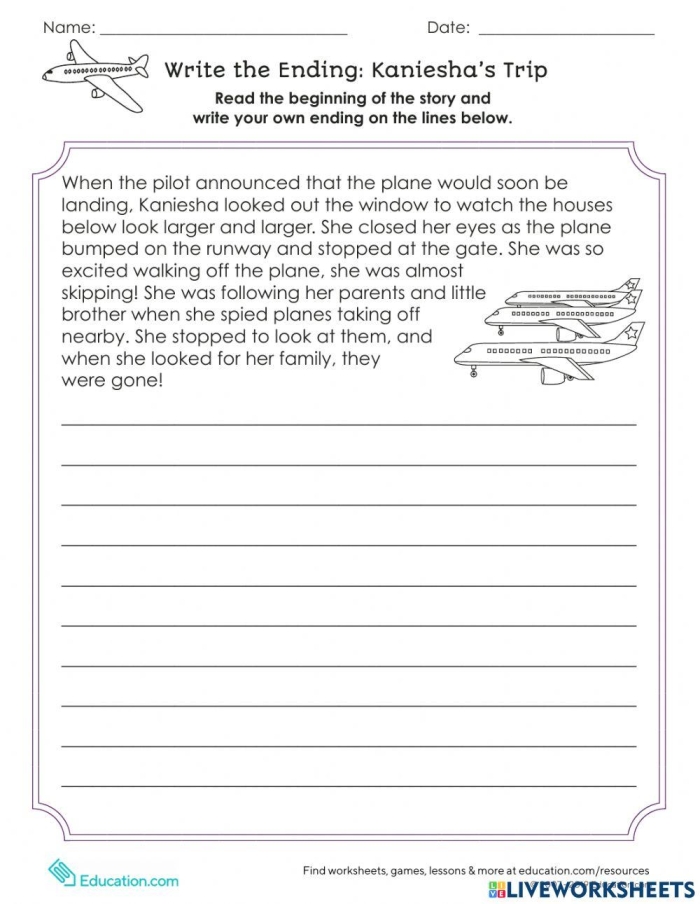
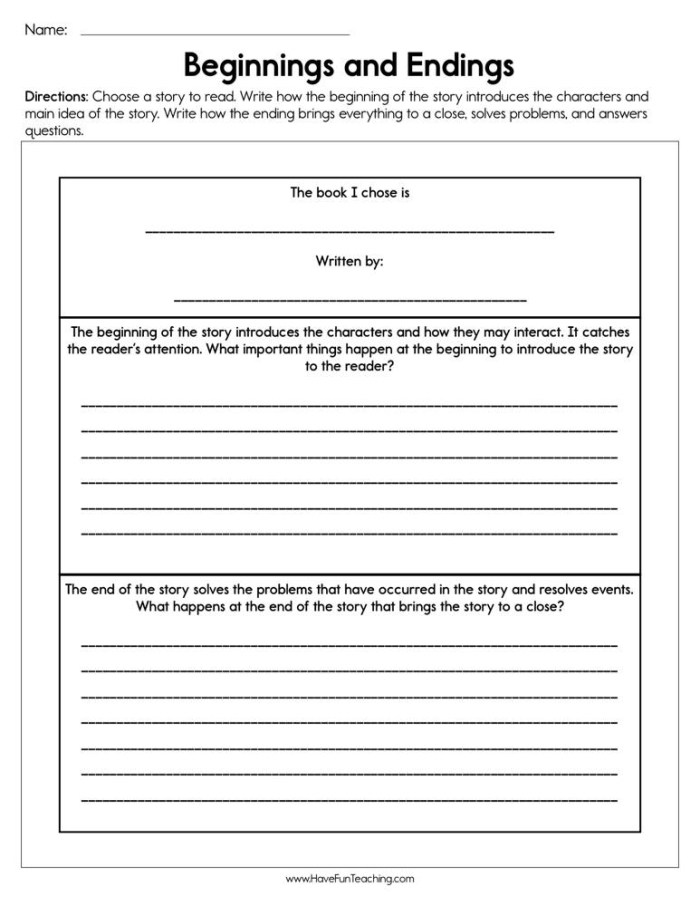
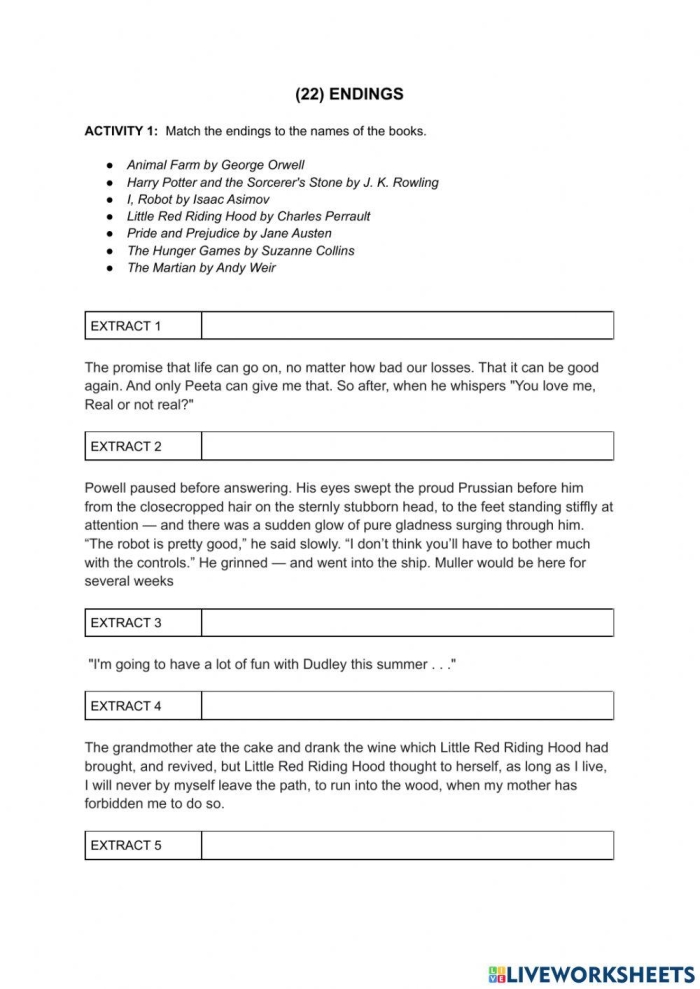
Moreover, sequencing is not limited to fiction texts. It can also be applied in various subjects, including math. For those interested in enhancing addition skills, worksheets like the Choose the Best Ending can complement this learning. Such resources encourage students to think sequentially, whether they are solving math problems or understanding storylines.
Ultimately, mastering the sequencing of fiction texts equips first graders with tools that enhance their reading skills and comprehension. By integrating these concepts into engaging worksheets, educators can foster a love for reading that lays the foundation for future learning.
Try These Printable Worksheets