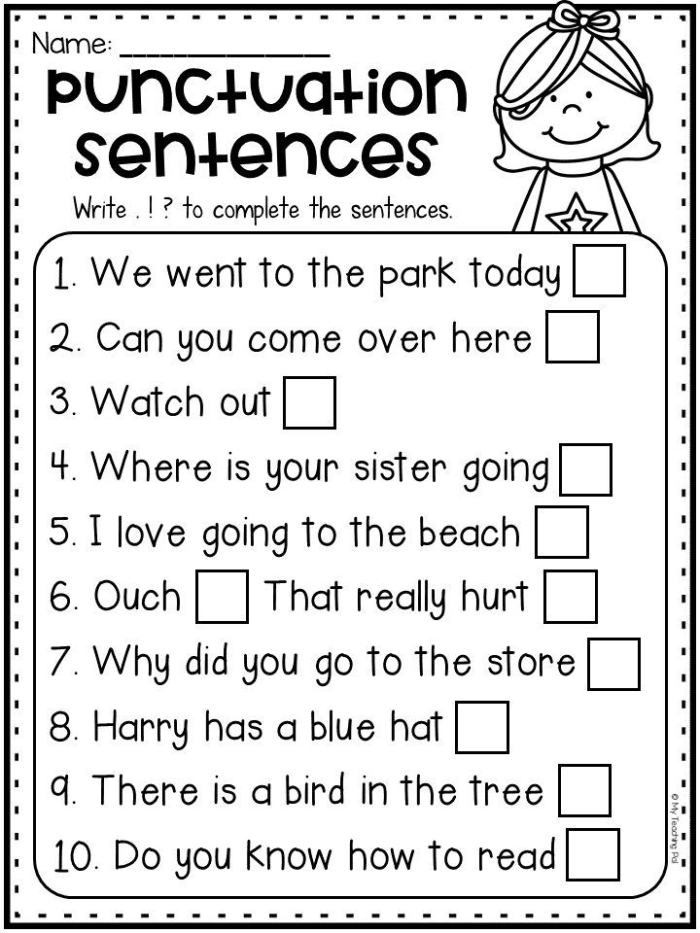
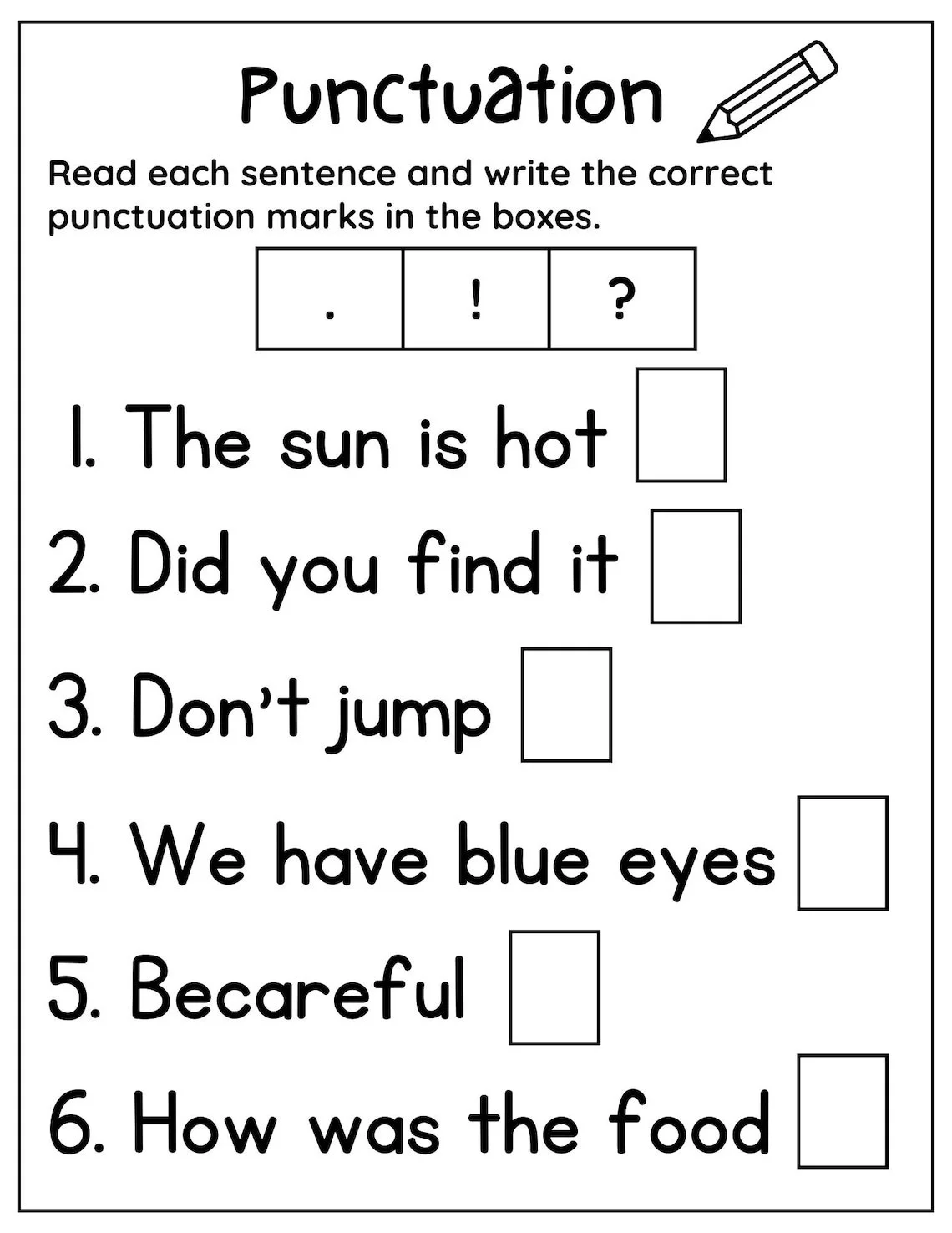
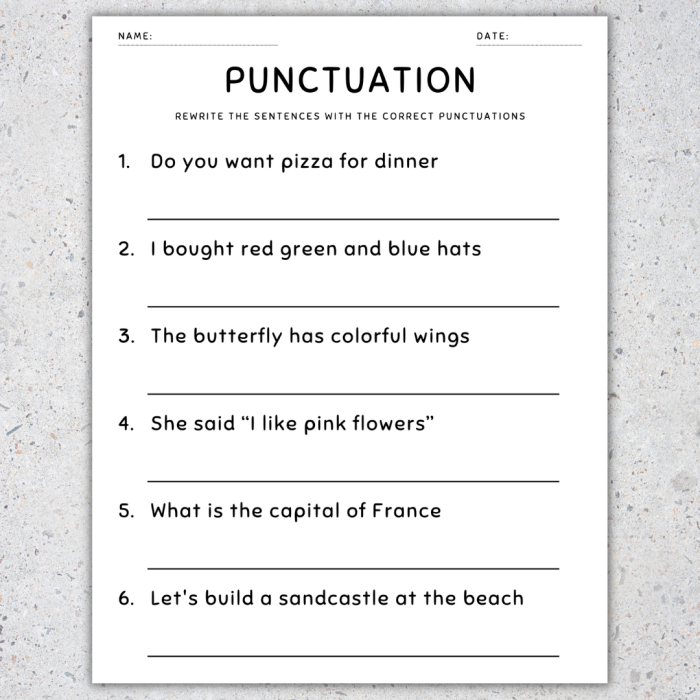
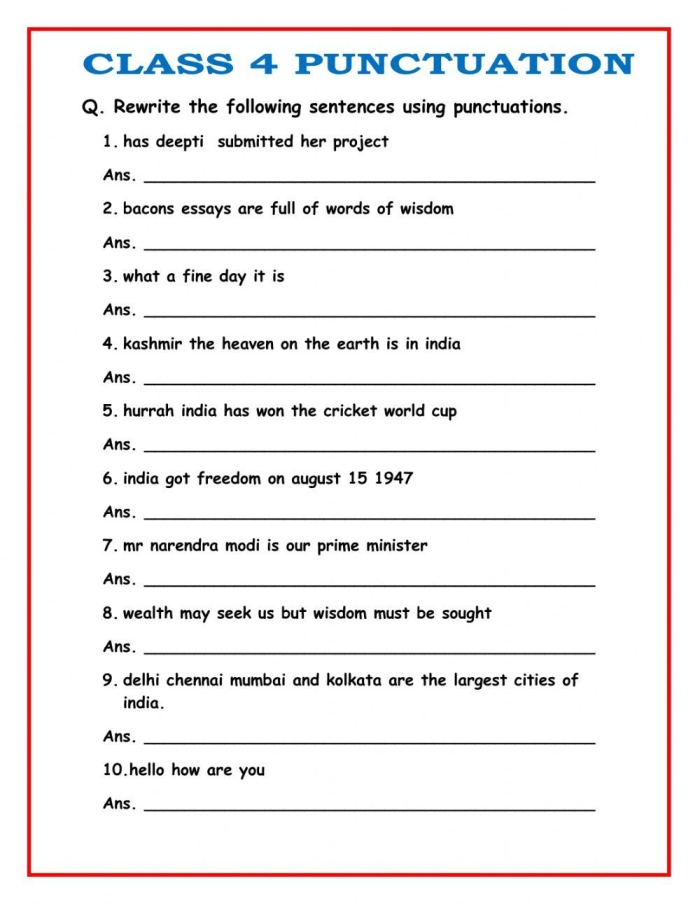
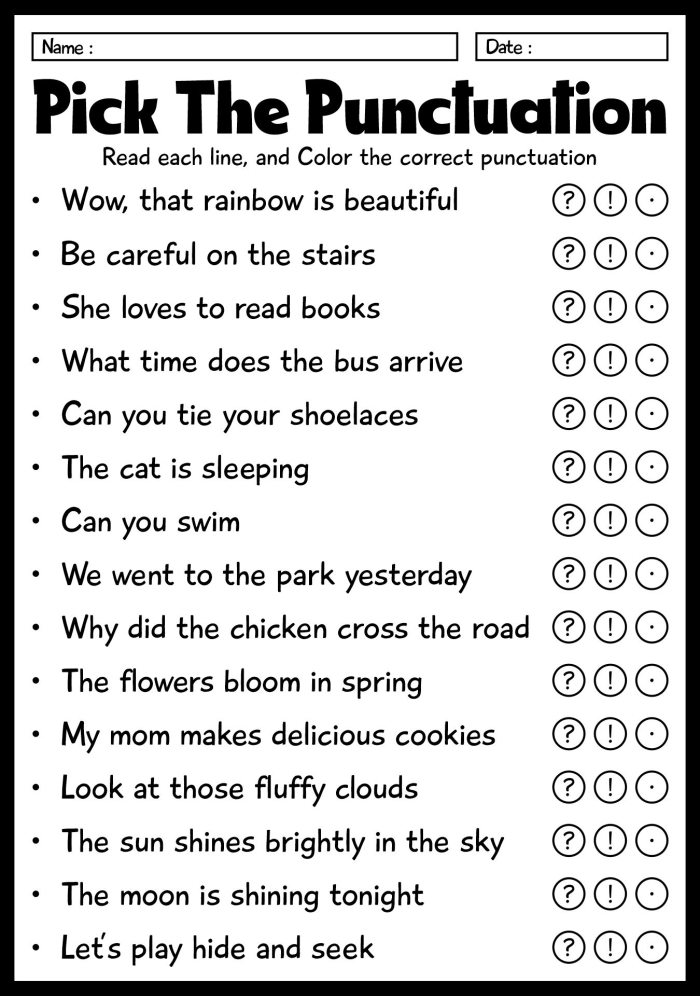
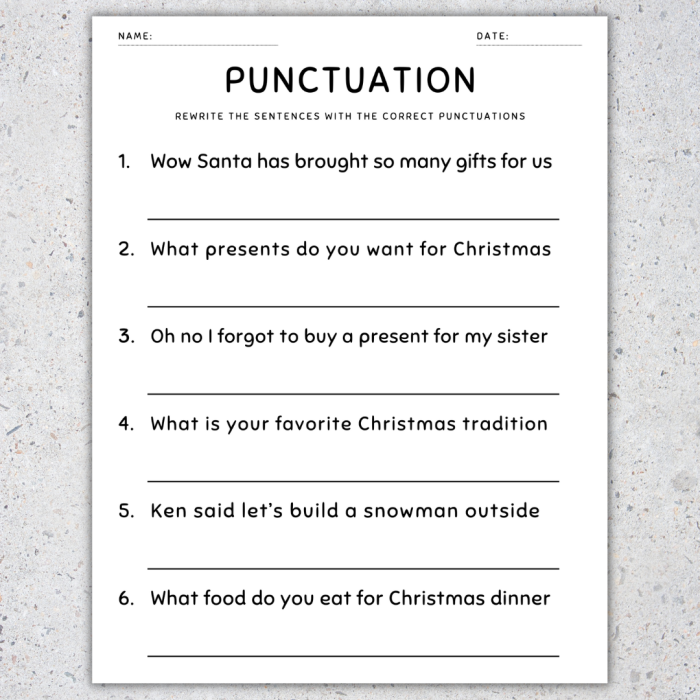
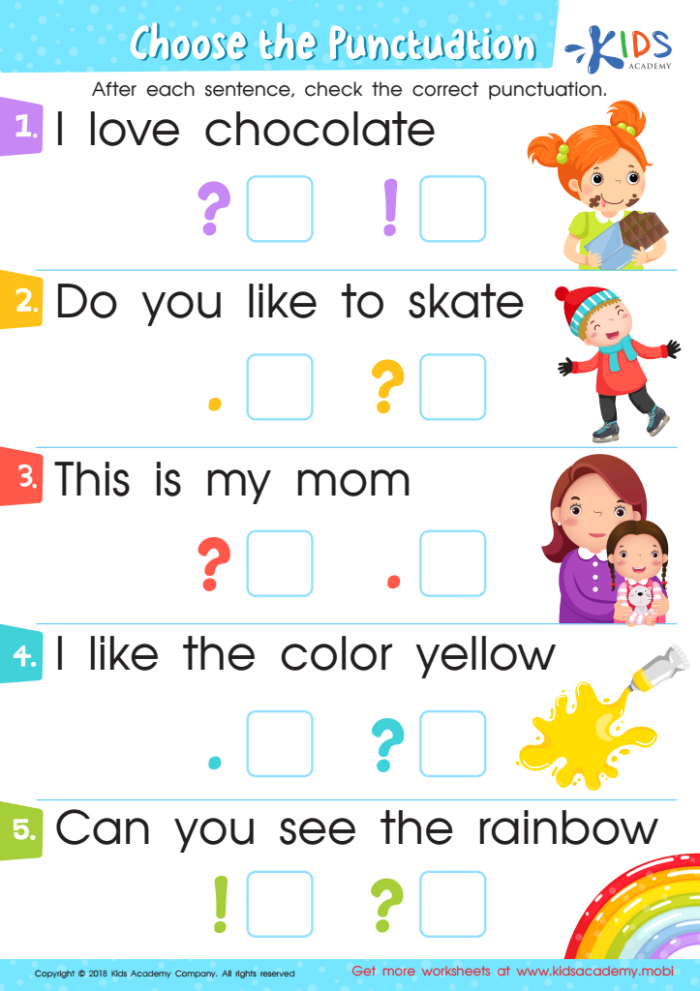
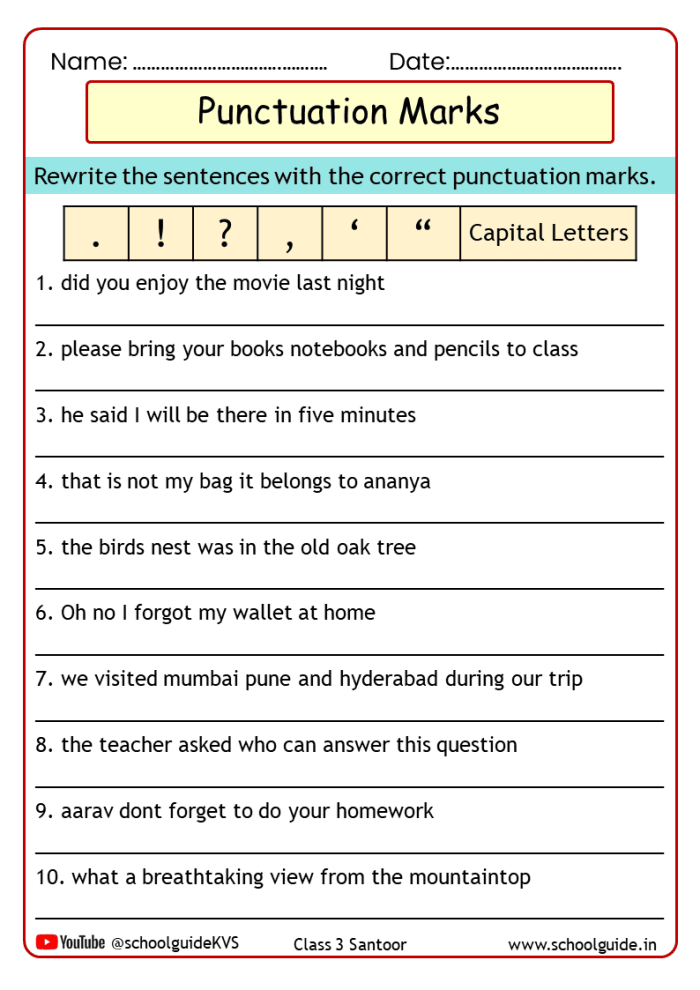
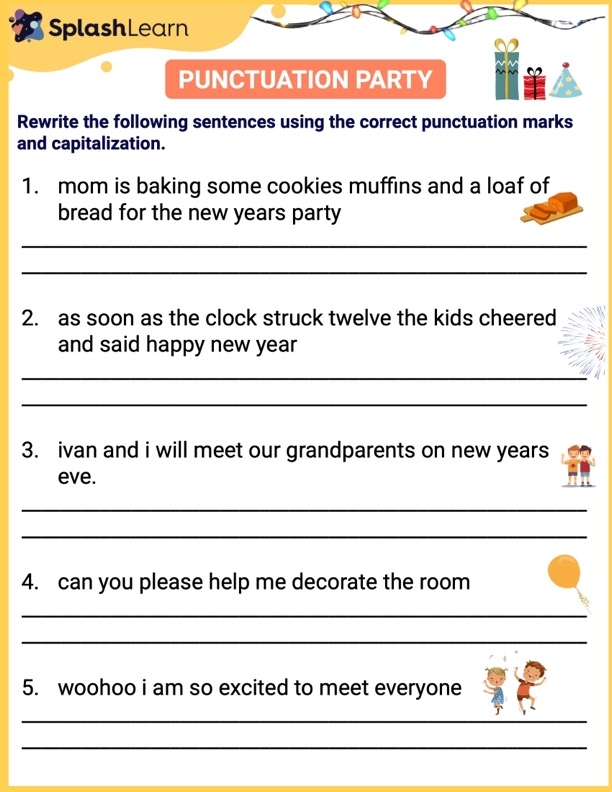
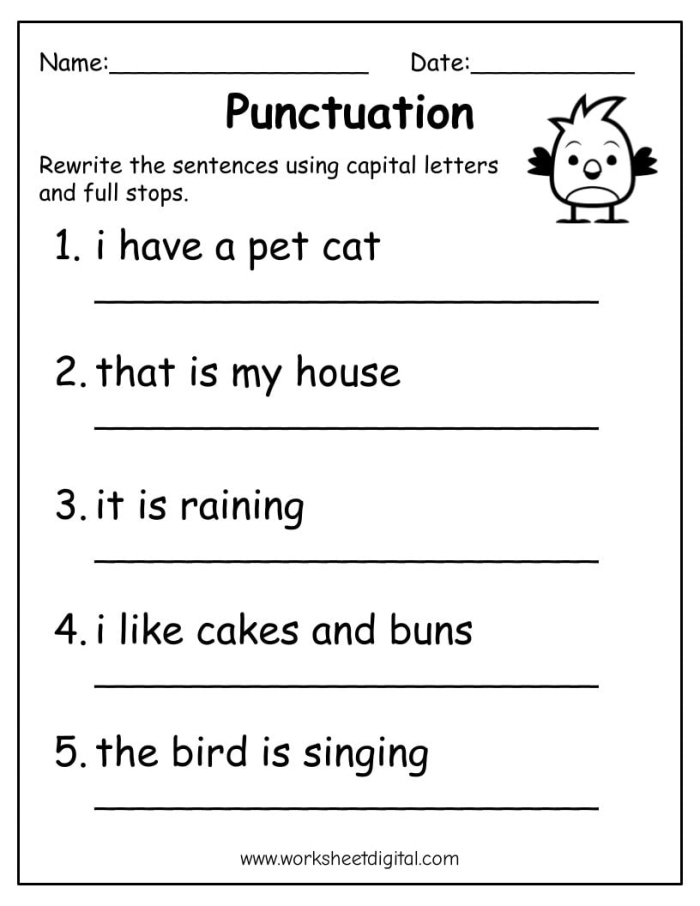
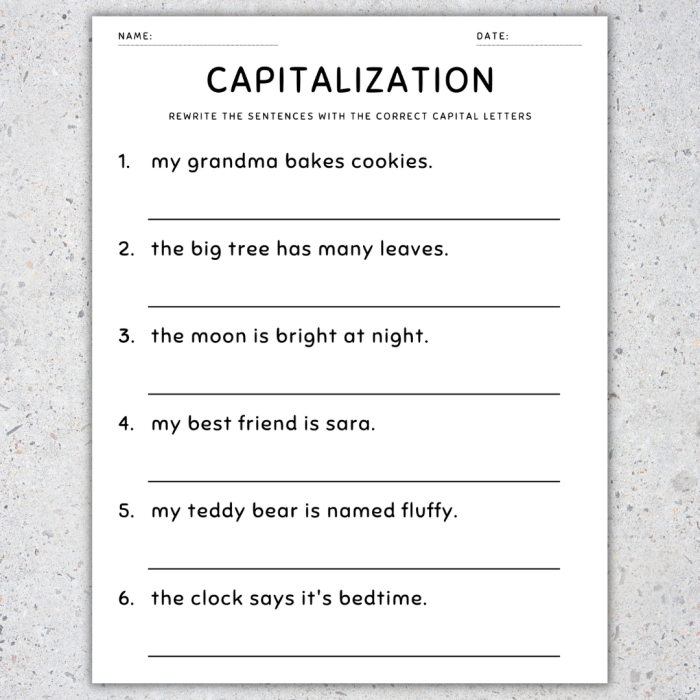
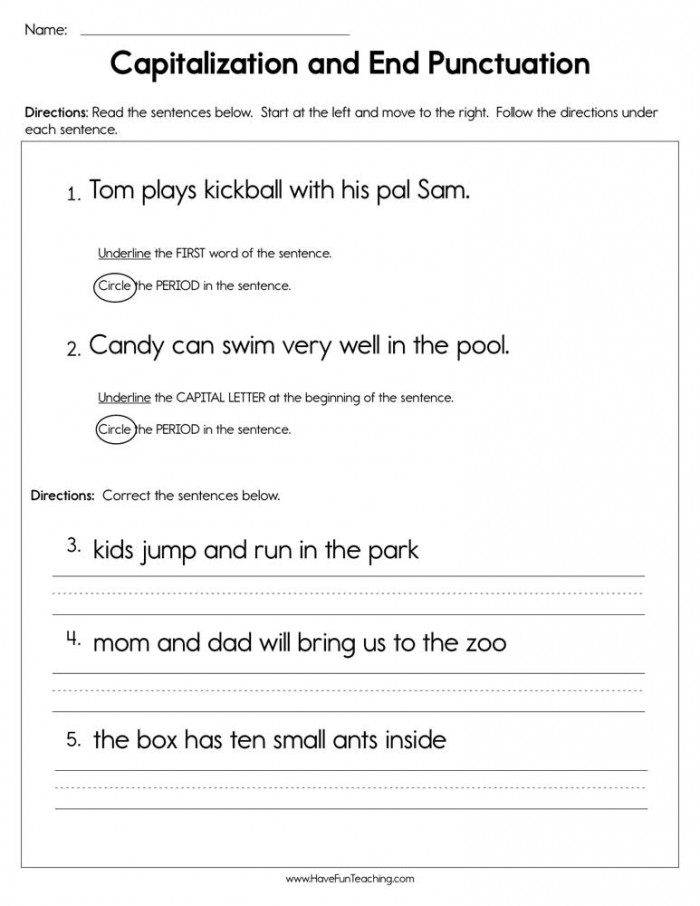
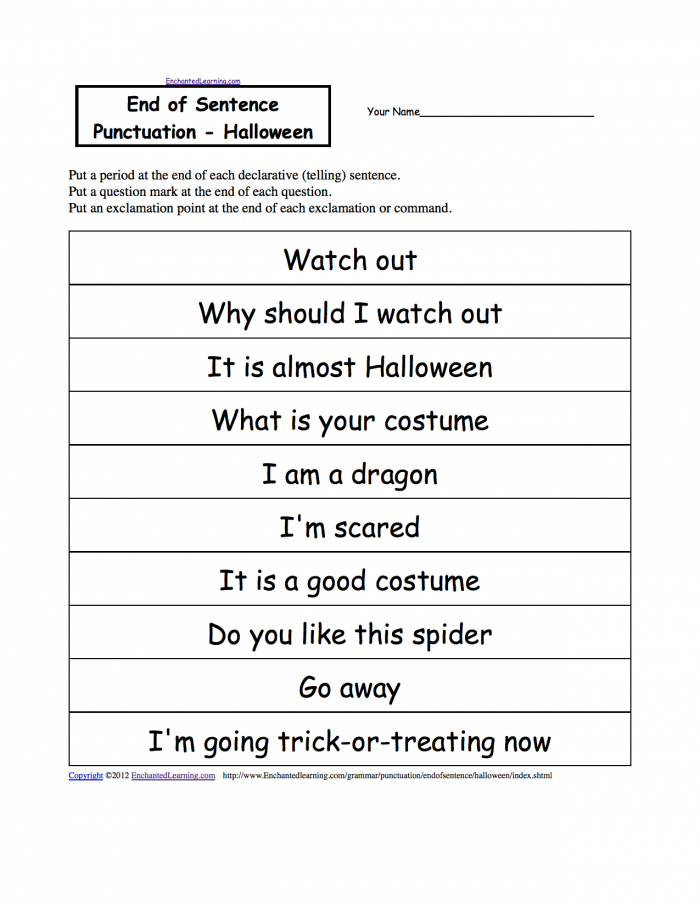
Understanding ending punctuation is a crucial skill for young learners. In Pre-K, children are introduced to the basics of writing, and punctuation plays a key role in helping them express their thoughts clearly. Assessing kids’ comprehension of this concept through worksheets can be both engaging and effective for their learning process.
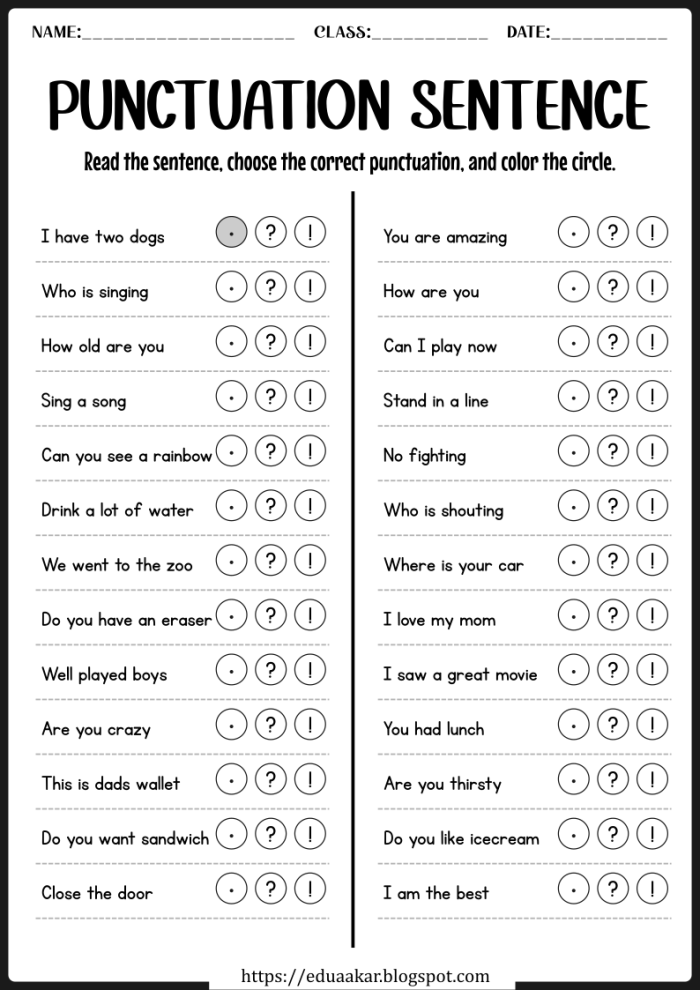
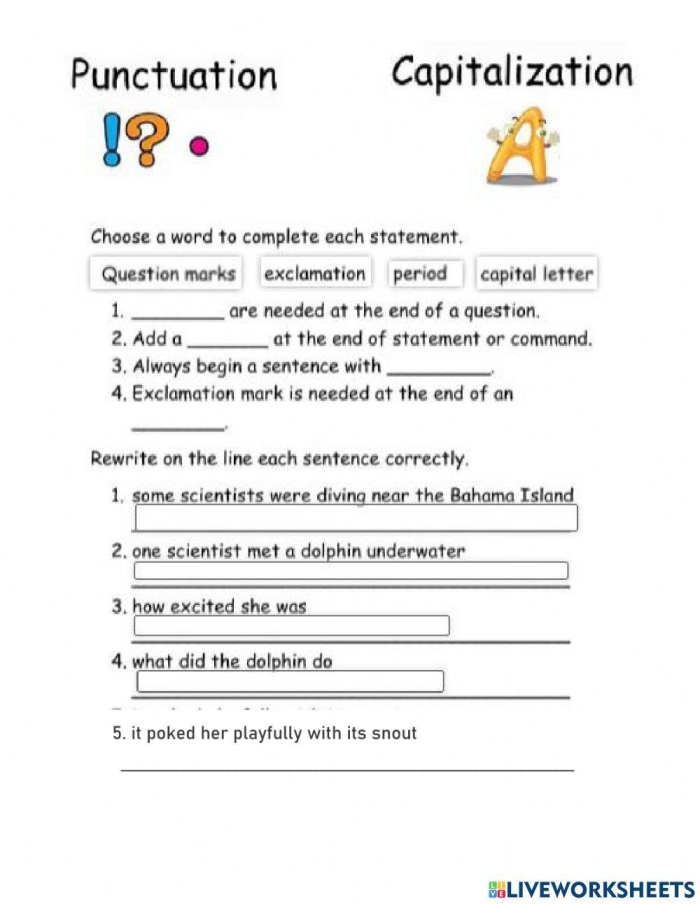
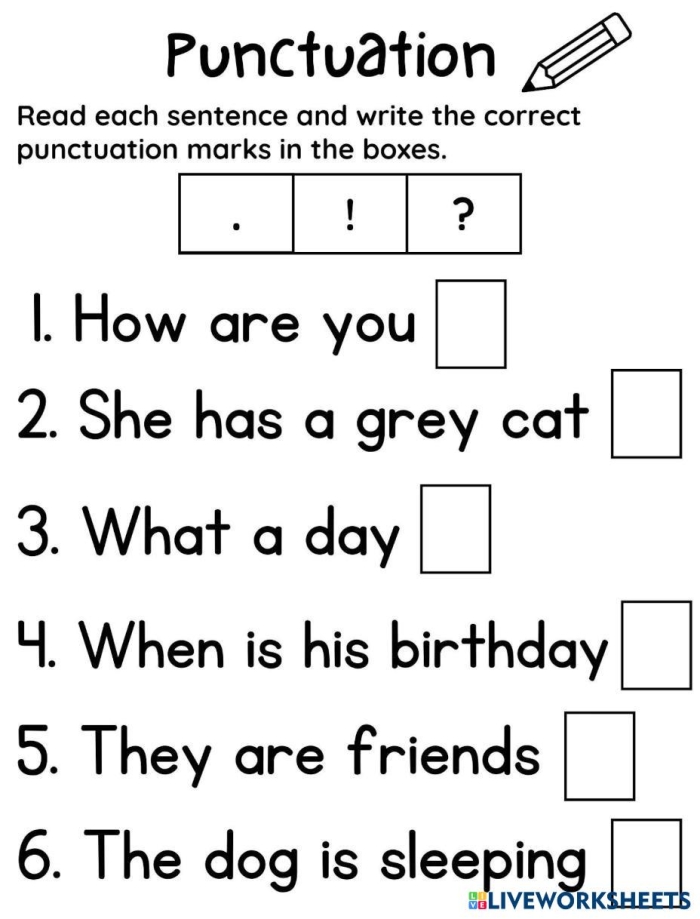
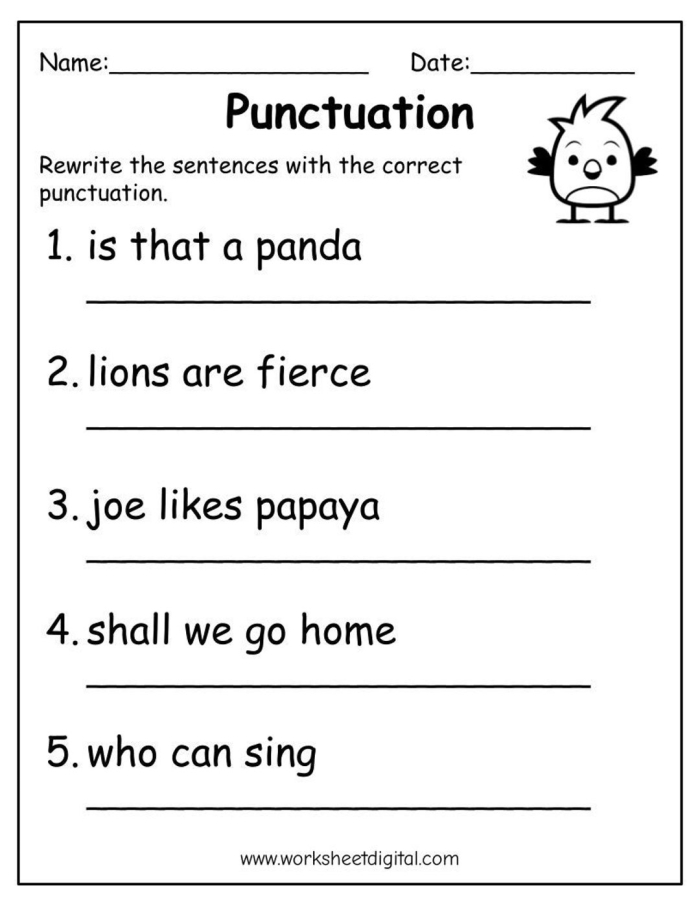
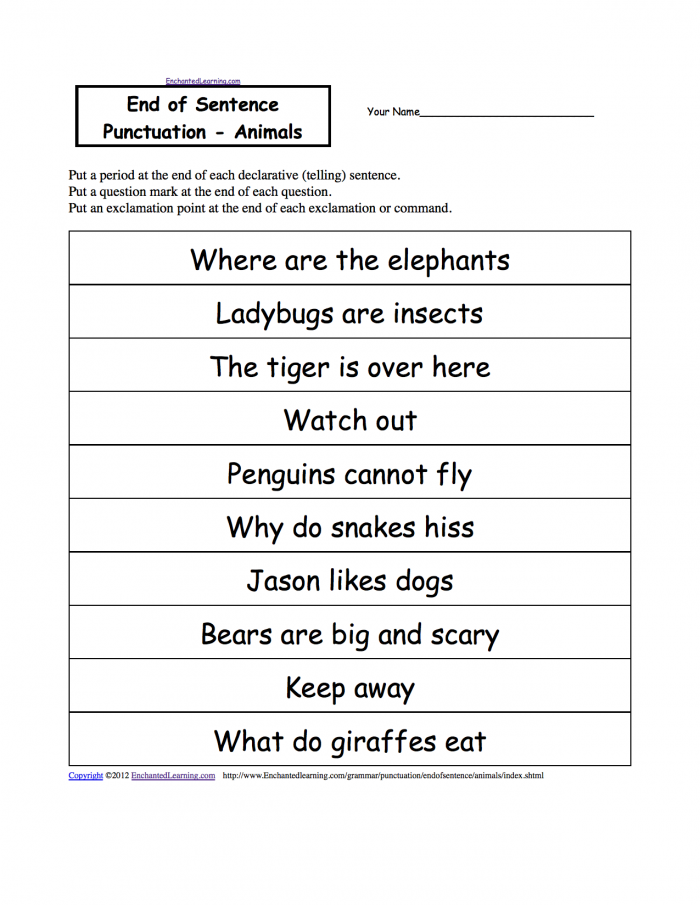
Punctuation marks, such as periods, question marks, and exclamation points, signal the end of a sentence. They provide important cues about how a sentence should be read. For instance, a period indicates a statement, a question mark signifies a query, and an exclamation point conveys excitement or strong emotion. By using a worksheet focused on these concepts, educators can make the learning process enjoyable.
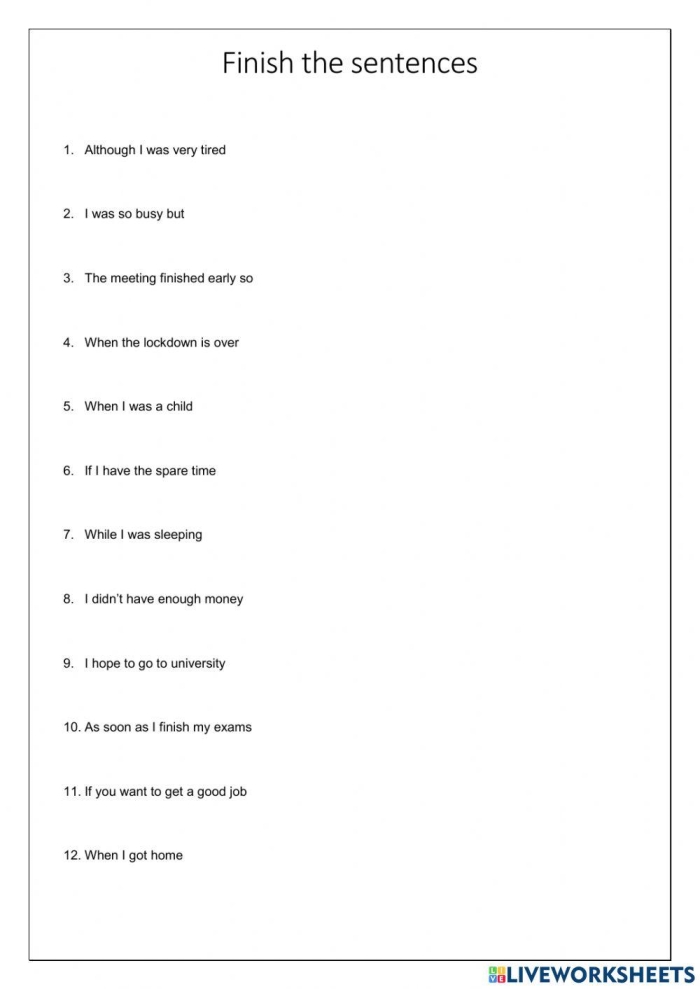
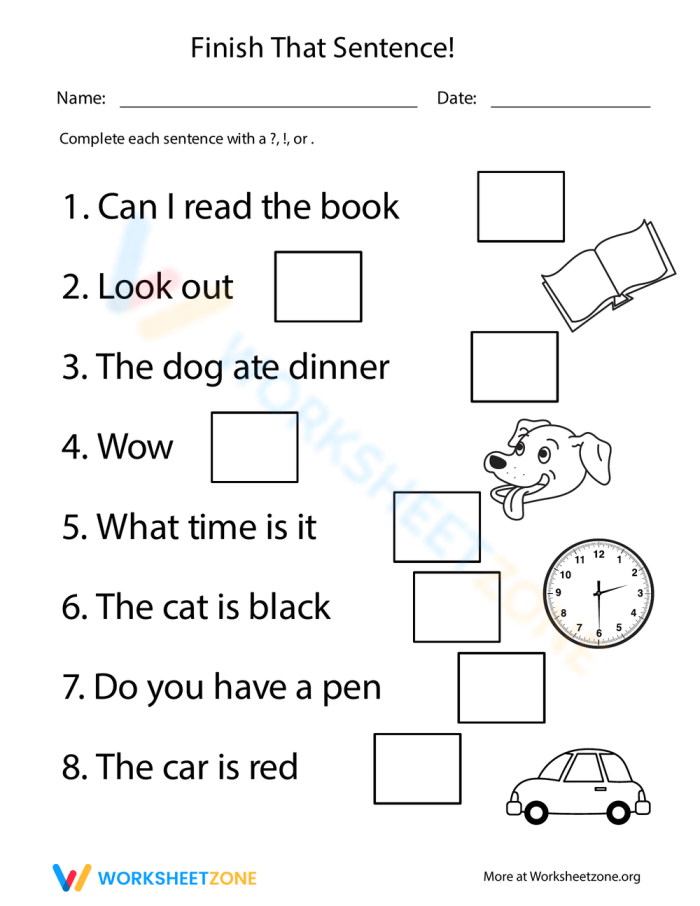
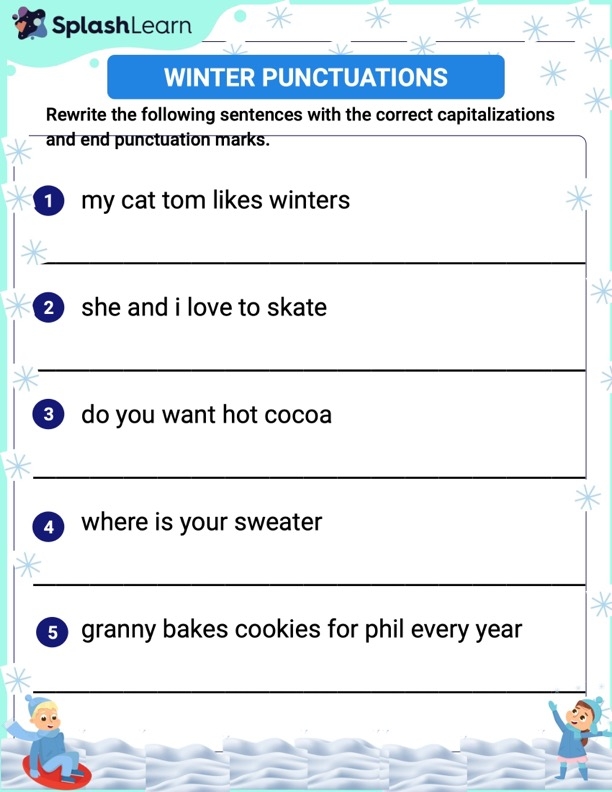
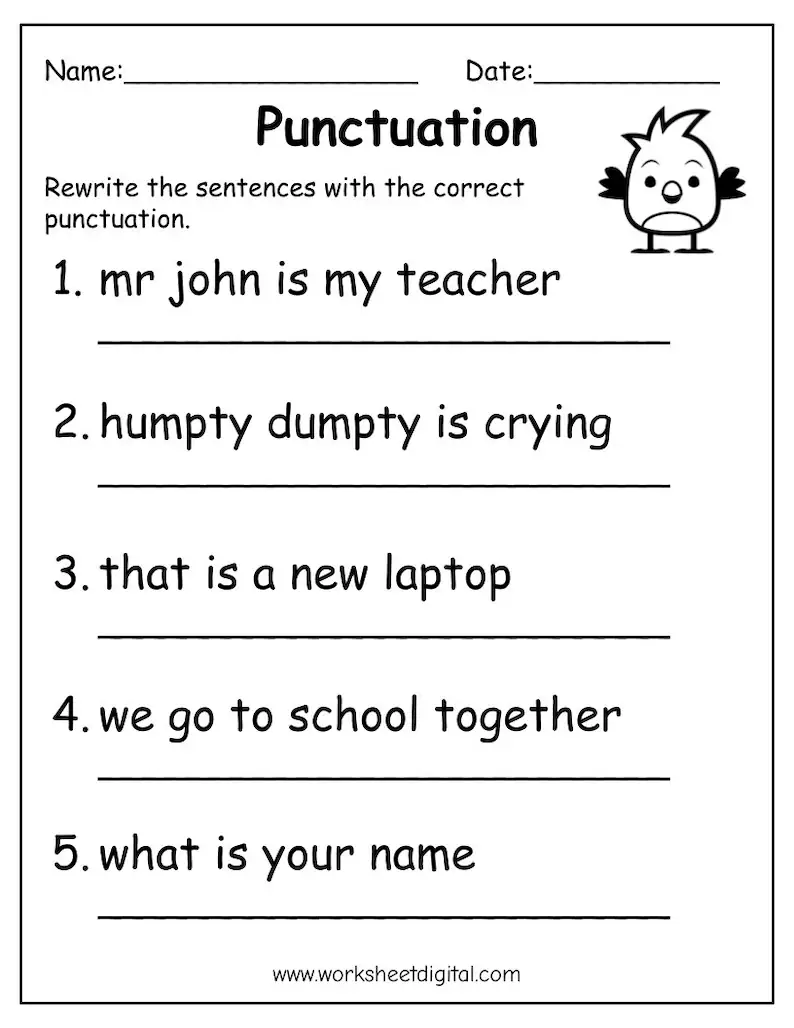
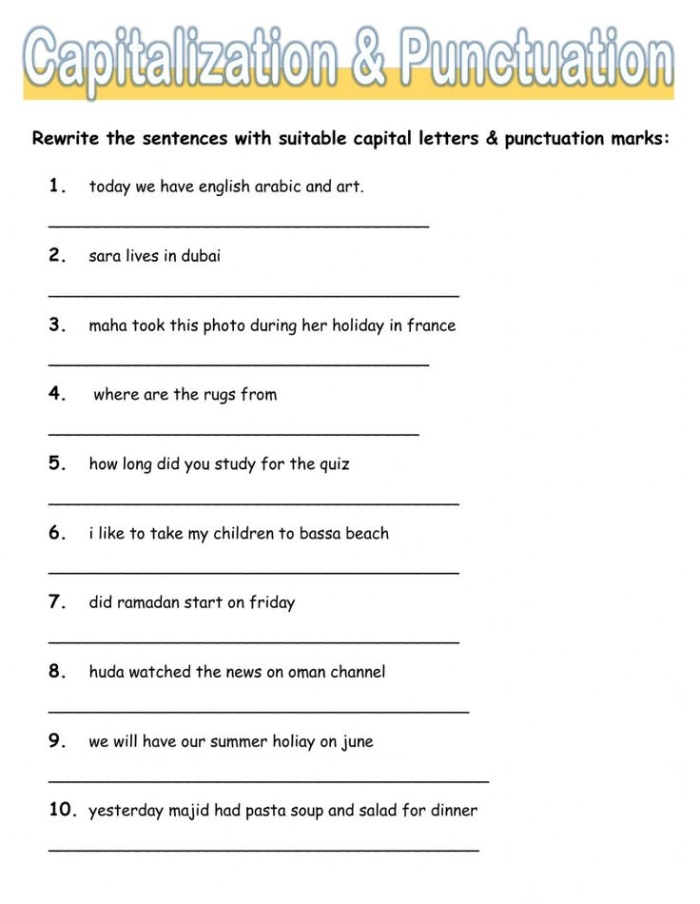
One effective way to assess children’s understanding of ending punctuation is through interactive activities. For example, a worksheet may prompt kids to finish sentences and choose the correct punctuation mark to complete them. This not only reinforces their knowledge but also encourages creativity. For instance, consider a sentence starter like “The dog ran fast”—students can decide if it should end with a period, a question mark, or an exclamation point based on the context they create.
Worksheets tailored for Pre-K learners should feature colorful illustrations and relatable examples to keep young minds engaged. They can be used for individual practice or as group activities, promoting collaboration and discussion among peers. Resources like the How Many Are Reading Pre-K Worksheets can complement punctuation exercises by building overall reading skills.
Ultimately, incorporating worksheets that assess kids’ understanding of ending punctuation can enhance their writing abilities. By providing a structured yet fun approach, educators can help children grasp the importance of punctuation in their communication, setting them up for future success in reading and writing.
Grab These Worksheets Now