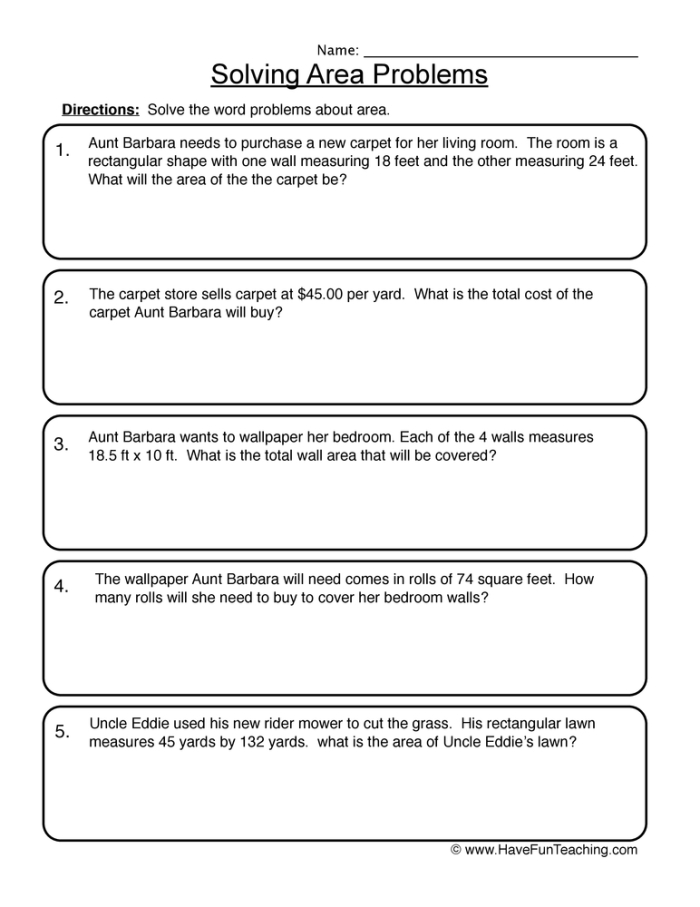
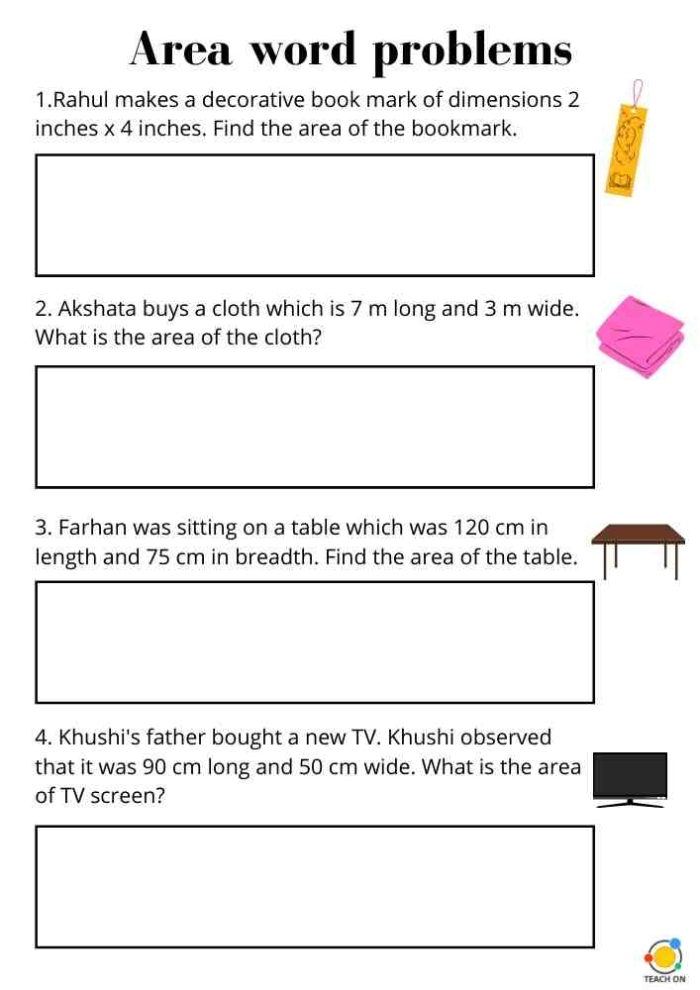
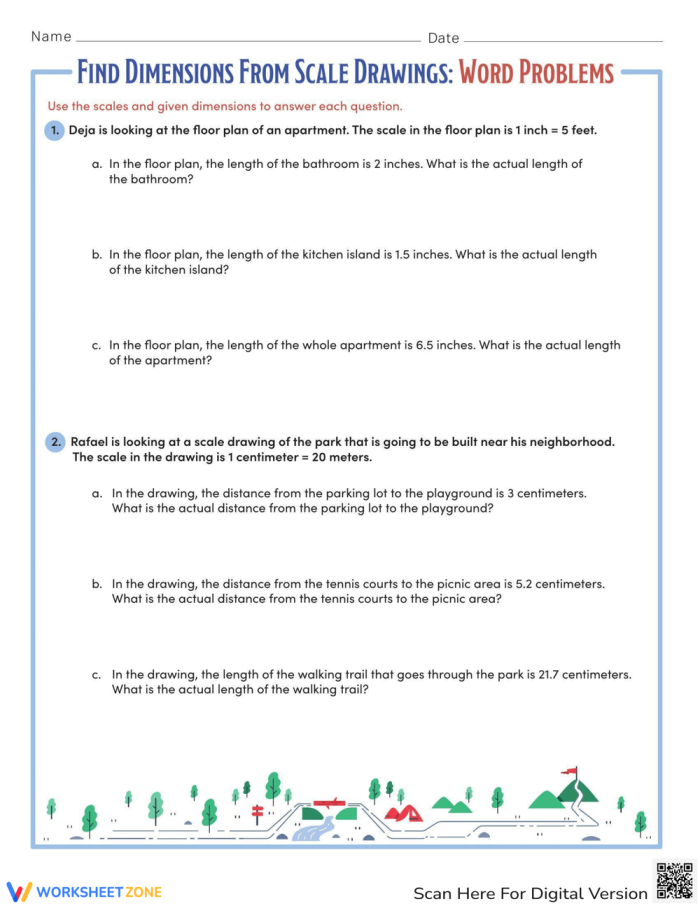
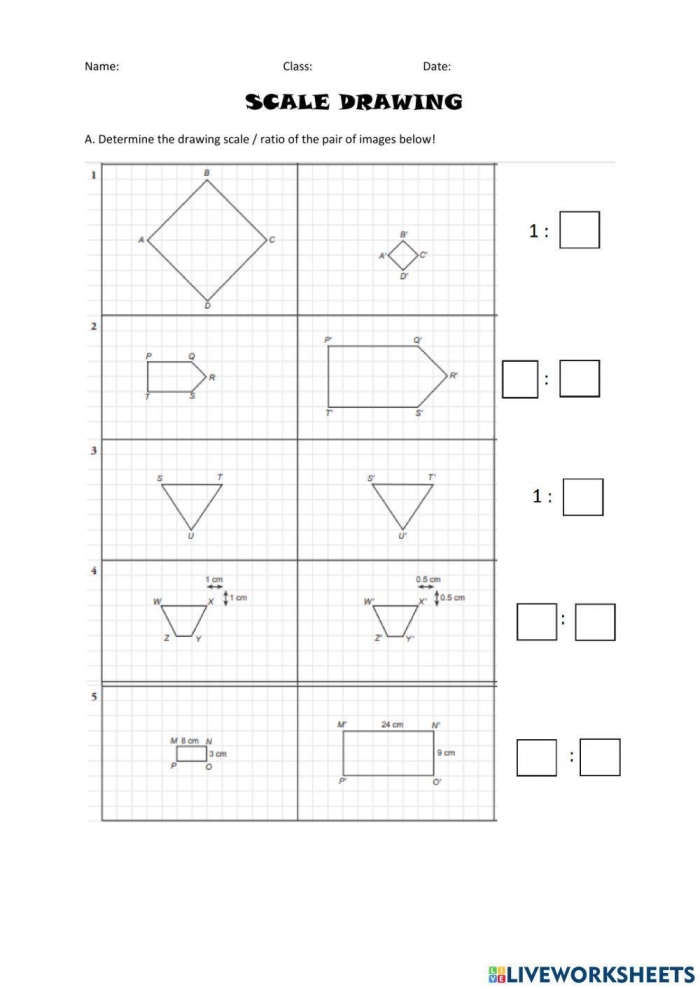
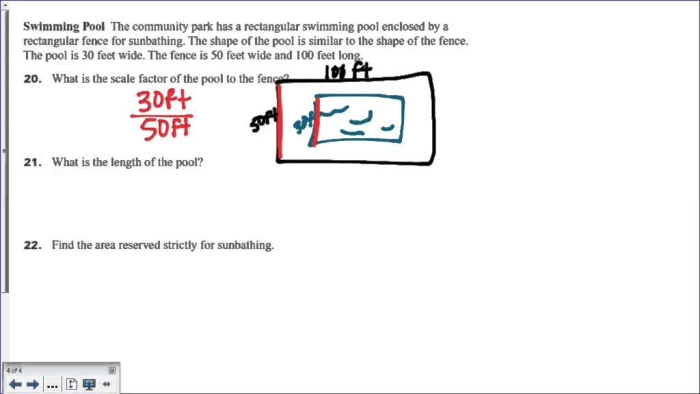
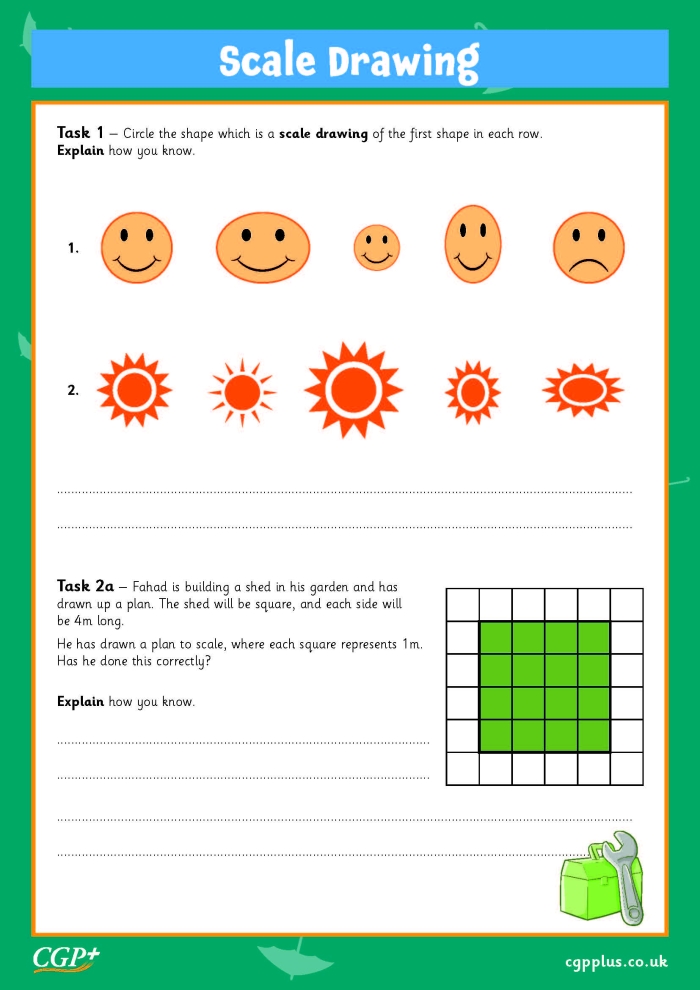
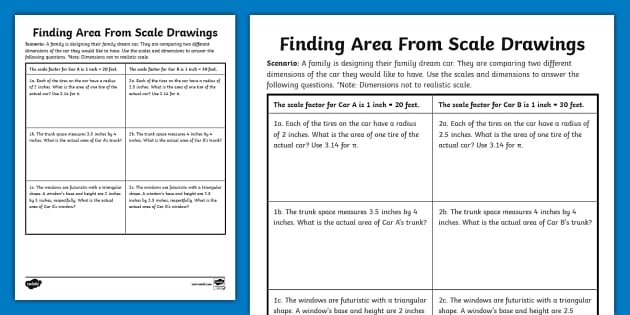
Understanding how to calculate area is a fundamental skill in geometry, especially for seventh graders tackling mixed operations. One effective way to practice this skill is through worksheets that involve scale drawings and floor plans. In these activities, students are presented with diagrams that represent rooms in a building, complete with scales that help them translate the measurements on paper into actual dimensions.
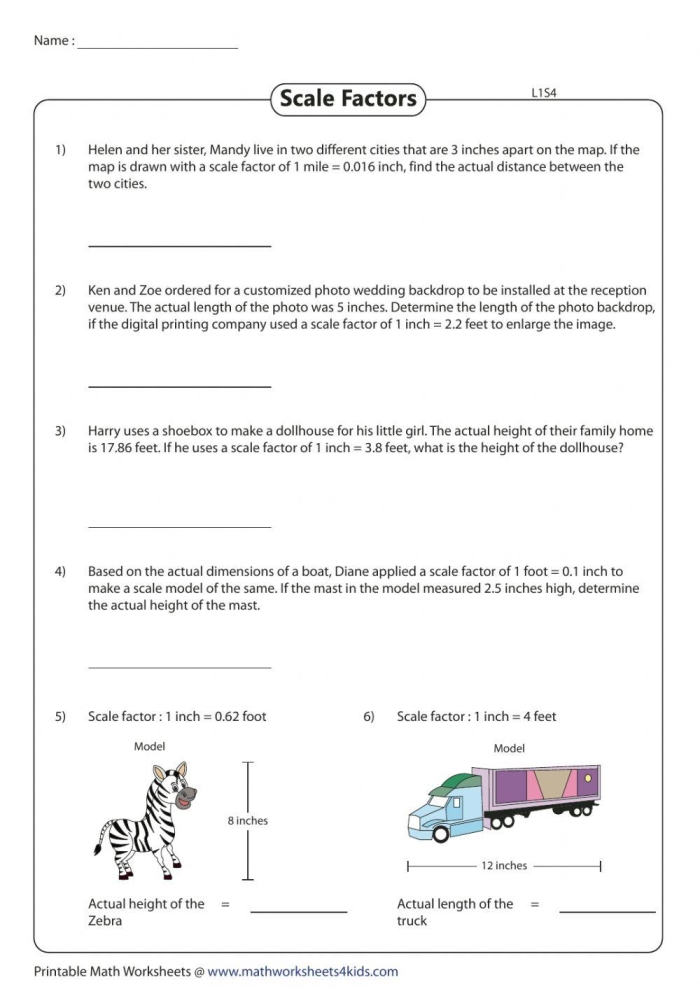
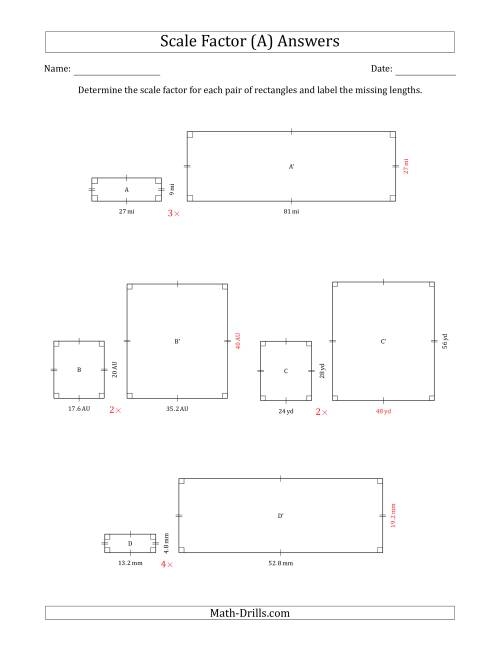
For instance, a worksheet might show a floor plan where the living room is represented as a rectangle measuring 3 inches by 4 inches on the page. If the scale is set at 1 inch equaling 2 feet, students must first convert these measurements to feet to find the area. Using basic multiplication, they calculate the area by multiplying the length by the width, resulting in an area of 24 square feet for the living room.
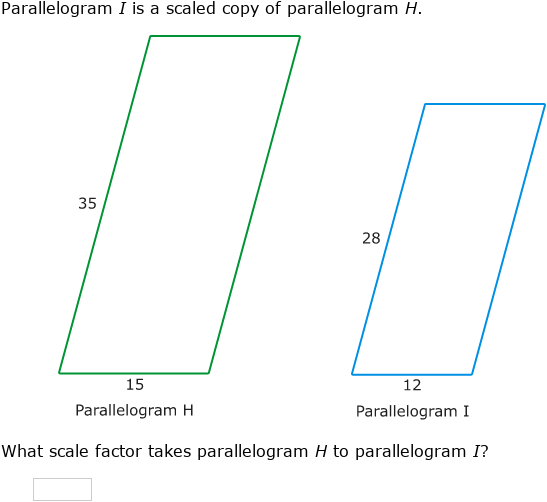
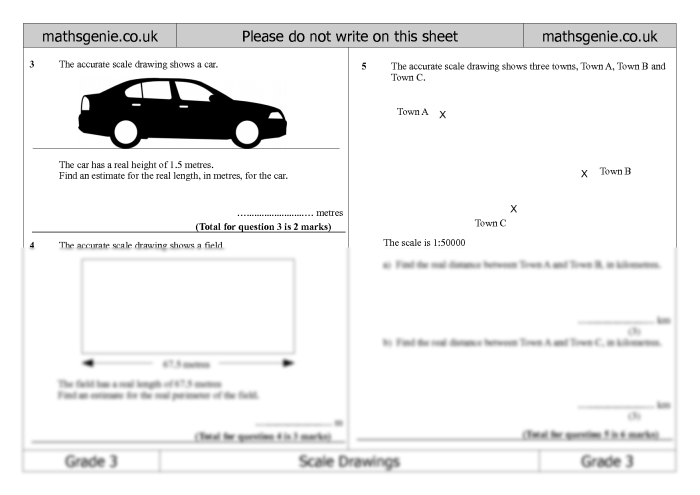
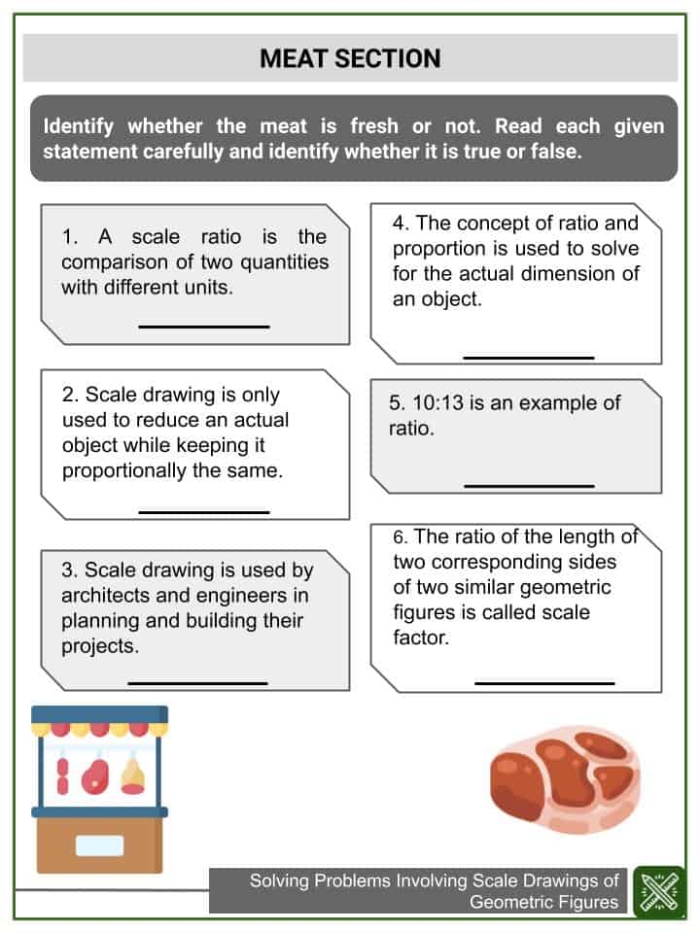
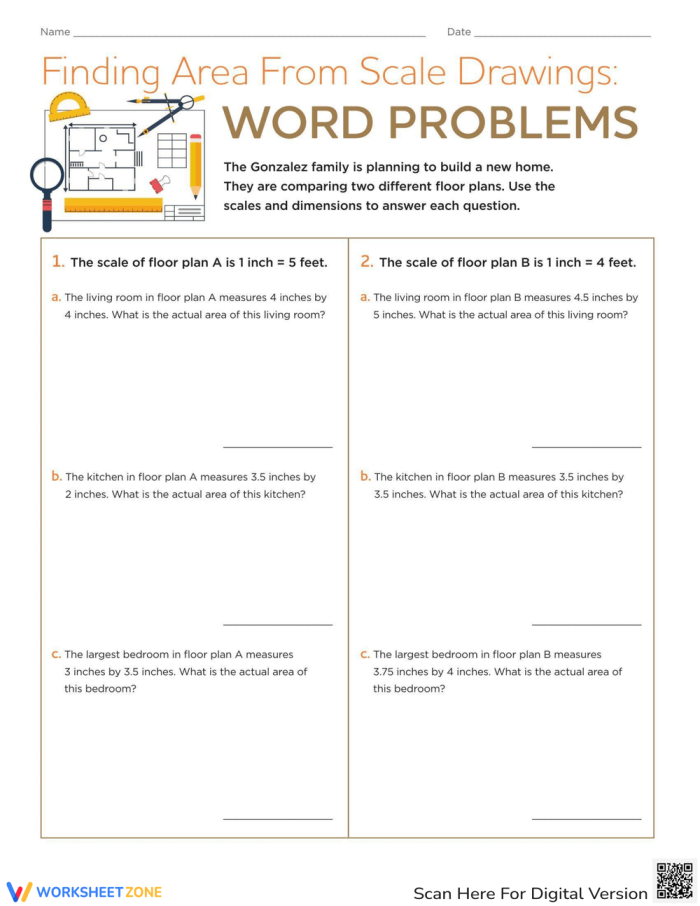
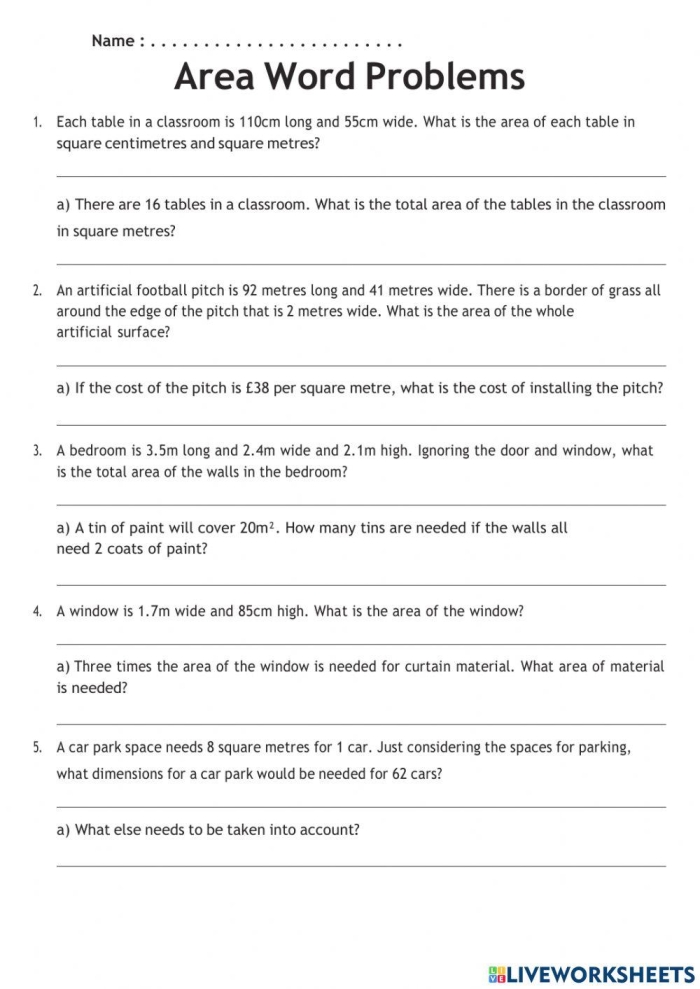
This hands-on approach not only reinforces their understanding of area but also helps them grasp concepts of scale and proportion. Students learn to visualize how measurements translate to real-world applications, making the math more relevant. Worksheets that focus on finding area from scale drawings, such as those available at Finding Area From Scale Drawings: Word Problems, allow for diverse problem-solving scenarios that encourage critical thinking.
Moreover, integrating these exercises with other seventh-grade math topics, like probability and analyzing poetry, can create a rich learning environment. For instance, combining area calculations with probability models, as seen in the Probability Dice Practice, can foster a deeper understanding of how mathematics interacts across different subjects.
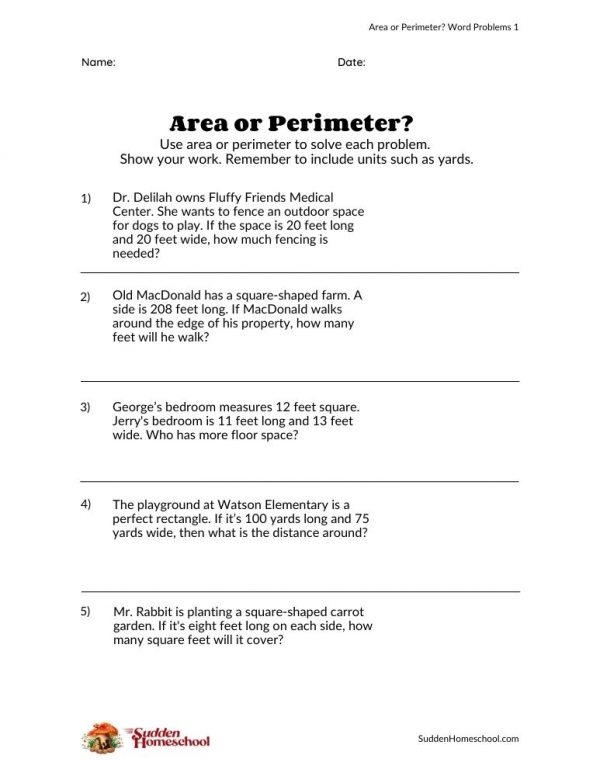
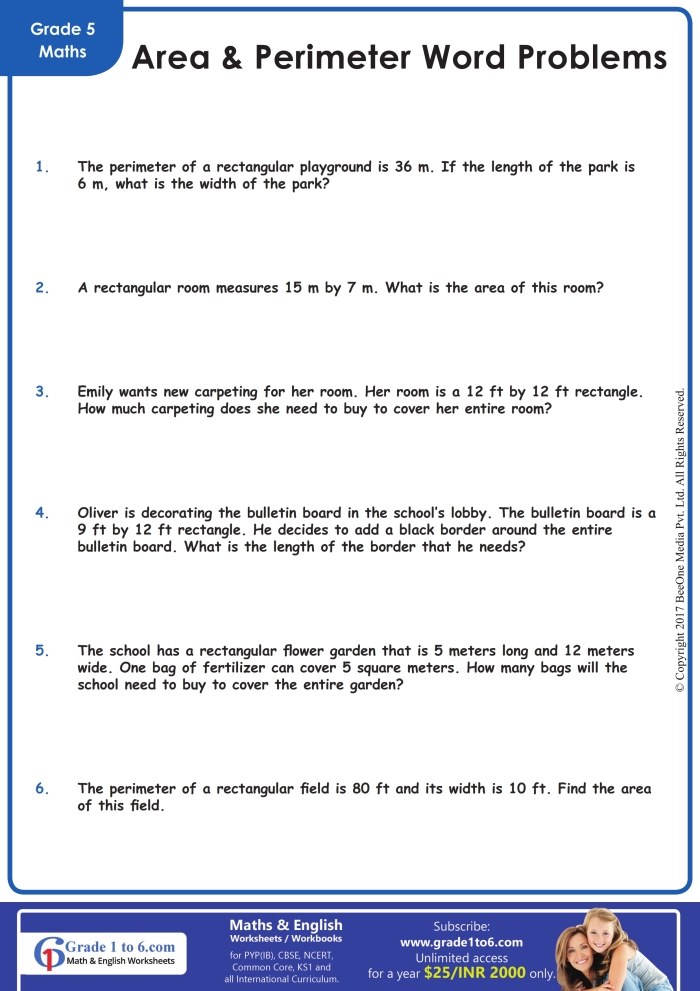
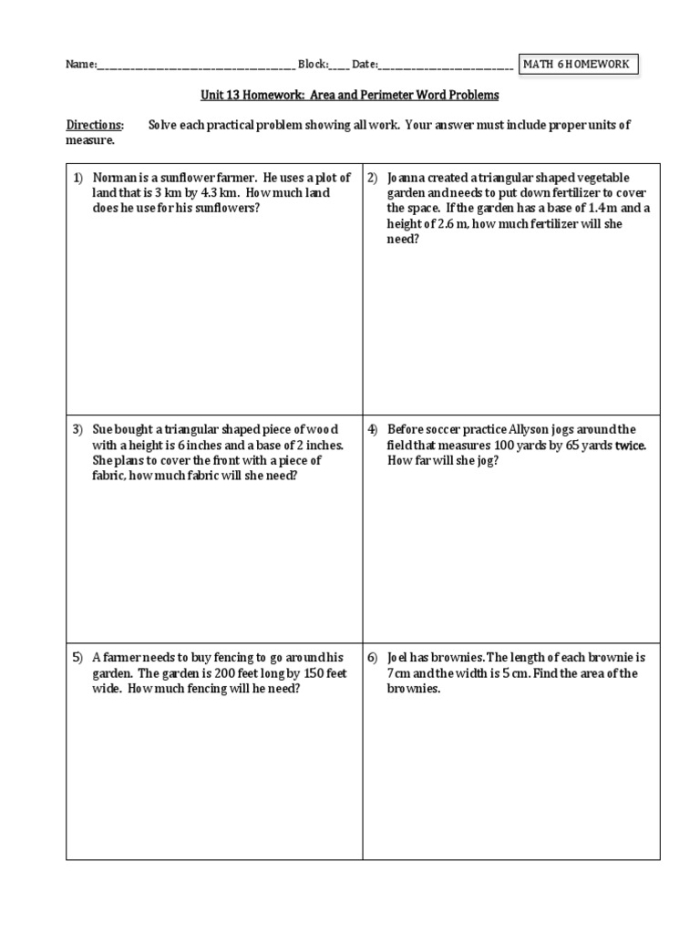
Through worksheets and practical examples, students not only learn to calculate area but also become adept at applying mathematical concepts in real-life situations. This hands-on learning experience is essential in building confidence and competence in their mathematical abilities.
Use These Worksheets Today