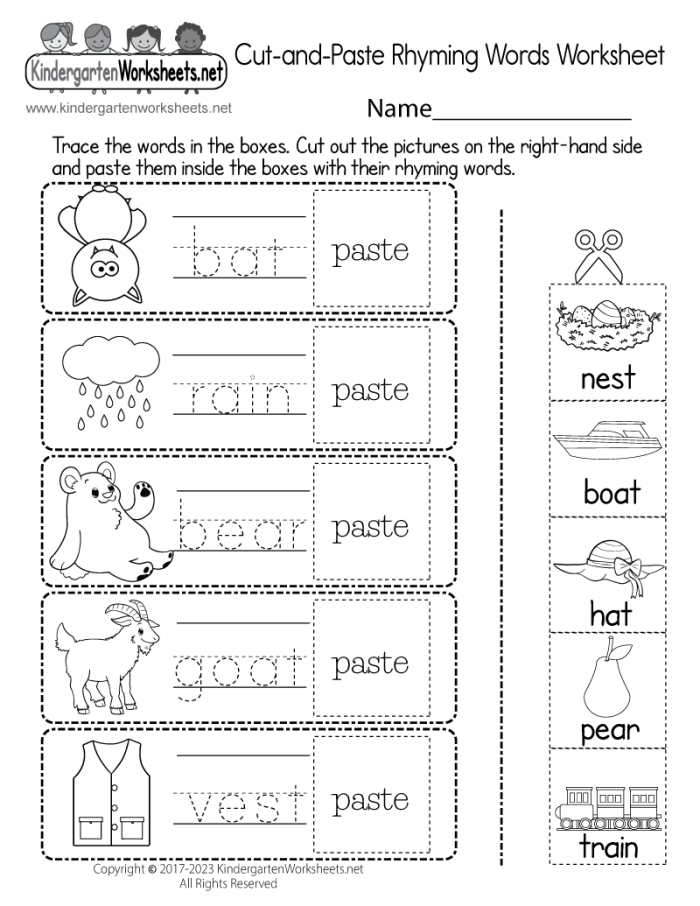
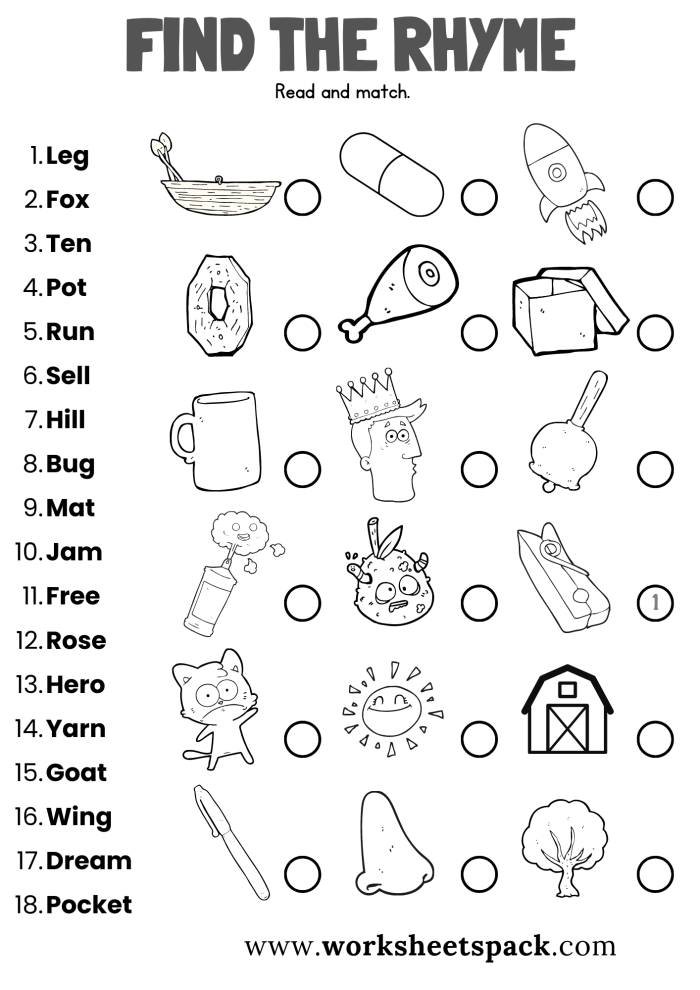
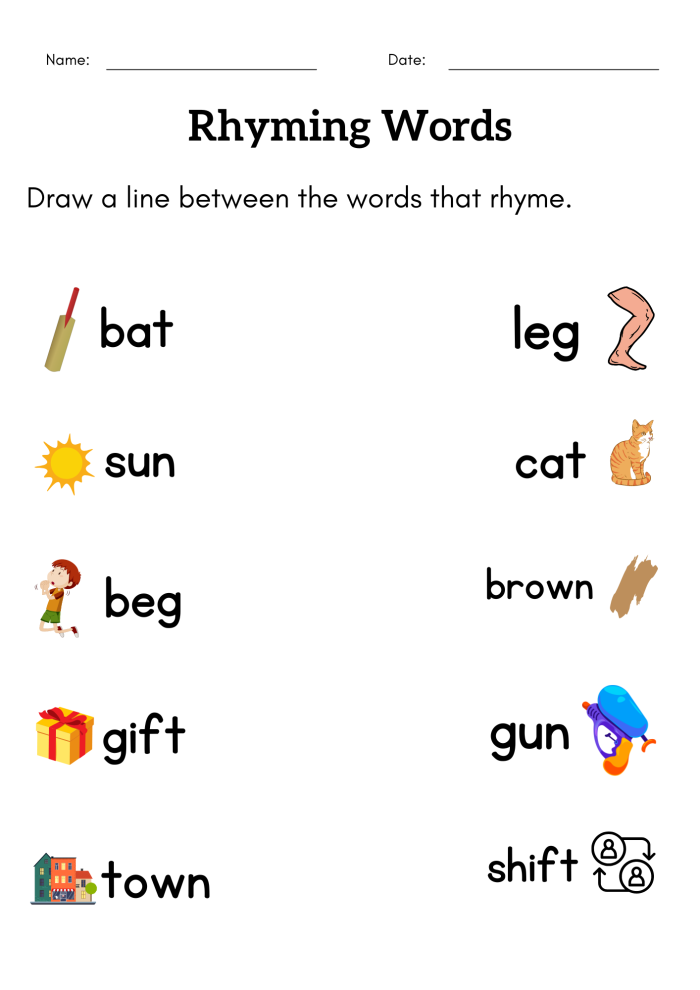
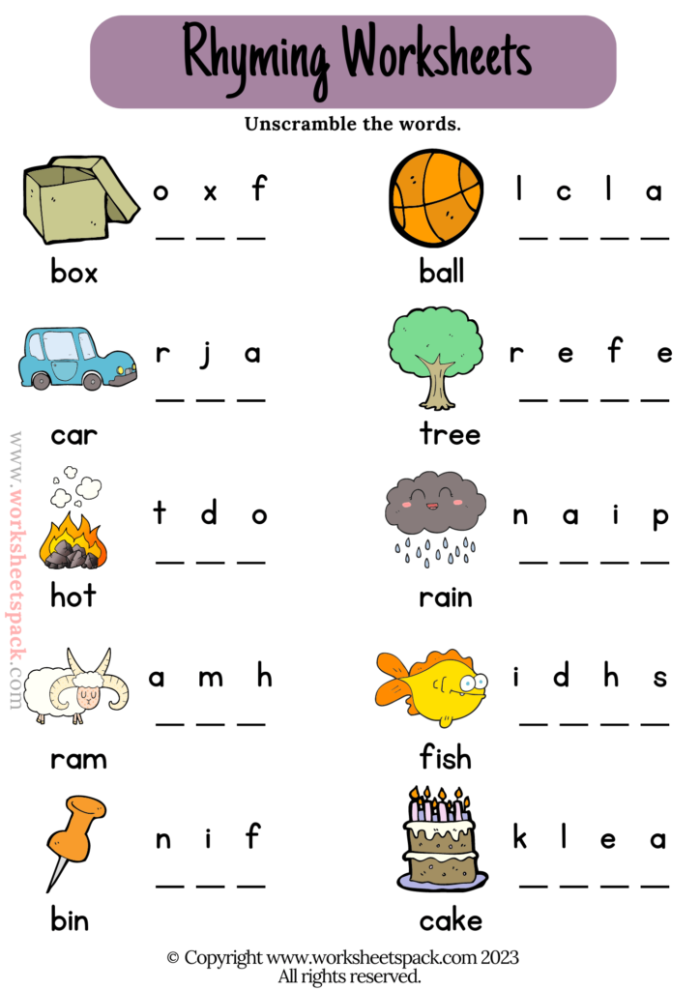
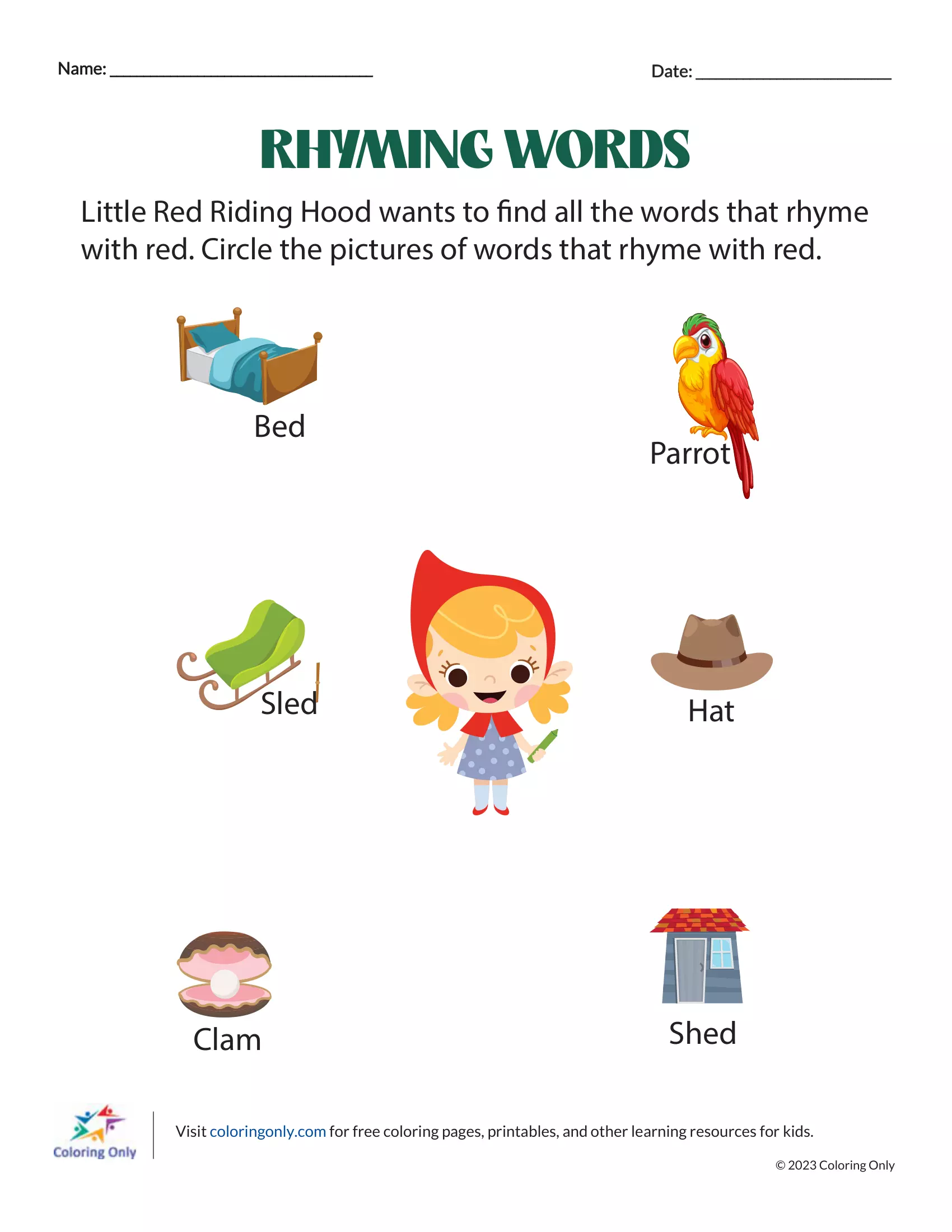
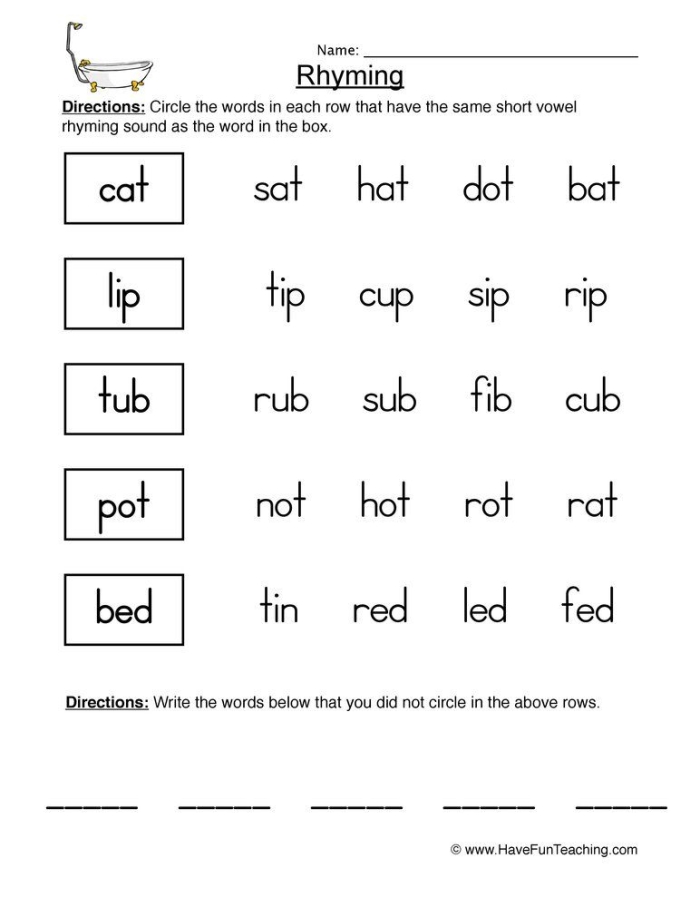
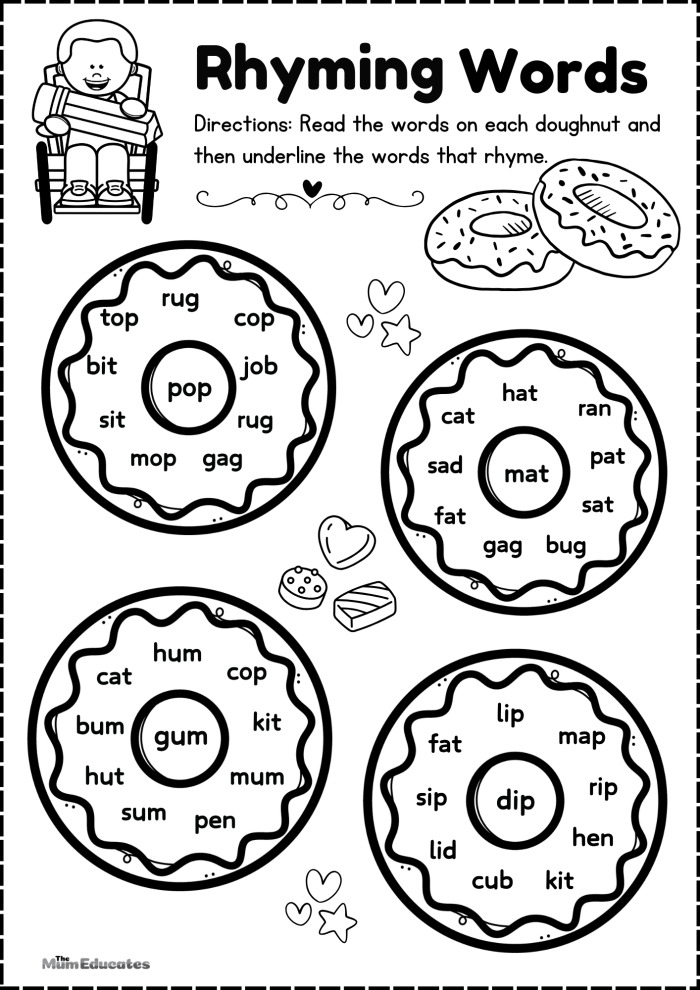
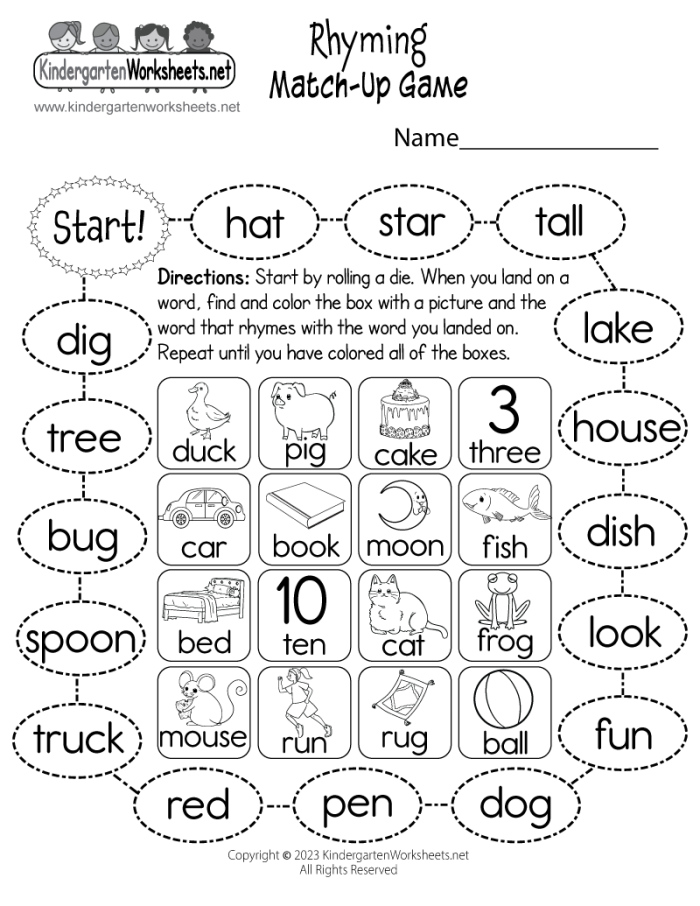
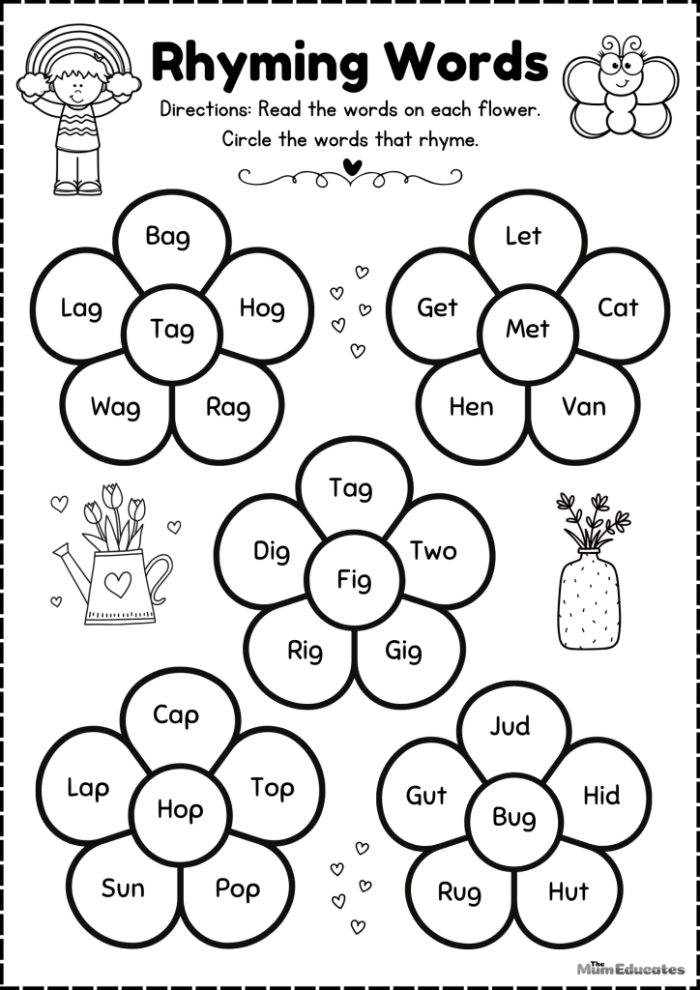
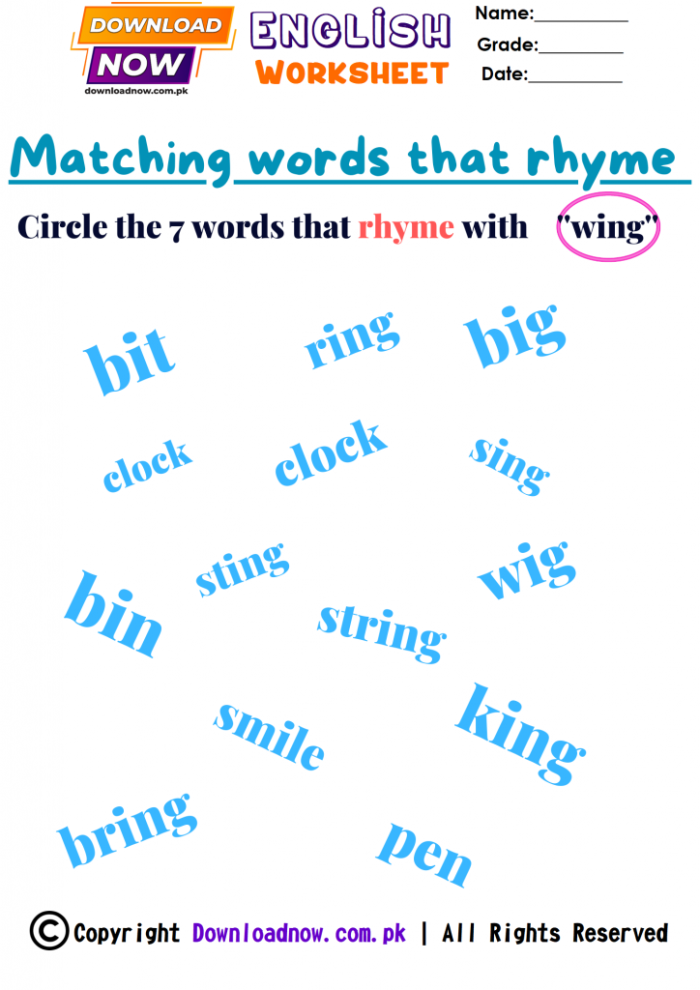
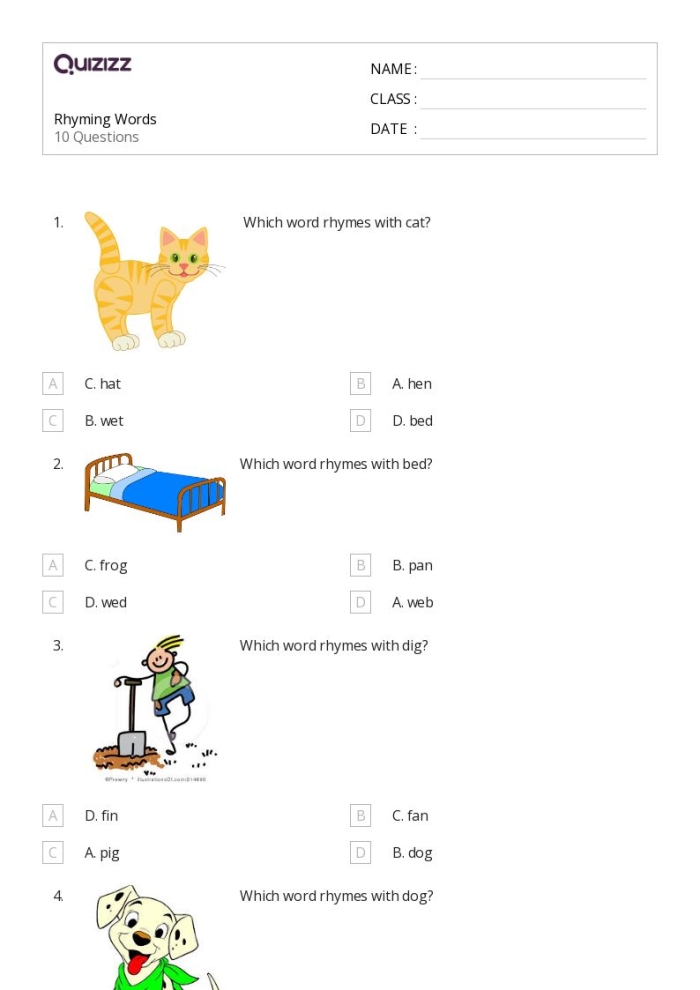
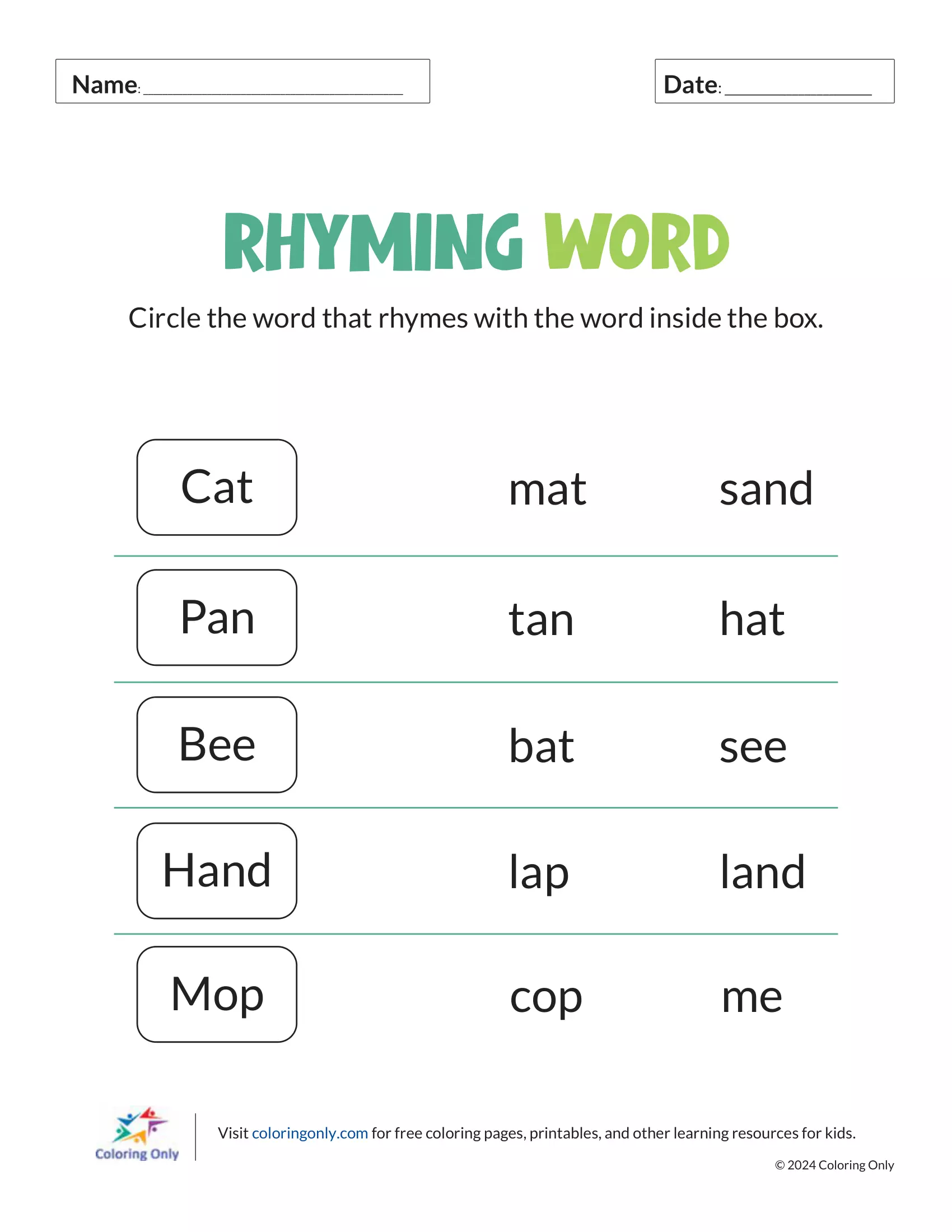
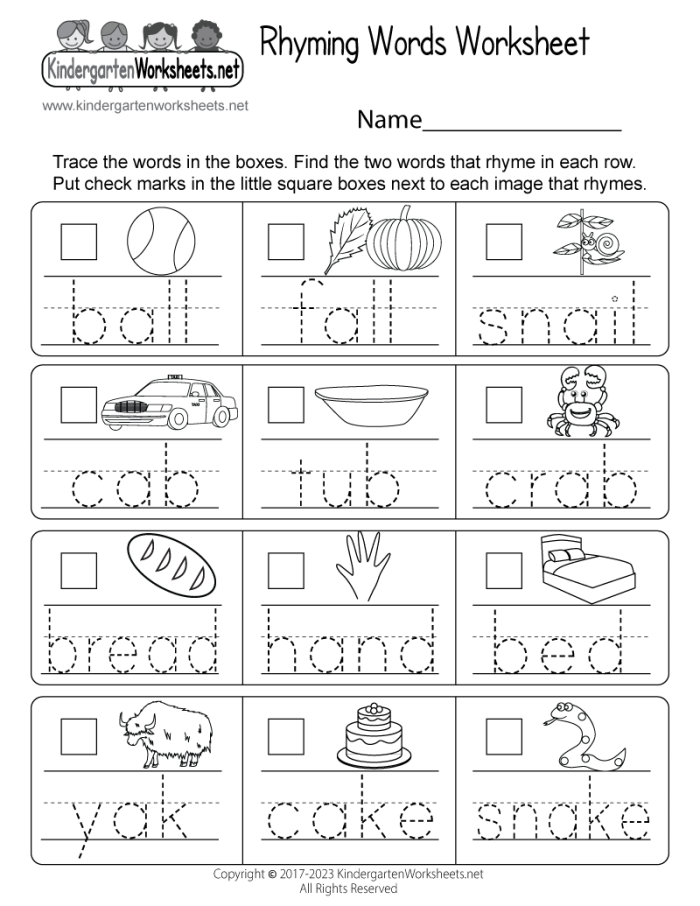
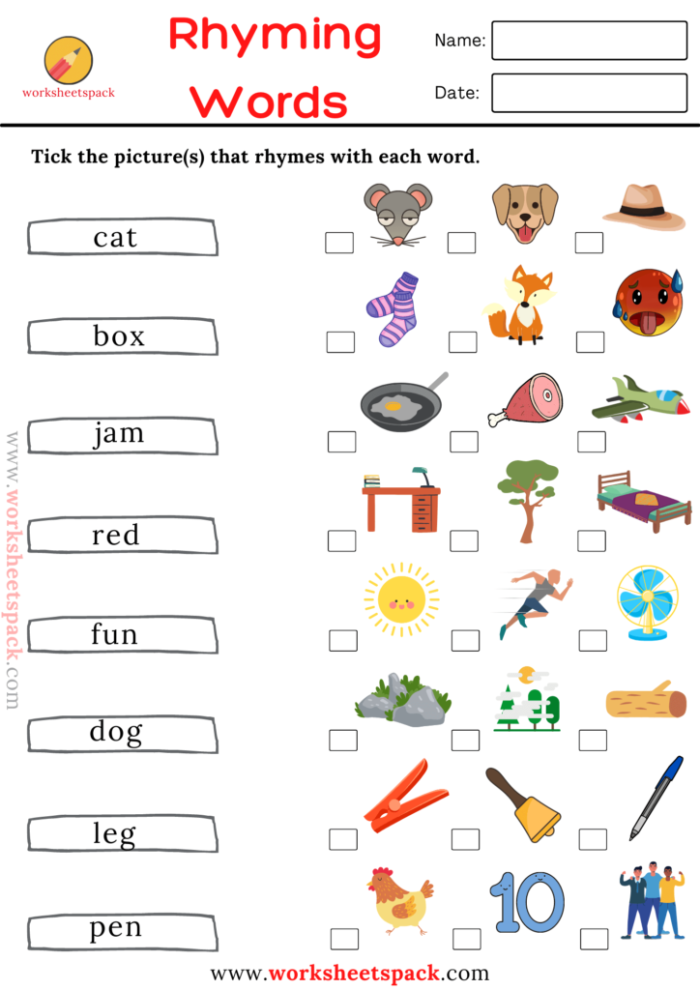
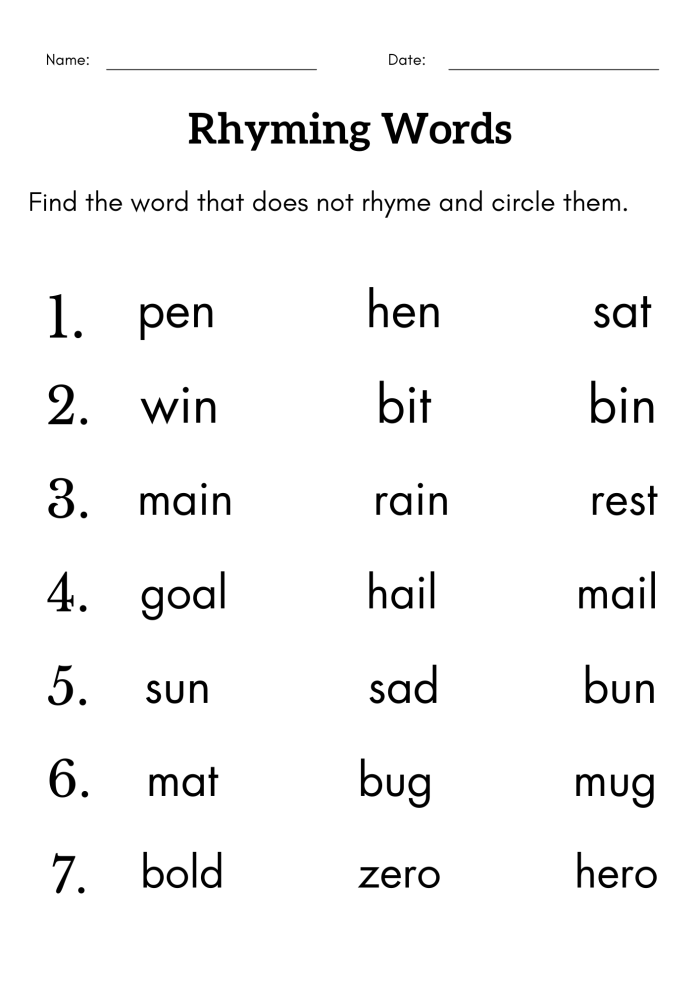
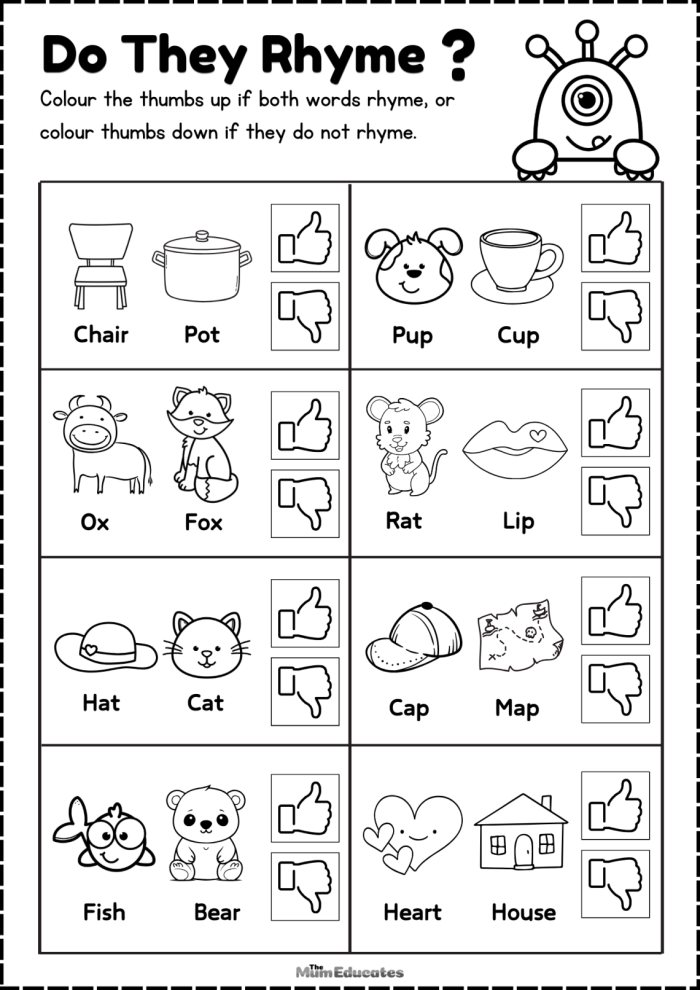
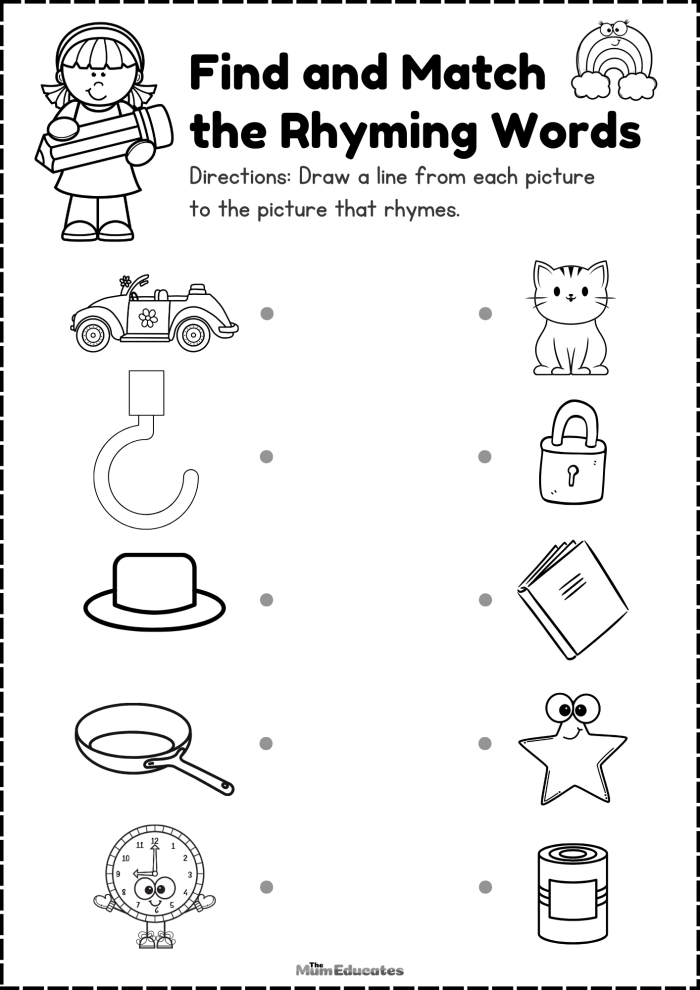
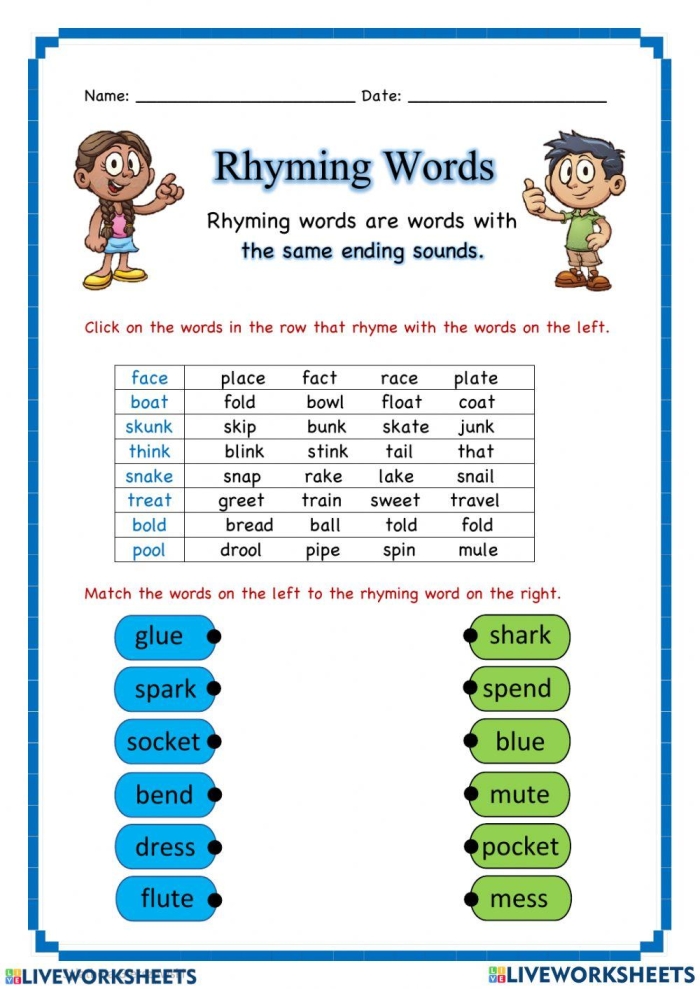
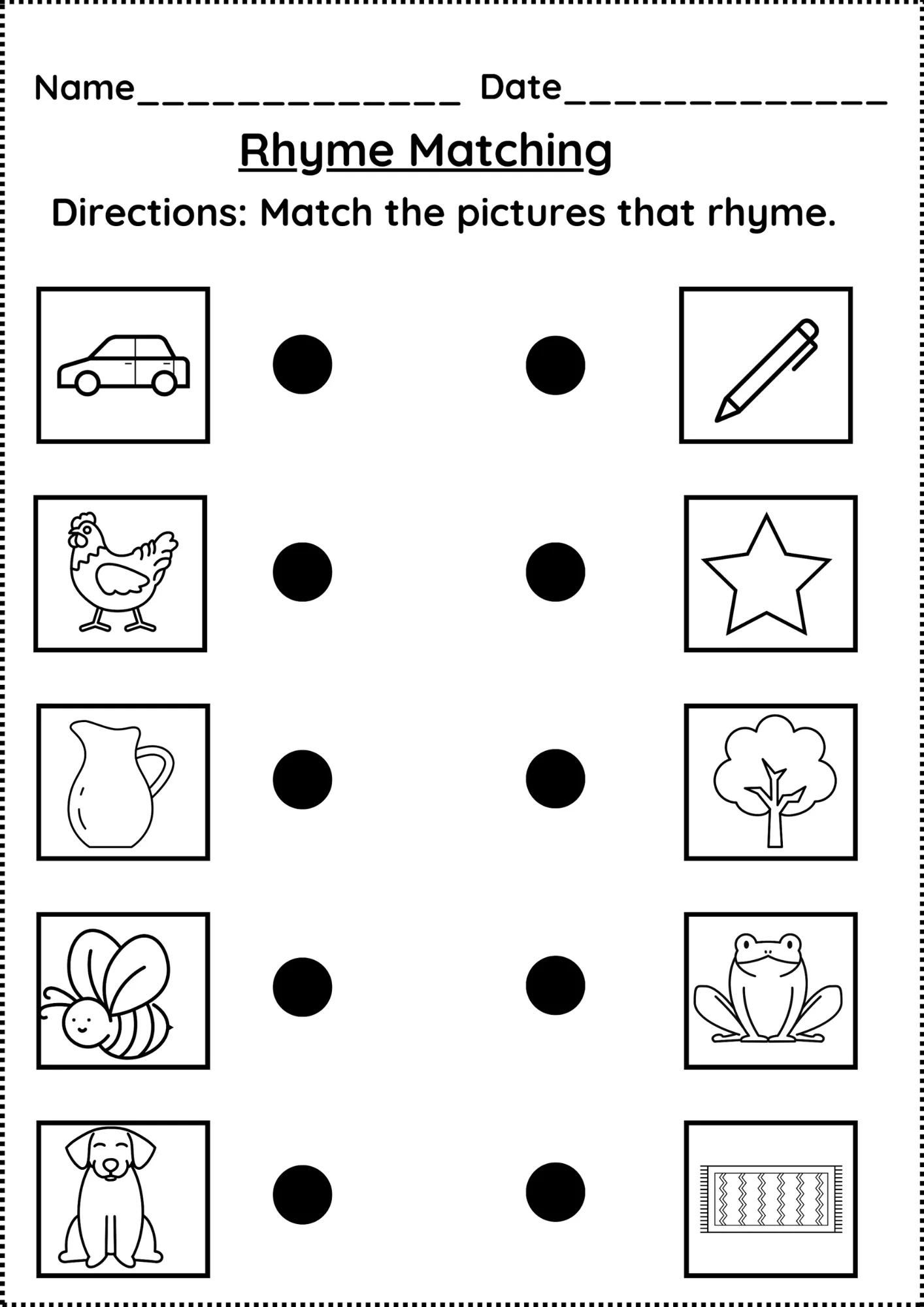
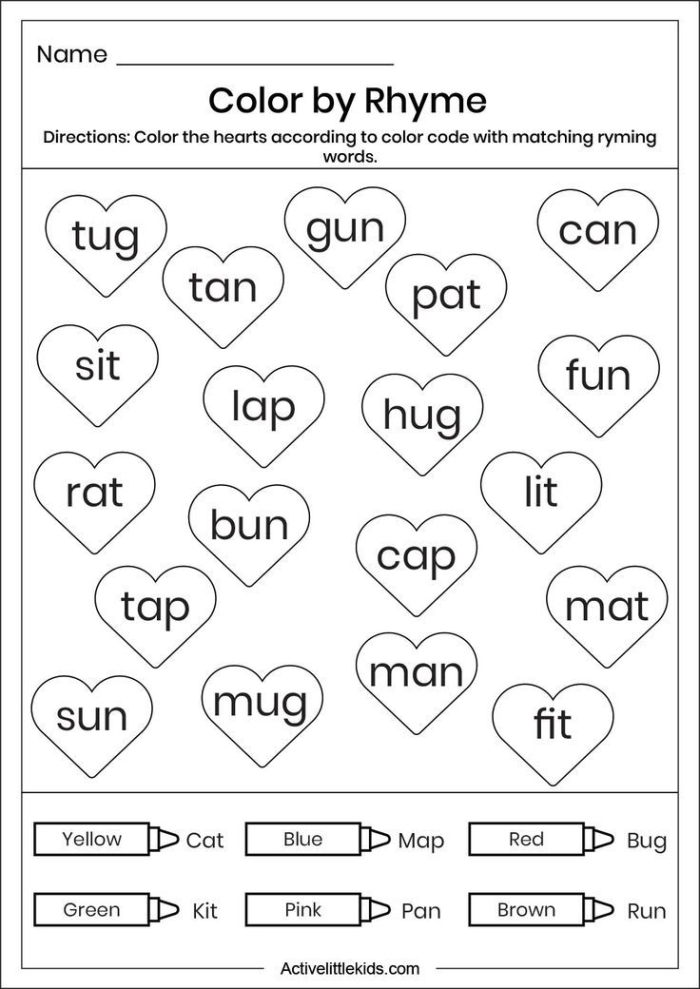
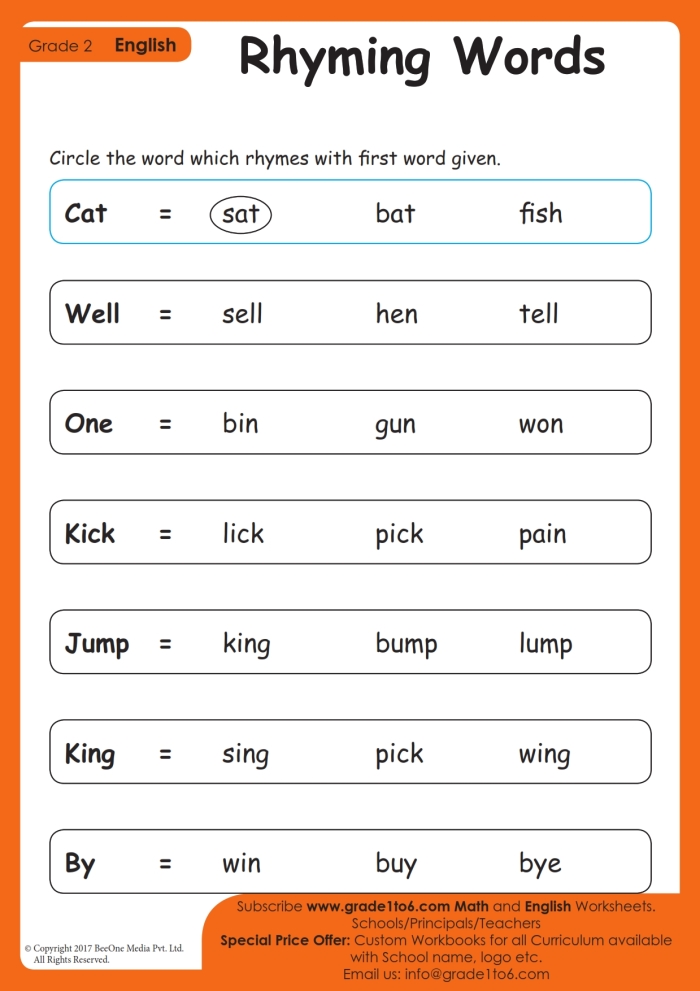
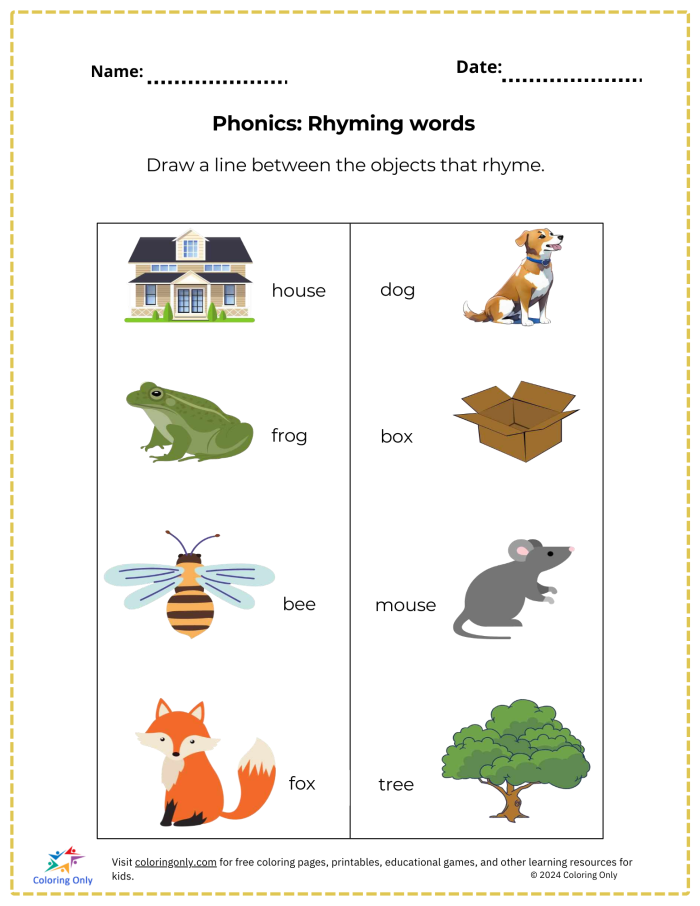
Rhyming games turn language learning into genuine fun for kindergarten students. When children hunt for words that sound alike, they’re building phonemic awareness without realizing they’re doing academic work. This skill forms the foundation for reading success, and it starts with simple activities that feel more like play than practice.
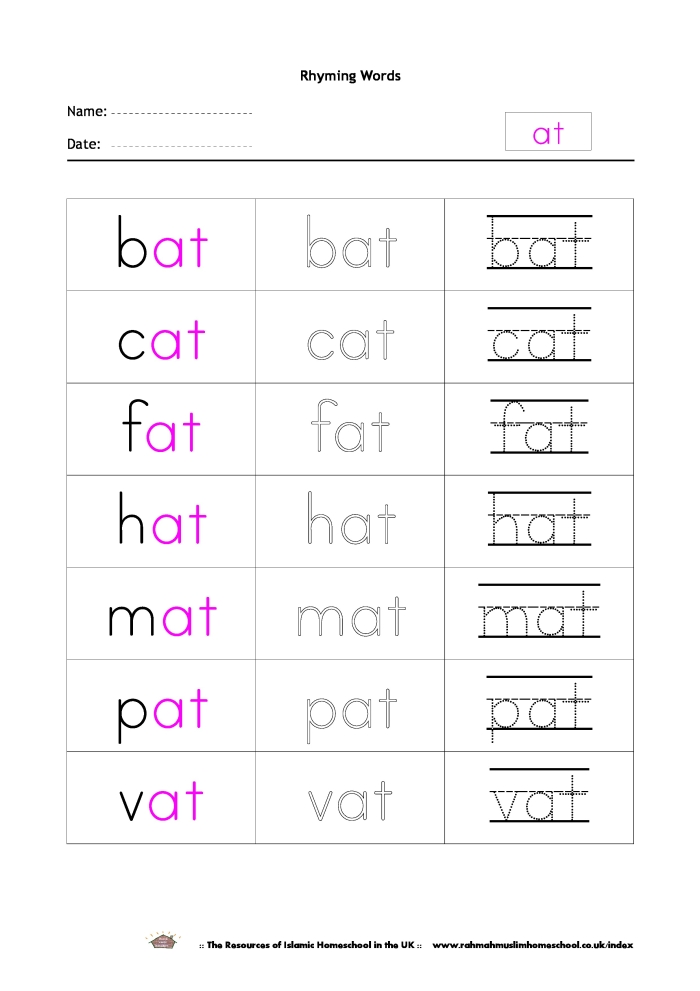
The beauty of rhyming exercises lies in their simplicity. A child hears a word like “cat” and learns to listen for its sound pattern, then matches it with “bat,” “hat,” or “mat.” This auditory matching trains the brain to recognize sound structures that will later help with decoding written words. Kindergarteners who spend time on rhyming activities typically transition more smoothly into early reading instruction.
When you work through rhyming activities with your learner, you’re doing more than filling time. You’re teaching them to listen carefully, think about word sounds, and make connections between similar patterns. Start with familiar objects around your home. Point to a clock and ask what rhymes with it. Suggest “rock” or “block” as options and let them choose the best match. This decision-making process strengthens their understanding far more than passive listening ever could.
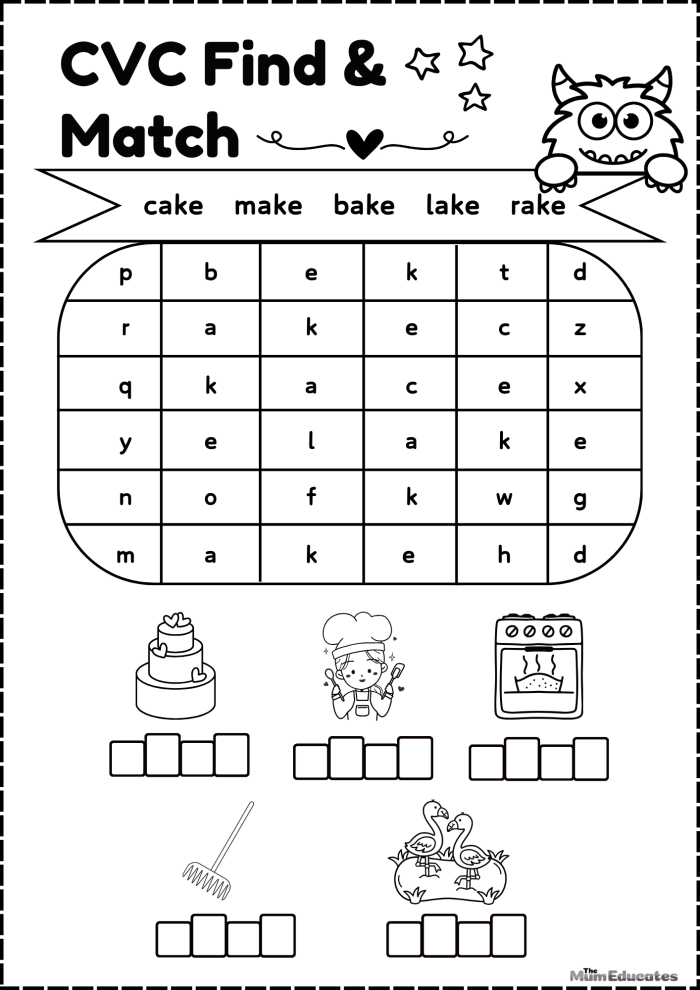
Many parents find that pairing rhyming practice with other phonics work creates a well-rounded approach. Activities like color-by-number exercises that combine phonics help reinforce letter sounds alongside rhyming patterns. For kindergarteners ready for more challenge, word search activities introduce letter recognition in engaging formats.
The key to success is consistency and celebration. When your child identifies a correct rhyme, their confidence grows. That confidence becomes the fuel for tackling more complex language skills down the road.
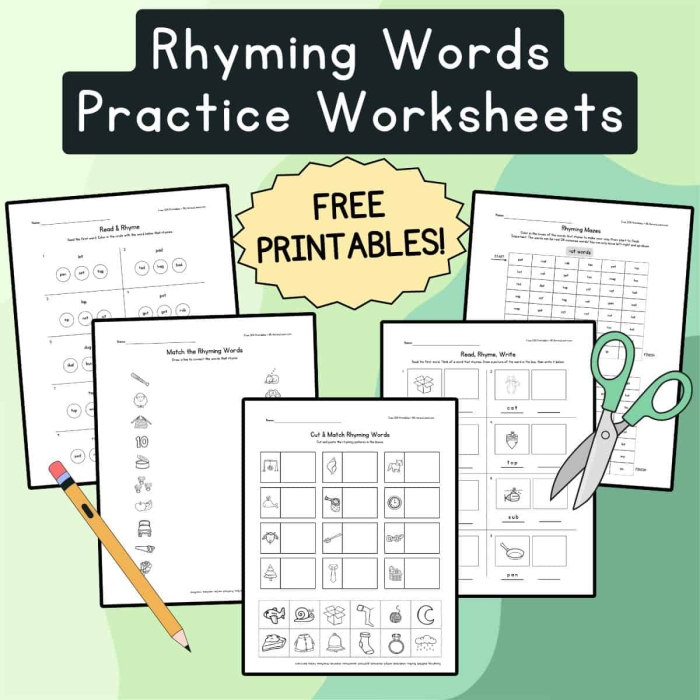
Printable Worksheets for Practice