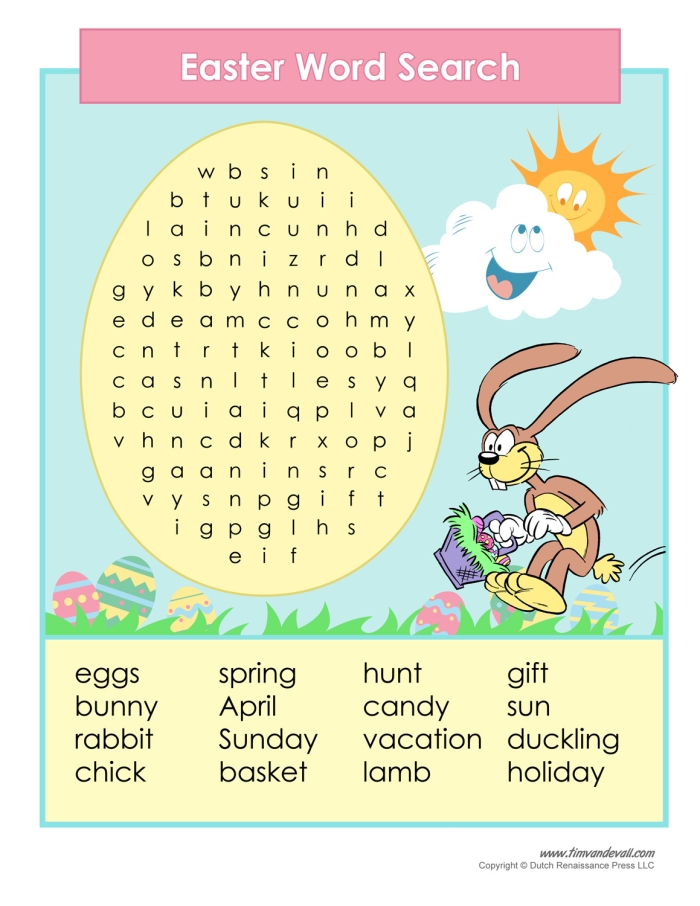
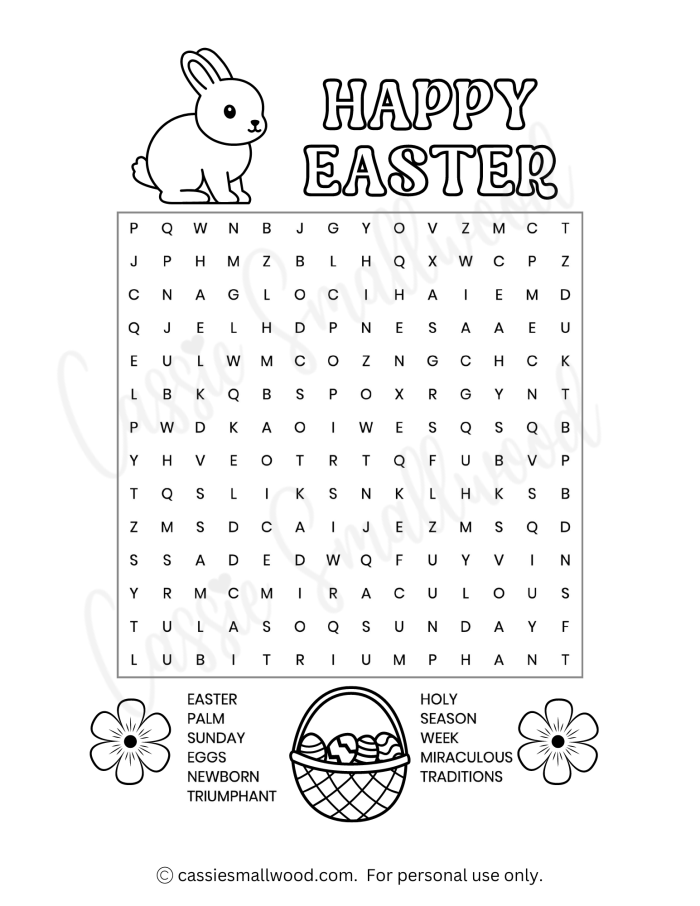
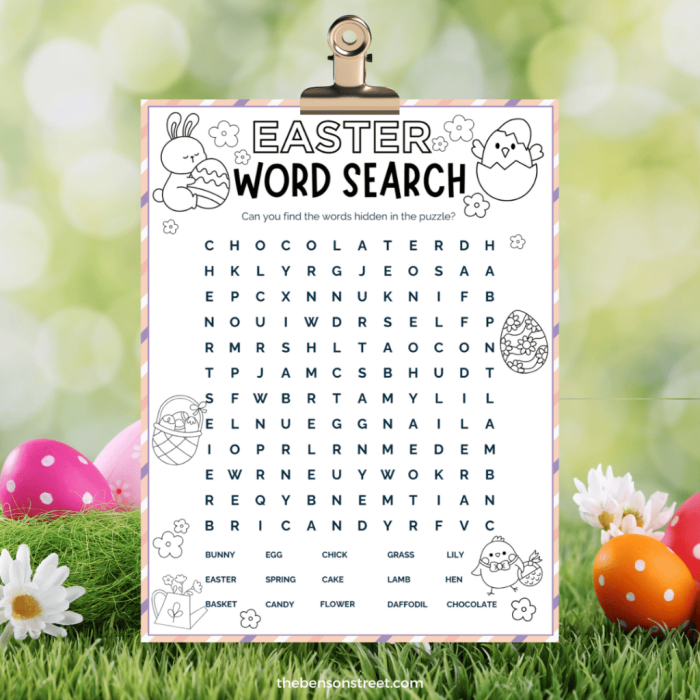
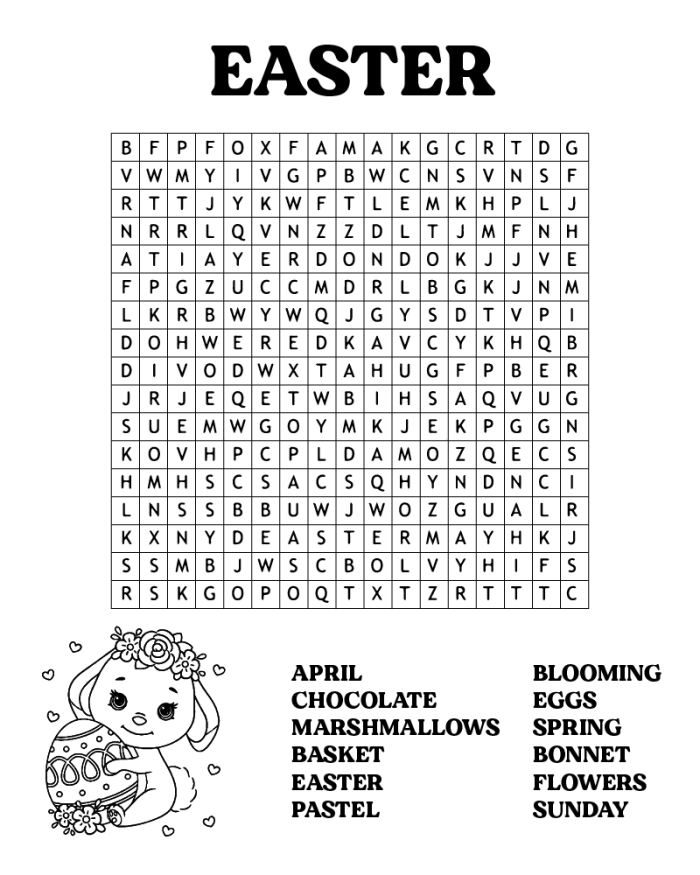
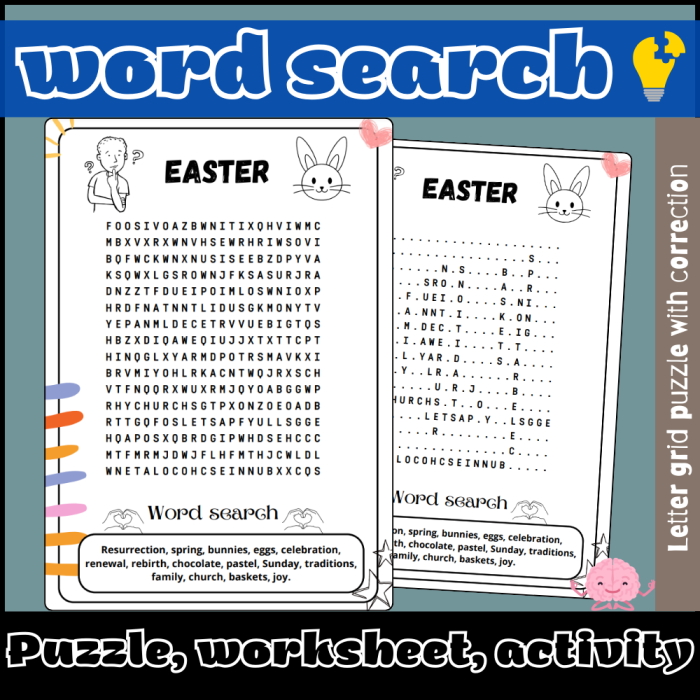
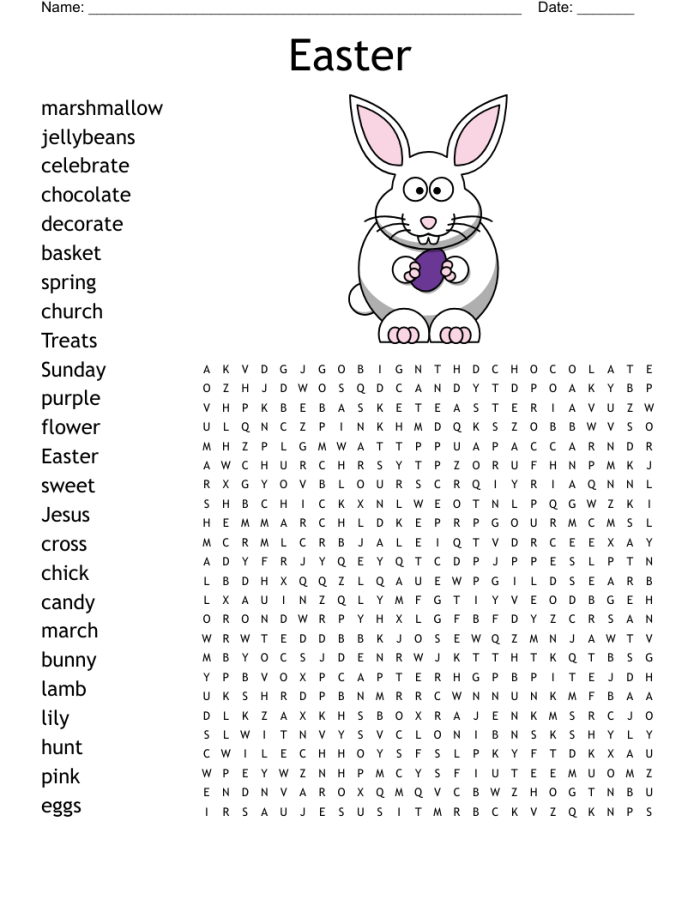
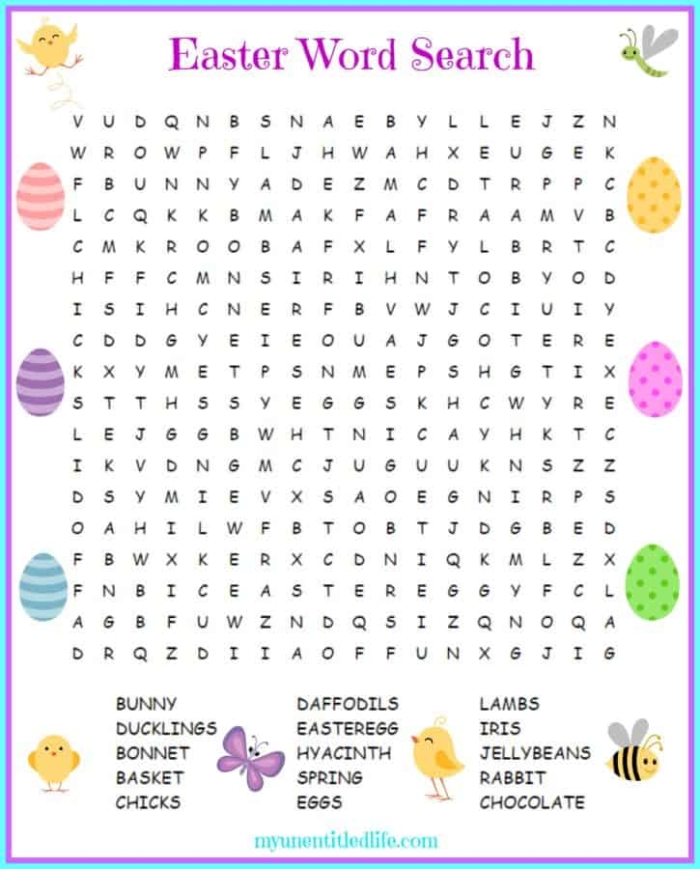
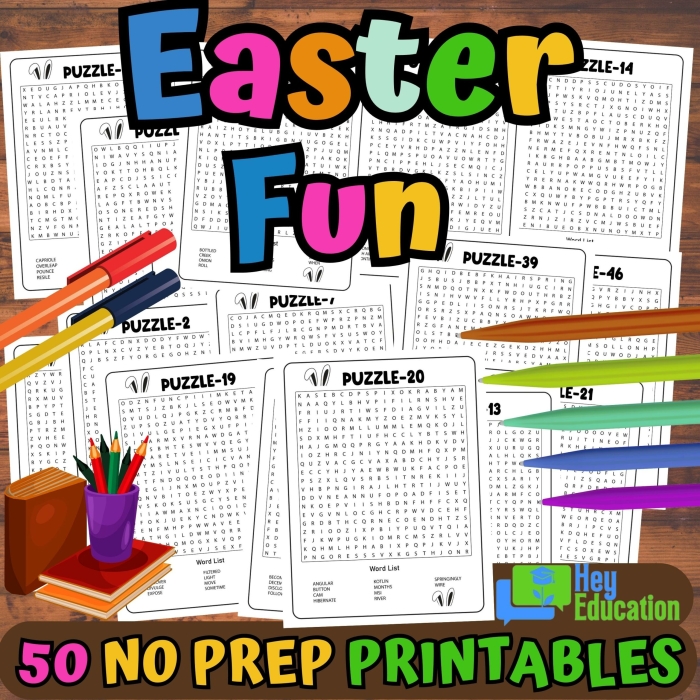
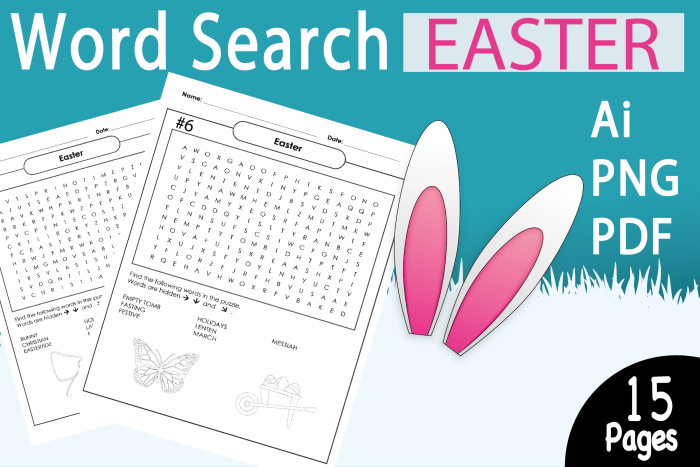
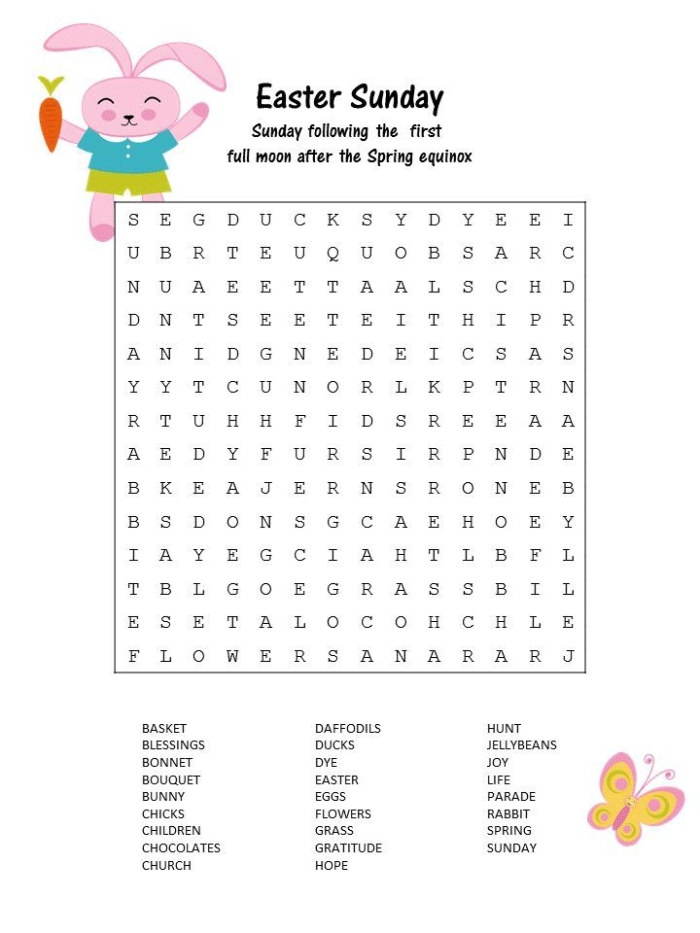
Word searches work because they force your brain to scan, recognize, and connect letters in ways that stick. When first grade students hunt for Easter-themed words, they’re not just playing a game, they’re building the neural pathways that strengthen both spelling and vocabulary at the same time.
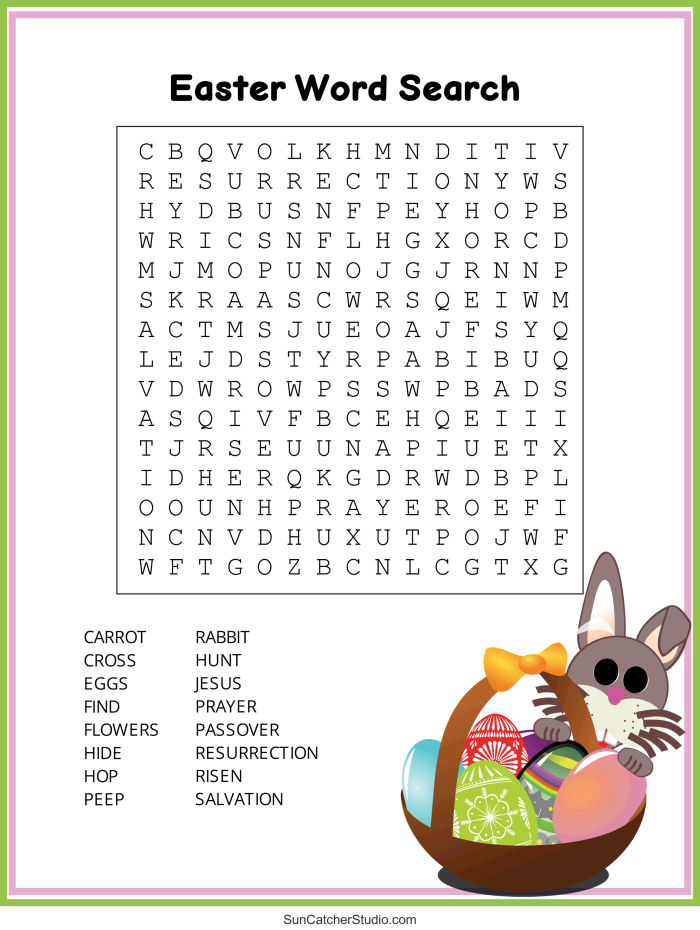
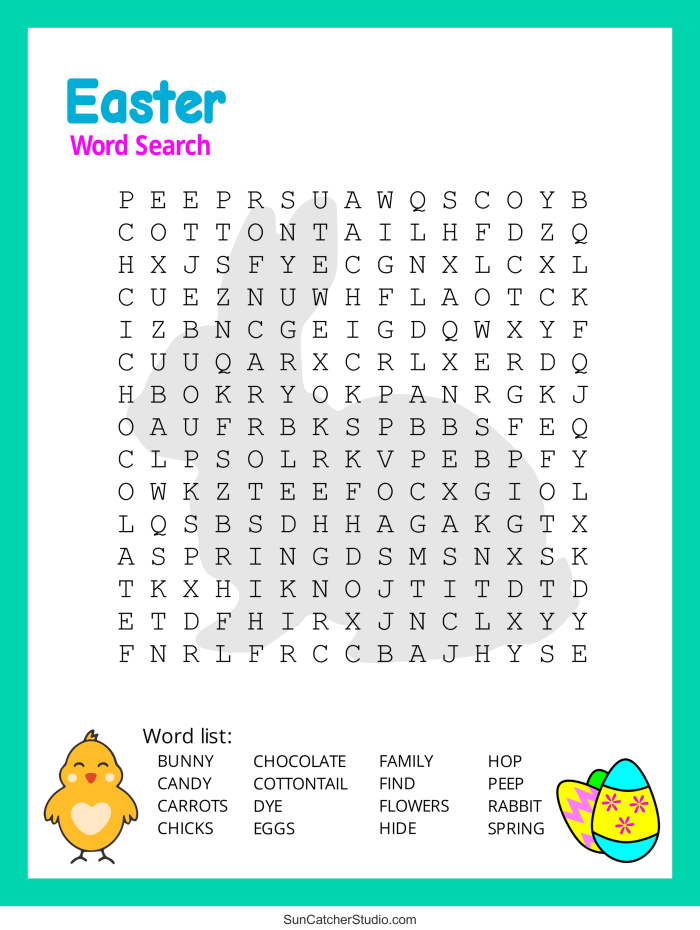
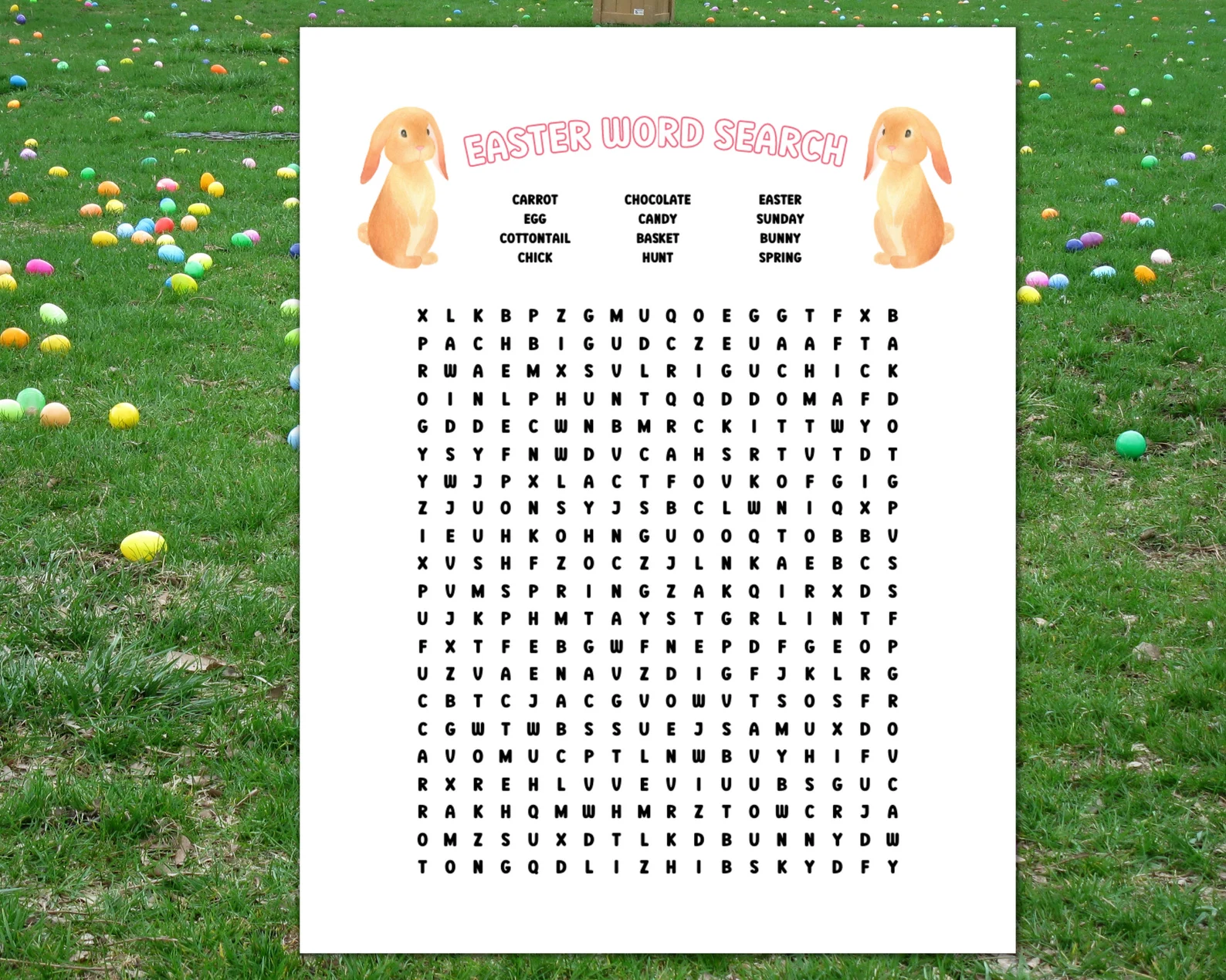
The mechanics are straightforward. A child sees the word “bunny” hidden horizontally or vertically among random letters, circles it, and moves on. But what’s happening underneath is more valuable. They’re learning to recognize letter patterns, understand how words are spelled, and remember new vocabulary through active searching rather than passive reading. This approach works particularly well for young learners because it combines visual recognition with the satisfaction of discovery.
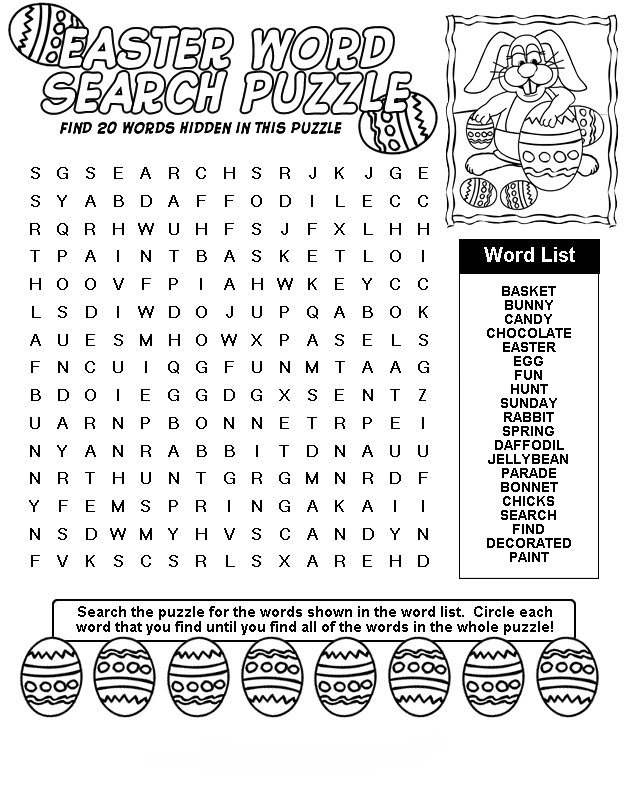
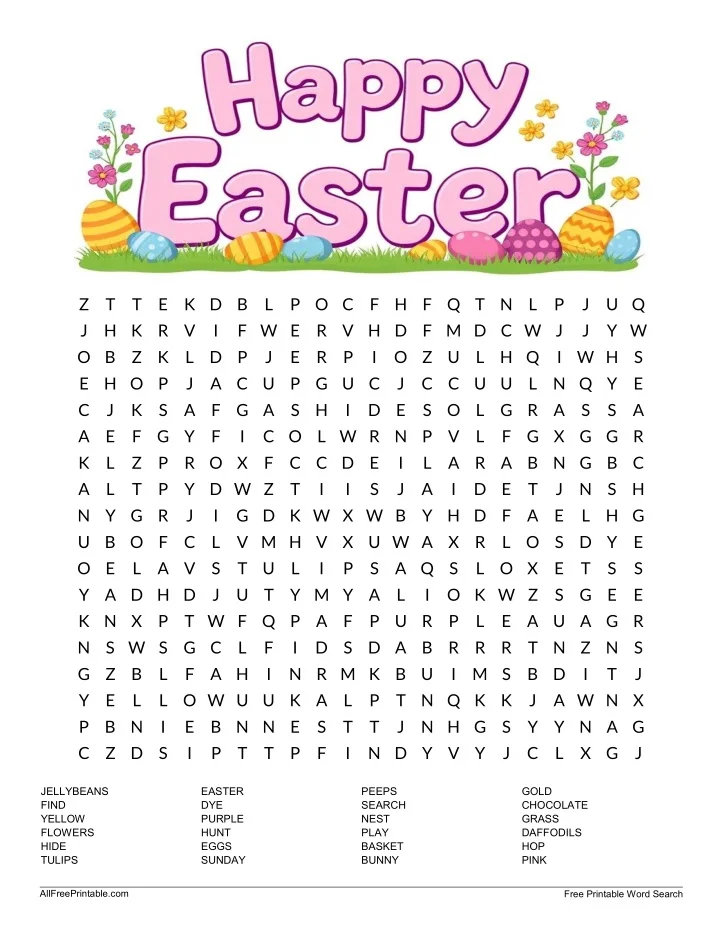
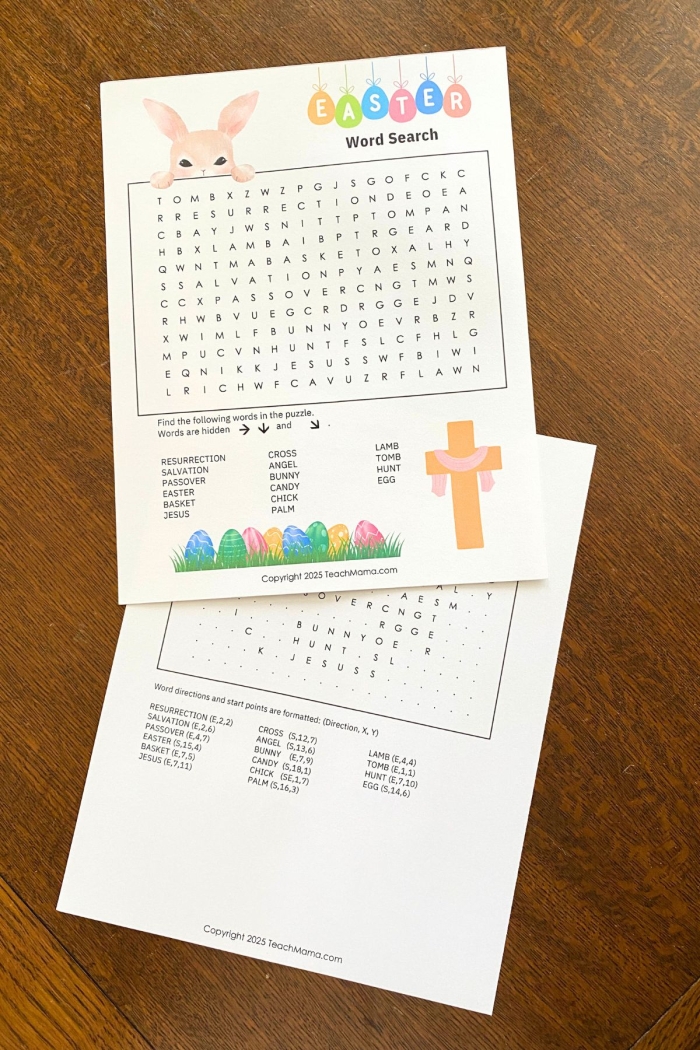
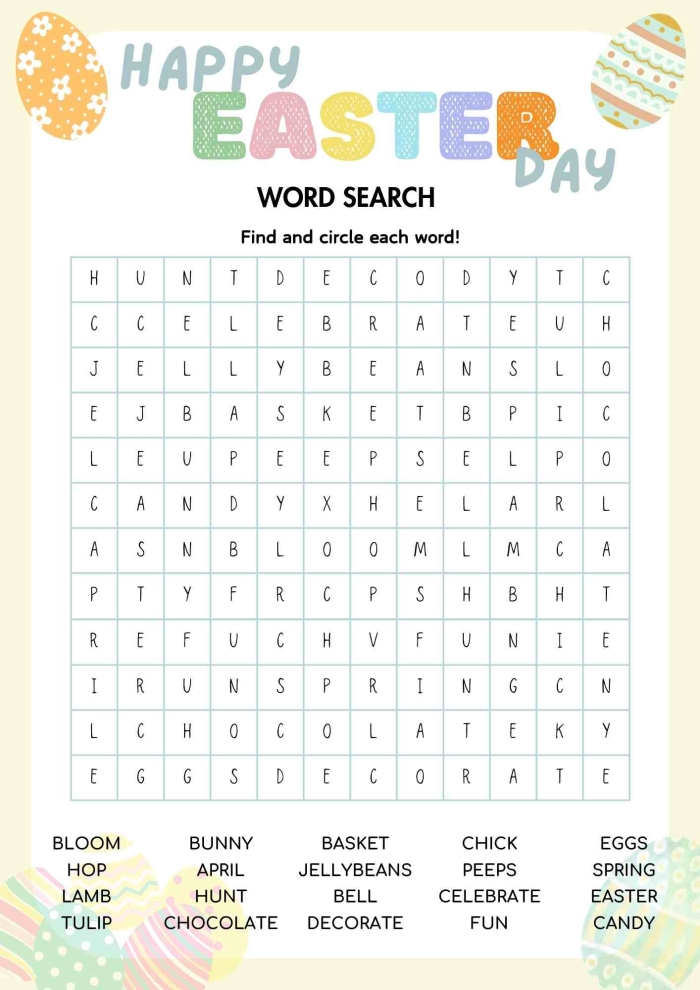
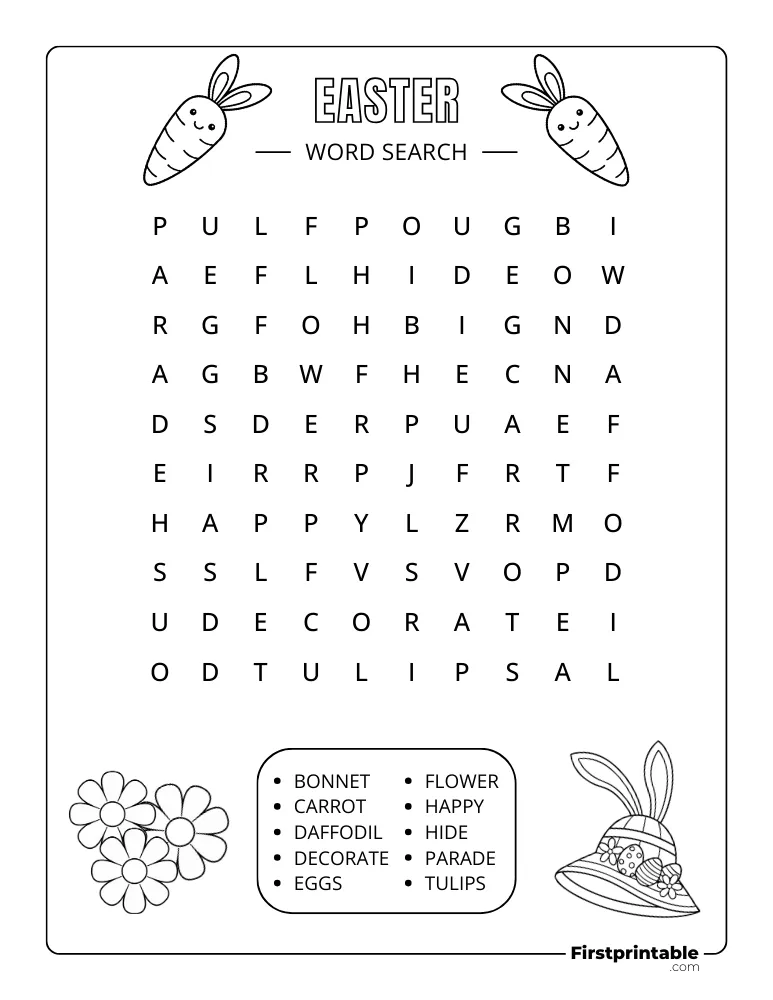
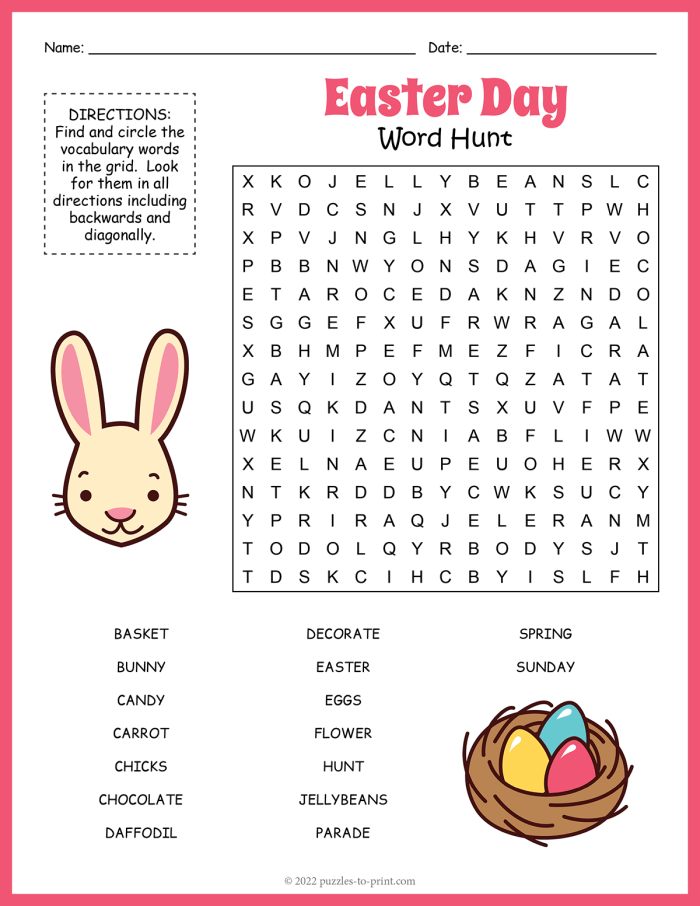
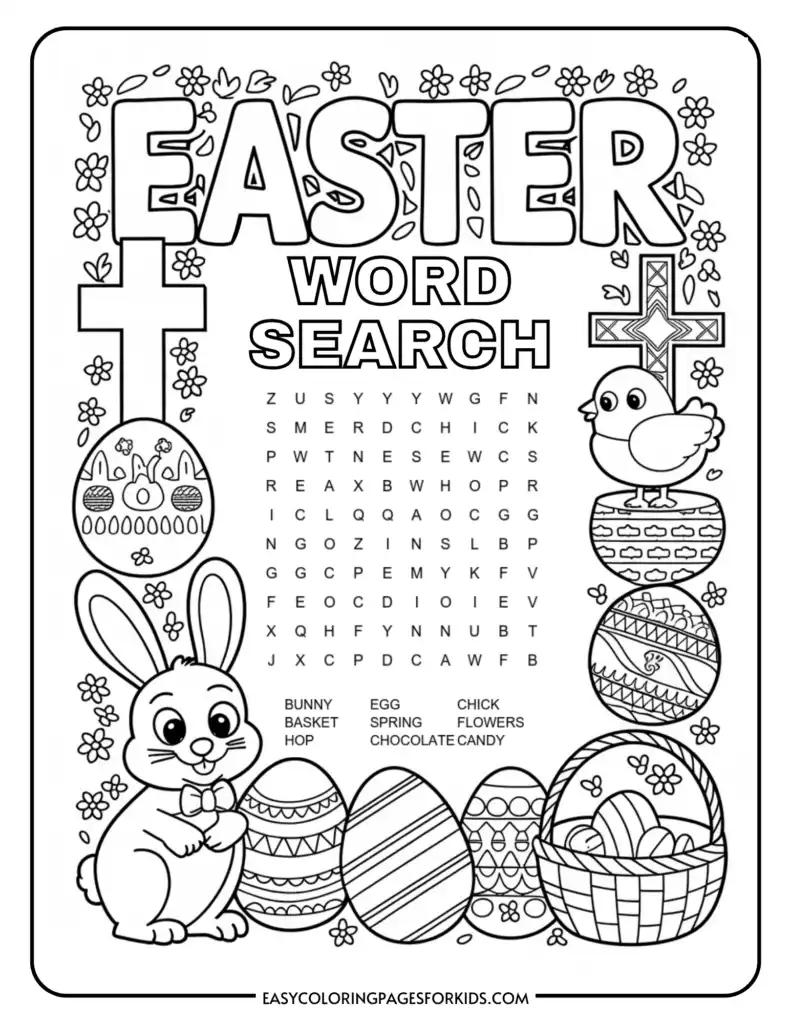
Easter word searches for first grade typically include seasonal vocabulary like egg, basket, spring, flower, and chick. These aren’t random selections. They’re words children encounter during the holiday season, making the learning feel natural and connected to their world. When you pair a word search with other alphabet activities, like words that start with specific letters, you reinforce letter recognition from multiple angles.
The printable format matters too. A physical worksheet that a child can hold, mark up, and keep creates a different kind of engagement than a screen-based version. Parents and teachers report that first graders spend longer on these puzzles without complaint, partly because the Easter theme makes it feel like a holiday activity rather than schoolwork.
For maximum benefit, try pairing your Easter word search with story element activities afterward. Once they’ve found and learned the words, have them use those same words in simple sentences or short stories. This bridges the gap between recognition and actual usage, cementing the vocabulary into long-term memory.
Boost Skills with These Worksheets