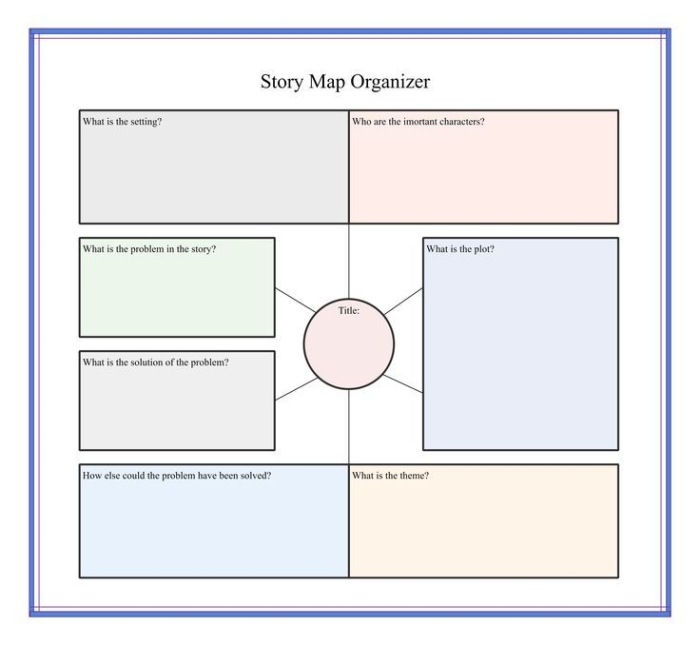
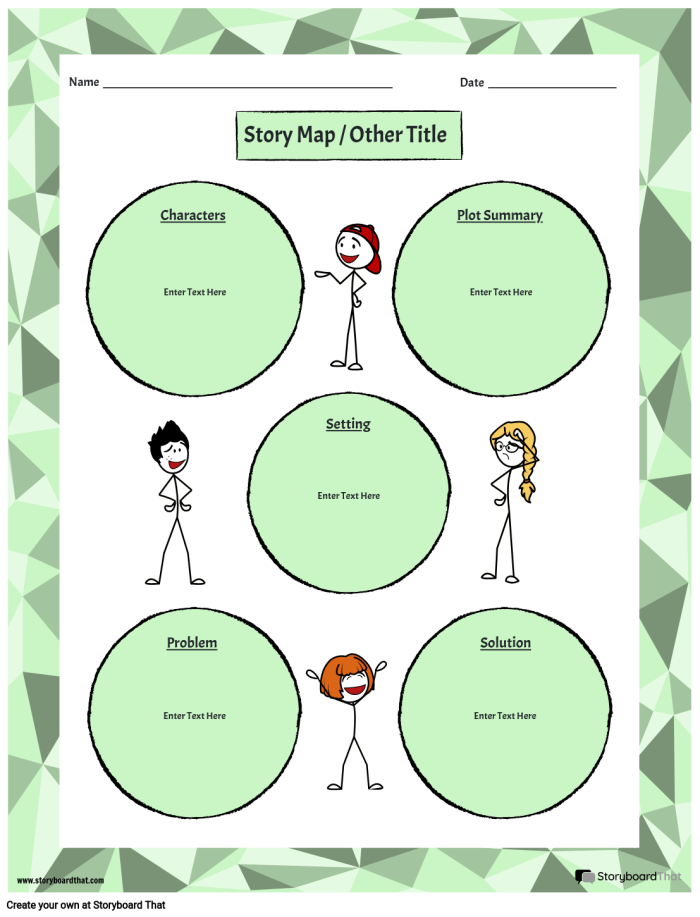
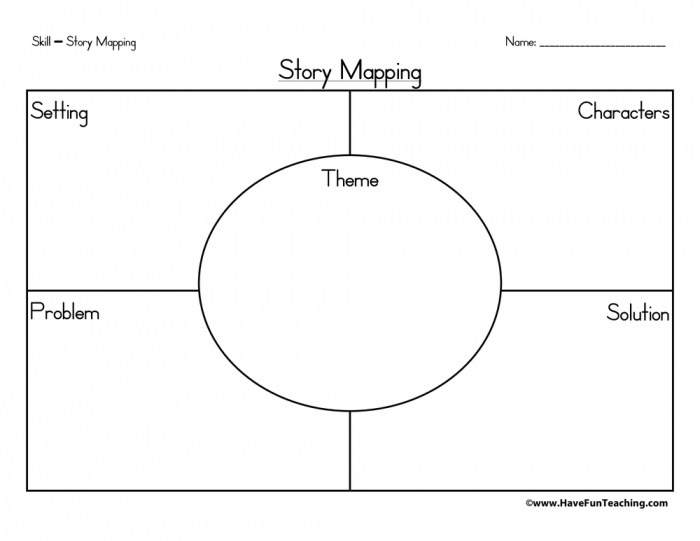
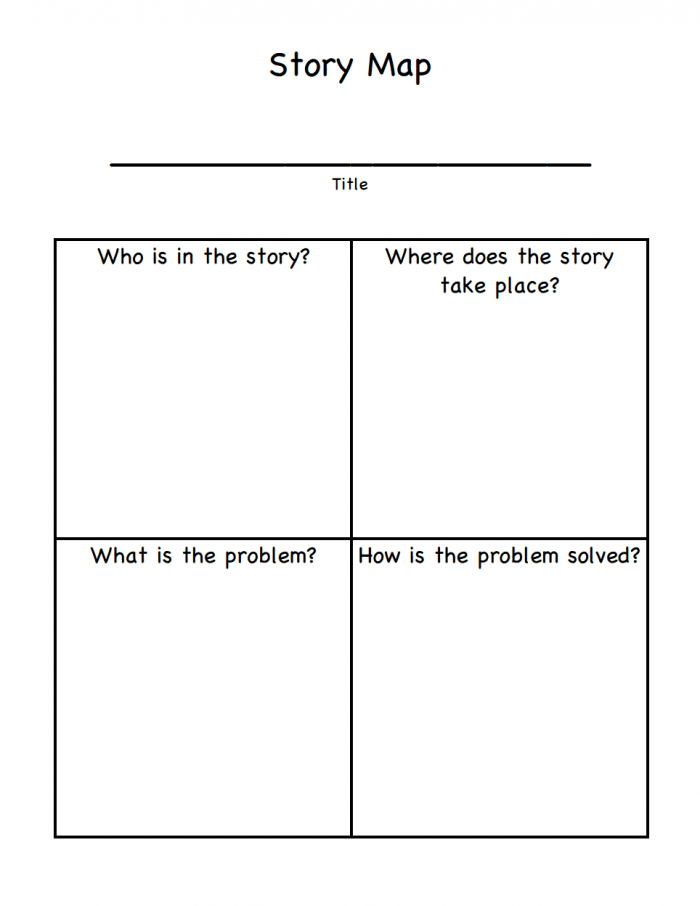
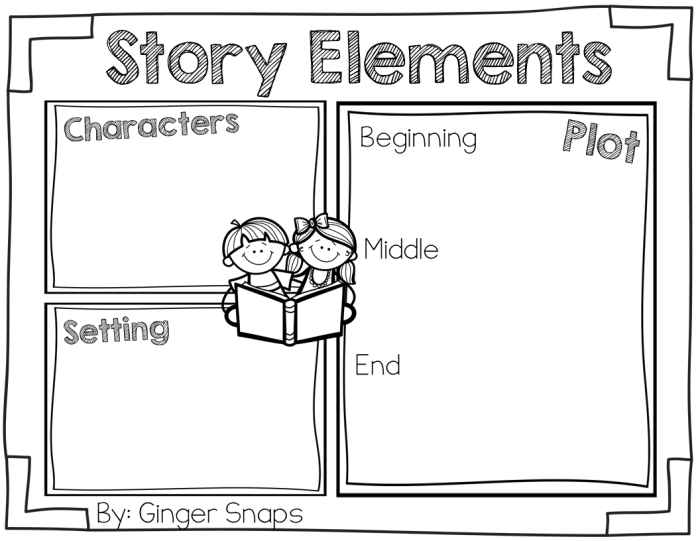
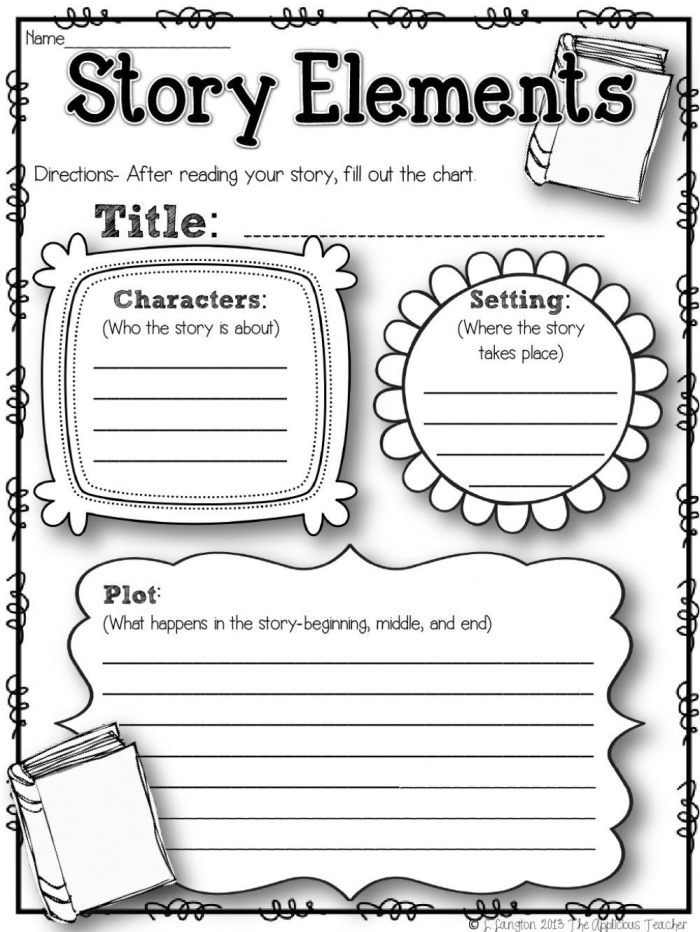
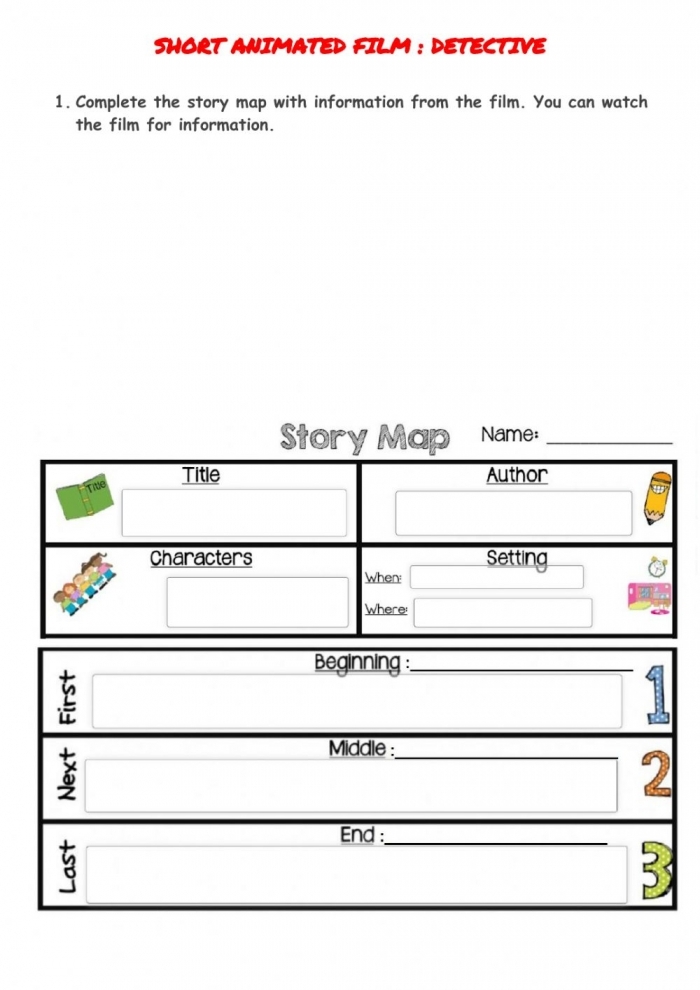
Storytelling is an essential skill for young learners, and using a story map can significantly enhance their ability to retell and understand narratives. This story map will help organize students’ retelling of stories while reinforcing the concepts of sequencing, main idea, character traits, and setting. By integrating these elements, first graders can gain a clearer understanding of how stories are constructed and the roles different components play.
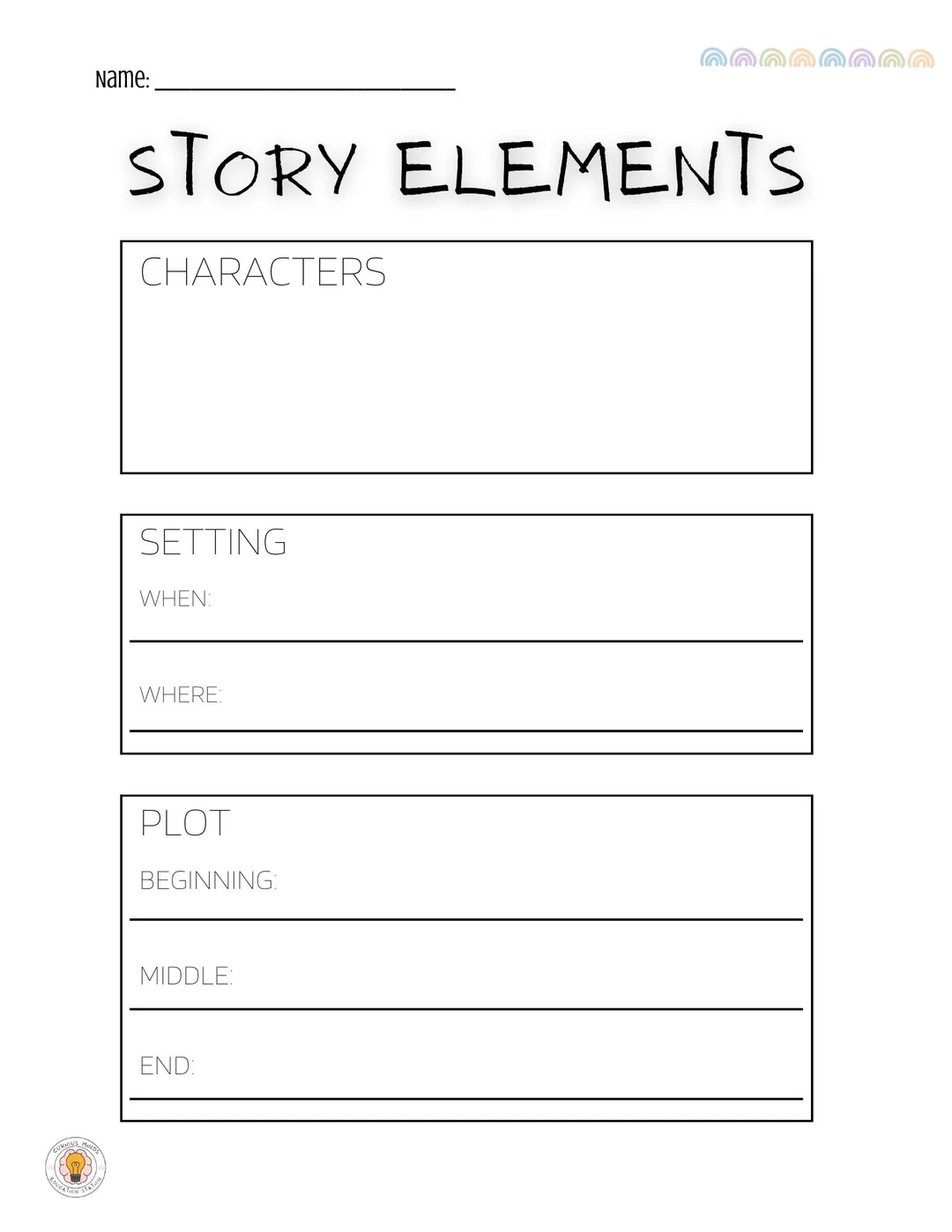
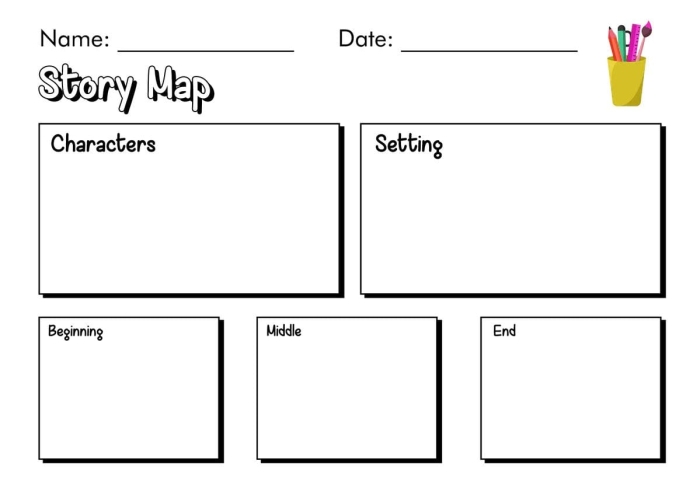
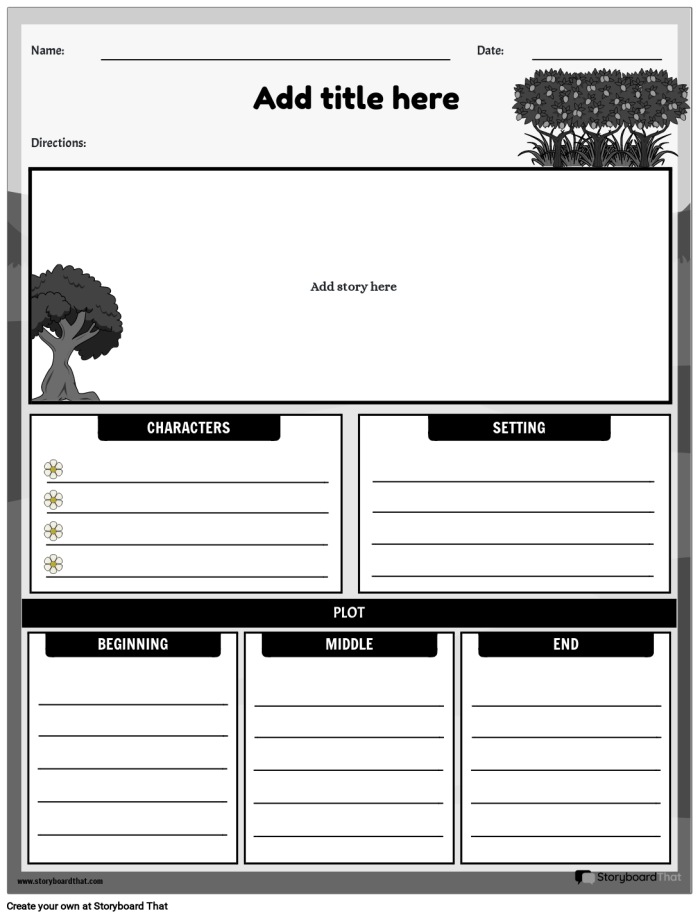
When students utilize a story map, they can visualize the sequence of events, which makes it easier to follow along and remember key details. For instance, if a child is asked to retell a favorite story, they can refer to their map to outline the beginning, middle, and end. This structure not only aids in memory retention but also emphasizes the importance of sequencing in storytelling. Understanding where events fall in the timeline of a story can help students grasp how plots unfold.
In addition to sequencing, a story map encourages students to identify the main idea of the story. By focusing on the central theme, children learn to distill complex narratives into core messages. This skill is crucial as it fosters critical thinking and comprehension, allowing students to engage more deeply with texts. Furthermore, discussing character traits and settings aids in developing empathy and contextual awareness, as students analyze the motivations and environments that shape characters’ actions.
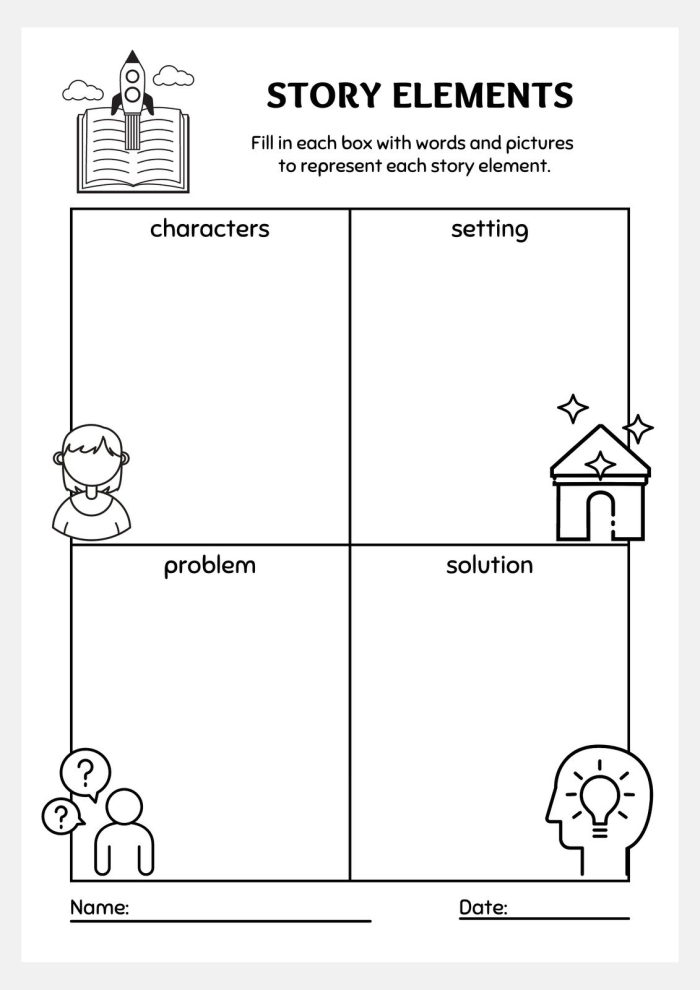
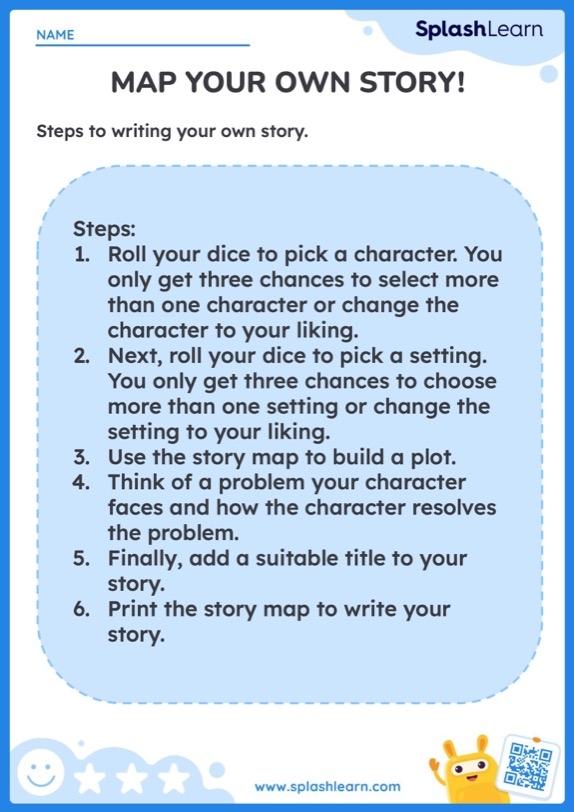
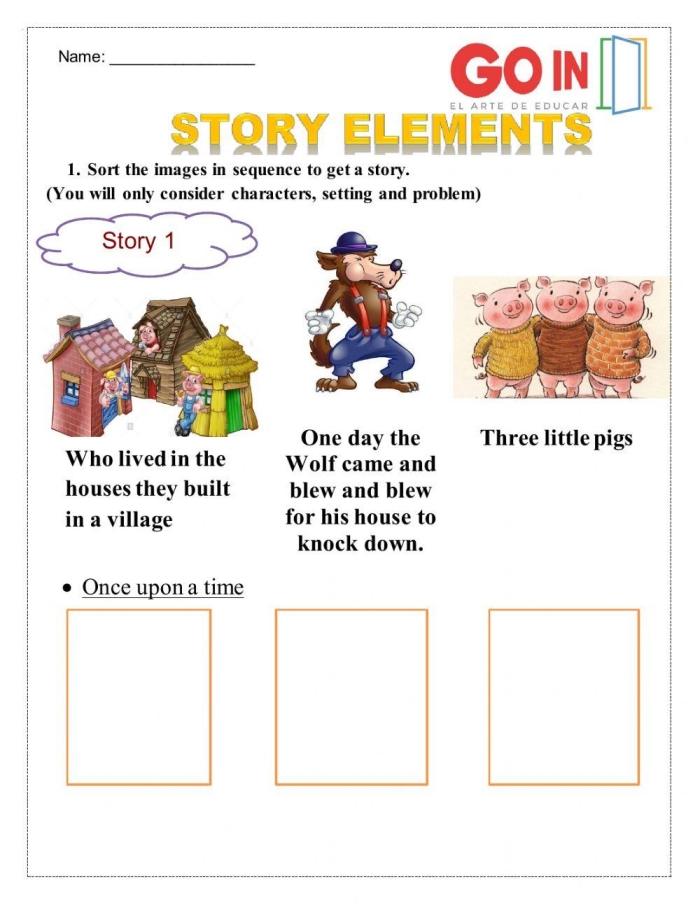
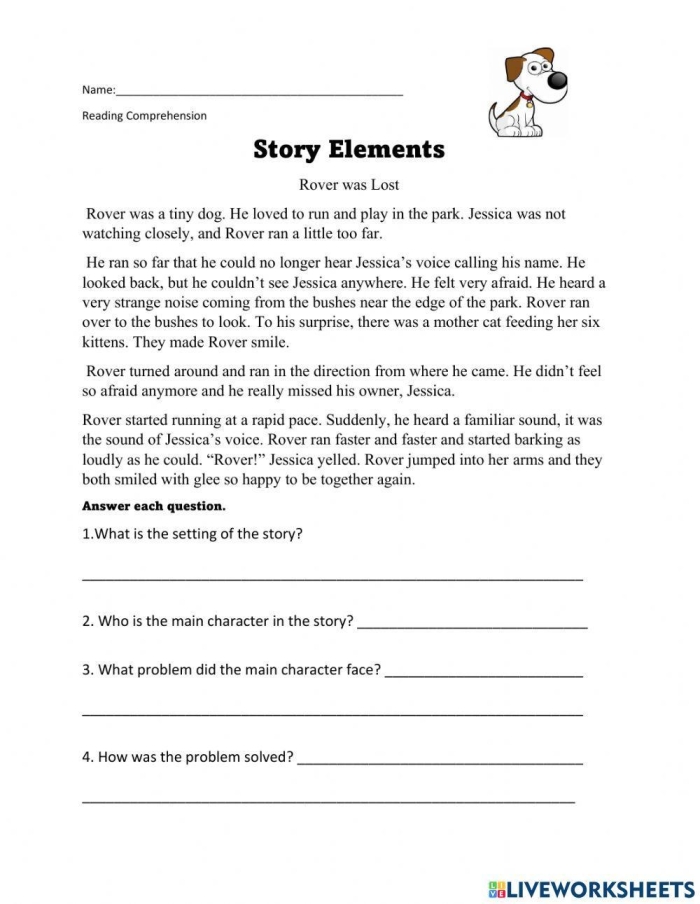
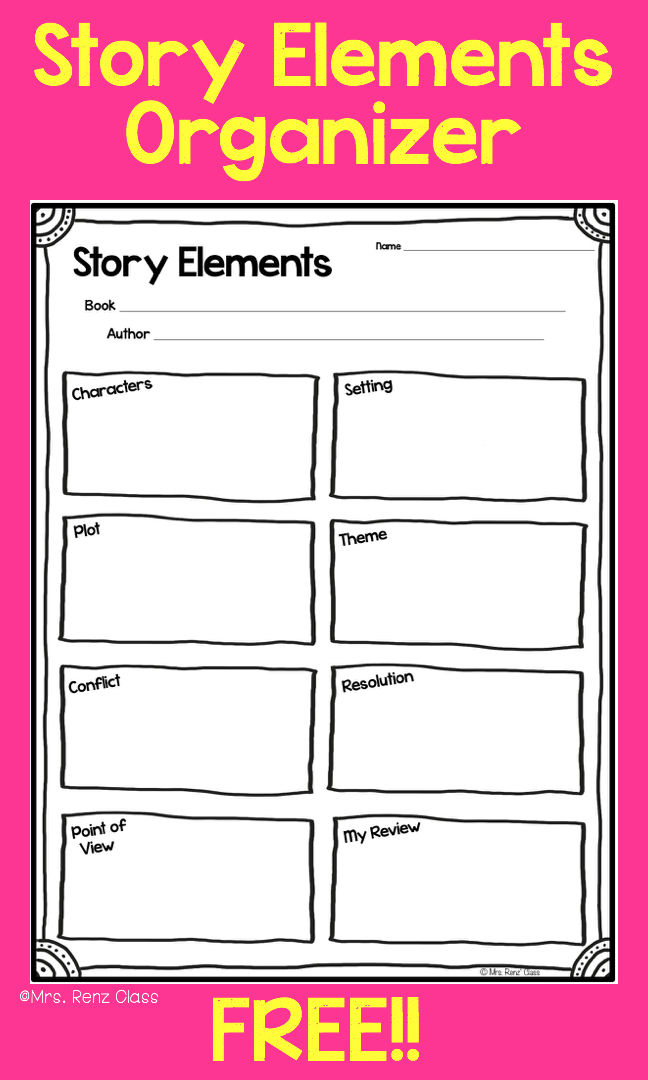
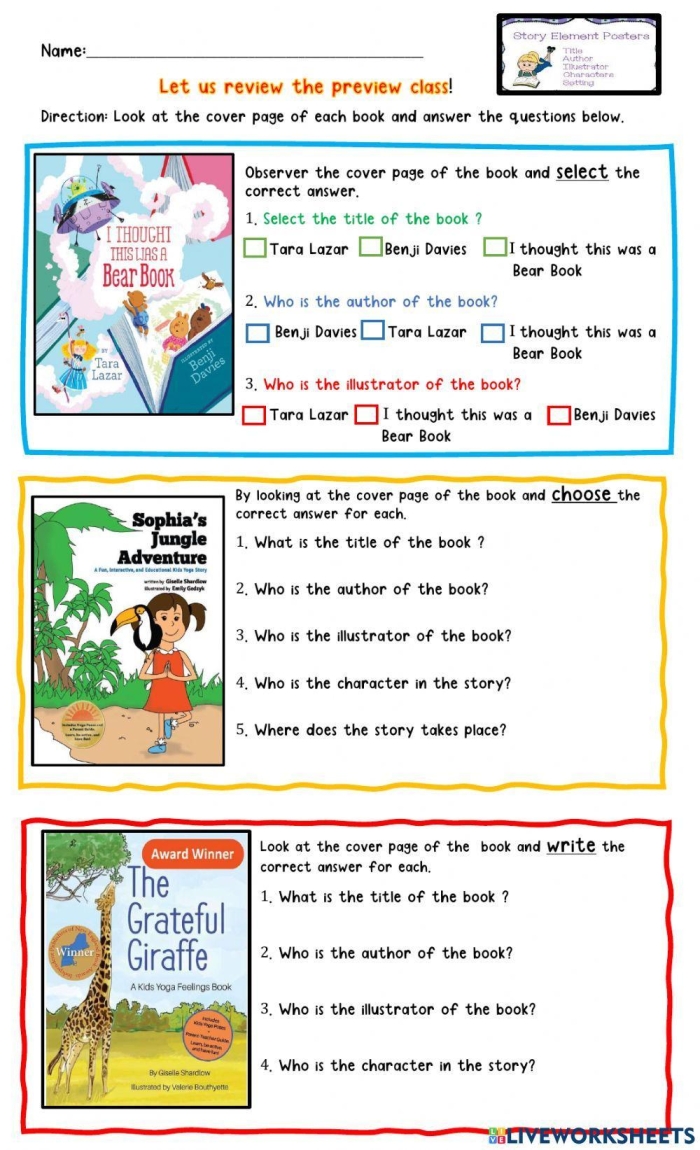
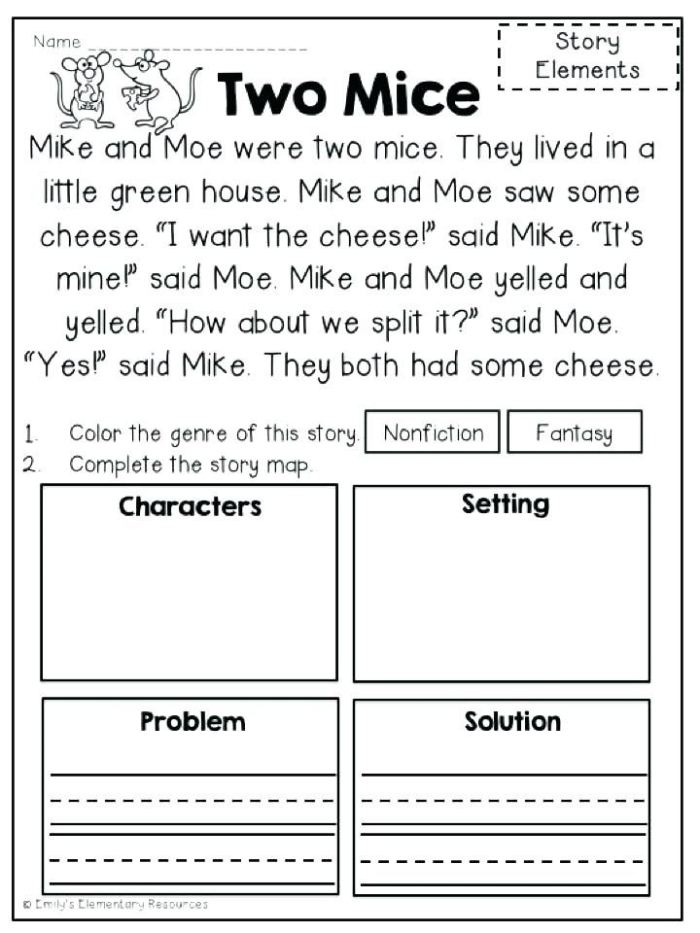
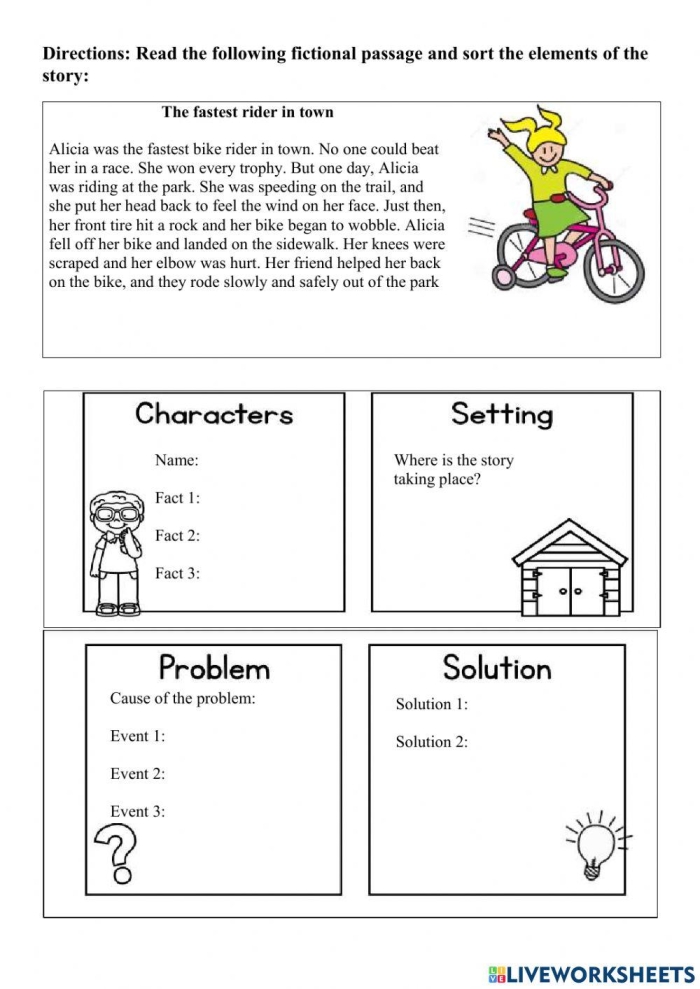
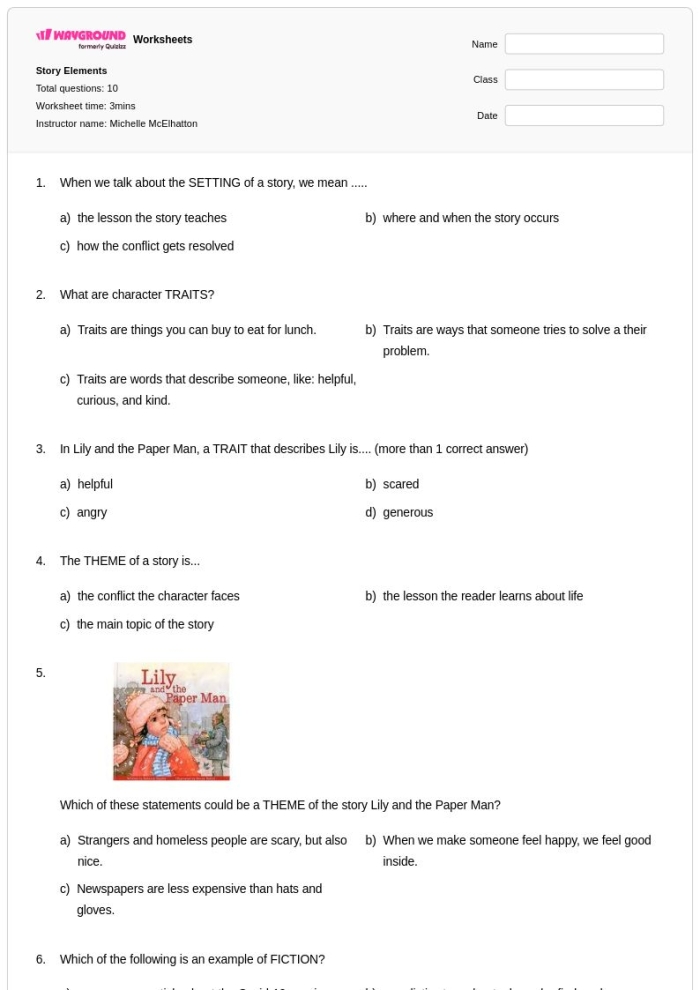
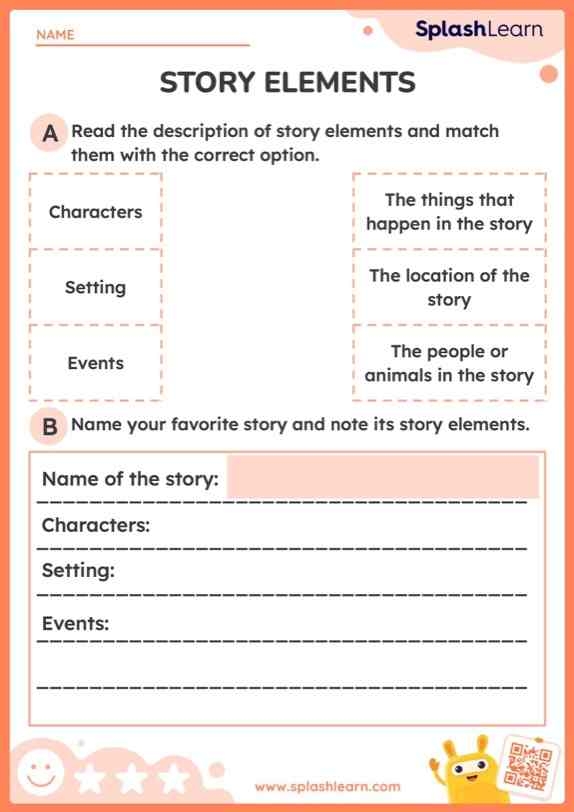
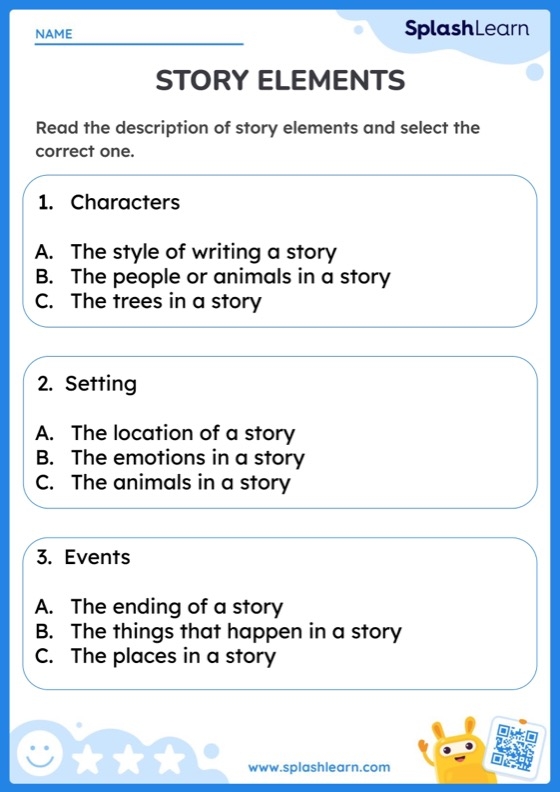
Printable story elements map worksheets can be a fantastic resource for educators looking to implement this strategy in the classroom. Teachers can find various worksheets tailored for first graders that focus on essential story components, supporting students as they learn to read and write. Resources like the Story Elements Map worksheets provide structured activities that make learning interactive and enjoyable.
Incorporating a story map into lesson plans not only enhances retelling skills but also builds a foundation for literacy that students will carry with them throughout their education. The benefits of understanding story elements are profound, creating engaged learners who are well-prepared to tackle more complex narratives in the future.
Grab These Worksheets Now